Industrial plants rely on motors to move air, pump fluids, run conveyors, and drive machine tools. A motor’s nameplate may show only a few key figures, yet its efficiency and operating behavior can affect energy use, heat, and production uptime. That demand adds up. The International Energy Agency (IEA) estimated that motor-driven systems use about 45% of global electricity. Its 2011 report, Energy-Efficiency Policy Opportunities for Electric Motor-Driven Systems, identifies motor-system efficiency as a significant energy-saving opportunity. The figure covers motor-driven systems broadly, not low-voltage motors alone, but it helps explain why careful selection matters.
This guide reviews 10 Low Voltage Motor options for industrial use, with attention to practical factors: rated power, efficiency class, enclosure protection, cooling method, starting behavior, and compatibility with variable-speed drives. A motor’s fit depends on the load and site conditions. A pump running steadily differs from a conveyor starting under load, and dust or moisture can change enclosure requirements. The IEC 60034 series provides internationally recognized standards for rotating electrical machines, including efficiency classification and performance. Still, a high efficiency rating does not guarantee the best choice. Installation, maintenance, and control settings matter too. Small details count. Use the comparisons as a starting point, then verify specifications against the equipment duty, operating environment, and manufacturer documentation. One trade-off may remain: the lowest purchase price is not always the lowest lifetime cost.
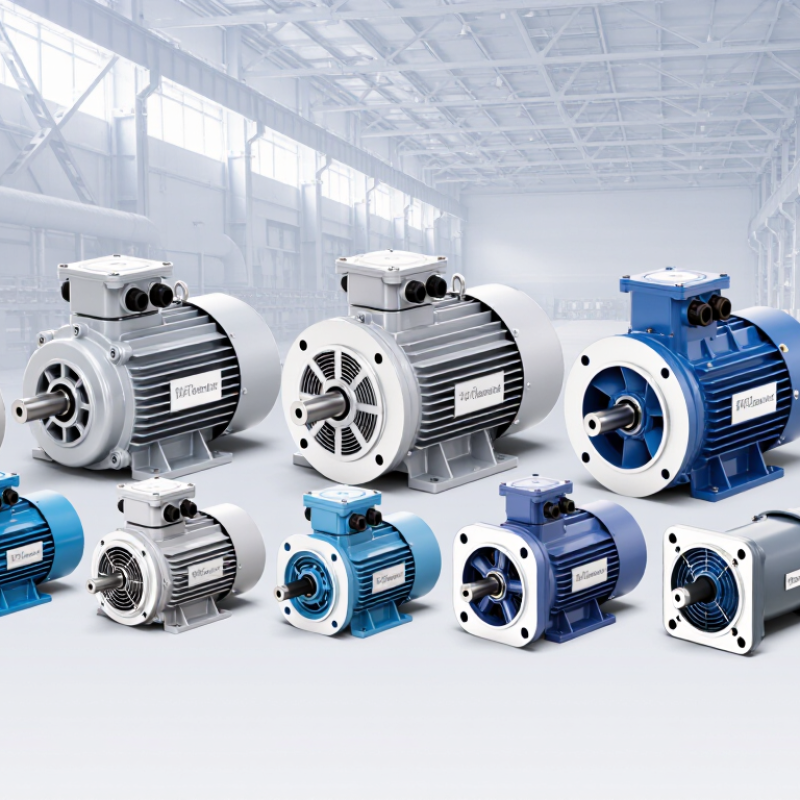
Low-voltage motors generally operate at 1,000 volts or less, making them a practical fit for pumps, fans, conveyors, and compressors. In a plant, they may sit beside a washdown line or run above a furnace room, turning electrical power into steady mechanical work. Many installations use three-phase supplies around 400 or 480 volts, though local systems differ. The nameplate matters. So does the load.
Their industrial importance is hard to overstate. The International Energy Agency’s 2011 report, Energy-Efficiency Policy Opportunities for Electric Motor-Driven Systems, estimates that motor-driven systems consume about 45% of global electricity. A U.S. Department of Energy industry sourcebook puts their share at roughly 68% of manufacturing electricity. These figures describe systems, not motors alone; pumps, drives, and operating conditions shape the total. That distinction is easy to miss.
A correctly selected motor can help match output to the task and avoid needless energy use. Variable-speed drives can be useful when flow or pressure changes, but they are not automatic savings devices. Poor sizing, frequent starts, heat, dust, and misalignment still take a toll. In practice, technicians check current, vibration, bearing temperature, and the driven load—not just the motor label. A small mismatch can persist for years. And maintenance records are sometimes incomplete.
Low-voltage motor performance starts with the relationship between the stator, rotor, and load. In a squirrel-cage design, rotor bars and end rings create a sturdy assembly with few parts that wear. A carefully sized air gap helps limit losses, while winding quality affects heat and electrical resistance. More copper can reduce resistance, but it may increase motor size and cost. There are trade-offs.
Cooling and enclosure design matter just as much. A finned housing sheds heat into the surrounding air, but dust on the fins can reduce cooling over time. In a washdown area, a sealed enclosure may protect the windings, yet restricted airflow can raise operating temperature. Small details count. Bearing selection and shaft alignment also influence vibration, noise, and service life.
Efficiency depends on matching the motor design to the actual duty cycle. A pump running steadily may benefit from a motor sized close to its normal load, rather than its brief peak demand. A conveyor that starts frequently needs suitable starting torque and thermal capacity. Variable-speed operation can save energy when the process needs changing flow or speed, but the drive and motor must be compatible. A mismatch can create extra heat or electrical noise. The nameplate rating is useful, but it does not tell the whole story; measured load and operating conditions deserve attention.
Choosing an industrial low-voltage motor starts with the driven load, not the nameplate alone. A conveyor carrying wet aggregate needs different starting torque and protection from a ventilation fan. Record rated power, speed, torque, and duty cycle, then check peak loads during startup. Small details matter.
Match the supply voltage and frequency to the site, and confirm whether a variable-frequency drive will control speed. Not every motor-and-drive combination performs well across the full speed range; verify cooling and insulation requirements with a qualified supplier. Efficiency matters over years of operation, especially on equipment running many hours each day. But purchase price can still sway decisions. Estimate energy costs using realistic operating hours, not a guess.
Environmental conditions narrow the choice. Consider dust, moisture, washdown, altitude, and ambient temperature, then select an enclosure suited to those conditions. Check mounting dimensions, shaft size, bearing loads, and maintenance access before ordering. A motor can fit electrically yet remain awkward to install. Keep a record of actual operating conditions, too. It may be incomplete, but it can reveal where assumptions need checking.
Ten low-voltage motor types serve different industrial jobs. Squirrel-cage induction motors handle pumps and fans; wound-rotor induction motors suit heavy starting loads. Permanent-magnet synchronous motors offer efficient, compact drive. Synchronous-reluctance motors avoid rotor magnets, while switched-reluctance motors tolerate demanding conditions. Brushless DC motors provide controlled speed; brushed DC motors offer simple speed adjustment. Stepper motors move in measured increments. Servo motors deliver precise, feedback-controlled motion. Linear motors create direct, straight-line movement. The categories overlap: “servo” describes a controlled drive system, not one motor construction.
Choosing well matters. The International Energy Agency’s 2011 report, Energy Efficiency Policy Opportunities for Electric Motor-Driven Systems, estimates that motor-driven systems consume more than 40% of global electricity. That makes efficiency and correct sizing worth close attention. Check load profile, starting torque, speed range, duty cycle, enclosure, and inverter compatibility. A motor that looks efficient on a label may perform poorly when oversized or mismatched to its load. Small details matter.
Tips: Record actual operating conditions before specifying a replacement. Measure shaft speed and load where practical, and check the nameplate voltage and insulation requirements. For variable-speed equipment, confirm the motor and drive are designed to work together. The taxonomy is not perfectly tidy; selection should follow the machine’s real task, not just its category.
Before installing a low voltage motor, compare its nameplate voltage, frequency, and connection diagram with the supply and driven equipment. Confirm the foundation is rigid, clean, and level. Soft foot can twist the frame and create vibration that looks like a bearing problem. Small details matter. Align the motor shaft with the load using suitable tools, not visual judgment alone. Check coupling gaps, cable entry seals, and protective grounding before energizing.
During operation, record current, casing temperature, and vibration under a known load. These readings create a useful baseline for spotting change. Keep cooling passages clear of dust and avoid blocking airflow with nearby equipment. A motor that runs hot may be overloaded, poorly ventilated, or supplied with unbalanced voltage. Don’t assume one cause. Unexpected noise or rising vibration deserves investigation before continued heavy service.
Maintenance intervals should reflect operating hours, dust, moisture, and load cycles. Inspect terminals for looseness and discoloration, and check bearings for unusual noise or heat. Follow the motor maker’s instructions for lubrication; excess grease can be as harmful as too little. Isolate and verify power before inspection. Insulation tests can help assess winding condition, but readings need context, including temperature and test history. Records are sometimes incomplete. That is worth correcting.
The stator, rotor, air gap, and winding quality influence heat, resistance, and losses. More copper may reduce resistance, but it can increase size and cost. Trade-offs matter.
Start with the driven load and its normal duty cycle. A steady pump may need a motor sized for its usual load, not a brief peak. Check startup demand, too.
Fins release heat, but dust can block them. A sealed enclosure helps resist moisture, yet limited airflow may raise temperature. Small details count.
Confirm voltage, frequency, speed, torque, mounting dimensions, shaft size, and bearing loads. Also check service access. A motor can fit electrically but still be awkward to install.
It can save energy when a process needs changing speed or flow. Confirm the motor and drive work together across the intended speed range. Mismatches can cause heat or electrical noise.
Induction motors commonly run pumps and fans. Stepper motors move in measured increments, while servo systems provide feedback-controlled motion. The categories can overlap.
Consider dust, moisture, washdown, altitude, and ambient temperature. Choose an enclosure suited to the site, not just the machine’s electrical needs. Not always obvious.
Record operating hours, load, shaft speed, and startup frequency where practical. Nameplate ratings help, but measured conditions tell more. Records can be incomplete. That is worth reviewing.
Low-voltage motors are essential in industrial settings, powering equipment that needs dependable, controlled motion. Their performance depends on factors such as motor design, load requirements, operating speed, starting behavior, and energy efficiency. Understanding these differences helps businesses select a Low Voltage Motor suited to its intended application, whether the priority is steady operation, precise control, or reliable performance in demanding conditions.
This overview examines ten types of low-voltage motors used across industrial applications and explains how their characteristics influence practical selection. It also considers efficiency, compatibility with control systems, environmental conditions, installation requirements, and expected operating demands. Proper setup, routine inspection, and timely maintenance can help support safe, consistent operation and extend service life. By weighing application needs alongside performance and upkeep, readers can make more informed motor choices.

DyneticPro Motor