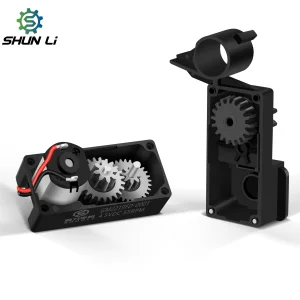
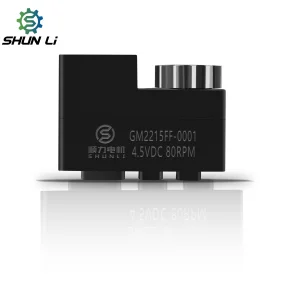
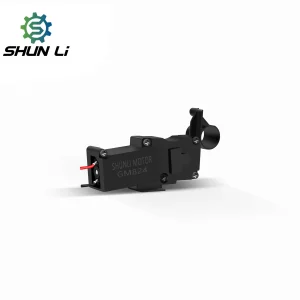
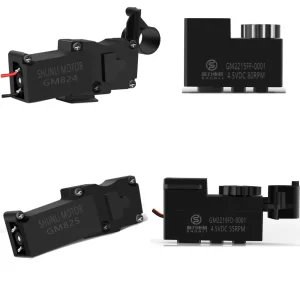
Explore our high-density gearboxes, low-noise battery-powered actuators, and custom-tuned electric drive modules designed for high-security applications.
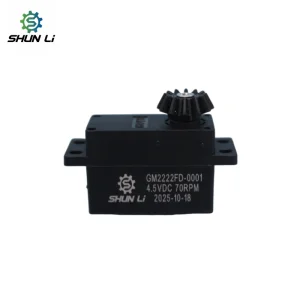
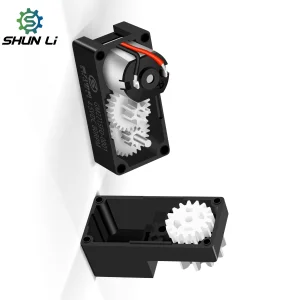
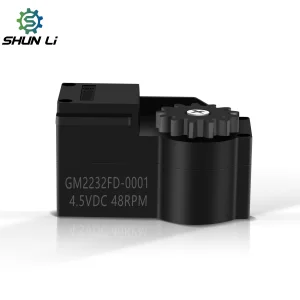
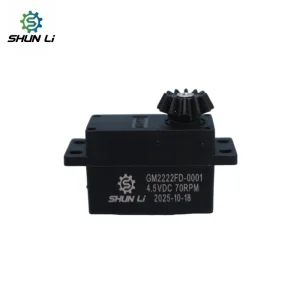
Inside a premium robotic joint, an automated medical pump, or a high-end smart lock, space is the ultimate luxury. At DyneticPro, we measure our success in micrometers and decibels.
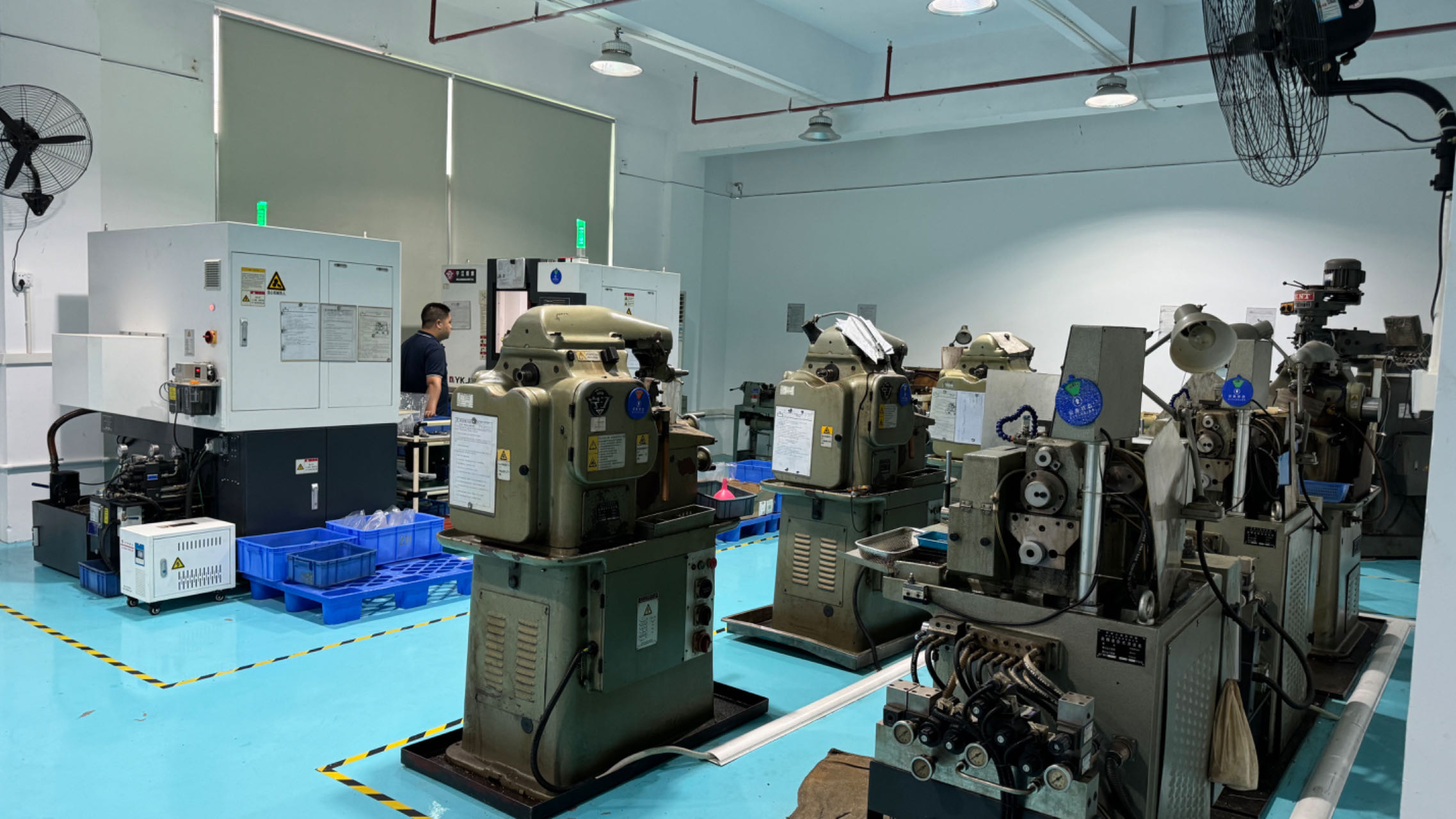
Our expertise lies in the micro-details of motion. From precision-wound copper rotors and high-purity commutators to zero-backlash planetary gear trains, every single internal component of a DyneticPro motor is optimized to eliminate friction and maximize heat dissipation. By combining advanced automated Swiss-style hobbing with Japanese dynamic balancing, we ensure our micro drives deliver the fluid, whispering-quiet power your brand promises. When your next high-tech innovation relies on repeated mechanical perfection, let DyneticPro be the core that spins it forward.

Why typical micro motors fail in smart locks, and how custom gear ratios ensure high security and reliability.
In high-security lock design, the micro motor functions as the central bridge between electronic control logic (such as dynamic RF chips, biometrics, or numeric touchscreens) and raw mechanical blocking systems. In modern lock mechanisms, this relies on structural deadbolts, mortise clutches, or auxiliary security pins. The biggest engineering challenges in this design space are power density, standby consumption, and static locking strength.
Traditional solenoid-based locking mechanisms are inherently energy-hungry. They require continuous electrical current to remain in an open or closed state, which is a major drawback for battery-operated smart locks. In contrast, micro geared DC motors utilize high gear reduction ratios (such as 100:1 up to 1000:1) to generate massive output torque from very small battery currents. This mechanical advantage allows a small 1.5V, 3V, or 4.5V motor to overcome high friction and mechanical misalignment in sagging doors without draining the battery.
Furthermore, we incorporate Permanent Magnet Brush DC (PMDC) configurations combined with high-grade carbon-copper or precious metal brush gears. This minimizes commutation resistance and avoids typical performance drops under varying temperatures. In architectural lock systems, locks must perform reliably from extreme winter colds (-25°C) to scorching summer temperatures (+75°C). Ensuring zero-backlash housing, stable shaft runouts, and rustproof gear alloys guarantees the locking mechanism will operate reliably for over 100,000 duty cycles without jamming.
Optimized for 1.5V, 3V, 4.5V, 6V, and 12V inputs. Matches single/multi-cell lithium chemistry or AA/AAA battery cells.
Delivers high stall torque up to 3.0 kg.cm in micro-enclosures. Safely retracts complex multi-bolt latch mechanisms.
Features micro gearboxes from 30RPM to 240RPM. Combines planetary layout or spur layouts for optimized cost/strength.
How distinct environments demand different motor topologies and integration parameters.
Residential and commercial smart mortise locks require ultra-quiet operation and compact profiles to fit standard backsets (such as 60mm or 70mm lock prep). Standard motors often face dimensional constraints. Our 3V to 6V micro geared DC motors fit perfectly within the narrow mortise casing. They drive the split-clutch mechanisms that engage and disengage external lever handles, ensuring high security with minimal battery drain.
Fleet operators and courier services face package theft challenges, demanding heavy-duty locking systems for vehicle rear doors. This application requires motors that can withstand continuous vibrations, road salts, and thermal shock. Using a 12V DC planetary geared motor with carbon brush commutation ensures sufficient mechanical strength to slam-latch cargo gates securely, preventing theft under demanding physical conditions.
Smart outdoor travel backpacks require ultra-lightweight, miniature security solutions. Miniature geared motors (down to 12mm or 10mm diameters) allow manufacturers to integrate compact, keyless lock modules directly into the fabric seams or strap anchors. With high stall torque configurations, these tiny actuators reliably secure heavy zipper pulls, keeping belongings safe against pickpockets.
Modern data centers and co-working environments require digital access control down to the individual drawer and server rack. In these setups, locking systems are powered through PoE (Power over Ethernet) or localized bus systems (often 12V or 24V). Using a 6V or 12V miniature spur gearbox motor provides low-noise, high-speed lock release, allowing fast access to servers while keeping digital records of every opening cycle.
Navigating the transition toward coreless brushless actuators and smart electronic feedback loops.
The lock motor market is shifting toward smarter, more power-efficient solutions. For decades, traditional iron-core brushed DC motors have been the industry standard due to their simplicity and cost-efficiency. However, the rise of biometrics, real-time wireless auditing, and narrower architectural door frames is pushing standard motors to their limits. The technology roadmap below highlights the key design trends reshaping this space:
Traditional iron-core rotors suffer from cogging torque, which can lead to minor vibrations, mechanical noise, and higher startup voltages. By adopting a coreless design (where the copper wire is self-supporting without a heavy silicon steel core), the rotor weight is dramatically reduced. This eliminates cogging entirely, lowers rotational inertia, and allows the motor to start instantly at lower voltages. This technology can extend smart lock battery life by up to 35%.
For high-frequency commercial entrances (e.g., hotels, hospitals, and corporate headquarters), brushed motors eventually wear out due to brush wear. Brushless designs eliminate mechanical contacts, extending the motor's operating life from 100,000 cycles to over 1,000,000 cycles. By embedding the control driver directly inside the motor housing, we reduce electromagnetic interference (EMI) and save valuable space inside the lock body.
Future smart lock actuators will do more than just spin. By integrating dual-channel magnetic Hall encoders, the lock controller can monitor the motor's precise output position down to the millimeter. This enables advanced features like detecting partial bolt engagement, automatic torque adjustment for stuck bolts, and predictive maintenance alerts before a mechanical failure occurs.
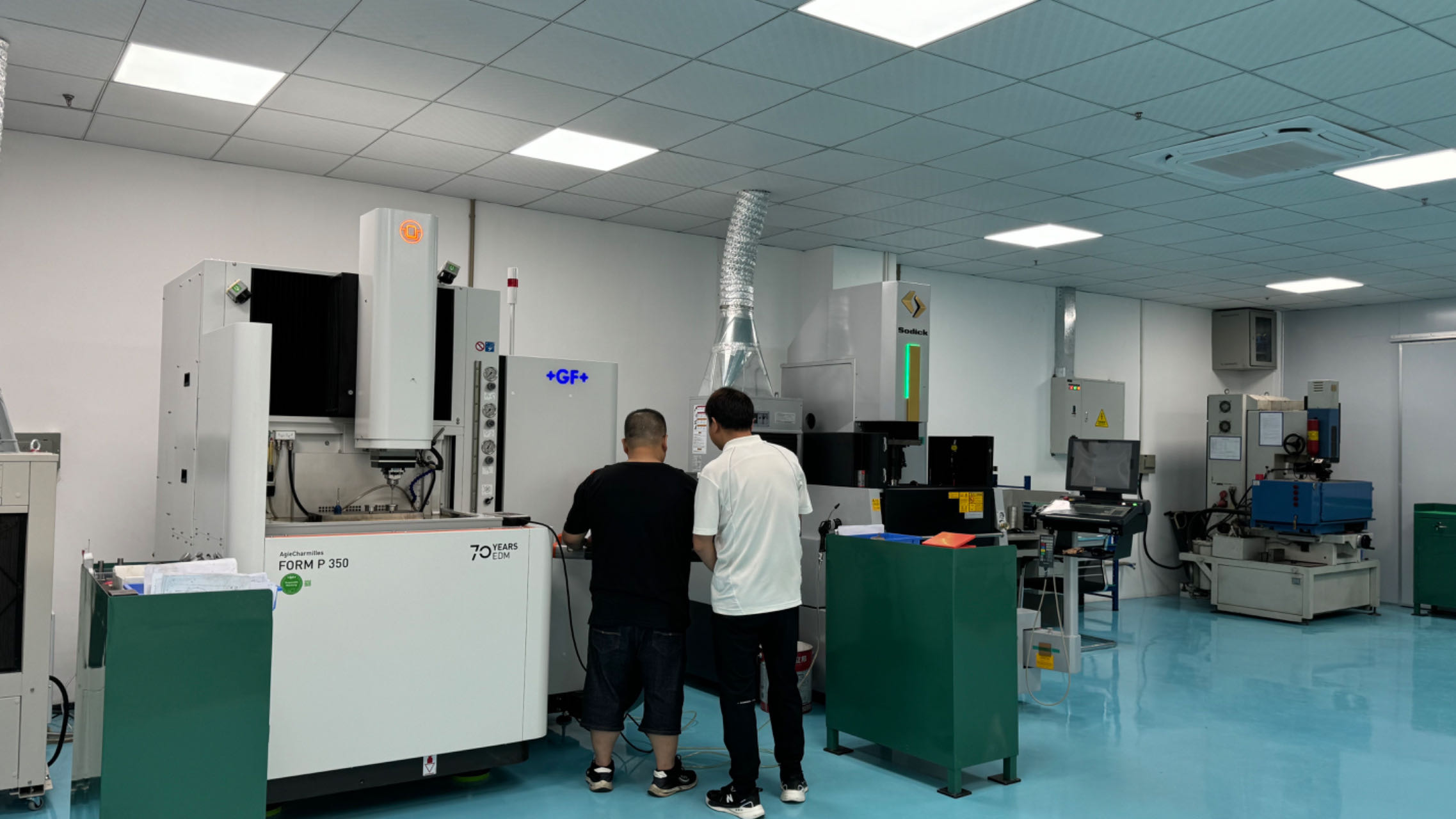
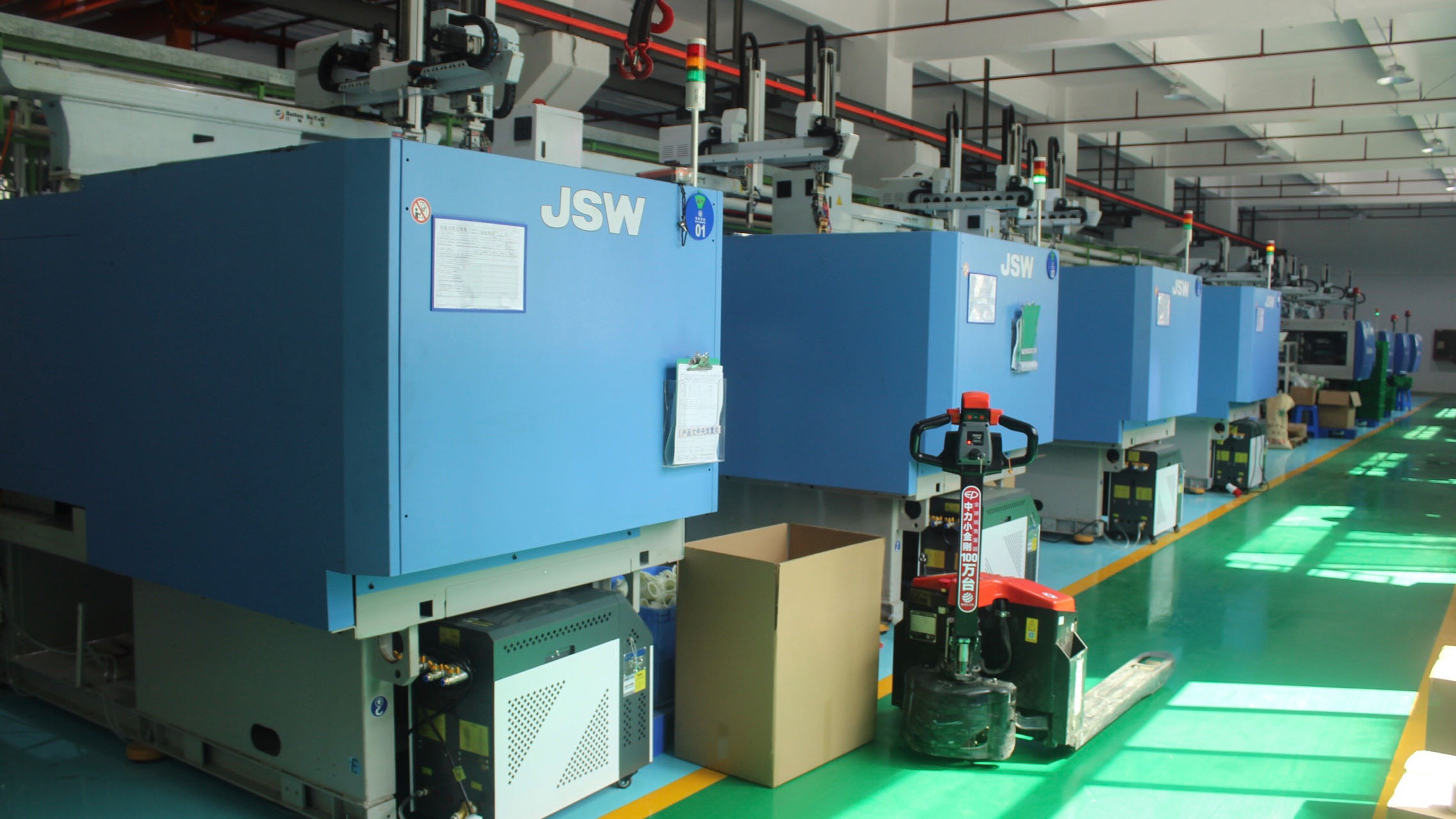
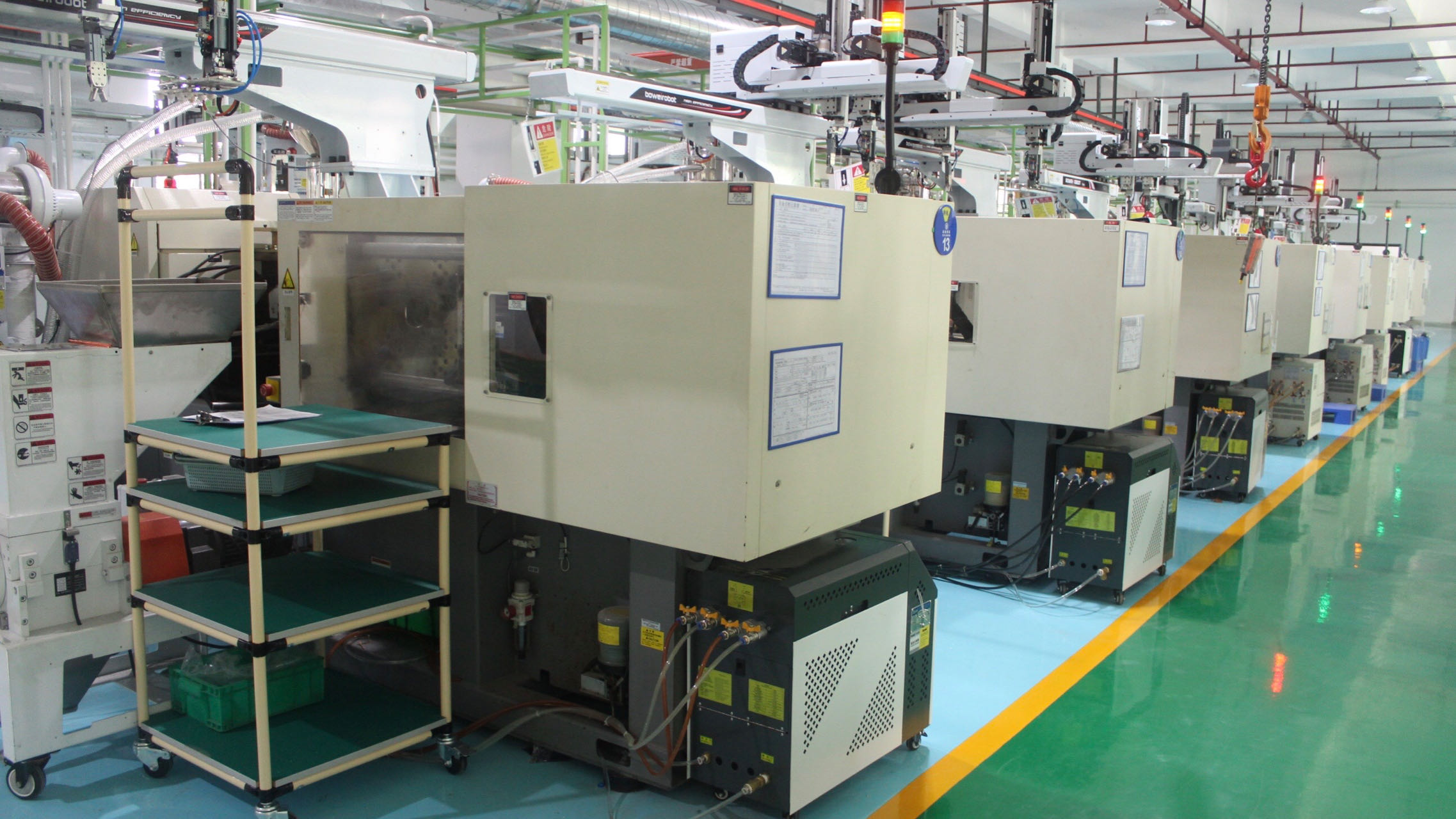
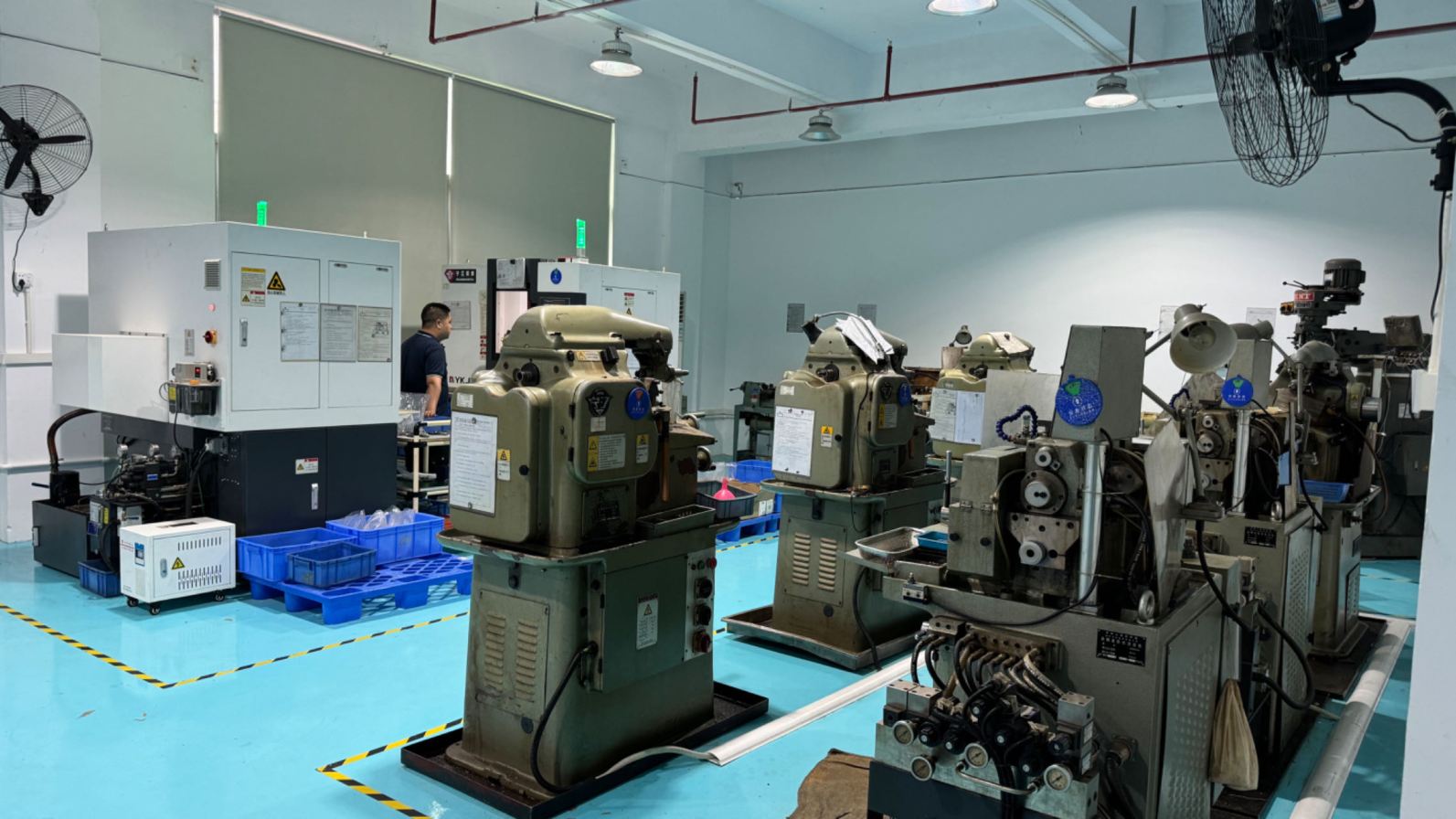
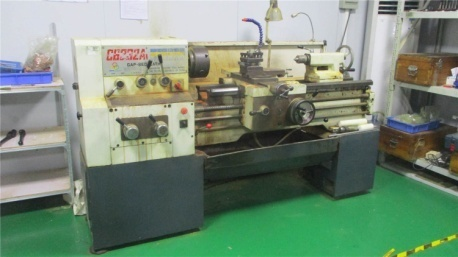
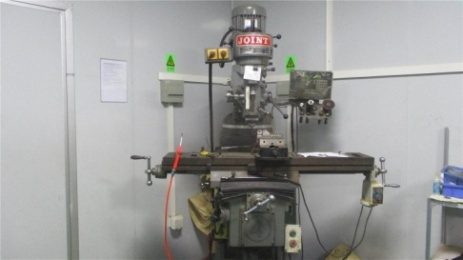
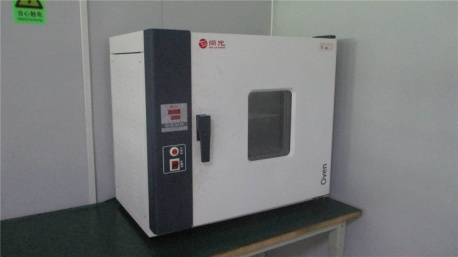
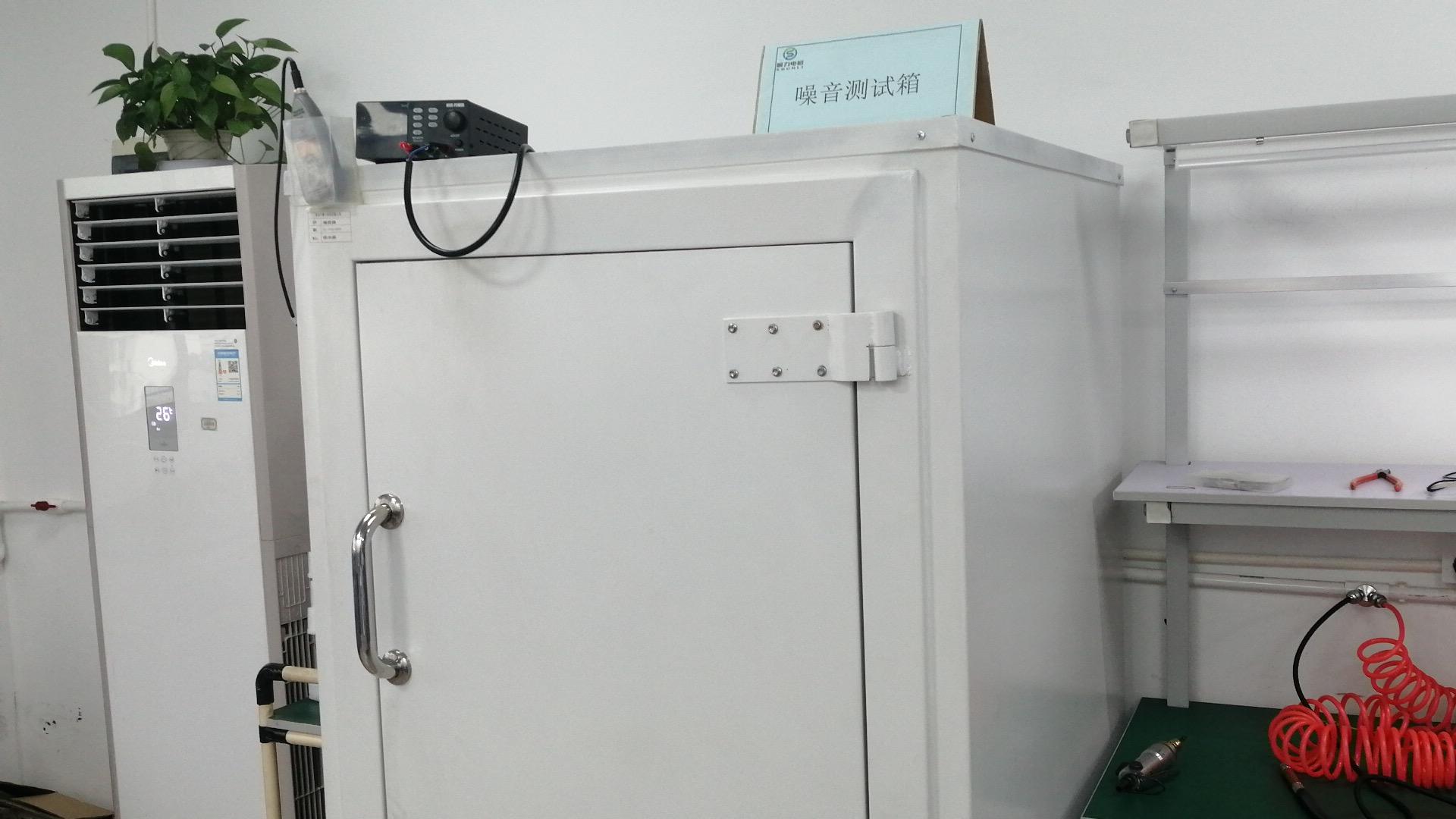
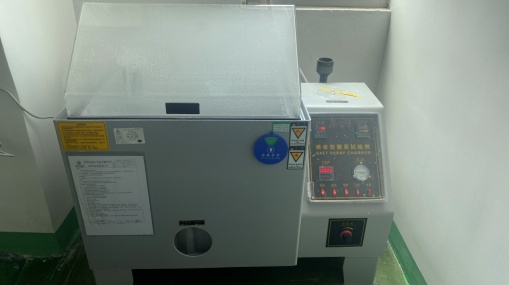
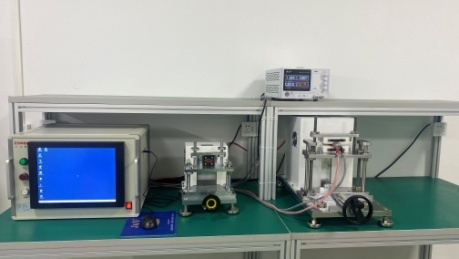
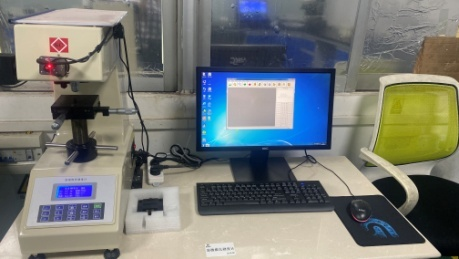
A deep dive into our end-to-end manufacturing process, high-precision equipment, and QA systems.
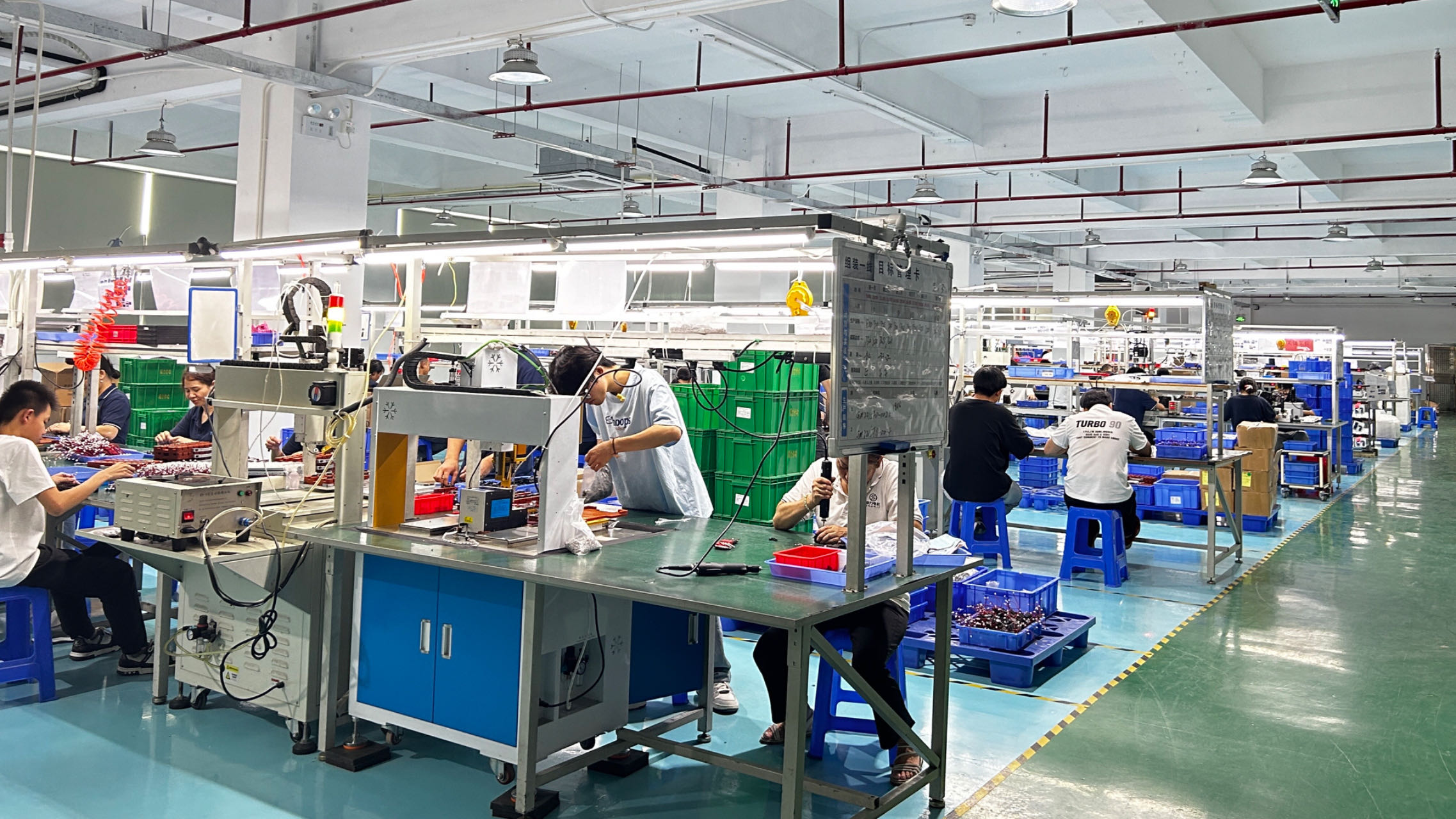
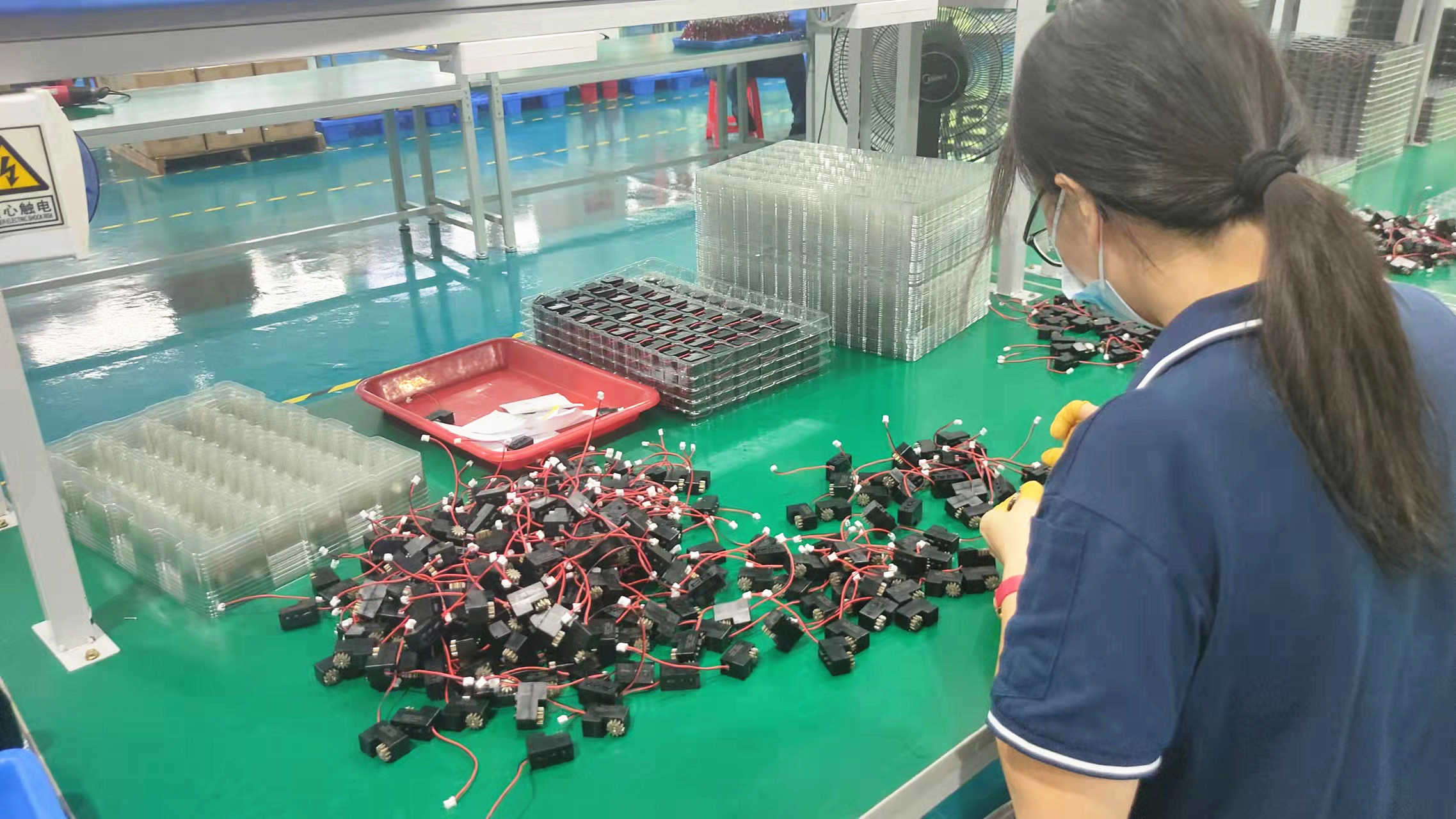
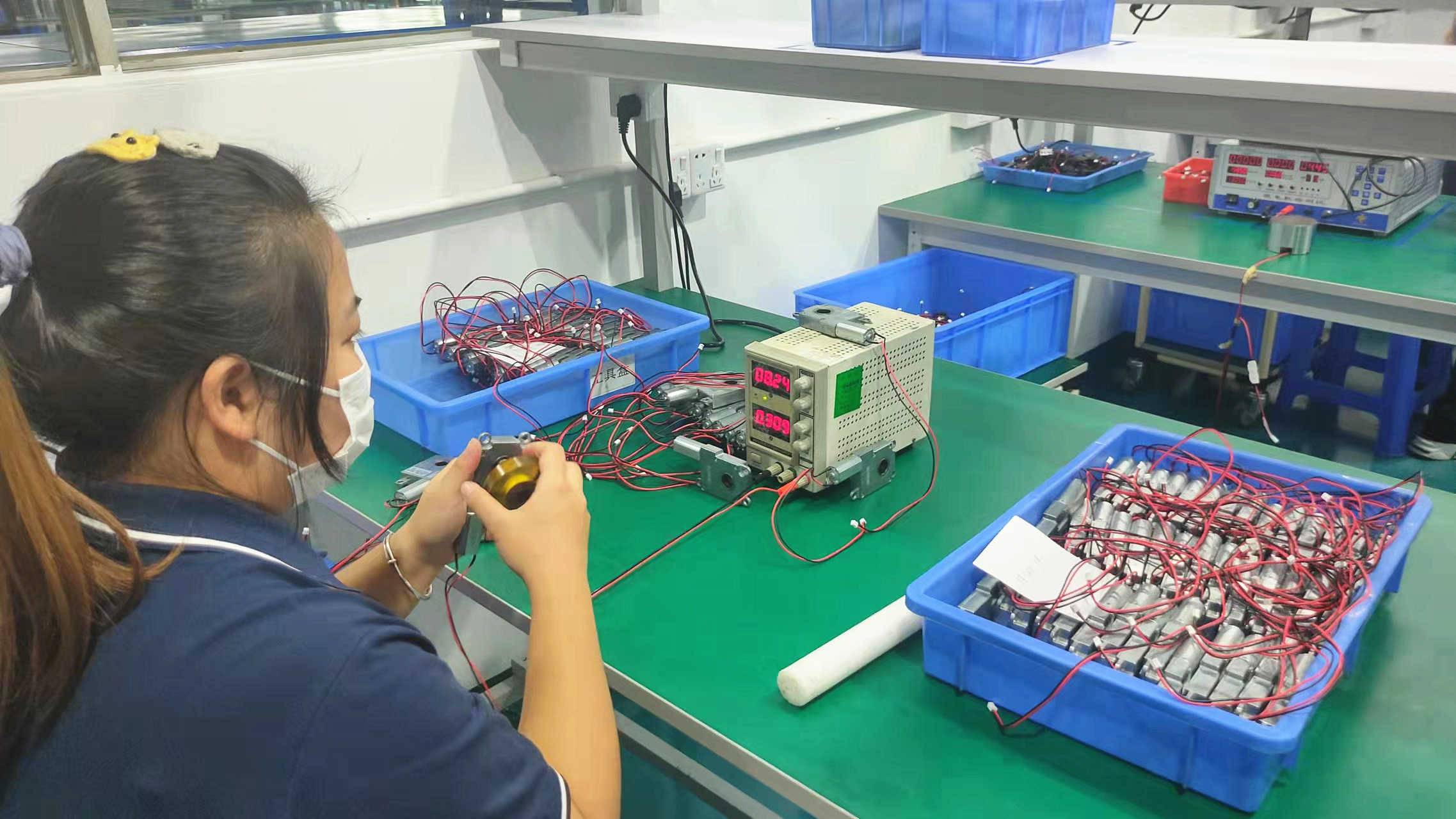
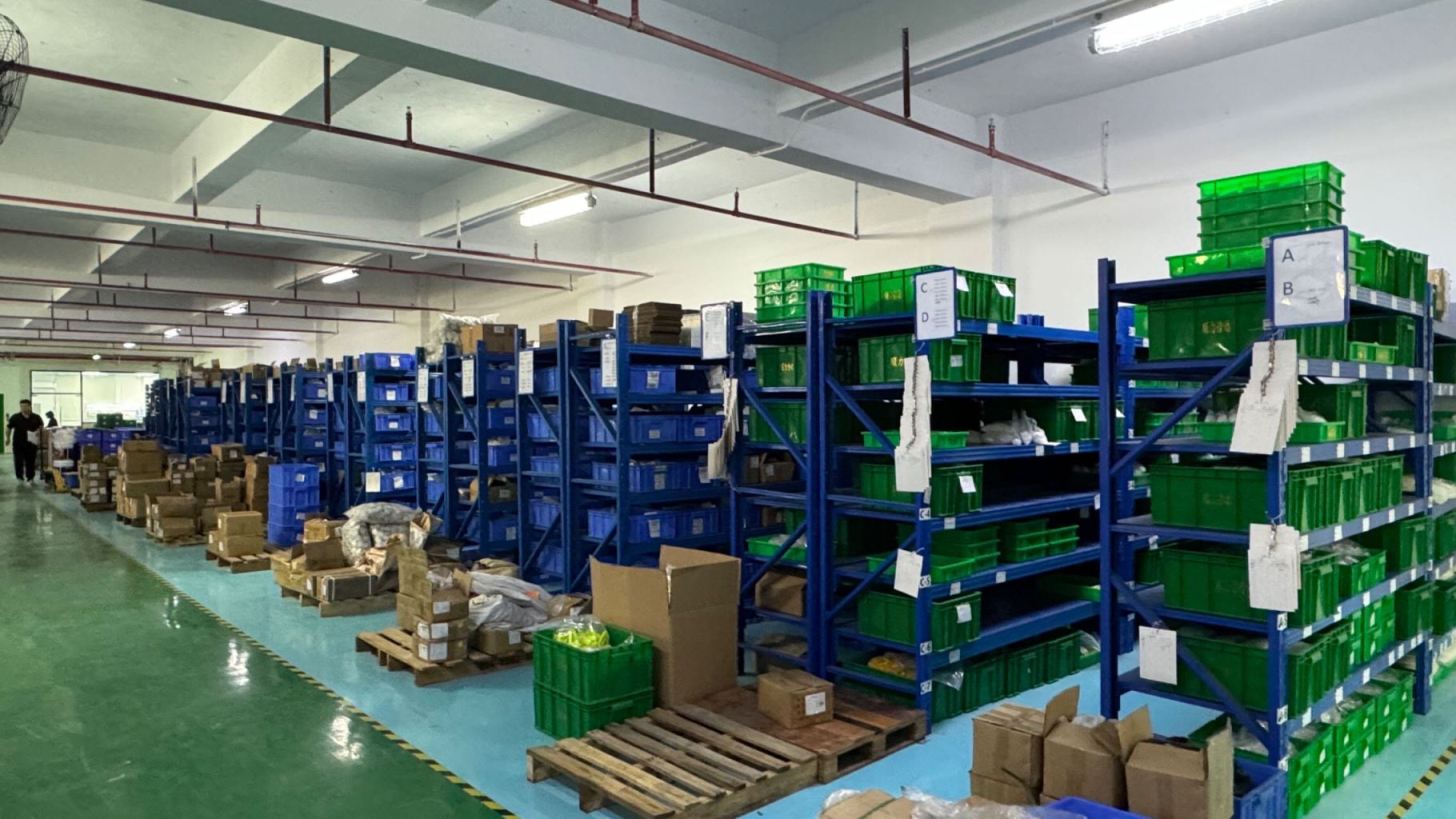
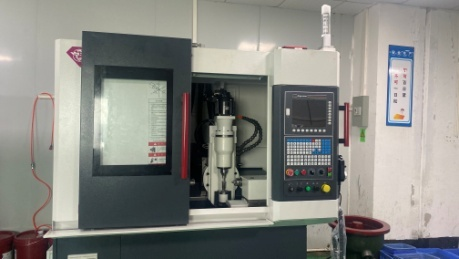
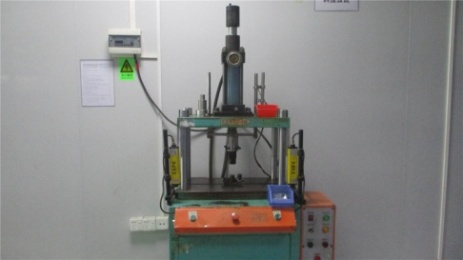
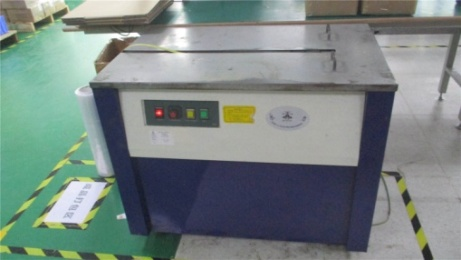
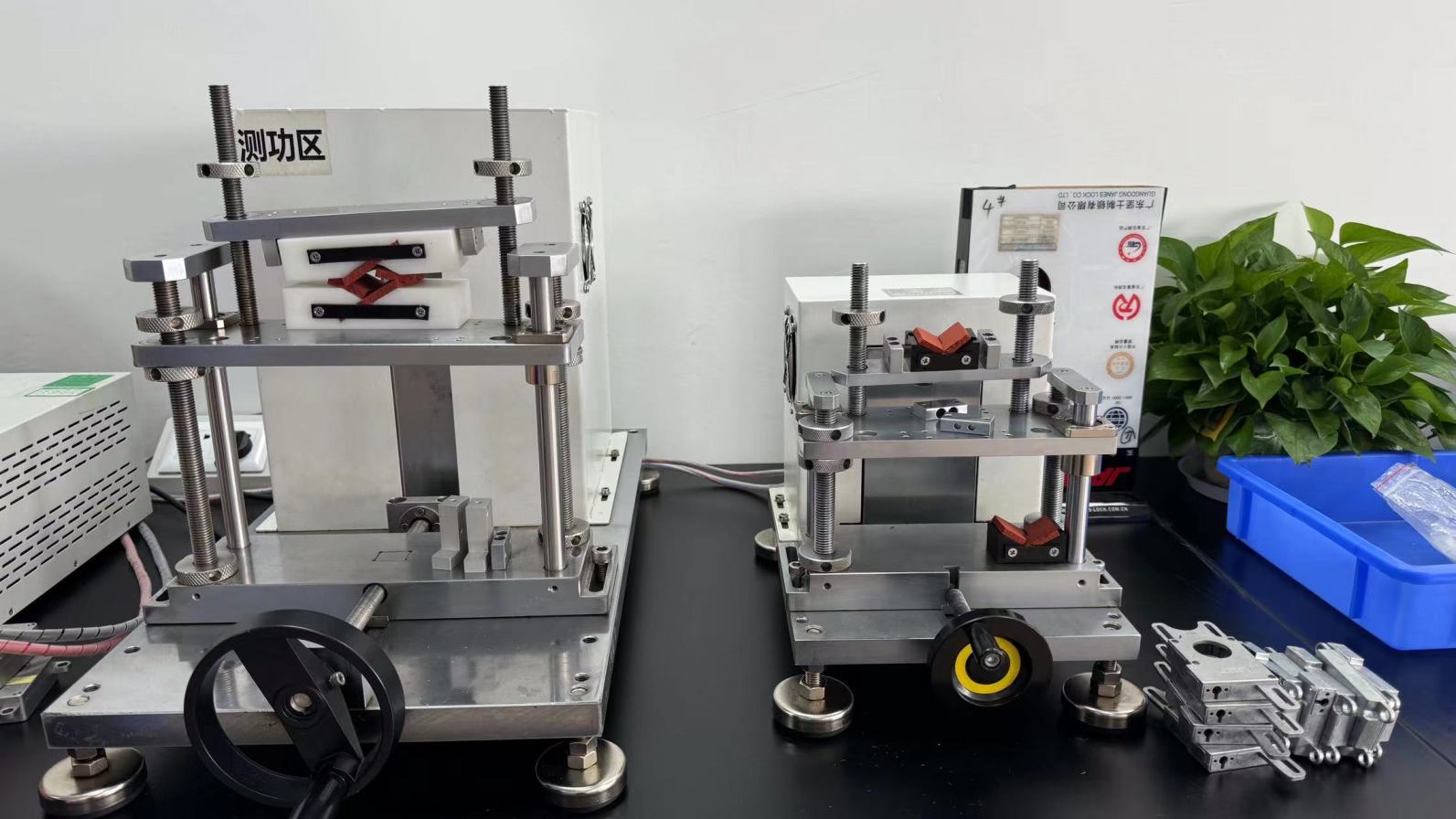
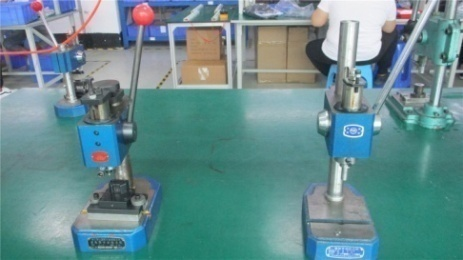
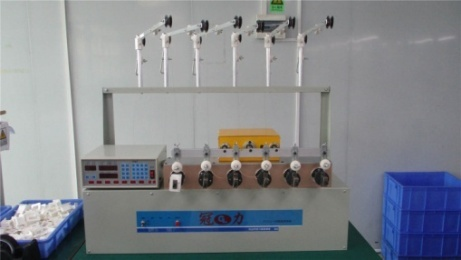
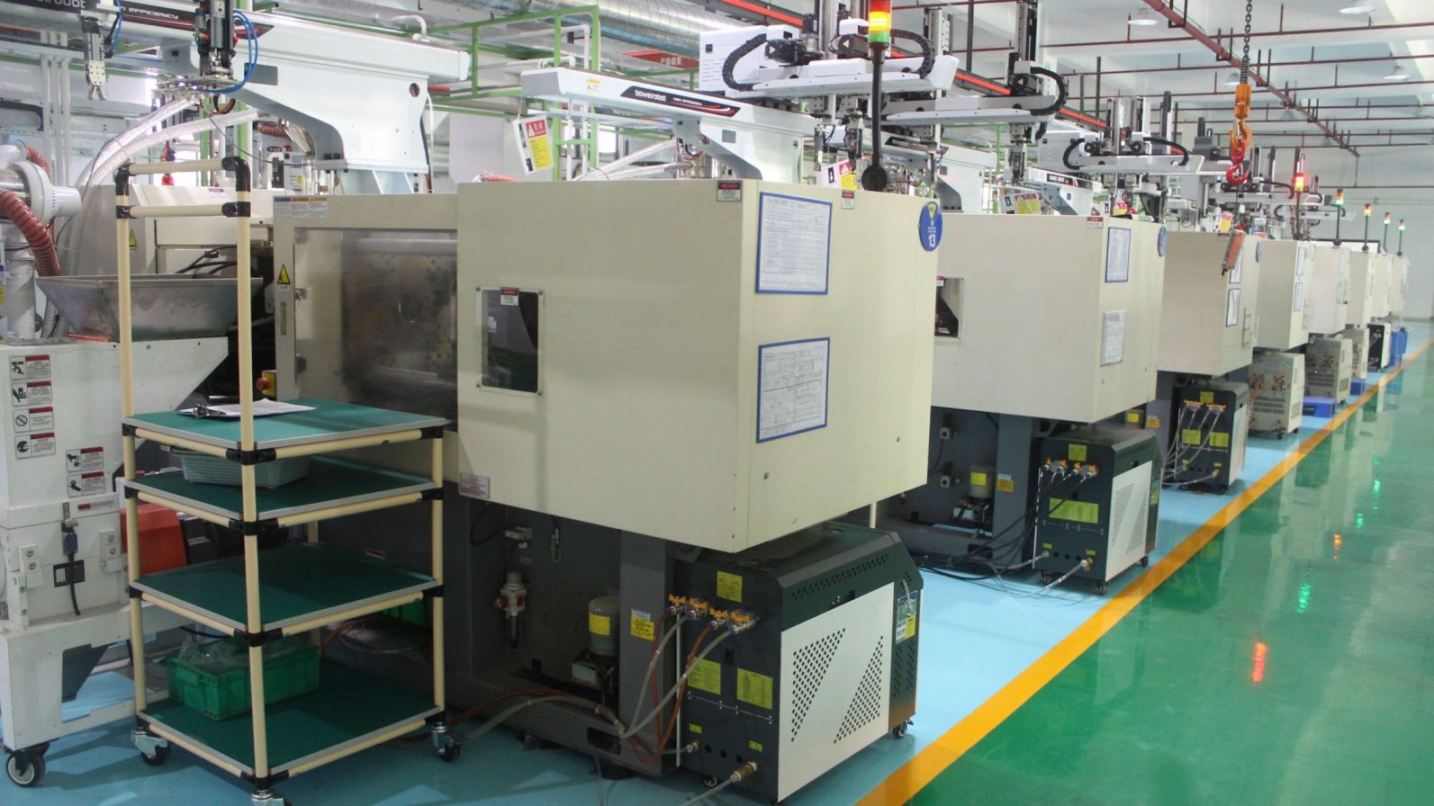
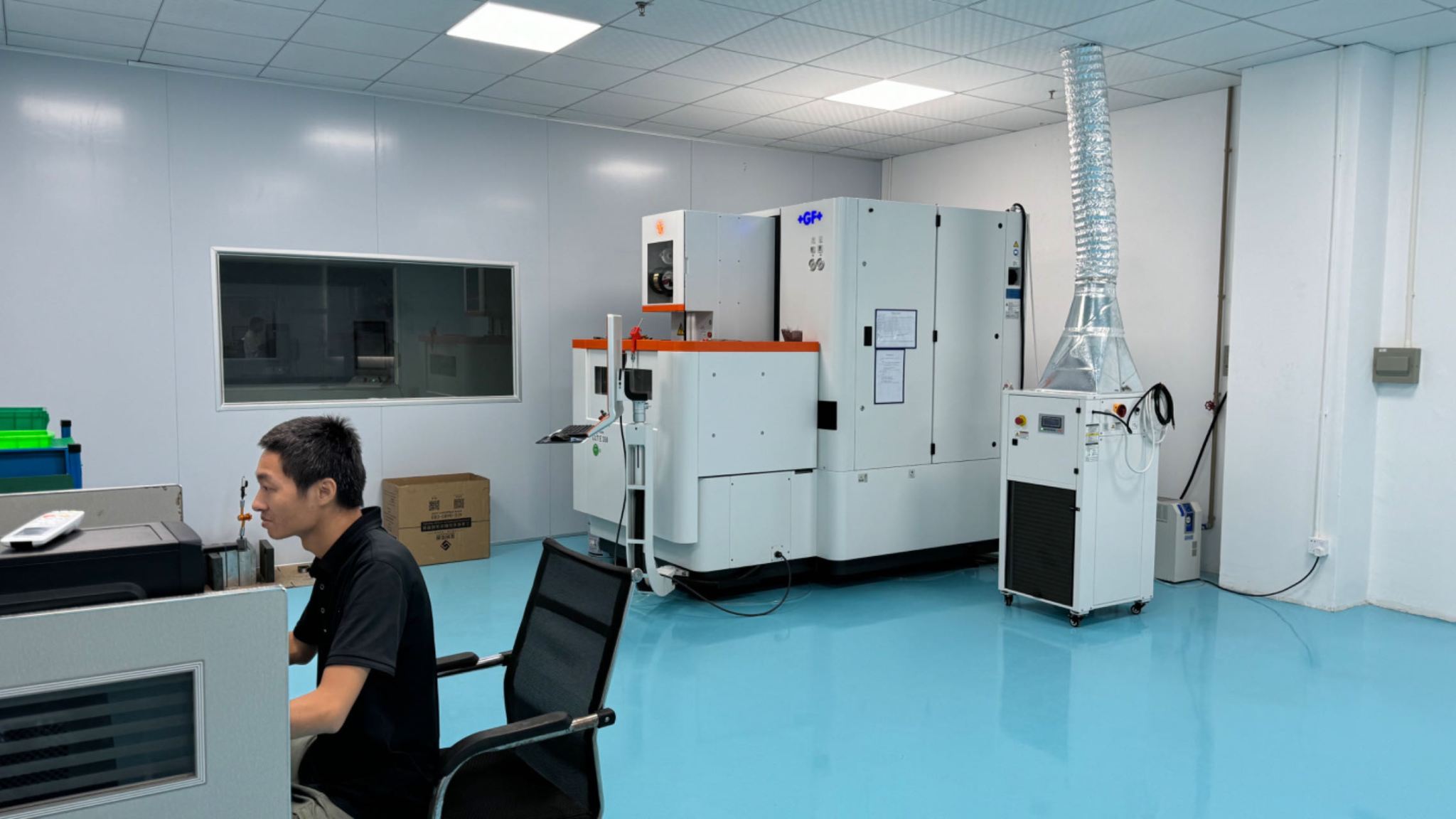
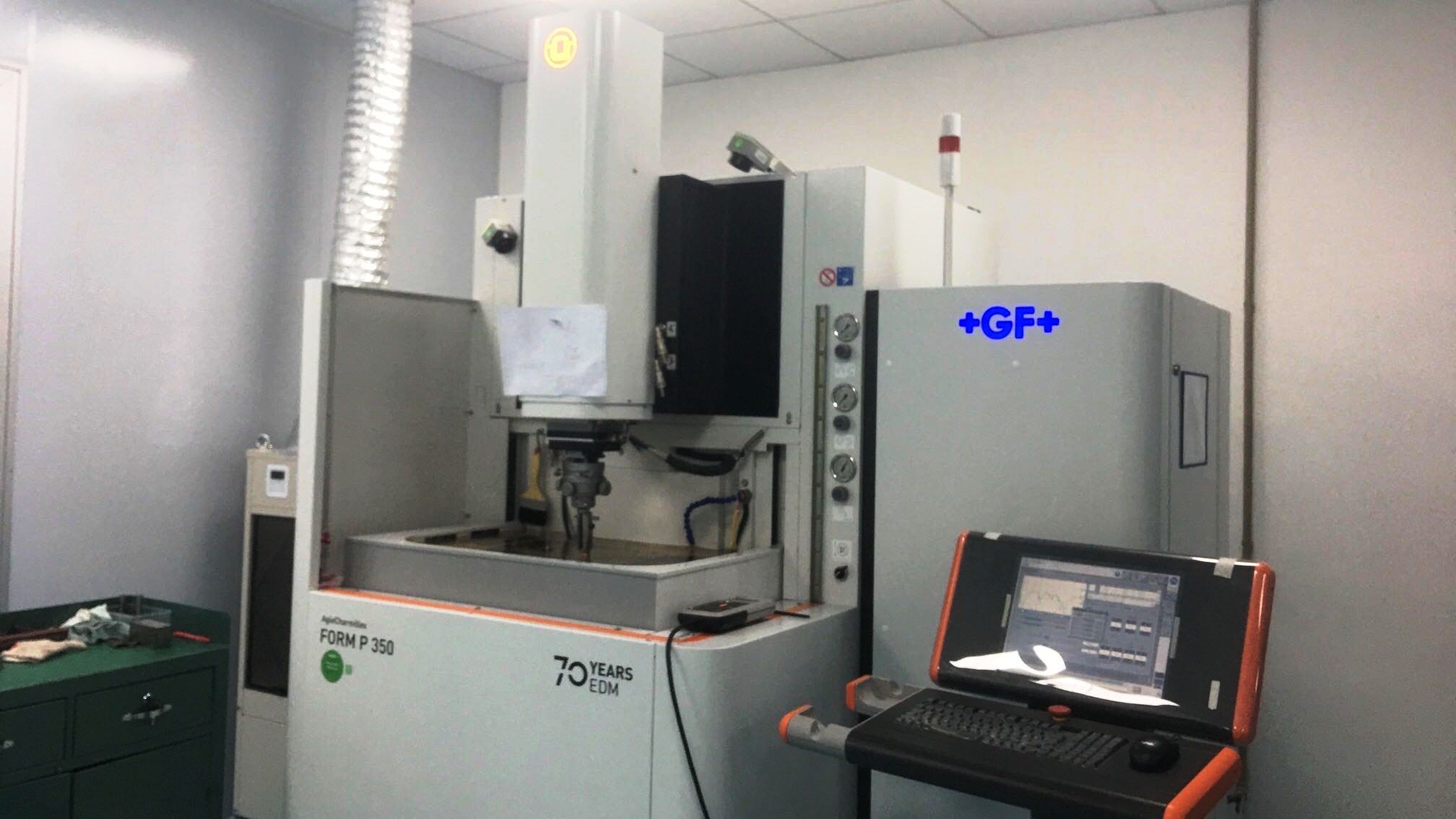
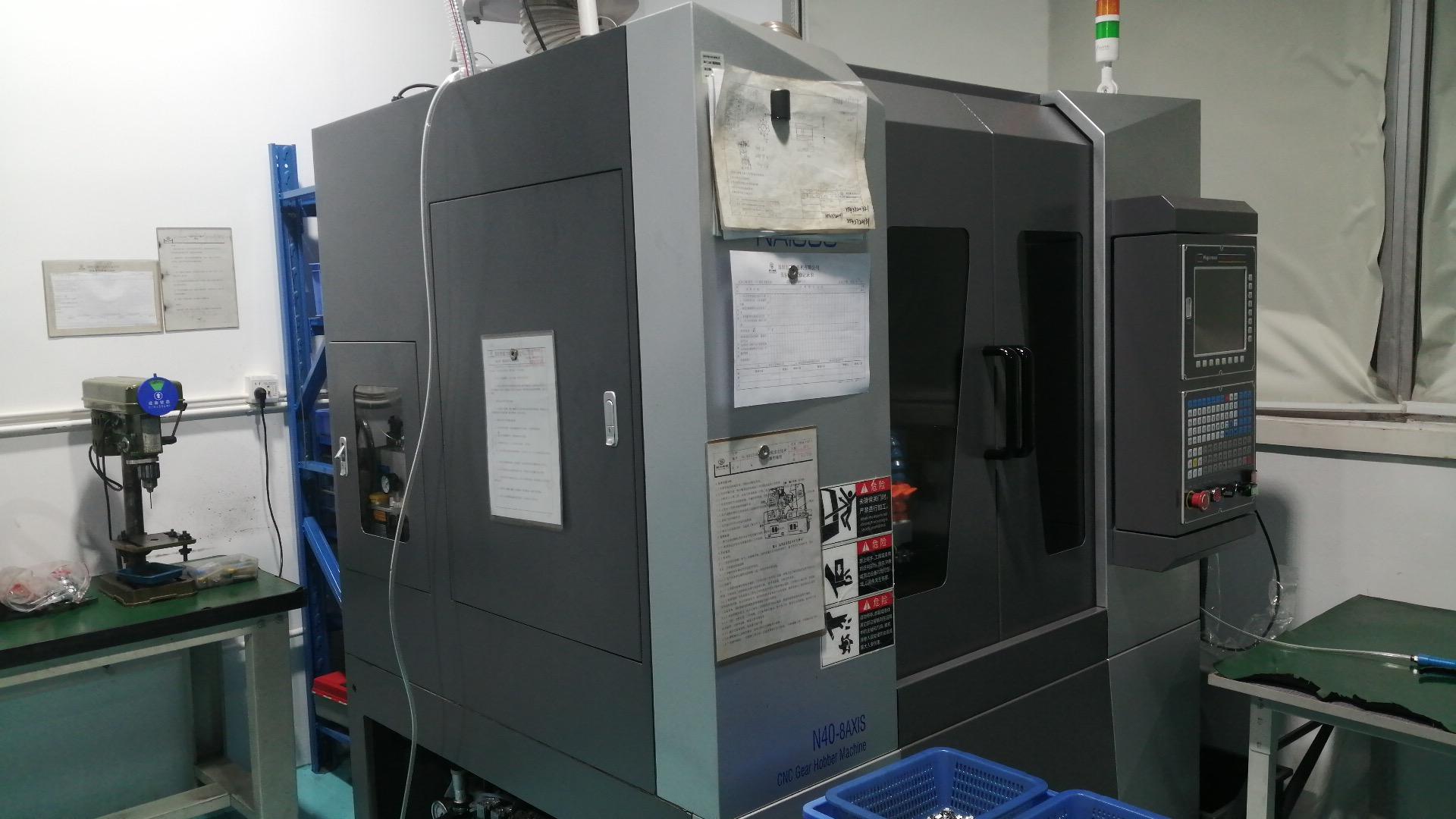
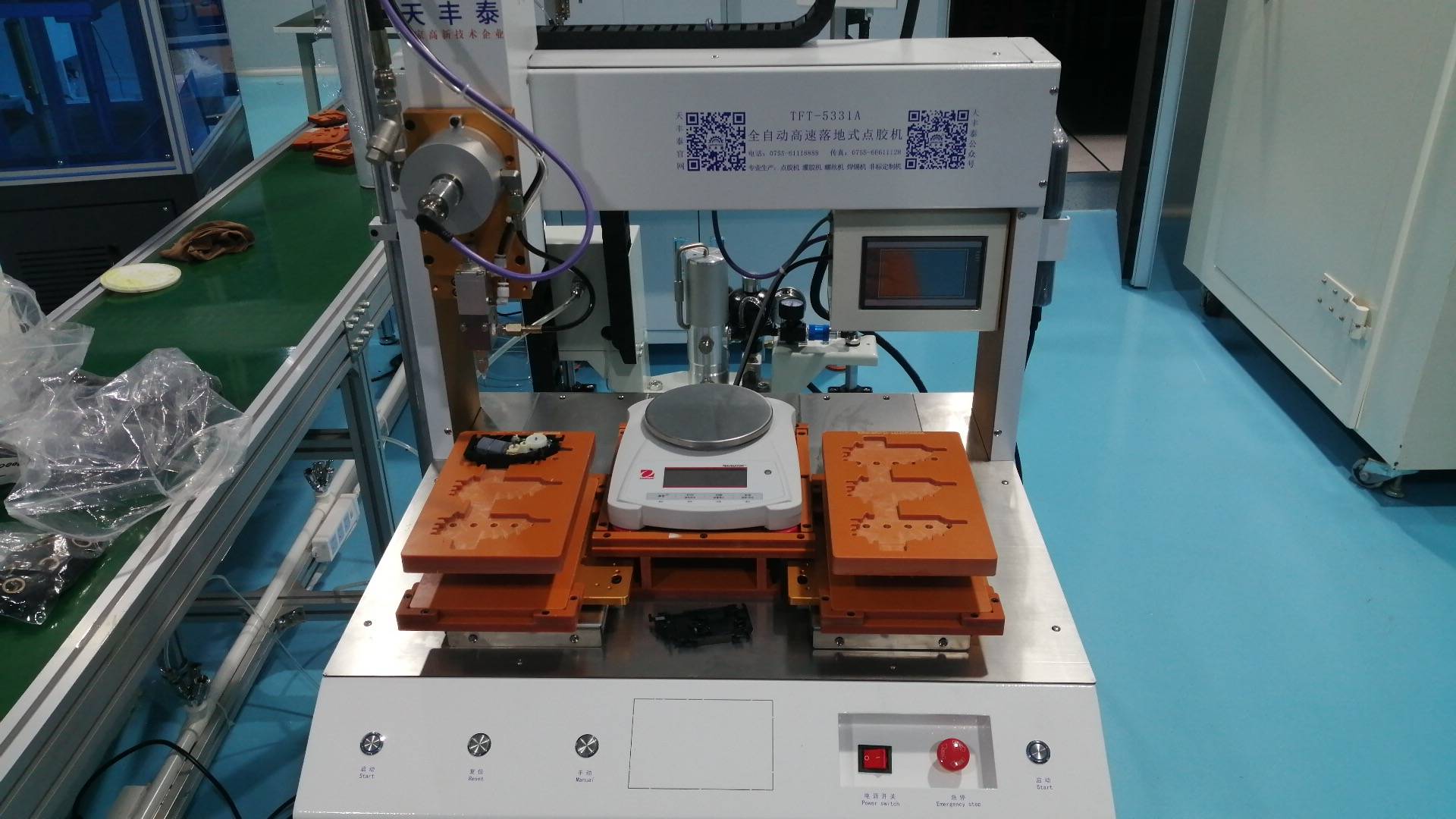
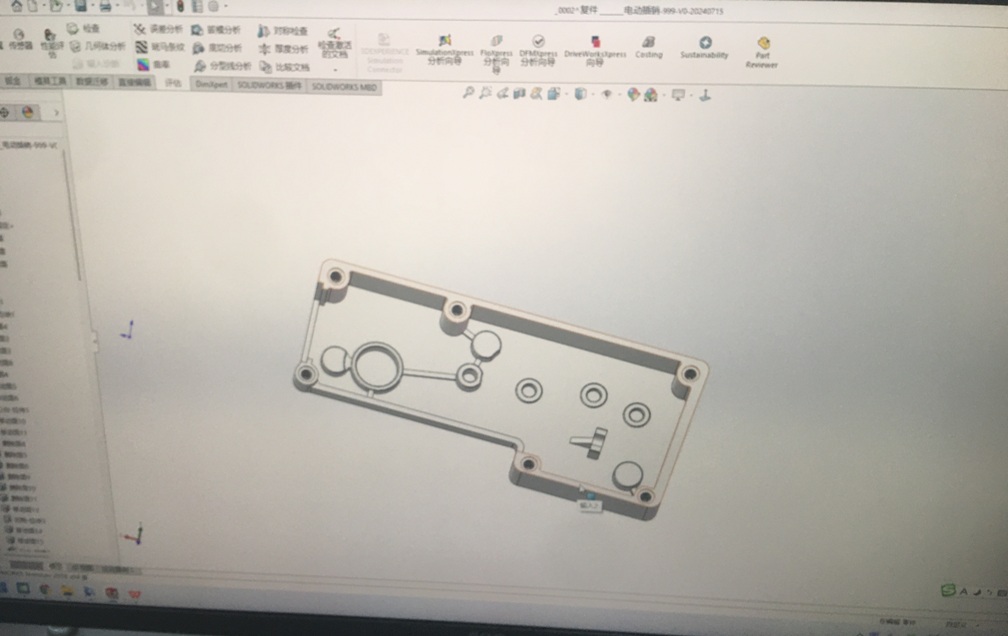
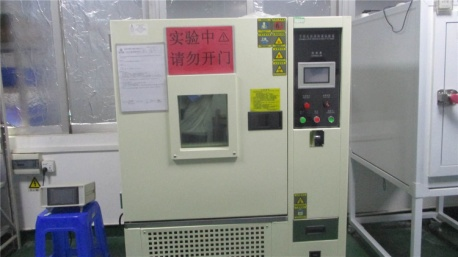
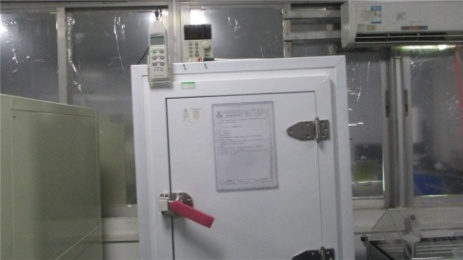
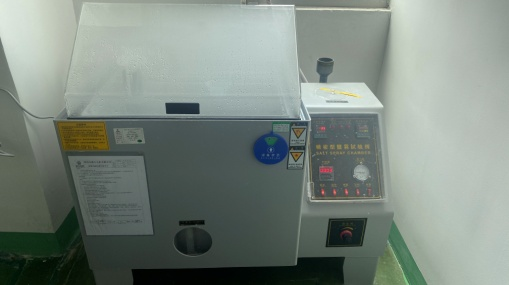
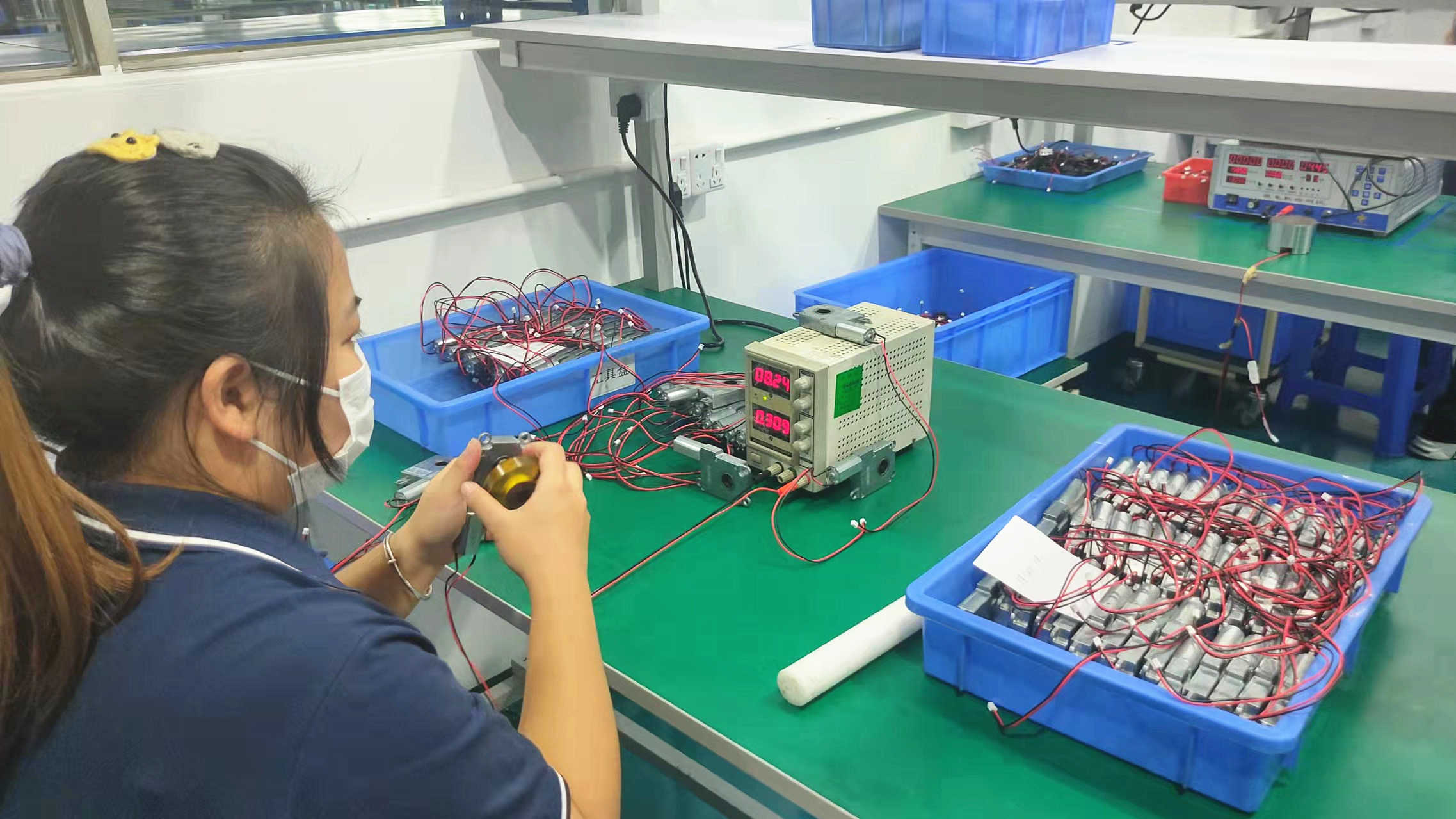
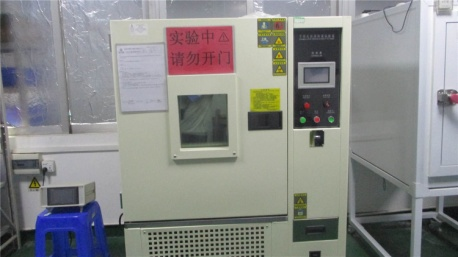
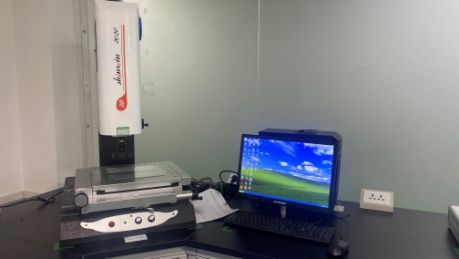
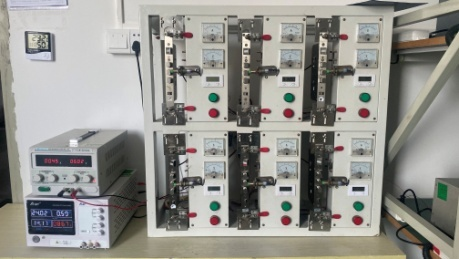
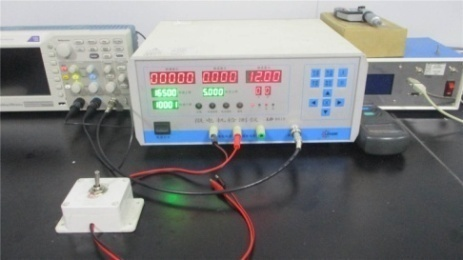
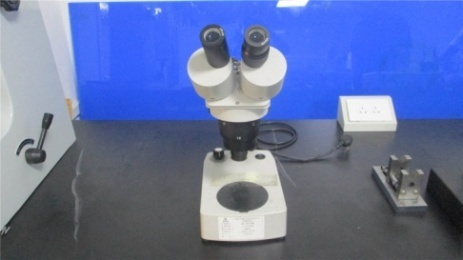
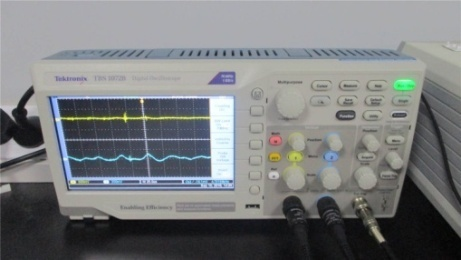
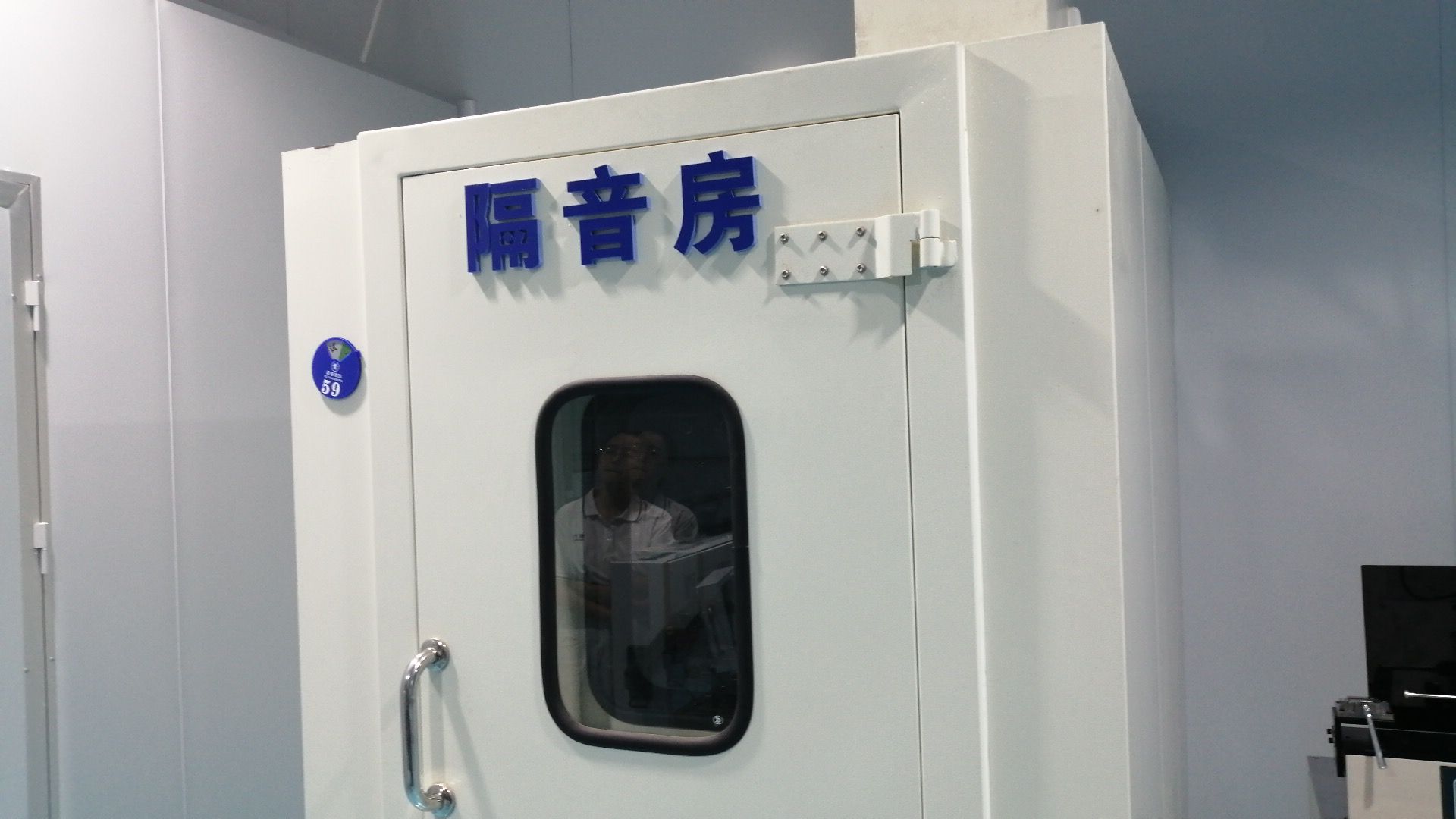
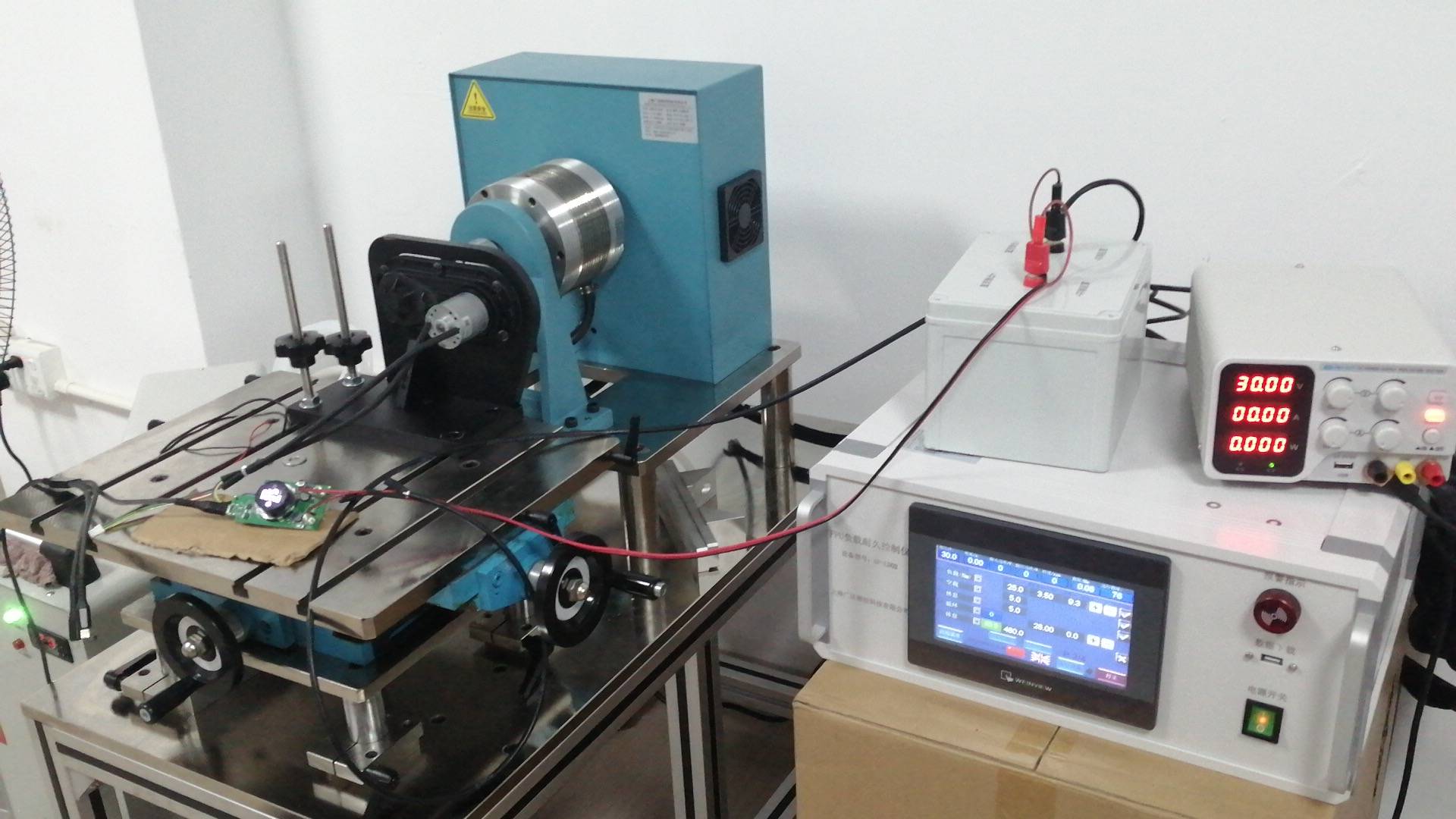
Our manufacturing facility in China integrates advanced automated assembly with rigorous quality control to deliver high reliability and cost-efficiency. By keeping key processes in-house—from raw material inspection and precision winding to gear hobbing and automated testing—we ensure consistent quality while maintaining short lead times. This vertical integration allows us to offer flexible customization for smart lock OEMs worldwide.
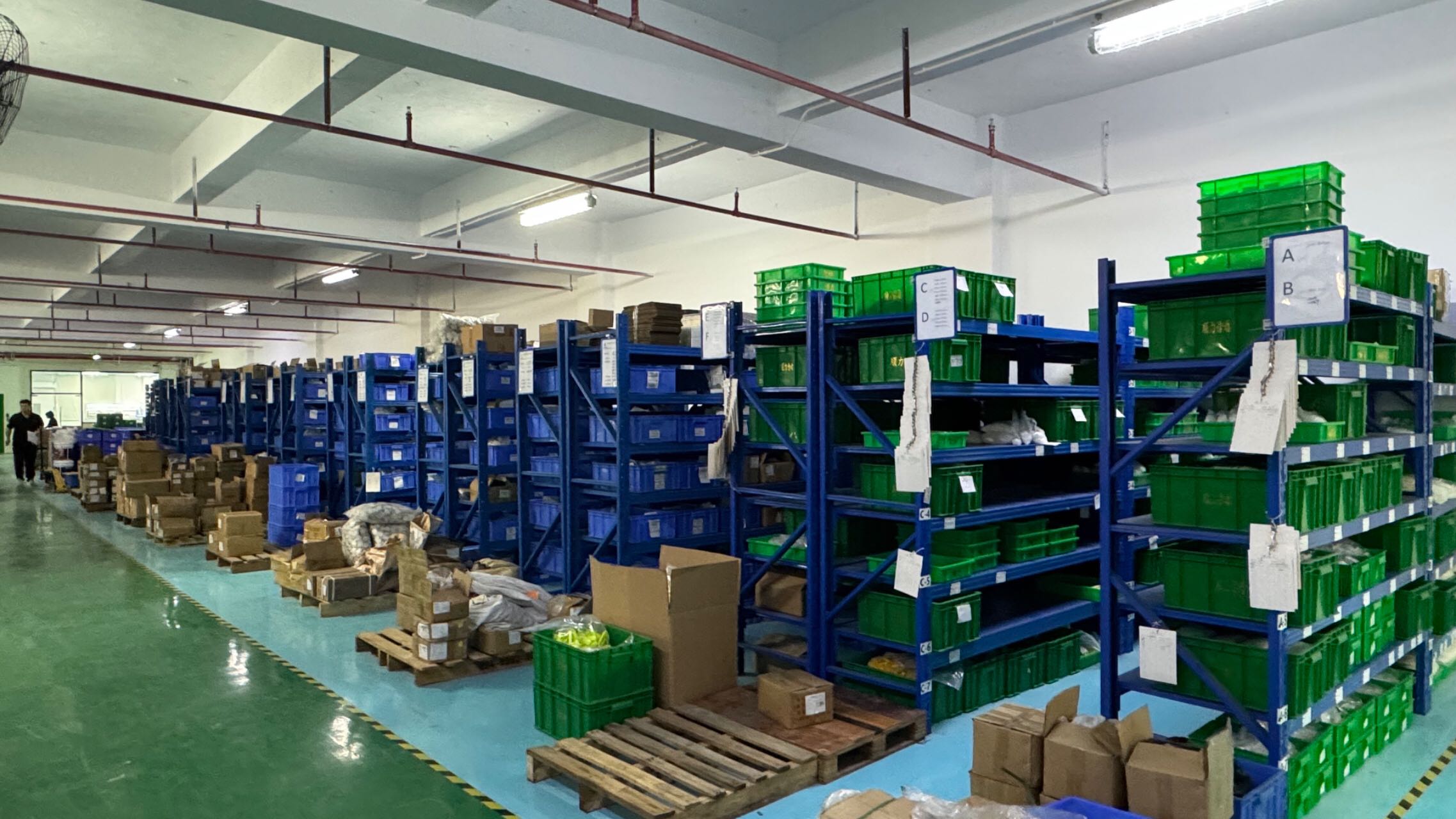

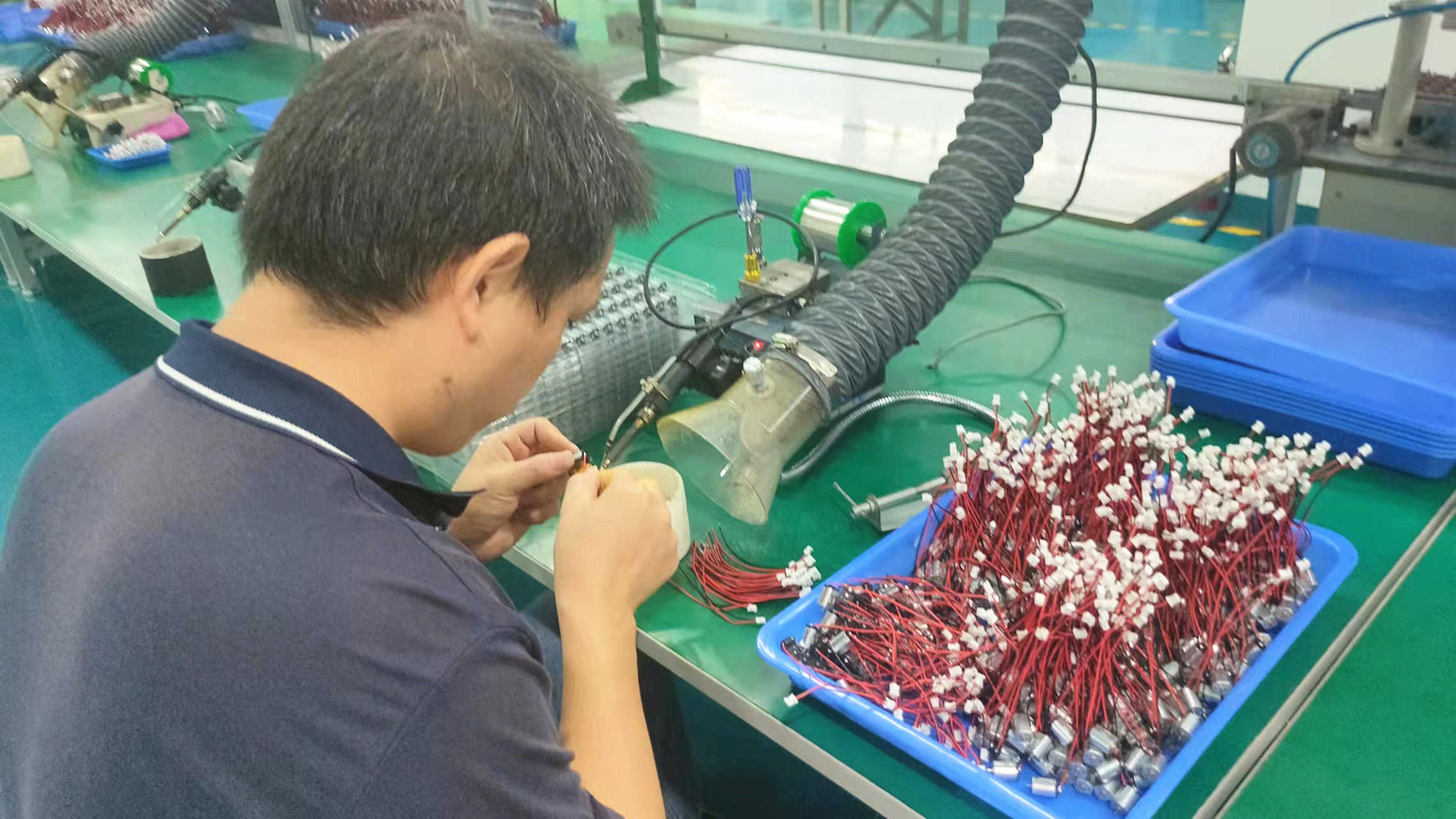
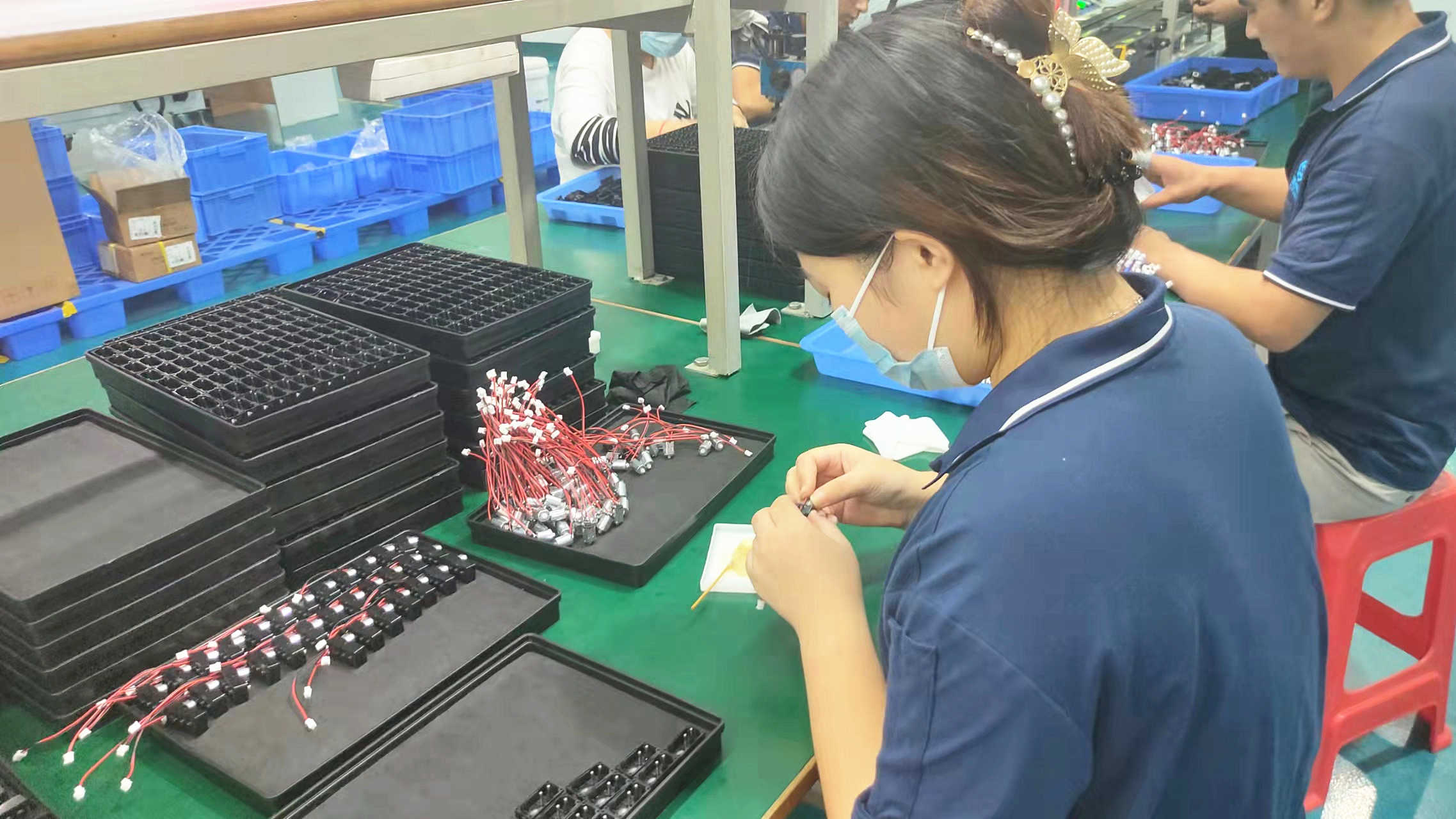
How regional smart infrastructure developments are accelerating the need for high-end micro-actuators.
The global access control market is transitioning from basic keycard entries to connected, cloud-managed locks. In North America and Europe, commercial facilities are upgrading to mobile-accessed, real-time auditing locksets. This transition requires motors that can operate repeatedly under heavy loads while maintaining low standby current.
In high-density urban areas across Asia-Pacific and South America, smart locks are becoming standard in residential apartments. Because these properties experience high turnover, the locking mechanisms face continuous daily use. Our micro-motors, manufactured with high-precision Swiss-style hobbing and Japanese dynamic balancing, are designed to meet these demands by providing reliable, low-maintenance performance over a long service life.
Securing worldwide markets through rigorous standards and engineering support.
Navigating different regional regulations is critical for global lock manufacturers. Hardware sold in North America must meet ANSI/BHMA standards (Grade 1 to Grade 3), which require locks to endure hundreds of thousands of cycles under load. Meanwhile, European markets enforce CE and EN 12209 standards, which place strict limits on standby power consumption and environmental sustainability.
All our lock motor series comply with RoHS and REACH directives, ensuring they are free from hazardous substances. To support international integration, we offer dedicated engineering services, including custom wire harnesses, connector matching, and localized EMC shielding. This helps simplify your certification process and accelerate time-to-market.
Technical answers for mechanical designers, lock manufacturers, and sourcing engineers.
High-torque DC drives, customized gearboxes, and coin-style vibration modules for smart integrations.
 DyneticPro Motor