Explore our highly integrated coreless and permanent magnet DC configurations engineered for industrial, medical, and consumer electronics applications.
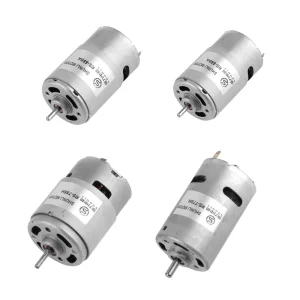
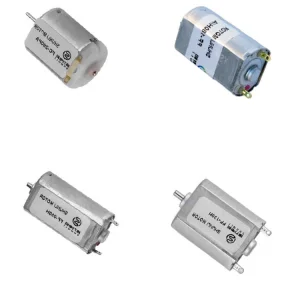
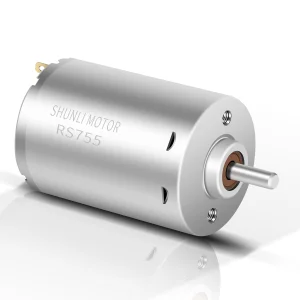
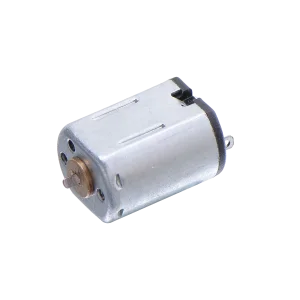
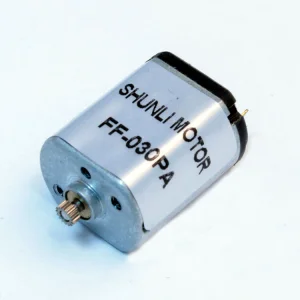
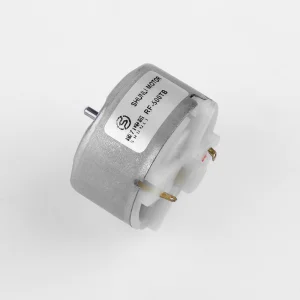
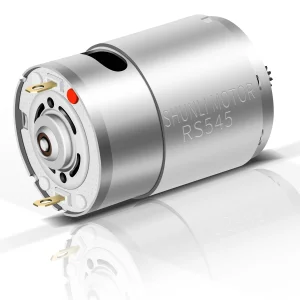

Inside a premium robotic joint, an automated medical pump, or a high-end smart lock, space is the ultimate luxury. At DyneticPro, we measure our success in micrometers and decibels. Our mission is to take advanced, heavy-duty rotational power and compress it into the most compact, energy-efficient footprints imaginable.
Our expertise lies in the micro-details of motion. From precision-wound copper rotors and high-purity commutators to zero-backlash planetary gear trains, every single internal component of a DyneticPro motor is optimized to eliminate friction and maximize heat dissipation. By combining advanced automated Swiss-style hobbing with Japanese dynamic balancing, we ensure our micro drives deliver the fluid, whispering-quiet power your brand promises. When your next high-tech innovation relies on repeated mechanical perfection, let DyneticPro be the core that spins it forward.
The global demand for DC motors is experiencing unprecedented growth, driven by the acceleration of smart home appliances, IoT automation, medical prosthetics, and automotive electrification. Sourcing teams worldwide are no longer just looking for a simple supplier; they require a technology partner capable of co-developing miniature motors that balance high power density, thermal stability, and prolonged service life.
Modern application design dictates that motors must consume less energy while delivering higher starting torque. This paradigm shift has made the selection of custom windings, permanent magnets (such as high-grade NdFeB magnets), and advanced brush or brushless commutations standard engineering practices. In the highly competitive segment of small and micro DC drives, the quality of materials and the stability of manufacturing steps differentiate a high-performing product from one prone to field failures.
Every stage of production—from the raw material feeding to custom winding, automated balancing, and final climate-chamber storage—is integrated into our comprehensive traceability system.

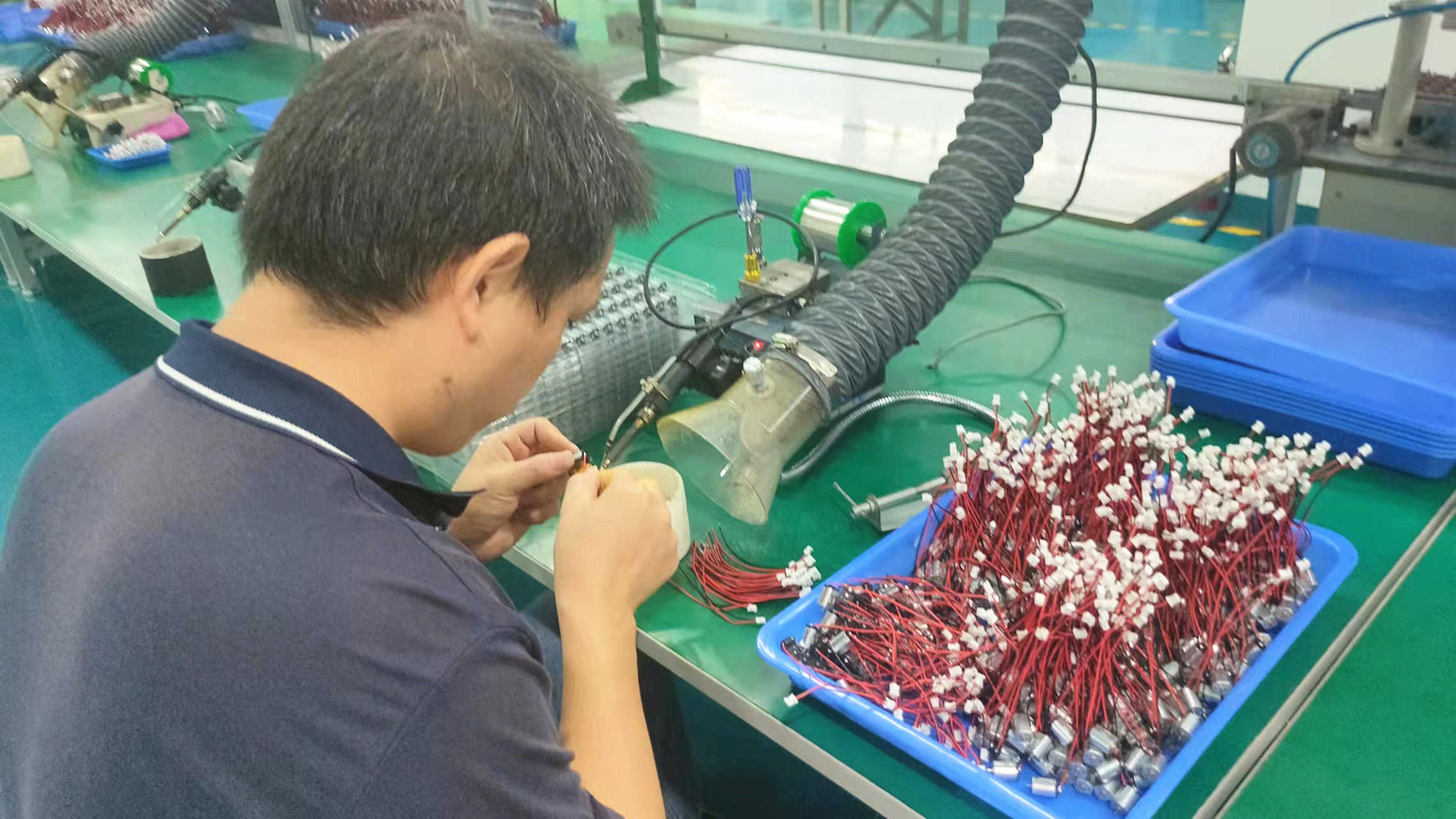
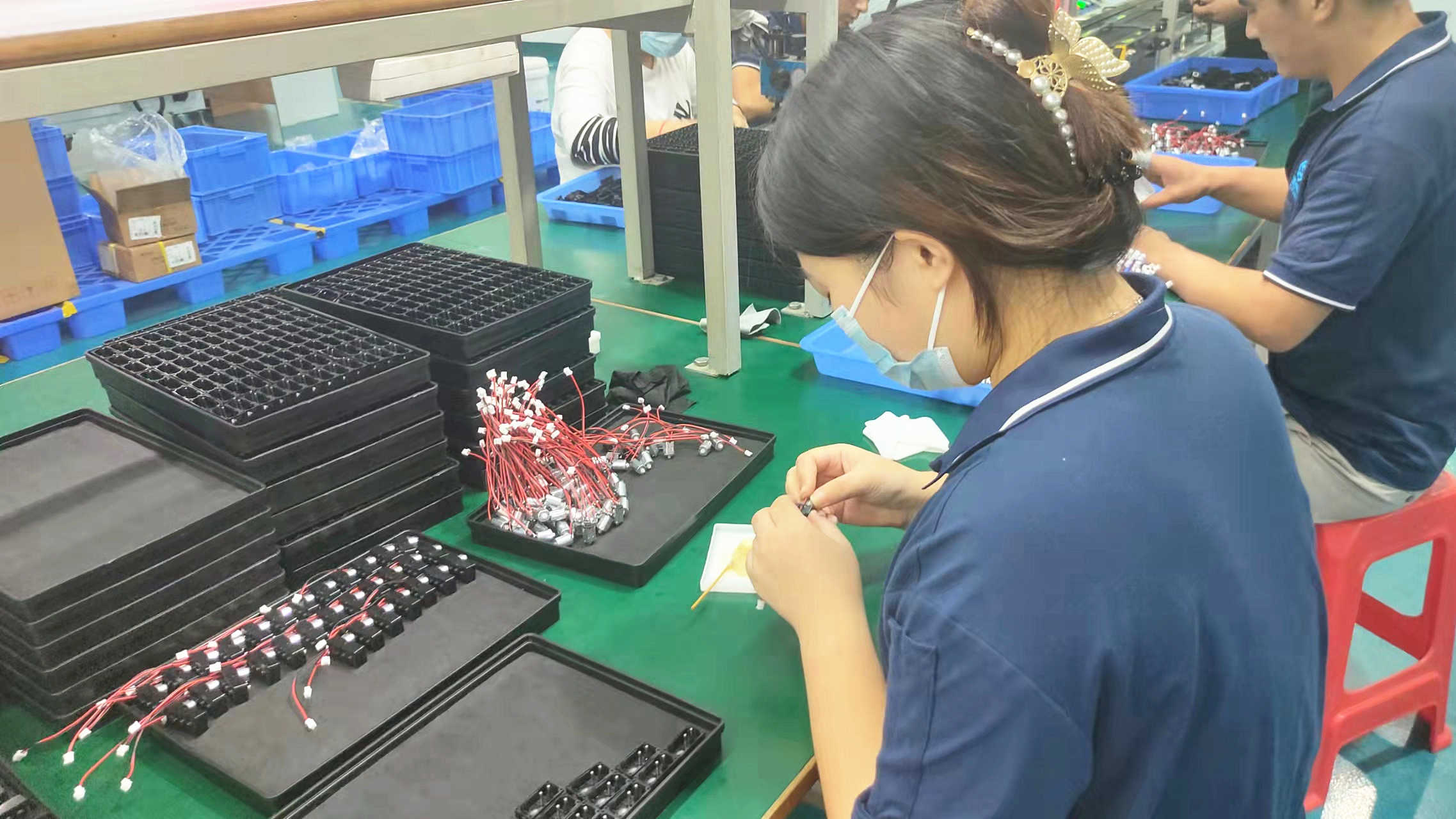
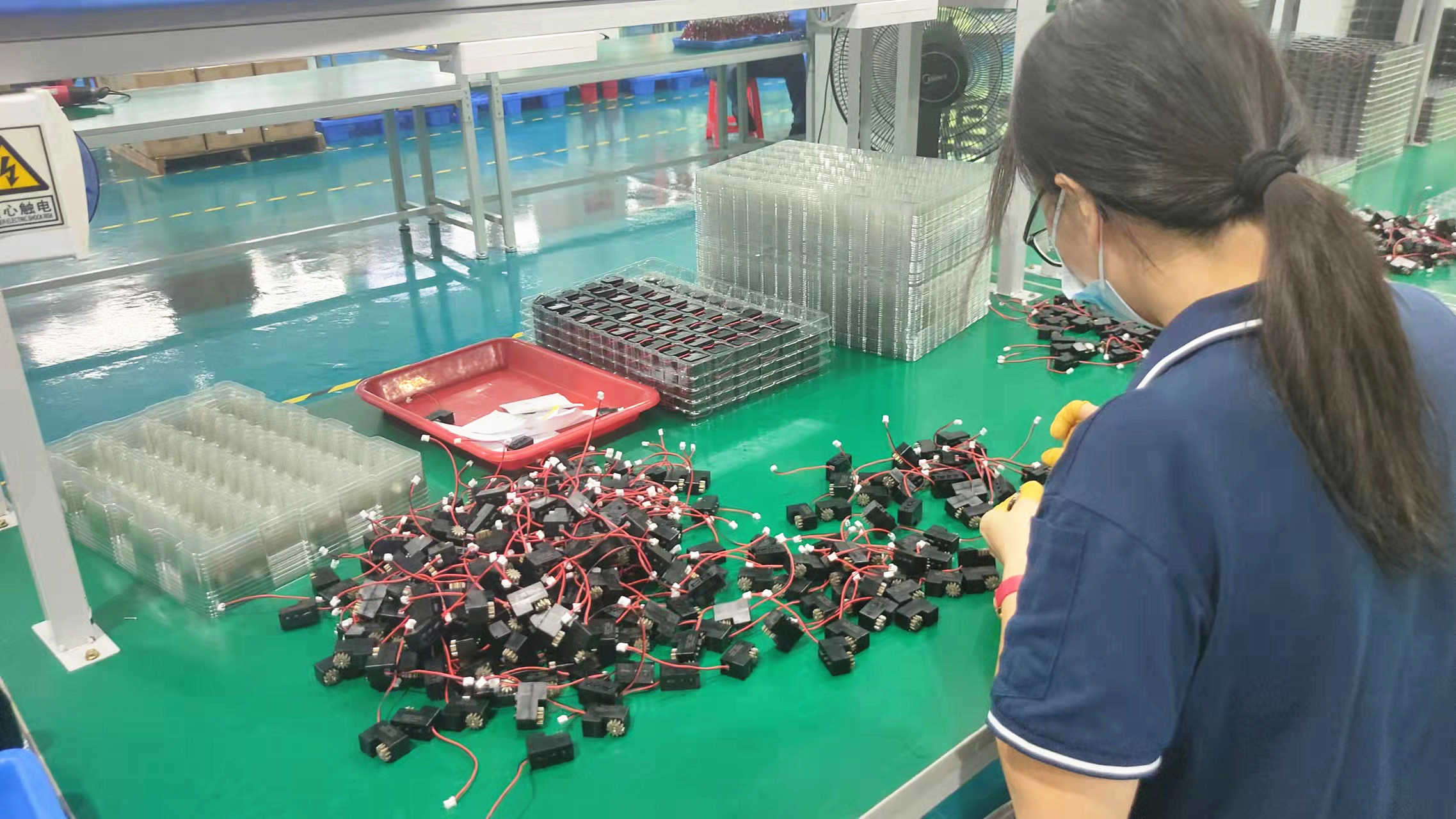
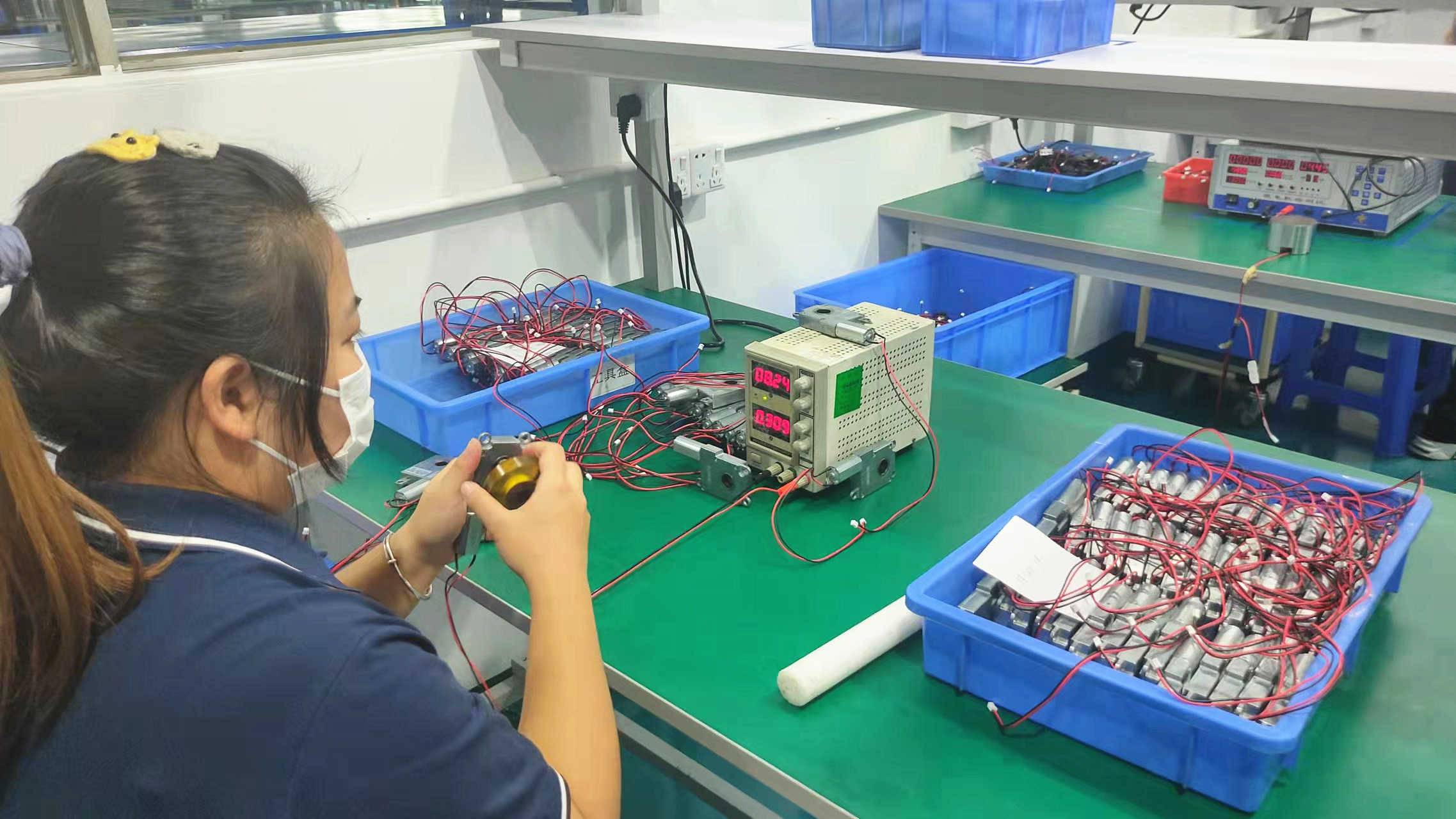
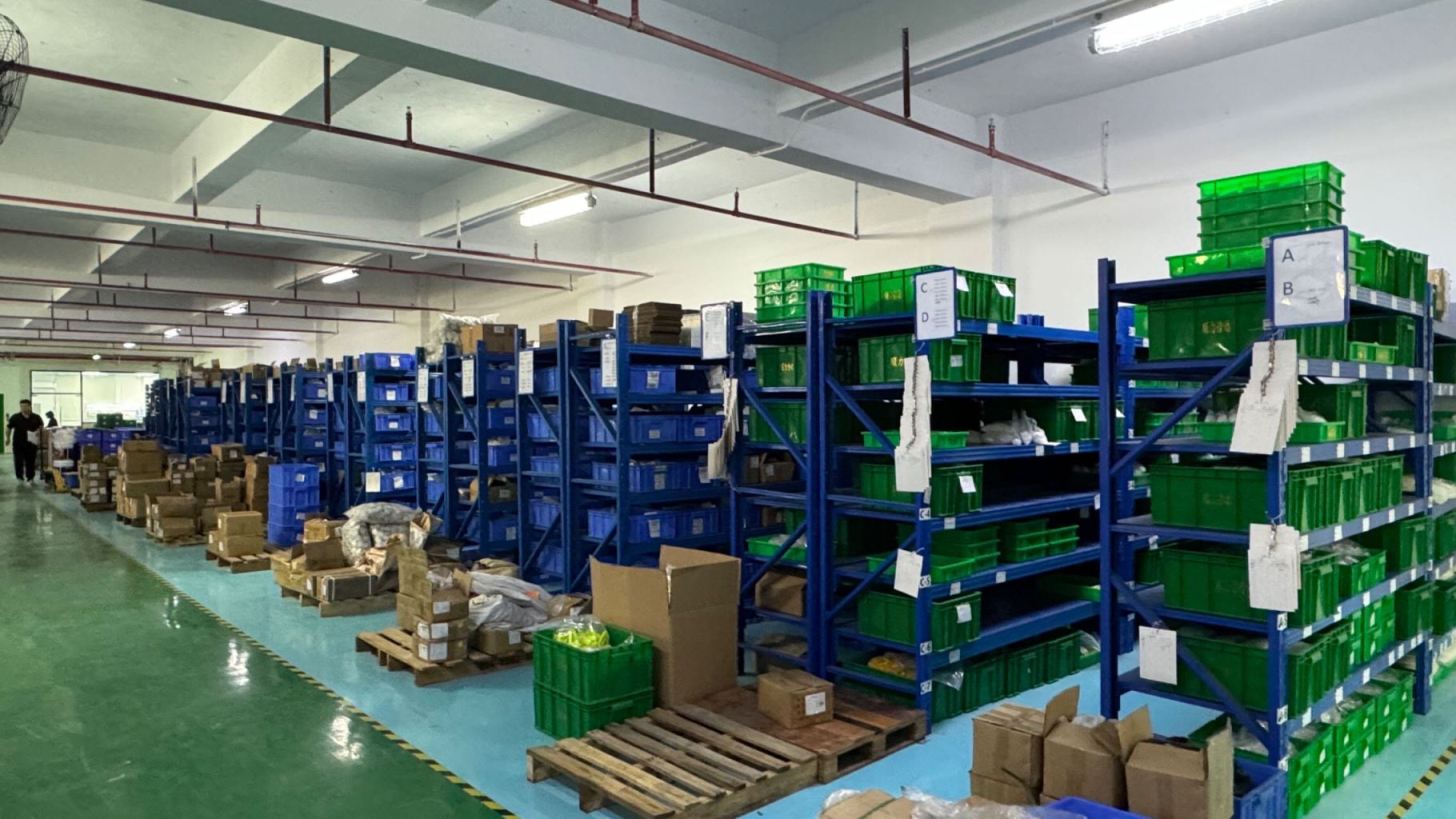
Operating a strictly managed assembly sequence allows DyneticPro to enforce a zero-defect policy. When fabricating motors destined for application environments like medical blood pressure meters, high-volume hair dryer turbines, and safety locks, even microscopic surface contaminants on the brushes or stator windings can drastically reduce operating lifespan. This is why our key production cells are situated in controlled environments, supported by computerized wire winders, automated dynamic balancers, and precise pressing machinery.
Industrial efficiency stems from capital-intensive production capabilities. We invest in high-precision, automatic equipment to guarantee structural uniformity and mechanical concentricity.
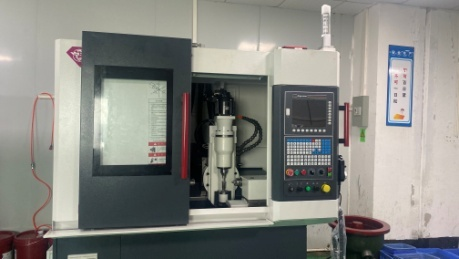
Heavy-duty precision lathe infrastructure providing micron-level tolerances for critical motor shaft fabrication.
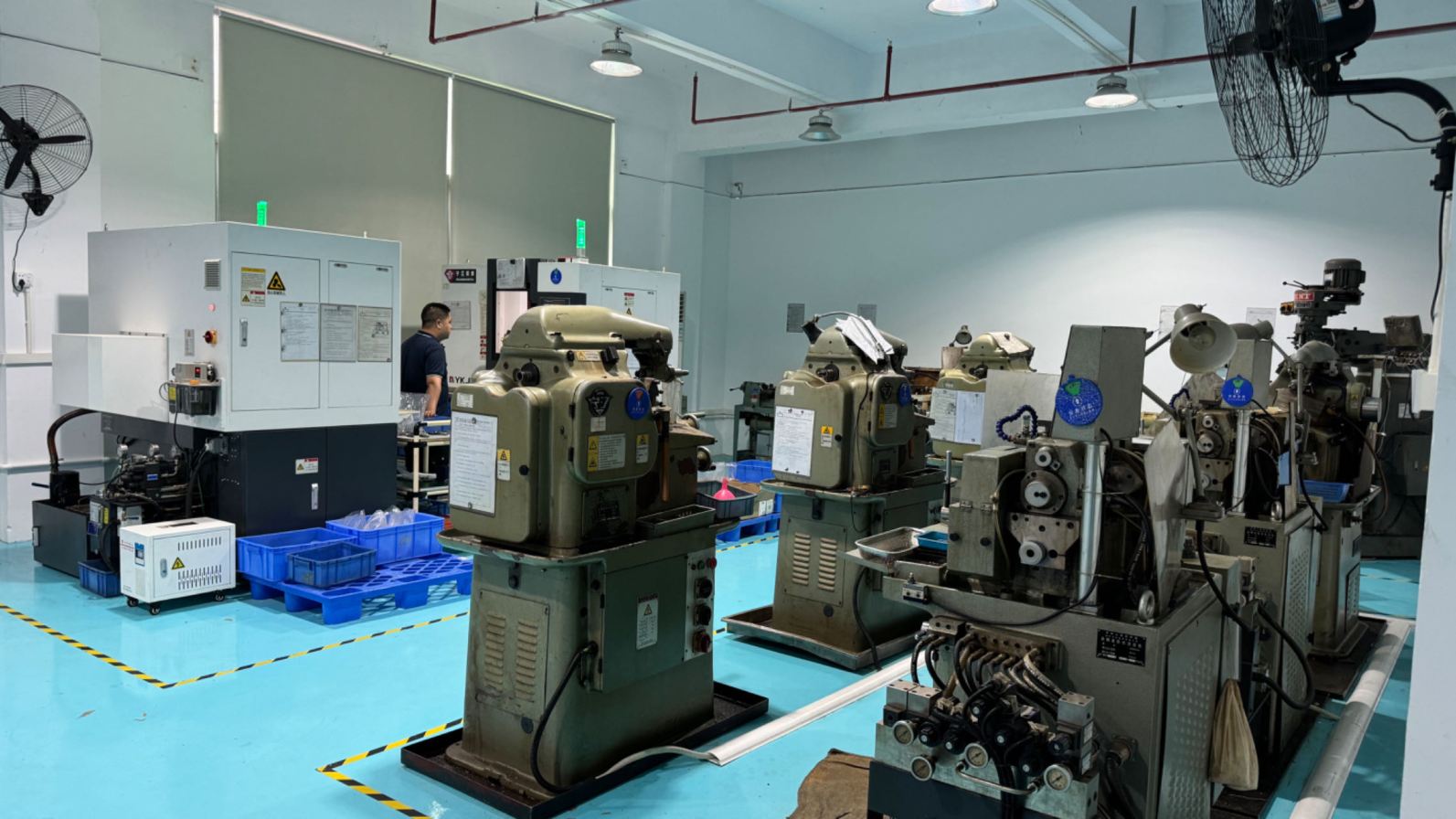
Specialized horizontal gear hobbing setups to produce tight-mesh, zero-backlash spur and helical micro gears.
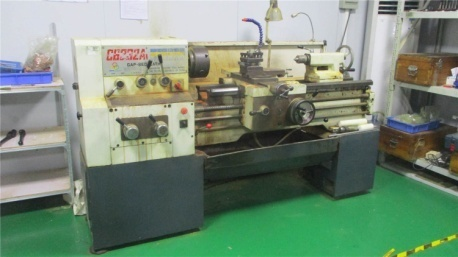
Automated lathing machines executing complex shaft shoulders, retaining ring grooves, and end-face chamfers.
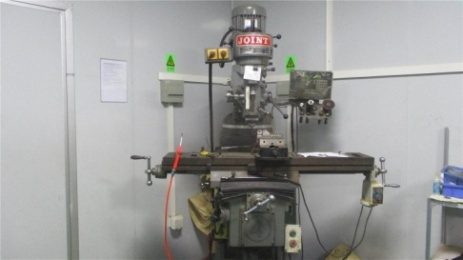
High-speed milling units for custom motor casings, bracket mountings, and specialized connector interfaces.
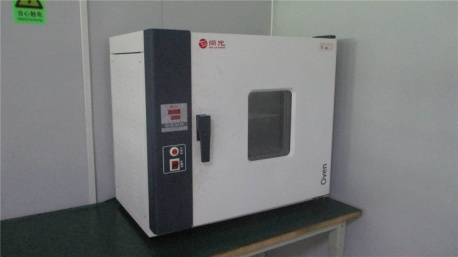
Programmable thermal profiles ensure stator varnish and dynamic potting cure uniformly for lifetime insulation.
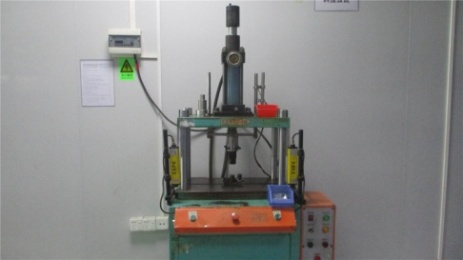
Secures structural gears onto drive shafts with uniform pressure, avoiding inner crystal structure micro-fractures.
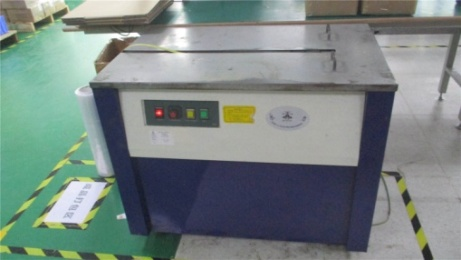
Automated packaging ensures clean, moisture-proof, and dust-resistant transportation conditions globally.
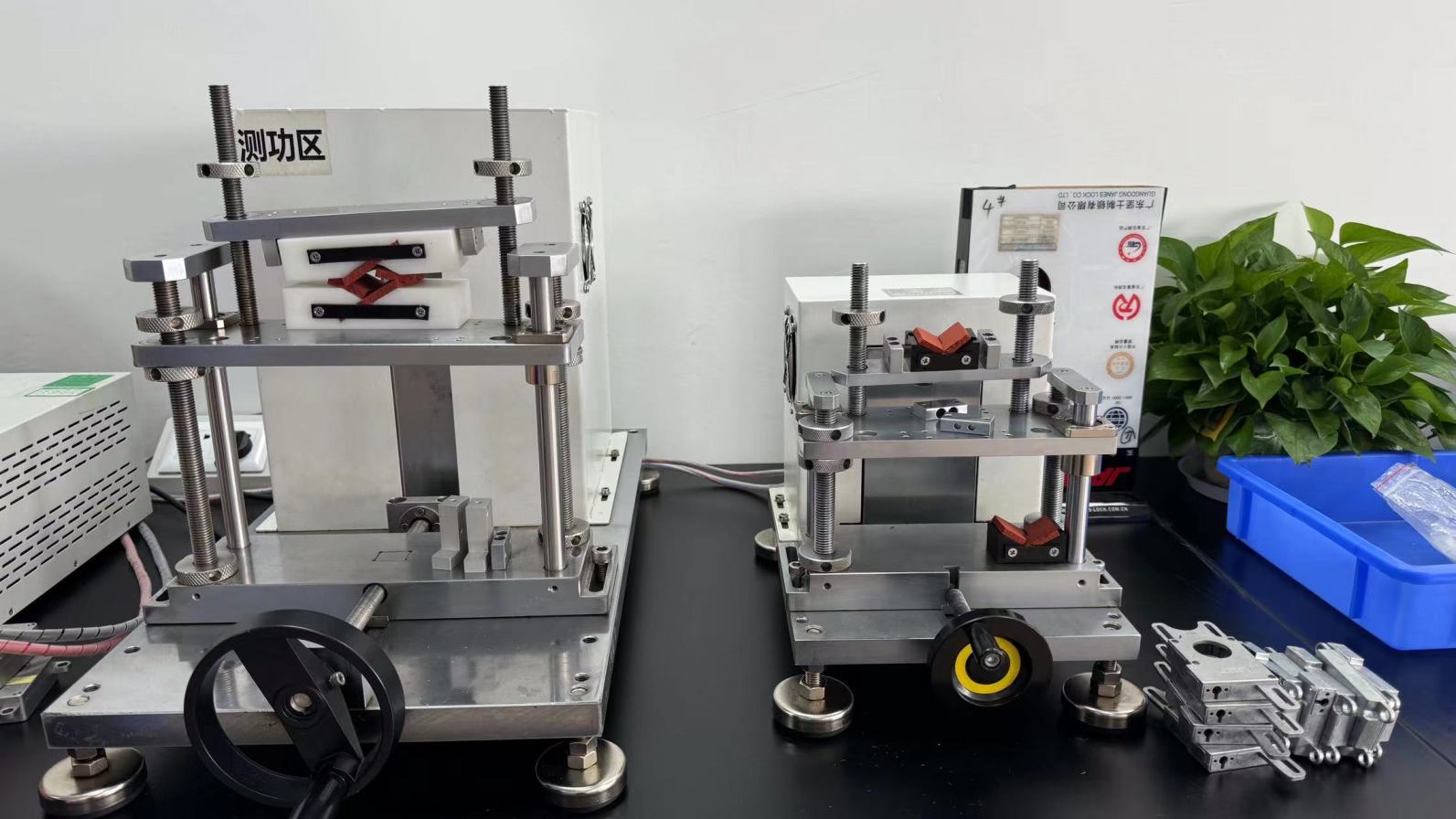
Ensures precise component fit during assembly, matching standard geometric tolerances.
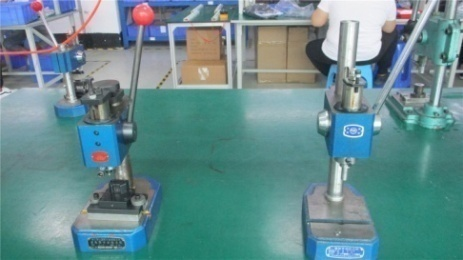
Used for high-mix low-volume runs, prototype development, and delicate sensor assembly processes.
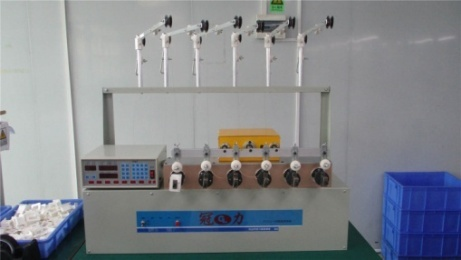
Precise winding patterns allow high copper slot fill factors, maximizing electromagnetic efficiency.
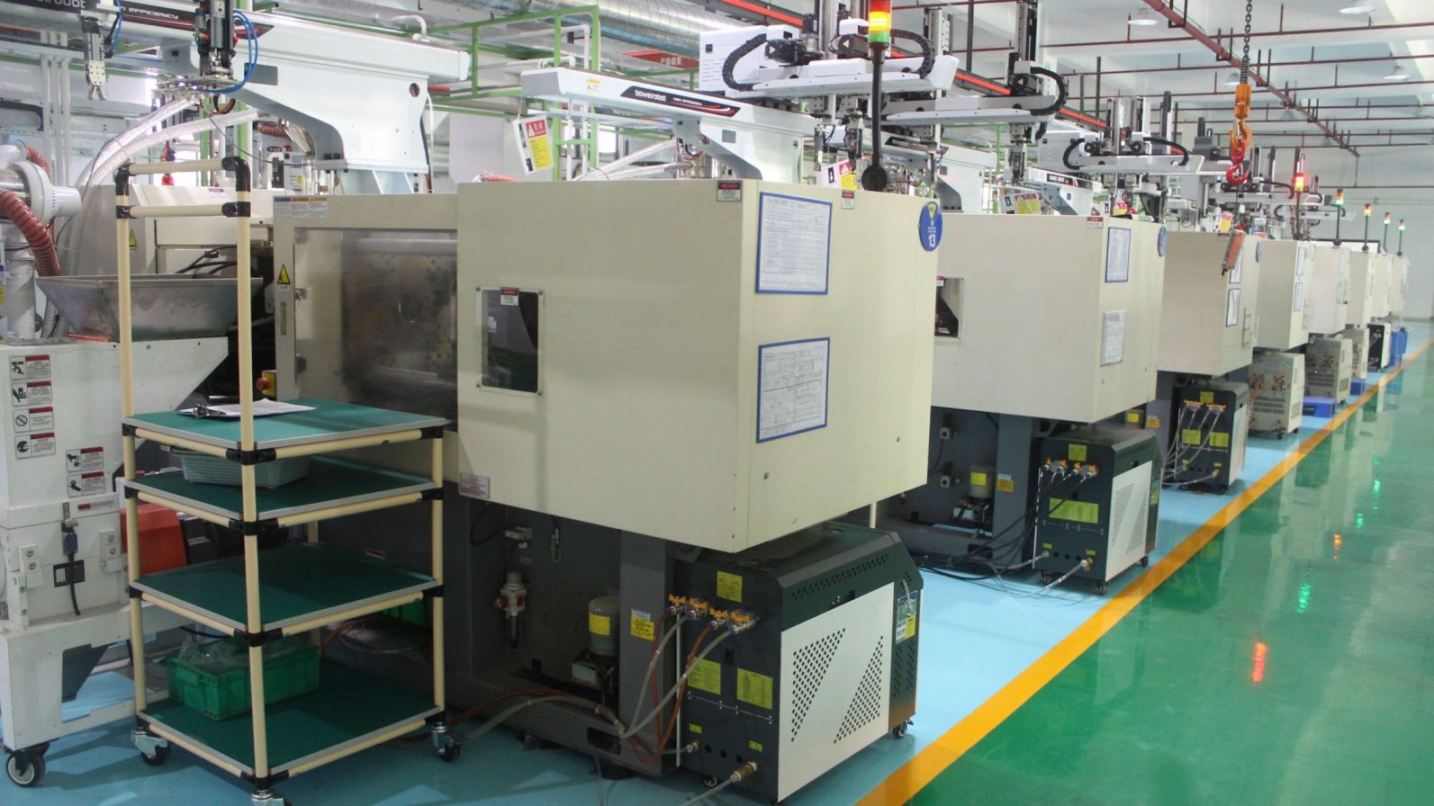
Molds dynamic end caps, plastic gear stages, and brush holders with absolute structural consistency.
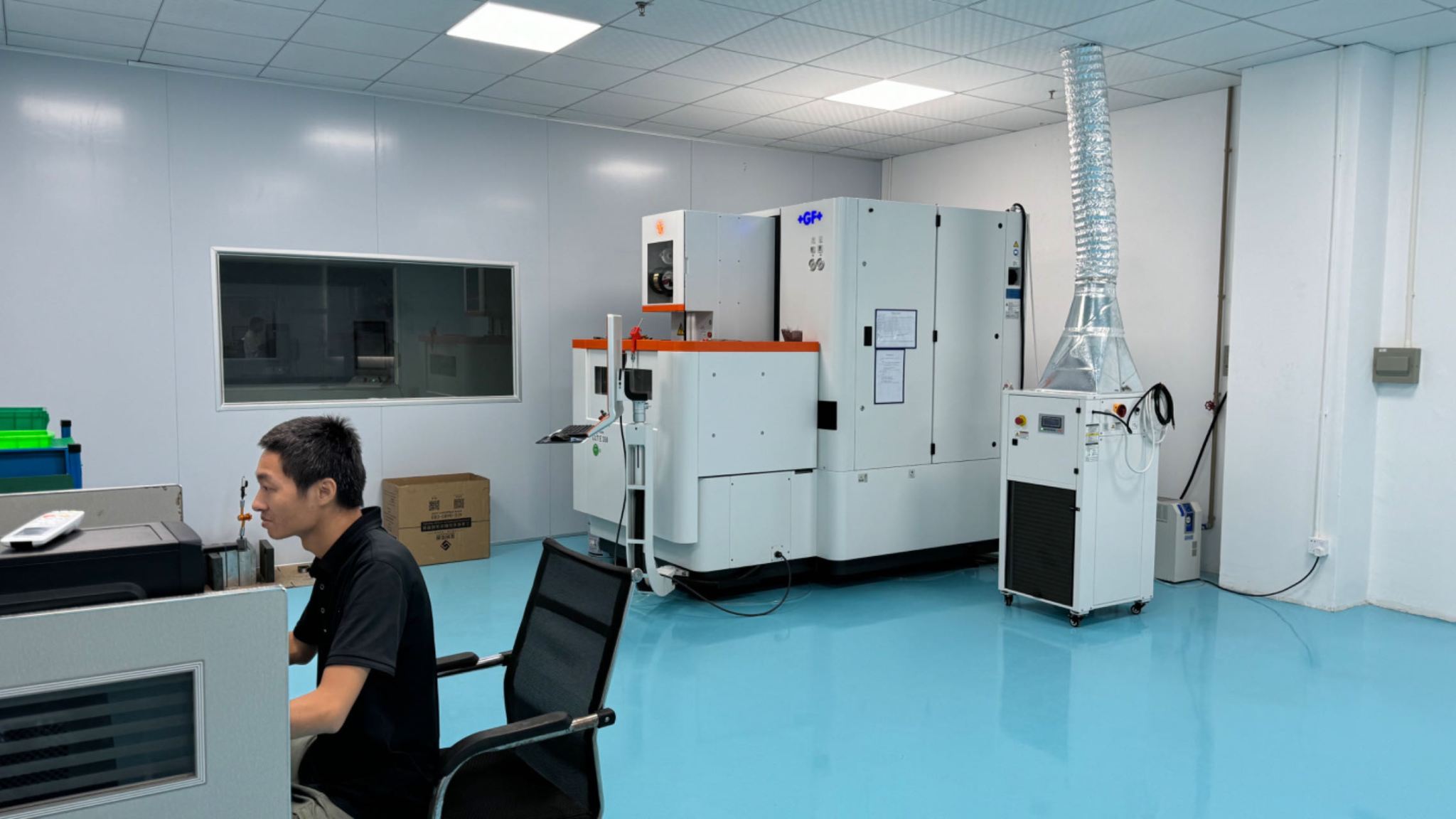
Sub-micron precision wire cutting to generate highly intricate punching dies and molding shapes.
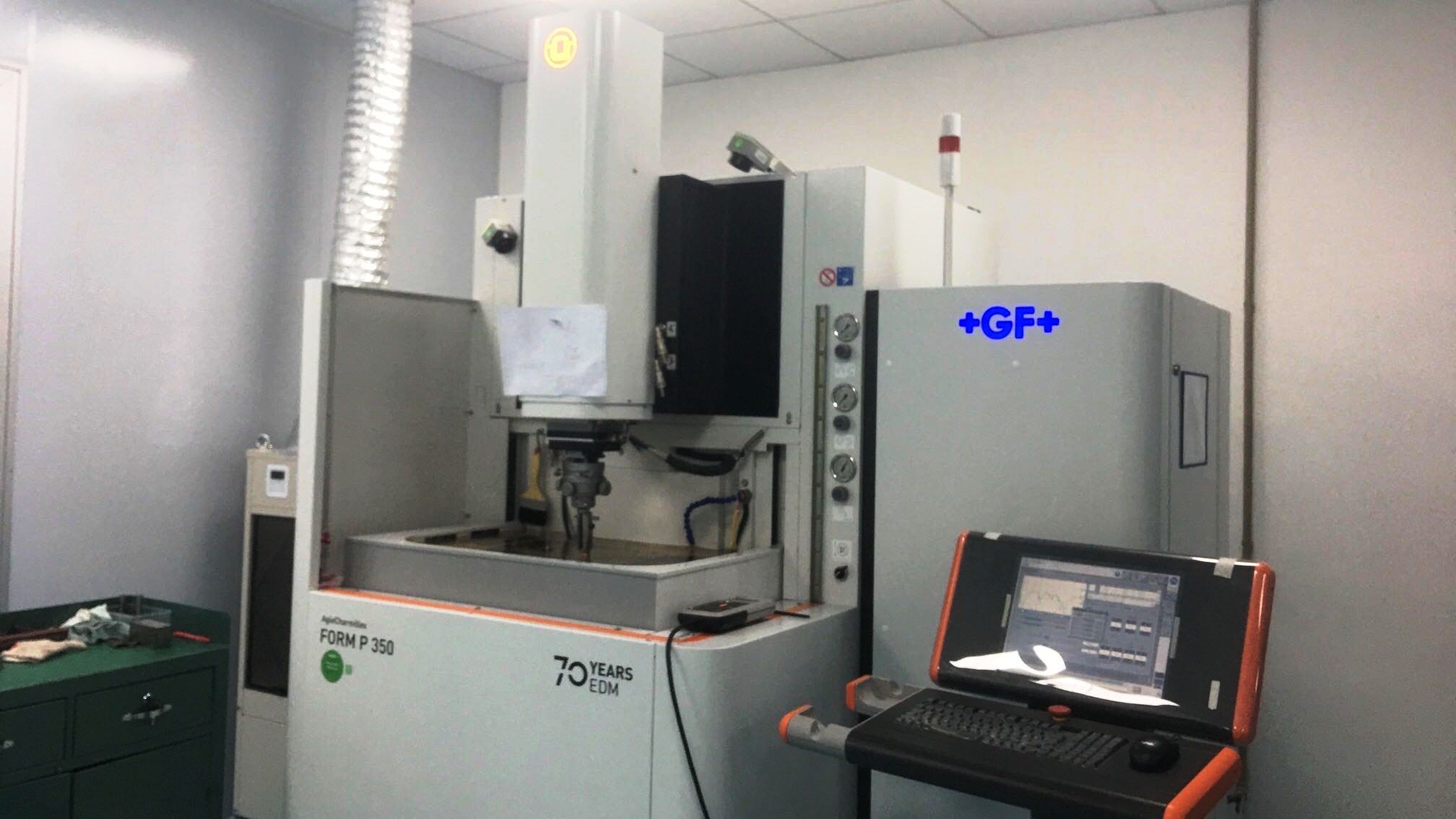
For processing hardened tool steels, ensuring precise stamping dies for core laminations.
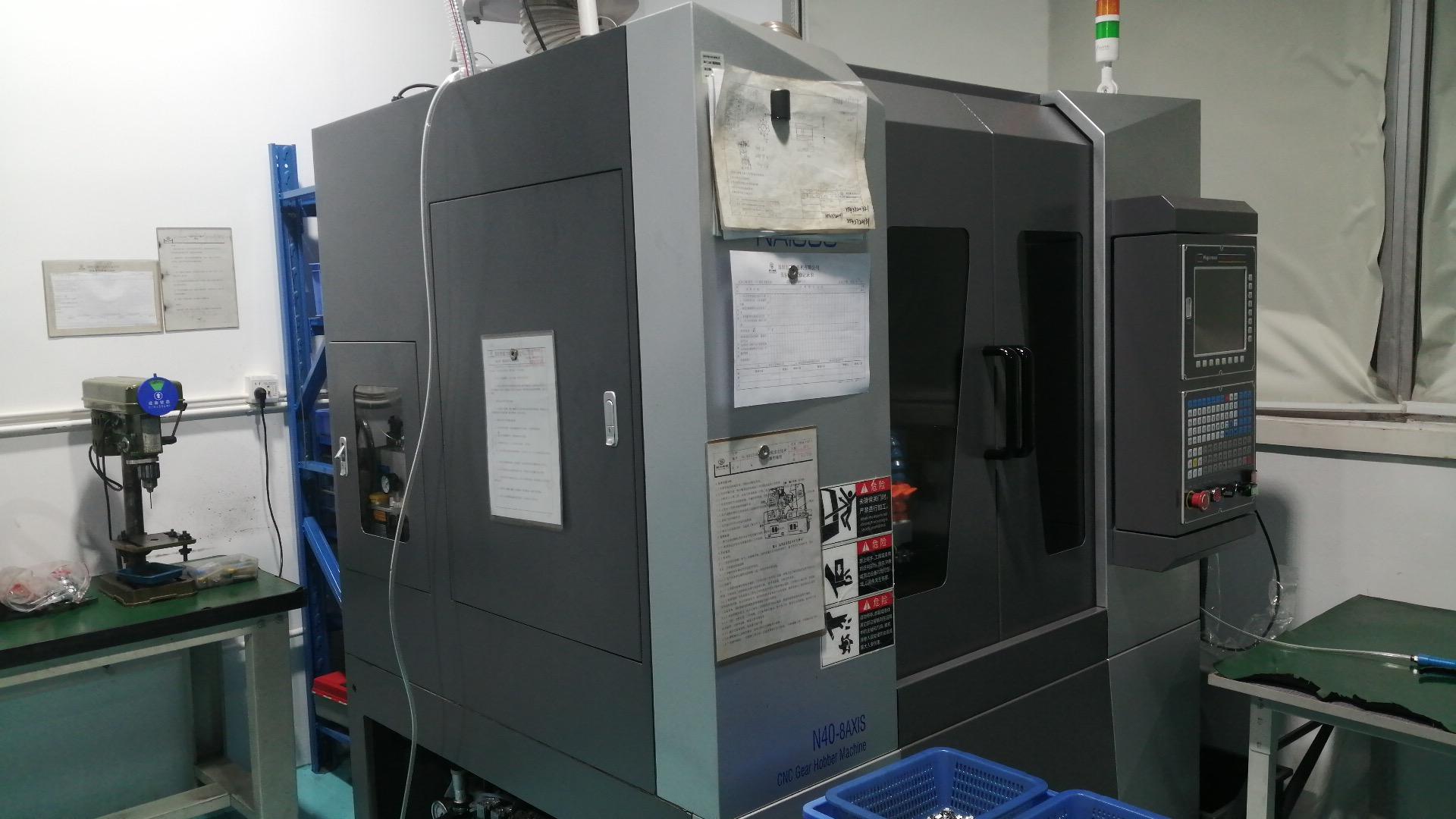
Dedicated unit for specialized gearing stages, including brass, steel, and advanced engineering resins.
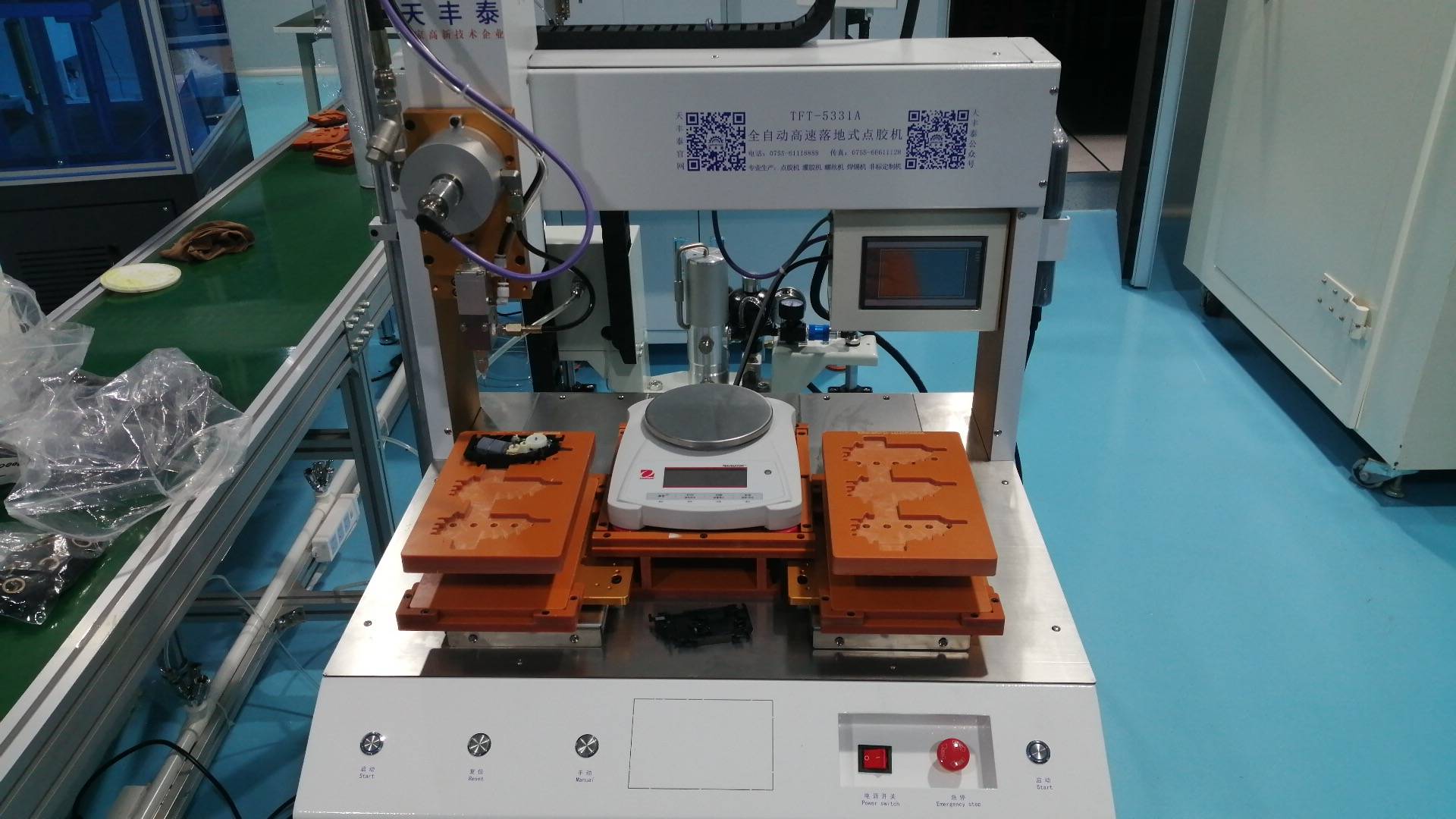
Applies exact volumetric adhesive drops to lock rotor segments and insulate connection joints.
The manufacturing efficiency that Chinese micro DC motor factories present is not merely a function of labor; it is the result of unmatched supply chain integration. In clusters like Zhejiang and Guangdong, raw material producers, wire-drawing facilities, specialized shaft turners, magnet manufacturers, and test laboratories are concentrated within a 50-kilometer radius. This close integration shortens typical product development cycles significantly.
For custom engineering projects, this environment enables fast prototyping (often within 10 to 15 business days). DyneticPro utilizes this localized dynamic to source high-grade electrical steels, aerospace-grade synthetic lubricants, and high-purity copper wires. Coupled with our internal machining capabilities (using equipment from Ningjiang and slow-feeding NC wire-cut devices), we can control costs while meeting tight dimensional tolerances.
Engineering a DC motor involves selecting the correct commutation system based on the application's operational demands:
Every motor batch undergoes testing inside our metrology labs. We test for electrical, mechanical, acoustics, and environmental parameters.
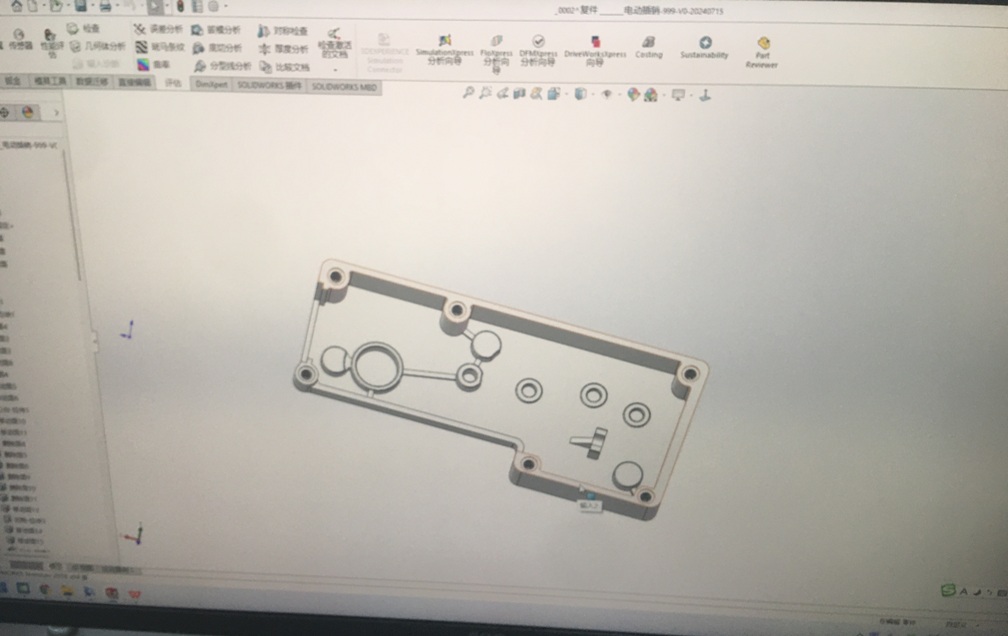
Where motor geometry, magnetic circuit configurations, and winding schematics are developed and validated using 3D CAD/FEA simulation software.
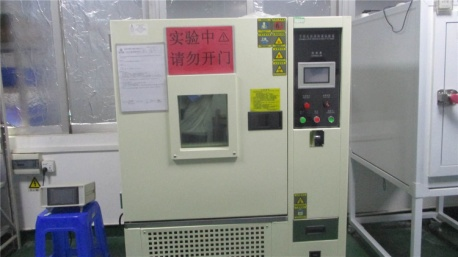
Simulates operation in high humidity and temperature extremes (-40°C to +85°C) to prevent insulation degradation.
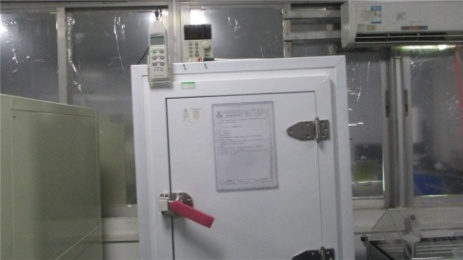
Designed to measure decibel outputs. Helps verify that motor bearing setups run quietly in medical and smart home environments.
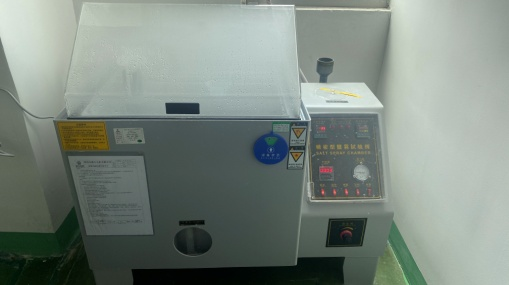
Tests plating and casing materials to check for corrosion resistance in marine and outdoor environments.
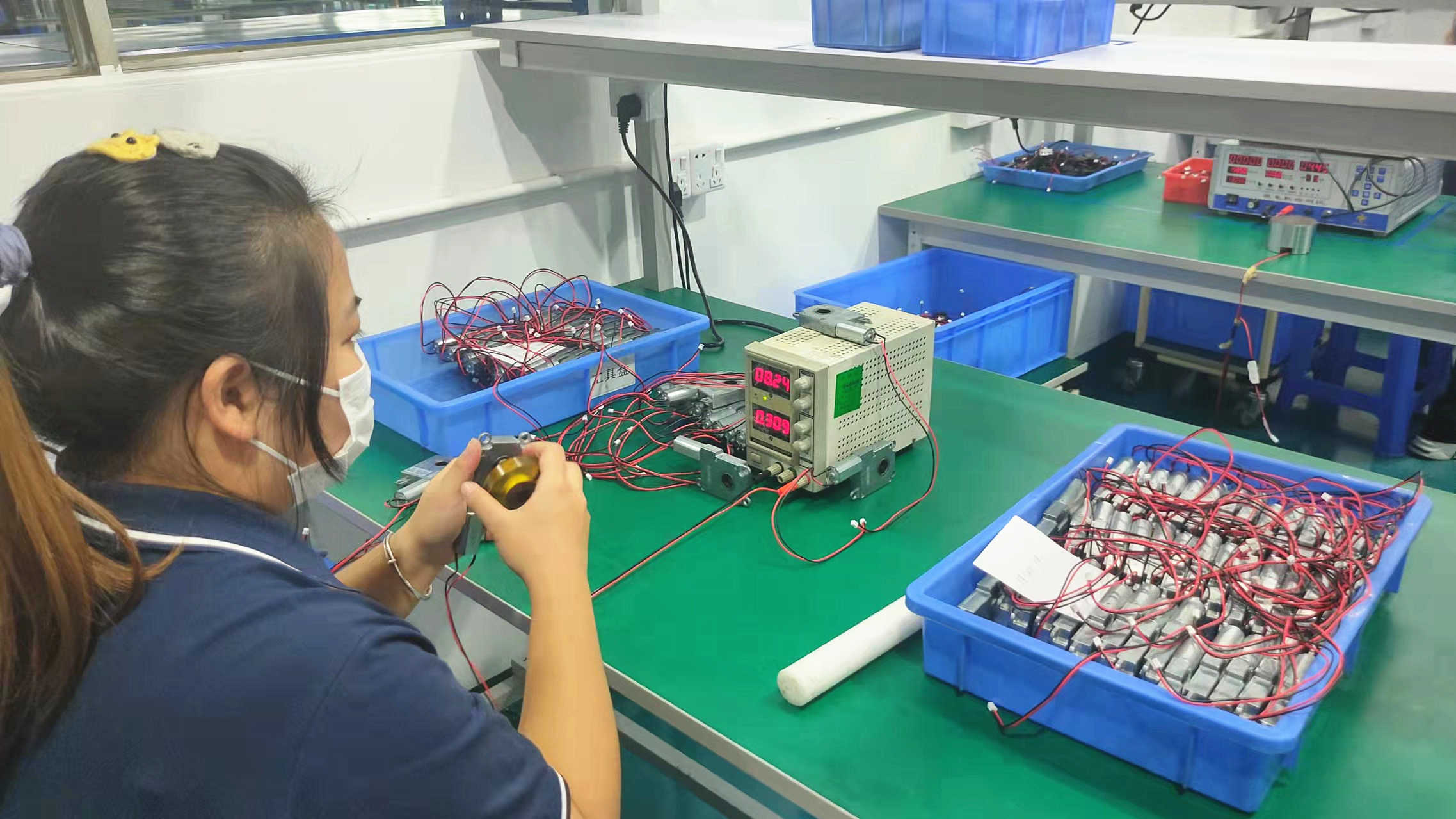
Visual checks and electrical property testing executed at intermediate assembly points to prevent downstream defects.
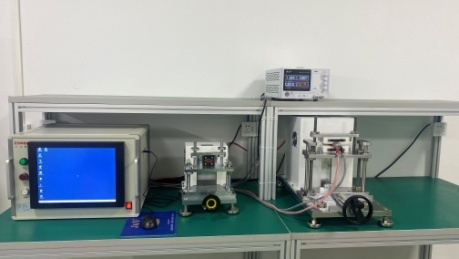
Constructs speed-torque curves, recording start/stall torque, speed, back-EMF, and efficiency metrics.
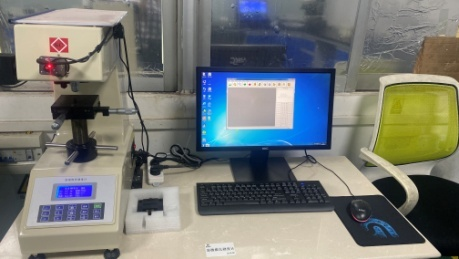
Verifies heat-treatment specifications on drive shafts and gears to ensure high resistance against torsional wear.
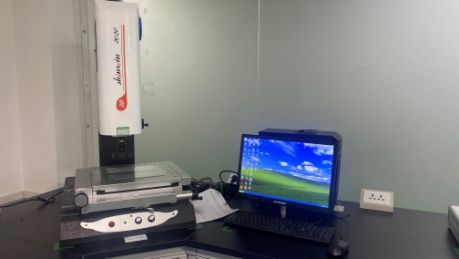
Optical dimensional analysis checks critical tolerances on gear teeth profiles and commutator segment alignments.
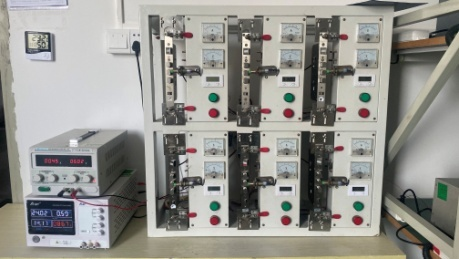
Conducts continuous run-in tests over hundreds of hours under loaded conditions to analyze motor degradation trends.
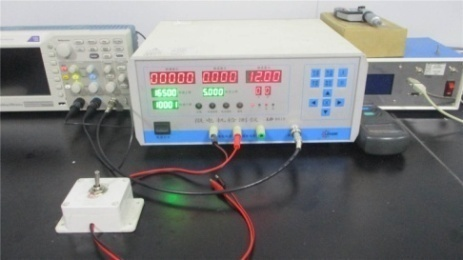
High-speed diagnostic system checking winding resistance, dielectric insulation strength, and starter current.
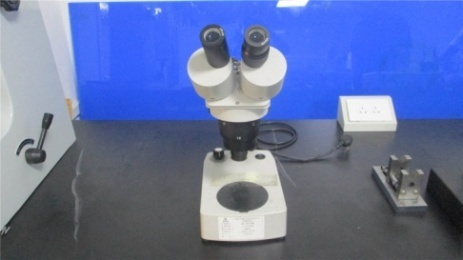
Allows close inspection of commutator surfaces, brush contacts, and solder joint microstructure.
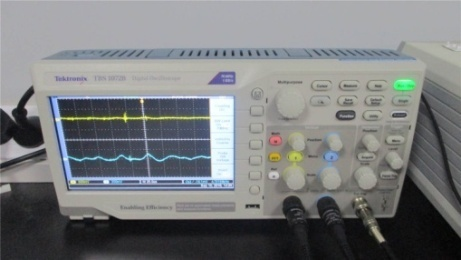
Captures transit commutator ripple profiles, allowing engineers to identify commutation issues.
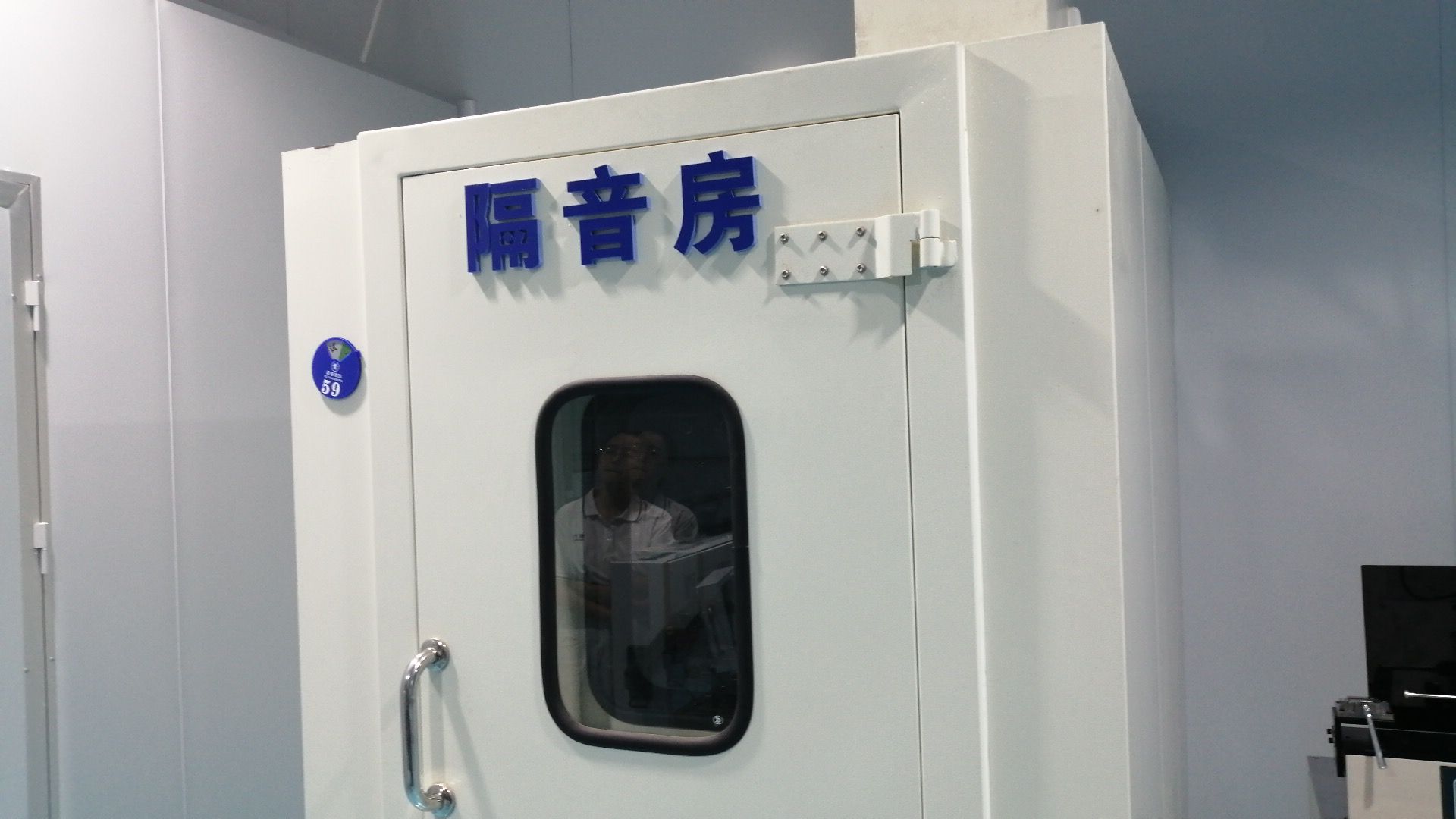
A specialized testing chamber with ultra-low background noise levels, ideal for recording vibration and high-frequency harmonics.
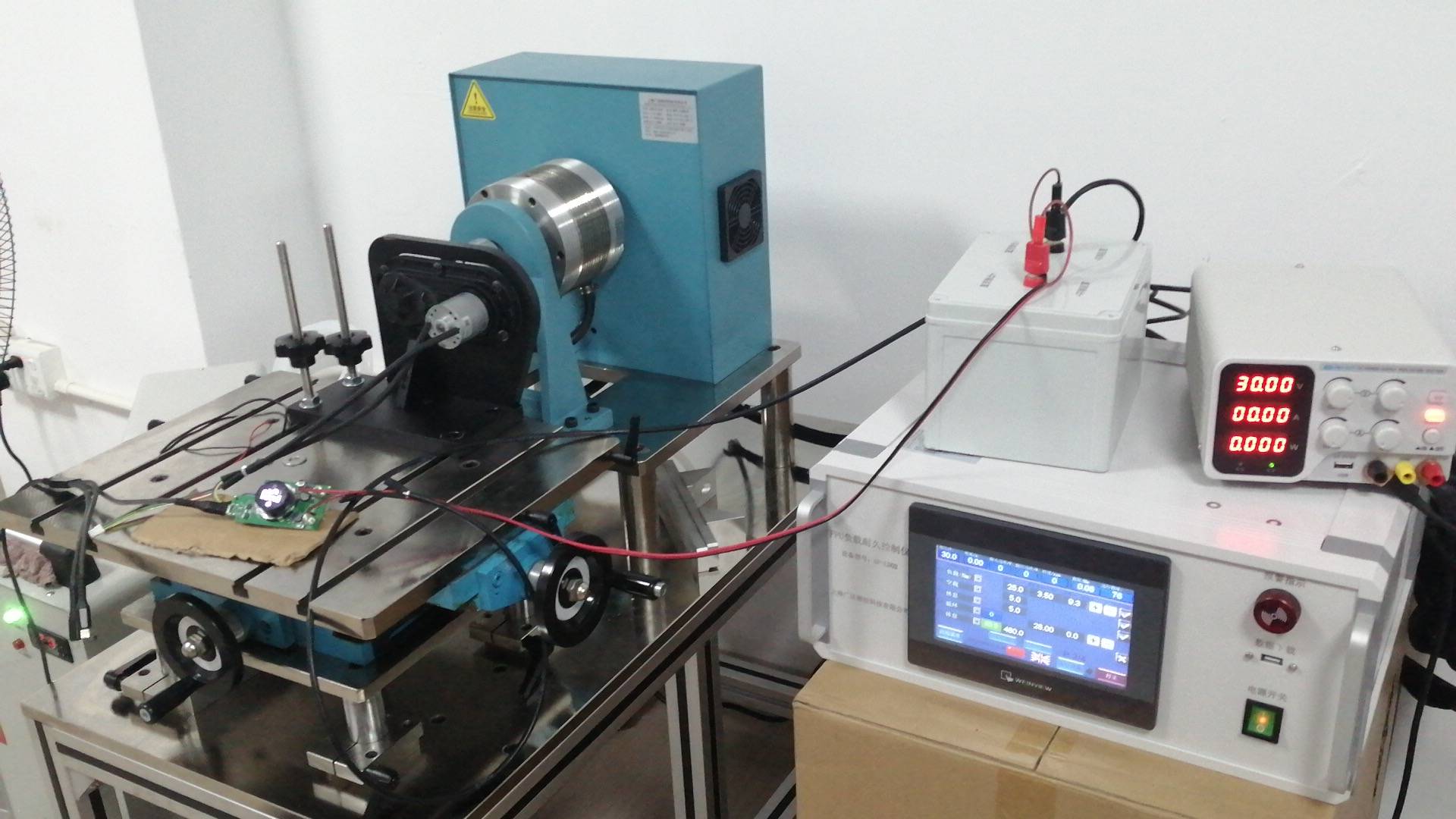
Applies load torque configurations to assess continuous power delivery capabilities.
When global procurement teams select a motor manufacturing partner, they must evaluate critical technical parameters to ensure project alignment. A common issue is the gap between prototype specifications and mass assembly realities. To prevent design failures, your procurement and engineering checklist should address:
By defining these criteria during early development, design teams can request tailored custom windings, specific gearbox designs, and optimal brush configurations to ensure reliable long-term performance.
Technical answers to key sourcing and design engineering questions.
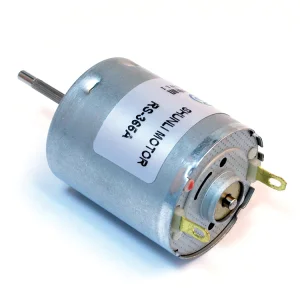
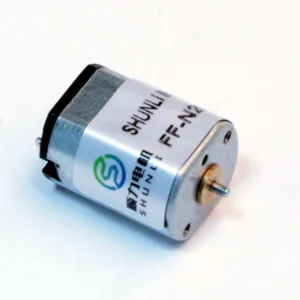
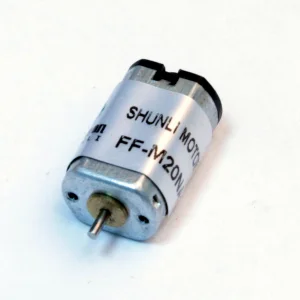
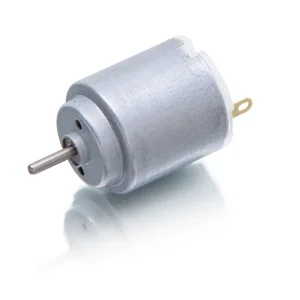
Select options from our high-performance line of compact gear units and carbon brush assemblies.
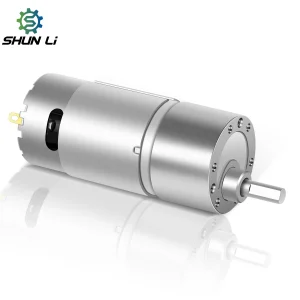
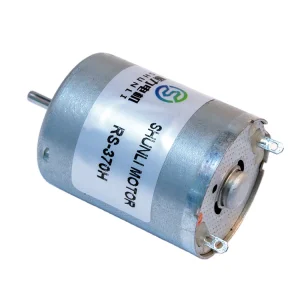
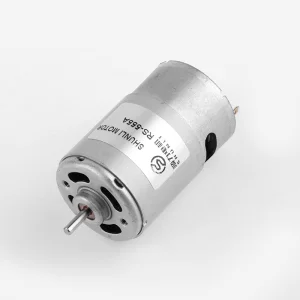
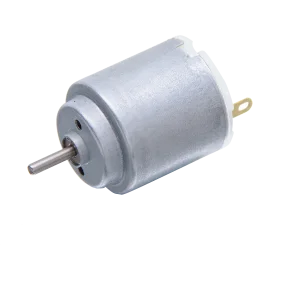
 DyneticPro Motor