China’s Vibration Motor industry is entering a more demanding phase in 2026. Demand is rising across smartphones, wearables, automotive controls, medical devices, and industrial equipment. MarketsandMarkets’ Vibration Motor Market report identifies miniaturization, lower power consumption, and improved tactile feedback as major growth drivers. Grand View Research also reports continued expansion, although market estimates differ because analysts define the sector differently.
That difference matters.
This “China Top 10 Vibration Motor Manufacturers in 2026” guide evaluates suppliers beyond catalog variety. It considers manufacturing experience, motor stability, starting torque, noise control, bearing life, customization ability, quality systems, and delivery reliability. Factory testing is especially important. A motor may look identical on paper, yet produce different vibration strength after prolonged operation. ISO 20816 principles, dynamic balancing, traceable inspection records, and application testing can reveal that gap.
Jason Tranter, founder of Mobius Institute and a respected vibration-analysis specialist, often emphasizes: “Vibration data matters only when it improves a maintenance decision.” That idea also applies to motor selection. Specifications alone are not enough.
The strongest Chinese manufacturers combine compact design with disciplined production. Some excel in coin motors for wearable devices. Others perform better with eccentric rotating mass motors, linear resonant actuators, or automotive-grade assemblies. This ranking is not absolute. Product requirements vary, and supplier claims still need verification through samples, endurance tests, and independent audits. That is the uncomfortable part. A polished brochure cannot replace a motor running quietly inside a real device.
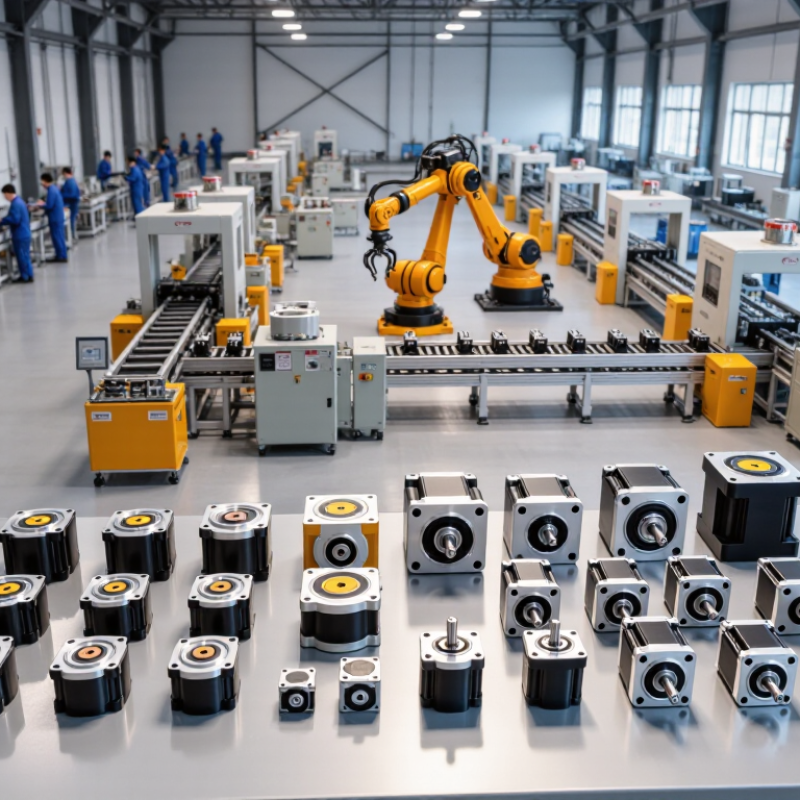
A vibration motor converts electrical energy into controlled mechanical movement. The most common type uses a small DC motor with an unbalanced weight on its shaft. As the weight rotates, it creates centrifugal force. The housing then produces a repeating vibration.
The vibration strength depends on motor speed, eccentric weight, and mounting conditions. Higher speed usually creates stronger vibration, but it can also increase noise and wear.
Engineers often select motors by voltage, current, speed, vibration force, and operating life. In phones, controllers, medical instruments, and compact machines, space and heat are also important.
Another design is the linear resonant actuator. It moves a magnetic mass back and forth with a spring and coil. This design can respond quickly and feel more precise.
During bench testing, I have found that a well-specified motor may still perform poorly after installation. A loose bracket, soft adhesive, or thin plastic wall can absorb much of the force. The simple calculation is not enough. Real assemblies behave differently.
Engineers should test the complete product, measure noise, and check temperature over repeated cycles. A small change in mounting pressure can alter the user’s tactile experience. That detail is easy to overlook.
Selecting leading Chinese vibration motor manufacturers requires more than comparing website rankings. A reliable evaluation begins with application fit, production capability, and verified performance. Check rated voltage, vibration frequency, centrifugal force, noise level, and operating temperature. A motor that performs well on a test bench may behave differently inside a compact device. Request samples and measure current draw, vibration output, and heat after continuous operation. Ask for inspection records, material specifications, and batch traceability. These details reveal how consistently a factory controls production.
Manufacturing experience also matters. Review the supplier’s tooling capacity, winding process, bearing selection, and final inspection methods. A serious manufacturer should explain tolerance limits clearly. Certifications can support credibility, but they should match the actual product and market. Factory audits, independent test reports, and documented quality procedures provide stronger evidence than polished brochures. Be careful with very low quotations. They may exclude testing, packaging, or engineering support. The evaluation is not perfect; even a qualified sample can hide problems during long-term use.
Tips: Compare at least three samples under identical conditions. Record noise, temperature, and vibration changes over several hours. Confirm delivery history and replacement procedures in writing. Visit the production site when possible, but do not rely on appearance alone. A clean showroom proves little. Ask difficult questions. Manufacturers that answer with data are usually easier to trust.
China’s Top 10 Vibration Motor Manufacturers in 2026 reflect a broad industrial ecosystem. These suppliers serve mobile devices, medical equipment, packaging lines, automotive systems, and industrial feeders. Their products range from coin-type micro motors to heavy-duty rotary and linear vibration units.
The leading manufacturers usually compete through torque stability, low noise, compact design, and service life. Engineers should examine rated voltage, starting current, vibration amplitude, and operating temperature before selecting a supplier. Production capability also matters. A reliable factory should provide sample testing, traceable quality records, and consistent batch performance. Certification documents help, but they cannot replace hands-on validation.
Field experience often reveals small weaknesses. A motor may perform well during a short test but overheat during continuous operation. Mounting direction can also change noise and output. The ranking should therefore be viewed as a practical reference, not an absolute verdict. Buyers may compare the top ten by application fit, testing depth, delivery control, and technical communication. Ask for measured data.
Some manufacturers show strong research capabilities, while others focus on cost-effective mass production. A few offer flexible customization for shaft size, eccentric weight, wiring, and housing materials. However, product pages may not explain every limitation. Independent verification remains necessary, especially for high-cycle equipment and sensitive instruments. Experienced purchasing teams usually request samples, run endurance tests, and review failure reports before approving a large order.
China’s top ten vibration motor manufacturers in 2026 reflect a broad and practical product landscape. Their ranges commonly include coin vibration motors, cylindrical motors, button motors, linear resonant actuators, and brushless designs. Small coin motors suit wearable devices, pagers, and compact control panels. Larger eccentric-rotor motors support handheld tools and industrial indicators. Selection depends on force, voltage, speed, noise, dimensions, and operating life.
Technology has moved beyond simple rotating weights. Linear resonant actuators can provide faster response and more precise haptic feedback. Brushless motors offer improved durability in equipment that runs continuously. Many manufacturers now provide automated balancing, sealed housings, low-noise bearings, and customized lead configurations. Testing should include vibration amplitude, thermal rise, startup response, and endurance cycles. Datasheets help, but samples reveal more.
Applications range from smartphones and medical instruments to vehicle displays, alarms, and factory equipment. Medical and automotive projects require stronger traceability and tighter quality controls. Industrial buyers often need dust resistance, stable torque, and easy installation. I have found that mounting structure can change perceived vibration dramatically. This detail is sometimes overlooked. The top-ten ranking is not absolute, because export records, certifications, production capacity, and engineering support change over time. A lower-ranked supplier may still fit a specialized project better, especially when prototype feedback is fast and documented.
China Top 10 Vibration Motor Manufacturers in 2026?
Comparing manufacturers requires more than checking catalog prices. Start with the motor’s operating conditions, including voltage, frequency, load, vibration force, and duty cycle. A suitable supplier should explain how these figures match your equipment. Ask for complete datasheets, test reports, and sample units before discussing large orders. Small details matter.
Review production capability, winding equipment, balancing methods, and end-of-line testing. Reliable factories can provide traceability for key components and explain their quality inspection process. Check whether samples are tested for temperature rise, noise, bearing life, and continuous operation. A low quotation can hide weaker bearings or inconsistent assembly. That mistake becomes expensive during field installation.
Communication is another practical test. Send identical technical requirements to ten shortlisted manufacturers and compare their replies. Strong candidates ask precise questions instead of promising everything immediately. Confirm minimum order quantities, sample fees, tooling costs, lead times, packaging, and after-sales response. Request recent factory audit evidence where available. Certifications should match the target market and product application, not simply decorate a brochure.
Do not judge a factory by polished photographs alone. A video call cannot replace physical sample testing. Measure vibration amplitude, current draw, sound level, and surface temperature under realistic loads. Keep written records for every revision. In practice, specifications sometimes change after the first sample, and buyers may overlook this. That weakness deserves honest review before approval.
Suppliers offer coin-type micro motors, linear units, and heavy-duty rotary motors. Applications include phones, medical equipment, packaging lines, vehicles, and feeders.
Review rated voltage, starting current, vibration amplitude, operating temperature, frequency, load, and duty cycle. Mounting direction can change noise and output.
Samples reveal overheating, unstable vibration, bearing noise, or inconsistent assembly. A short test may look successful. Continuous testing tells more.
Run the motor under realistic load conditions. Measure surface temperature, current draw, sound level, and vibration amplitude during extended operation.
Ask about winding equipment, balancing methods, component traceability, and end-of-line testing. Quality records should follow each production batch.
Send identical technical requirements to each supplier. Compare their questions, test data, lead times, minimum orders, and after-sales response.
No. Certifications support compliance, but hands-on validation remains necessary. Documents cannot replace measured samples and endurance testing.
Some suppliers adjust shaft size, eccentric weight, wiring, or housing materials. Confirm every revision in writing. Details can change after sampling.
It can. Weaker bearings, inconsistent assembly, or limited testing may reduce the initial price. The cheapest option is not always economical.
No. A ranking is only a practical reference. Application fit, testing depth, delivery control, and technical communication matter more.
This article presents a practical overview of China’s top 10 Vibration Motor manufacturers in 2026, beginning with the basic structure, operating principles, and common types of vibration motors. It explains how rotating eccentric weights or other drive mechanisms generate controlled vibration for applications such as material handling, industrial equipment, consumer devices, automation, and medical technology. Readers will also learn which evaluation criteria matter most, including manufacturing quality, technical expertise, product reliability, customization capacity, testing procedures, certifications, delivery performance, and after-sales support.
The comparison focuses on product ranges, drive technologies, vibration force, speed control, energy efficiency, durability, and suitability for different operating environments. It also offers a clear method for comparing suppliers according to application requirements, budget, production volume, compliance needs, and long-term service expectations. By following these guidelines, buyers can identify a dependable manufacturer, reduce selection risks, and choose a Vibration Motor solution that delivers stable performance and practical value.

DyneticPro Motor