Why Choose Stepper Motors for Your Automation Needs?

Time:2026-07-30 Author:Sienna
0%

In the realm of automation, the choice of motor can significantly impact performance. Among various options, the Stepper Motor stands out. This unique motor provides precise control over movement, which is crucial in numerous applications. From 3D printers to CNC machines, its use is widespread, proving its versatility and reliability.

Stepper Motors operate in distinct steps, allowing for controlled and repeatable motion. This characteristic is vital for tasks requiring accuracy. Moreover, they can hold their position when not moving, providing stability that many other motor types cannot offer. However, it’s essential to consider their limitations. For instance, they can lose steps under heavy loads, which may lead to performance issues.

Investing in Stepper Motors may seem straightforward, but the nuances require careful consideration. Each application demands different specifications, making expert knowledge essential. Evaluating torque, speed, and power consumption is crucial for optimal performance. Adopting the right Stepper Motor can enhance automation efficiency, yet understanding these elements is key to successful implementation. Balancing benefits and challenges takes experience and research, highlighting the importance of informed choices in automation.
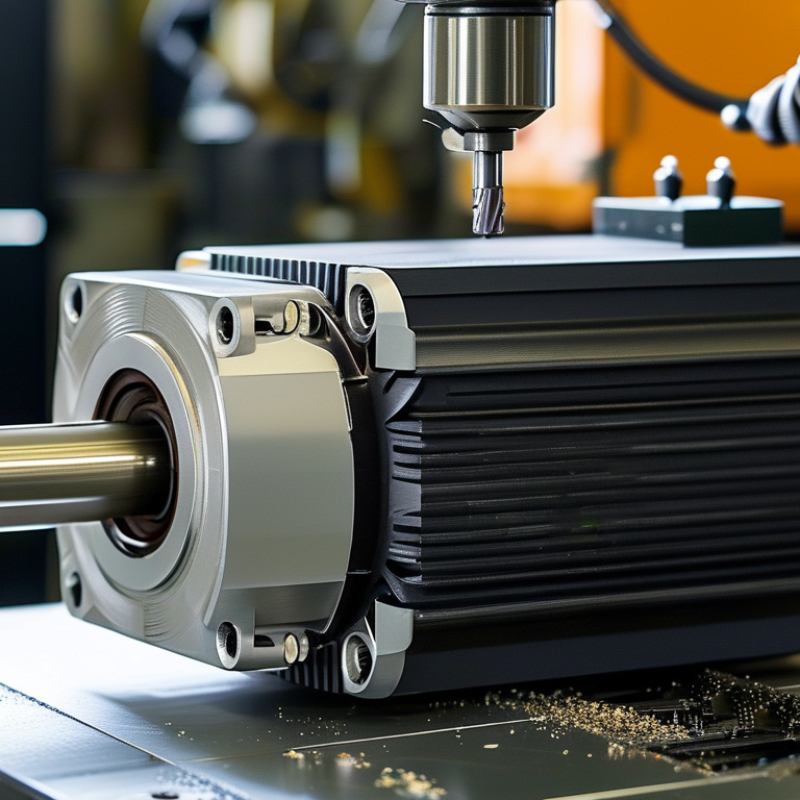
Why Choose Stepper Motors for Your Automation Needs?

Benefits of Stepper Motors in Automation Applications

Stepper motors are increasingly popular in automation applications. Their precise control makes them ideal for tasks requiring exact positioning. These motors work by dividing a full rotation into smaller steps, enabling incremental movement. This feature is crucial for automation where accuracy is paramount.

In various scenarios, stepper motors outperform conventional motors. They provide reliable performance without needing feedback systems. This can simplify the design and reduce overall costs. However, their torque may decrease at higher speeds. Understanding this limitation is essential for effective application.

Additionally, stepper motors can generate heat during operation. Proper heat management must be implemented to ensure longevity. Users should consider these factors when selecting motors for specific tasks. With attention to these details, stepper motors can enhance automation efficiency and reliability.

Why Choose Stepper Motors for Your Automation Needs? - Benefits of Stepper Motors in Automation Applications

Benefits Description Typical Applications
Precision Control Stepper motors provide precise positioning and repeatability without the need for feedback systems. 3D Printers, CNC Machines
Low Cost Compared to servo motors, stepper motors tend to be more economical, making them ideal for various applications. Robotics, Automation Systems
Simple Control Step control allows for straightforward design and programming of movement sequences. Conveyor Systems, Pick and Place Machines
Good Torque at Low Speeds Stepper motors maintain high torque levels even when operating at low speeds, which is advantageous in many applications. Printing Machines, Food Packaging Systems
Robustness and Reliability Stepper motors have a simple construction, resulting in high durability and long operational life. Medical Devices, Industrial Machinery

How Stepper Motors Operate: A Technical Overview

Stepper motors are a vital component in automation due to their precise control. They operate by dividing a full rotation into equal steps. This allows for accurate positioning, ideal for applications like 3D printers and CNC machines. According to recent data from the International Federation of Robotics, stepper motors account for approximately 25% of all motor applications in industrial automation.

Each step of a stepper motor can typically range from 1.8° to 90°, depending on the type. This granularity enhances control, allowing systems to move incrementally. The absence of feedback systems in basic stepper types simplifies their design and reduces costs. However, this may lead to issues with missed steps under heavy loads, making it critical to match the motor to the application requirements.

Research indicates that stepper motors are more efficient at low speeds. Their performance diminishes at higher speeds, often leading to resonance problems. Operators must consider these factors when implementing stepper motors into their systems. Balancing efficiency and control is crucial for achieving optimal performance in automation projects. Each application may require careful planning and adjustments to realize the full potential of stepper motors.

Comparison of Stepper Motors with Other Motor Types

When comparing stepper motors to other motor types, several factors come into play. Stepper motors excel in applications requiring precise positioning and repeatability. Unlike DC motors, they provide a high degree of control over movement. This makes them ideal for robotics and CNC machinery.

On the other hand, DC and servo motors offer higher speed and torque. While they may handle heavy loads better, they often lack the precise control of a stepper motor. Importantly, stepper motors can lose steps under heavy loads, which leads to inaccuracies. Users must be aware of this potential pitfall when selecting the motor type.

Choosing the right motor depends on the specific automation needs. For consistent, repeatable tasks, stepper motors are a strong candidate. However, for speed and heavy-duty applications, other types may prevail. Each motor has its strengths and weaknesses. Reflecting on these factors ensures an informed decision.

Common Applications of Stepper Motors in Industry

Stepper motors play a pivotal role in various industrial applications due to their precise control and reliability. In the medical field, these motors enable accurate positioning of surgical instruments and imaging devices. According to market reports, the medical robotics sector is expected to grow at a CAGR of 20.4% between 2020 and 2025. This growth underscores the demand for stepper motors in advanced medical technologies.

In manufacturing, stepper motors are commonly used in automated assembly lines. They provide precise control over movement, ensuring consistent quality in product assembly. A study revealed that the global automation market is set to exceed $200 billion by 2025. This trend reflects the increasing reliance on automation, where stepper motors are crucial for tasks like labeling and packaging.

Despite their advantages, stepper motors have limitations. They can lose steps under heavy loads, which may result in reduced accuracy. This challenge requires careful calibration and ongoing monitoring. Additionally, they may generate heat during prolonged use, impacting performance. Balancing these factors is critical in maximizing the effectiveness of stepper motors in industrial applications.

Factors to Consider When Selecting Stepper Motors for Projects

When selecting stepper motors for automation projects, several crucial factors come into play. Precision is a key consideration. According to industry reports, stepper motors can achieve positioning accuracy to within 1.8 degrees per step. This level of precision is vital for applications in robotics or CNC machinery where exact movements are critical.

Another aspect is the torque requirements. Stepper motors deliver high torque at low speeds, making them suitable for tasks like 3D printing and CNC milling. Data indicates that NEMA 17 stepper motors can produce up to 45Ncm of holding torque, which is often sufficient for many applications. However, if load demands increase, this can lead to performance issues. It's essential to evaluate whether your project may require more torque than a standard stepper motor can provide.

Additionally, heat generation and power consumption are important factors. Stepper motors can lead to increased heat, especially during prolonged operation. This may not only affect performance but also reduce the motor's lifespan. Understanding these limitations is crucial for ensuring reliability in your projects. In this evolving landscape, staying informed about advancements in motor technology can guide better decision-making.

Stepper Motors Performance Comparison

FAQS

: What is the primary function of stepper motors?

: Stepper motors provide precise control by dividing full rotation into equal steps for accurate positioning.

What are common applications for stepper motors?

They are widely used in 3D printers, CNC machines, medical devices, and automated assembly lines.

How do stepper motors handle different load requirements?

They can lose steps under heavy loads, affecting accuracy and requiring careful calibration.

What factors affect the efficiency of stepper motors?

Efficiency diminishes at higher speeds, often leading to resonance problems during intense operations.

Why is torque important when selecting a stepper motor?

High torque at low speeds is essential for precise tasks like 3D printing and CNC milling.

What should be monitored during the use of stepper motors?

They may generate heat, which can impact performance and reduce lifespan if not managed.

How precise are stepper motors in positioning?

They can achieve positioning accuracy within 1.8 degrees per step, which is crucial for exact movements.

What challenges do stepper motors present in industrial settings?

They require ongoing monitoring and calibration to ensure performance and avoid problems under heavy loads.

How does power consumption relate to stepper motors?

Increased power consumption can lead to more heat generation, which negatively affects motor longevity.

What should users consider about motor technology advancements?

Staying informed about advancements can greatly improve decision-making for automation projects.

Conclusion

Stepper motors are increasingly favored in automation applications due to their precise control and reliability. These motors operate by dividing a full rotation into a series of discrete steps, allowing for accurate positioning and repeatability, which is essential in many industrial scenarios. The advantages of stepper motors include their high torque at low speeds, ease of integration with control systems, and minimal maintenance requirements.

When comparing stepper motors with other types, such as DC or servo motors, their unique attributes are evident. While DC motors provide smooth motion, stepper motors excel in applications where precision is paramount. Common uses for stepper motors span various industries, from robotics to CNC machinery. However, selecting the right stepper motor involves considering factors like load requirements, speed, and torque to ensure optimal performance in specific projects. Overall, stepper motors are a vital component in modern automation, offering robust solutions tailored to diverse industrial needs.

Sienna

Sienna

Sienna is a skilled marketing professional with a deep expertise in our company’s core products and services. With a passion for innovation and detail, she plays a pivotal role in crafting insightful blog posts that not only highlight the unique features of our offerings but also provide valuable......