High Torque Motors play a crucial role in a variety of applications. As industry expert John Smith states, "High Torque Motors provide the power and efficiency needed for demanding tasks." This statement emphasizes their importance in sectors like manufacturing and robotics.
These motors excel in delivering high torque at low speeds. This feature is essential for applications such as conveyor systems and heavy machinery. Many businesses benefit from implementing High Torque Motors, enhancing productivity and performance. However, choosing the right motor is not always straightforward.
Sometimes, companies overlook the specifications that best suit their needs. Understanding torque and power requirements is vital for making informed decisions. A lack of clarity can lead to inefficiencies and increased costs. Investing time in research and consultation can mitigate these challenges, ensuring that businesses harness the full potential of High Torque Motors.
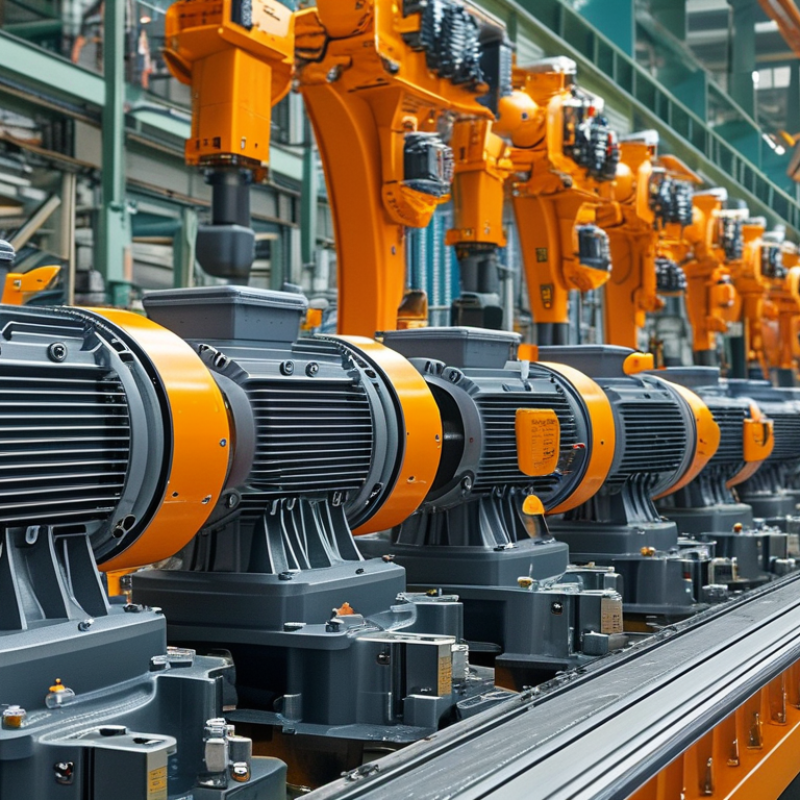
High torque motors are essential for many industrial applications. Their ability to deliver strong rotational force makes them suitable for tasks that require heavy lifting or precise movements. This characteristic is particularly valuable in manufacturing, logistics, and automotive industries, where efficiency and reliability are paramount.
One major benefit of high torque motors is their energy efficiency. They consume less power while performing demanding tasks compared to standard motors. This can lead to significant cost savings over time. Additionally, high torque motors can help reduce wear on mechanical components. The smooth operation lessens strain on gears, bearings, and other parts, potentially extending their lifespan.
However, choosing a high torque motor isn't without challenges. Proper sizing and integration into existing systems can be complex. Miscalculations can lead to performance issues or even damage. It’s important to consult with experts during the selection process. Understanding the specific requirements of your application is crucial to avoid costly mistakes. Balancing torque and speed is a common dilemma in motor selection, demanding careful thought and consideration.
High torque motors have become increasingly popular in various applications due to their superior performance metrics compared to standard motors. A recent industry report highlights that high torque motors often deliver up to 30% more torque, enabling them to handle heavier loads efficiently. This significant increase in torque capacity is vital in sectors like manufacturing and robotics, where precision and strength are crucial.
One critical performance parameter is speed stability. High torque motors typically maintain a consistent speed under load, which is essential in applications requiring precision, such as CNC machines. Standard motors may struggle, often resulting in speed fluctuations that can affect the quality of the output. Data shows that variations in speed can lead to a 10-15% decrease in production efficiency, emphasizing the reliability of high torque motors in maintaining operational efficiency.
Furthermore, longevity is an important consideration. High torque motors tend to have a longer operational life due to reduced strain under heavy loads. However, the initial investment can be higher, prompting some reflection on cost versus long-term performance. While high torque motors have advantages, not every application necessitates their capabilities. Understanding the specific requirements of each application is key to making informed decisions about motor selection.
High torque motors play a vital role in various industries. Manufacturing facilities benefit immensely from these powerful tools. They are essential in automation and conveyor systems, where heavy loads are a daily occurrence. For example, automotive assembly lines rely on high torque motors to move components efficiently. These motors ensure that machinery operates smoothly and consistently, which lowers downtime.
Mining and agriculture are other key sectors that utilize high torque motors. In mining, heavy machinery needs strong motors to handle ore extraction. These motors provide the necessary force to operate drills and conveyor belts effectively. Similarly, in agriculture, high torque motors power equipment like tractors and harvesters, which demand reliable performance. These motors help farmers maximize productivity, even under challenging conditions.
Not all applications benefit equally from high torque motors. In some cases, they can be overkill, leading to wasted energy and increased costs. Understanding when to implement these powerful motors is crucial. Evaluating specific needs and operational limits can prevent inefficiencies. Ultimately, the right choice depends on a careful assessment of each industry’s requirements.
High torque motors are increasingly favored for various applications. Their ability to provide higher force at lower speeds enhances the efficiency of machinery. This characteristic is crucial for equipment that requires significant power but operates at reduced rotational speeds. Machines, like conveyors and elevators, heavily rely on this torque. The result? Improved performance and reduced strain on mechanical components.
The durability of equipment using high torque motors can be impressive. These motors reduce the wear and tear on gears, bearings, and other essential parts. With lower operational stress, equipment can have a significantly longer lifespan. For industries where downtime is costly, this robustness becomes vital. Users may notice less frequent maintenance needs, contributing to overall operational reliability.
However, selecting the right motor is critical. Not all applications can benefit from high torque. Oversizing a motor may lead to inefficiencies. An incorrectly matched system can cause vibrations or overheating. Evaluating specific needs is essential before making a decision. Assessing load requirements and operational conditions ensures that the right balance is achieved, enhancing both performance and longevity.
Technological advancements are reshaping the landscape of high torque motors. Innovations in materials and design have significantly improved their efficiency. For instance, the integration of advanced composites allows for lighter and stronger components. This increased strength translates to higher torque output without a corresponding increase in size. Engineers are also leveraging 3D printing to create complex geometries that enhance performance.
Furthermore, automation in manufacturing processes ensures precision in motor production. High torque motors are now more reliable, reducing maintenance needs over time. Smart technology has also found its way into these motors. Sensors can monitor performance in real-time. This enables predictive maintenance, which minimizes downtime and extends motor life. However, the rapid pace of development presents challenges. Manufacturers need to adapt quickly to remain competitive. They must continuously innovate while ensuring quality and reliability in their offerings. Such a balancing act is not easy but is essential in today’s market.
| Application | Torque Rating (Nm) | Efficiency (%) | Weight (kg) | Max RPM |
|---|---|---|---|---|
| Robotics | 20 | 85 | 2.5 | 3000 |
| Industrial Machines | 50 | 80 | 8 | 1500 |
| Electric Vehicles | 100 | 90 | 50 | 6000 |
| Aerospace | 75 | 95 | 6 | 4000 |
| Medical Equipment | 30 | 88 | 3.2 | 2500 |
: They are used in industrial applications requiring strong rotational force, such as heavy lifting and precise movements.
They consume less power than standard motors while performing demanding tasks, leading to cost savings.
They reduce wear on mechanical components, extending their lifespan through smoother operation.
Proper sizing and integration can be complex and may lead to performance issues if miscalculated.
High torque motors maintain consistent speed under load, crucial for applications like CNC machines to avoid quality issues.
They provide higher force at lower speeds, improving machinery efficiency and reducing strain, resulting in longer lifespan.
Not all applications require their capabilities; understanding specific needs is key to making informed decisions.
Oversizing can lead to inefficiencies, vibrations, or overheating, negatively impacting performance.
With lower operational stress, equipment using high torque motors often requires less frequent maintenance.
Assess load requirements and operational conditions to ensure proper motor matching for optimal performance.
High Torque Motors play a crucial role in enhancing performance across various industrial applications. Their ability to deliver superior torque output under load significantly improves efficiency, outpacing standard motors in key performance metrics. Industries such as manufacturing, robotics, and automotive increasingly rely on these motors to meet the demands of heavy-duty tasks, thereby boosting operational productivity.
Additionally, High Torque Motors contribute to the durability and lifespan of equipment by reducing strain during operation, leading to prolonged maintenance intervals and decreased downtime. As technological advancements continue to drive innovations in motor design and efficiency, the adoption of High Torque Motors is set to increase, positioning them as a vital component in the future of industrial machinery.

DyneticPro Motor