How to Choose an Induction Motor in 2026?

Time:2026-09-08 Author:Aria
0%

Choosing an Induction Motor in 2026 requires more than comparing horsepower and purchase prices. The correct choice must match the machine, operating cycle, power supply, and installation environment. A motor running a conveyor faces different demands from one driving a pump or compressor. Small details matter, such as frequent starts, dusty air, high humidity, or limited ventilation.

Experienced engineers usually begin with the load rather than the motor nameplate. Measure starting torque, running speed, duty cycle, and expected overloads. Then check efficiency, voltage, frequency, enclosure rating, insulation class, and thermal limits. If a variable frequency drive is planned, confirm that the Induction Motor supports inverter operation. Poor matching can create vibration, overheating, weak acceleration, or unexpected maintenance costs. A spreadsheet helps, but a short site inspection often reveals more.

Reliable selection also depends on evidence. Request test data, efficiency documentation, bearing details, warranty terms, and service support from established manufacturers. Verify whether the proposed motor fits applicable regional standards and workplace requirements. Field experience is valuable, but it is not perfect. Catalog figures may not reflect a motor covered in dust or operated below its rated speed for long periods. That uncertainty deserves attention. This guide examines practical selection methods for 2026, including efficiency goals, smart monitoring, lifecycle cost, and supplier evaluation. The aim is not to choose the most powerful motor. It is to choose a dependable motor that performs safely, efficiently, and economically in its real working conditions.
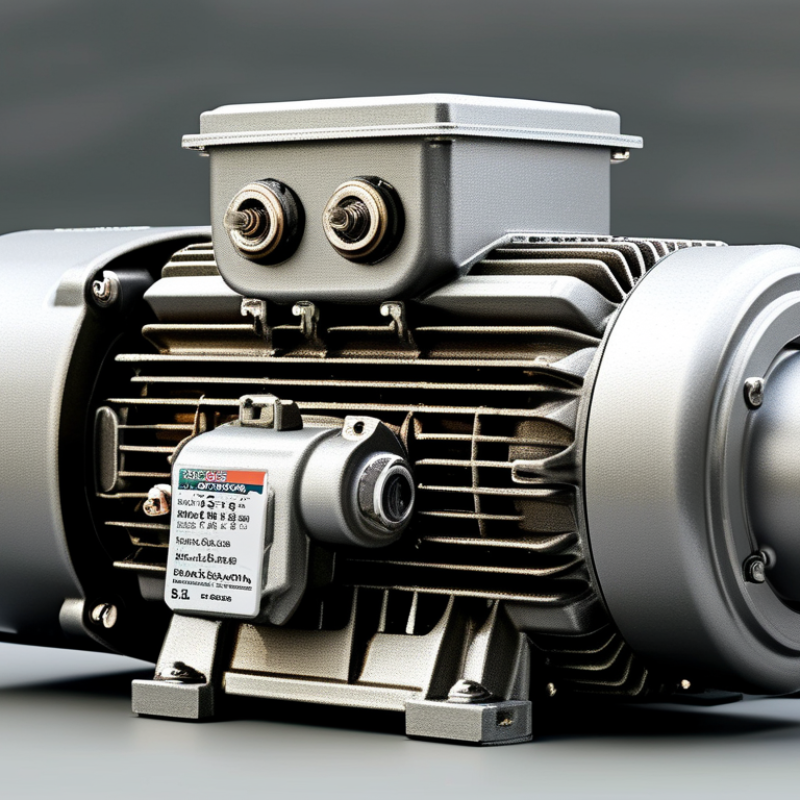
How to Choose an Induction Motor in 2026?

Define the Load: Torque, Duty Cycle, and 50/60 Hz Speed Requirements

Choosing an induction motor starts with the load, not the motor nameplate. Record the required shaft torque at startup, during acceleration, and at normal operating speed. Startup torque may exceed running torque, especially with conveyors, mixers, pumps, or heavily loaded fans. Measure or estimate the load inertia too. A torque curve matters. An undersized motor may stall, overheat, or accelerate too slowly. An oversized motor can waste energy and complicate control.

Define the duty cycle precisely. Continuous operation creates a different thermal demand than short, repeated cycles. Write down running time, rest time, starts per hour, braking events, and ambient temperature. Intermittent loads often look harmless on paper. They may still overheat the motor. Use the most demanding realistic cycle, not the average cycle. This is where practical judgment is imperfect. Field conditions rarely match a spreadsheet exactly.

Frequency sets the motor’s approximate speed. At 60 Hz, a four-pole motor has a synchronous speed of 1,800 rpm. At 50 Hz, the equivalent figure is 1,500 rpm. Actual speed is lower because slip produces torque. Expect roughly 1,750 rpm and 1,450 rpm under typical load, though the datasheet governs. Confirm the available frequency before selecting poles, pulleys, or a variable-speed drive. Check voltage, starting current, enclosure, and thermal ratings together. I would recheck the torque margin after installation. That final check is often missed.

Size Power from Torque × Speed and Check NEMA MG 1 Service Factors

How to Choose an Induction Motor in 2026?

Motor selection should begin with the load, not the catalog. Measure operating torque and shaft speed under real conditions. Use the relationship Power = Torque × Angular Speed. For quick calculations, kW ≈ Torque (N·m) × Speed (rpm) ÷ 9550. Include friction, acceleration, and transmission losses. A conveyor may need modest running torque but much higher starting torque. Do not guess.

I have seen motors selected only by horsepower, then struggle during cold starts. Record the duty cycle, starts per hour, ambient temperature, altitude, voltage variation, and required speed control. Select rated power above the calculated shaft demand, but avoid excessive oversizing. An oversized motor can operate inefficiently at light load. Check efficiency at the actual working point, not only the nameplate rating.

NEMA MG 1 service factors require careful interpretation. A 1.15 service factor may permit operation above rated load under specified conditions. It is not a permanent replacement for correctly sized power. Heat, poor ventilation, high altitude, and voltage imbalance can reduce that margin. Verify the service factor, temperature rise, enclosure, and insulation class together. Consider a thermal overload relay and measured current during commissioning. The first calculation may be wrong. Recheck it against field readings.

Compare IEC 60034-30-1 IE2–IE4 Efficiency Classes and Total Cost

How to Choose an Induction Motor in 2026?

Choosing between IE2, IE3, and IE4 requires more than comparing nameplate prices. IEC 60034-30-1 defines efficiency classes for applicable motors, but ratings, poles, frequency, and operating conditions still matter. Verify the motor’s declared efficiency at the actual load point. A laboratory figure may not match a pump running at 62% load.

Energy cost usually dominates the total cost. Record annual running hours, electricity price, load profile, and expected service life. An IE4 motor may cost more initially, yet its lower losses can repay the difference during continuous operation. IE2 can appear cheaper for lightly used equipment. It may become expensive in a factory operating two shifts daily. Use measured data, not assumptions. Small errors spread quickly across hundreds of motors.

Purchase cost is only one line. Include starters or drives, cabling, installation space, bearings, cooling, inspections, and unplanned downtime. Check starting torque, acceleration time, shaft dimensions, and compatibility with existing controls. Technicians often find that a highly efficient motor needs different protection settings. That detail is easy to miss. A spreadsheet can look precise and still mislead. I would compare at least three operating scenarios: low load, normal load, and peak load. Also request certified test information and a clear warranty process. Efficiency matters, but reliable operation matters every working hour.

Match IP Ratings, Insulation Classes, and Ambient Limits to IEC 60034

How to Choose an Induction Motor in 2026?

Match the motor’s IP rating, insulation class, and ambient limits to its real duty. IEC 60034 provides the framework, but the installation decides the risk. An IP55 motor may resist dust and water jets, yet it is not sealed against every washdown condition. Check dust concentration, spray direction, drainage, and cleaning chemicals. A motor near a furnace may exceed its rated ambient temperature, even inside a ventilated room.

Insulation class matters when heat and electrical stress combine. Class F insulation usually permits a higher thermal margin than Class B, but the name alone does not guarantee long service. Confirm the declared temperature rise, winding temperature, starting frequency, and inverter output. Variable-frequency drives can create steep voltage pulses, especially with long cables. The motor may need suitable winding protection and bearing-current controls. A common selection error is trusting the nameplate without checking altitude. Above the specified height, cooling becomes weaker and derating may be necessary. Small details matter.

Tips: Measure the hottest operating point, not the room average. Record enclosure exposure after rain or cleaning. Ask for IEC 60034 test data, not only marketing claims. Leave a practical thermal margin. I would also recheck the calculation after installation, because real airflow often differs from the drawing. Sometimes the original choice looks correct, but the site proves otherwise.

Choose DOL, Soft Starter, or VFD Control for Starting and Speed Needs

How to Choose an Induction Motor in 2026?

Choosing the starting method is as important as choosing the motor rating. Direct-on-line (DOL) control applies full voltage immediately. It is simple, affordable, and reliable for smaller motors with a strong electrical supply. However, starting current can reach five to eight times the rated current. Pumps, conveyors, and belt drives may experience sudden torque and mechanical stress. I have seen a correctly sized motor trip a weak feeder during startup.

A soft starter increases voltage gradually, reducing current peaks and coupling shock. It suits fans, pumps, and machines that only need one operating speed. It does not provide continuous speed control after acceleration. Check the required starting torque carefully. Some heavy loads may stall during a gentle ramp. That mistake is easy to make when settings are copied from another machine.

A variable frequency drive (VFD) is better when speed changes, controlled acceleration, or energy savings matter. It can match pump output to demand and reduce stress on gearboxes. Yet low-speed operation can reduce motor cooling, while long cables may increase insulation stress. Harmonic current and electromagnetic compatibility also need attention. Specify acceleration time, load inertia, starting frequency, braking method, and motor cooling conditions. Test the actual load, not only the nameplate data. A small field trial often reveals problems that calculations miss.

How to Choose an Induction Motor Starting Method in 2026?

The chart shows typical starting-current ranges as multiples of motor full-load current. Direct-on-line starting commonly draws about 5–8 times rated current, while a soft starter typically reduces this to approximately 2–4 times. A VFD can usually limit current to about 1–1.5 times rated current while also providing controlled acceleration and speed regulation. Actual values vary with motor design, load torque, ramp settings, and supply conditions.

Choose DOL for simple, low-cost fixed-speed applications with a strong electrical supply; choose a soft starter when reduced mechanical shock and lower inrush current are needed without continuous speed control; choose a VFD when variable speed, energy-efficient flow control, frequent starts, or precise acceleration is required.

FAQS

: What should I measure before choosing an induction motor?

: Measure startup torque, acceleration torque, running torque, shaft speed, and load inertia. Record the hardest operating condition. Do not rely on the motor nameplate alone.

Why does startup torque matter?

Startup torque can exceed running torque on conveyors, mixers, pumps, and loaded fans. An undersized motor may stall or overheat. A cold start can expose a weak selection.

How does duty cycle affect motor sizing?

Record running time, rest time, starts per hour, braking events, and ambient temperature. Short cycles can still create heat. Use the most demanding realistic cycle, not the average cycle.

How do frequency and motor poles affect speed?

Frequency sets approximate motor speed. A four-pole motor runs near 1,800 rpm at 60 Hz. At 50 Hz, the comparable speed is near 1,500 rpm. Actual speed is lower because slip creates torque.

How can I calculate the required motor power?

Use power equals torque multiplied by angular speed. For quick estimates, kW equals torque in N·m multiplied by rpm, divided by 9,550. Include friction, acceleration, and transmission losses. The first calculation may be wrong.

Should I choose a larger motor for extra safety?

Choose power above the calculated shaft demand, but avoid excessive oversizing. An oversized motor may waste energy at light load. Check efficiency at the real working point. More power is not always better.

What does a 1.15 service factor mean?

It may allow operation above rated load under specified conditions. It is not a permanent substitute for correct sizing. Heat, poor ventilation, altitude, and voltage imbalance can reduce that margin. Recheck the margin.

When is direct-on-line starting suitable?

Direct-on-line starting applies full voltage immediately. It suits smaller motors with strong electrical supplies. Starting current may reach five to eight times rated current. A weak feeder may trip.

When should I use a soft starter or variable frequency drive?

A soft starter suits fans, pumps, and machines needing one operating speed. It reduces current peaks and coupling shock. A variable frequency drive suits speed changes, controlled acceleration, or energy savings. Low-speed operation may reduce cooling, so test the actual load.

Conclusion

Choosing the right Induction Motor in 2026 starts with a clear understanding of the load. Evaluate required torque, duty cycle, operating hours, and the speed demands of 50 or 60 Hz power systems. Motor power should be calculated from torque and speed, then checked against applicable service factors to ensure reliable operation during temporary overloads. Selecting an appropriate efficiency class is also important: higher-efficiency designs can reduce energy consumption and operating costs over the motor’s lifetime, even when their initial price is higher.

Environmental and control requirements should guide the final selection. Match the enclosure protection rating, insulation class, and allowable ambient temperature to the installation conditions and relevant technical standards. Finally, choose between direct-on-line starting, a soft starter, or a variable frequency drive based on starting current, acceleration requirements, speed control, and process flexibility. A balanced decision considers performance, efficiency, durability, installation conditions, and total cost rather than purchase price alone.

Aria

Aria

Aria is a dedicated marketing professional with a deep passion for innovative strategies and a keen understanding of our company's product offerings. With a wealth of experience in the industry, Aria excels at crafting engaging content that highlights the unique features and benefits of our......