Choosing the right Planetary Gear Motor is crucial for various applications. These motors are known for their efficiency and high torque. According to a recent industry report by Research and Markets, the planetary gear motor market is expected to grow at a CAGR of 7.5% from 2022 to 2028. This indicates a rising demand for efficient energy solutions. Experts like Dr. Emily Nguyen emphasize the importance of selecting the right model. She states, "A well-chosen planetary gear motor can drastically enhance performance and longevity."
Understanding your specific needs is key. Consider the torque, speed, and footprint of the motor. These factors can determine whether a planetary gear motor is suitable for your application. However, not all motors are created equal. Oversights in choice can lead to suboptimal performance. Mixing different specifications may cause failure.
It's vital to consult with professionals. Their insights can be invaluable for making the right choice. It's not just about purchasing a motor; it's about ensuring it fits your operational requirements. Failure to do so may result in inefficiencies that affect production. A careful evaluation of your options can lead to significant improvements in your project outcomes.
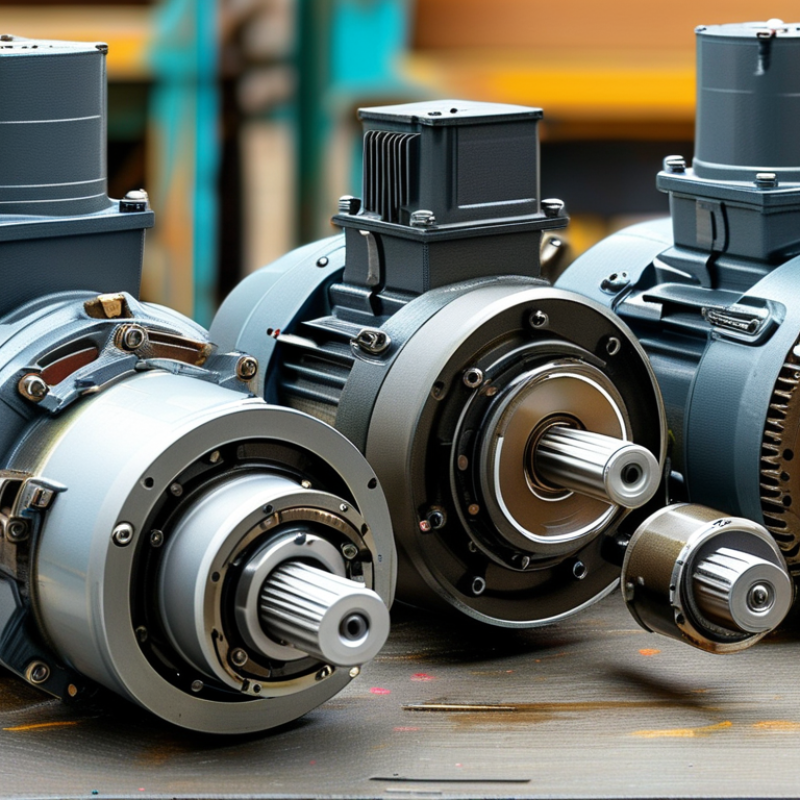
Key Factors to Consider When Selecting a Planetary Gear Motor
Choosing the right planetary gear motor is vital for ensuring optimal performance in various applications. When selecting a planetary gear motor, consider key factors that can significantly impact efficiency and output. One of the main aspects is the torque requirement. Research shows that selecting the correct torque can enhance system longevity by up to 30%. If torque is underestimated, the motor may fail prematurely.
Another important factor is the gear ratio. A higher gear ratio translates to more torque at lower speeds, while a lower gear ratio enhances speed but may reduce torque. Balancing these requirements is crucial. According to industry data, roughly 70% of failures in gear systems are attributed to mismatched gear ratios.
Tip: Evaluate your system's specific needs before making a decision.
Consider the motor’s efficiency as well.
Efficiency ratings provide insight into potential energy savings. A motor with 90% efficiency can save considerable energy over time. Additionally, the physical size of the motor must fit your application’s space constraints. Sometimes, compact designs come with trade-offs in other performance metrics.
Tip: Take time to review technical specifications carefully.
Finally, it is essential to consider the
application environment. High temperatures or exposure to moisture can impact motor performance. Thoughtful consideration of these variables can prevent costly mistakes and downtime.
Understanding the Different Types of Planetary Gear Motors
When selecting a planetary gear motor, understanding the various types is crucial. These motors are prized for their efficiency and torque capabilities. They come in several designs, each suited to specific applications. For instance, a standard planetary gear motor is versatile. It is ideal for robotics and automation systems that require precise control.
Another type is the high torque planetary gear motor. This version maximizes power output and is essential for heavy-duty machinery. It’s not uncommon to overlook factors like mounting type. This can affect the motor's performance in real-world applications. Additionally, consider the motor's backlash. Lower backlash options offer better positioning accuracy but can be more expensive.
When thinking about speed and load requirements, the motor's specifications matter a lot. It's helpful to review how each type meets specific needs. However, finding the perfect balance between performance and cost can be tricky. Many users face challenges in ensuring reliability over time. Also, compatibility with other system components is vital. One might need to re-evaluate choices based on these aspects, leading to improved functionality.
How to Choose the Right Planetary Gear Motor for Your Needs? - Understanding the Different Types of Planetary Gear Motors
| Type |
Torque Range (Nm) |
Gear Ratio |
Efficiency (%) |
Typical Applications |
| Standard Planetary Gear Motor |
0.5 - 200 |
3:1 to 100:1 |
85 - 95 |
Robotics, Conveyors, Automation |
| High Precision Gear Motor |
0.1 - 50 |
5:1 to 200:1 |
90 - 98 |
CNC Machines, Medical Equipment |
| Right Angle Planetary Gear Motor |
1 - 100 |
10:1 to 50:1 |
80 - 90 |
Automotive, Packaging Machines |
| Heavy Duty Planetary Gear Motor |
10 - 500 |
8:1 to 30:1 |
85 - 92 |
Construction, Mining, Industrial |
| Compact Planetary Gear Motor |
0.5 - 20 |
3:1 to 12:1 |
75 - 85 |
Small Devices, Robotics |
Evaluating Torque and Speed Requirements for Your Application
Selecting the right planetary gear motor involves understanding your application’s torque and speed needs. Torque determines how much rotational force the motor must exert. Higher torque is necessary for heavy loads or when starting from a stop. For precise applications, consider the load’s inertia. Underestimating torque can lead to motor overload or failure.
Speed matters too. Identify the required RPM range for your application. Mismatched speeds can cause inefficiencies. Too high a speed can wear out components quickly. Conversely, too low could compromise performance. Knowing both the load requirements and desired speeds will help you choose a suitable motor.
Tips: Assess the environment where the motor will operate. Heat, dust, and moisture can impact performance. Always factor in safety margins for both torque and speed. Components that seem adequate might need adjustments when faced with real-world conditions. Test thoroughly before finalizing any motor choice. Consider failing gracefully if the initial choice doesn’t meet all expectations.
Assessing Motor Efficiency and Heat Management in Gear Motors
When selecting a planetary gear motor, evaluating motor efficiency and heat management is crucial. Motors convert electrical energy into mechanical power. Higher efficiency means more power output for less input. It’s important to consider how a specific application impacts energy consumption. For instance, heavy loads or continuous operation may lead to inefficiencies. These factors could strain the motor, causing excessive heat.
Heat management plays a significant role in the longevity of gear motors. Excessive heat can damage components and reduce performance. Ensure that the motor boasts effective heat dissipation features. For example, embedded cooling fins can help alleviate heat buildup. Regularly monitoring temperature is vital. If not managed properly, high temperatures may lead to premature failure, necessitating replacement or repair.
Furthermore, consider ambient conditions where the motor will operate. Environments with high ambient temperatures require more robust cooling solutions. Reviewing technical specifications can guide your choices. It’s essential to evaluate ratings that reflect real-world conditions. This attention to detail ensures the selected motor meets efficiency requirements and manages heat effectively. Engaging with experts and real-world case studies can provide invaluable insights.
Exploring Customization Options for Specific Operational Needs
When choosing a planetary gear motor, customization options play a crucial role in meeting specific operational needs. Customizations can range from gear ratios to motor torque, which directly influence performance. It's vital to assess your application's requirements before making adjustments. A tailored motor can enhance efficiency and effectiveness.
Consider the operating environment. Extreme temperatures or exposure to dust can impact performance. Customizing materials or seals can prolong motor life and reliability. Think about how different components work together. A slight change in one area can lead to unexpected challenges elsewhere.
Tips: Identify key performance metrics. Understand your load requirements. Align the motor’s output with your machinery’s demands. Testing prototypes can reveal shortcomings in your initial choices. Collect data and analyze it thoroughly. Reflection on past decisions can guide future customizations.
Conclusion
When selecting the right Planetary Gear Motor for your application, it’s essential to consider several key factors. Start by understanding the different types of planetary gear motors available, each suited to specific requirements. Evaluate your torque and speed needs to ensure optimal performance, as these parameters are crucial for the success of your project.
Additionally, motor efficiency and heat management should be assessed to ensure reliability and longevity of the gear motor. Lastly, explore customization options that can address unique operational challenges, tailoring the motor to fit your specific needs. By considering these aspects, you can choose a Planetary Gear Motor that best aligns with your application requirements.

 DyneticPro Motor