In recent years, DC Micro Vibration Motors have gained significant attention across various industries. David Thompson, a leading expert in the field, once stated, “DC Micro Vibration Motors are vital for enhancing user experience in modern devices.” This statement underscores the importance of these motors in our daily lives. They are small, efficient, and versatile, making them suitable for numerous applications.
DC Micro Vibration Motors are commonly found in consumer electronics like smartphones and smartwatches. Their ability to provide haptic feedback enhances user interaction. For instance, during gaming sessions, they create a more immersive experience. However, there are challenges. Durability and consistent performance can sometimes be an issue, leaving users wanting more reliability.
As the market continues to evolve, the demand for improved and innovative solutions rises. Industry professionals are tasked with addressing these challenges. Continuous development in DC Micro Vibration Motor technology can lead to better applications. This creates opportunities for growth and refinement. Exploring how these motors can be further optimized is essential for future advancements.
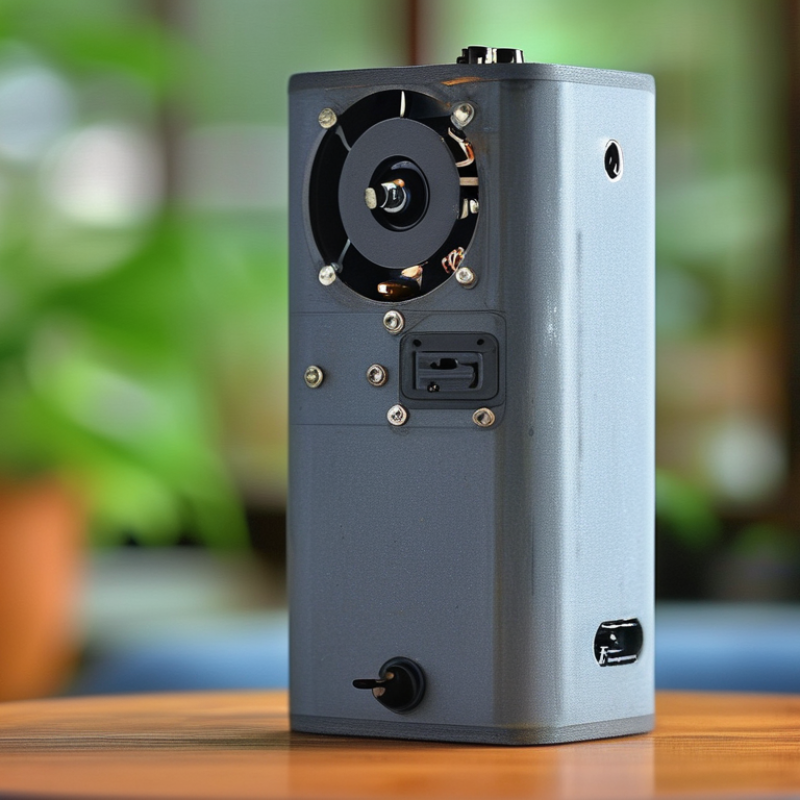
A DC micro vibration motor is a compact device that converts electrical energy into mechanical vibrations. These motors are typically small, measuring just a few millimeters in size. They are commonly found in portable devices, such as smartphones and wearables, providing tactile feedback to users. According to a recent market analysis by Research and Markets, the global DC micro motor market is projected to grow at a CAGR of 6.2% from 2022 to 2027, underscoring their increasing relevance in tech.
The working principle of DC micro vibration motors involves a simple yet effective design. When electricity flows through the motor, it creates rotational motion causing an eccentric mass to spin. This spinning generates vibrations, enhancing user interaction. In mobile devices, they improve user experience with alerts and notifications. Their broad applicability ranges from gaming controllers to medical devices, emphasizing their versatility in modern technology.
While these motors offer substantial benefits, some challenges arise. Considerations like battery depletion and heating issues can hinder performance. Users may not notice these subtleties until they are significant problems. As demand for compact, efficient components grows, addressing these concerns will be crucial for developers and manufacturers alike. Balancing innovation and reliability remains a continuous challenge in this evolving field.
: A DC micro vibration motor is a small device that converts electrical energy into mechanical vibrations.
These motors are often found in smartphones, wearables, and gaming devices, providing tactile feedback to users.
They create rotational motion when electricity flows, causing an eccentric mass to spin and produce vibrations.
Battery depletion and heating issues can impact performance, often unnoticed until they become serious problems.
High-grade plastics and metals are common, balancing durability with lightweight design for optimal functionality.
Changing diaphragm thickness can adjust vibration intensity by up to 20%, crucial for device responsiveness.
Motors are anticipated to become smaller and more efficient, capable of creating complex vibration patterns.
Efficient designs lead to better performance and longer battery life, impacting overall user experience negatively if overlooked.
Even minor design adjustments can lead to significant efficiency improvements, highlighting the need for continuous innovation.
Consider the motor's vibration pattern and size to ensure it meets the specific needs of your application effectively.
A DC Micro Vibration Motor is a compact electromechanical device that converts direct current electrical energy into mechanical vibrations. These motors consist of key components such as a rotor, stator, and an eccentric mass, which work together to create vibrations when powered. The principle of operation relies on the offset weight attached to the rotor that generates a centrifugal force, producing a vibrational motion.
DC Micro Vibration Motors are widely used in various applications, including mobile phones for haptic feedback, gaming devices, and medical equipment for tactile alerts. As technology evolves, there is a growing trend towards miniaturization and enhanced performance of these motors, aiming for improved efficiency and reduced power consumption. This progress highlights the increasing importance of DC Micro Vibration Motors in modern consumer electronics and other industries.

 DyneticPro Motor