What Is a High Speed Motor and How Does It Work?

Time:2026-10-13 Author:Mason
0%

A High Speed Motor converts electrical energy into mechanical motion at an unusually high rotational speed. Unlike a standard industrial motor, it may operate above 10,000 revolutions per minute. Some specialized designs exceed 100,000 rpm. There is no universal speed threshold. The correct definition depends on motor size, application, and engineering standards.

Its operation begins when controlled current creates a rotating magnetic field inside the stator. This field interacts with permanent magnets or conductive rotor materials. The rotor follows the magnetic field and produces torque. An inverter adjusts voltage and frequency with precise timing. Sensors may monitor position, temperature, vibration, and current. Small timing errors can create heat, noise, or unstable operation.

The real challenge is balance. A rotor spinning at high speed experiences enormous centrifugal forces. Engineers therefore use strong materials, accurate machining, carefully selected bearings, and effective cooling systems. Air, liquid, or oil cooling may remove heat from windings and bearings. Even a tiny imbalance can cause noticeable vibration. That detail is easy to underestimate.

High Speed Motor systems appear in compressors, machine tools, electric turbomachinery, robotics, and modern vehicle platforms. Their compact size and high power density can improve performance. However, higher speed may increase losses, acoustic noise, maintenance demands, and control complexity. A simple rpm label can mislead. This guide examines how these motors work, why their components matter, and where practical design compromises remain. Real-world results depend on testing, operating conditions, and responsible engineering judgment.
What Is a High Speed Motor and How Does It Work?

Definition and Core Features of a High-Speed Motor

A high-speed motor is an electric machine designed to rotate far faster than conventional industrial motors. Many engineers use 10,000 revolutions per minute as a practical reference, but no universal limit exists. That threshold moves. It depends on the motor’s size, application, cooling method, and mechanical design. Unlike a standard motor, its value comes from power density, compactness, and rapid response. An engineer should evaluate speed together with torque, because high rpm alone does not guarantee useful output. Power equals torque multiplied by angular speed. The stator creates a rotating magnetic field, while the rotor follows it through electromagnetic torque. A drive adjusts electrical frequency and voltage to control this motion accurately.

Core features begin with a carefully balanced rotor. Even tiny imbalance can create strong vibration when rotation accelerates. Specialized bearings, rigid housings, and accurate shaft alignment help control these forces. Heat matters. Electrical losses and bearing friction can raise temperatures within seconds. Designers often combine forced air, liquid cooling, temperature sensors, and closed-loop speed control. A suitable inverter must switch quickly and supply clean, stable current. During testing, technicians check vibration spectra, winding temperature, current, overspeed behavior, and noise under changing loads. These measurements are more reliable than a catalog speed figure. Still, the definition is not perfectly clean. A motor may reach extreme rpm but fail to deliver durable performance. Speed alone is insufficient. Real operating conditions can expose weaknesses that laboratory figures hide.

Main Components and Their Functions

What Is a High Speed Motor and How Does It Work?

Main Components and Their Functions

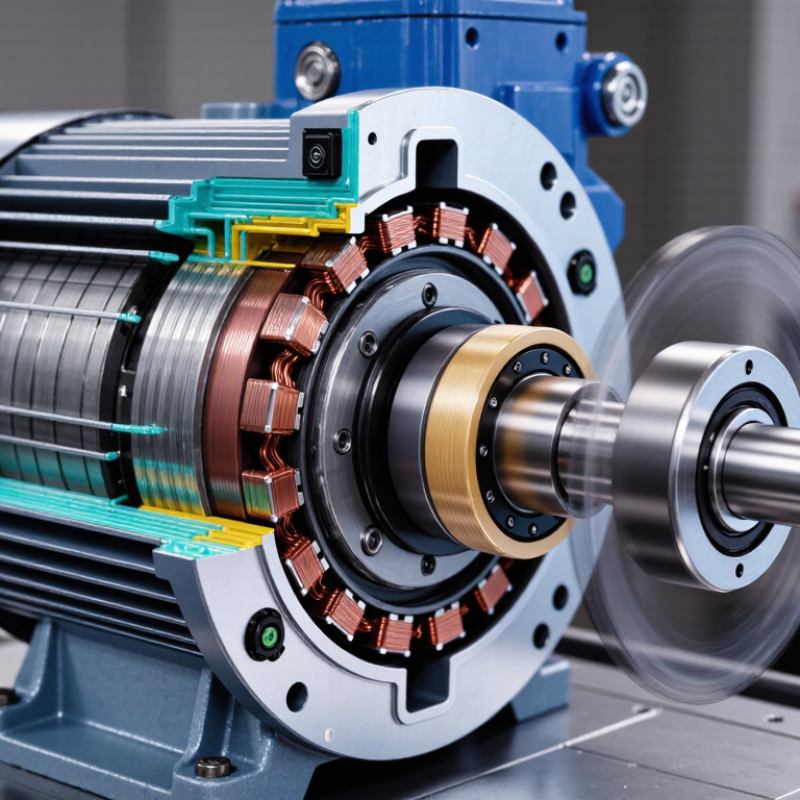
A high-speed motor converts electrical energy into rapid mechanical rotation. Its speed can exceed ordinary industrial motor ratings several times. The stator creates a stationary magnetic field around the rotor. Copper windings carry controlled current through laminated steel teeth. Thin laminations reduce eddy-current losses and unwanted heat. Small details matter. Poor insulation can shorten service life quickly.

The rotor is the rotating core. Permanent magnets or conductive bars create its magnetic response. A precisely balanced shaft transfers torque to a compressor, spindle, or pump. Bearings support the shaft while limiting friction and vibration. Ceramic or air bearings may suit extreme speeds, but each requires careful setup. The housing protects internal parts and helps control noise. It must also resist centrifugal forces safely.

A drive controller regulates voltage, current, and acceleration. This prevents harsh starts that could damage bearings or connected equipment. Sensors monitor speed, temperature, and vibration continuously. Cooling passages, fans, or liquid circuits remove heat from windings and bearings. During maintenance, technicians check bearing clearance and insulation resistance. These readings provide useful evidence. However, sensors can drift, and poor alignment may distort results. That is easy to miss. Even a well-designed motor can perform poorly when cooling, balance, or control settings are neglected.

How a High-Speed Motor Converts Energy into Motion

What Is a High Speed Motor and How Does It Work?

A high-speed motor converts electrical energy into rapid mechanical motion through magnetic force. An inverter sends controlled current into the stator windings. These windings create a rotating magnetic field. The rotor follows that field and produces torque at the shaft. Higher electrical frequency usually means higher rotational speed. Many industrial designs exceed 10,000 revolutions per minute.

The conversion process is efficient, but never perfect. Copper resistance creates heat. Magnetic materials lose energy during repeated switching. Bearings, seals, and air friction also consume power. The U.S. Department of Energy reports that motor-driven systems can use about 70% of industrial electricity in manufacturing. That figure shows why small efficiency losses matter. A motor wasting 5% of input power may generate substantial heat during continuous operation.

High-speed systems often use smaller rotors and advanced cooling paths. Their compact size can reduce machine weight and improve response time. However, a faster rotor demands careful balancing. Even a tiny imbalance can create strong vibration. The International Energy Agency has reported that electric motor systems account for roughly half of global electricity consumption. This estimate remains broad, and operating conditions vary widely. Still, it highlights the importance of accurate speed control, lubrication, and load matching.

The theory is clean. The workshop is not.

Types and Operating Methods of High-Speed Motors

What Is a High Speed Motor and How Does It Work?

Types and Operating Methods of High-Speed Motors

A high-speed motor commonly operates above 10,000 revolutions per minute. However, no universal speed boundary exists. The application defines the practical limit. Induction motors use electromagnetic slip and offer rugged construction. They also create rotor heat at high frequency. Permanent-magnet synchronous motors reduce slip and deliver strong power density. Their magnets, however, face temperature and demagnetization risks. Switched-reluctance motors avoid permanent magnets, but their torque ripple can complicate control.

Speed alone is not enough. High-speed motors require an inverter, precise switching, and careful rotor balancing. Vector control regulates torque and flux independently. Sensorless control estimates rotor position from electrical signals. It can reduce hardware, but low-speed accuracy may suffer. Air, liquid, or oil cooling removes heat from windings and bearings. Cooling decides reliability. Ceramic hybrid, air, and magnetic bearings each suit different loads and speeds.

The International Energy Agency estimates motor systems consume about 53% of global electricity. The U.S. Department of Energy reports that motor-driven systems use more than 70% of industrial electricity. These figures explain why efficiency matters beyond laboratory testing. IEC 60034 standards support consistent motor performance and testing practices. In field commissioning, vibration data often reveals imbalance before failure. Yet efficiency figures can mislead when they exclude inverters, cooling, or bearing losses. A better evaluation measures the complete drive system under real operating conditions. The classification still needs reflection.

Applications, Benefits, and Common Limitations

A high-speed motor rotates far faster than a conventional motor, often above 10,000 revolutions per minute. Its compact rotor converts electrical energy into rapid mechanical motion. Electronic controls adjust switching frequency and torque, while bearings keep the shaft accurately aligned. In practical testing, vibration readings often reveal problems before visible damage appears.

These motors suit machine tools, air compressors, pumps, dental equipment, and compact generators. Machine tools need this response. High rotational speed can produce precise cutting and reduce the size of gears or drive systems. It may also improve power density, saving valuable space in factory equipment. In pumps, faster rotation can deliver strong flow from a smaller housing. That advantage sounds simple, but system design remains important.

Heat is the main limitation. Friction, electrical losses, and wind resistance increase as speed rises. A rotor can require special balancing and stronger materials. Noise can rise. Maintenance is less forgiving. Control electronics must react quickly, especially during sudden load changes. Lubrication choices also matter because unsuitable grease may fail under high temperature and speed. From field experience, careful alignment and temperature monitoring are not optional. I would not call high speed automatically better. A slower motor may offer longer service life, easier repairs, and lower operating costs. Some applications still accept lower speed because reliability matters more than compact size.

FAQS

What is a high-speed motor?

It is an electric motor designed to rotate much faster than conventional industrial motors. Around 10,000 revolutions per minute is a common reference. The boundary is not perfectly clear.

How does a high-speed motor create motion?

An inverter sends controlled current through the stator windings. The stator creates a rotating magnetic field. The rotor follows it and produces shaft torque.

Does higher speed always mean better performance?

No. Useful performance depends on both speed and torque. Power equals torque multiplied by angular speed. Speed alone fails.

Which parts are especially important?

The stator, rotor, shaft, bearings, housing, drive, sensors, and cooling system work together. Thin electrical laminations reduce heat losses. A precisely balanced shaft limits vibration.

Why is rotor balance so important?

Small imbalance can create strong vibration at high rotational speed. Technicians inspect vibration spectra during testing. Tiny errors become serious quickly.

How does the motor manage heat?

Electrical resistance, bearing friction, and air movement create heat. Fans, liquid passages, sensors, and controlled airflow remove it. Heat arrives quickly.

What safety and reliability checks are useful?

Technicians measure vibration, winding temperature, current, noise, and overspeed behavior. They also inspect bearing clearance and insulation resistance. One reading may mislead.

What can cause poor real-world performance?

Weak cooling, poor alignment, unsuitable control settings, or excessive load can reduce performance. A motor may reach extreme speed but lack durable output. Laboratory figures can hide workshop problems.

Conclusion

A High Speed Motor is an electric motor designed to rotate at significantly higher speeds than conventional motors, delivering fast and precise mechanical output in a compact design. Its core features typically include a lightweight rotor, carefully balanced rotating parts, efficient bearings, a stator with electromagnetic windings, and a control system that regulates speed and torque. Together, these components allow the motor to convert electrical energy into controlled rotational motion through the interaction of magnetic fields.

High-speed motors can operate with different power and control methods, including direct-current, alternating-current, and electronically controlled systems. They are commonly used in areas such as precision equipment, air compressors, pumps, machine tools, and transportation systems. Their main benefits include high power density, rapid response, reduced equipment size, and improved operating efficiency. However, they may also face challenges involving heat generation, vibration, noise, bearing wear, and the need for accurate control and maintenance.

Mason

Mason

Mason is a seasoned marketing professional with a deep expertise in the company's offerings and a passion for driving brand awareness. With a strong background in digital marketing strategies, he has an innate ability to connect with diverse audiences and effectively communicate product benefits.......