The rise of the Synchronous Motor is transforming various industries worldwide. These motors are designed to operate in perfect synchrony with the power supply frequency. This unique characteristic provides several advantages, making them appealing to global buyers.
One significant benefit is their efficiency. Synchronous Motors have the ability to maintain high-performance levels while consuming less energy. This efficiency can lead to substantial cost savings over time. Additionally, they are known for their reliability. With fewer moving parts, these motors typically require less maintenance, offering a more durable solution in demanding environments.
Moreover, Synchronous Motors can operate at various speeds without losing control. This flexibility allows industries to optimize processes effectively. However, choosing the right motor must involve careful consideration. Not every application will benefit equally from this technology. Understanding the unique operational needs is crucial for making informed decisions.
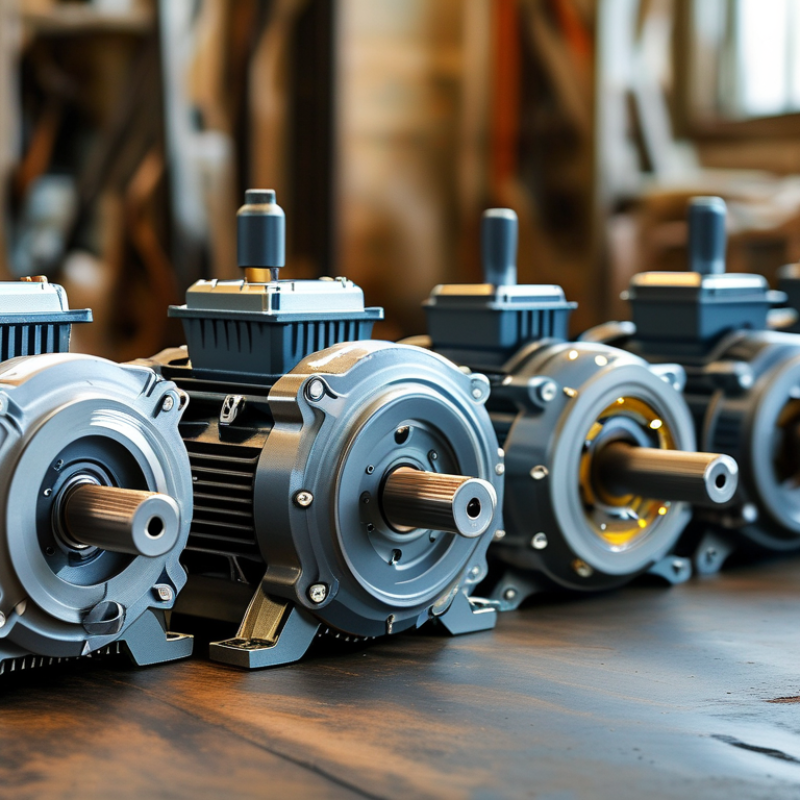
Synchronous motors offer distinct advantages that appeal to international buyers. One of the main benefits is their consistent speed under varying loads. This makes them ideal for applications in industries such as manufacturing and processing. When operating, these motors maintain synchronous speed, improving efficiency and performance. Buyers appreciate this reliability, especially in energy-sensitive environments.
Another key advantage is their power factor correction capabilities. Synchronous motors can operate at leading or unity power factors. This function reduces the need for additional power factor correction devices. Consequently, international buyers can optimize energy use and minimize costs. Additionally, these motors typically have a longer lifespan due to their robust design, which can reduce maintenance costs over time.
However, there are challenges to consider. Synchronous motors can require more complex control systems compared to asynchronous types. This complexity may lead to higher initial setup costs. Buyers need to weigh these factors against the long-term benefits. Ultimately, understanding these dynamics can guide global buyers in their decision-making process.
Synchronous motors are gaining traction in various applications due to their energy efficiency. According to the International Energy Agency (IEA), these motors can achieve efficiencies exceeding 95% under optimal conditions. This efficiency translates to significant energy savings, especially in large industrial settings where operational costs are a major concern. By utilizing advanced technology like permanent magnets, synchronous motors reduce energy loss during operation, making them a highly reliable choice.
Research indicates that replacing traditional induction motors with synchronous alternatives can lead to a reduction in energy consumption of up to 30%. This is critical for businesses aiming for sustainability. Enhanced energy efficiency not only lowers operational costs but also aligns with global initiatives to reduce carbon footprints. However, it is important to acknowledge that the initial investment in synchronous motors can be higher. Companies must carefully weigh long-term savings against upfront costs, as the payback period could vary depending on usage patterns.
Many industries are already benefiting from this technology. Manufacturing sectors, in particular, report substantial improvements in performance and reduced maintenance needs. While synchronous motors present numerous advantages, potential buyers should conduct a thorough cost-benefit analysis. Understanding the specific operational demands is essential for maximizing the benefits of this advanced motor technology.
This bar chart illustrates the top five benefits of synchronous motors, highlighting their enhanced energy efficiency and other advantages.
Synchronous motors offer significant advantages for global buyers, especially in improved performance and operational consistency. These motors typically operate at a constant speed, controlled by the supply frequency. According to industry reports, synchronous motors can achieve efficiency ratings of up to 95%, making them a reliable choice for energy-intensive applications. This high efficiency translates to lower operational costs and reduced environmental impact.
Performance is not the only area where synchronous motors excel. They also provide consistent torque under varying load conditions. A study by a leading power systems journal indicated that synchronous motors can maintain their output even in fluctuating operational environments. This capability is particularly crucial in industries such as manufacturing and processing, where product quality is paramount.
While synchronous motors present clear benefits, they are not without challenges. They often require complex control systems and can be more expensive upfront than other motor types. Potential buyers must weigh these factors against the long-term savings and reliability they provide. Overall, the balance between performance gains and initial investment reflects an ongoing discussion among engineers and buyers alike.
| Benefit | Description | Impact on Performance |
|---|---|---|
| High Efficiency | Synchronous motors operate with higher efficiency compared to induction motors. | Reduced energy consumption and operational costs. |
| Improved Performance | Provide consistent speed under variable load conditions. | Enhanced productivity and machinery reliability. |
| Reduced Noise | Operate quieter than many other motor types. | Improved working environment and reduced sound pollution. |
| Durability | Built to withstand harsh operating conditions and have a longer lifespan. | Lower maintenance costs and fewer replacements. |
| Regenerative Capability | Able to return energy to the power supply in certain applications. | Increased system efficiency by recovering energy. |
Synchronous motors offer a range of benefits that appeal to global buyers. One of their standout features is reduced maintenance needs. These motors operate in synchrony with the frequency of the power supply. This alignment minimizes wear and tear on components. As a result, the intervals between required maintenance are significantly extended. This is especially beneficial in remote locations where regular service may be challenging.
Increased reliability is another key advantage. Synchronous motors are designed for stability and efficiency. Their construction allows them to maintain a constant speed under varying loads. This capability leads to fewer operational interruptions. Additionally, the robust design often translates into a longer lifespan. However, it is essential to acknowledge that the upfront costs can be higher compared to other motor types. Buyers must weigh these costs against potential savings from lower maintenance and increased reliability.
Moreover, synchronous motors can demand careful consideration during installation. Proper alignment and setup are crucial for optimal performance. Misalignment can lead to inefficiencies and reduce the unique benefits these motors offer. Understanding these complexities is vital for any buyer seeking to invest in this technology. Ultimately, while synchronous motors promise significant advantages, they also present challenges that need assessment.
Synchronous motors are essential in various industries due to their unique characteristics. They offer precise speed control and high efficiency, making them ideal for applications in manufacturing, energy, and transportation. According to a report by Research and Markets, the global synchronous motors market is projected to grow significantly, indicating a rising trend in their adoption.
In heavy industries, synchronous motors are frequently used in large-scale applications like metal processing and mining. Their ability to maintain constant speed under varying loads is crucial in these sectors. Additionally, they contribute to energy savings. A study by the U.S. Department of Energy shows that improving motor efficiency can lead to reductions in energy consumption by up to 10%. This is a compelling advantage for businesses aiming to lower operational costs.
When selecting synchronous motors, efficiency ratings matter. Not every application requires the highest-rated motor. It’s essential to assess specific operational needs carefully. For instance, lower-rated motors might be sufficient in less demanding environments, potentially saving on initial investment costs. Additionally, regular maintenance practices can enhance the longevity of these motors, ensuring optimal performance throughout their lifecycle.
: They maintain consistent speed under varying loads, enhancing efficiency in many applications.
They can achieve efficiencies over 95%, leading to substantial energy savings in industrial settings.
They can operate at leading or unity power factors, reducing the need for extra correction devices.
Their robust design typically results in a longer lifespan, reducing maintenance costs over time.
They require complex control systems, which can lead to higher initial setup costs.
Synchronous motors maintain consistent torque, crucial for product quality in manufacturing.
They should weigh initial investment against potential long-term energy savings and benefits.
Manufacturing and processing sectors report significant improvements in performance and reduced maintenance.
Buyers should conduct thorough cost-benefit analyses to understand specific operational demands.
Not necessarily; challenges and costs must be weighed against the advantages they offer.
Synchronous motors offer a range of benefits that make them an attractive option for global buyers. One of the key advantages is their enhanced energy efficiency, which helps reduce operational costs while minimizing environmental impact. These motors are designed for improved performance and consistent operation, ensuring reliable functionality across various applications, from industrial machinery to renewable energy systems.
Furthermore, synchronous motors require less maintenance compared to their asynchronous counterparts, which translates to increased reliability and reduced downtime. Their versatility allows them to be utilized in diverse industries, making them a valuable investment for international buyers seeking to optimize their operations. Overall, the combination of energy efficiency, strong performance, and low maintenance needs makes synchronous motors a compelling choice in today's competitive market.

DyneticPro Motor