As the demand for automation solutions grows, the Electric Gear Motor market is evolving rapidly. Buyers are seeking advanced technologies that enhance efficiency and productivity. Insights into recent trends can help navigate this dynamic landscape.
In 2026, we anticipate significant shifts in consumer preferences. The rise of energy-efficient models is becoming a priority. These innovations not only reduce energy costs but also align with global sustainability goals. Buyers must stay informed about the latest developments to make informed decisions.
However, not every trend will cater to every buyer's needs. Some products may offer flashy features but lack practical reliability. Balancing innovation and dependability is essential. As we explore these trends, it's crucial to reflect on what truly matters in your operations.
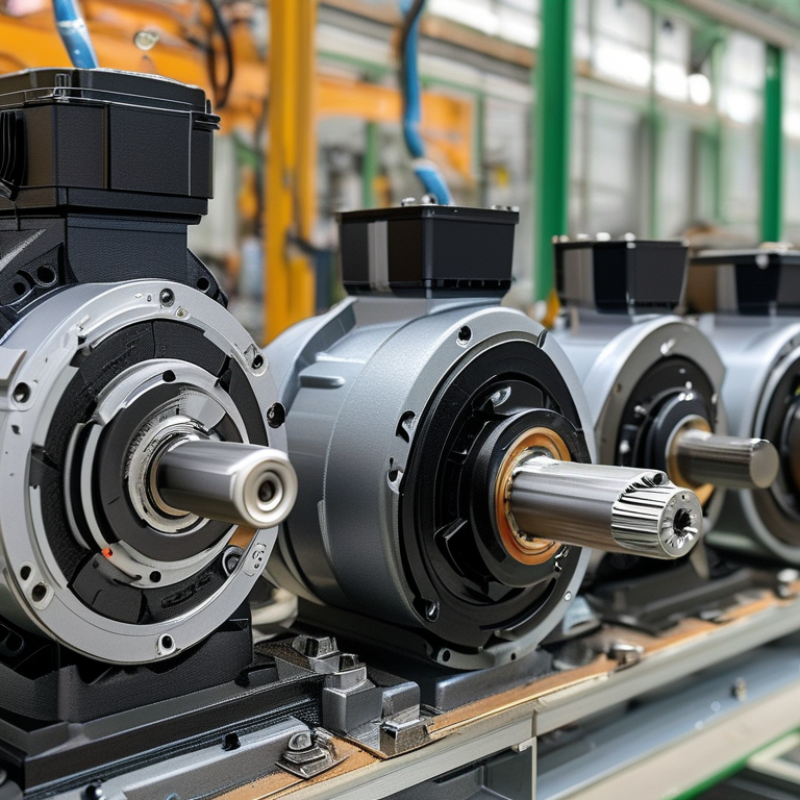
The global electric gear motor market is poised for significant growth as we move towards 2026. This surge is primarily driven by rising demands for energy-efficient solutions and advancements in automation technology. Companies are increasingly investing in electric gear motors due to their compact size and high torque capabilities. Applications range across various industries, from manufacturing to renewable energy sectors.
In this evolving landscape, understanding market trends is crucial. Buyers should consider energy efficiency ratings when selecting motors. It's essential to balance performance with sustainability. Evaluating the lifecycle cost of electric gear motors can lead to long-term savings. The market will likely see innovation in motor designs and smart technology integration, further enhancing their appeal.
Regular maintenance is vital for maximizing motor performance. Inspections should be frequent to identify potential issues early. The industry is witnessing growing competition, meaning buyers should choose suppliers with a strong reputation. This ensures not just quality but also reliable after-sales support. Keeping abreast of these trends will provide buyers with a strategic advantage in the marketplace.
| Market Segment | Projected Growth Rate (%) | Key Applications | Region |
|---|---|---|---|
| Industrial Automation | 7.5% | Robotics, Conveyor Systems | North America |
| Renewable Energy | 9.2% | Wind Turbines, Solar Panel Tracking | Europe |
| Automotive | 6.0% | Electric Vehicles, Smart Cars | Asia-Pacific |
| Home Appliances | 5.5% | Washing Machines, HVAC Systems | Latin America |
| Aerospace | 8.0% | Aircraft Control Systems | Middle East |
In 2026, the electric gear motor industry will witness significant technological advancements. These innovations focus on enhancing efficiency and performance. One key trend is the integration of smart sensors. These sensors will enable real-time monitoring and predictive maintenance. This means that motors can alert users to potential issues before they escalate. Ultimately, this reduces downtime and maintenance costs.
Another trend is improving energy efficiency. New designs aim to minimize energy loss during operation. Improved materials, such as advanced alloys, will facilitate lighter and more compact motors. This will not only enhance performance but also lower operational costs. In some cases, smaller motors can provide the same output as larger ones. However, this shift demands a reevaluation of existing gear systems.
The environmental impact of electric gear motors is also a crucial topic. As sustainability becomes a priority, manufacturers are likely to develop eco-friendly options. These will include recyclable materials and reduced carbon footprints. Nevertheless, adapting to these changes can be challenging. Companies will need to invest in new processes and retrain their workforce. It is a complex journey but necessary for sustainable growth.
The electric gear motor industry is evolving rapidly, influenced by pressing sustainability trends. Manufacturers are increasingly focused on reducing environmental impact. This shift is reflected in the design and production processes of electric gear motors. For example, the use of recyclable materials is gaining traction. Adopting energy-efficient technologies is no longer optional but essential for staying competitive.
New product innovations are emerging that leverage sustainable practices. Smart technologies are being integrated, allowing for real-time monitoring of energy consumption. This data helps in making informed decisions about usage and maintenance. However, challenges remain. While many companies claim to be sustainable, the execution often falls short. Striking a balance between profitability and environmental responsibility is complex.
Adopting a circular economy model can be daunting. This model emphasizes reusability and waste reduction. Many companies are not fully prepared to alter their supply chains. Despite the challenges, the push towards sustainability is reshaping the future of electric gear motors. As global buyers become more environmentally conscious, the demand for sustainable products will only increase.
This chart illustrates the impact levels of various trends affecting electric gear motor production and design for global buyers in 2026, indicating a strong focus on sustainability and energy efficiency.
The electric gear motor market is evolving rapidly. In North America, industries are increasingly investing in electric gear motors. The push for energy efficiency drives this trend. Manufacturers focus on creating lighter, more compact designs. These motors are ideal for applications in transportation and robotics. The demand for sustainable solutions is influencing purchasing decisions.
Meanwhile, Asia presents a different landscape. The region is a hub for manufacturing and innovation. Countries like China and Japan lead in electric gear motor production. Rapid industrialization and urbanization boost the demand. However, the competitive market also raises challenges. Companies need to balance cost and quality. Adapting to local regulations is crucial for success.
Understanding these regional dynamics is essential for global buyers. Both markets offer unique opportunities and obstacles. Buyers must remain informed to navigate fluctuations. Maintaining a flexible approach can lead to better decisions. It’s a continuously changing arena that demands careful attention. Such insights will shape the future of electric gear motors.
As the electric gear motor industry evolves, consumer preferences play a pivotal role. By 2026, buyers will demand increased efficiency and sustainability in motor applications. They will seek motors that are not only energy-efficient but also environmentally friendly. With this shift, manufacturers must innovate to meet these expectations.
Selecting the right electric gear motor involves considering factors like torque requirements and power consumption. Look for specs that align with your project needs. Smaller size does not always mean less power. Sometimes, compact motors can outperform larger models.
Feedback loops are essential for improvement. Engaging with consumers ensures that innovations align with user needs. Ignoring their voice could lead to products that miss the mark. Be responsive and aware of changing preferences. The future of electric gear motors will be defined by those who can adapt swiftly and thoughtfully.
: Significant advancements include the integration of smart sensors for monitoring and predictive maintenance.
Smart sensors alert users to potential issues, reducing downtime and maintenance costs.
The focus is on improving energy efficiency and minimizing energy loss during operation.
Yes, smaller motors can provide the same output as larger ones, which may change existing gear systems.
Manufacturers will likely develop eco-friendly options, including recyclable materials and lower carbon footprints.
Companies must invest in new processes and retrain their workforce, which is complex but necessary.
Increased demand for efficiency and sustainability drives manufacturers to innovate and adapt.
Factors include torque requirements, power consumption, and the specific needs of your project.
Engaging with consumers helps ensure innovations meet user needs and avoid irrelevant products.
Companies need to be responsive and aware of evolving preferences to adapt thoughtfully.
The article "2026 Top Electric Gear Motor Trends for Global Buyers" explores the evolving landscape of the Electric Gear Motor market, highlighting significant growth projections and advancements anticipated by 2026. Key innovations in technology are set to enhance efficiency and performance, aligning with sustainability trends that emphasize environmentally friendly production methods and design considerations.
Regional insights reveal that North America and Asia are emerging as crucial markets for Electric Gear Motors, driven by varying consumer preferences that shape their applications in diverse industries. As buyers navigate this dynamic market, understanding these trends will be essential for making informed decisions about Electric Gear Motor investments and applications in the coming years.

DyneticPro Motor