When choosing a Motor For Lock, buyers face a crucial decision. The right motor significantly impacts security and convenience. A dependable motor enhances the performance of locks, ensuring they function smoothly and securely.
Many options exist in the market, each boasting unique features. It's essential to consider the intended use and the specific requirements of your locking system. For instance, high-security environments may demand motors with advanced capabilities. Yet, finding the perfect fit can be challenging.
Understanding various motor types will help buyers make informed choices. Factors such as durability, power consumption, and compatibility play vital roles. As you navigate this market, reflect on what you genuinely need. Balancing cost and quality is often a delicate act. The right Motor For Lock can safeguard your assets and provide peace of mind.
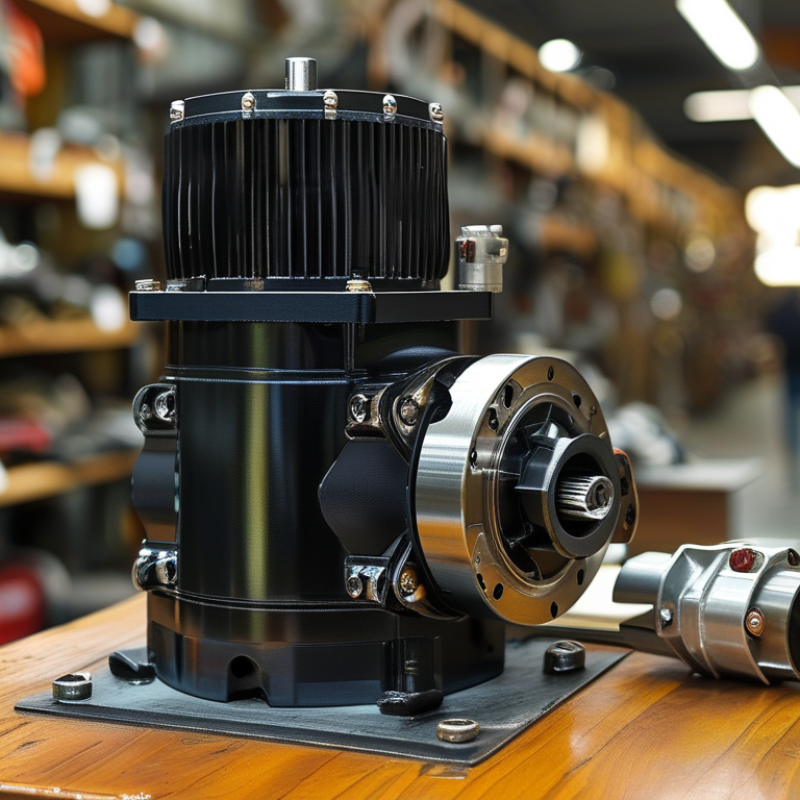
When choosing motors for lock solutions, understanding the various types is crucial. Different applications require specific motor characteristics. For example, some locks benefit from high torque motors. These motors provide the strength needed for secure locking mechanisms. Others may require quicker response times, making fast-acting motors the preferred choice.
It's worth noting that quality and reliability can vary among motor types. In many cases, cheaper options compromise performance. Potential buyers should consider how often the lock will engage. Frequent use demands robust motors that can withstand repeated actions. Additionally, buyers should evaluate the environmental conditions where the locks will be used. Extreme temperatures or moisture can affect motor performance.
Finally, be aware of installation needs. Some motors are easier to integrate than others. Complicated installation might lead to mistakes or increased costs. Gathering detailed information on these aspects ensures informed decisions. Always seek expert advice or user reviews when in doubt.
When considering lock motors, several key features stand out. First, power sources play a crucial role. Battery-operated motors provide flexibility. However, they may require frequent battery changes. On the other hand, hardwired systems offer reliability but may limit installation options.
Response time is another essential factor. Some motors react quickly, locking or unlocking within seconds. Others may take longer, which can be problematic in emergencies. Additionally, assess the noise level. A quieter motor enhances user experience, especially in residential settings.
Durability matters too. Look for motors with robust materials that withstand wear over time. Weather resistance is vital for outdoor installations. Lastly, installation complexity varies. Some systems are DIY-friendly, while others may require professional help. Understanding these aspects can help you make a more informed decision.
Choosing the right motor for lock solutions is crucial for security. A comparative analysis of motor brands reveals important aspects buyers should consider. Various motors vary in speed, torque, and durability. Buyers may feel overwhelmed by the options available, making informed decisions essential.
When inspecting motor brands, focus on the construction quality. Some motors may seem appealing but lack longevity. Look for features like weather resistance and noise levels, as these can impact performance over time. Brands with clear specifications often provide better reliability. Reviews from users can highlight potential shortcomings and build trust.
Cost is another factor to reflect upon. A higher price doesn't guarantee quality. Some affordable options perform well but may lack advanced features. It’s wise to balance cost with the reputation of the brand. Research and user experiences are invaluable resources for understanding what truly meets your needs.
Lock motors play a crucial role in securing environments. Proper installation and maintenance are key to ensuring their longevity and reliability. According to a recent industry report, improper installation can lead to a 30% increase in malfunction rates, emphasizing the importance of precision during setup.
When installing a lock motor, consider the alignment carefully. Misalignment can impact the motor's efficiency. It is critical to ensure that the motor's housing is level and securely fastened. Avoid using excessive force, as this can damage both the motor and locking mechanisms. Regular checks are necessary to ensure no wear on components, which directly affects functionality.
Maintenance is equally vital for optimal performance. Studies indicate that regular servicing can extend a lock motor's life by up to 40%. Simple tasks like lubricating moving parts can prevent corrosion and reduce friction. Be alert for unusual noises, which may indicate an underlying issue. Keeping a log of maintenance activities can help in identifying patterns over time.
Motor technology for lock solutions is evolving rapidly. As security threats increase, so do the demands for innovative lock systems. Buyers should pay attention to emerging trends in motor design and functionality. Integrating smart technology into motors is one key trend. These motors can connect to mobile devices, offering remote access control and monitoring features.
Battery life is another critical area. Current motors require efficient energy usage for prolonged functionality. Manufacturers are investing in developing low-energy motors that still deliver high performance. This can enhance user experience significantly. However, not all solutions are perfect. Some users report connectivity issues with smart motors, especially in areas with poor reception.
Future motor technologies may also focus on sustainability. Eco-friendly materials and energy-efficient designs are becoming priorities. While these advancements are promising, challenges remain. The balance between cost and high-tech features raises questions about accessibility for all consumers. Potential buyers need to stay informed about these trends. Understanding both benefits and drawbacks will lead to better purchasing decisions.
: Various motors serve different lock applications. High torque motors offer strength, while fast-acting motors provide quick responses.
Frequent use requires robust motors for durability. Consider usage patterns when selecting a motor type.
Yes, extreme temperatures and moisture may impact how well motors function. Evaluate conditions during selection.
Improper installation can increase malfunction rates by 30%. Precision in setup is crucial for reliability.
Misalignment can harm the motor's efficiency. Ensure the housing is level and securely fastened to avoid issues.
Regular maintenance can increase longevity by up to 40%. Lubrication and inspection can prevent major problems.
Unusual noises can signal potential issues. Regular checks can catch problems early, but lack of vigilance is common.
Yes, maintaining a log helps track patterns over time. It can aid in addressing issues before they become serious.
The article "Top Motor For Lock Solutions: What Buyers Need to Know" provides an extensive overview of essential considerations for selecting the right motor for lock applications. It begins with an exploration of various motor types suited for lock solutions, emphasizing the importance of understanding their operational mechanisms. Key features to look for when choosing a motor for lock include torque, speed, and durability, which play a significant role in ensuring optimal performance and security.
Furthermore, the article offers a comparative analysis of different motor brands, allowing buyers to make informed decisions based on performance and reliability. Practical advice on installation and maintenance is also provided to help users maximize the lifespan and efficiency of their motor for lock systems. Finally, the article discusses future trends in motor technology, highlighting advancements that promise to enhance lock solutions further. Overall, this resource serves as a valuable guide for anyone looking to invest in a motor for lock applications.

DyneticPro Motor