When embarking on a new engineering project, selecting the right components is crucial for success. One such component that stands out is the DC Gear Motor. This device combines the efficiency of a direct current motor with the advantages of a gearbox. Its design allows for high torque and precise speed control, making it ideal for various applications. Many industries, from robotics to automotive, rely on DC Gear Motors for their reliability.
The versatility of the DC Gear Motor is impressive. It can adapt to different environments and performance requirements. For instance, in robotics, it enables smooth movements with minimal energy consumption. Its compact nature allows it to fit into tight spaces, which is a common challenge in design. However, it is essential to choose the right specifications for your needs. Understanding the torque and speed requirements can be daunting.
Often, engineers overlook the importance of testing different models. Each DC Gear Motor has unique characteristics that can impact performance. It's not just about selecting a motor; it's about making informed decisions. Failing to conduct thorough research may lead to suboptimal results. Therefore, investing the time to understand various options can significantly enhance your project’s outcome.
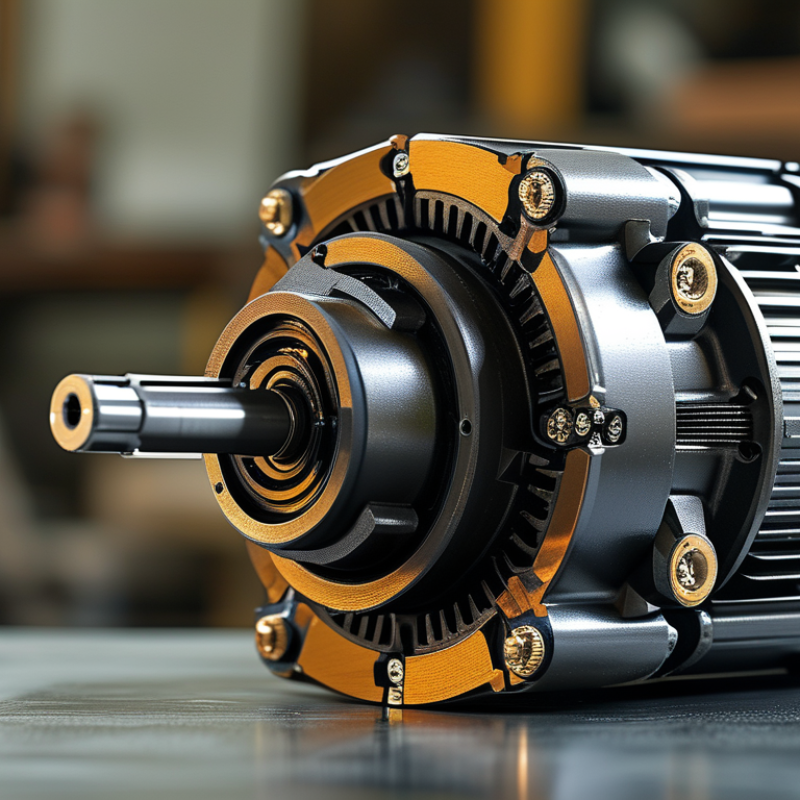
DC gear motors have gained popularity in various applications due to their efficiency and versatility. Understanding their fundamentals is essential for effective implementation in any project. A DC gear motor combines a direct current (DC) motor with a gearbox. This combination translates high-speed motor output into higher torque. According to industry reports, these motors can increase torque by 50% to 70% through gear reduction. This makes them ideal for applications requiring precise movement and strength.
In many cases, users overlook the importance of selecting the right gear ratio for their specific needs. A mismatched ratio can lead to inefficiencies and potential motor burnout. It is vital to analyze torque requirements against the speed desired. The gear motor also creates additional friction, which may impact performance. Professionals often recommend testing prototypes before committing to a design.
Another area requiring attention is the power requirements of DC gear motors. They can operate efficiently at low voltage levels, typically between 6V and 24V. However, the choice of power supply must match the motor's specifications to avoid failures. Careful examination of datasheets and guidelines is crucial to ensure reliability in operation. Understanding these fundamental aspects can lead to more successful projects using DC gear motors.
DC gear motors stand out for their versatility in various applications. Their ability to deliver high torque at low speeds makes them ideal for robotics, conveyors, and automated systems. This feature allows for precise control, essential in projects that require exact movement and positioning.
One significant advantage is their compact design. This can save space in projects with limited room. Smaller designs can still pack a punch. Yet, some designs may present challenges in heat dissipation. The efficiency of these motors can diminish if not properly managed. Users should plan for cooling solutions to prevent overheating.
DC gear motors also provide ease of integration with control systems. Their straightforward electronics can simplify the setup process. However, compatibility issues might arise with certain controllers. It’s crucial to ensure that the motor matches the project's requirements. This attention to detail can prevent unexpected delays and enhance reliability in final outputs.
DC gear motors are increasingly utilized across various industries due to their efficiency and versatility. In the automotive sector, these motors drive small machinery and power steering systems. They offer precise control and smooth operation, which are essential for vehicle performance. In robotics, DC gear motors enable precise movements for arms and wheels. They are crucial for tasks ranging from assembly to navigation.
Manufacturing facilities also benefit from DC gear motors. They are integral to conveyor belts and automated systems. These motors can handle heavy loads while maintaining speed and accuracy. In medical devices, DC gear motors ensure reliable operations in equipment like infusion pumps and surgical robots, reflecting their critical role in high-stakes environments.
Despite their advantages, DC gear motors have limitations. They may generate heat during prolonged use, impacting performance. Occasionally, selecting the wrong motor specification can lead to insufficient torque. It's essential to analyze the application needs thoroughly. This evaluation helps avoid mismatches that can compromise system efficiency. Proper implementation can enhance the reliability of any project involving DC gear motors.
When selecting DC gear motors, several factors can significantly impact performance and efficiency. The torque and speed ratings are essential. According to industry reports, the optimal torque for many applications falls between 0.5 to 3 Nm. Operating outside this range could lead to inefficiencies. A lower torque may not drive the mechanism effectively, while excessive torque can cause wear.
Another important aspect is the motor's duty cycle. High-demand applications may require continuous operation. Reports indicate that about 60% of DC gear motors are used in intermittent cycles. Therefore, understanding the specific needs of your project is crucial. This ensures the gear motor can handle the required load without overheating or failing.
Noise levels are also worth considering. Some DC gear motors can operate quite noisily, which can be detrimental in residential or quiet environments. Noise frequency typically ranges from 40 dB to over 70 dB in certain models. Evaluate the noise impact on your project environment before making a choice. Performance and reliability are paramount, yet it's important not to overlook these subtle details that can affect overall system effectiveness.
| Factor | Description | Importance Level |
|---|---|---|
| Torque | The rotational force generated by the motor. | High |
| Speed | The speed at which the motor operates. | Medium |
| Efficiency | The ratio of output power to input power. | High |
| Size & Weight | Physical dimensions and weight of the motor. | Medium |
| Gear Ratio | The ratio which determines speed and torque characteristics. | High |
| Load Type | Nature of the load (static, dynamic). | Medium |
| Operating Voltage | Voltage levels at which the motor operates. | High |
| Cost | Price of the motor relative to its features. | Medium |
DC gear motors are efficient and versatile, making them popular in various projects. However, to maximize their lifespan, proper maintenance is essential. Regularly check for wear and tear. Loose screws or misalignment can lead to inefficiency and potential damage.
Lubrication is crucial for ensuring smooth operation. Use the appropriate lubricant to reduce friction. Over-lubrication is just as harmful as under-lubrication. Monitor the cleaning of gears to prevent debris buildup. This build-up can cause wear and lead to motor failure over time.
Regularly inspect electrical connections for corrosion or damage. A loose connection can cause inconsistent operation. Ensure that the motor is not subjected to excessive heat or humidity. These environmental factors can shorten its life. By paying attention to these details, the longevity of your DC gear motors can be significantly enhanced.
: A DC gear motor combines a DC motor and a gearbox to increase torque efficiently.
The right gear ratio ensures efficiency. A mismatched ratio may lead to inefficiencies or motor burnout.
They typically operate effectively between 6V and 24V. Matching the power supply is crucial.
Torque and speed ratings are essential. Operating outside optimal ranges can lead to inefficiencies.
Noise levels can range from 40 dB to over 70 dB. Consider the project's environment when selecting.
The duty cycle indicates how often the motor can operate. High-demand tasks may need continuous operation.
Additional friction from the gear motor can impact performance. It’s important to factor this into design.
Testing prototypes allows for adjustments. It helps avoid commitment to designs that may not perform well.
Most applications require optimal torque between 0.5 to 3 Nm for efficiency.
Review datasheets and guidelines carefully to ensure the motor meets project specifications.
DC gear motors are essential components in various applications due to their unique advantages and versatility. Understanding the fundamentals of DC gear motors helps project managers and engineers appreciate how these devices integrate power, speed, and torque optimization. The key advantages of using DC gear motors include their efficiency, compact design, and ability to provide precise control over motion, making them ideal for diverse industries like robotics, automotive, and manufacturing.
When selecting a DC gear motor, it’s crucial to consider factors such as load requirements, gear ratios, and operating environments. Proper maintenance tips can significantly enhance the longevity and performance of these motors, ensuring reliable operation over time. By leveraging the benefits of DC gear motors and following best practices in selection and maintenance, projects can achieve optimal results and efficiency.

DyneticPro Motor