Explore our premium grade micro-drives, designed to deliver high torque, low noise, and unmatched durability for medical, industrial, and smart lock systems.
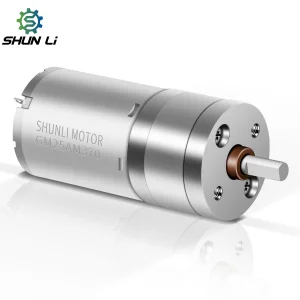
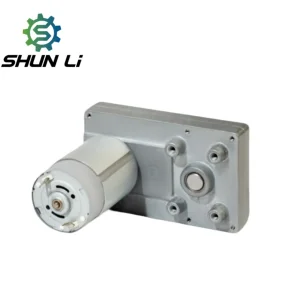
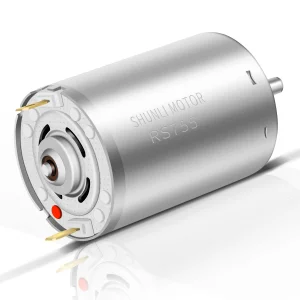
In modern industrial design, electric actuation systems are rapidly replacing hydraulic and pneumatic counterparts due to their efficiency, precision control, and low environmental footprint.
Global manufacturing ecosystems are facing strict regulatory pressures to reduce carbon emissions. Pneumatic systems suffer from substantial energy loss through air compression leaks (often up to 50%). Electric actuators convert electrical energy directly into linear or rotary motion, achieving thermodynamic efficiencies of up to 85%-90%. This makes them highly preferred for eco-friendly retrofits.
Actuators are no longer simple mechanical runners. Modern electric actuators incorporate smart sensors and communication interfaces such as Modbus, Profibus, and IO-Link. This integration enables real-time monitoring of torque signatures, internal temperatures, and mechanical drift, facilitating predictive maintenance schedules and reducing expensive plant downtime.
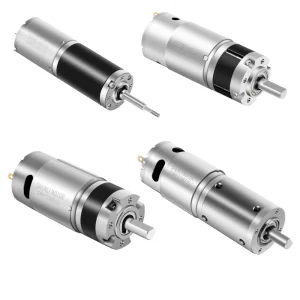
High-growth sectors like surgical robotics, automated medical pumps, and semiconductor fabrication equipment demand immense torque capacities in extremely restricted volumes. This trend has pushed motor manufacturers to develop miniature planetary gearboxes and custom-wound slotless brushless motors that balance space limits and thermal dissipation.
Inside a premium robotic joint, an automated medical pump, or a high-end smart lock, space is the ultimate luxury. At DyneticPro, we measure our success in micrometers and decibels. Our mission is to take advanced, heavy-duty rotational power and compress it into the most compact, energy-efficient footprints imaginable.
Our expertise lies in the micro-details of motion. From precision-wound copper rotors and high-purity commutators to zero-backlash planetary gear trains, every single internal component of a DyneticPro motor is optimized to eliminate friction and maximize heat dissipation. By combining advanced automated Swiss-style hobbing with Japanese dynamic balancing, we ensure our micro drives deliver the fluid, whispering-quiet power your brand promises. When your next high-tech innovation relies on repeated mechanical perfection, let DyneticPro be the core that spins it forward.
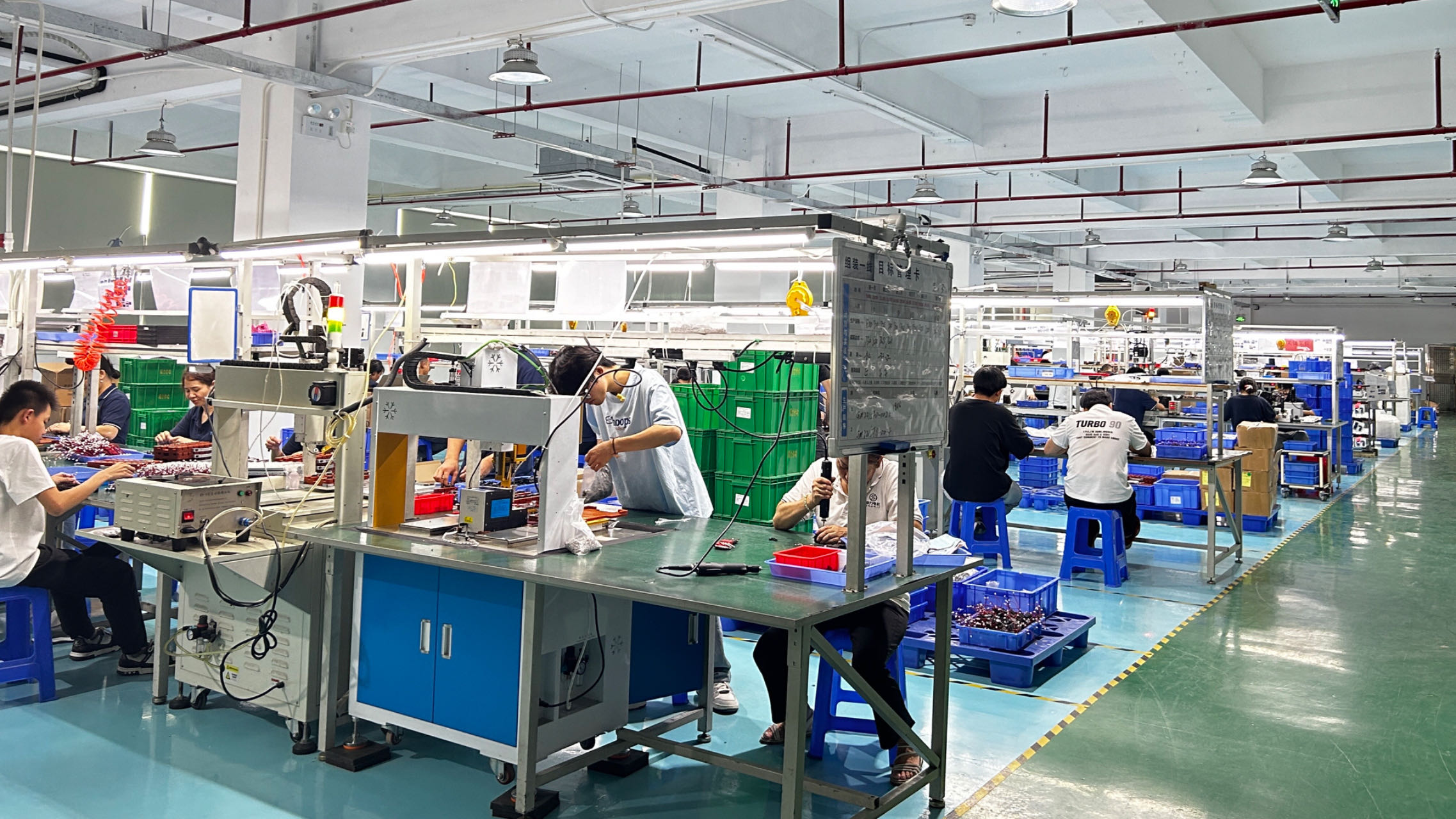
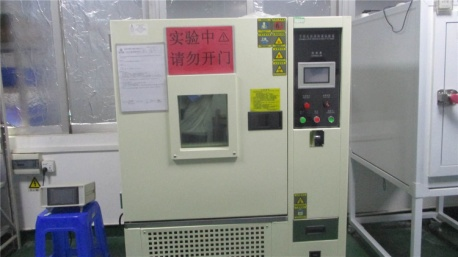
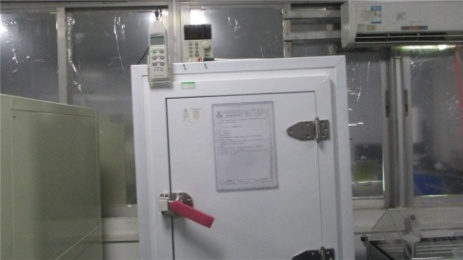
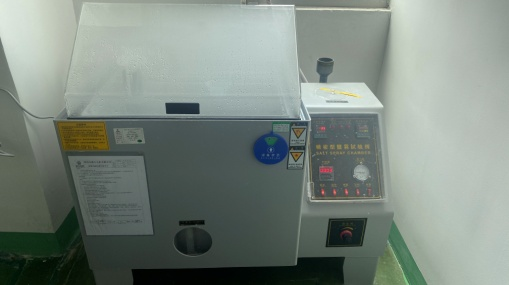
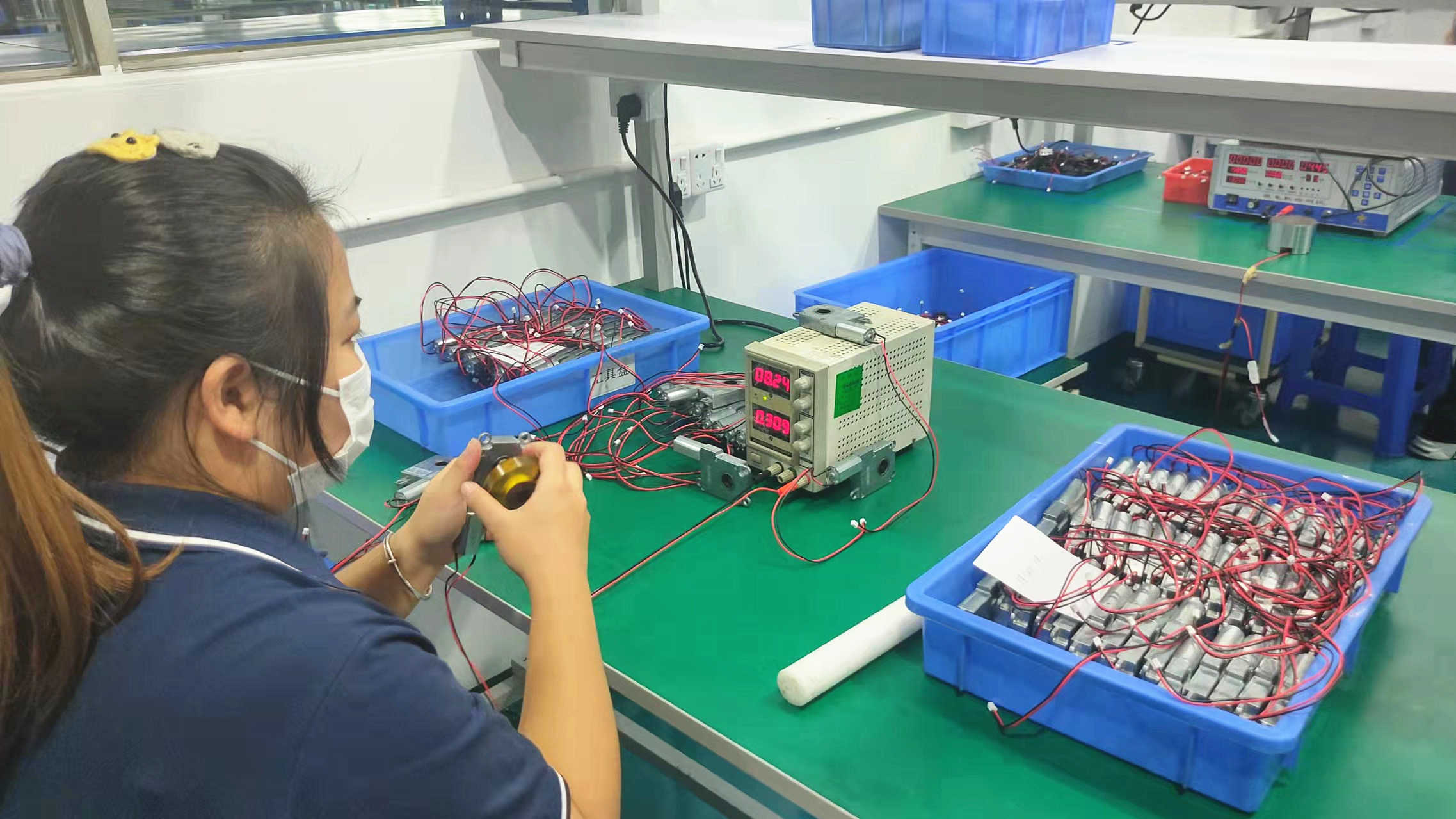
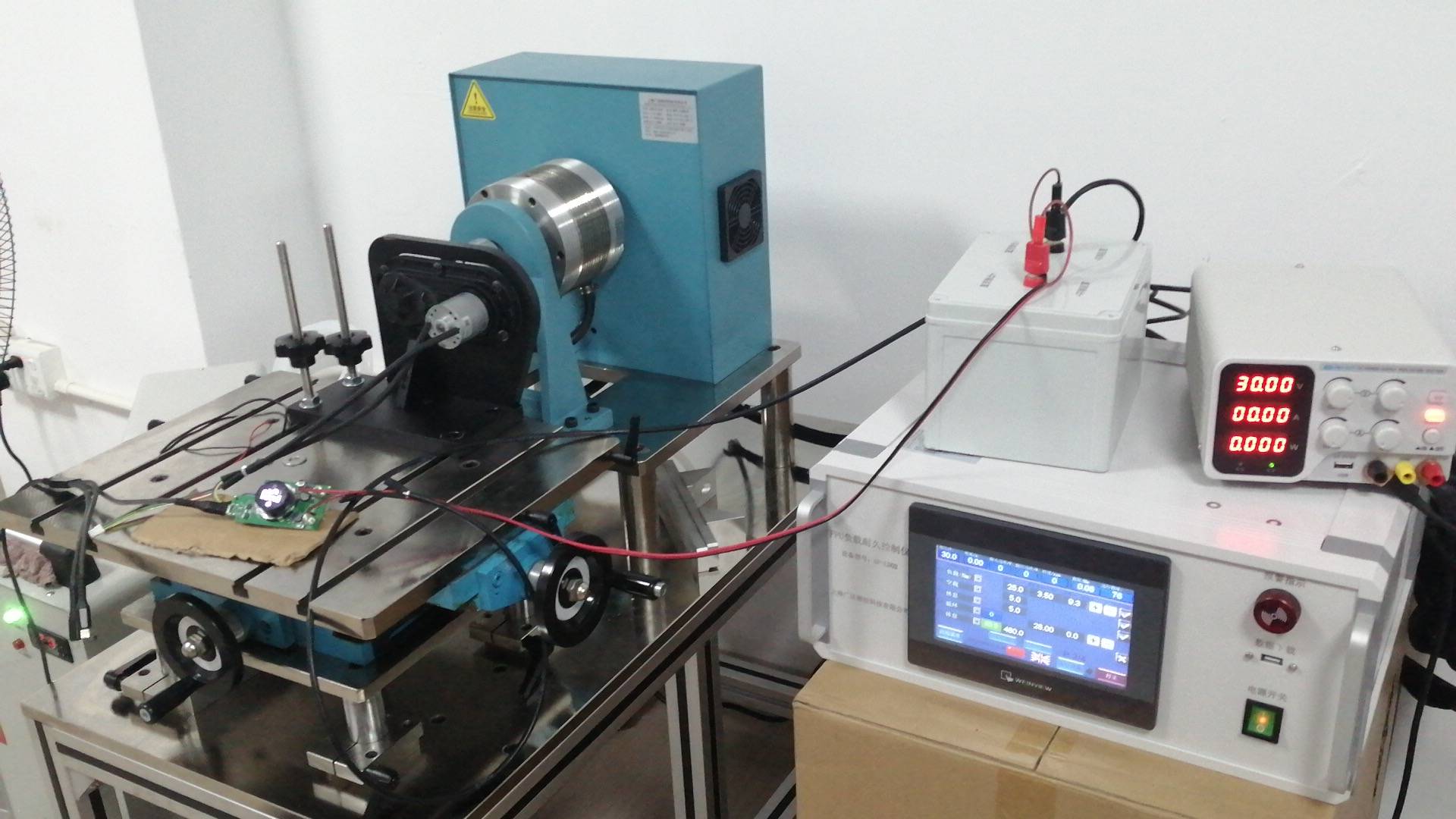
Reliability requires strict control over every stage of the manufacturing life cycle. Our standardized process guarantees mechanical accuracy and repeatable quality.

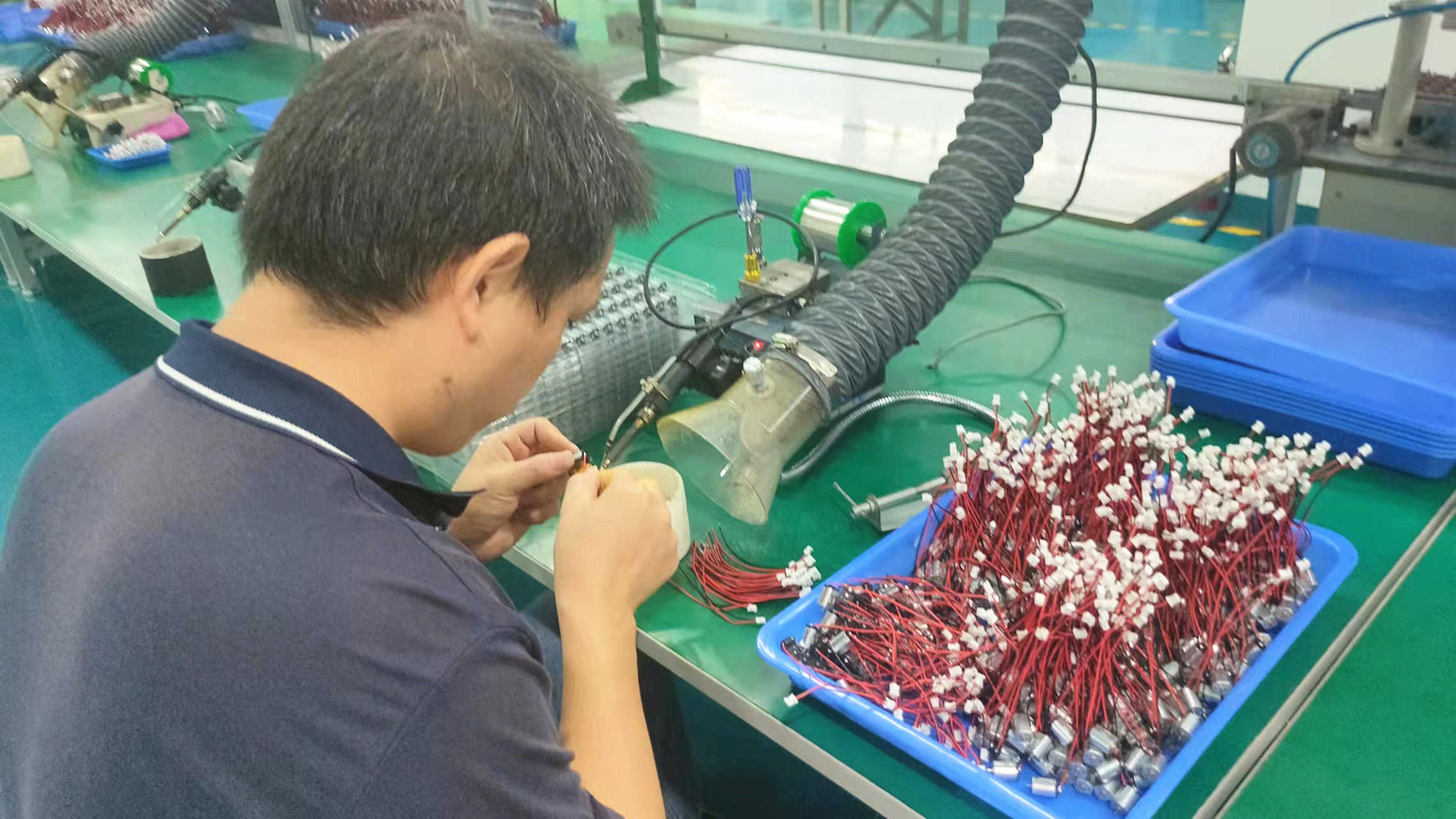
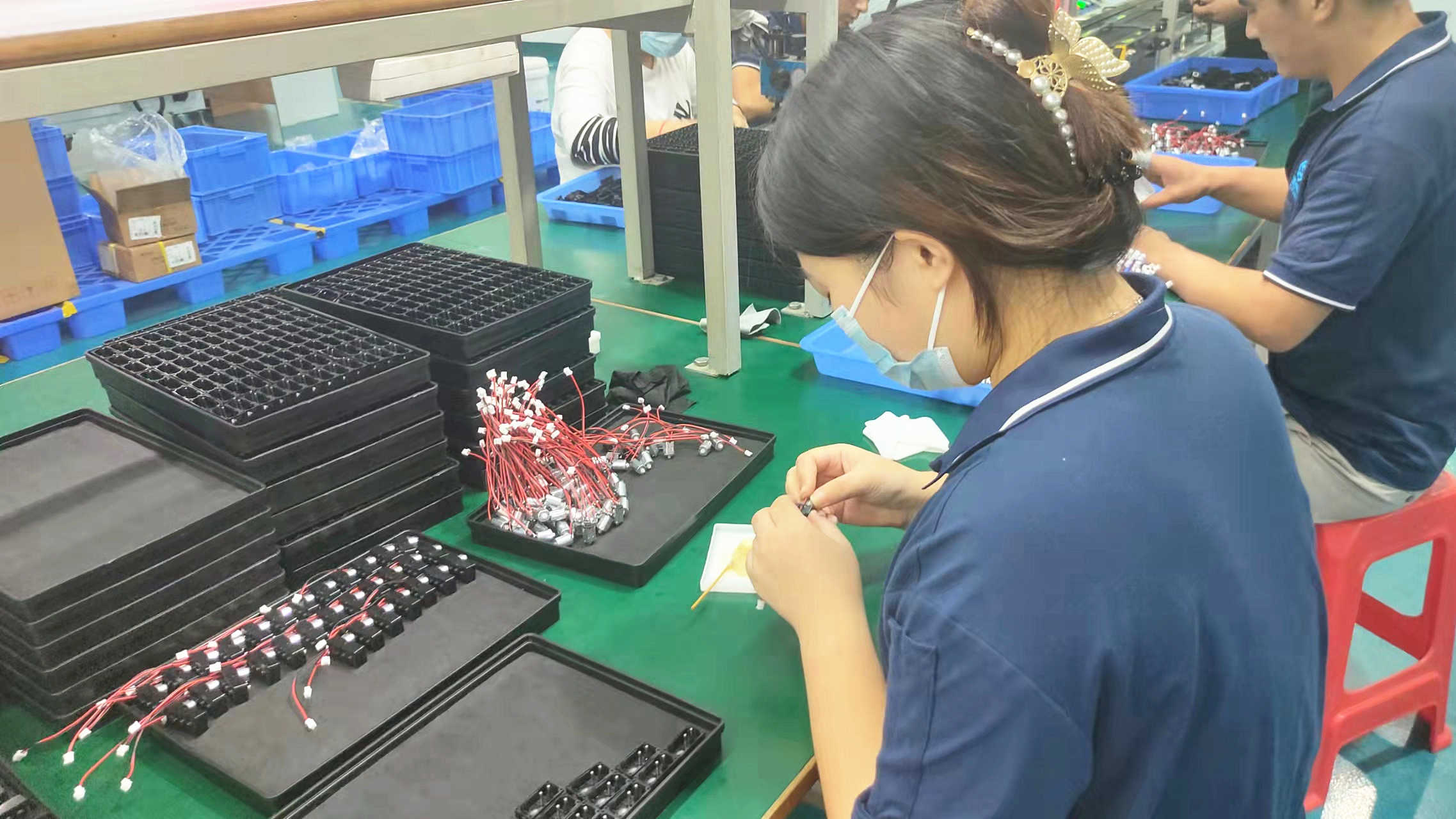
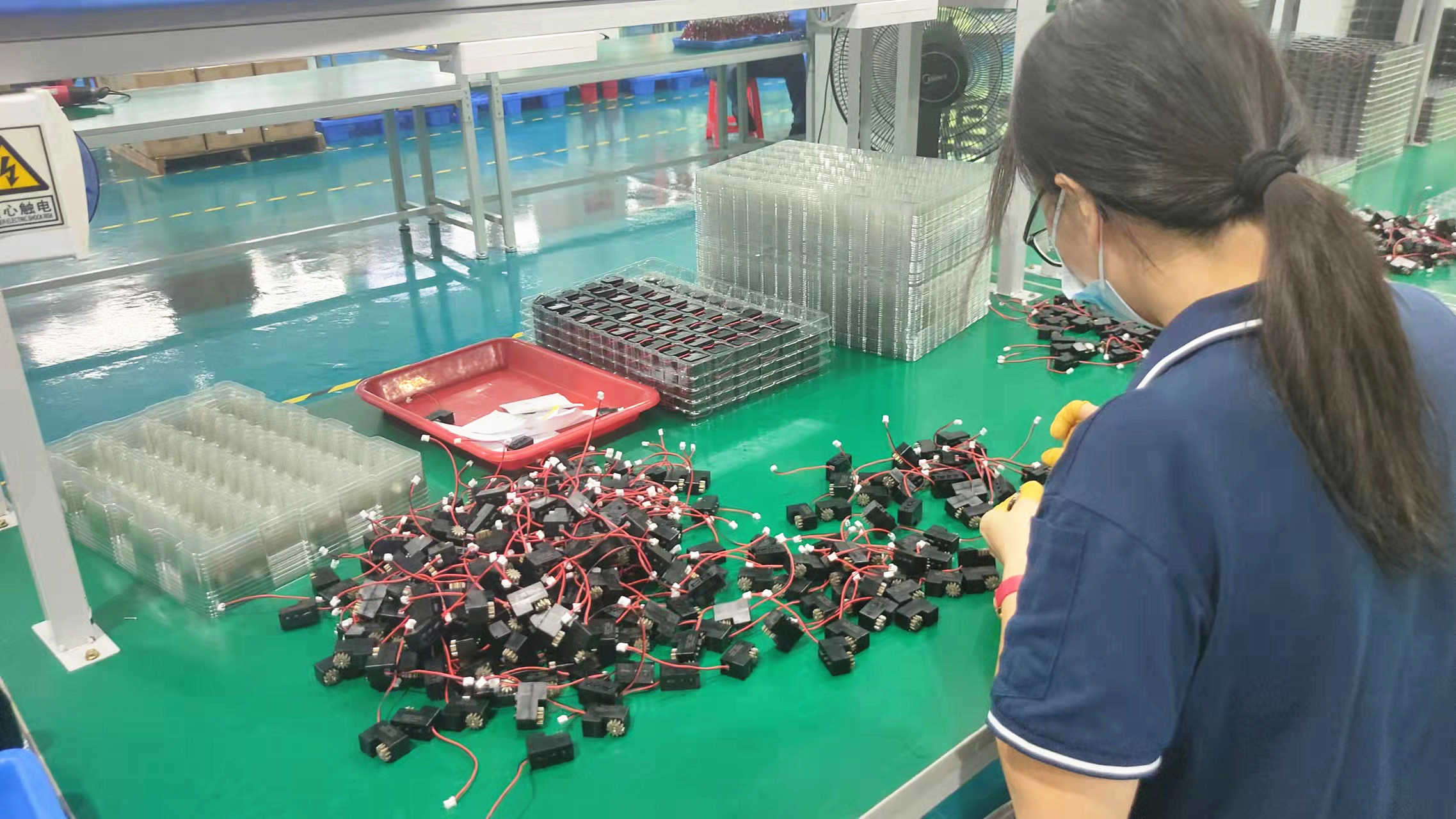
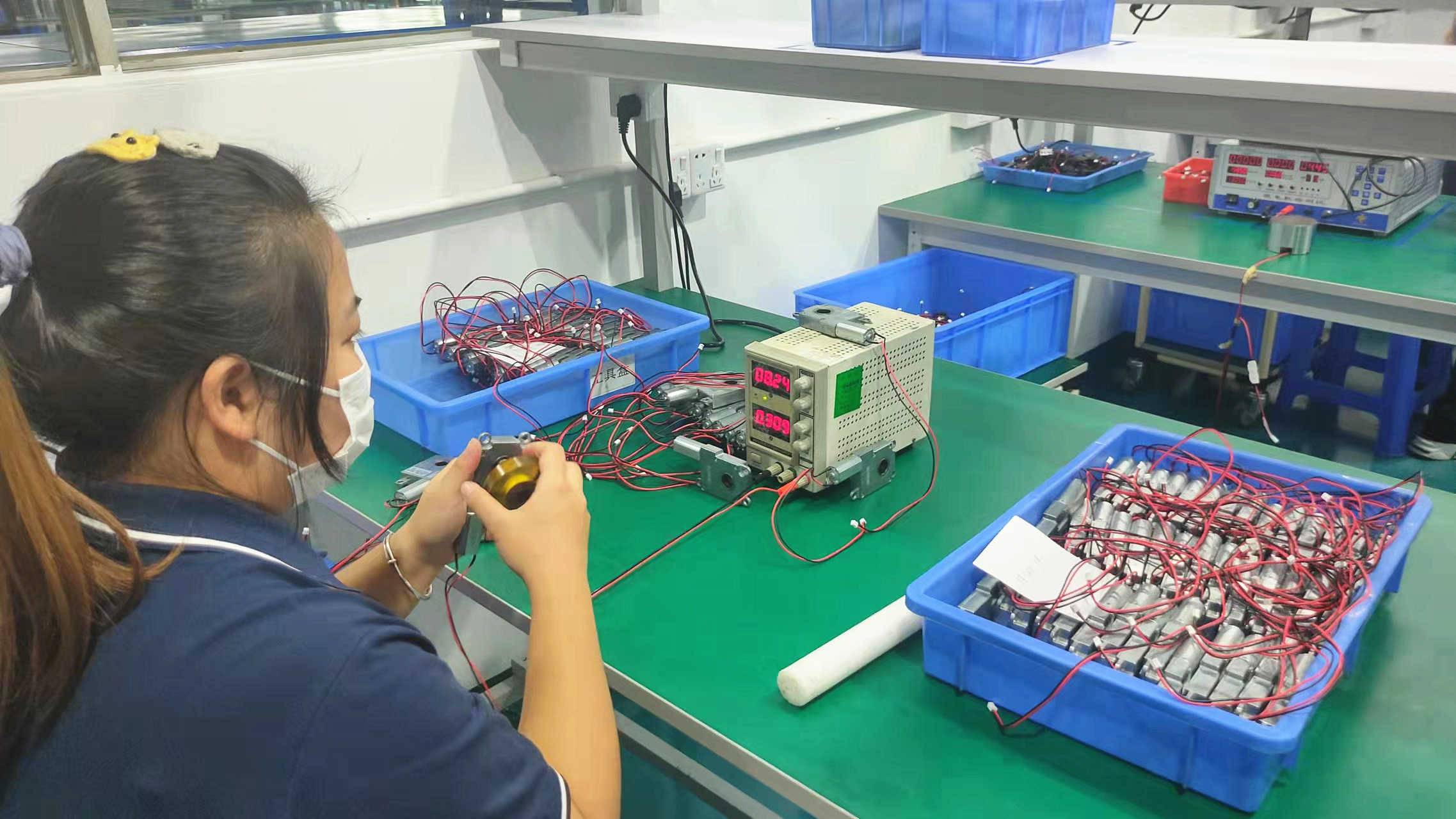
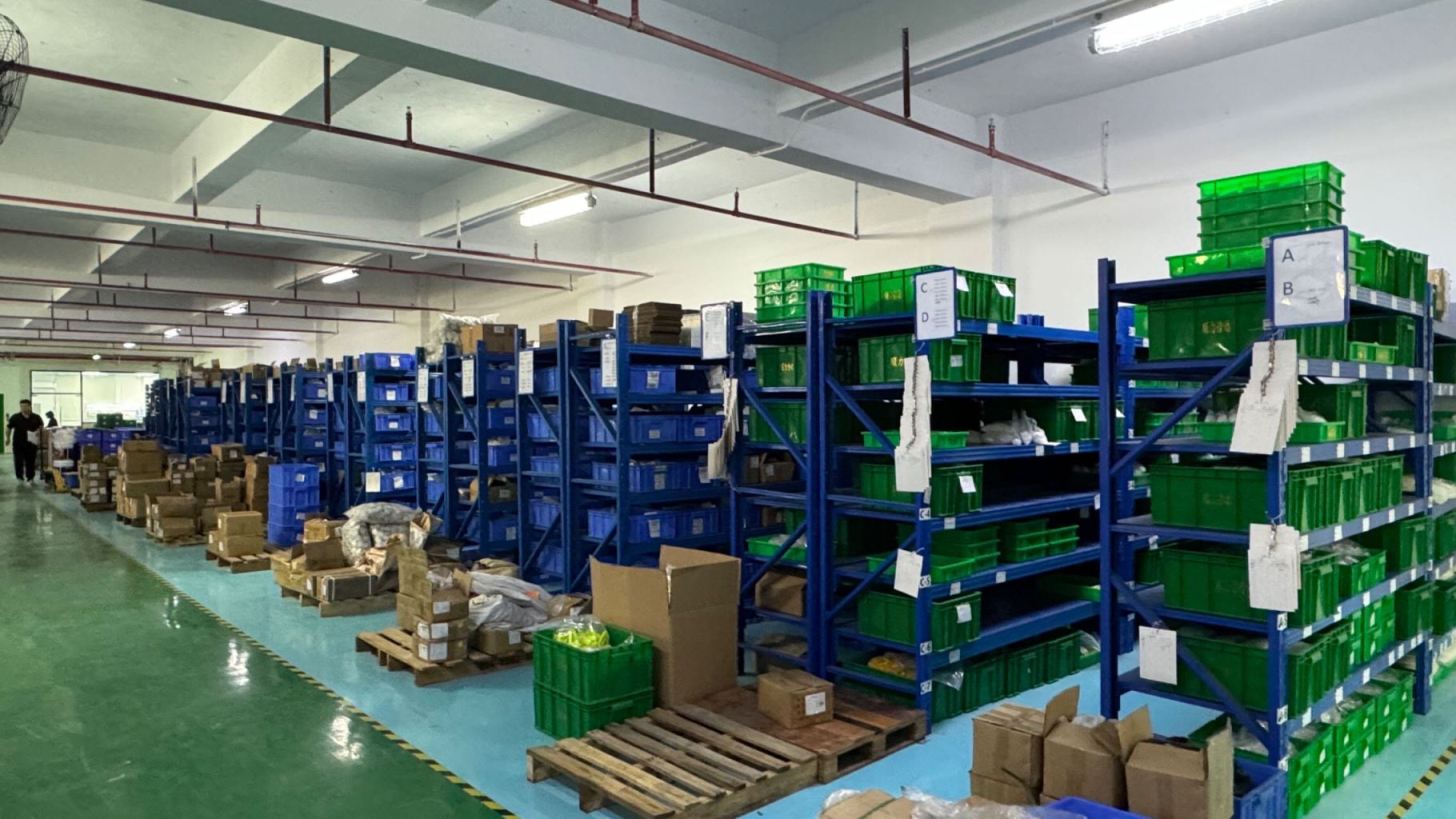
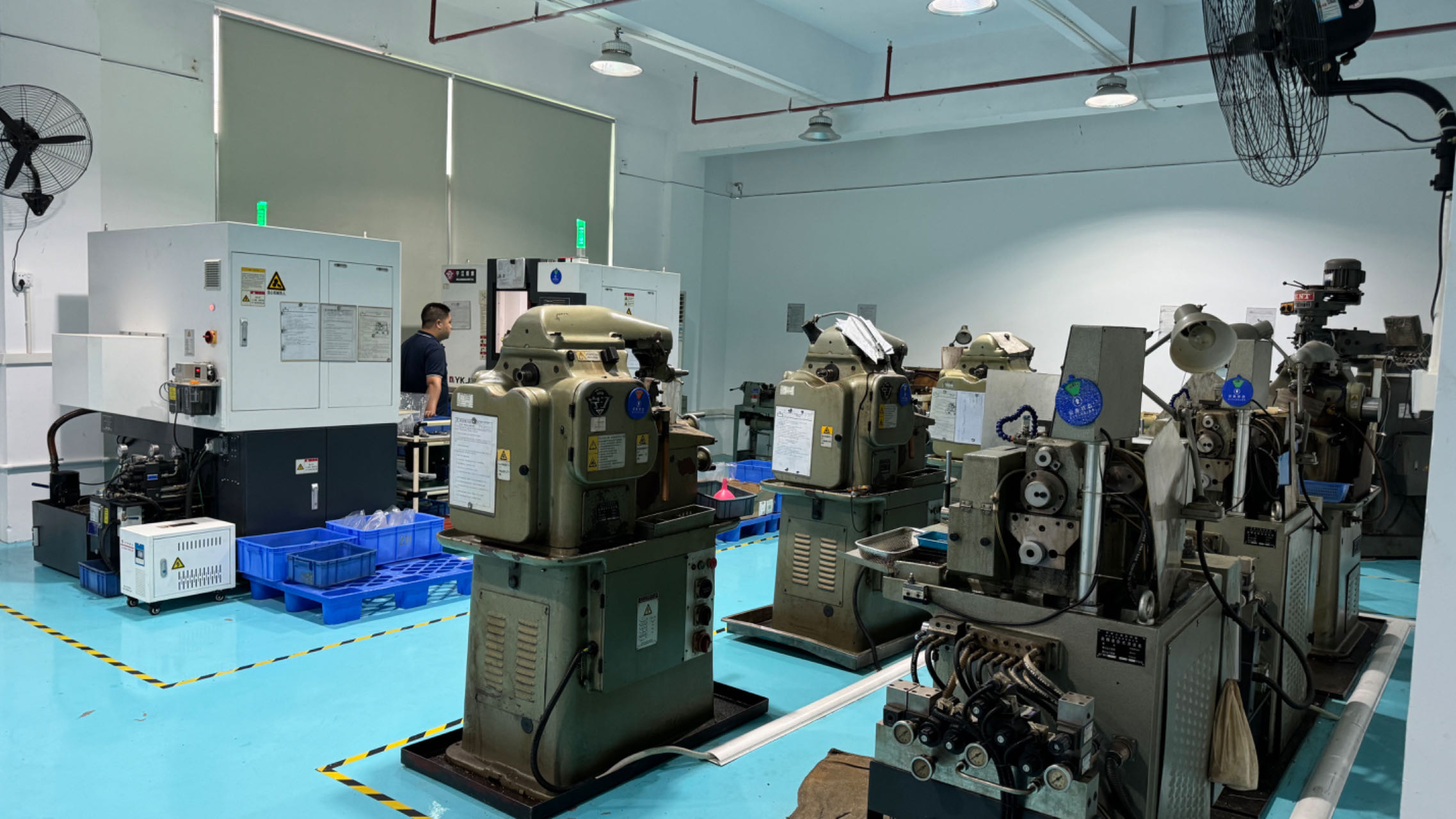
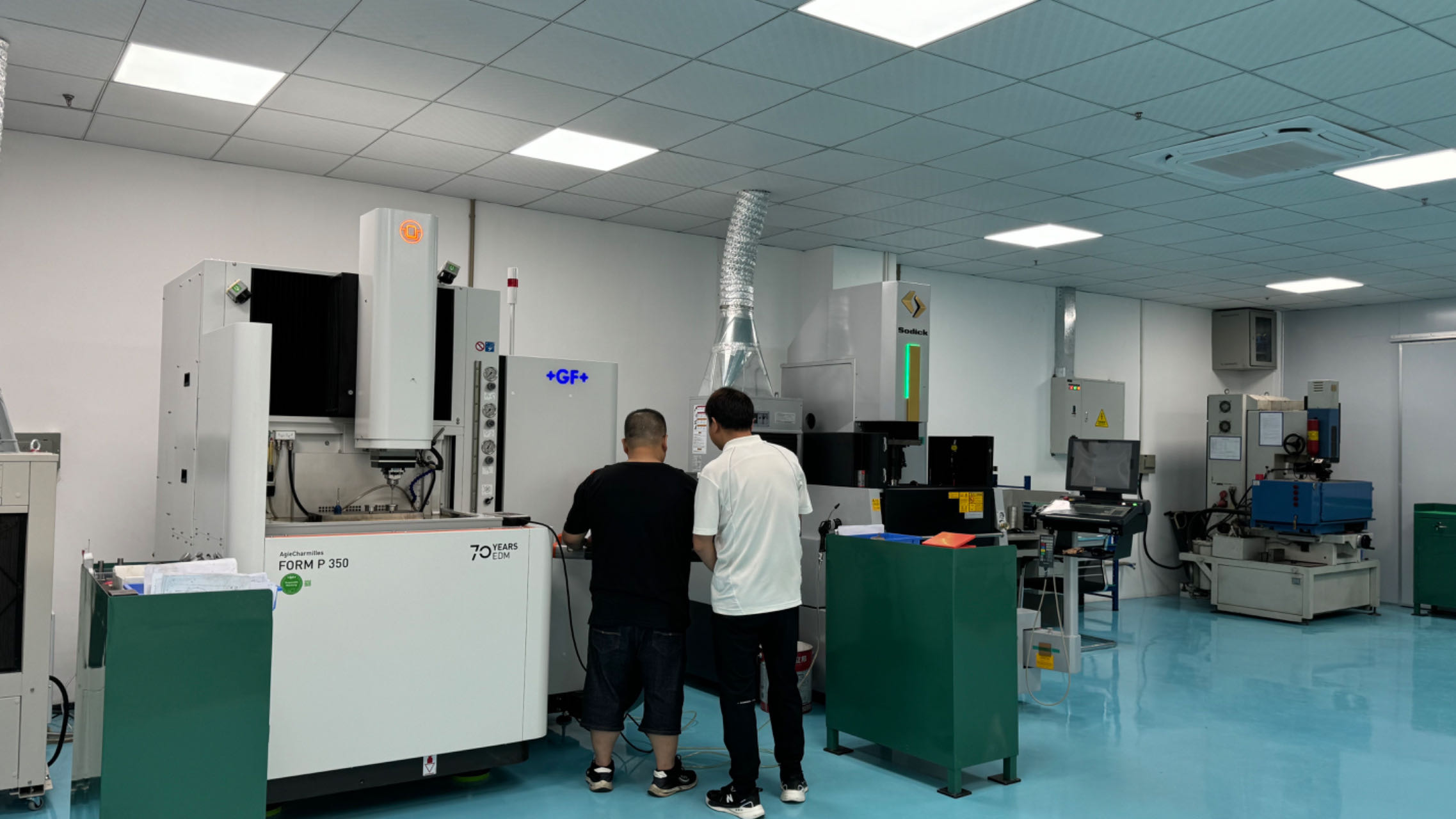
Our machining workshops leverage top-tier CNC machining, automated gear hobbing, and high-frequency soldering units to secure sub-micron dimensional tolerances.
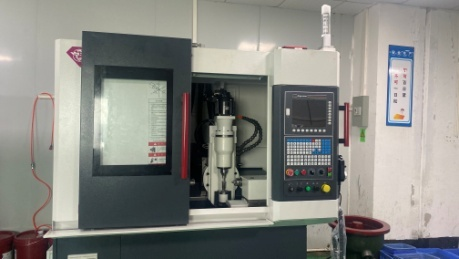
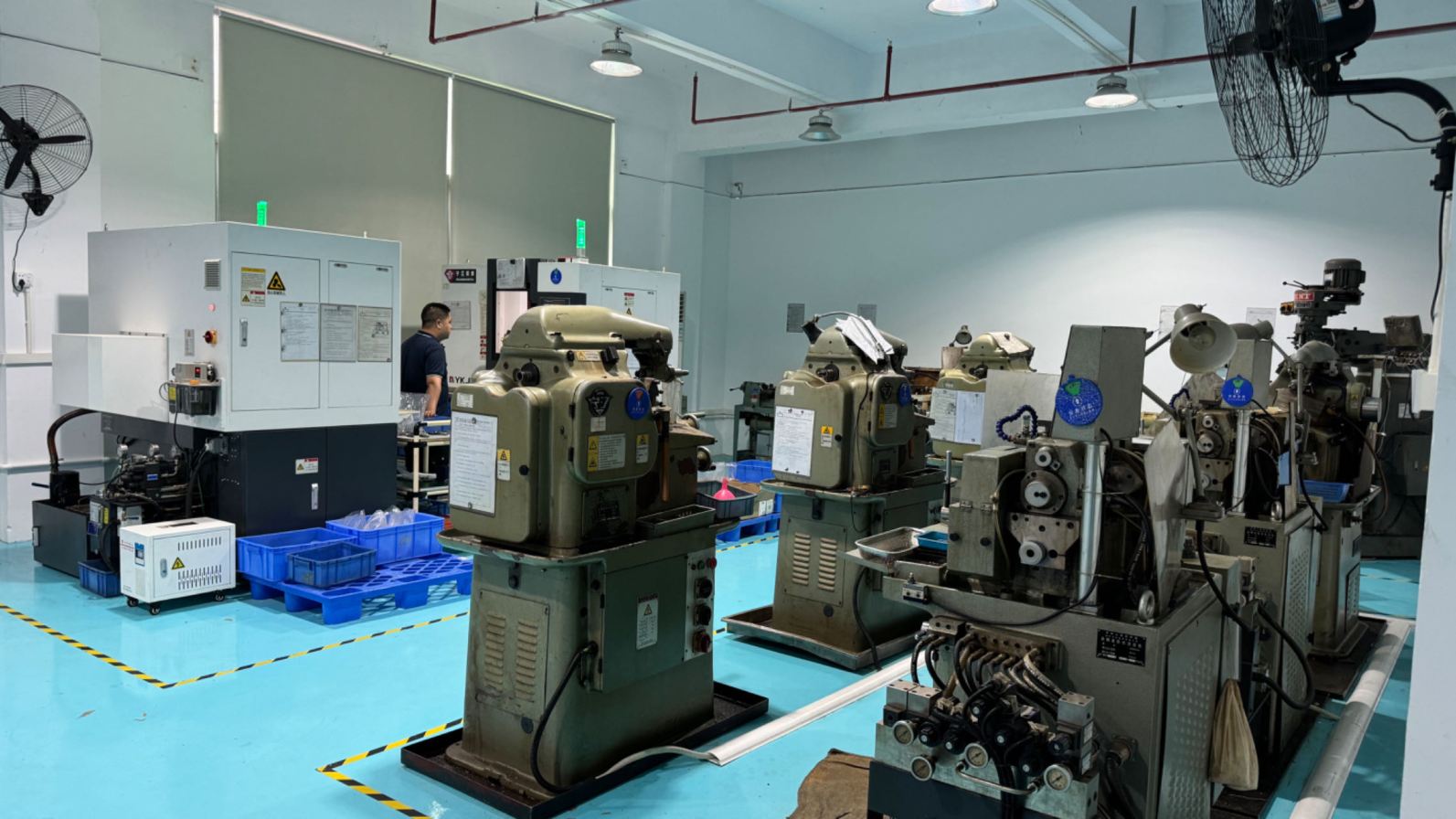
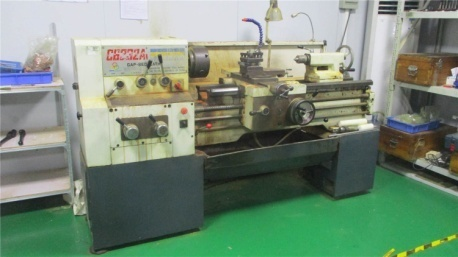
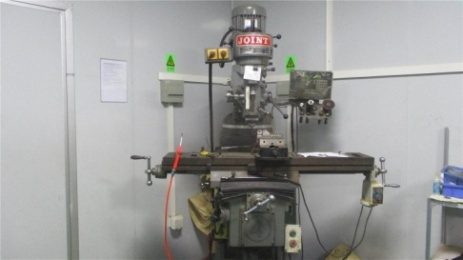
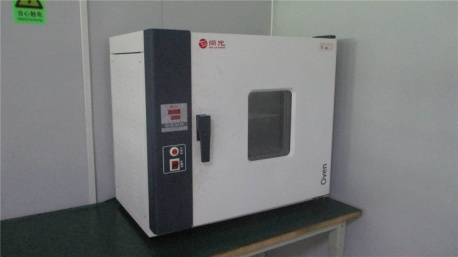
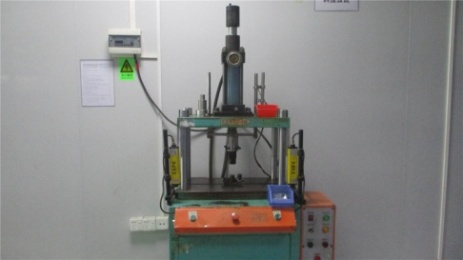
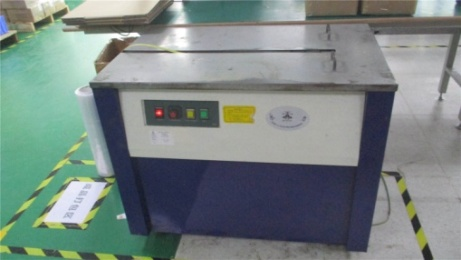
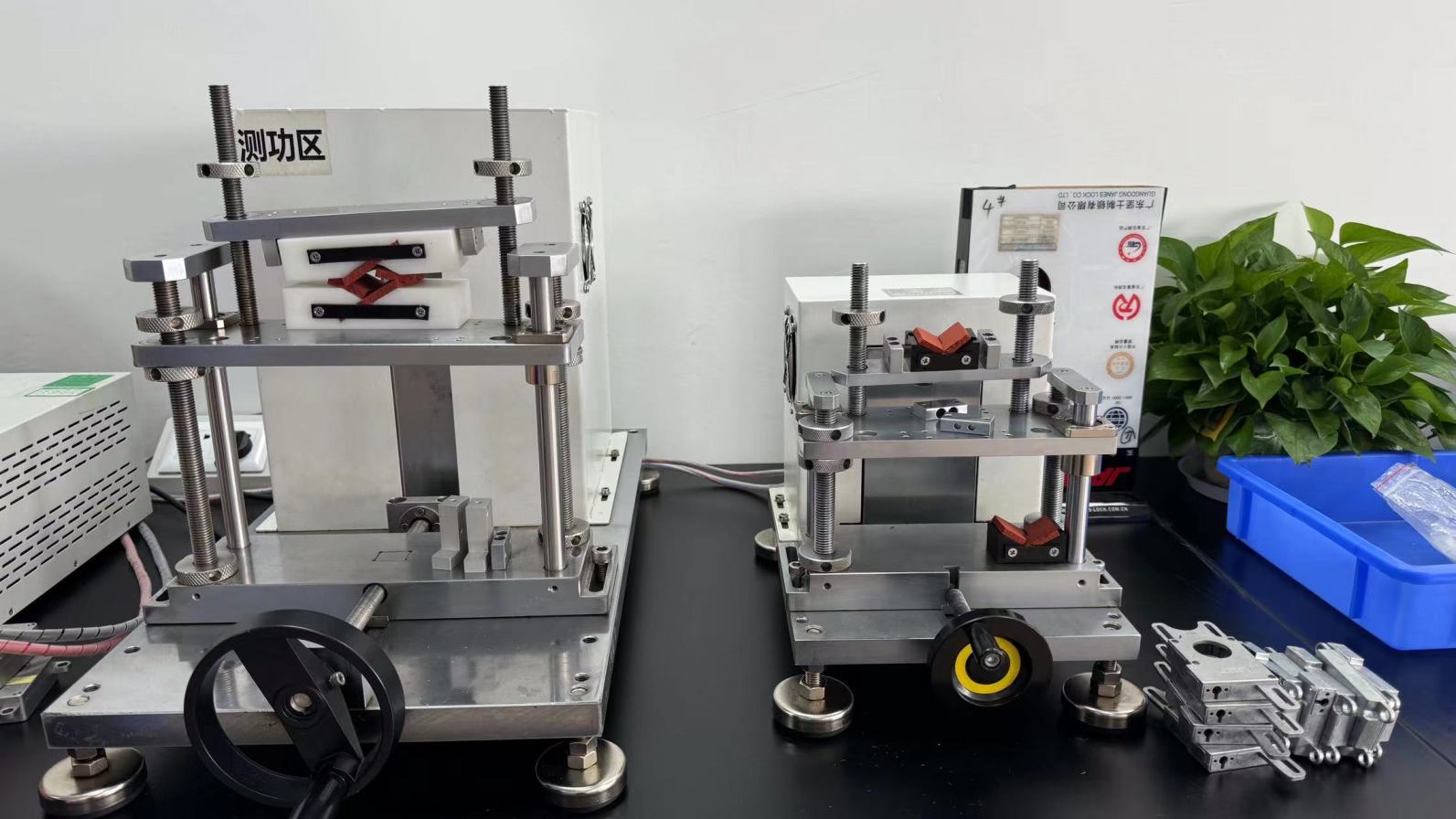
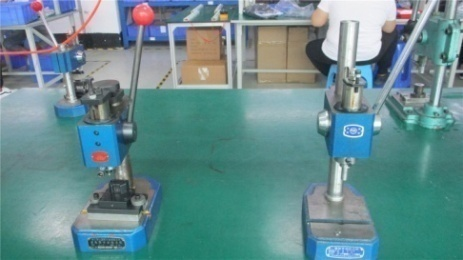
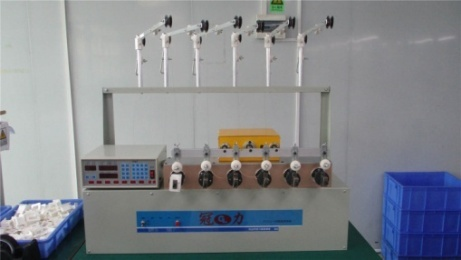
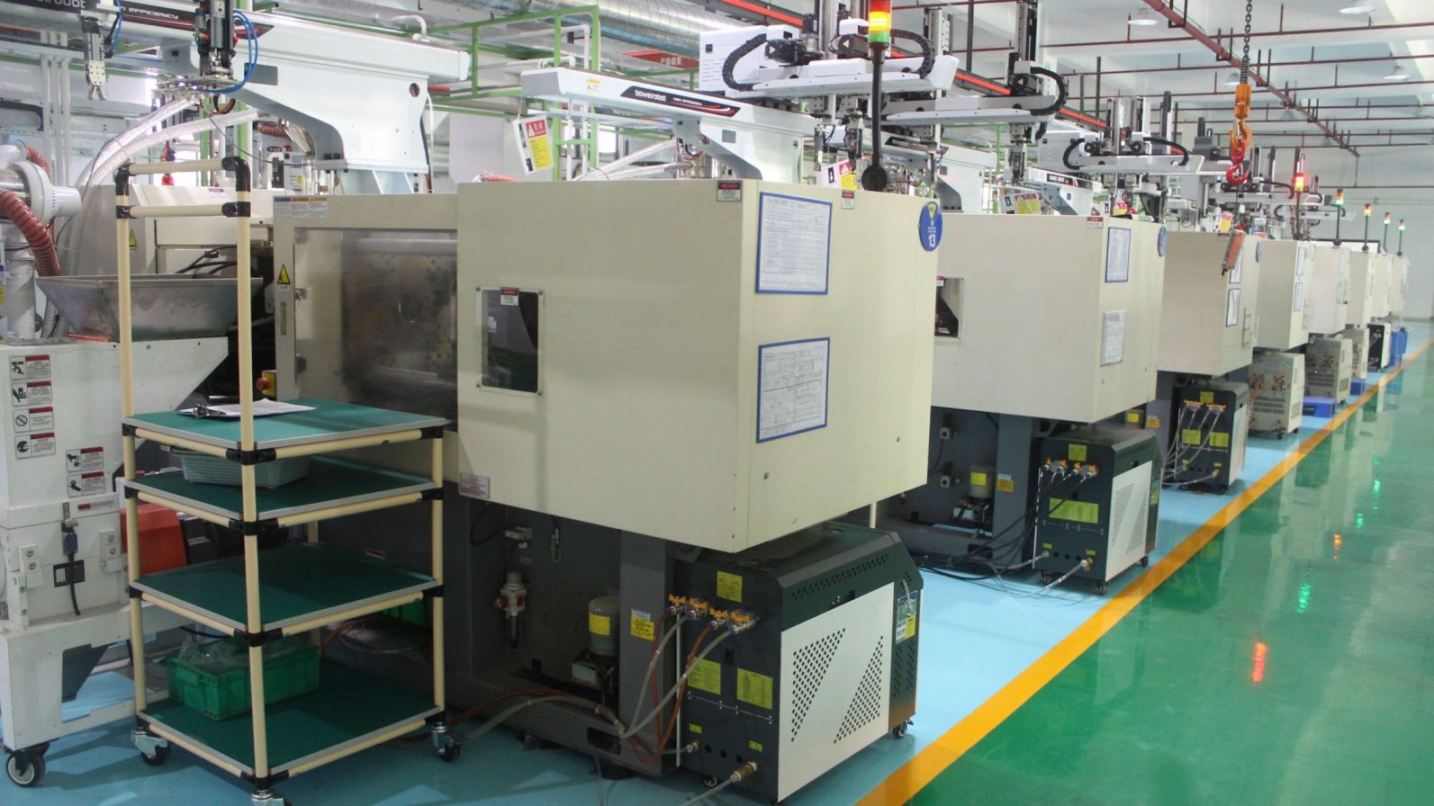
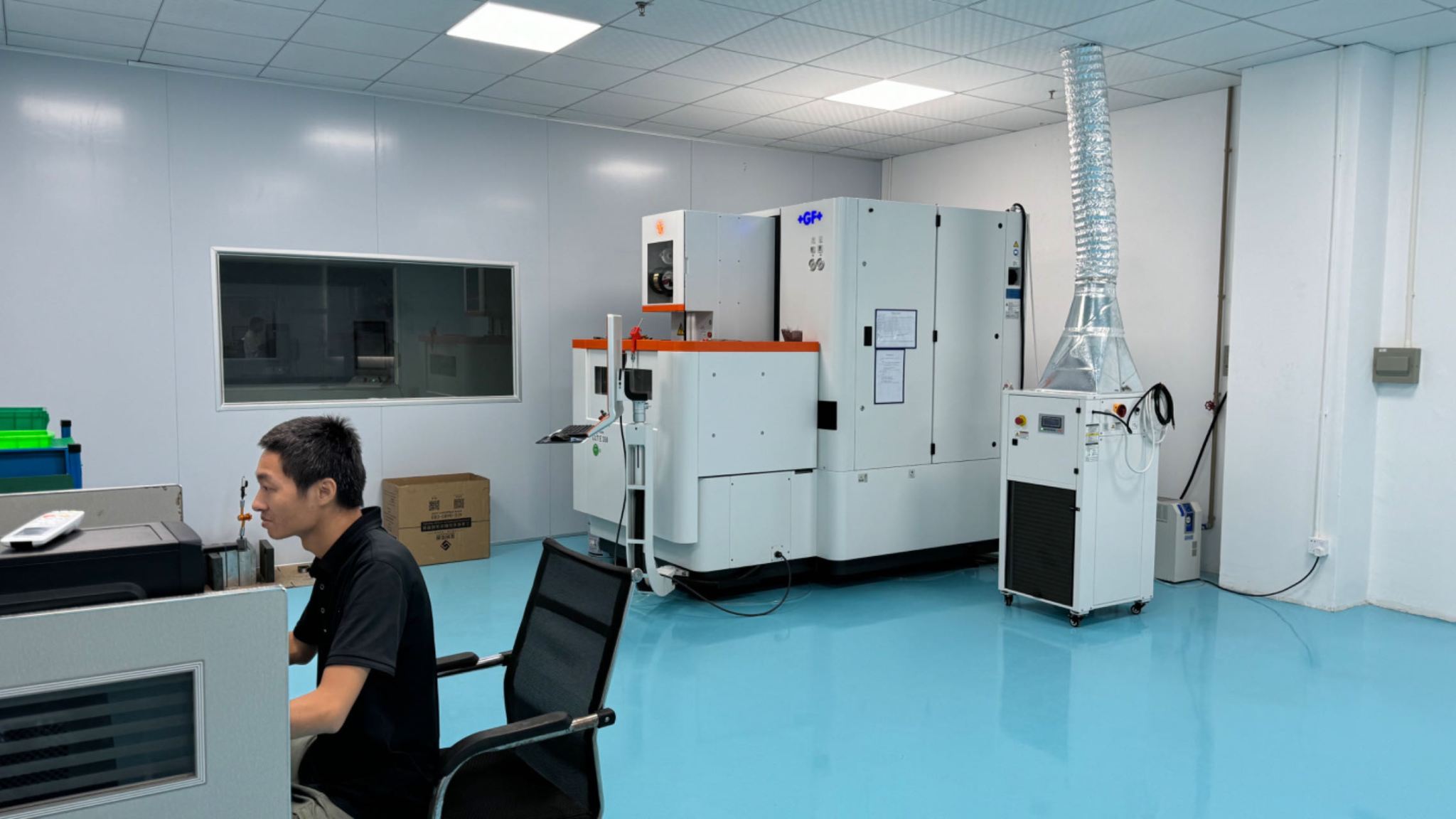
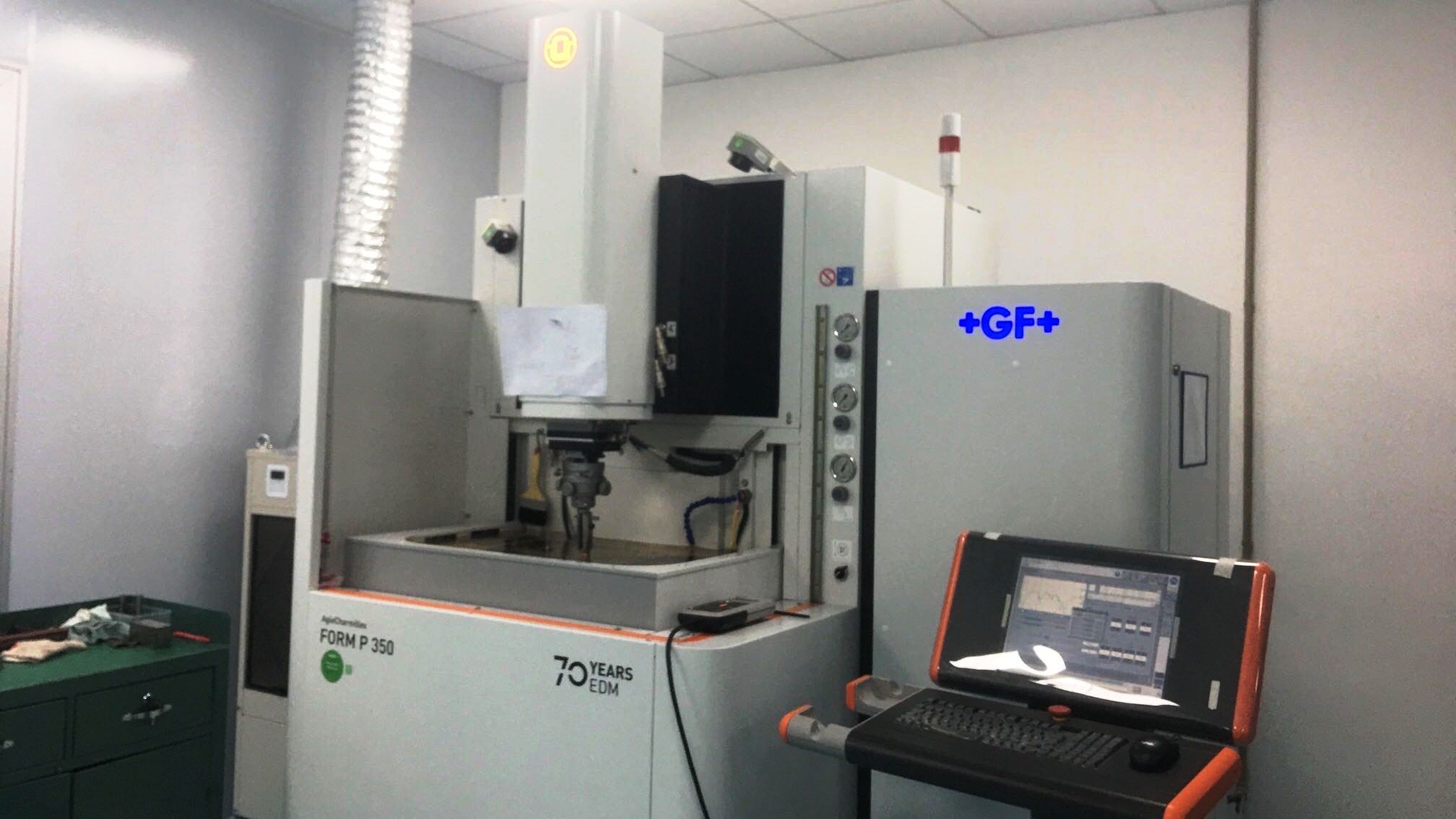
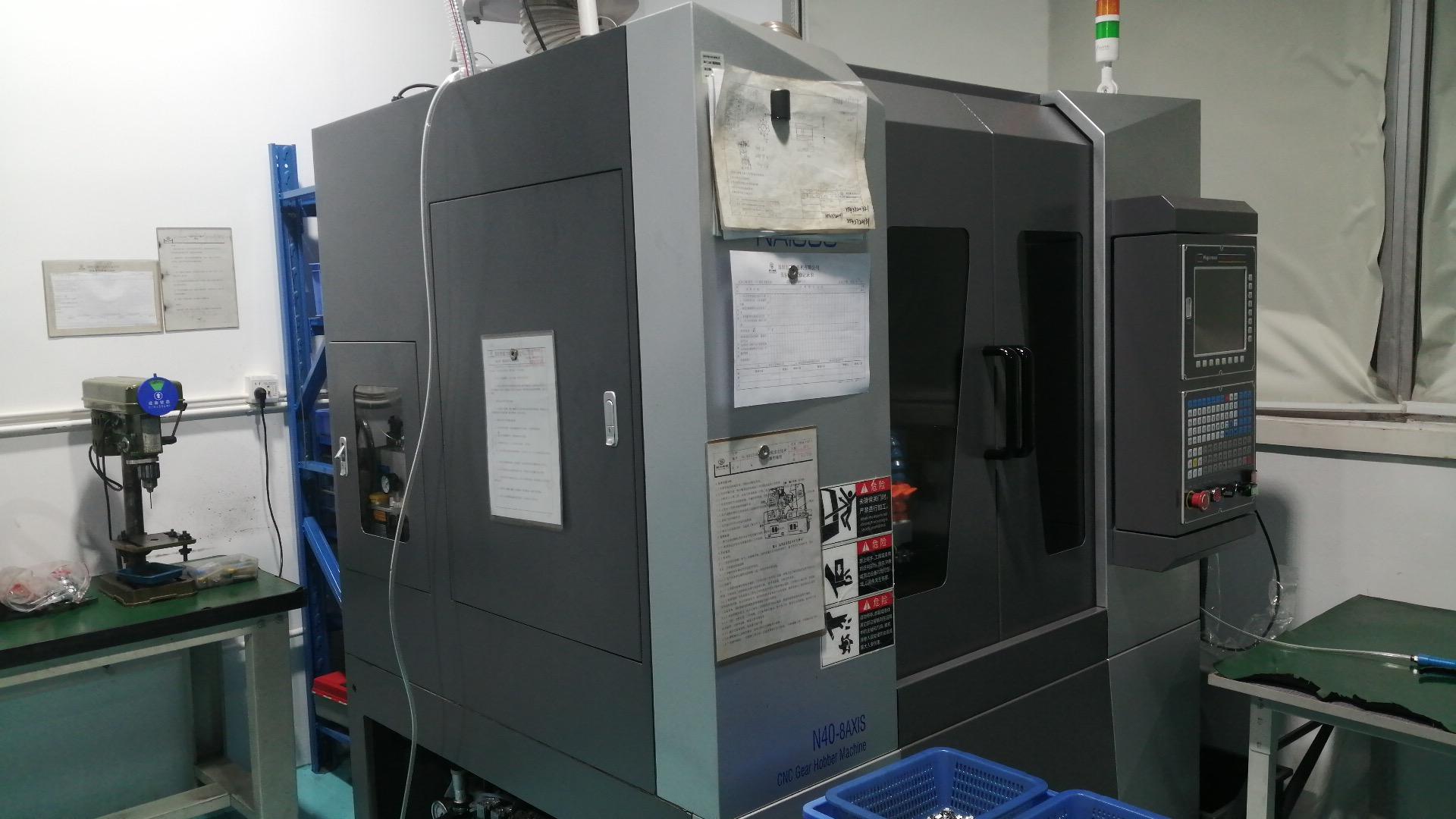
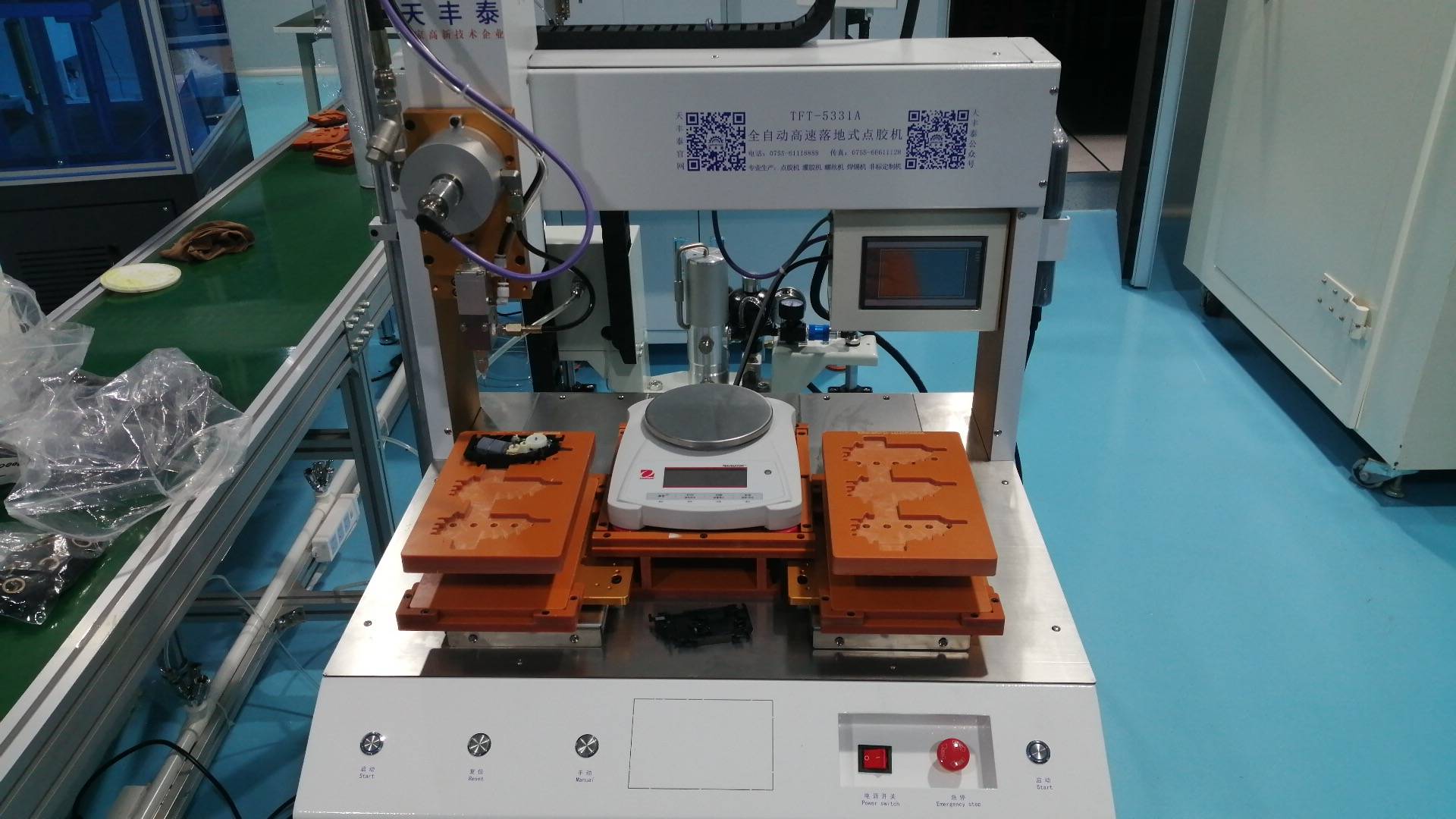
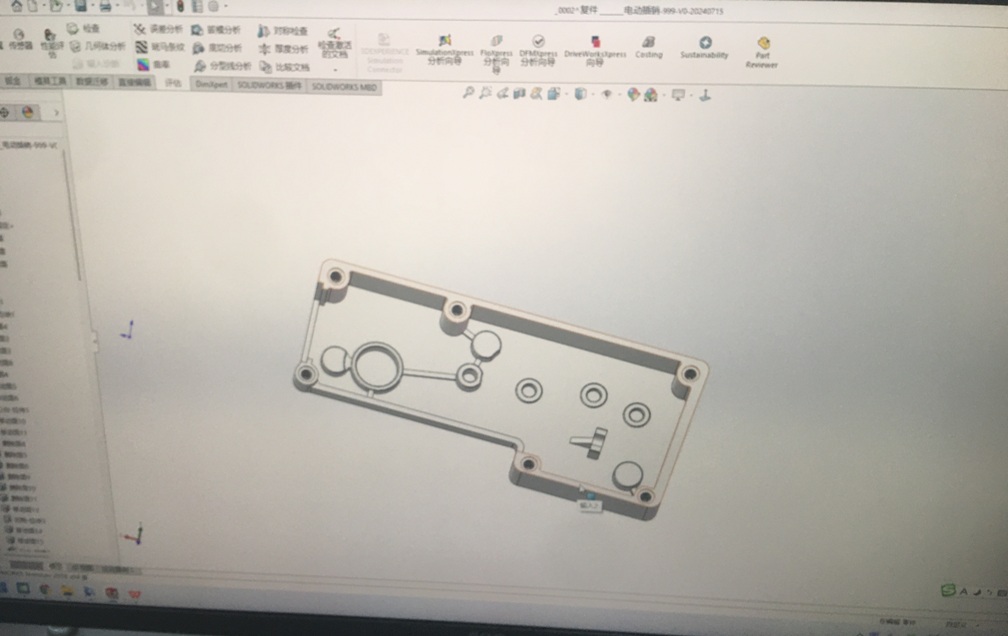
From initial design simulation to harsh-environment validation, our QA team guarantees that every single actuator batch complies with ISO 9001 and CE requirements.
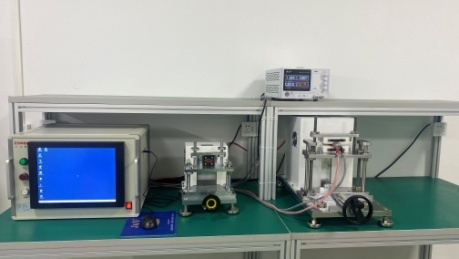
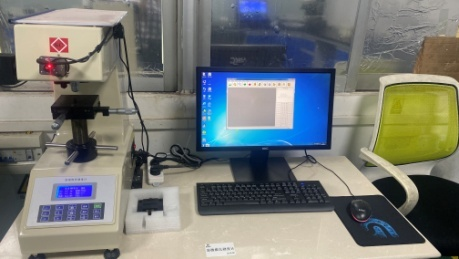
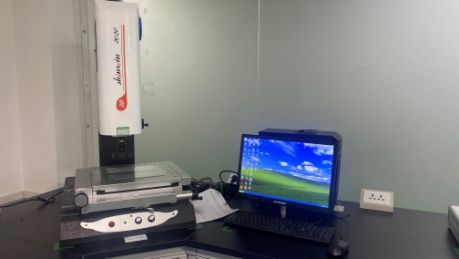
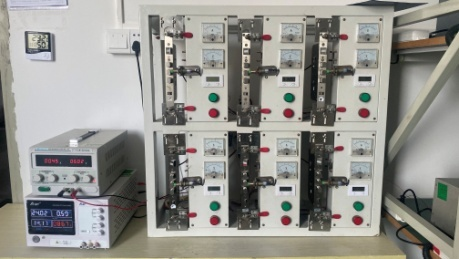
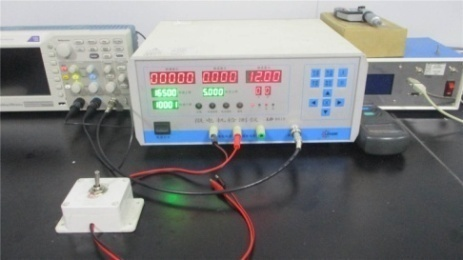
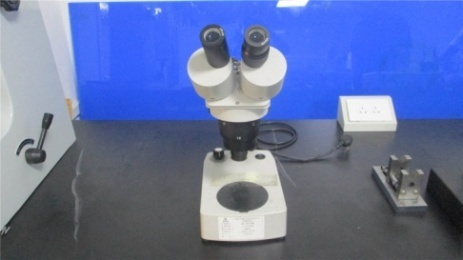
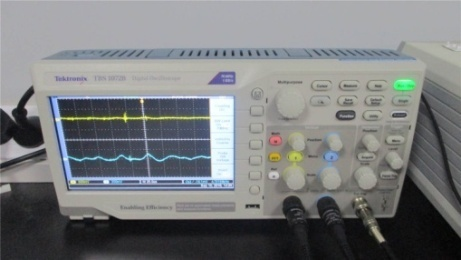
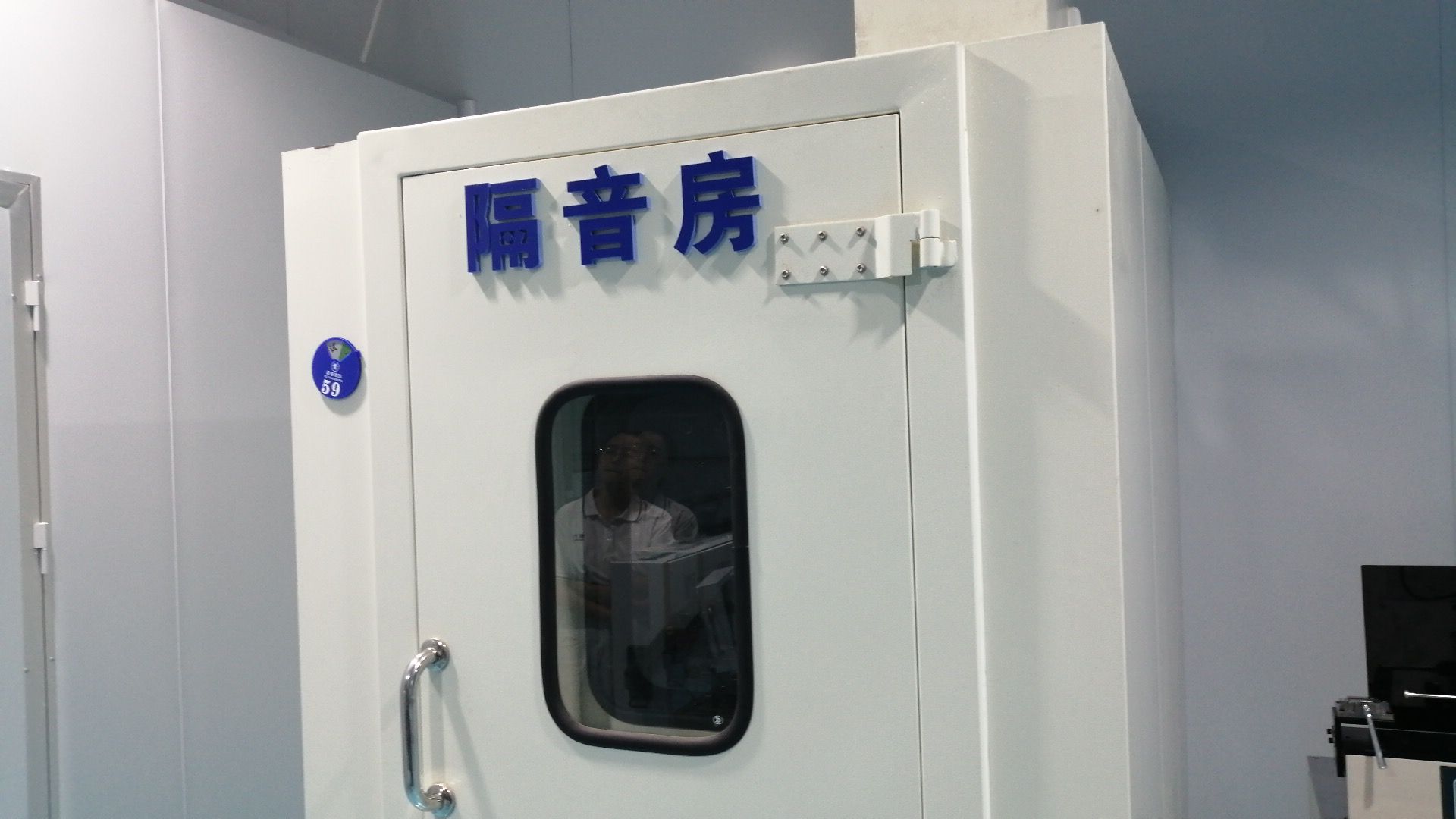
Choosing an actuator supplier is a long-term strategic decision. We evaluated global players based on technical competency, custom capabilities, industrial footprint, and quality controls.
Off-the-shelf actuators rarely fit complex engineering setups. Leading suppliers must show capability in custom winding, custom shaft dimensions, and specific planetary gearbox configurations.
Top-tier manufacturers maintain absolute material transparency—using certified high-purity copper, high-coercivity magnets, and premium alloys to prevent early failures.
Suppliers must carry certifications like CE, UL, RoHS, REACH, ATEX/IECEx (for explosive environments), and ISO 13485 (for medical instrumentation).
An in-depth review of the dominant market leaders delivering high-efficiency mechanical actuation systems globally.
Rotork is a dominant global leader in flow control and instrumentation. They specialize in heavy-duty electric multi-turn and part-turn actuators. Known for their extreme environment reliability, Rotork's IQ3 range sets the standard for intelligent actuation with non-intrusive commissioning and detailed asset diagnostic logs.
AUMA has been developing and building electric actuators and valve gearboxes for over 50 years. Their modular design architecture allows users to configure tailor-made solutions easily. AUMA products feature robust fieldbus capabilities, allowing integration into DCS systems across major modern utility plants.
Under well-known brands like Bettis, EIM, and Fisher, Emerson manufactures highly precise and smart electric linear actuators. Emerson excels in plant asset optimization by pairing actuators with advanced diagnostic tools that predict potential valve failures before they disrupt operations.
Flowserve is a major supplier of fluid control systems. Their Limitorque electric actuators are famous for their longevity under demanding plant environments. With electronic control platforms that offer real-time position tracking and emergency shutdown (ESD) capabilities, Flowserve actuators are built for critical safety systems.
Belimo is the undisputed champion in HVAC actuation. Their dampers and valve actuators are integrated into millions of commercial buildings worldwide. Focused on energy efficiency, Belimo actuators feature smart flow controls that optimize heating and cooling output, helping reduce building energy consumption.
SAMSON manufactures high-precision control valves and smart linear electric actuators. Their focus on the process industry means their products are engineered for continuous, high-precision modulation. SAMSON's TROVIS series offers digital, programmable positioning to manage complex steam and gas processes.
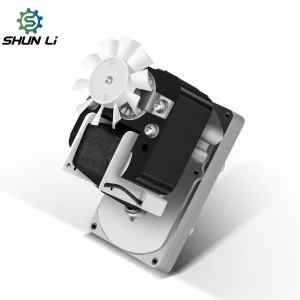
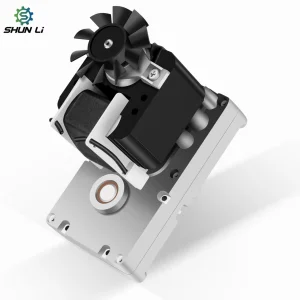
Specializing in micro-actuation systems and precision geared drives, DyneticPro/Shunli Motor excels at high-torque miniature configurations. Leveraging advanced automated Swiss-style hobbing and state-of-the-art environmental chambers, they deliver exceptionally quiet, custom gearmotors for high-tech applications, filling the crucial niche where massive industrial actuators cannot fit.
ABB's Contrac series of electrical actuators are designed for high-frequency modulating operations in demanding industrial setups. Capable of continuous operation without thermal limitations, these actuators are widely used in power plants and steel mills for damper and control valve positioning.
SMC is a global name in automation. While historically pneumatic-focused, SMC has expanded significantly into electric cylinders and linear slide actuators. Their LE series provides simple, flexible programming, enabling precision position, speed, and force controls for modern high-speed pick-and-place lines.
LINAK is a world leader in electric linear actuators for healthcare and ergonomic workstations. Their actuators are designed to operate under harsh outdoor agricultural conditions or clean medical environments. LINAK focuses on quiet operation, high thrust capacity, and safety profiles to protect end-users.
Micro electric actuators and gearmotors play a vital role across multiple industries, powering critical mechanisms that require reliable, long-term performance.
Modern electronic fingerprint and facial recognition locks require compact, high-torque gearmotors. These drives must operate smoothly at low noise levels and fit into narrow mortise slots. DyneticPro's custom micro-drives deliver consistent torque profiles to ensure seamless locking cycles and prolonged battery life.
From dialysis pumps and automated syringe drivers to precision surgical robotics, absolute control is critical. Micro gearmotors provide predictable rotational step resolutions. High-grade materials and rigorous testing assure no failure profiles during patient treatments.
Electric vehicles (EVs) utilize micro-actuators for thermal management valves, charging port locks, active aerodynamic spoilers, and electronic parking brakes. These applications require robust, weather-resistant operation under severe ambient temperature shifts.
Where is the actuation industry heading? We examine key technical advancements shaping next-generation actuators.
Demands for faster responses and constant modulating adjustments are driving the adoptation of brushless DC (BLDC) motors in electric actuators. This step-less speed control helps minimize torque spikes and mechanical wear.
Future actuators will feature built-in microcontrollers running real-time neural network diagnostics. These systems can predict mechanical failure modes locally, rather than relying solely on central cloud monitoring.
Integrating supercapacitors directly into actuator control boards allows the recovery of kinetic energy during valve deceleration, storing power to enable critical safety shutdown cycles in the event of main power grid failures.
Find answers to common questions about selecting, maintaining, and optimizing electric actuation systems.
Electric actuators offer precise positioning, consistent torque control, and are significantly more energy-efficient because they convert power directly to motion without compression losses. They also eliminate the maintenance overhead associated with air piping networks, pneumatic filters, and potential air leaks.
You must evaluate your required torque profile (holding torque vs. running torque), operational speed, duty cycle, environment (temperature, water, dust exposure), and space limits. For applications demanding continuous operation, brushless DC (BLDC) motors offer superior longevity, while brushed DC motors are cost-effective for intermittent use.
Backlash is the clearance or play between mating gear teeth in a gearbox. In precision control systems like medical pumps or robotic joints, excess backlash leads to positioning errors. Zero-backlash planetary gearboxes are recommended for applications requiring high positioning accuracy.
The IP rating defines the actuator housing's resistance to dust and liquid ingress. For outdoor or industrial washdown environments, you should look for IP67 or IP68 ratings. These seals protect internal motors and control electronics from moisture build-up and particulate abrasion.
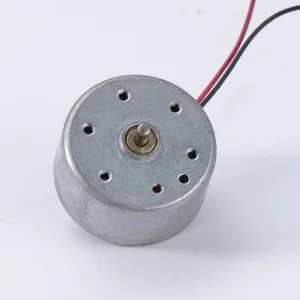
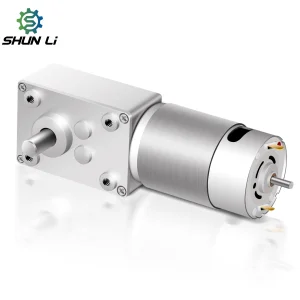
Yes. By coupling high-speed micro motors (brushed or brushless) with high-ratio planetary gearboxes, you can achieve substantial torque outputs in highly compact footprints. Precision machining (such as Swiss-style hobbing) is essential to ensure these gearboxes handle the high internal stresses without failing.
Extreme temperatures can degrade gear lubricants and alter electrical resistance in motor coils. For applications outside standard ranges (typically -20°C to +60°C), you should specify specialized synthetic lubricants and high-temperature wire insulation (such as Class H wire).
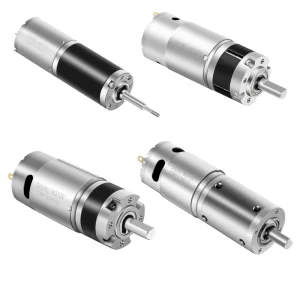
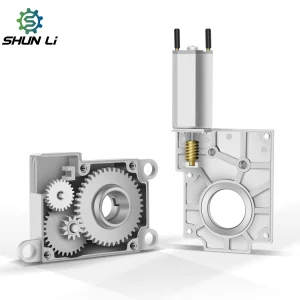
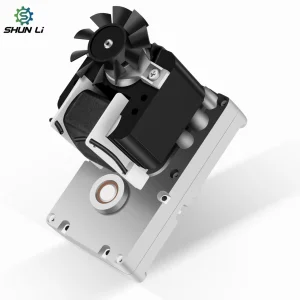
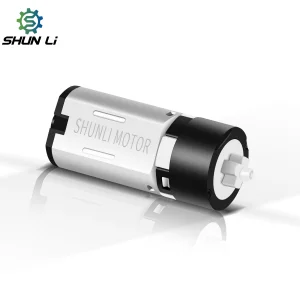
Review additional customized solutions, including smart lock actuators, planetary gearboxes, and high-frequency vibrator components.
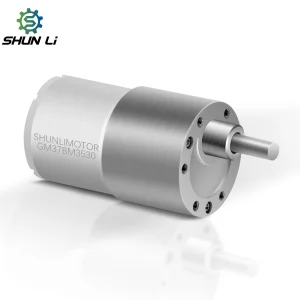
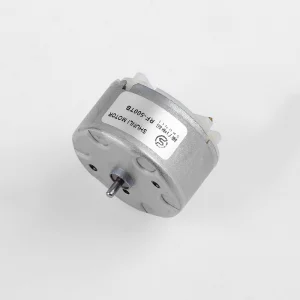
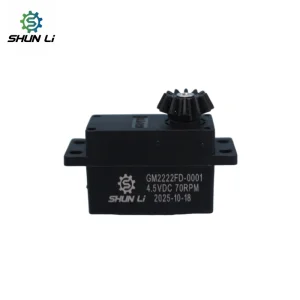
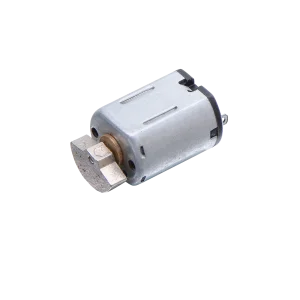
 DyneticPro Motor