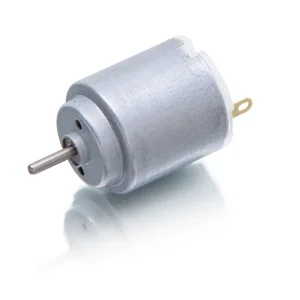
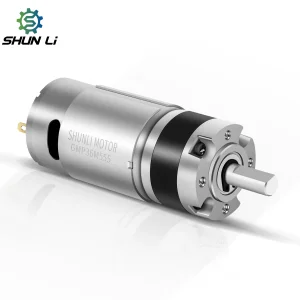
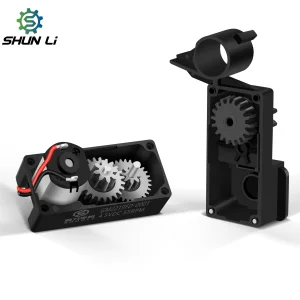
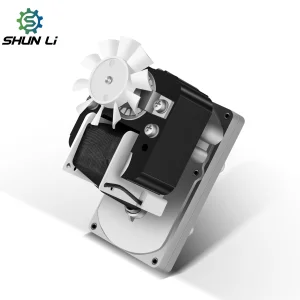
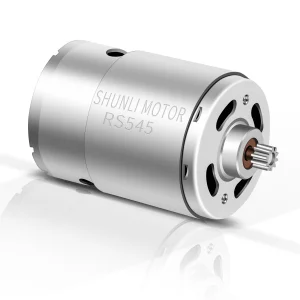
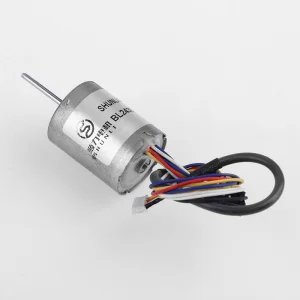
Explore our primary array of high-torque micro actuators and gearboxes engineered for precise positional holding and dynamic stability.
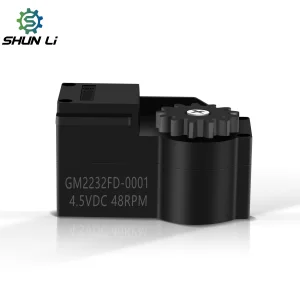
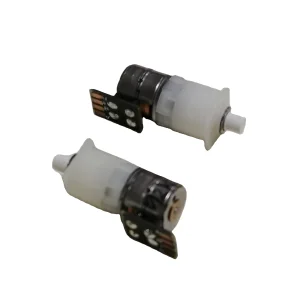
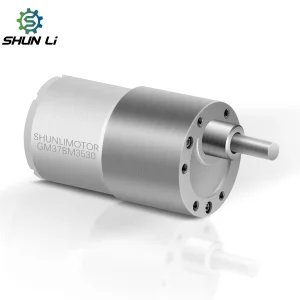
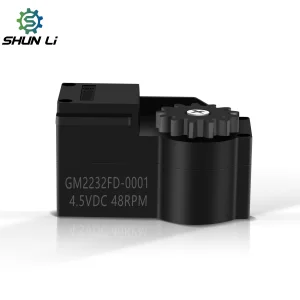
For industrial engineers and technical buyers, self-locking capability is the cornerstone of reliability. A self-locking motor acts as its own brake. When power is shut down, the gearbox system creates an internal friction coefficient that prevents the output shaft from being driven backward by the load (preventing back-driving). This is critical in applications where mechanical failure or power loss cannot result in uncontrolled load drops or positional deviation.
By leveraging high gear ratios and specific helix angles in worm gearing or high-precision multi-stage planetary systems, the mechanical drive path allows input-to-output power transfer but physically halts the reverse path. This eliminates the need for expensive, heavy electromagnetic brake components.
Inside premium robotic joints, medical equipment pumps, or smart door locks, space is extremely limited. DyneticPro micro self-locking gear motors compress high rotational force into extremely small diameters (down to 6mm/12mm), maximizing torque densities.
Traditional holding brakes consume constant electrical energy to stay open. Self-locking motors require zero current to maintain their position when powered down. This significantly reduces thermal buildup and optimizes battery life in portable hardware.
Inside a premium robotic joint, an automated medical pump, or a high-end smart lock, space is the ultimate luxury. At DyneticPro, we measure our success in micrometers and decibels. Our mission is to take advanced, heavy-duty rotational power and compress it into the most compact, energy-efficient footprints imaginable.
Our expertise lies in the micro-details of motion. From precision-wound copper rotors and high-purity commutators to zero-backlash planetary gear trains, every single internal component of a DyneticPro motor is optimized to eliminate friction and maximize heat dissipation. By combining advanced automated Swiss-style hobbing with Japanese dynamic balancing, we ensure our micro drives deliver the fluid, whispering-quiet power your brand promises. When your next high-tech innovation relies on repeated mechanical perfection, let DyneticPro be the core that spins it forward.

The demand for intelligent self-locking motors has surged with the rise of Industry 4.0, IoT, and automated medicine. Driven by the need for autonomous reliability, the micro-motion market is moving rapidly away from simple brushed mechanisms toward highly integrated brushless DC (BLDC) systems with digital encoder feedback.
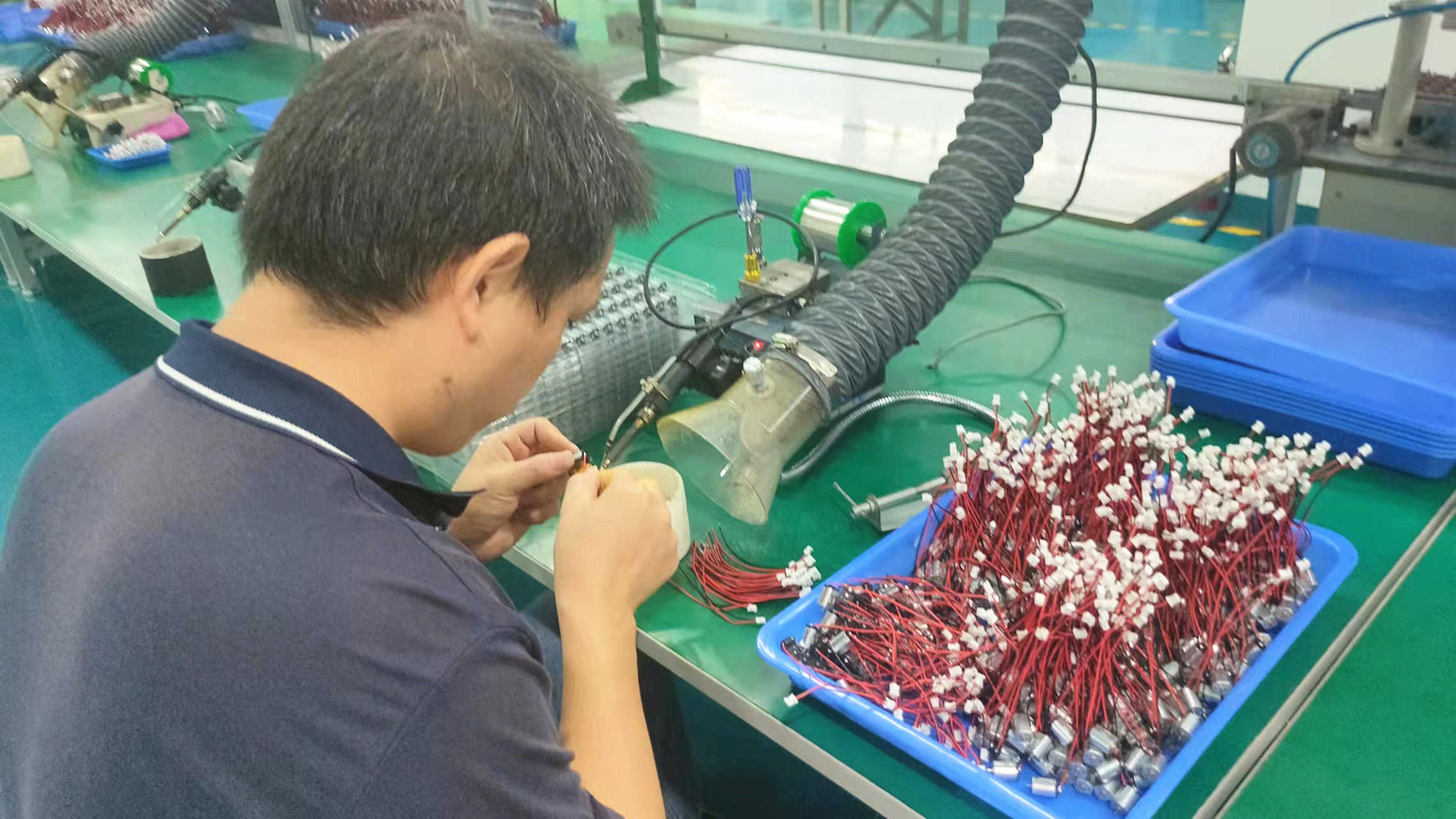
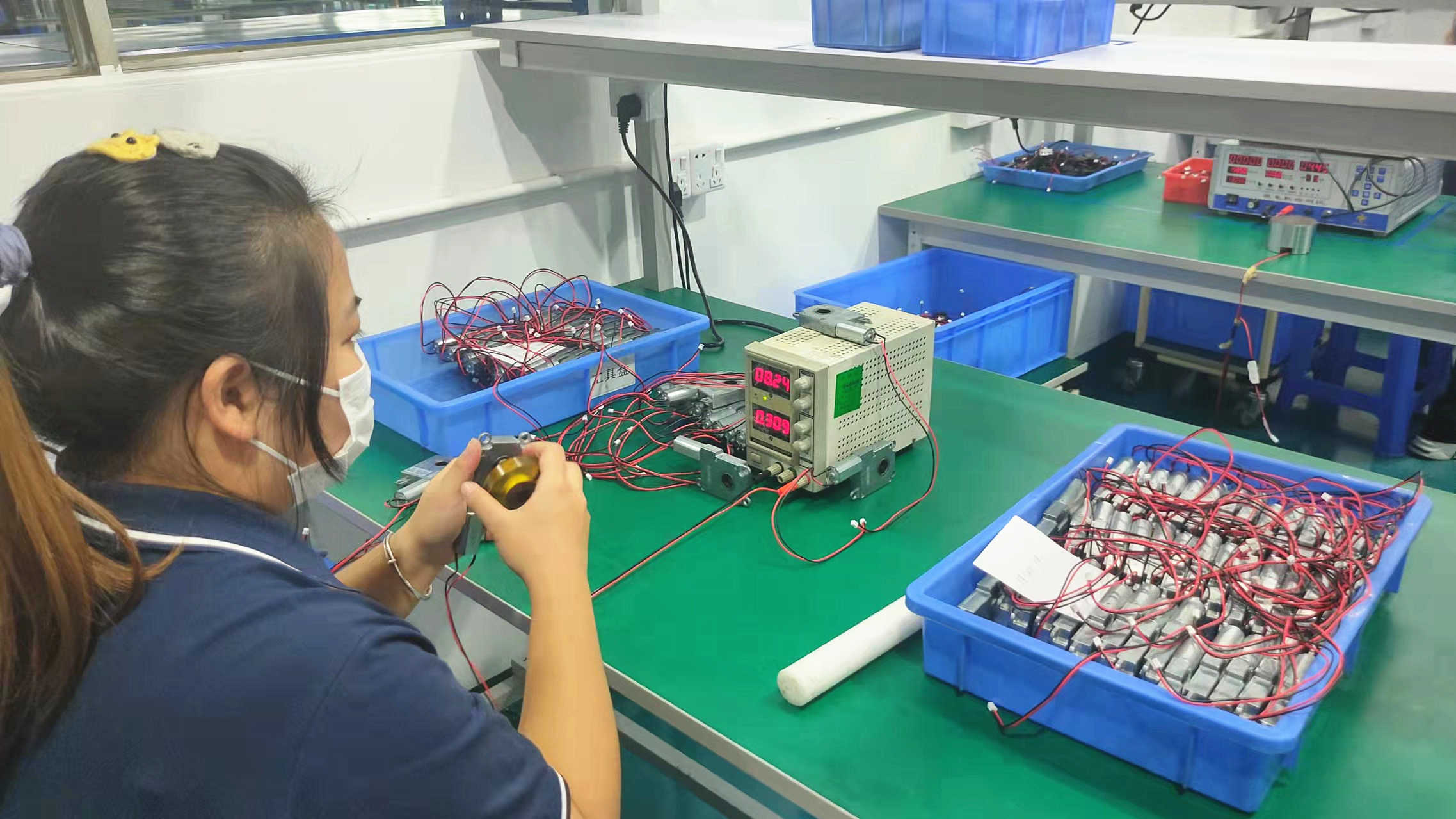
True reliability is built into every step. Below is our comprehensive production line sequence, showing how we process raw materials into fully validated self-locking gear motors.

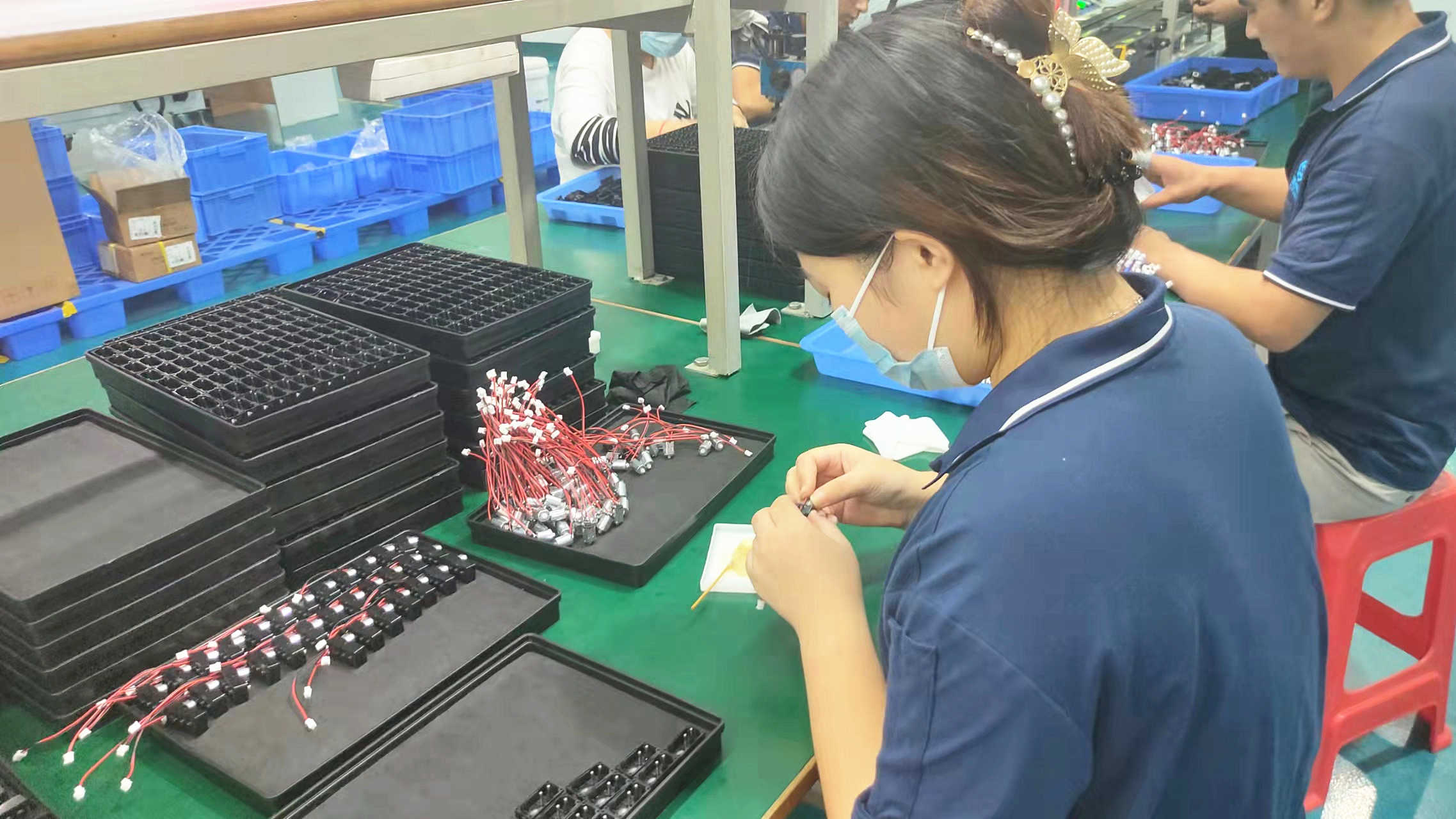
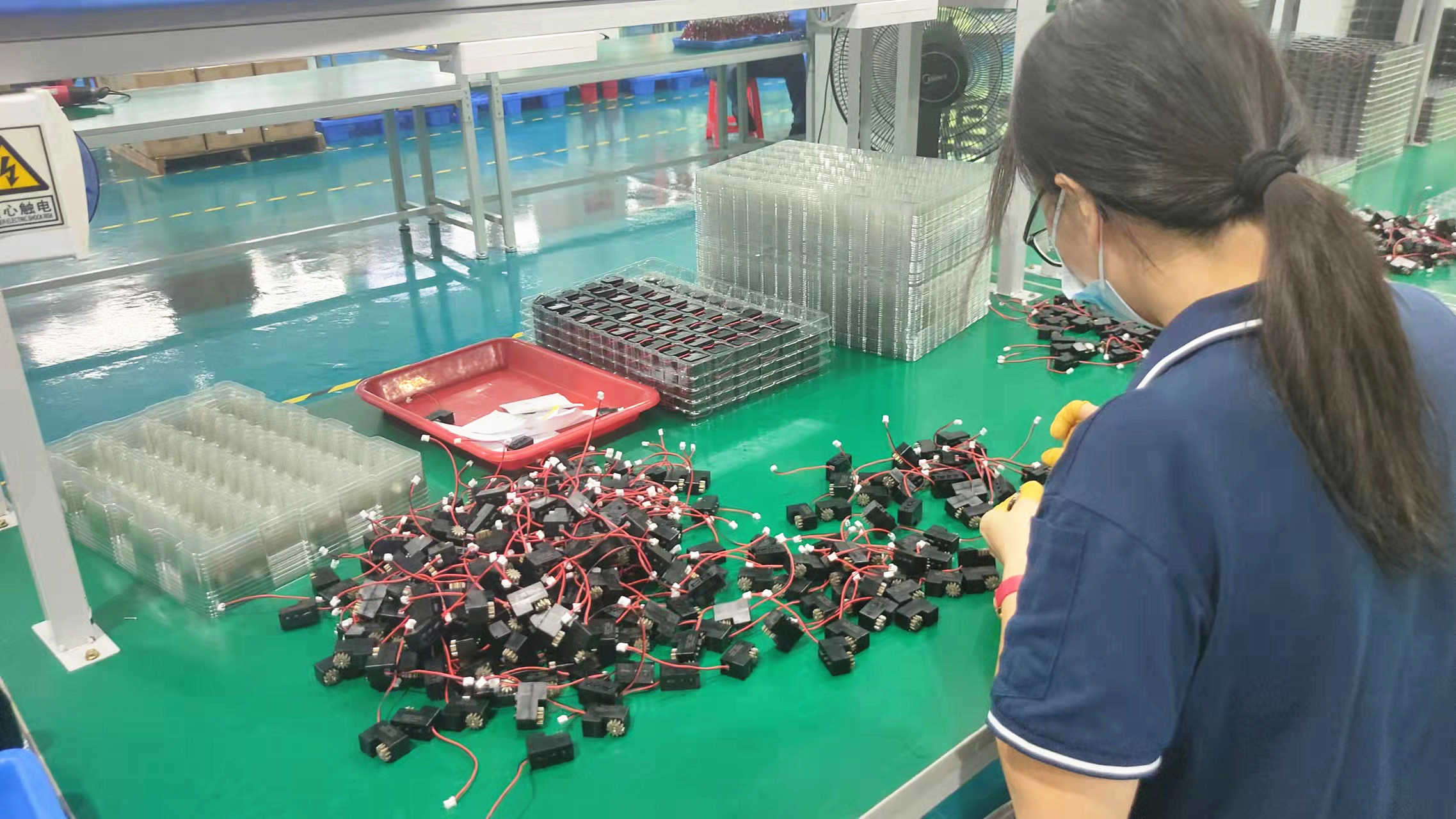
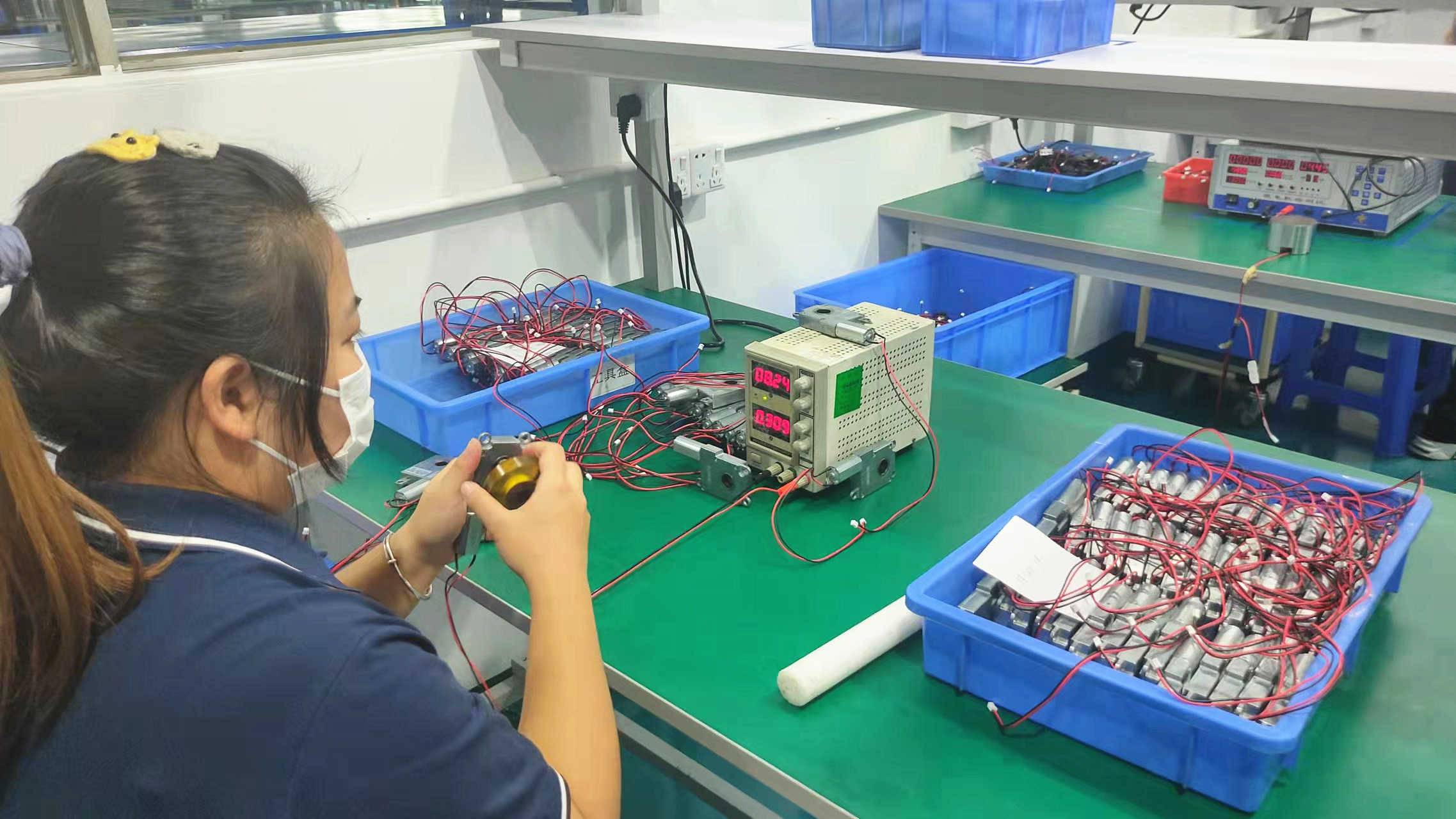
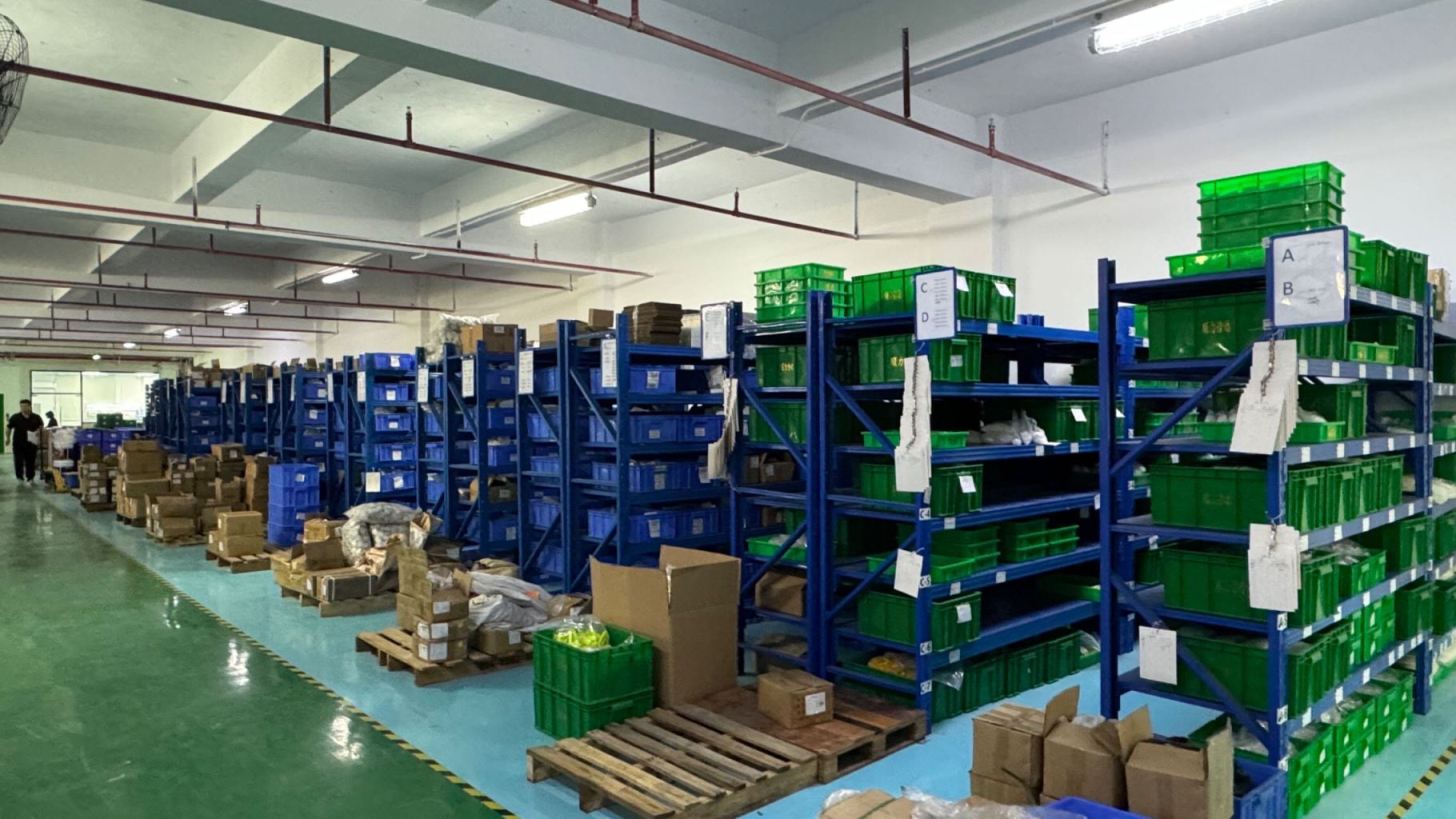
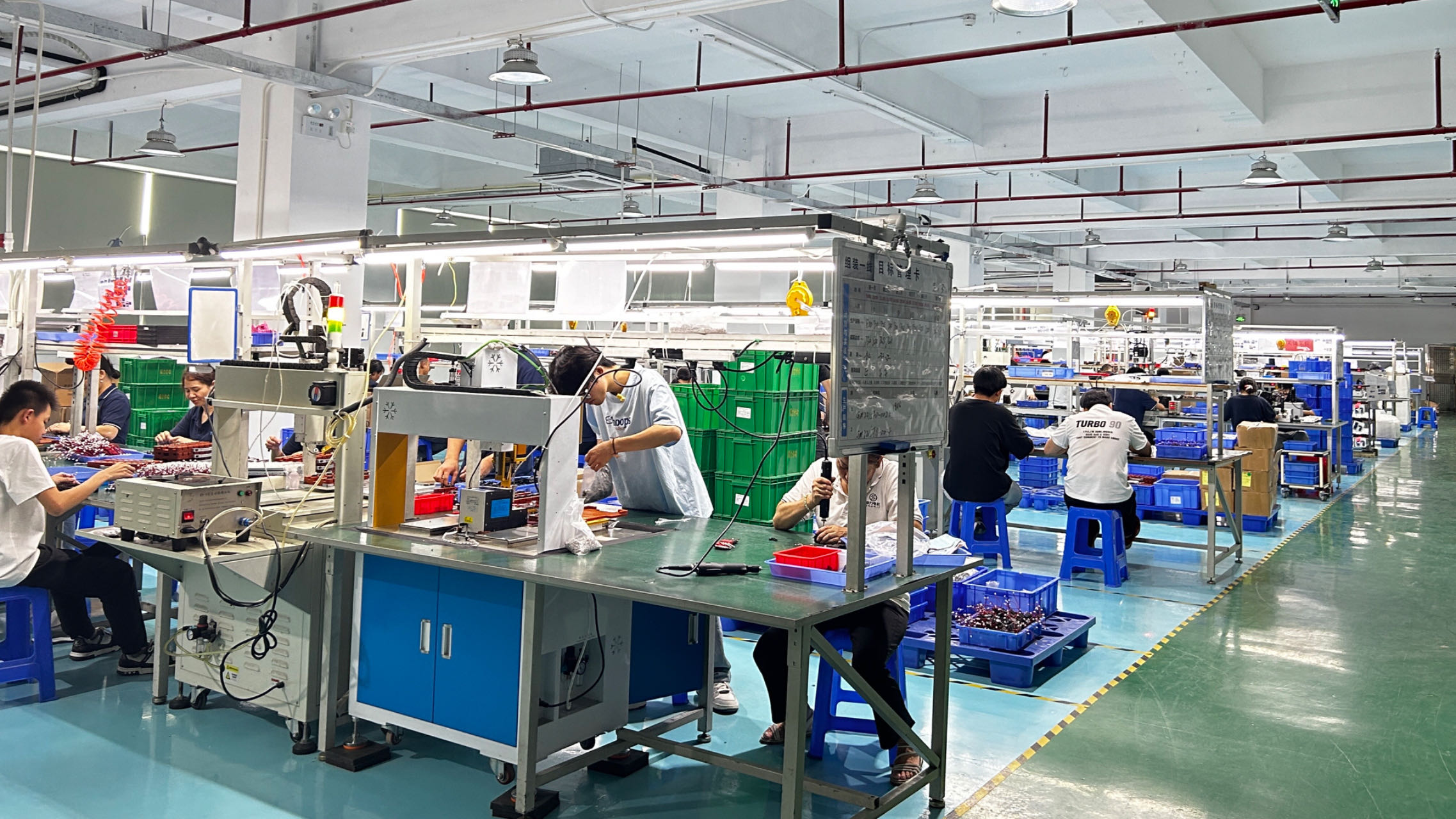
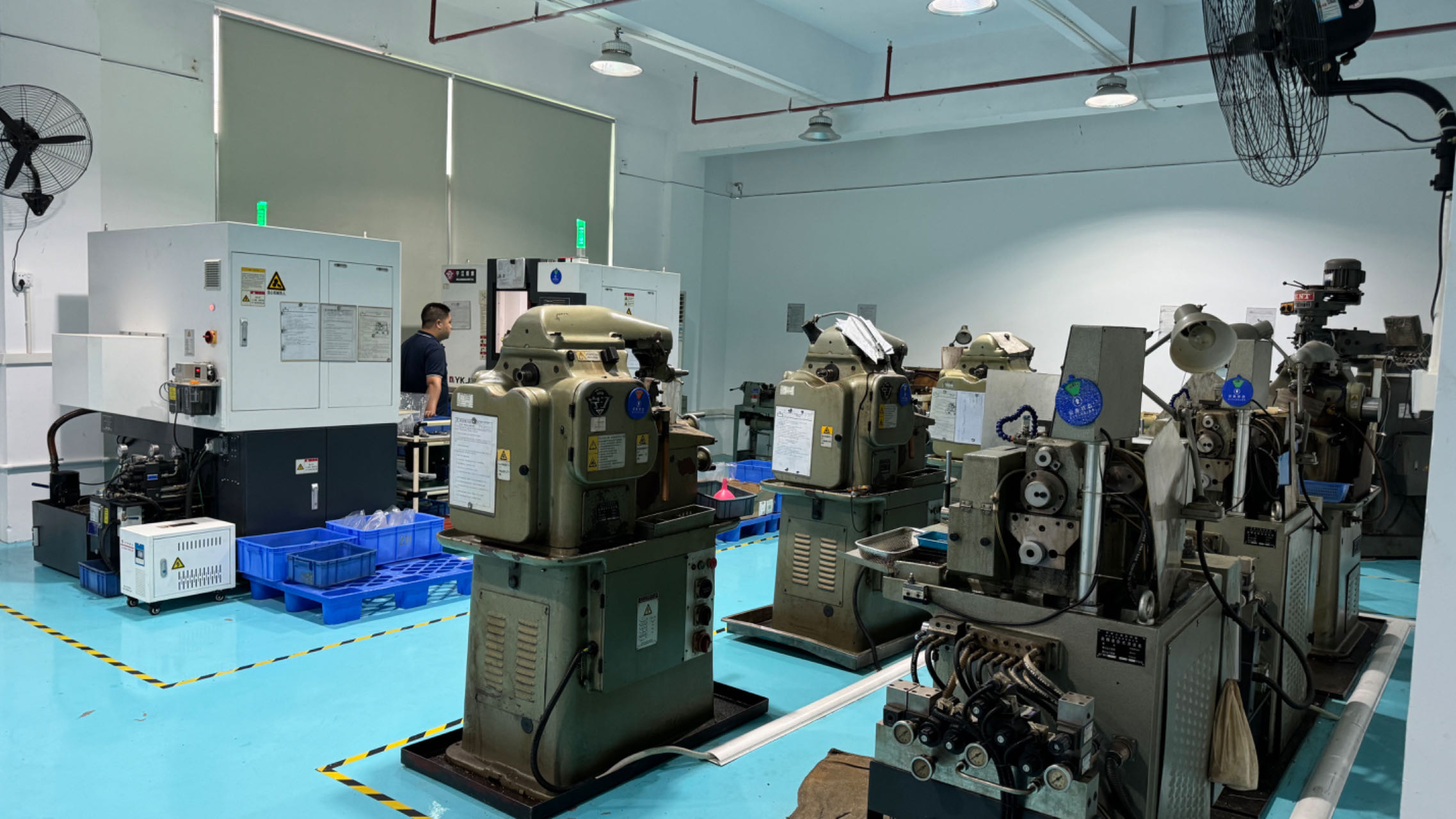
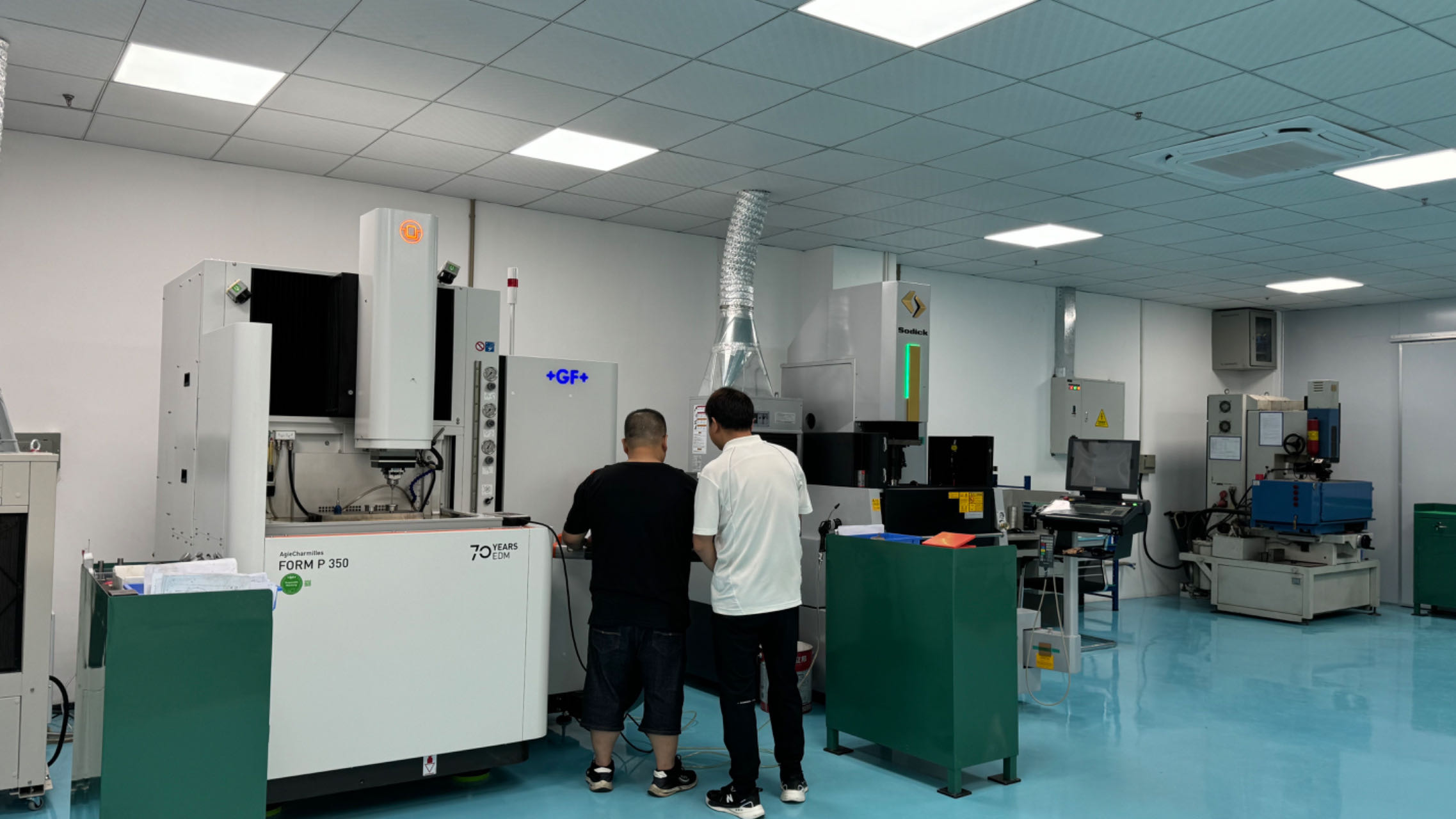
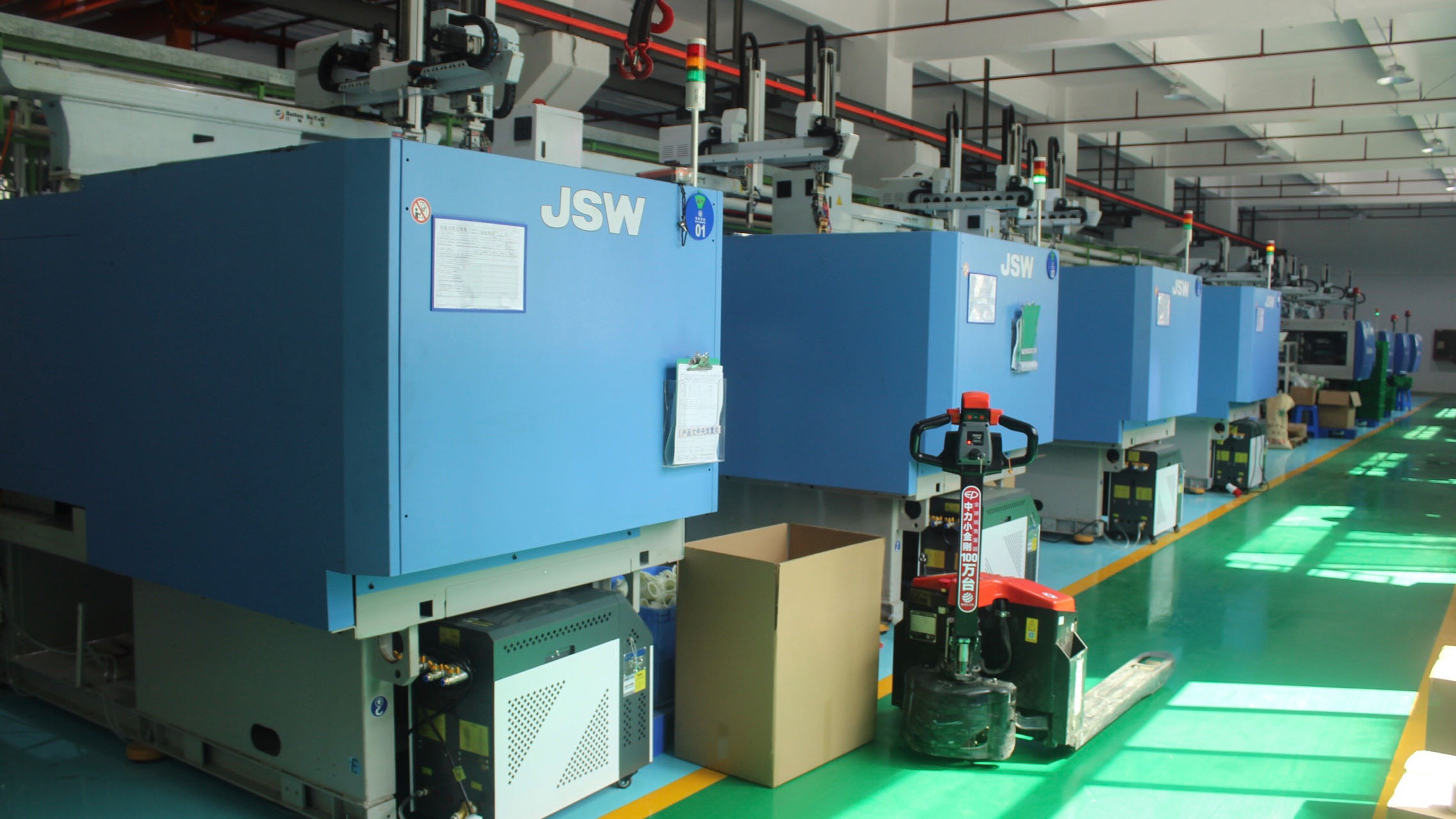
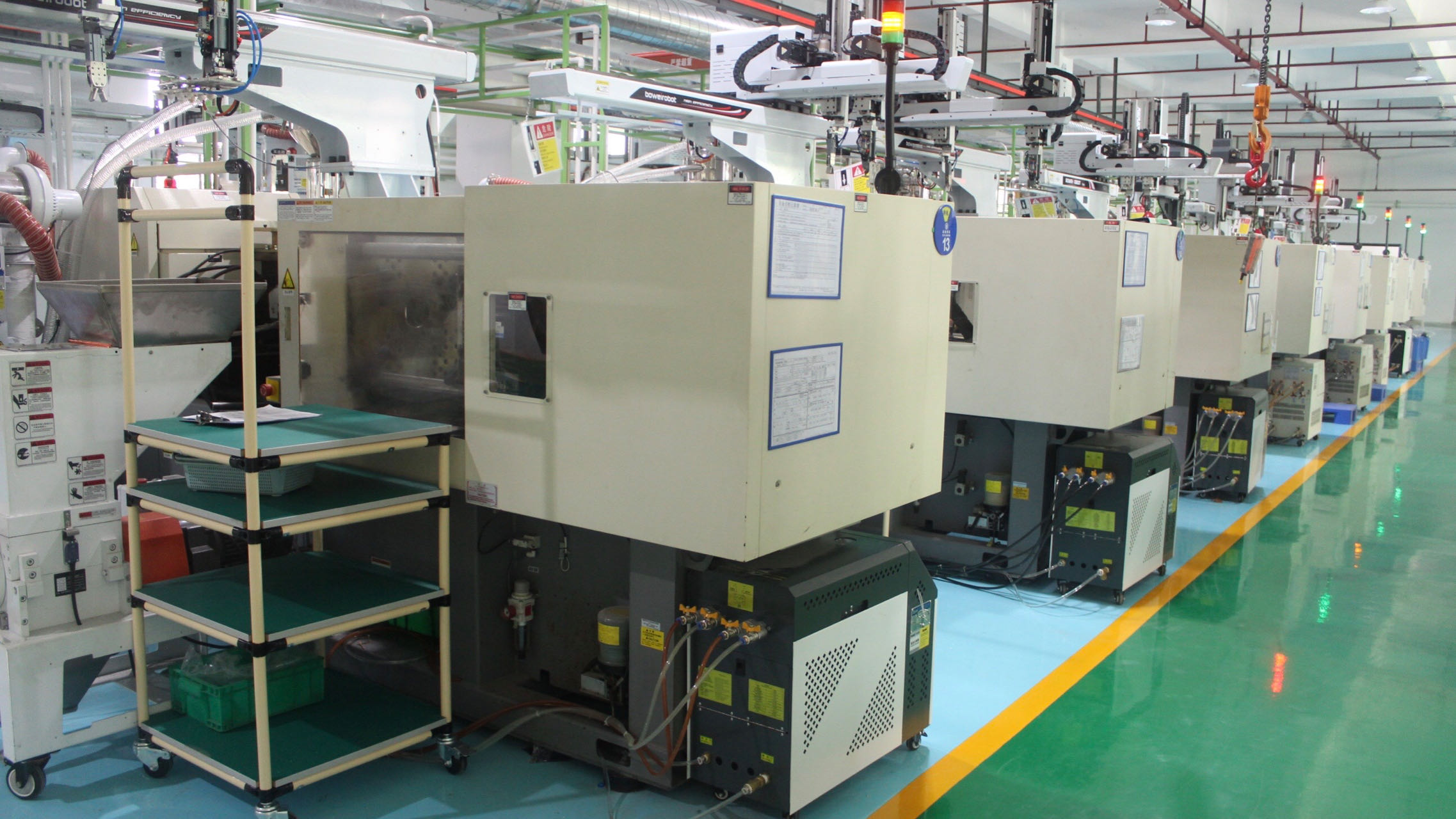
Our factory utilizes advanced CNC machinery, Swiss-type gear hobbing, and automated winding equipment to guarantee micro-precision tolerances down to 0.002mm. This robust infrastructure helps mitigate supply chain risks and ensures consistent lead times for high-volume orders.
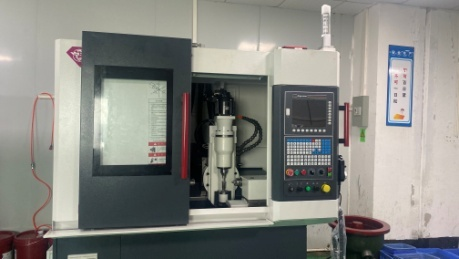
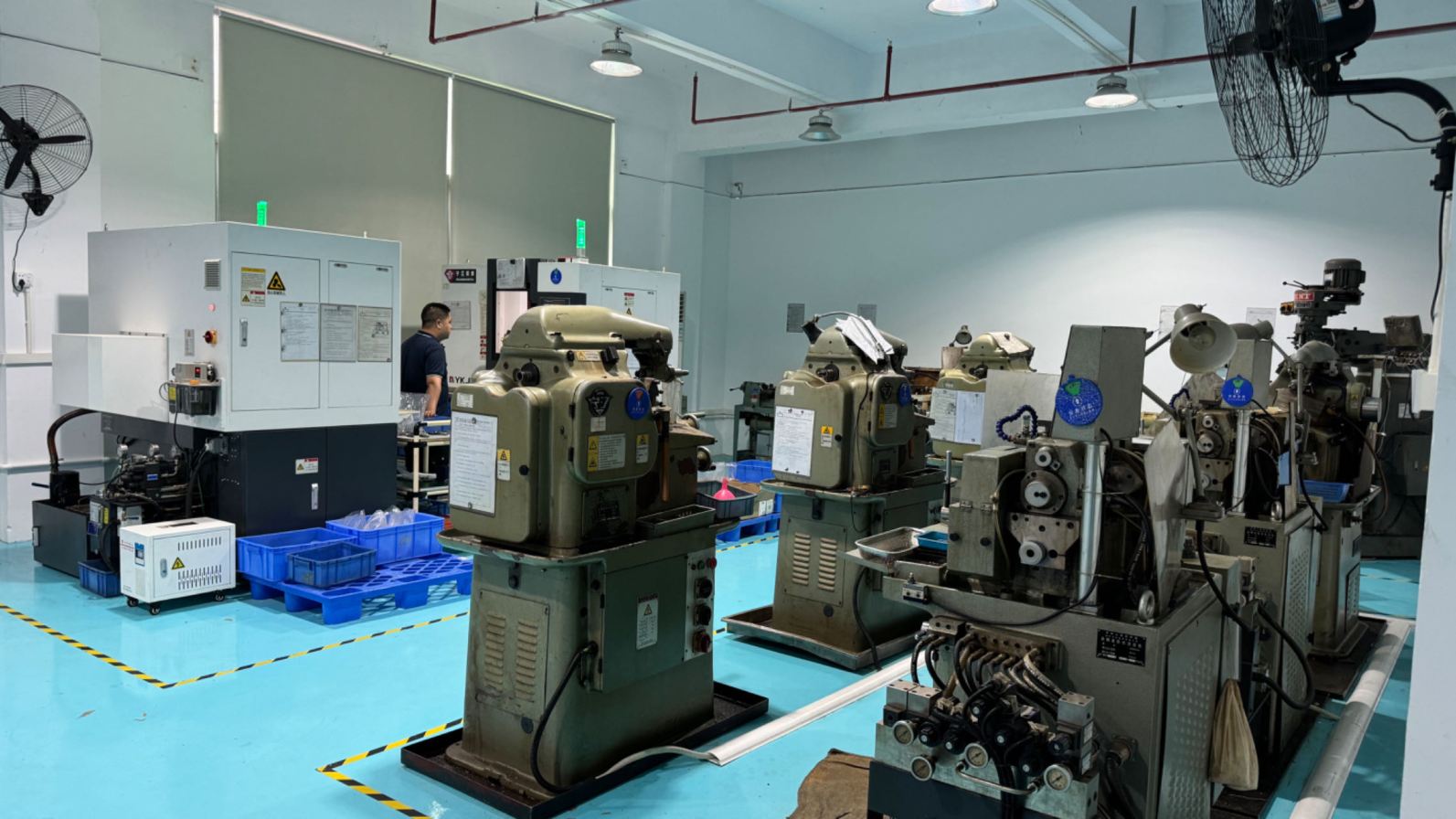
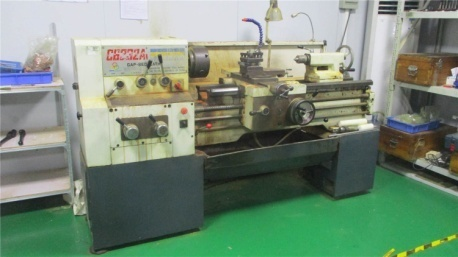
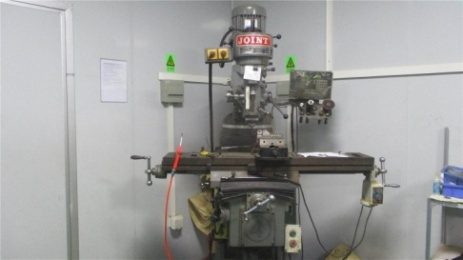
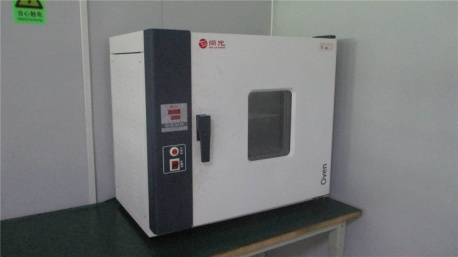
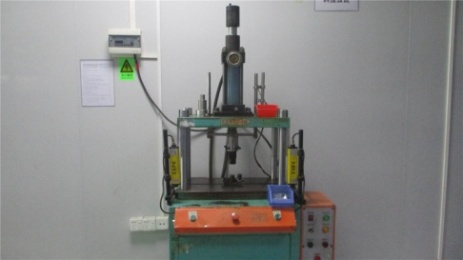
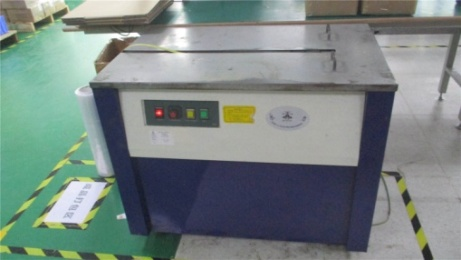
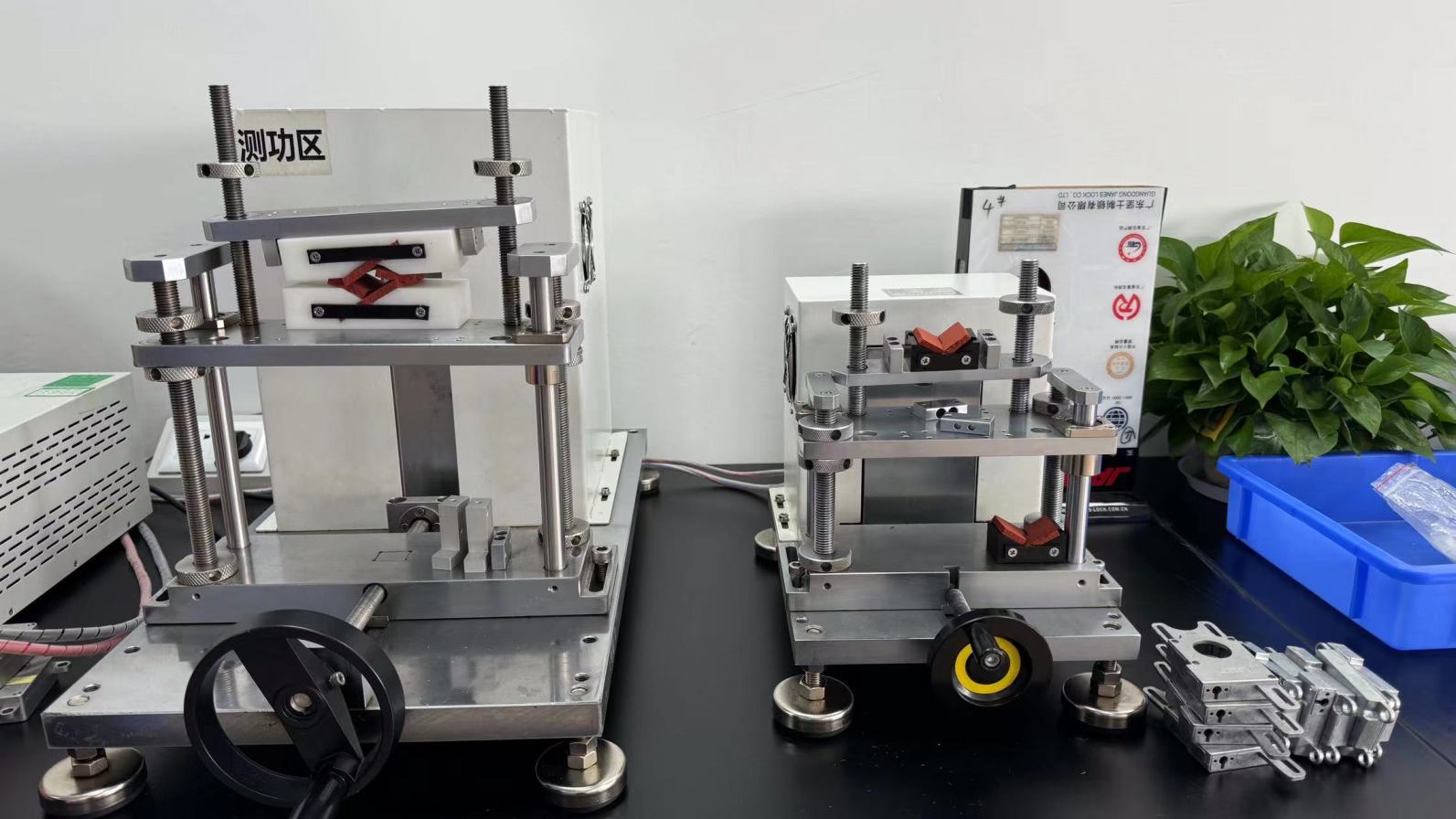
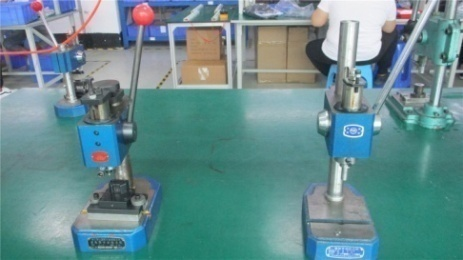
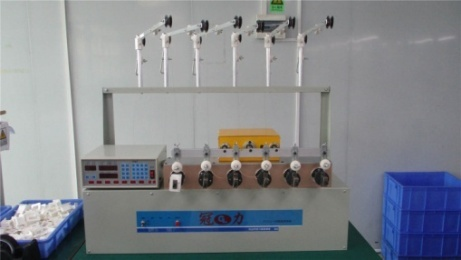
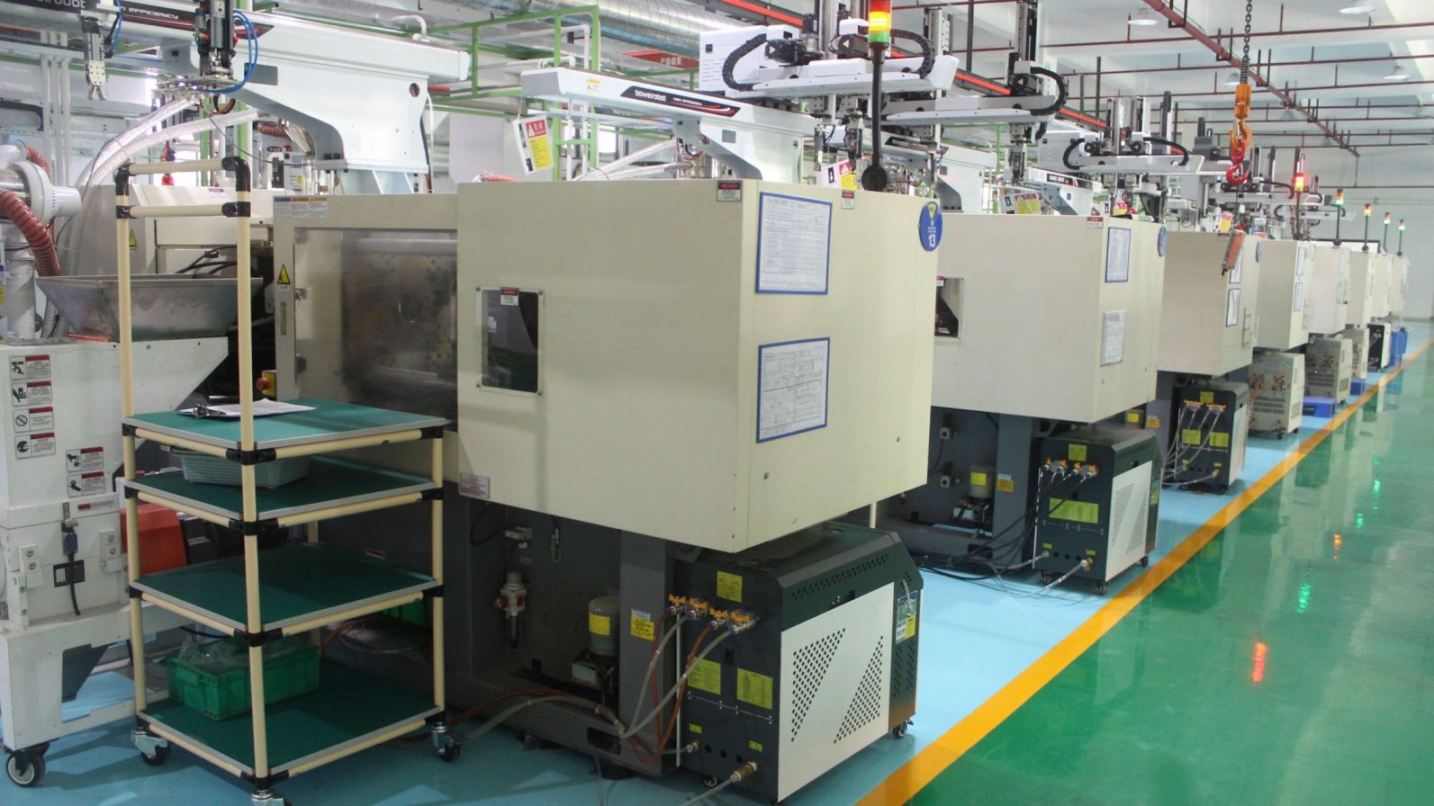
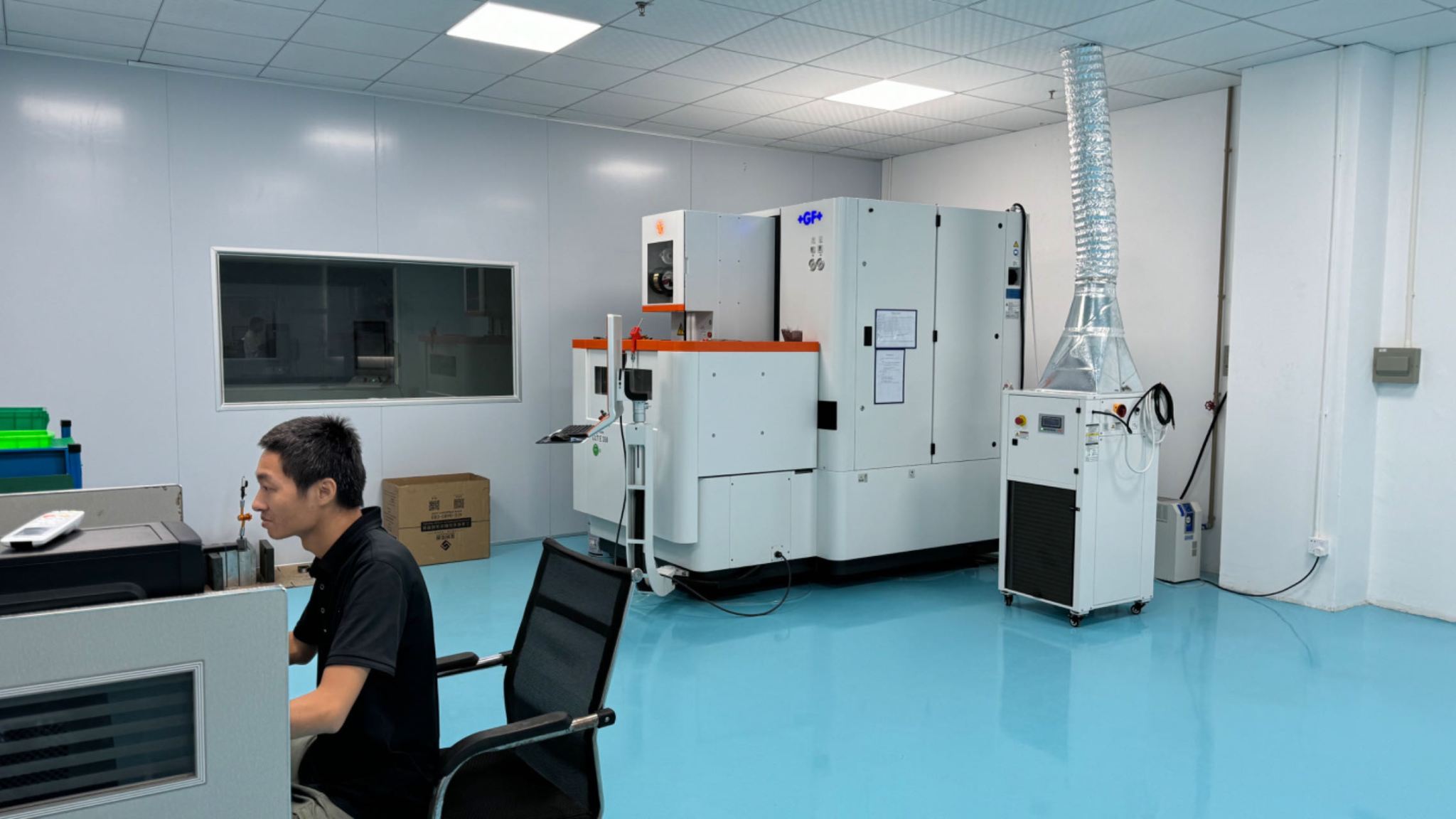
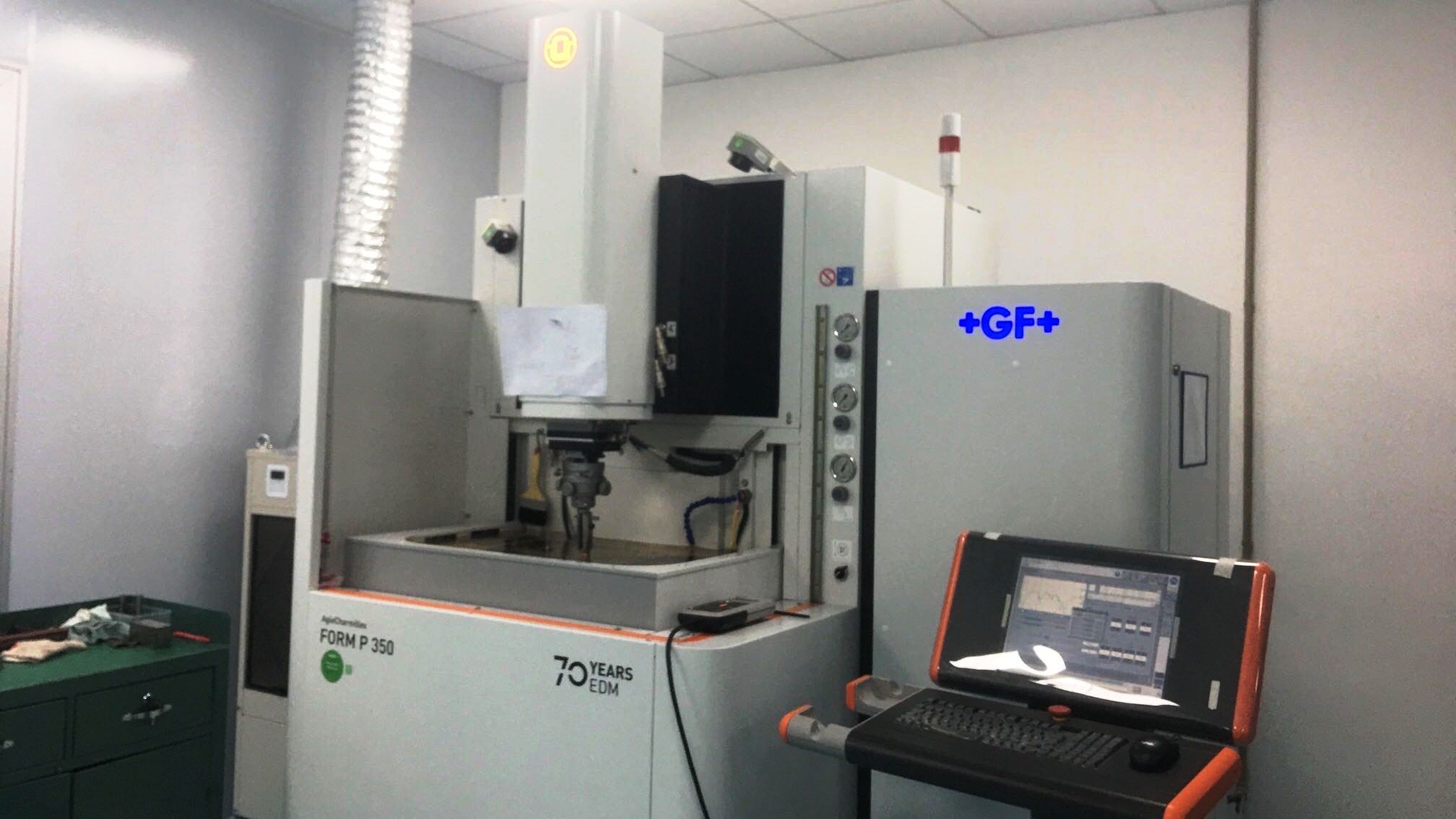
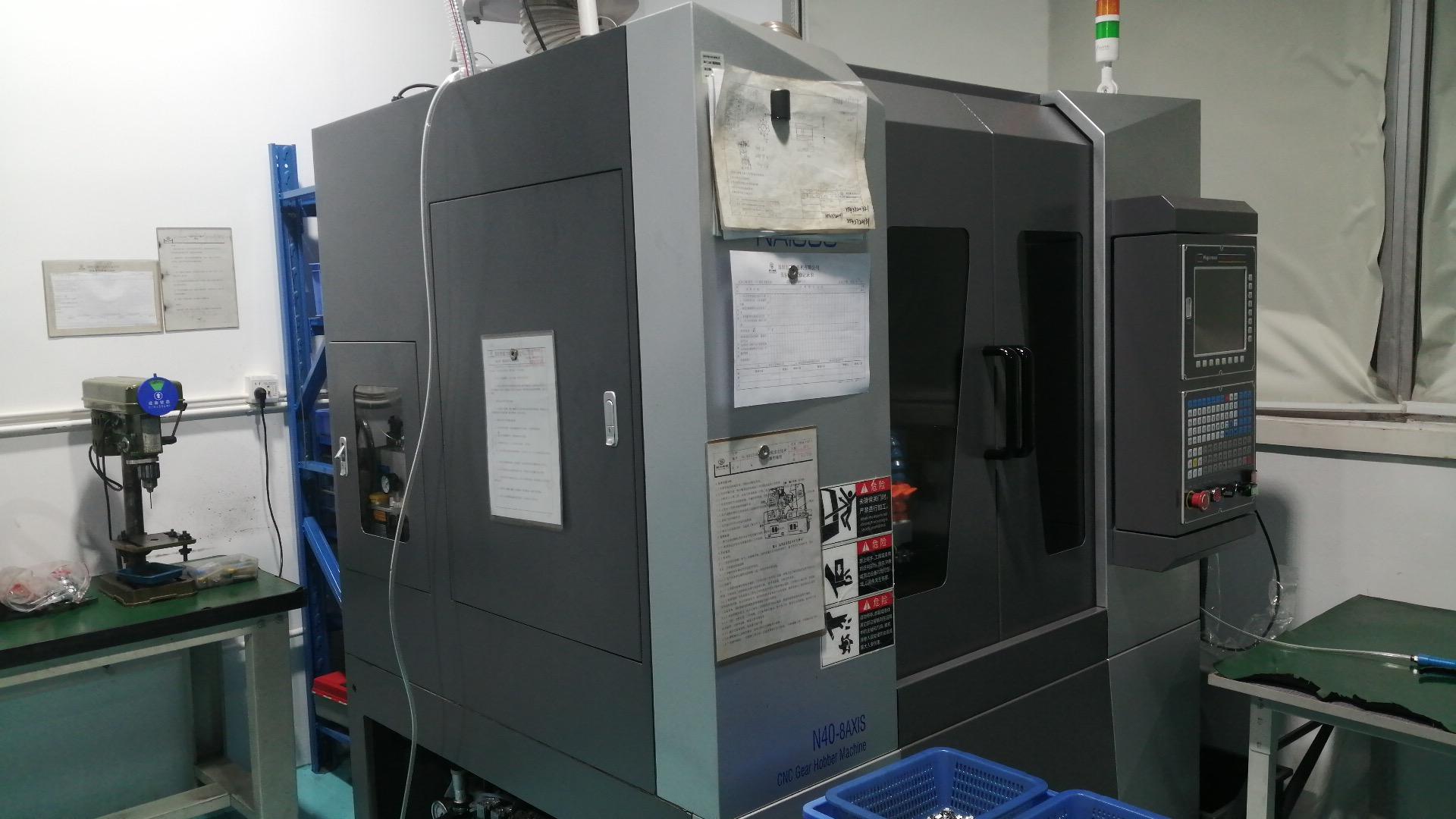
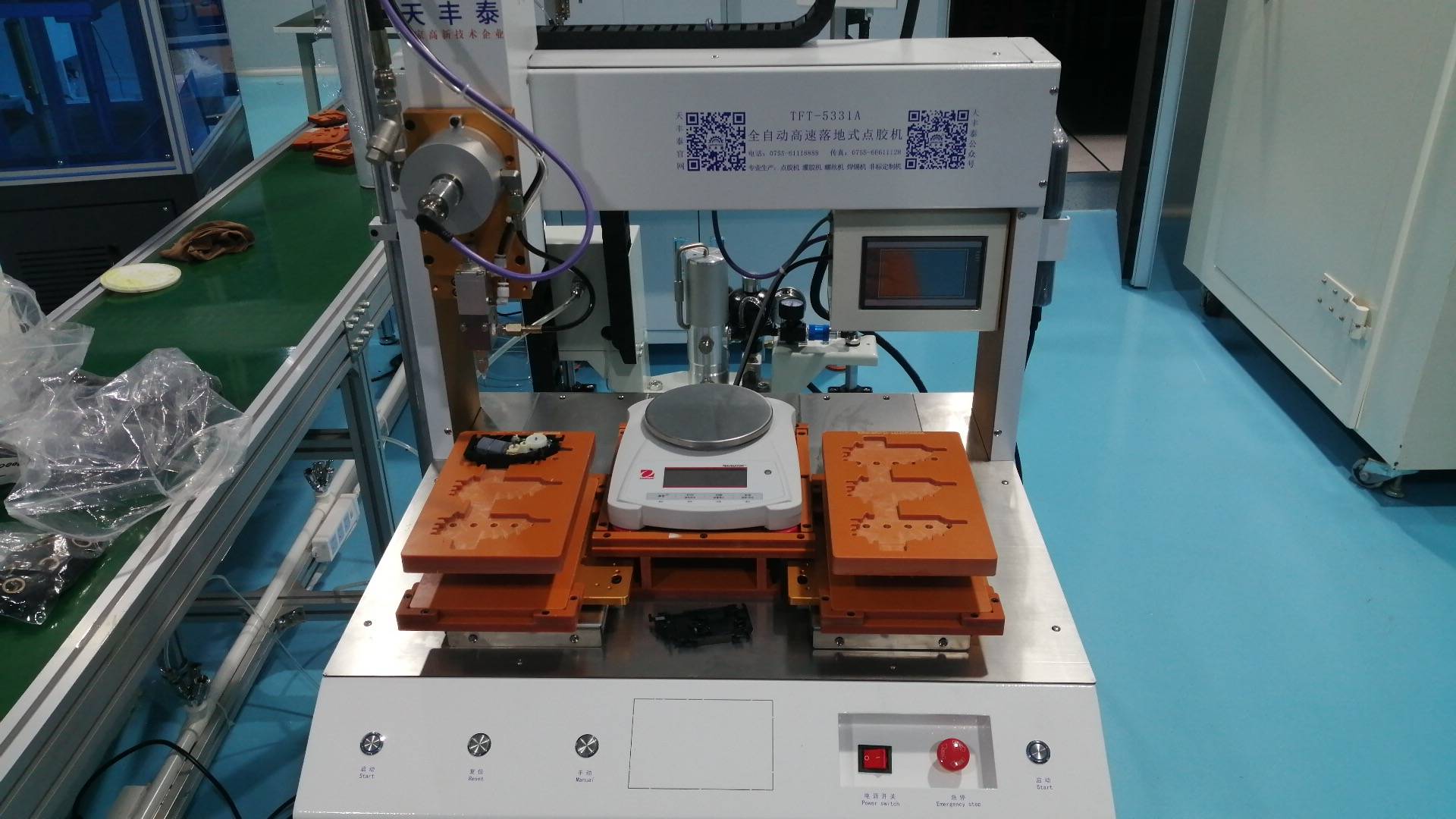
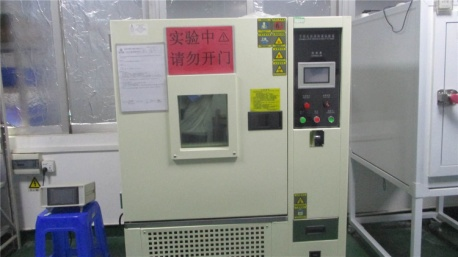
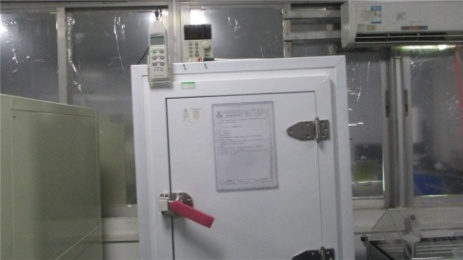
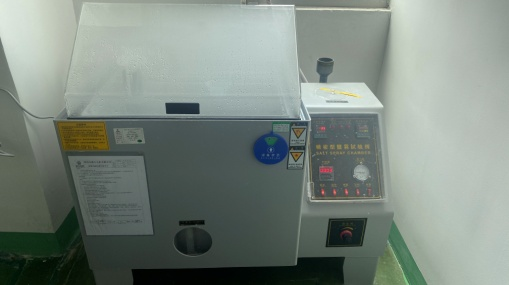
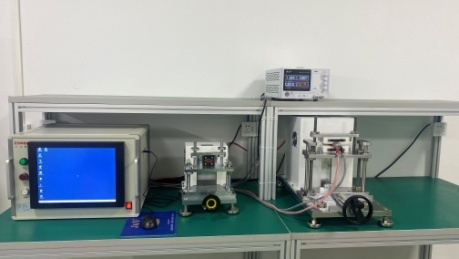
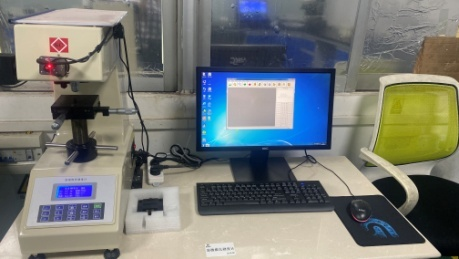
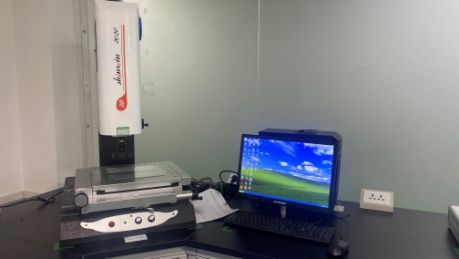
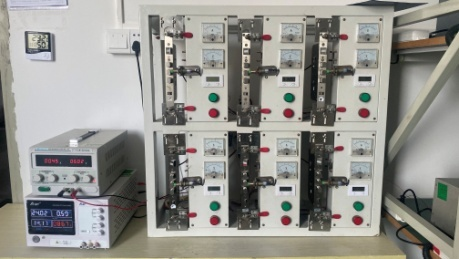
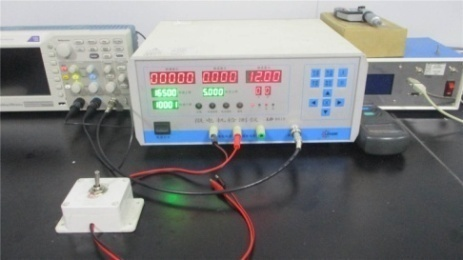
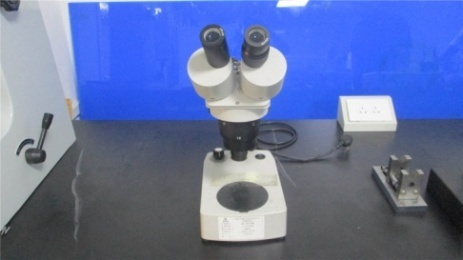
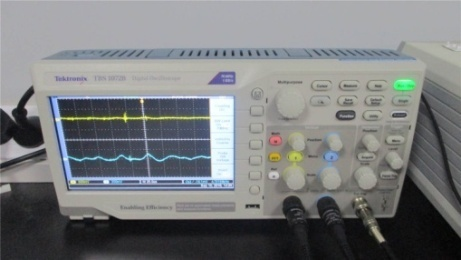
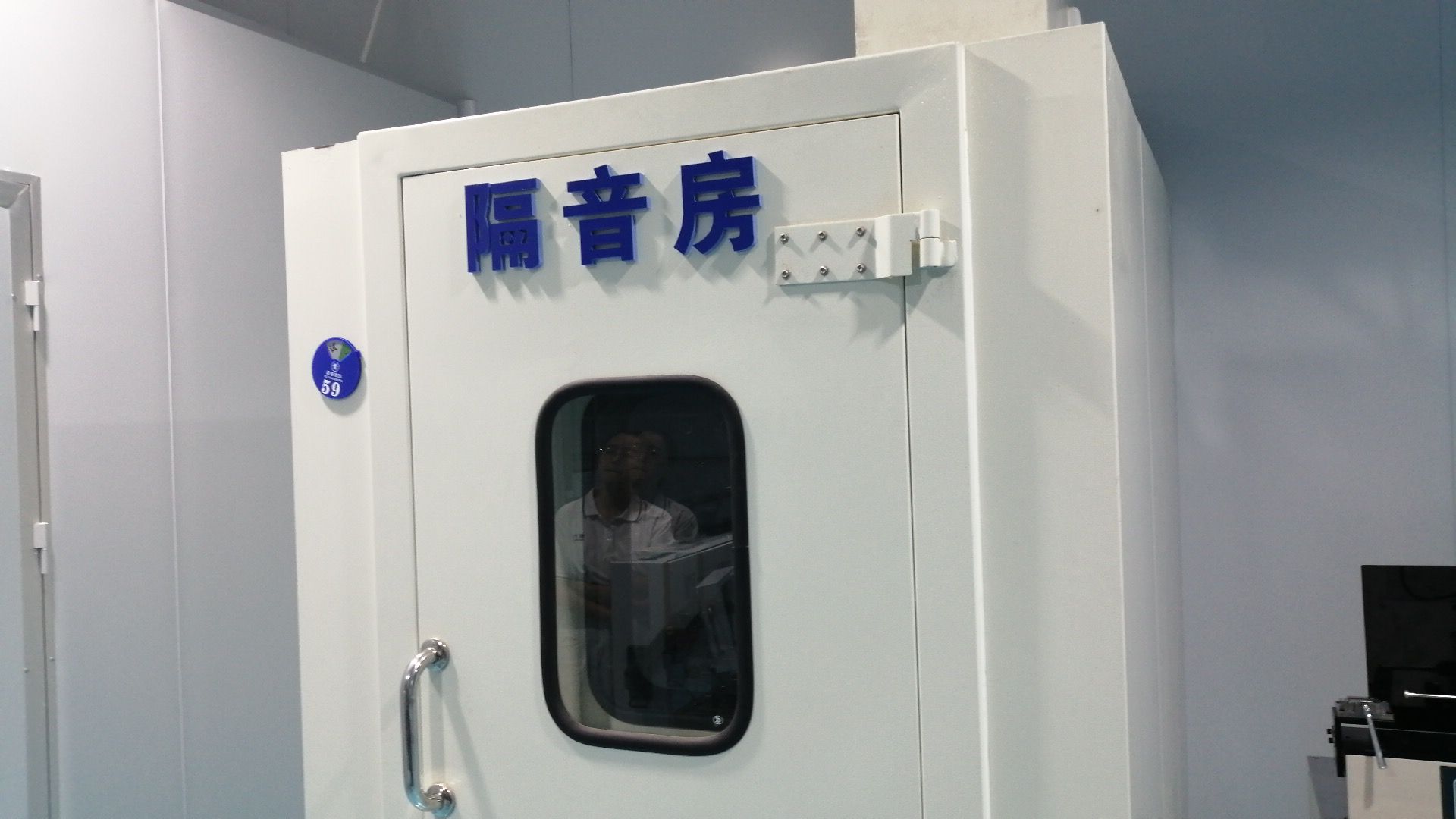
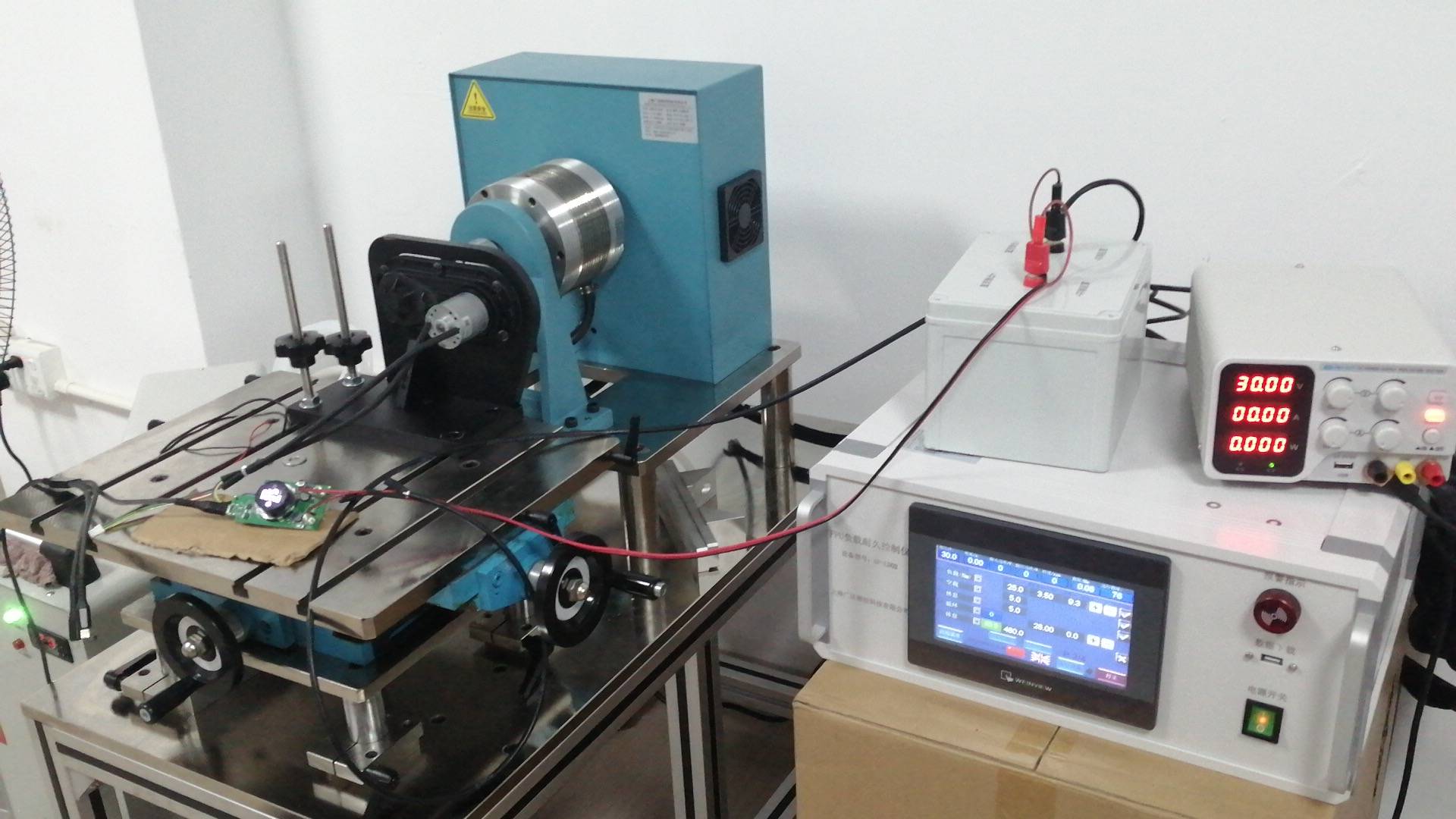
Every self-locking design goes through rigorous lifecycle testing in our specialized quality inspection laboratories. We check everything from acoustic signatures to environmental resistance.
Self-locking motors are widely used in a variety of challenging operating conditions. We engineer custom solutions to meet these distinct demands:
Our micro 3V/6V/12V DC gear motors provide high self-locking torque to keep locks physically secure. Their compact size makes them ideal for modern smart doors and cabinet locks.
Used in peristaltic pumps, surgical positioning tables, and drug delivery systems. The self-locking mechanism prevents backflow and maintains safe, stable positioning even during power interruptions.
High-ratio planetary and worm-driven assemblies are used to control heavy industrial valves, HVAC dampers, and satellite positioning panels. These applications require high holding force in compact footprints.
We answer the most common engineering and procurement questions regarding self-locking motor design, customization, and supply chains.
A: Self-locking is primarily achieved through the mechanical design of the gearbox. When using high-reduction ratios (typically 50:1 and above) or specialized worm gear geometry, the static coefficient of friction between the gear teeth exceeds the reverse torque force that the load can apply back to the input side. This creates a mechanical lock when the motor is powered down, holding the load securely without relying on electrical power.
A: Traditional planetary gearboxes are typically highly efficient and prone to back-driving. To make a planetary motor self-locking, we combine it with a high-ratio input stage, integrate a worm-gear primary step, or design specialized high-friction gear tooth profiles. This allows us to keep the space benefits of a planetary system while adding reliable self-locking capability.
A: Procurement and engineering teams should specify: 1) Static holding torque requirements, 2) Allowable backlash angle tolerances, 3) Dynamic and starting torque, 4) Operating voltage and dimensional limits (e.g. 12mm N20 footprint), and 5) Environmental factors like working temperature ranges and salt-spray resistance.
A: We use high-precision gear hobbing machinery and automated CNC lathes to maintain tight mechanical tolerances. All finished gearboxes undergo comprehensive noise and vibration testing in acoustic chambers to keep sound levels below 45dB, which is essential for smart locks and medical devices.
A: Yes. We offer customized gear motors with IP-rated sealing, rust-resistant stainless steel shafts, and specialized gear grease designed to handle extreme temperatures (from -40°C to +85°C). We verify these designs using our on-site salt spray and climate testing chambers.
Discover additional motor models designed for specialized industrial machinery, baking ovens, lawn care, and custom automation equipment.
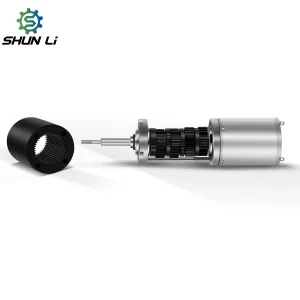
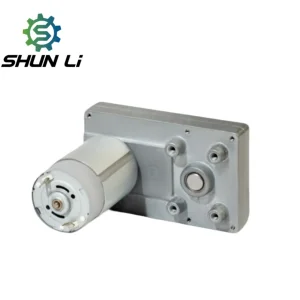
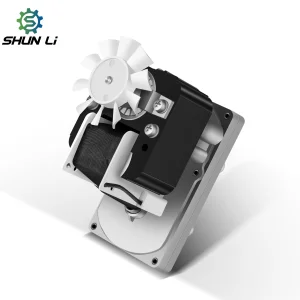
 DyneticPro Motor