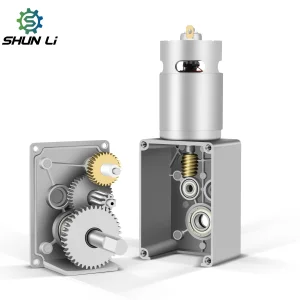
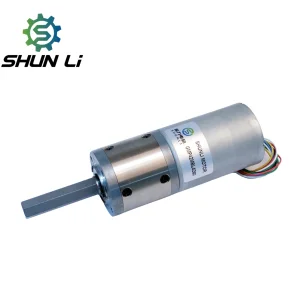
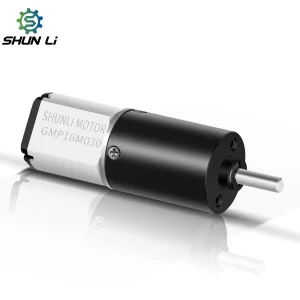
Explore our top-tier precision electromechanical solutions, engineered for maximum force density, operational quietness, and ultra-long cycle lifespan.
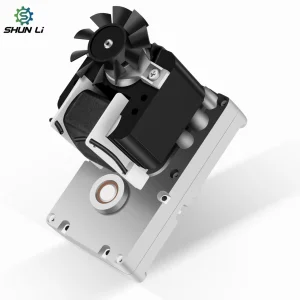
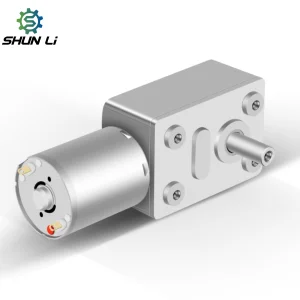
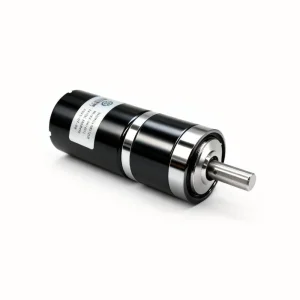
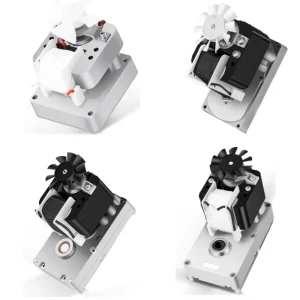
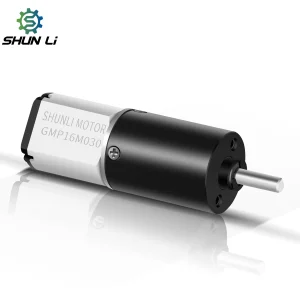
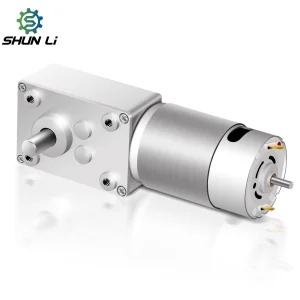
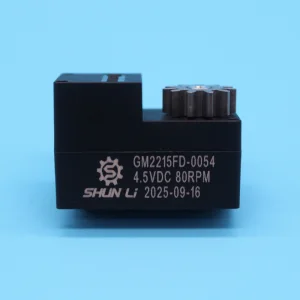
Understanding the evolution of micro electromechanical actuators in global high-tech hardware ecosystems.
In the era of hyper-connected IoT devices, tactile haptic interfaces, wearable medical sensors, and automated robotic systems, physical feedback has transitioned from a crude mechanical alert to a highly sophisticated sensory experience. At the epicenter of this technological shift are micro vibrating motors—specialized electro-mechanical actuators designed to convert rotational or linear electrical energy into precise mechanical oscillations. As global technology brands push the boundaries of miniaturization, the demand for high torque density, low power consumption, zero latency, and whisper-quiet performance has escalated exponentially.
China has firmly established itself as the world’s primary manufacturing hub and technological innovation engine for vibrating motors and micro geared drives. Accounting for over 75% of global output, China’s industrial ecosystem blends complete vertical supply chain integration—from rare-earth Neodymium magnet synthesis to automated ultra-fine wire coil winding—with advanced engineering agility. Modern Chinese OEM/ODM factories are no longer merely low-cost contract manufacturers; they are strategic innovation partners capable of delivering custom electromagnetic architectures tailored to strict aerospace, automotive, medical, and consumer electronics criteria.
Selecting the ideal vibrating motor factory requires analyzing beyond simple unit pricing. B2B buyers must evaluate dynamic balancing precision, contact resistance consistency, thermal dissipation capabilities, ambient operational humidity tolerances, and total lifecycle MTBF (Mean Time Between Failures). This whitepaper serves as an exhaustive technical guide for procurement directors, product designers, and systems engineers seeking to leverage China’s advanced electromechanical manufacturing capabilities.
Packing Massive Torque & Vibration Amplitude Into Miniature Form Factors.
Inside a premium robotic joint, an automated medical pump, or a high-end smart lock, space is the ultimate luxury. At DyneticPro, we measure our success in micrometers and decibels. Our core engineering mission is to take advanced, heavy-duty rotational power and compress it into the most compact, energy-efficient footprints imaginable without compromising structural integrity or operating lifespan.
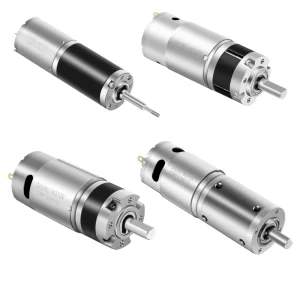
Our expertise lies in the micro-details of motion. From precision-wound copper rotors and high-purity commutators to zero-backlash planetary gear trains, every single internal component of a DyneticPro motor is optimized to eliminate friction and maximize heat dissipation. By combining advanced automated Swiss-style hobbing with Japanese dynamic balancing, we ensure our micro drives deliver the fluid, whispering-quiet power your brand promises. When your next high-tech innovation relies on repeated mechanical perfection, let DyneticPro be the core that spins it forward.

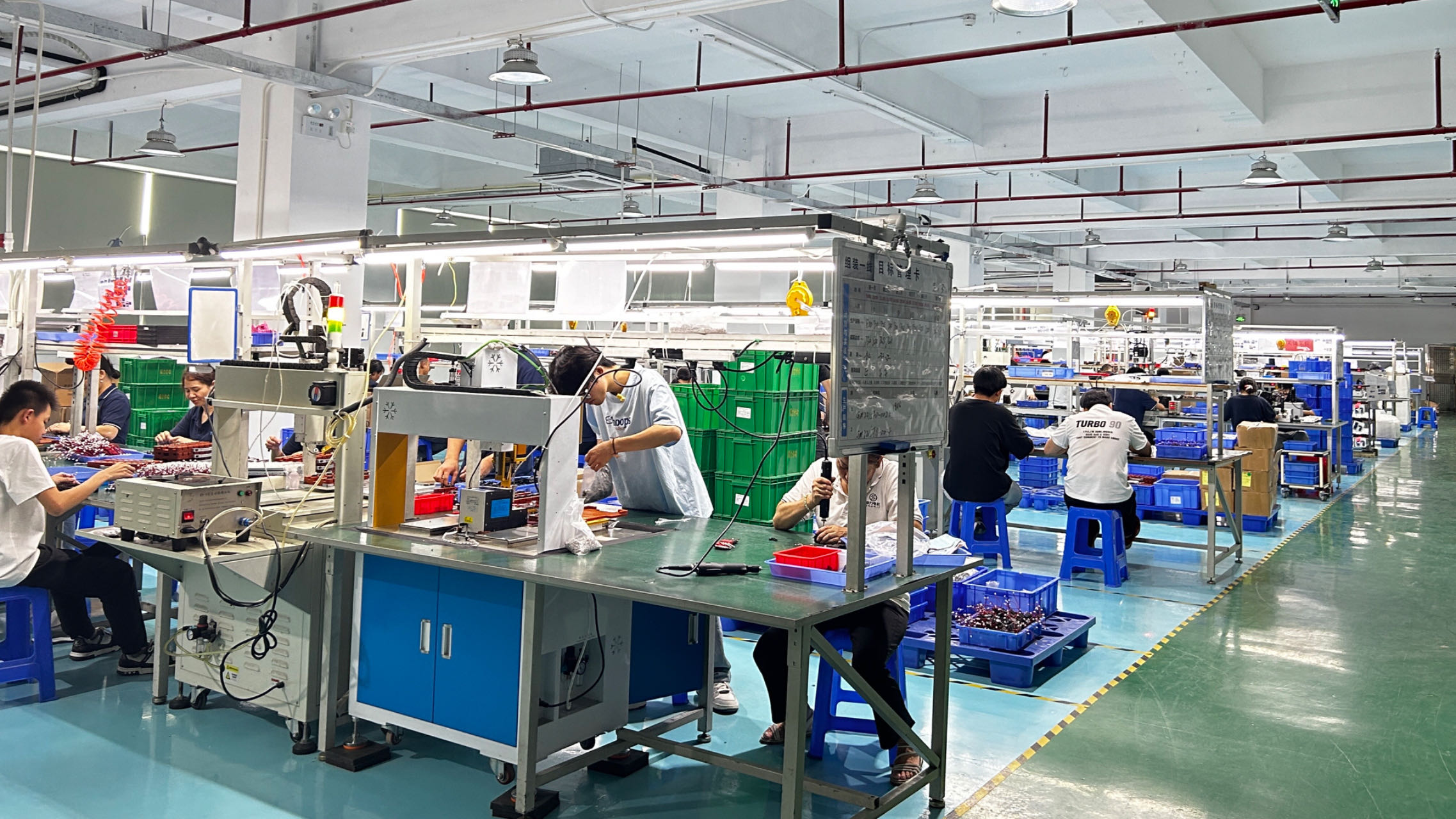
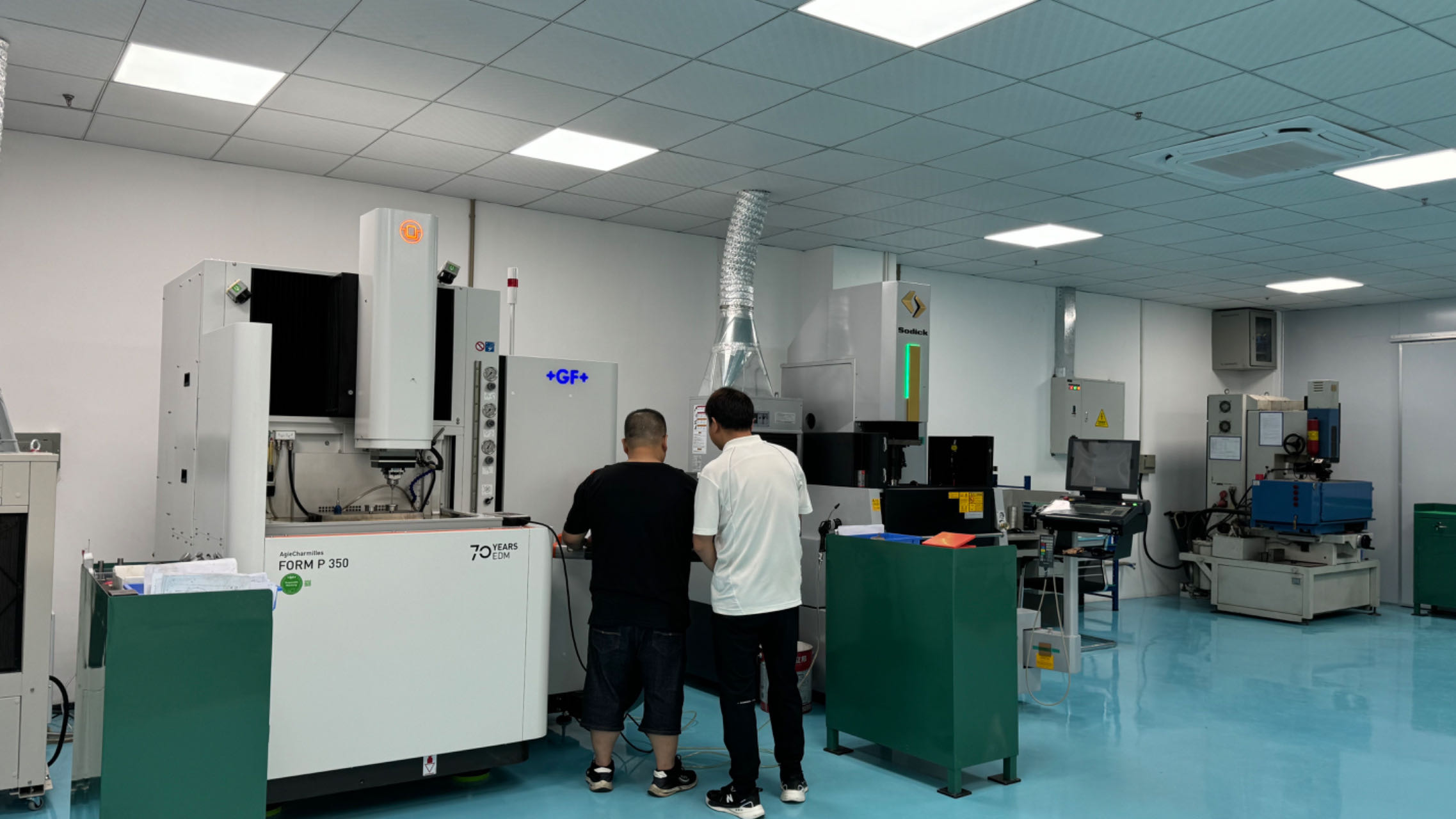
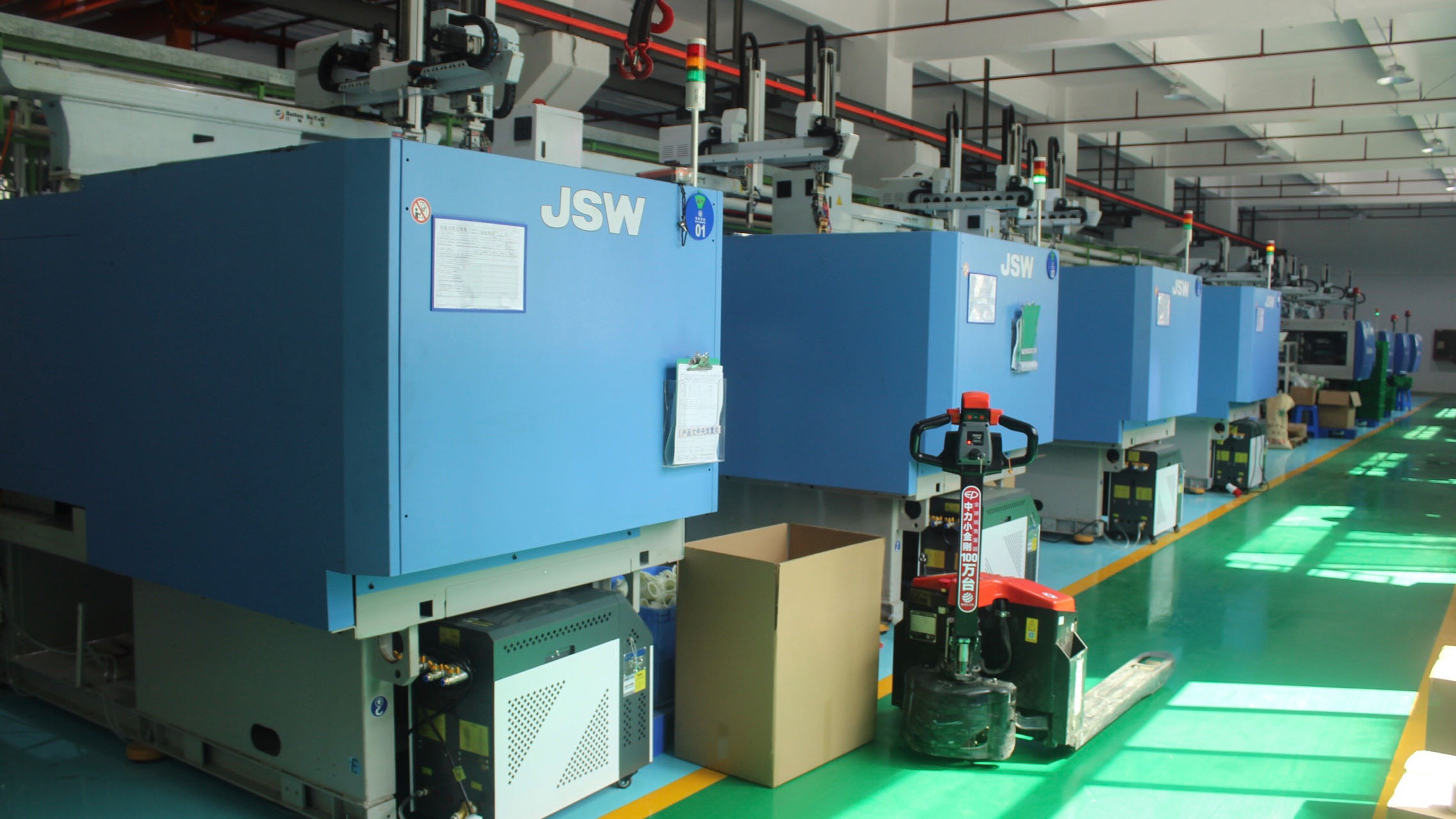
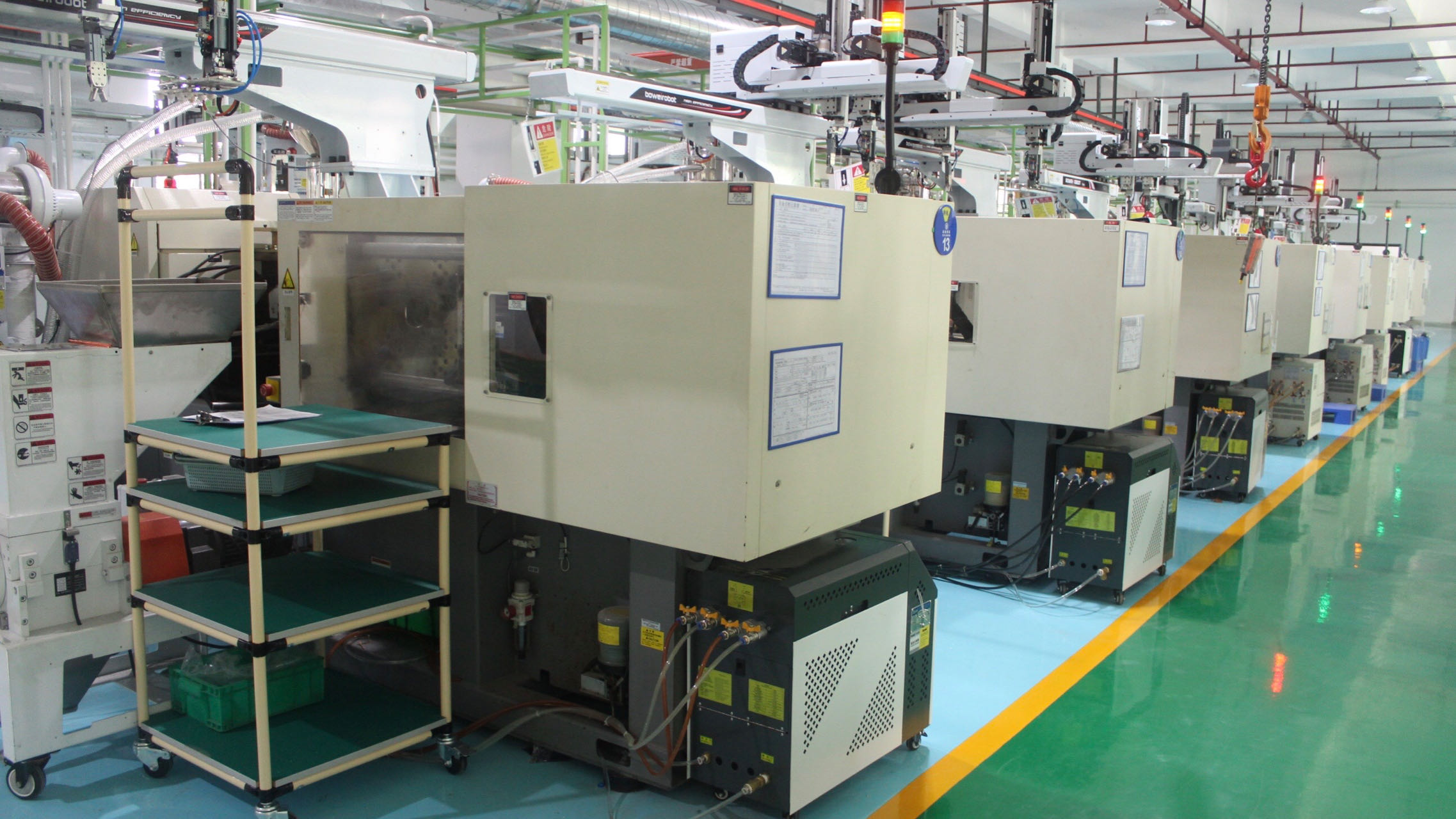
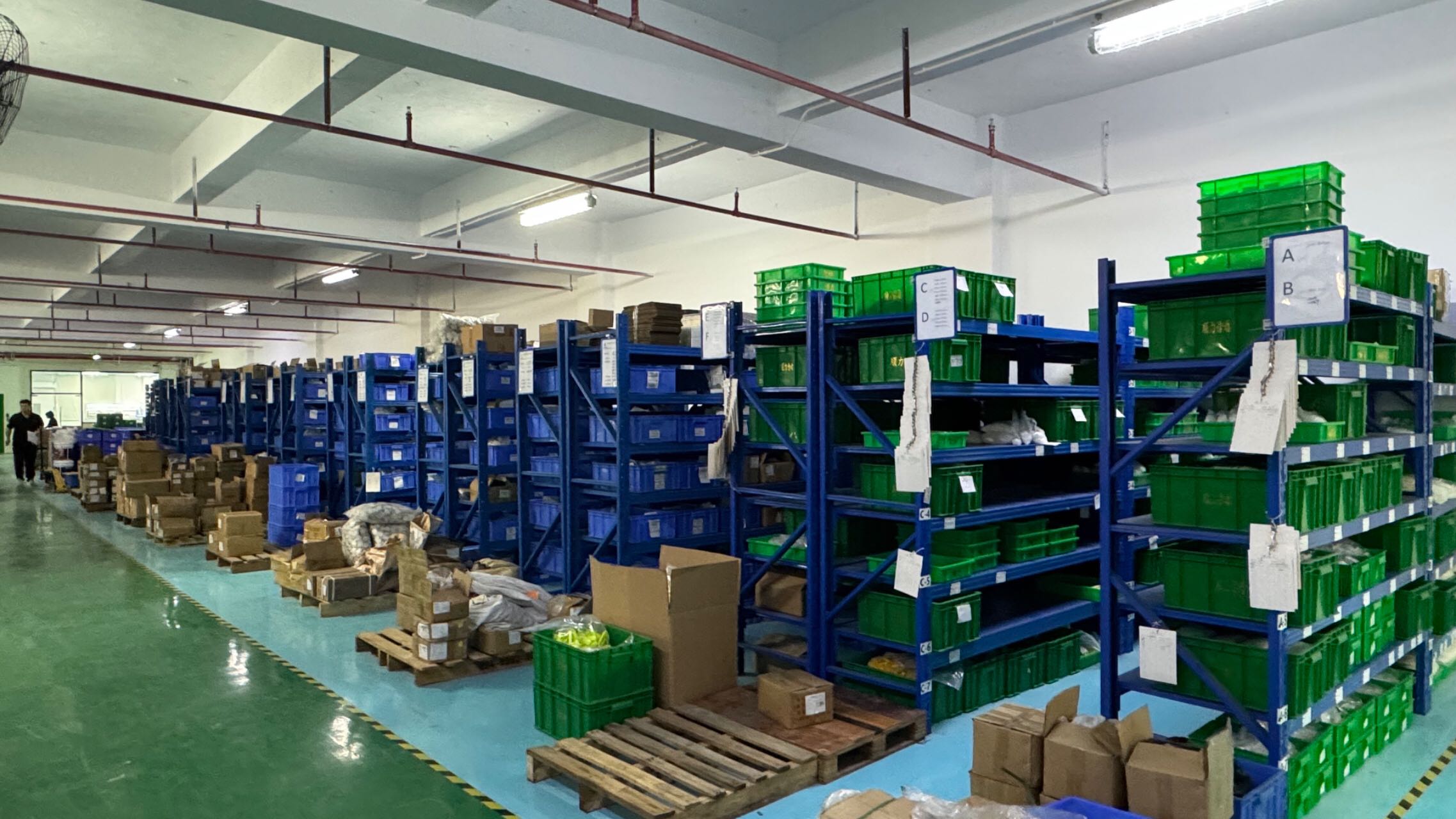
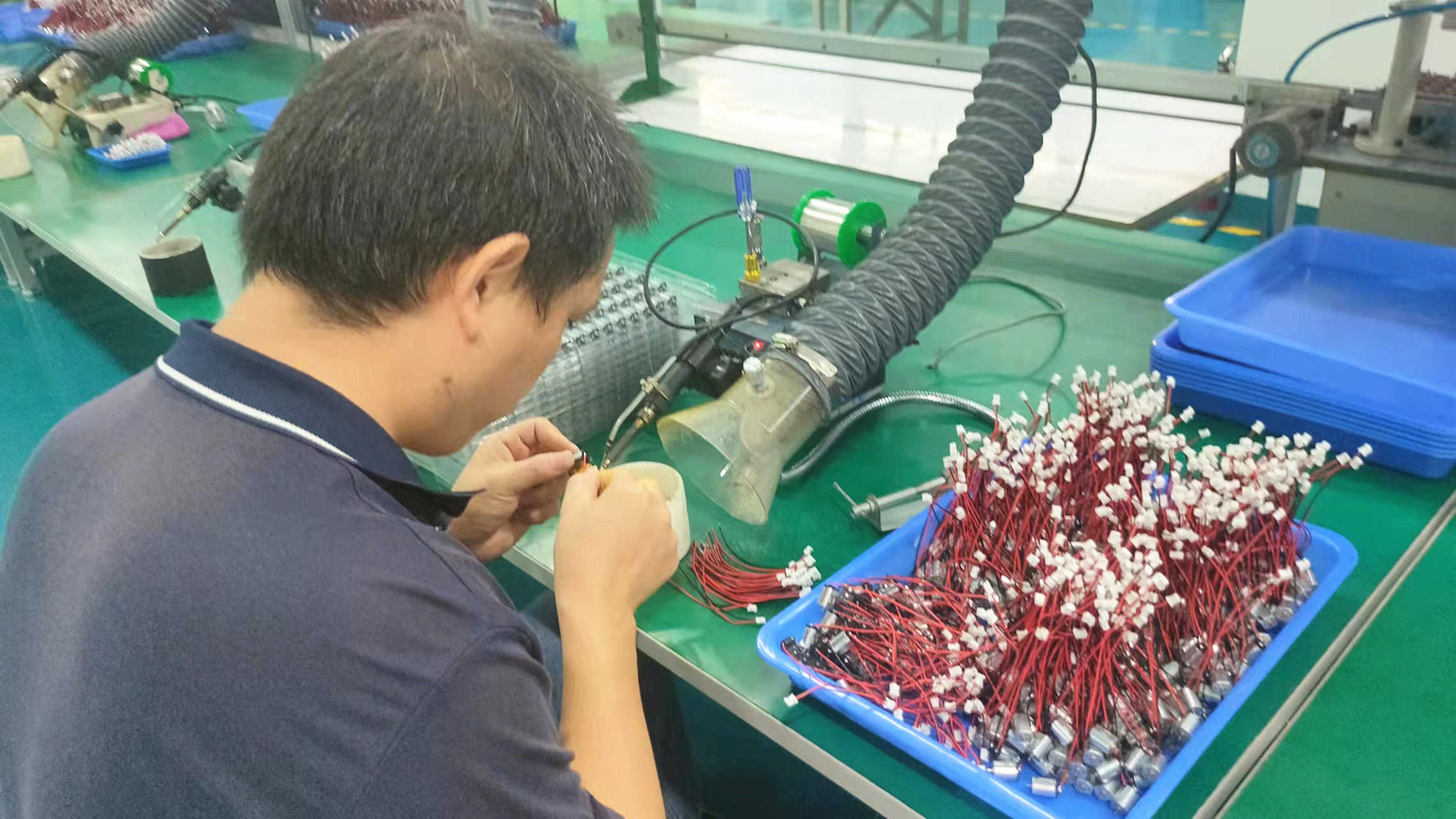
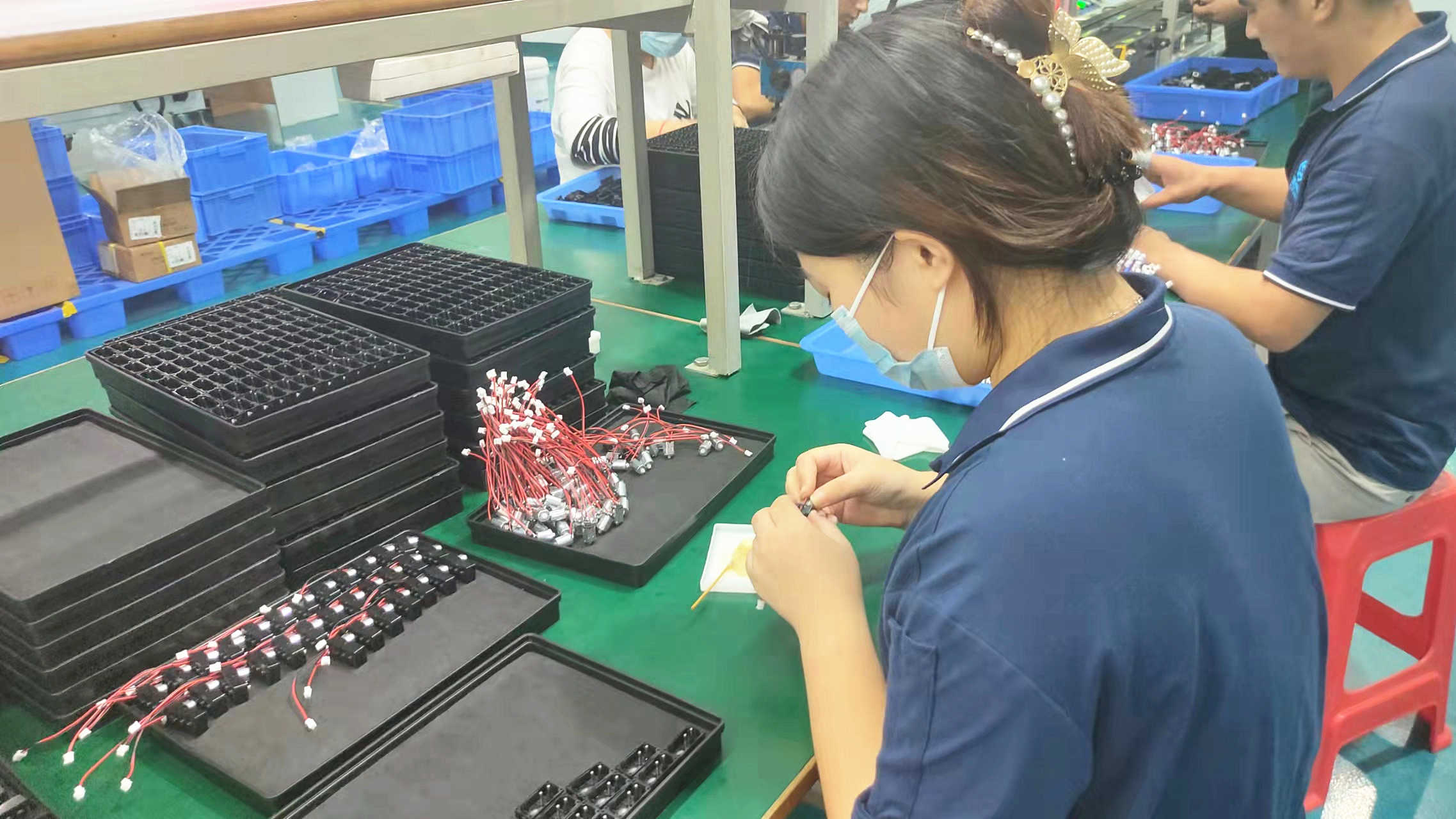
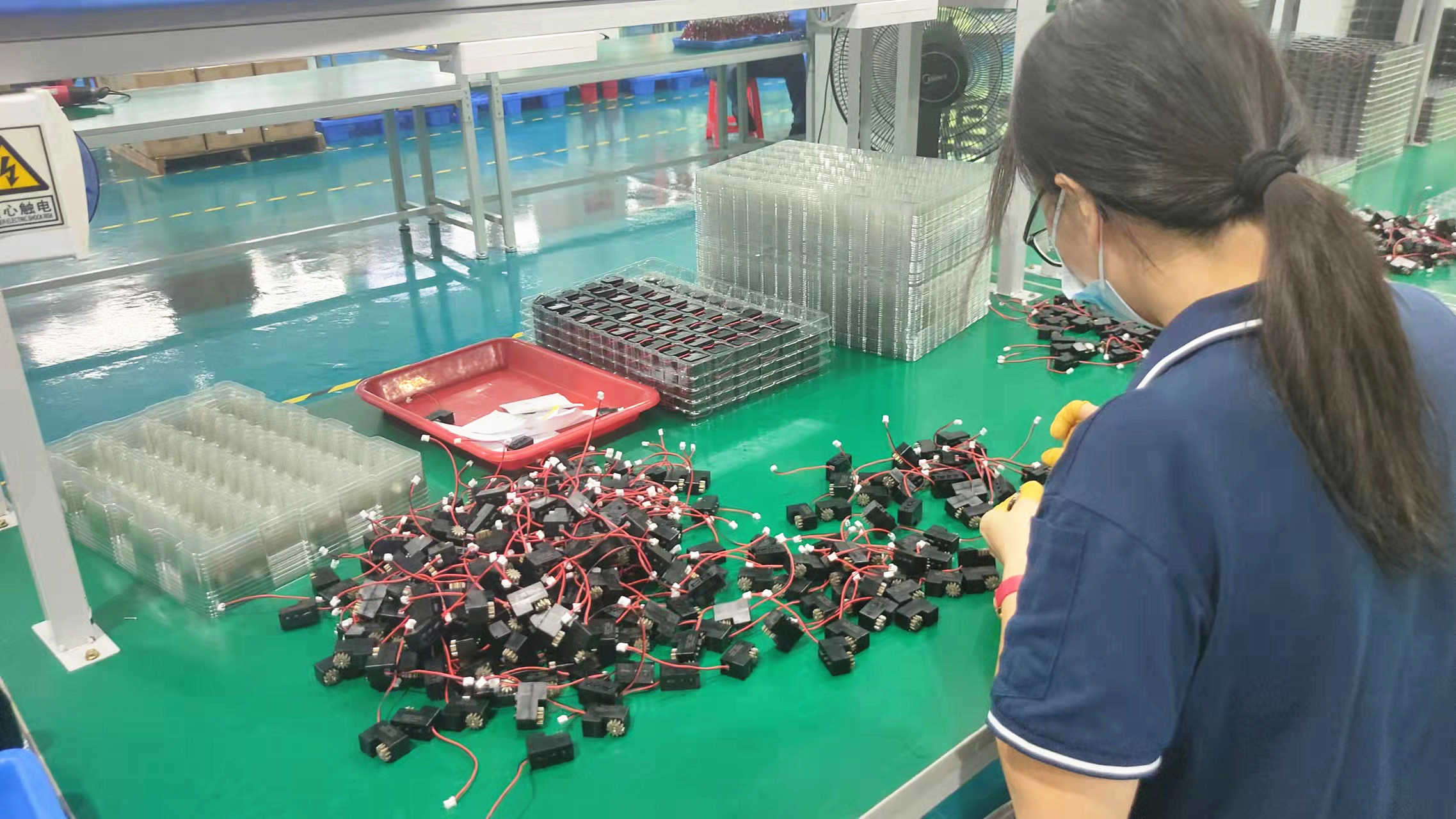
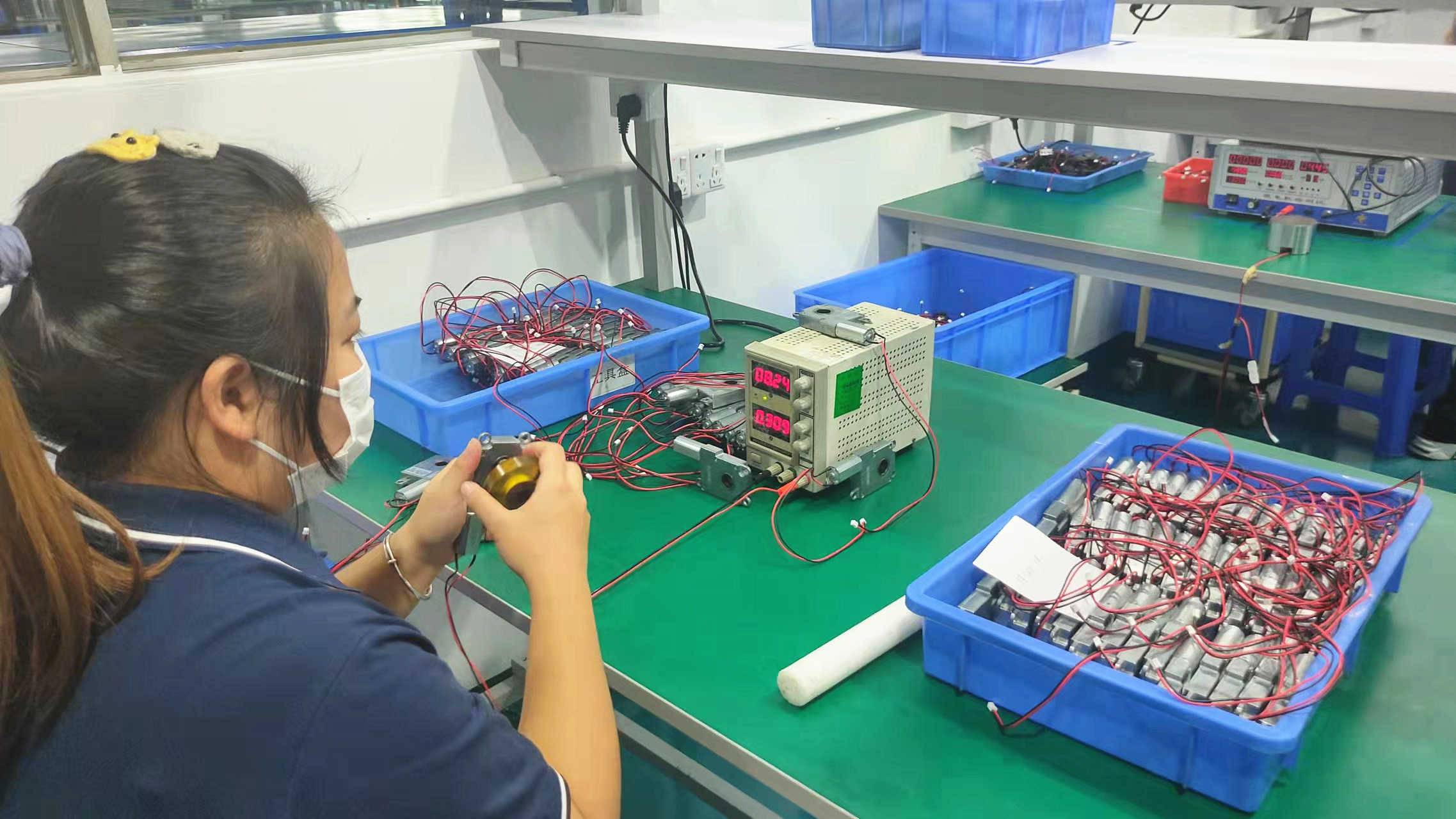
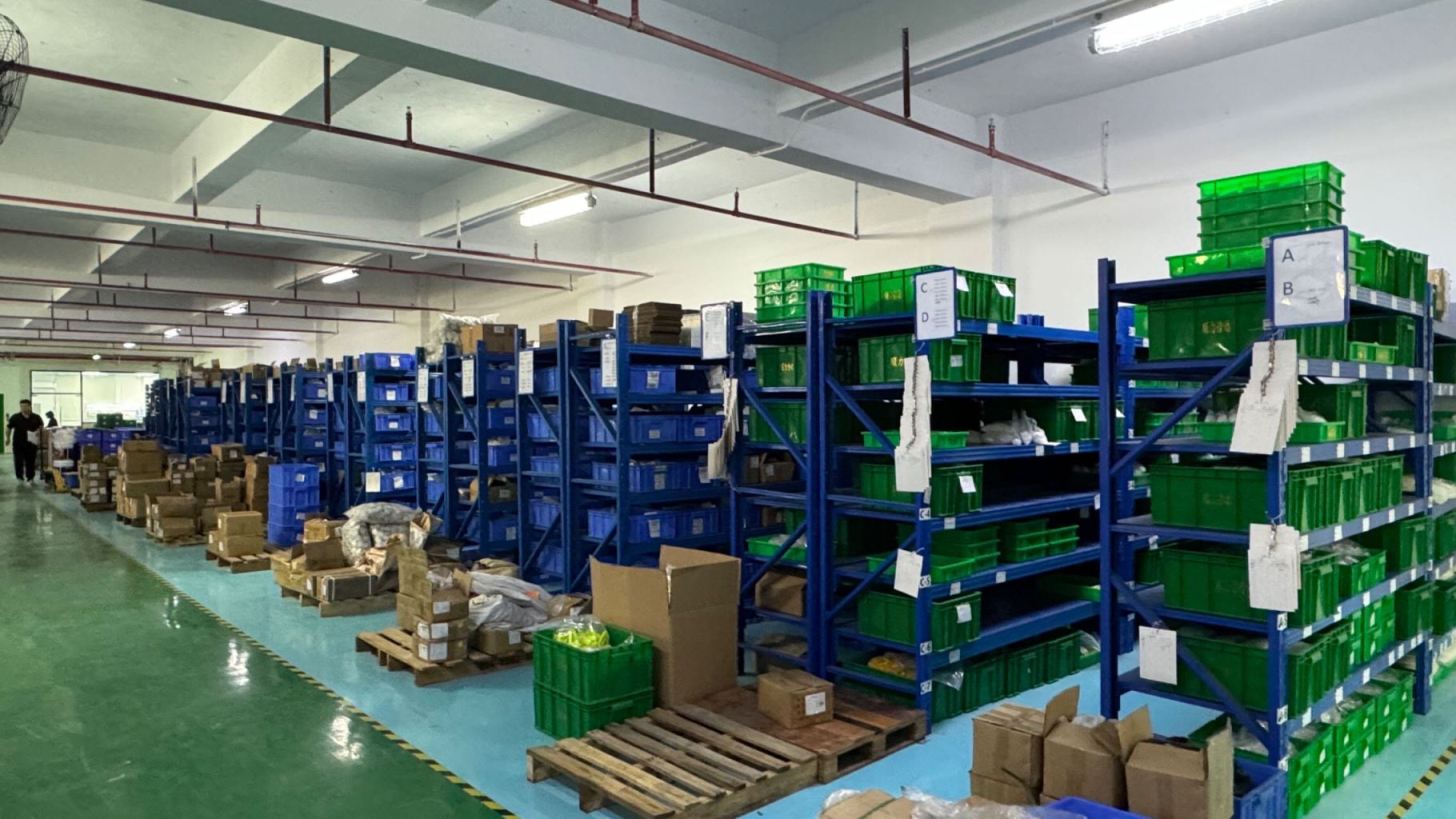
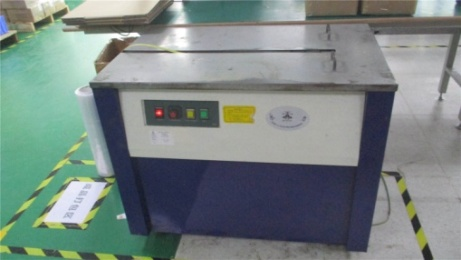
Our end-to-end manufacturing flow guarantees complete traceability from raw copper wire ingot receiving down to hermetically sealed anti-static final packaging:

A comparative engineering breakdown for system designers selecting optimal haptic & tactile components.
Micro vibrating motors generally fall into three distinct architectural categories based on their internal magnetic configuration and motion dynamics: Eccentric Rotating Mass (ERM), Linear Resonant Actuators (LRA), and Brushless DC Vibrating Motors (BLDC). Choosing the right physical principle drastically impacts power budget, response time, and haptic texture fidelity.
| Motor Technology | Motion Principle | Response Time (Rise/Fall) | Vibration G-Force Amplitude | Operational Lifespan | Primary B2B Target Applications |
|---|---|---|---|---|---|
| ERM (Brushed DC) | Unbalanced Eccentric Mass Rotation | 50ms - 100ms | 0.8G - 3.5G | 500 - 1,000 Hours | Pager alerts, massagers, budget mobile hardware, basic toys |
| LRA (Linear Actuator) | Spring-Mass Oscillating Magnetic System | 10ms - 30ms | 1.2G - 2.8G | 2,000 - 5,000 Hours | Smartphones, HD gaming controllers, VR haptic suits |
| BLDC Micro Vibrator | Brushless Magnetic Stator/Rotor | 15ms - 40ms | 1.0G - 5.0G | 10,000+ Hours | Automotive HMI touchscreens, industrial wearables, medical equipment |
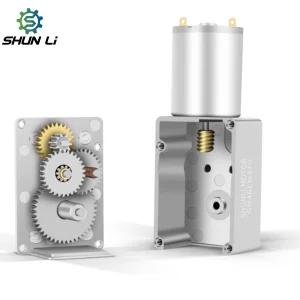
| Geared Micro Actuator | Planetary / Worm Gear Reduction Drive | N/A (Continuous High Torque) | N/A (High Angular Torque) | 3,000 - 8,000 Hours | Smart door locks, automated valves, medical dosing pumps, robotics |
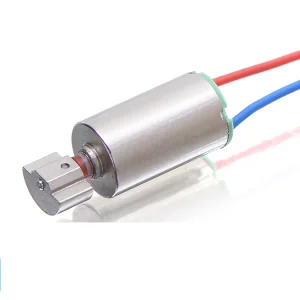
ERM motors rely on an off-center mass attached to the shaft. As the shaft spins, the asymmetrical weight creates centrifugal force vectors resulting in multi-directional mechanical vibration. Highly cost-effective and straightforward to drive via simple DC voltage control.
LRA motors move a voice coil magnetic mass linearly along a single axis against a calibrated spring assembly. Driven by an AC sine wave at resonant frequency, LRAs offer instant click feedback, high efficiency, and minimal noise bleed.
Brushless designs eliminate physical carbon brush friction entirely. Operating via electronic commutation, BLDC micro vibrators provide extreme operational reliability, making them mandatory for zero-downtime medical instruments and automotive dashboards.
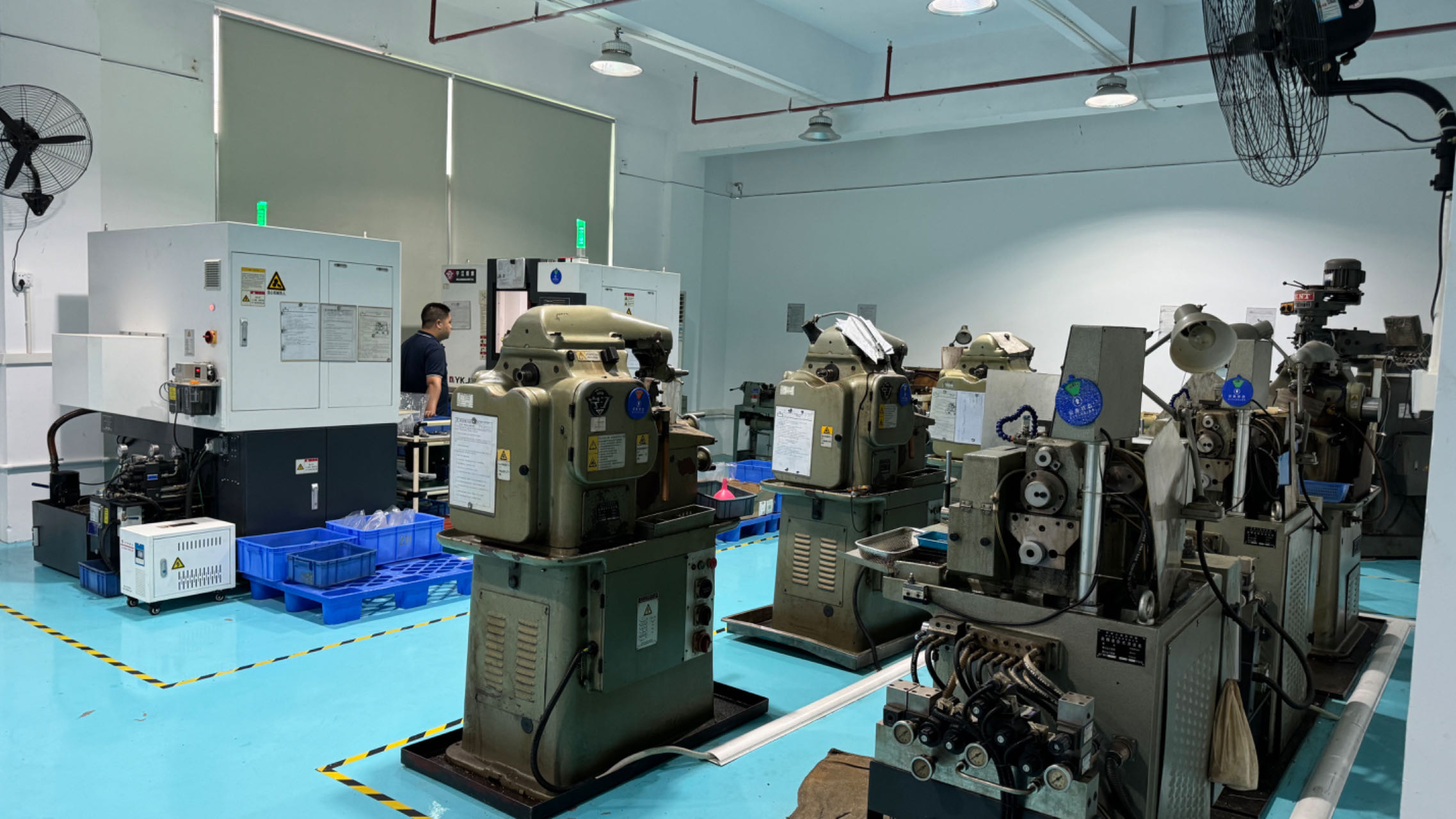
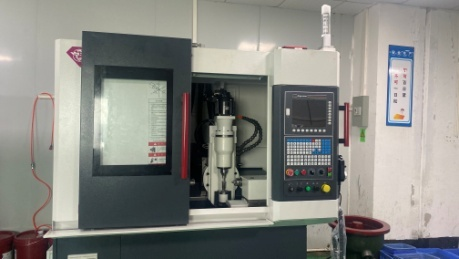
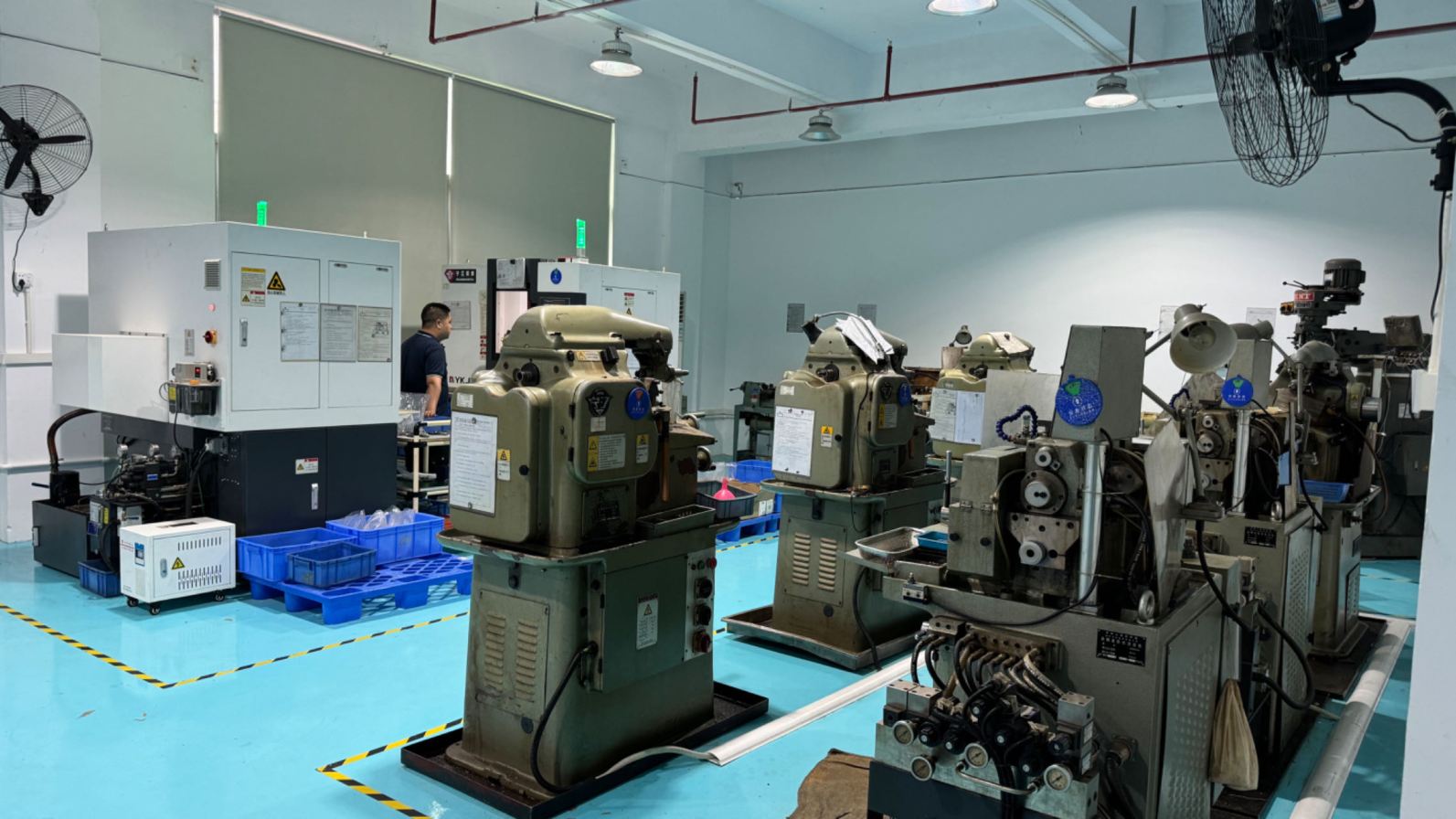
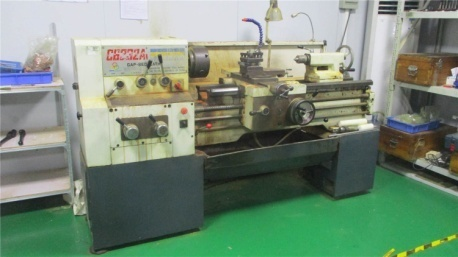
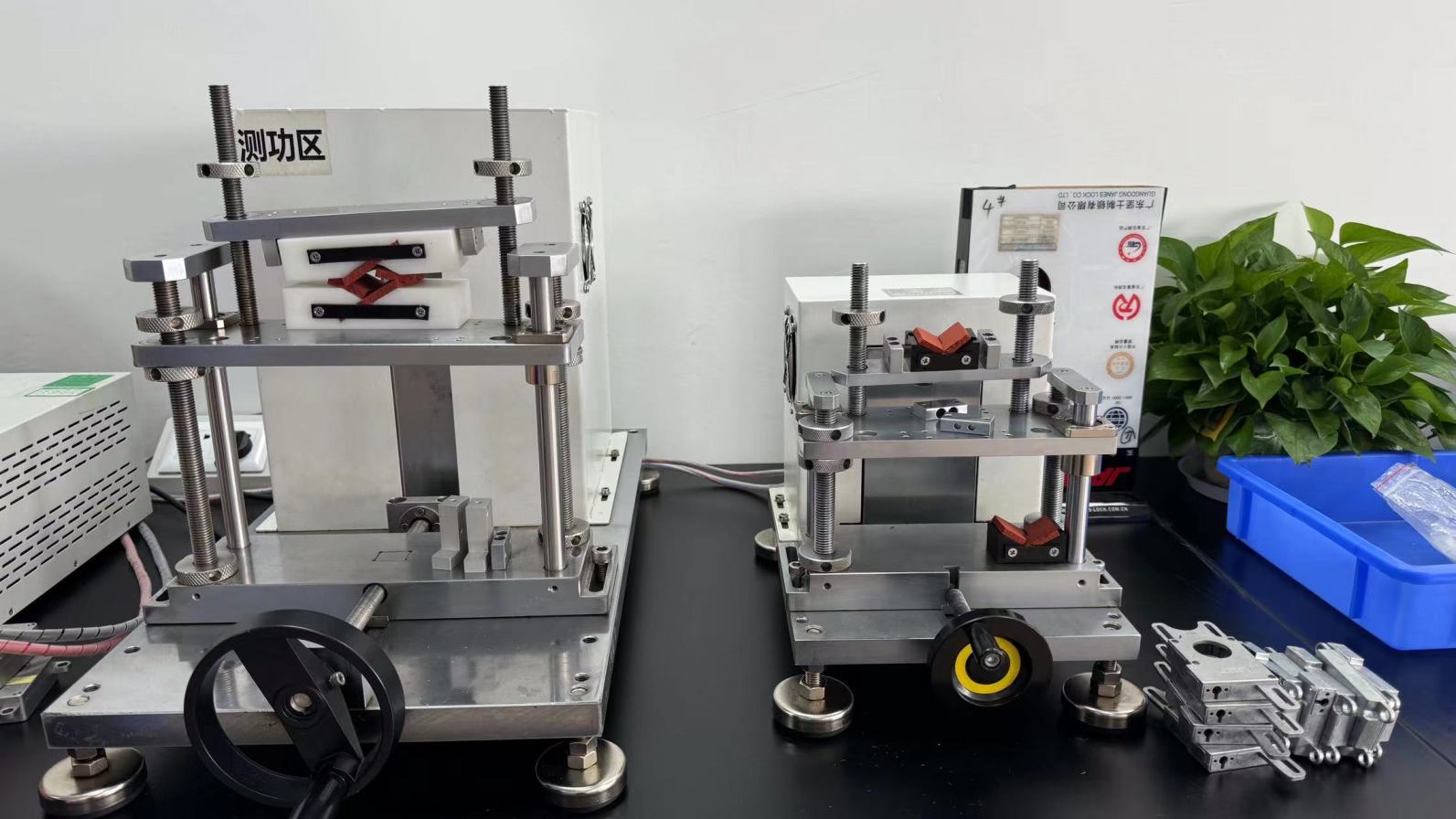
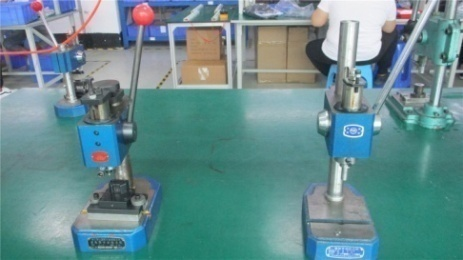
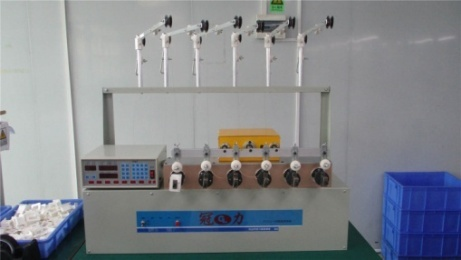
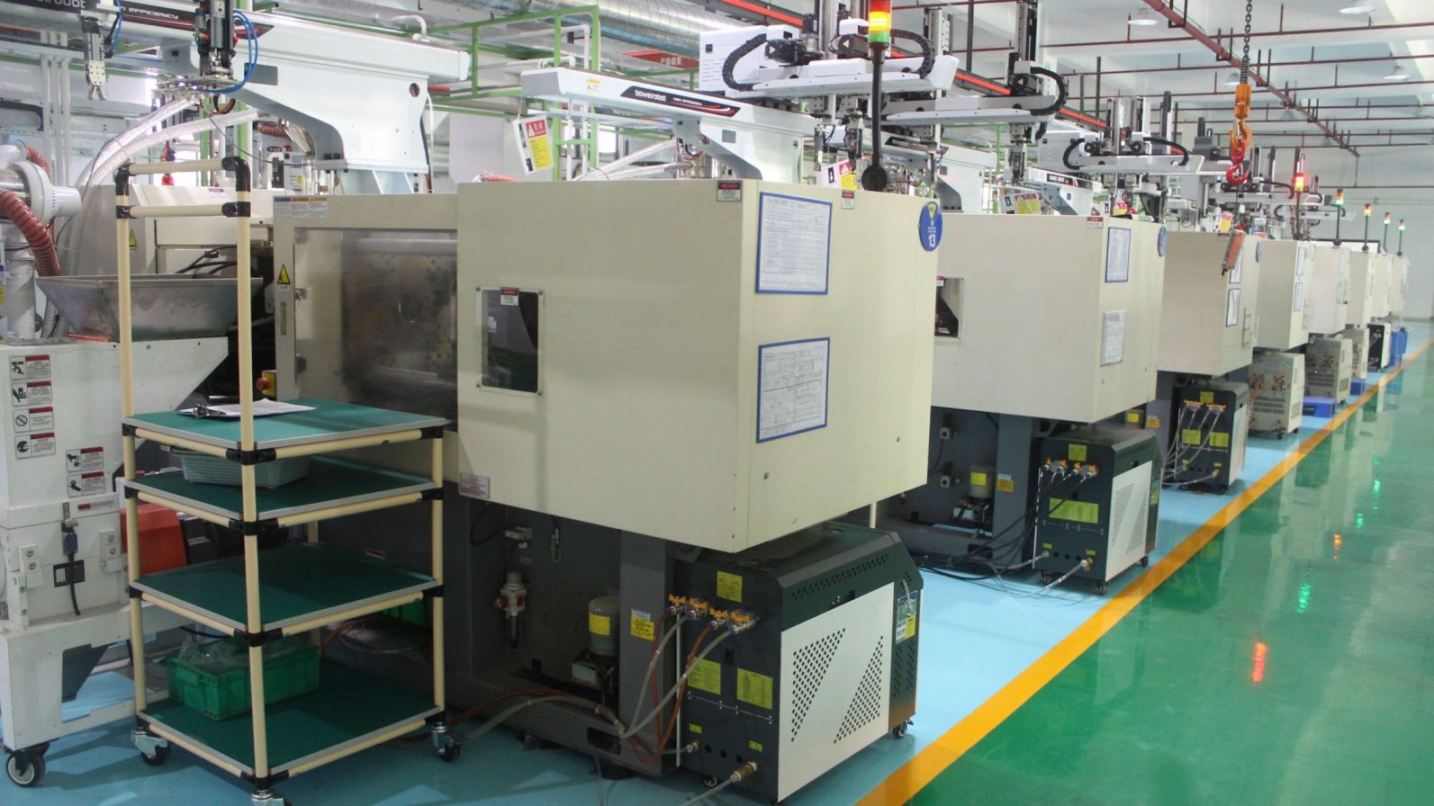
High-precision Swiss-style hobbing, Japanese dynamic balancing, and automated micro-assembly lines.
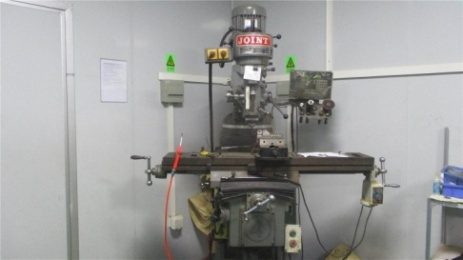
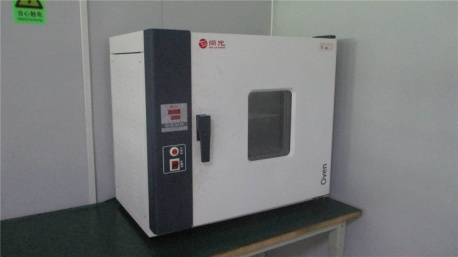
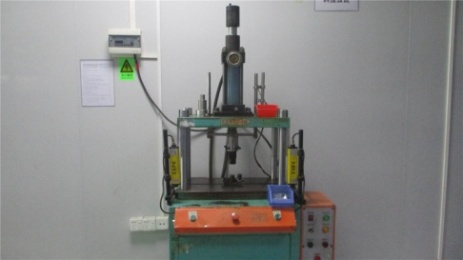
Micro-motor efficiency and noise levels are directly governed by machining tolerances. A sub-micron offset in shaft concentricity or a tiny flash on a gear tooth can lead to acoustic noise spikes exceeding 45dB and premature gear tooth fatigue. Our production facilities deploy high-precision machine tools imported from global leaders alongside top-tier domestic CNC platforms to maintain tolerances within ±0.002 mm.
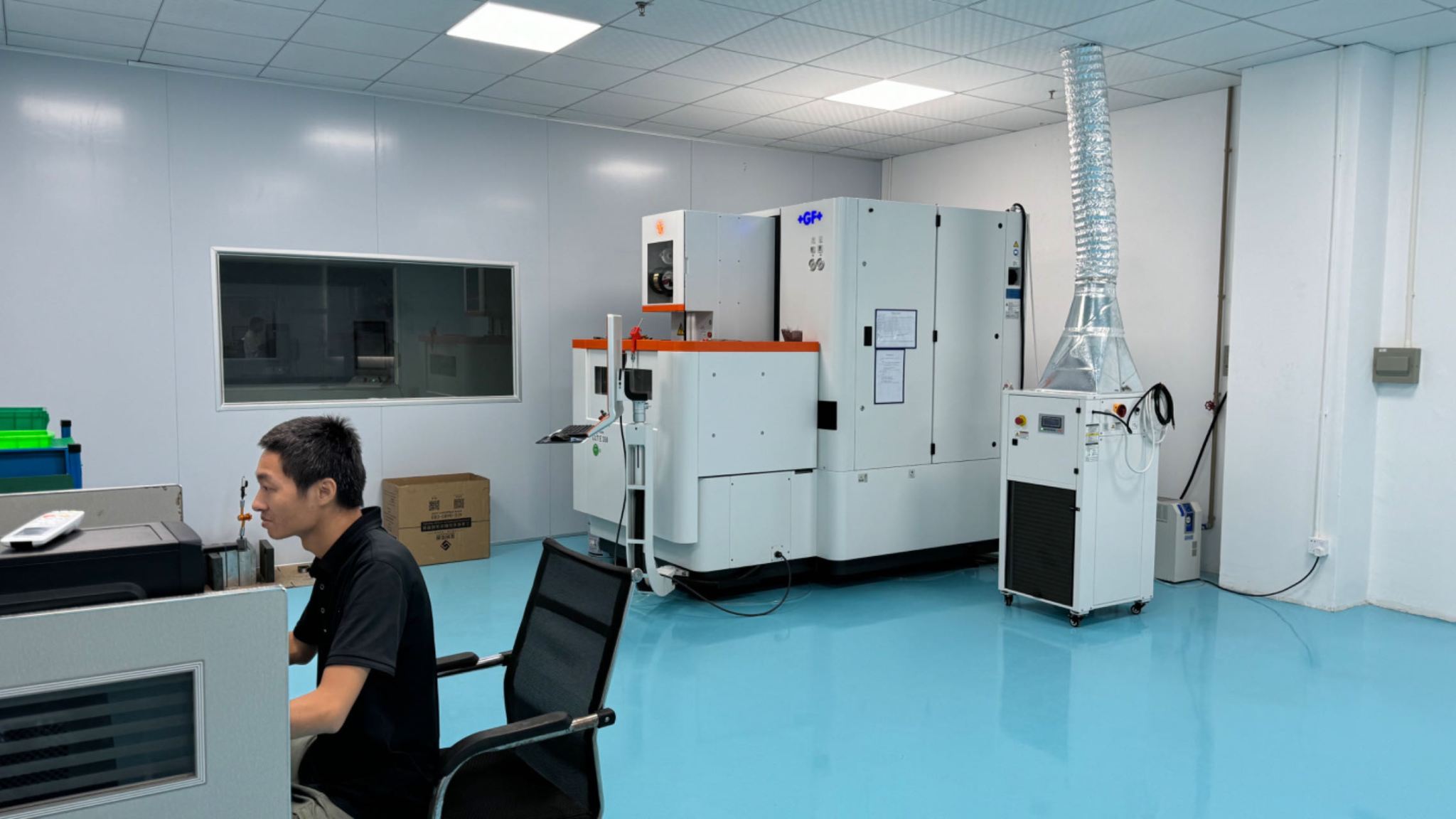
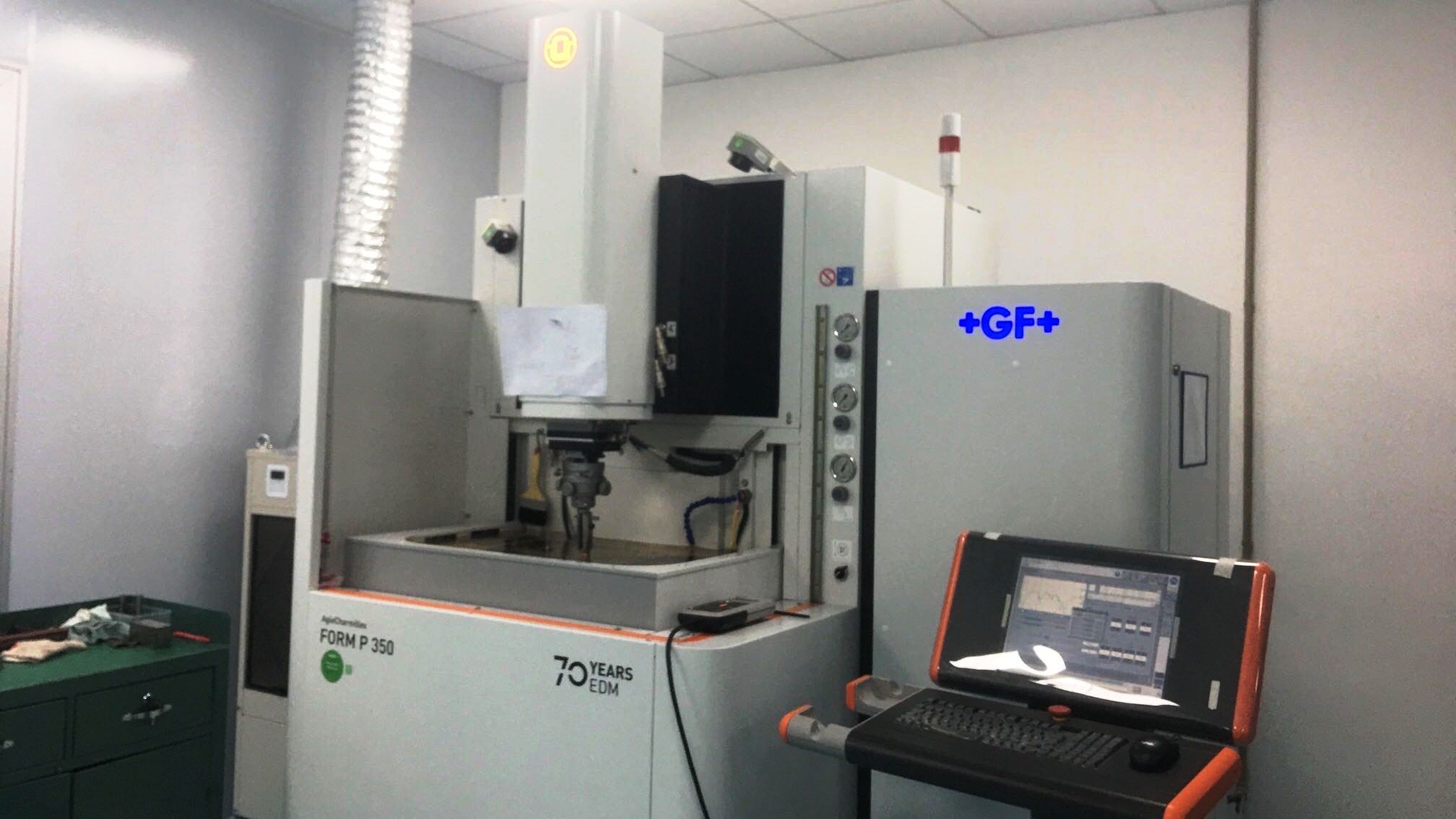
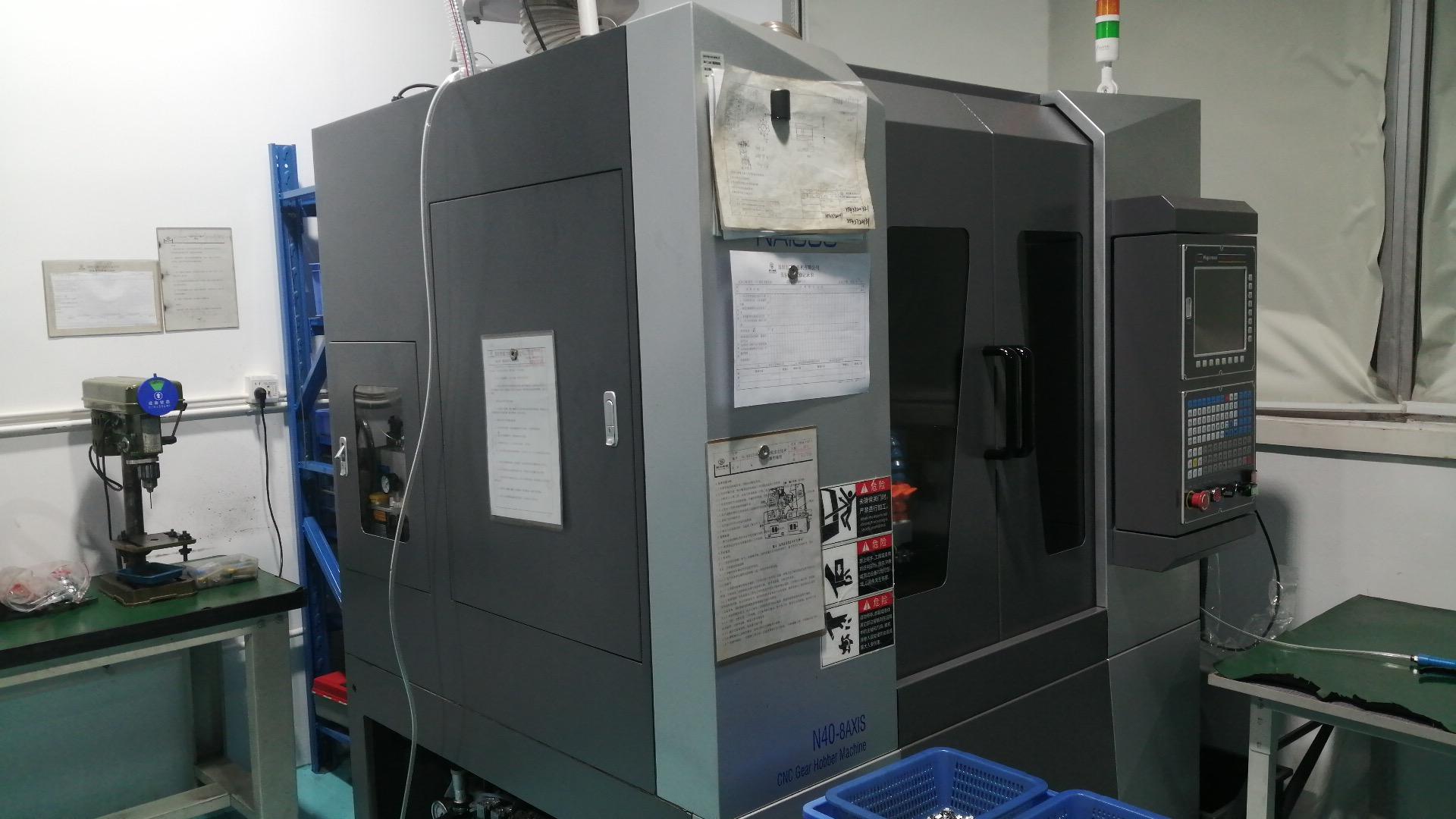
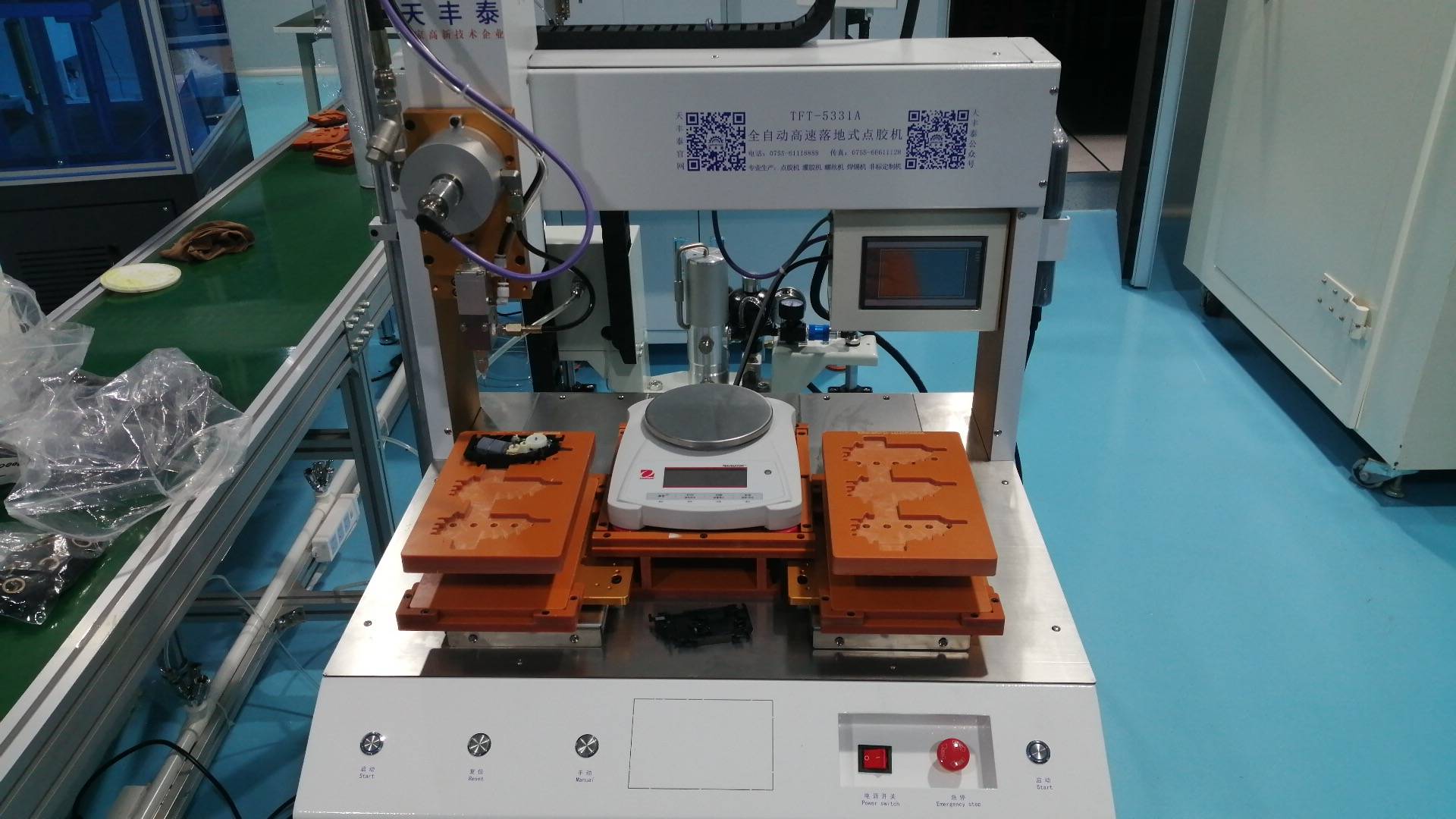
Why sourcing micro vibrating motors directly from Chinese factory clusters optimizes speed-to-market and BOM efficiency.
Global OEM/ODM buyers frequently encounter procurement trade-offs between unit piece price, prototyping velocity, scale capacity, and quality consistency. China’s micro electromechanical cluster offers unprecedented strategic advantages that resolve these traditional trade-offs:
Direct access to domestic NdFeB (Neodymium-Iron-Boron) rare-earth mining and processing guarantees secure access to Grade N52SH high-coercivity magnets. This raw material security protects global clients from magnet supply chain shocks while lowering BOM costs by 20–30%.
With localized tooling shops, wire extrusion facilities, and stamp housing suppliers concentrated in the Pearl River and Yangtze River Deltas, custom sample iterations are turned around in 5–7 business days, compared to 4–6 weeks in Western regions.
Automated coil winding, laser spot welding, and robotic optical placement enable continuous multi-million unit monthly production runs. High automation ensures minimal scrap rates (<0.15%) and batch-to-batch electromechanical consistency.
From smart residential security to wearable medical therapy and automotive human-machine interfaces (HMI).
Micro geared motors and miniature vibrating actuators provide the locking deadbolt driving force and keyless tactile feedback in electronic door hardware. High gear ratios ensure torque up to 25 kg·cm while operating quietly beneath door paneling.
Modern vehicle cockpits replace physical switches with capacitive touch screens and haptic steering controls. Specialized vibration motors generate clear, localized physical confirmational pulses to enhance driver safety without auditory distraction.
From automated insulin delivery pumps requiring continuous micro-dosing to non-invasive vibro-acoustic physical therapy wearables, waterproof micro coin and cylindrical vibrators provide reliable, biocompatible mechanical motion.
High-torque planetary and worm gear micro DC motors empower end-of-arm tooling (EOAT), humanoid joint flexors, and surgical robotic wrists where compact footprint and ultra-low gear backlash are mandatory.
Rigorous parametric validation ensuring zero-defect delivery across global supply networks.
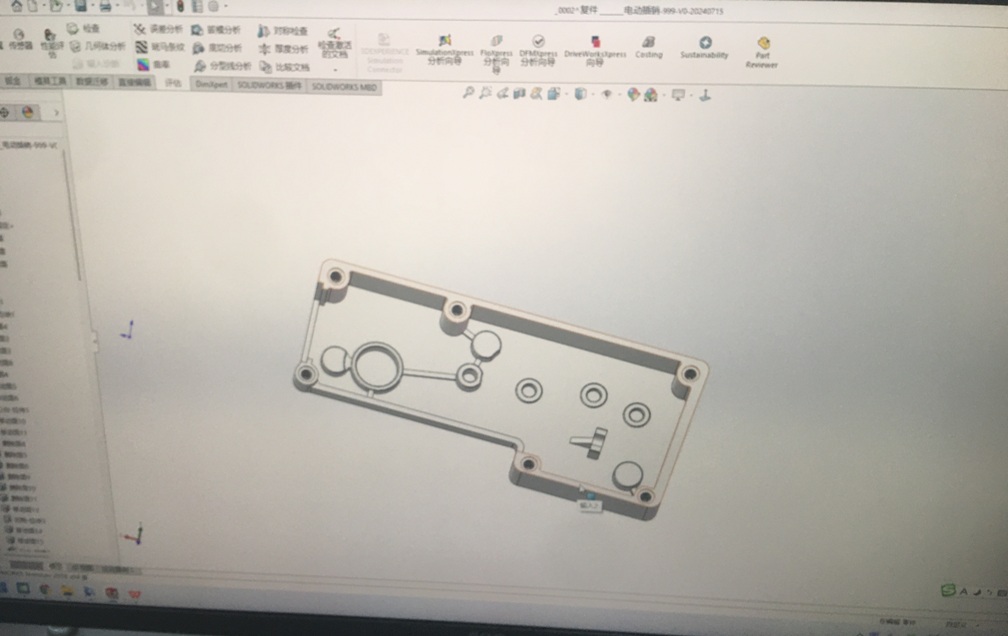
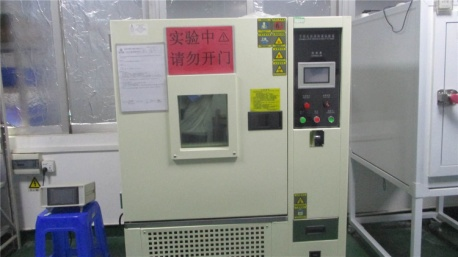
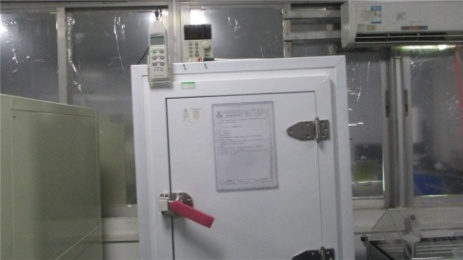
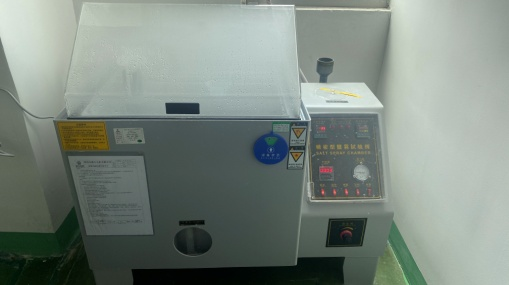
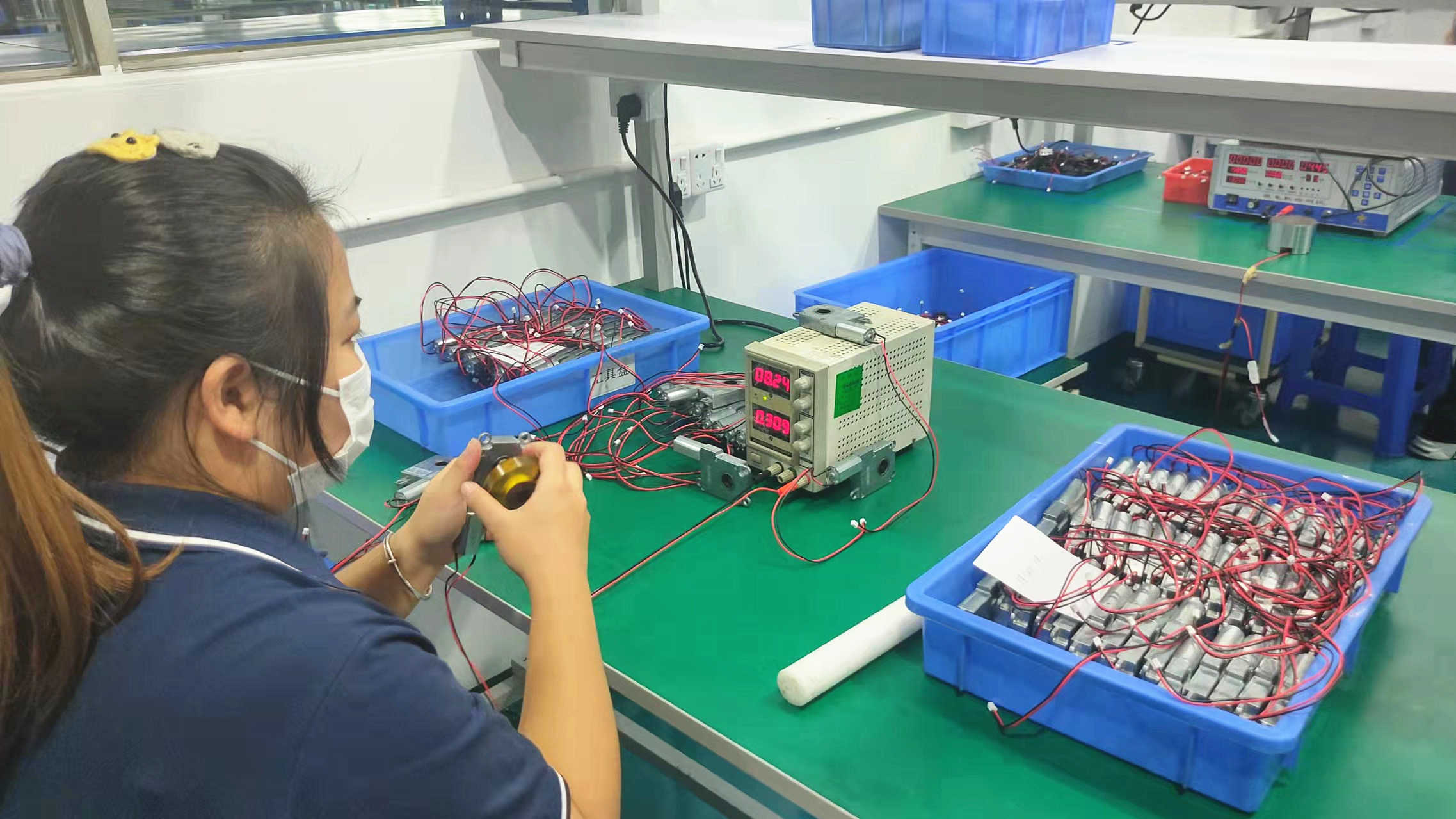
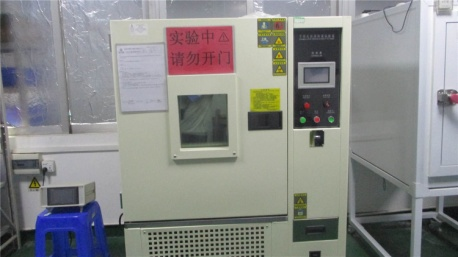
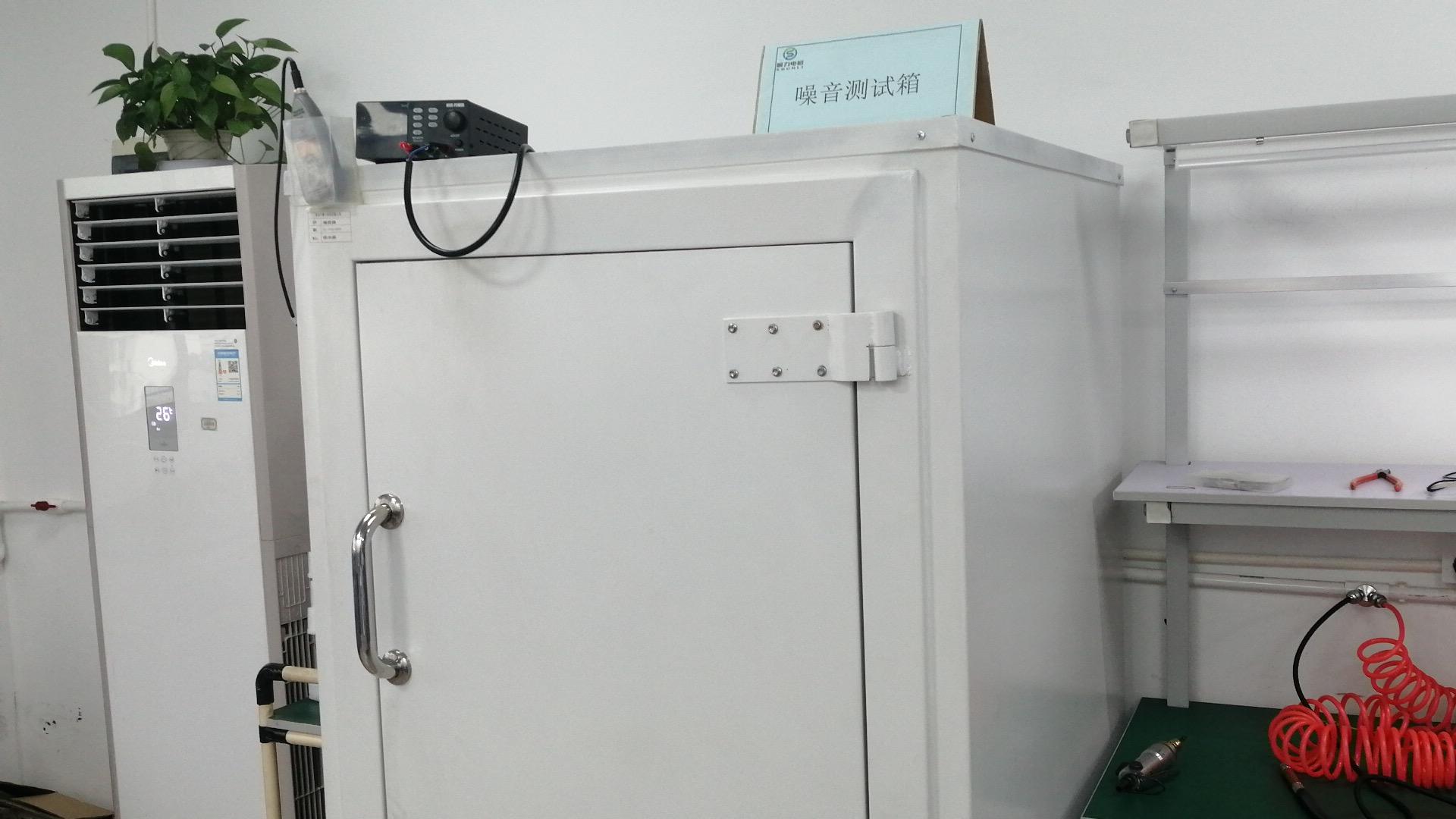
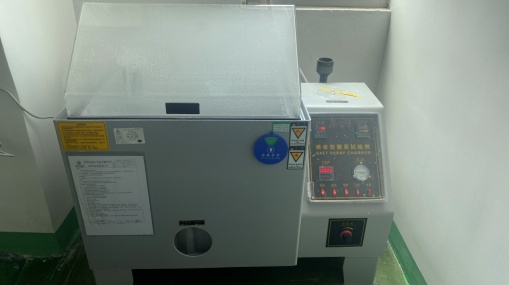
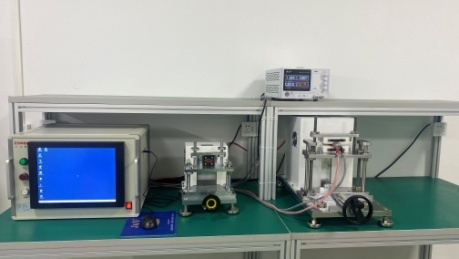
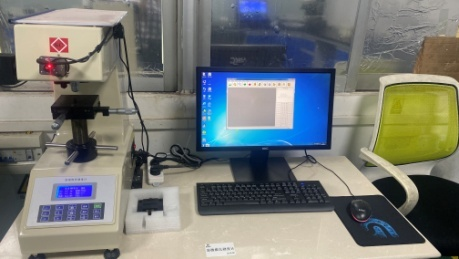
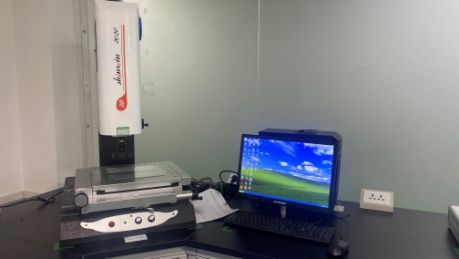
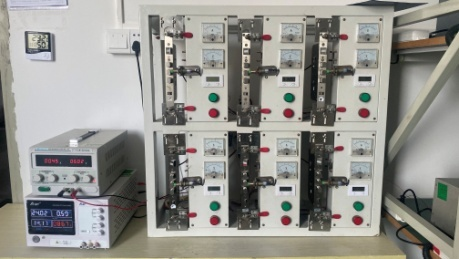
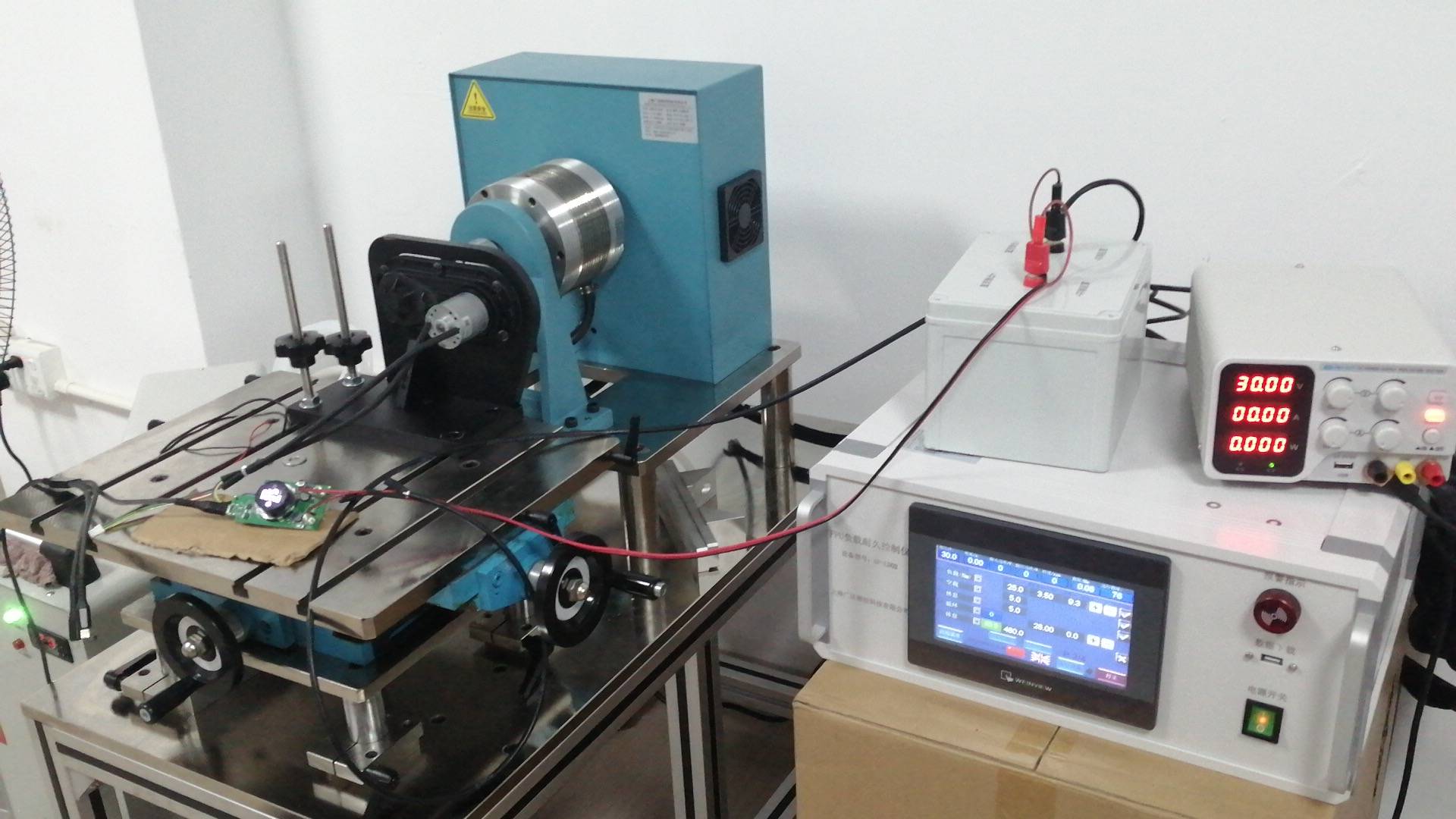
Reliability is non-negotiable. Every production lot undergoes rigorous mechanical, electrical, environmental, and acoustic inspection. Our testing labs are fully equipped with state-of-the-art diagnostic instruments to certify compliance with international regulatory bodies (CE, RoHS, REACH, ISO9001, IATF 16949).
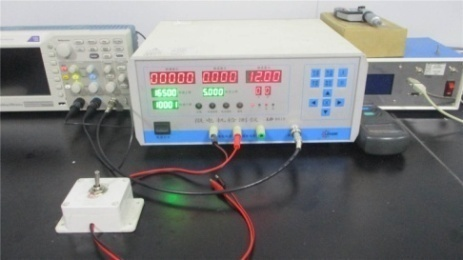
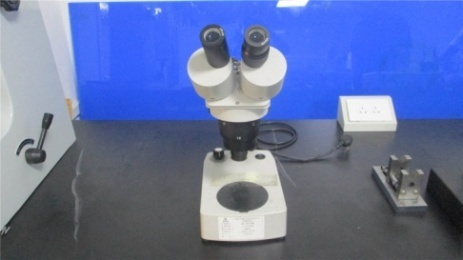
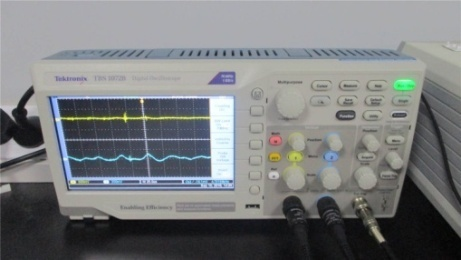
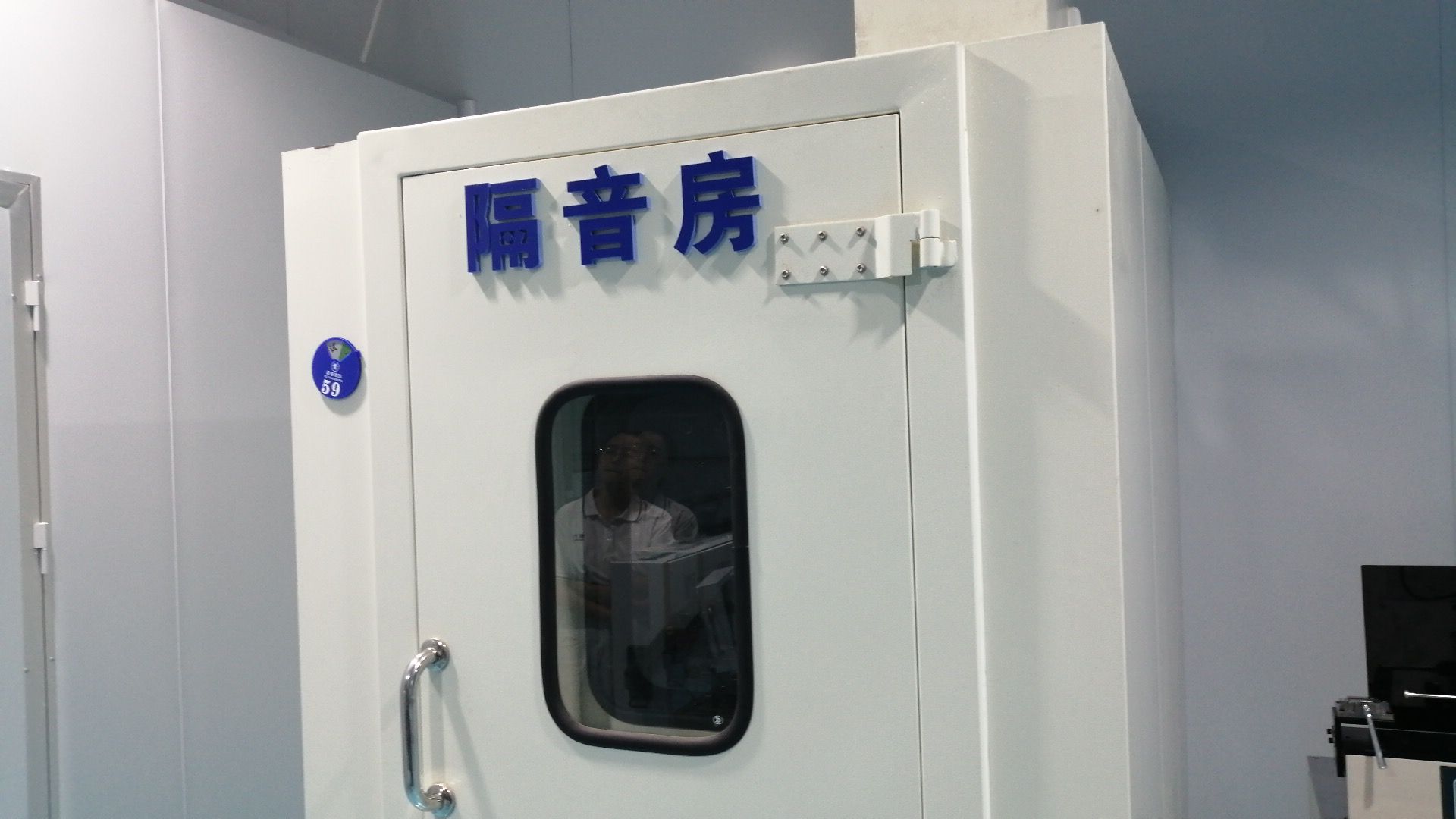
Expert engineering answers to critical hardware selection and supply chain inquiries.
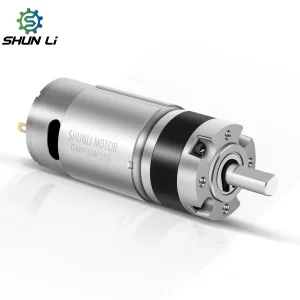
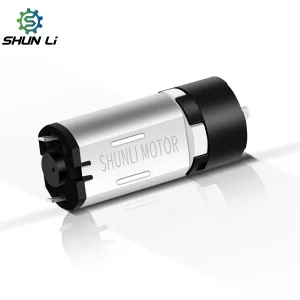
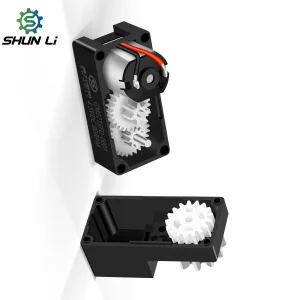
Explore our specialized gearboxes, brushless drives, and mini vibration motors engineered for industrial robotics and IoT applications.
 DyneticPro Motor