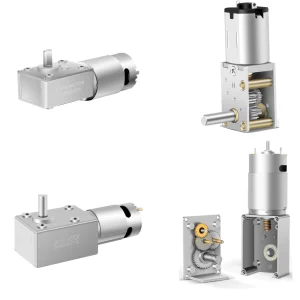
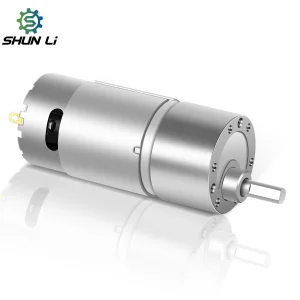
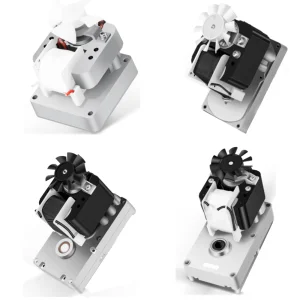
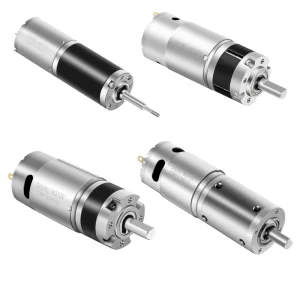
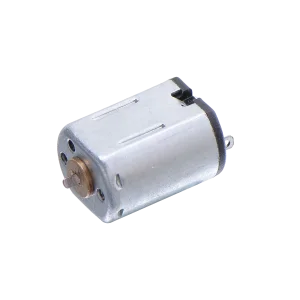
Explore high-torque density, low-noise micro gear motors engineered for high-precision industrial and commercial use cases.
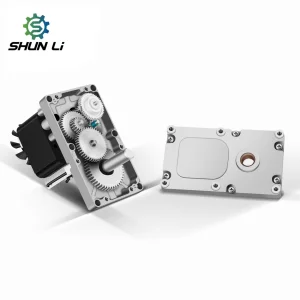
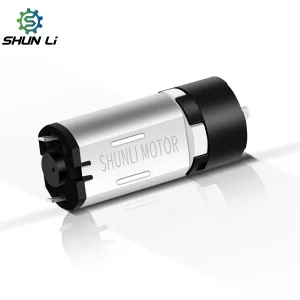
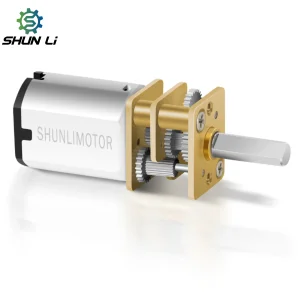
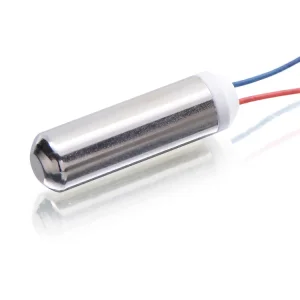
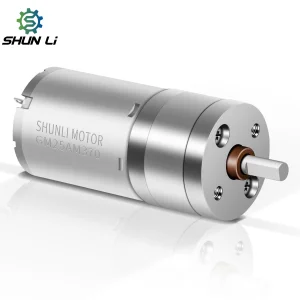
DyneticPro Motor: Packing Massive Torque Into Miniature Spaces
Inside a premium robotic joint, an automated medical pump, or a high-end smart lock, space is the ultimate luxury. At DyneticPro, we measure our success in micrometers and decibels. Our mission is to take advanced, heavy-duty rotational power and compress it into the most compact, energy-efficient footprints imaginable.
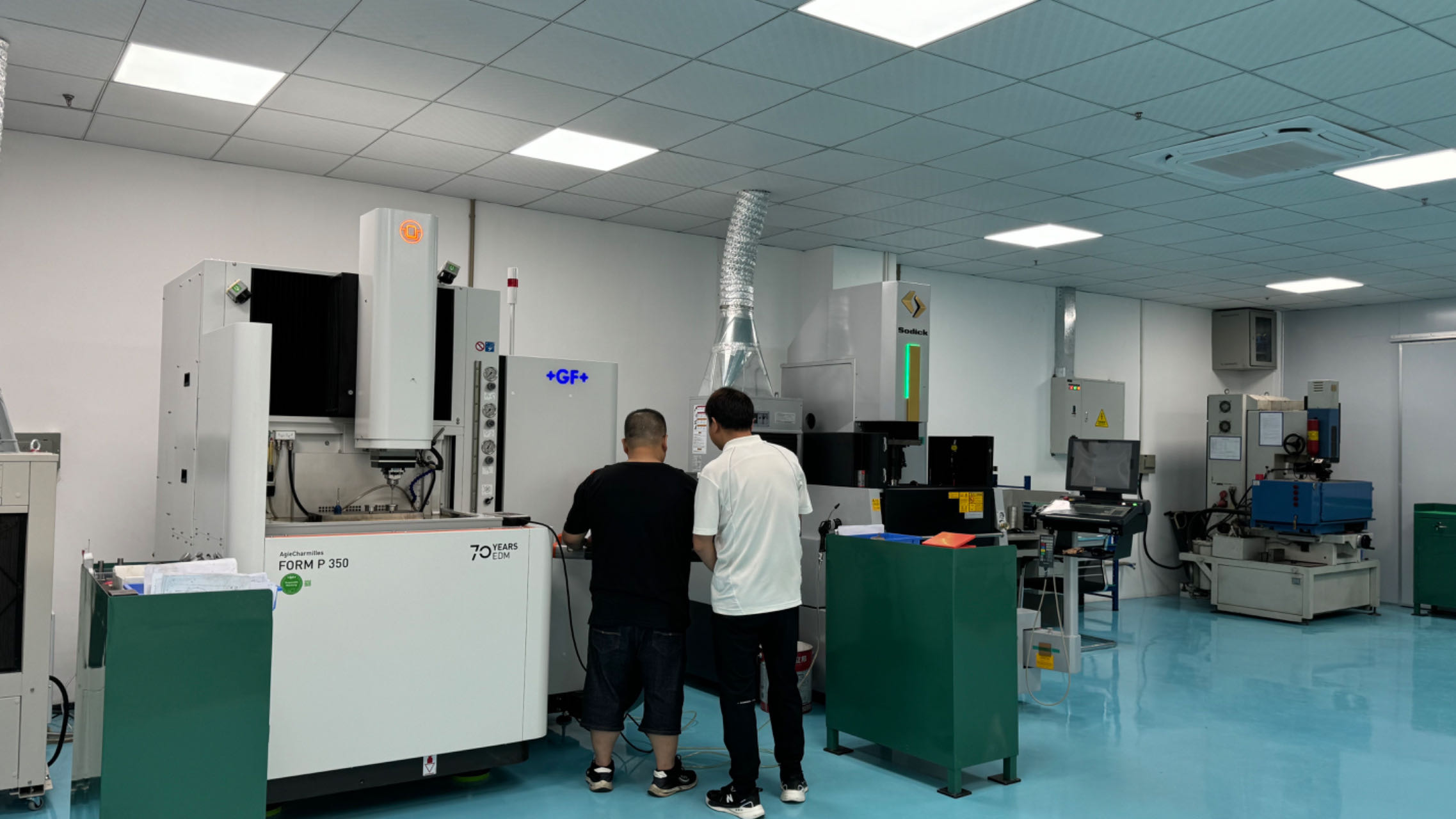
Our expertise lies in the micro-details of motion. From precision-wound copper rotors and high-purity commutators to zero-backlash planetary gear trains, every single internal component of a DyneticPro motor is optimized to eliminate friction and maximize heat dissipation. By combining advanced automated Swiss-style hobbing with Japanese dynamic balancing, we ensure our micro drives deliver the fluid, whispering-quiet power your brand promises. When your next high-tech innovation relies on repeated mechanical perfection, let DyneticPro be the core that spins it forward.
Our micro planetary gear systems achieve precision alignment under 1.5 degrees of tolerance, vital for medical and robotic actuator stability.
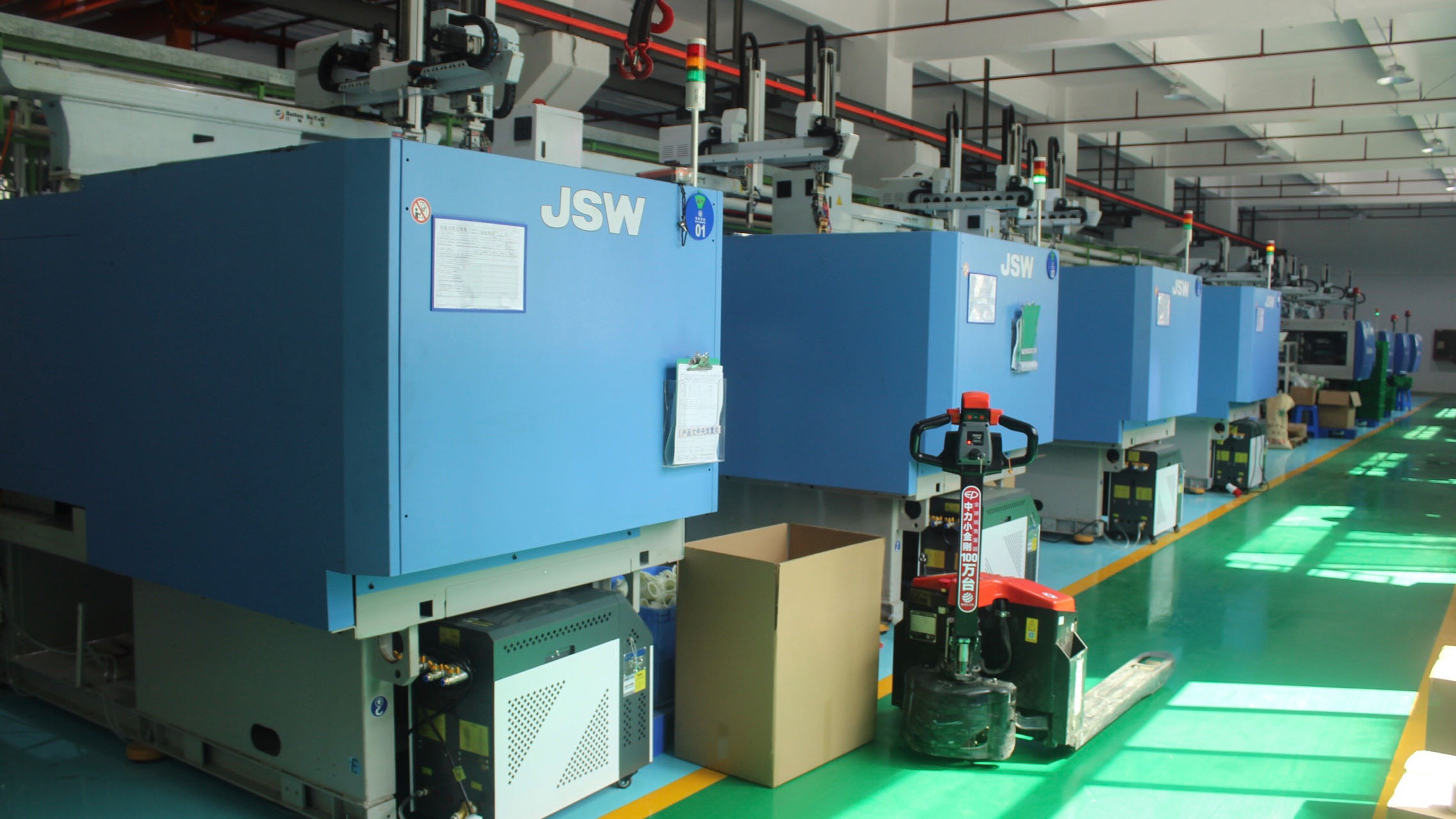
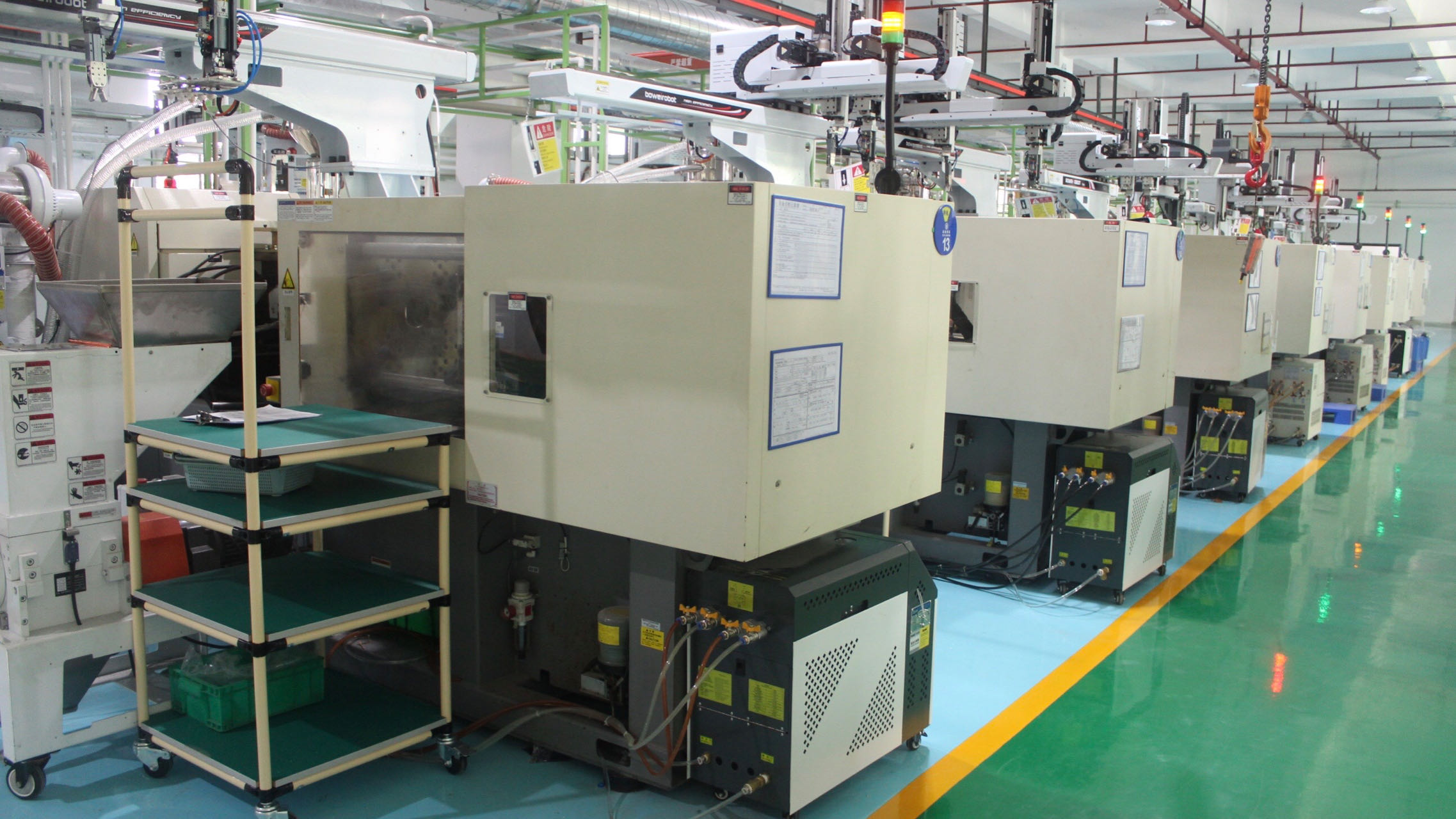
Automated dynamic winding structures allow up to 45% better thermal dissipation compared to traditional manual winding methodologies.

Understanding the macroeconomic forces, regional supply chains, and safety protocols shaping modern industrial actuation.
Worldwide safety initiatives (such as European SELV regulations and equivalent North American OSHA guidelines) have prompted a major transition from standard mains-powered induction motors to DC-driven low-voltage configurations (typically 12V, 24V, 36V, or 48V). Operating below the 50V AC / 120V DC threshold dramatically mitigates shock hazards, allowing engineers to simplify structural isolation, reduce design footprint, and decrease licensing requirements in public, clinical, and home environments.
Additionally, the transition to decentralized, battery-driven systems in transport, logistics (AGVs/AMRs), and smart cities relies on low-voltage configurations. Keeping electrical architecture within low-voltage domains reduces parasitic circuit losses, simplifies battery integration, and yields higher overall machine efficiency.
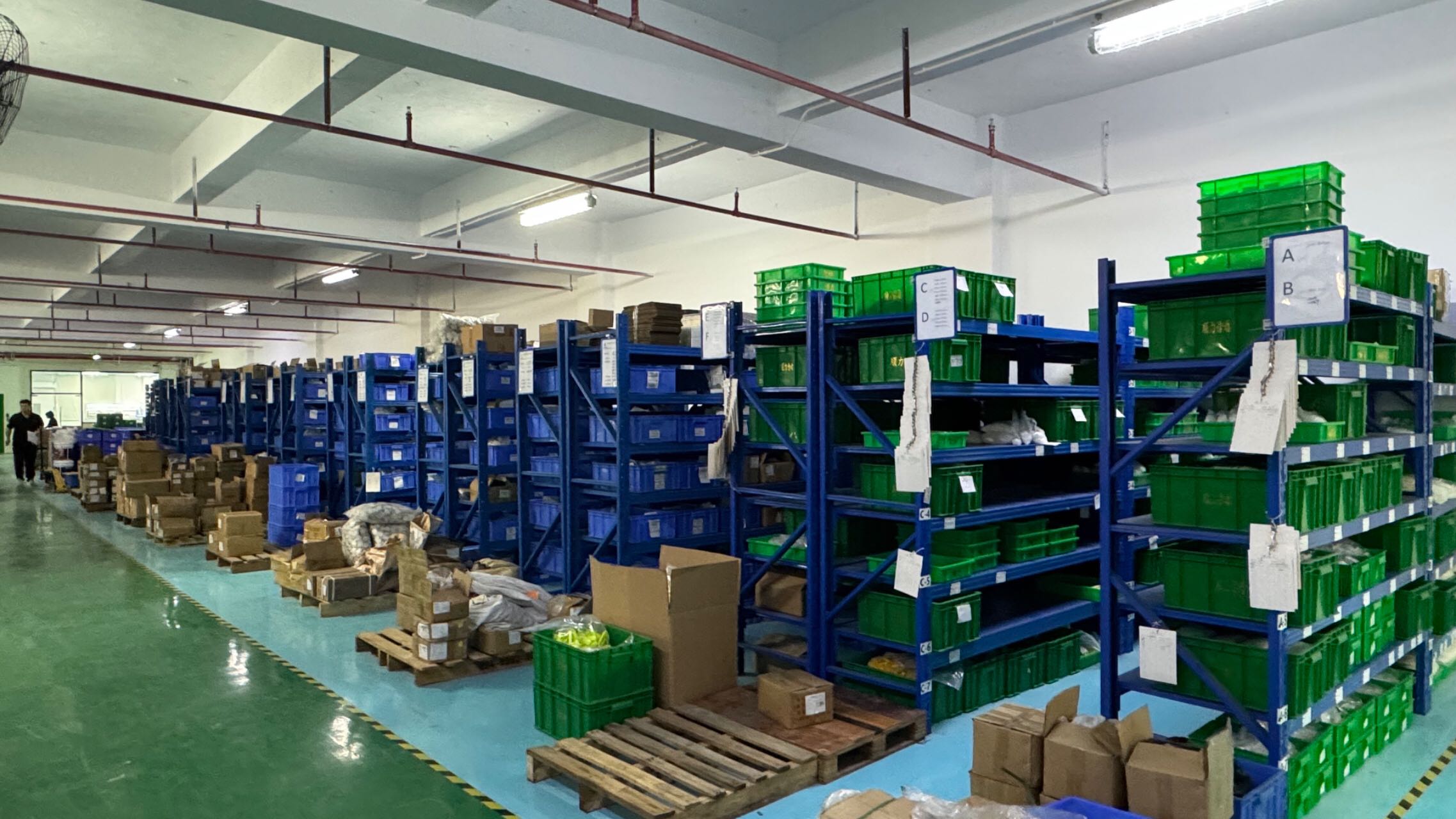
As micro-motion systems grow more complex, tier-one manufacturers are choosing exporters that combine raw processing, gearbox design, and compliance verification within a single facility. Sourcing dynamics have shifted focus toward precision manufacturing hubs in East Asia. Modern micro-hobbing, automated winding, and sub-micron grinding demand substantial infrastructure investment.
Moreover, the integration of advanced smart locks, surgical instruments, and IoT systems requires high-precision exporters who can deliver specialized planetary, worm, and spur gear integrations at scale. Exporters with strict dynamic balancing protocols, high copper fill factors, and end-to-end trace documentation are gaining a clear competitive edge in global industrial supply chains.
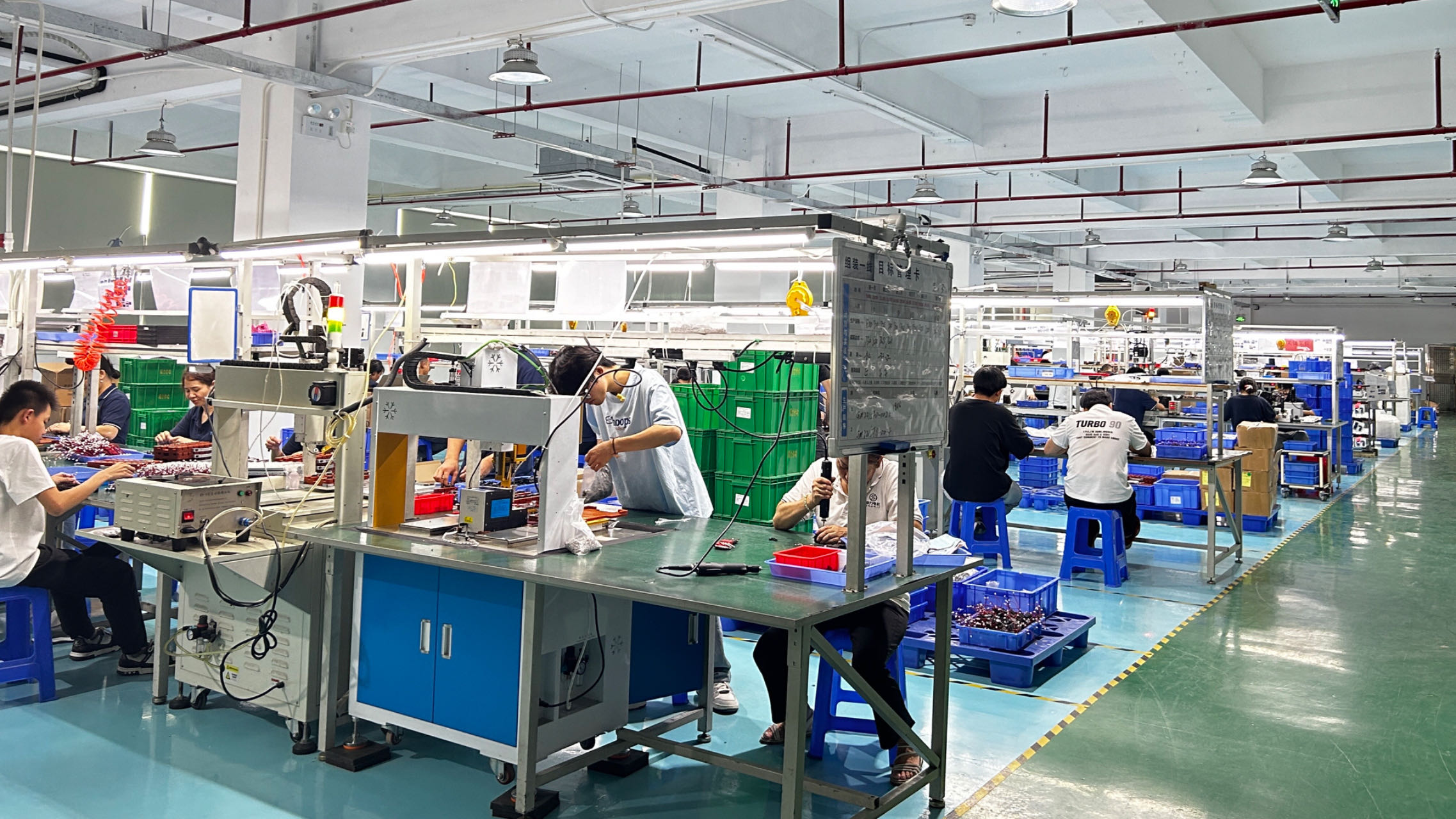
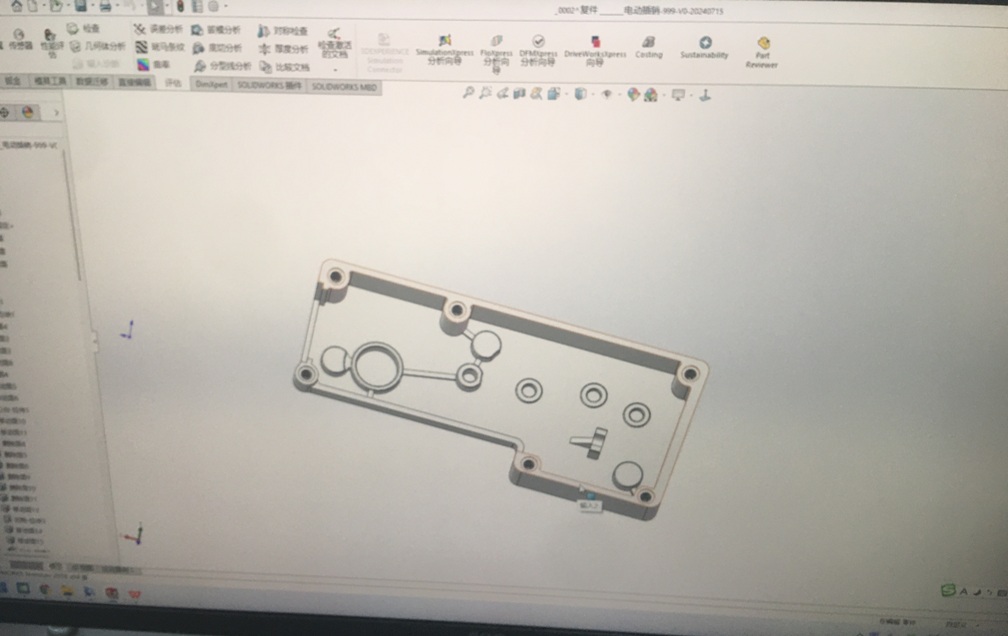
How raw materials are transformed into specialized micro-actuation systems under strict supervision and dynamic testing protocols.

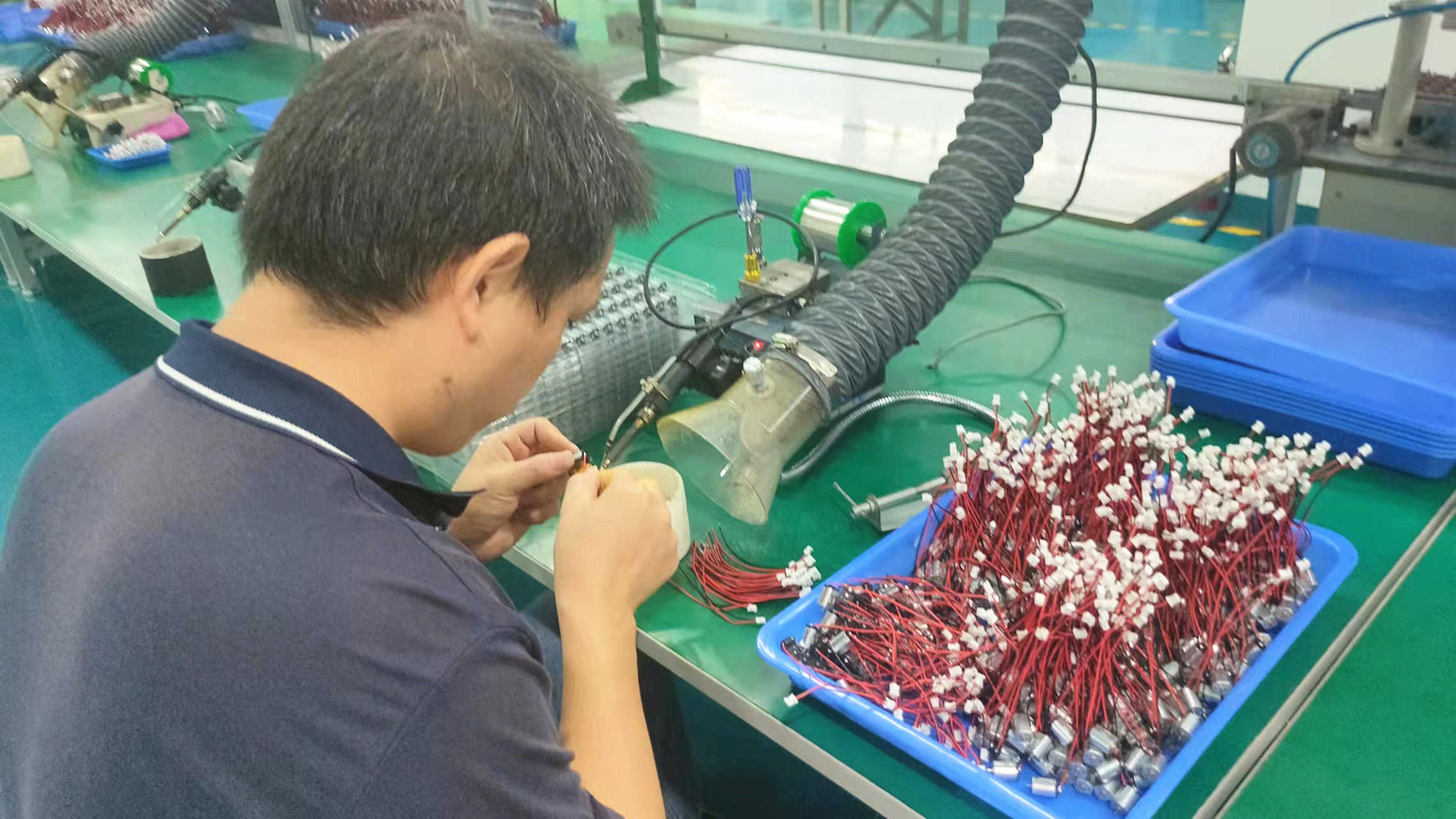
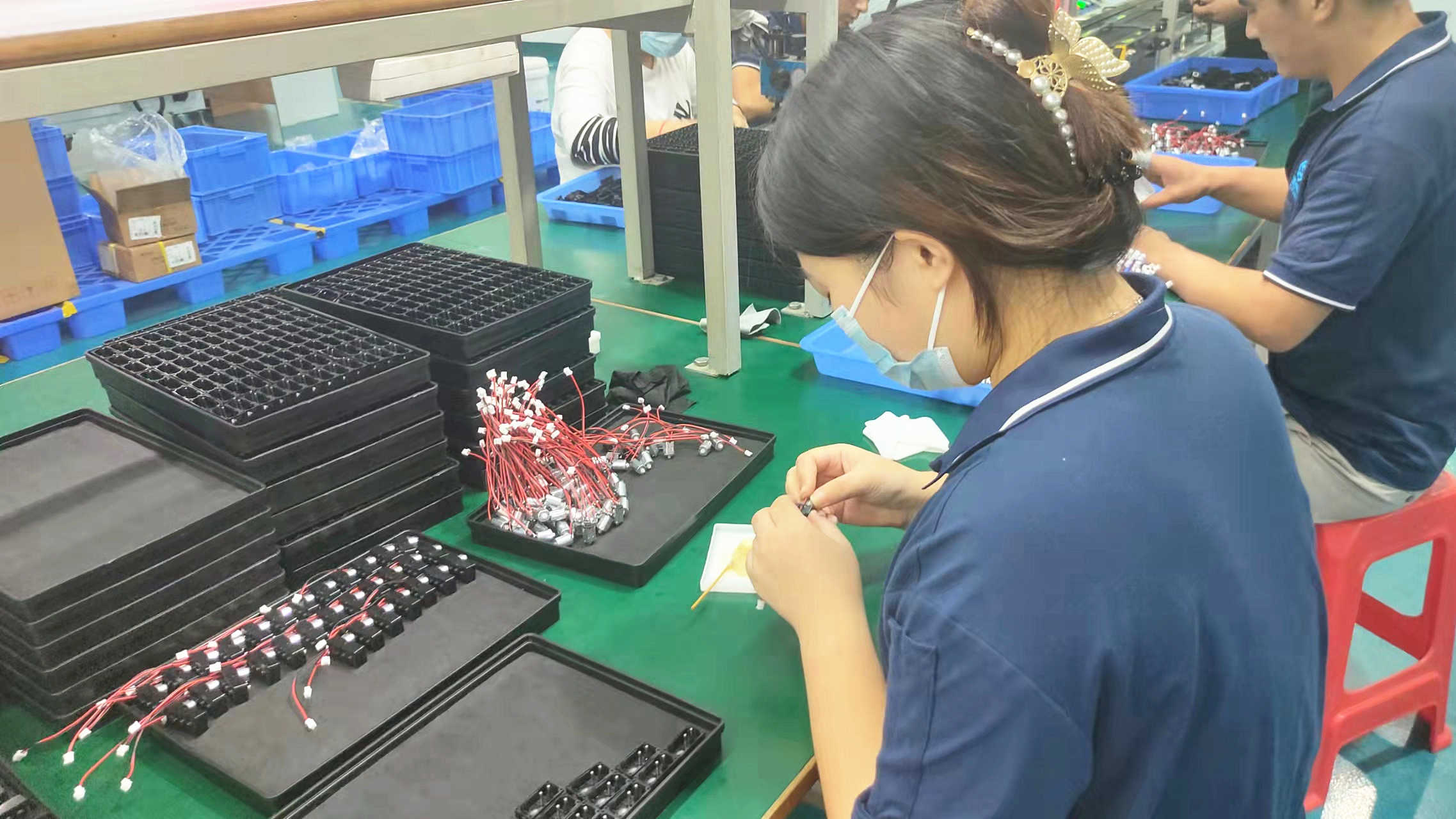
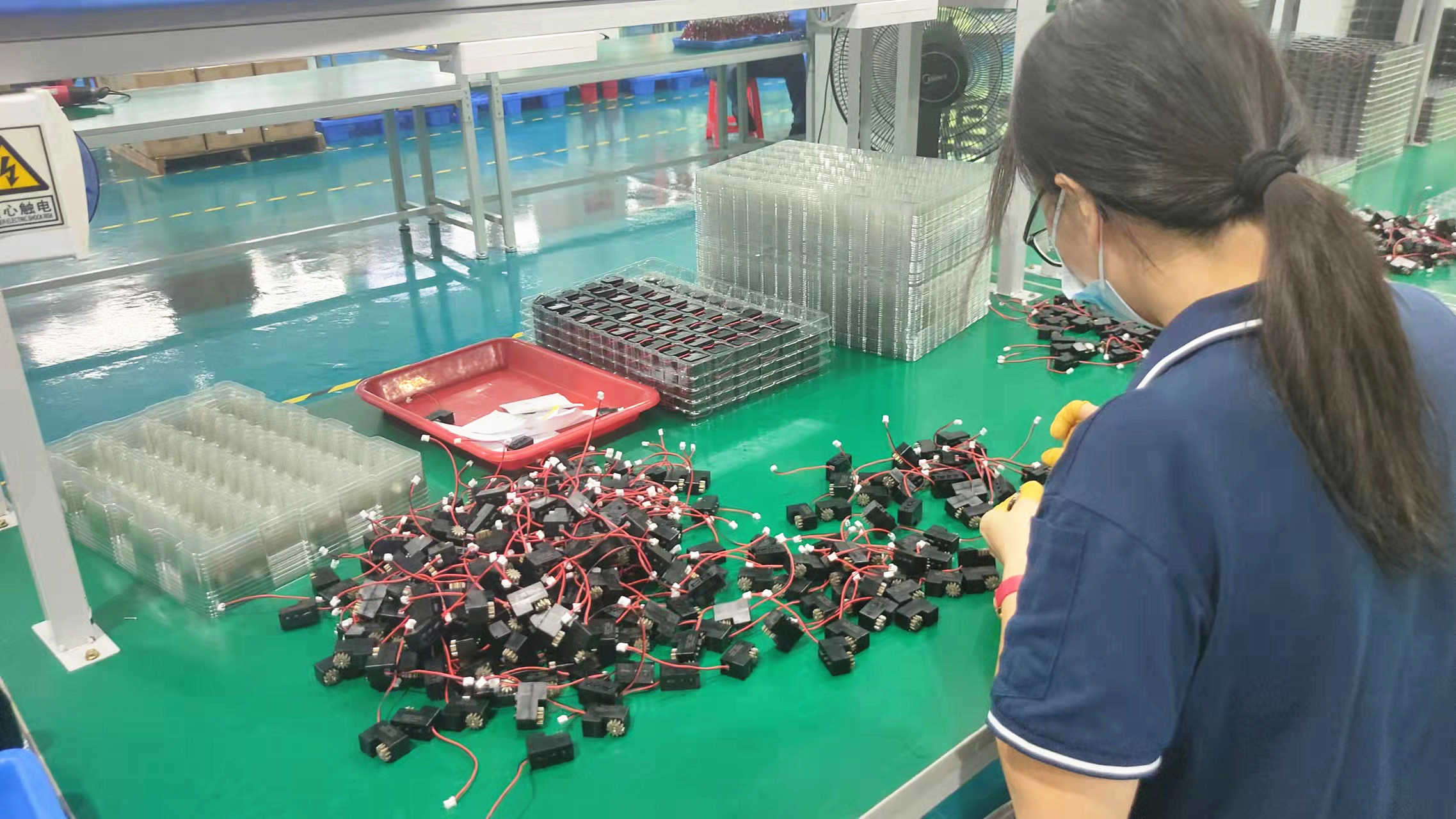
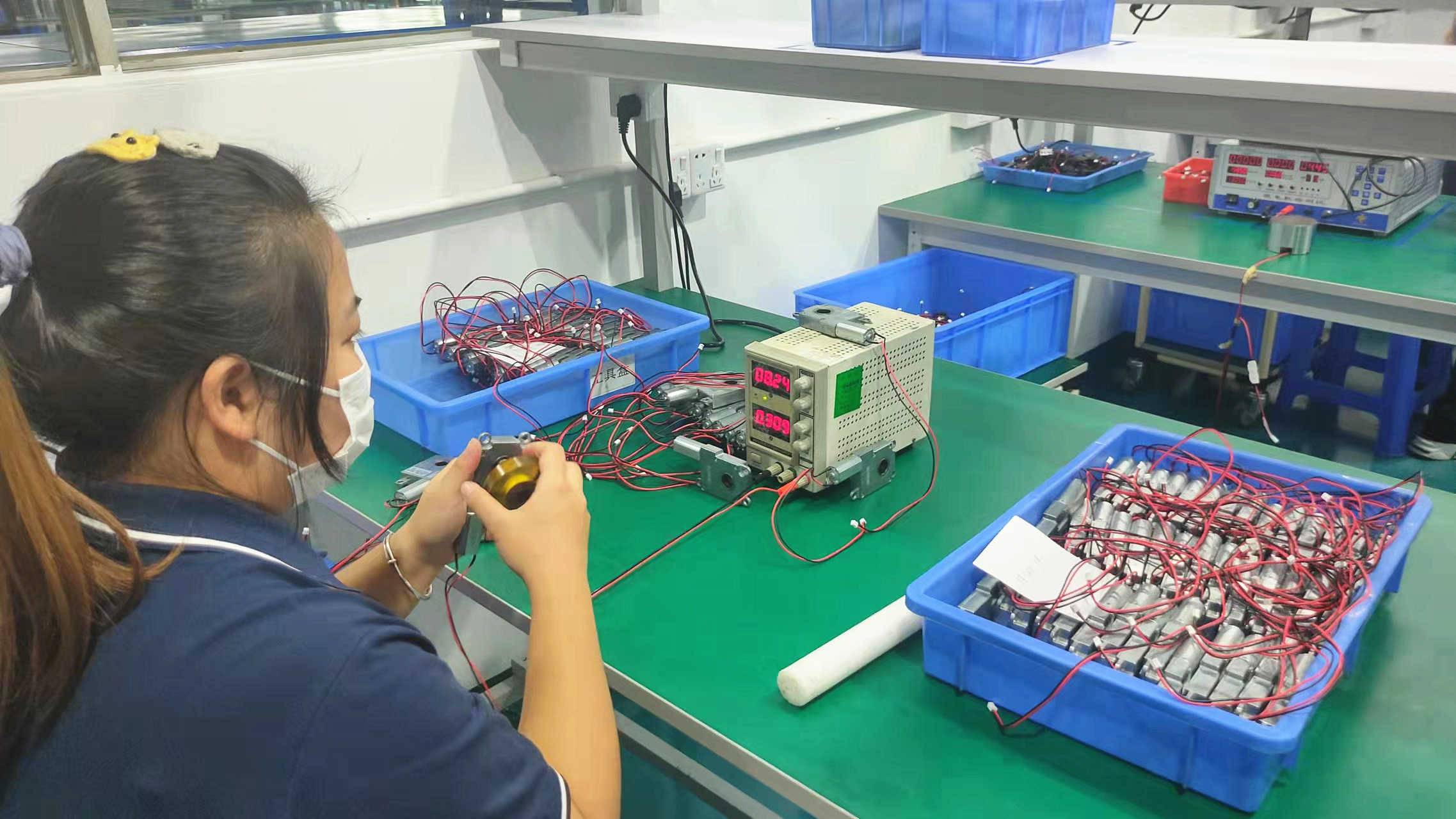
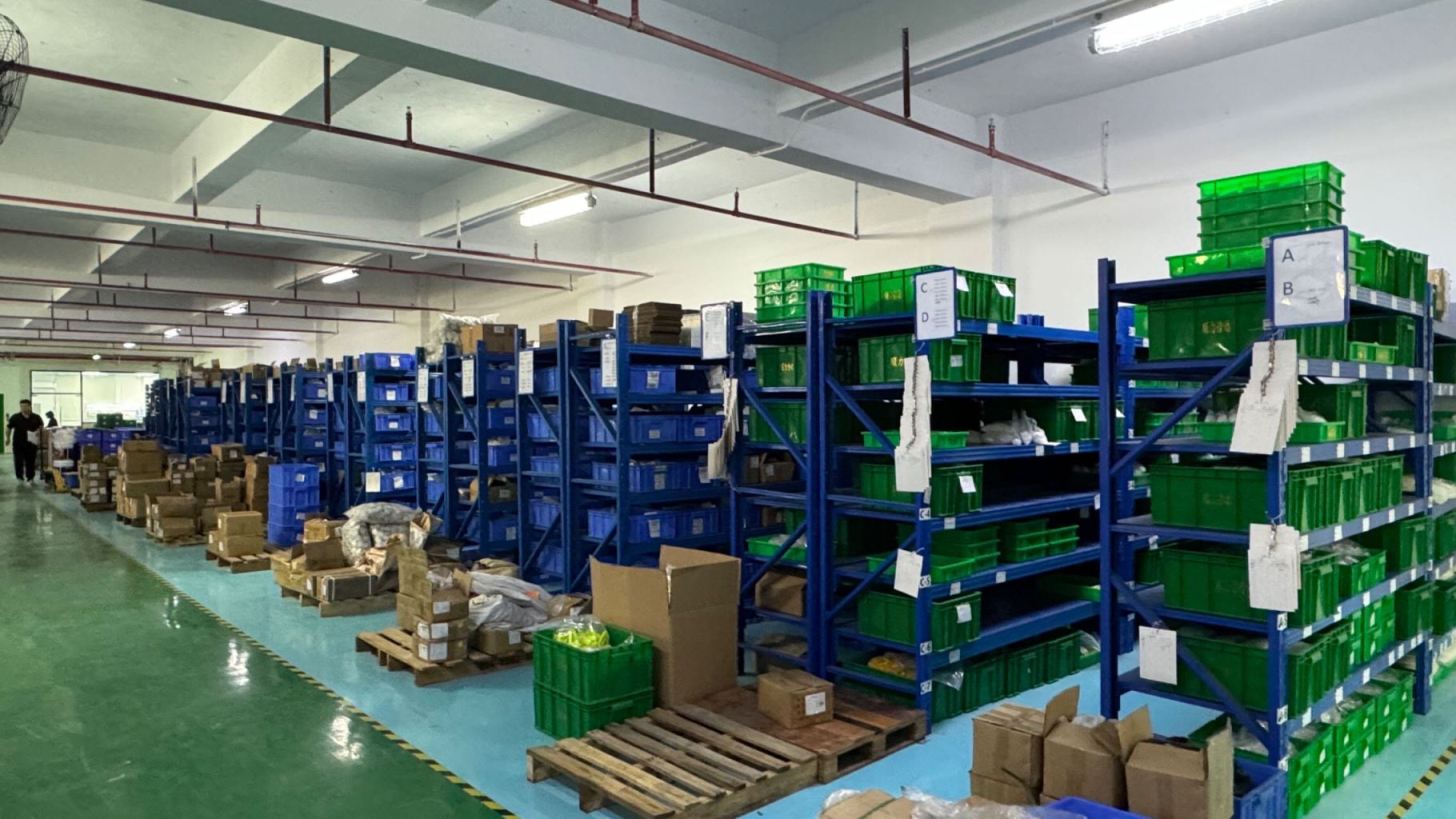
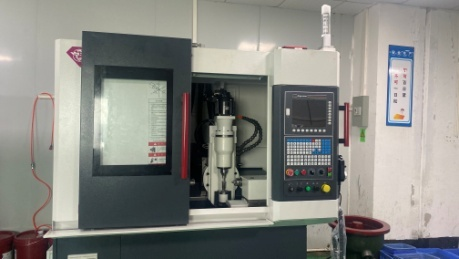
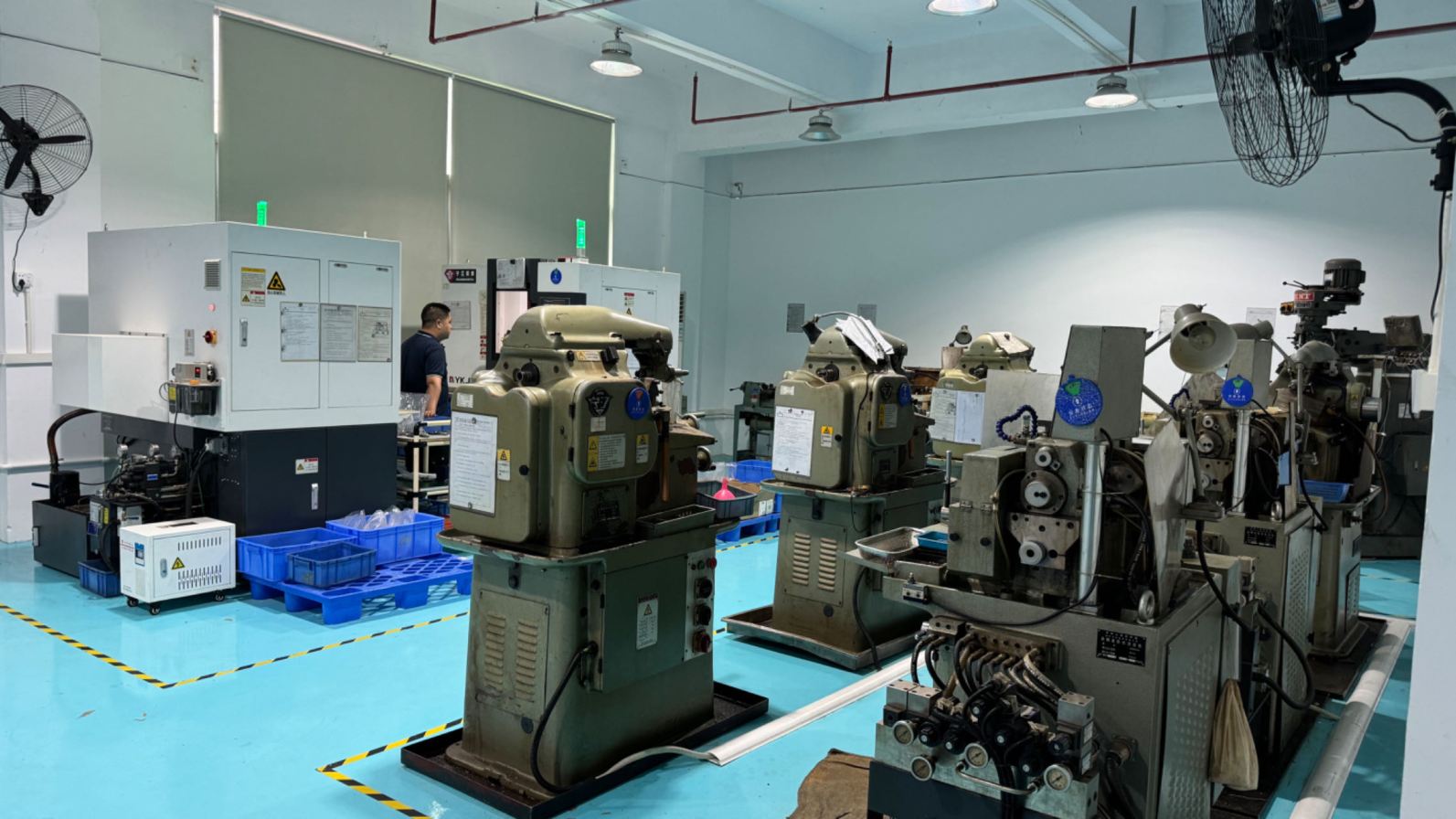
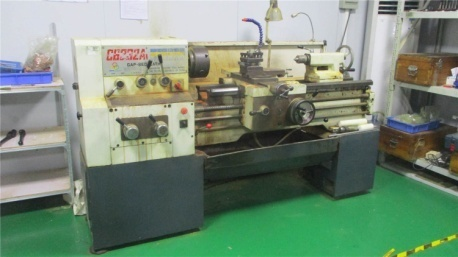
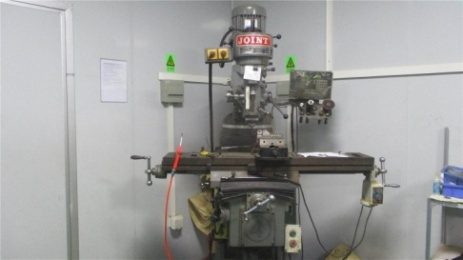
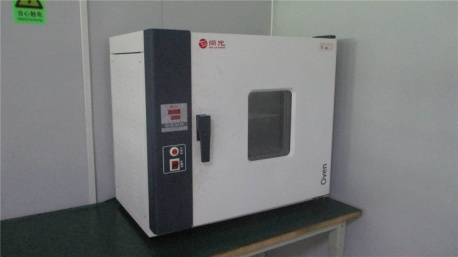
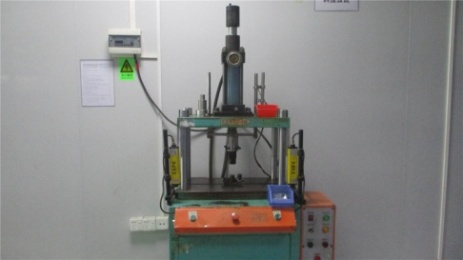
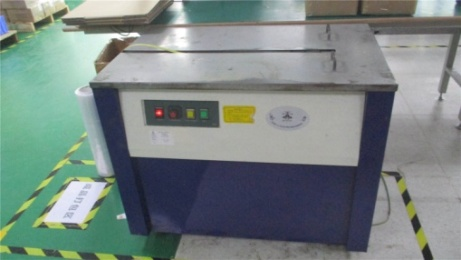
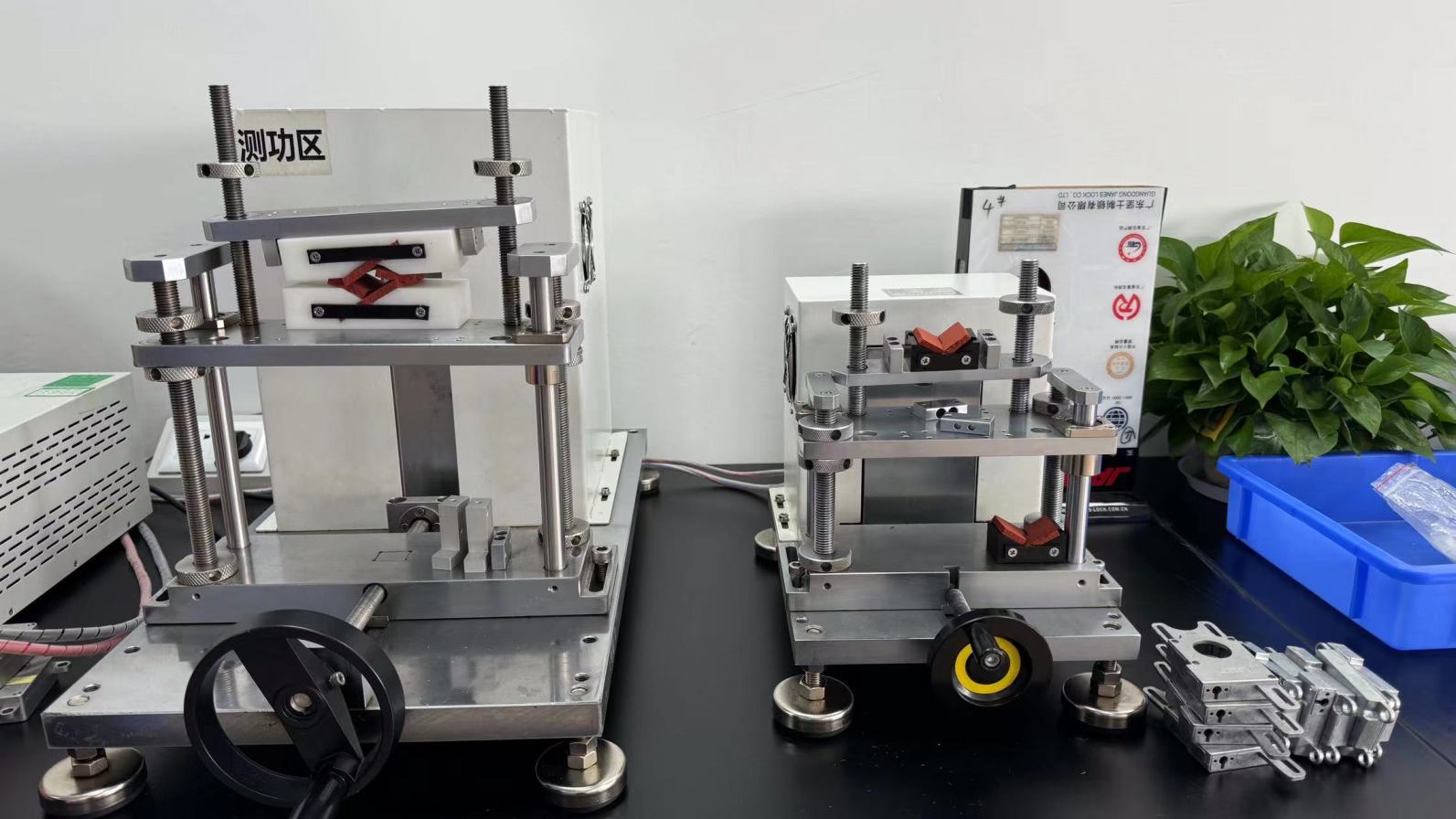
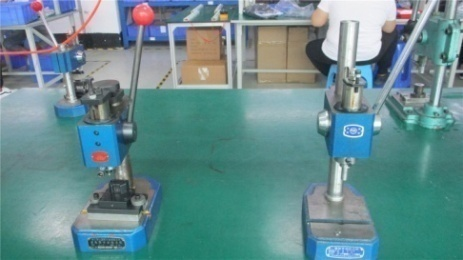
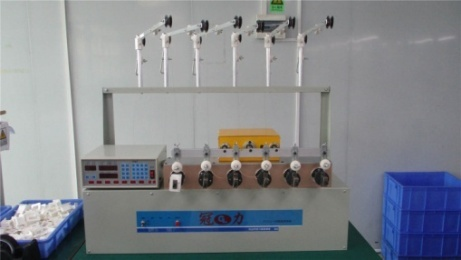
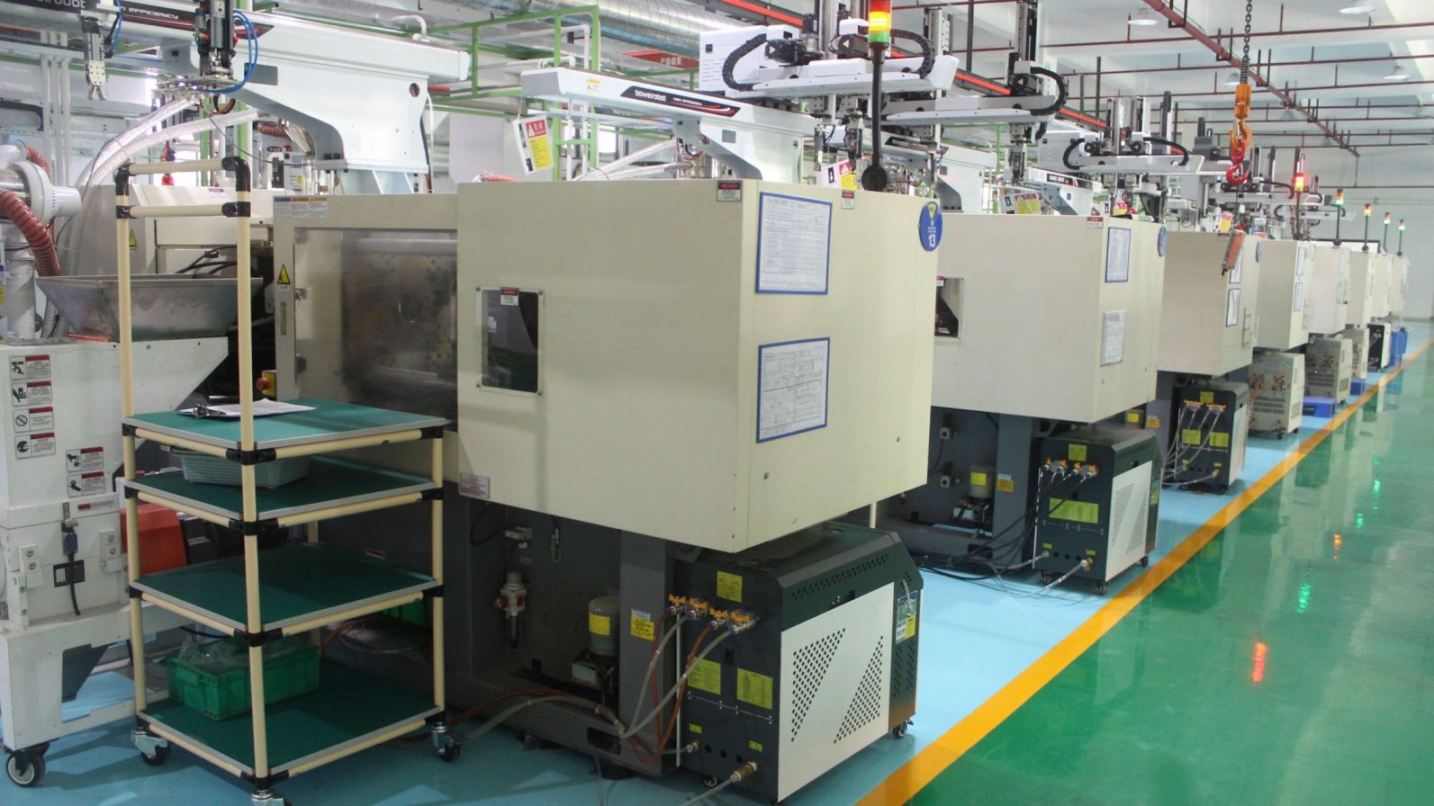
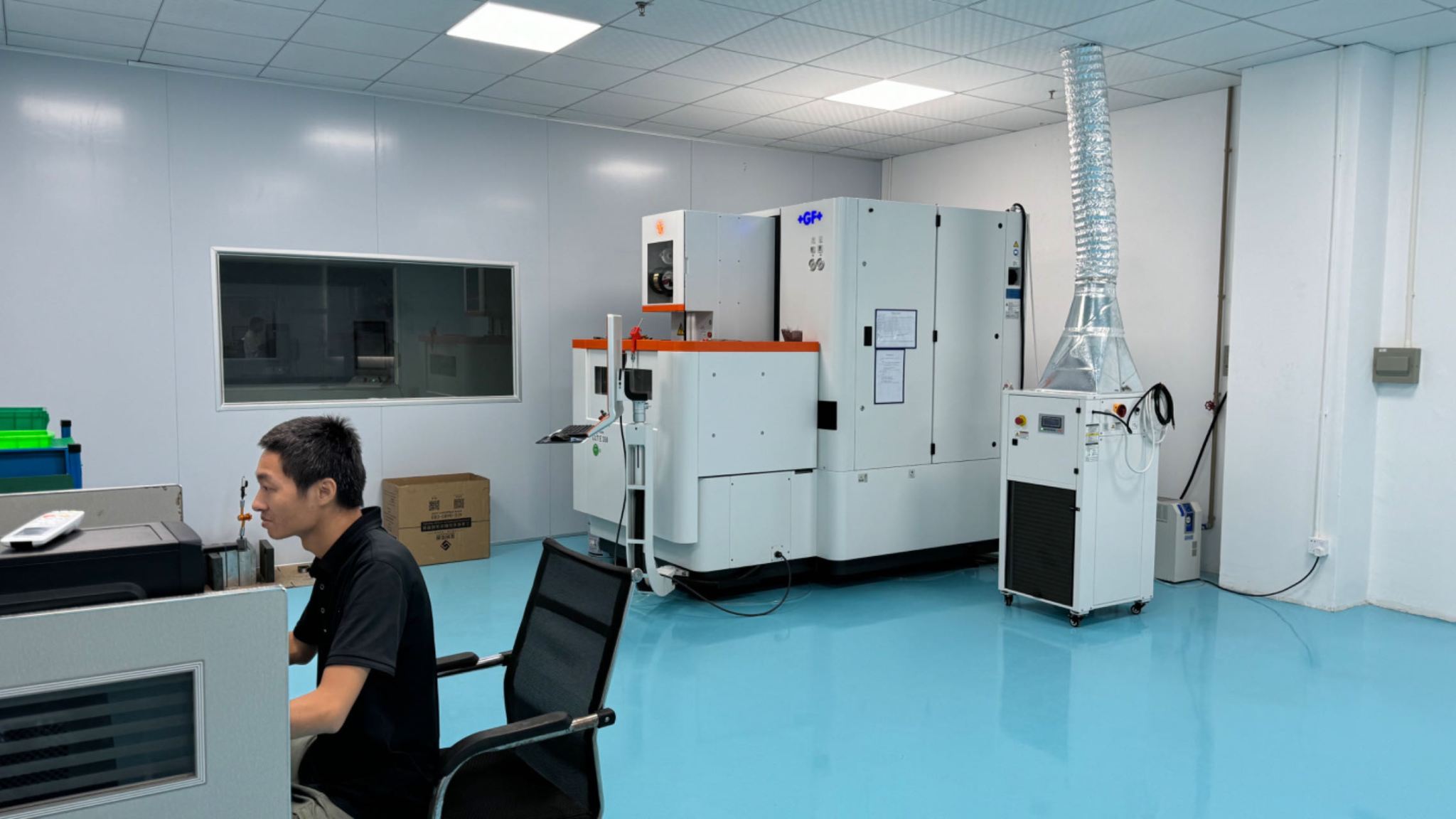
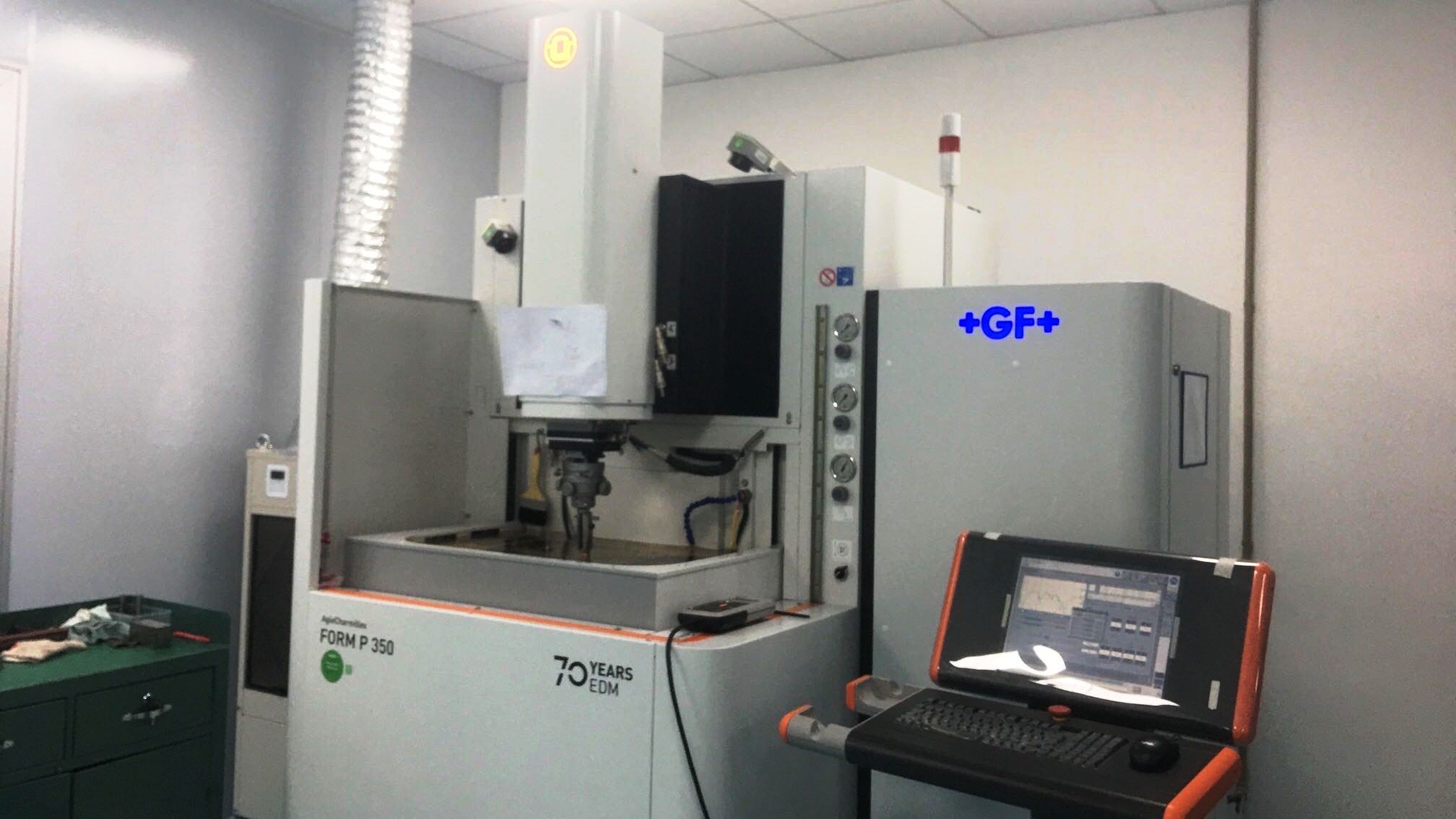
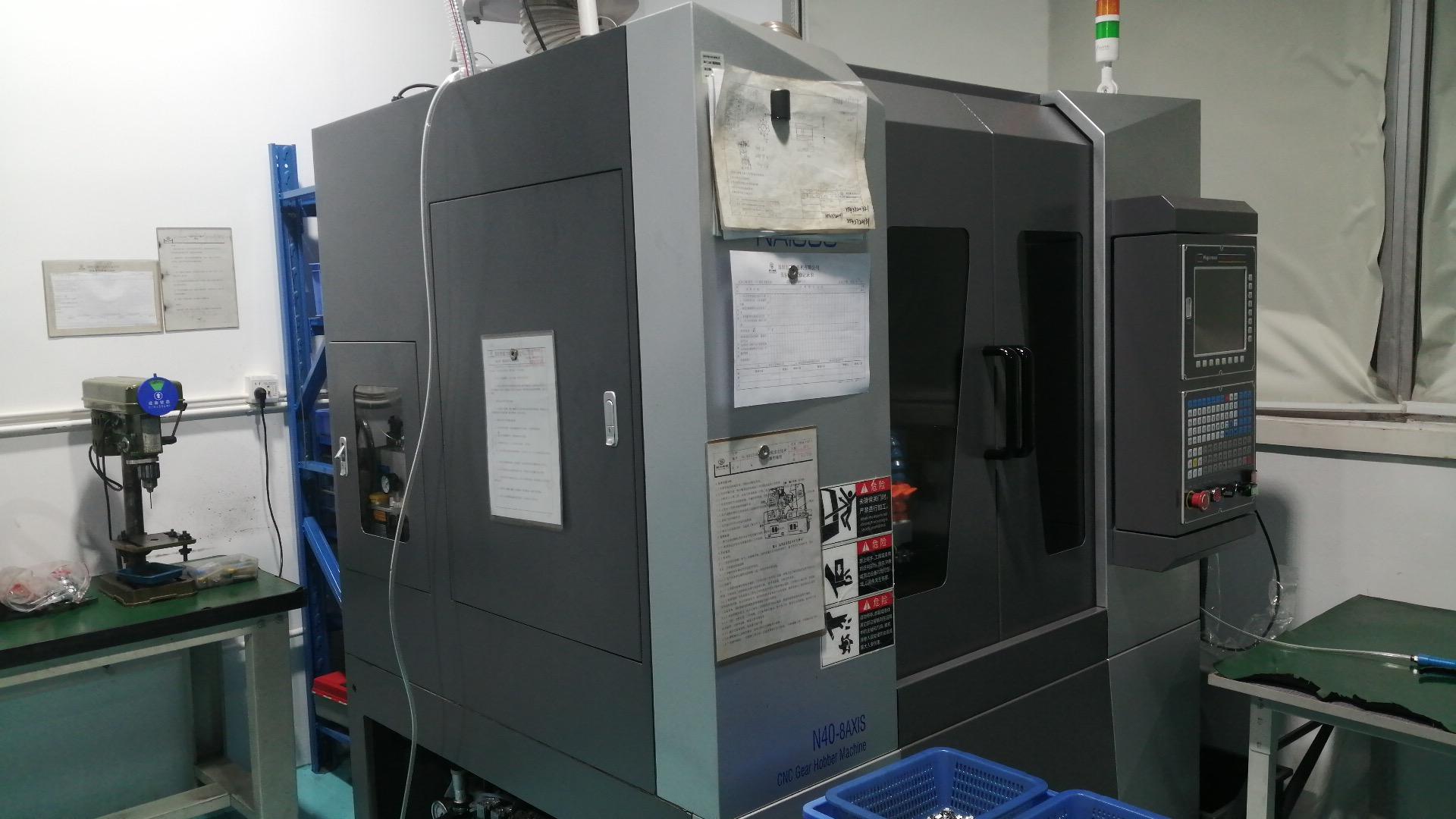
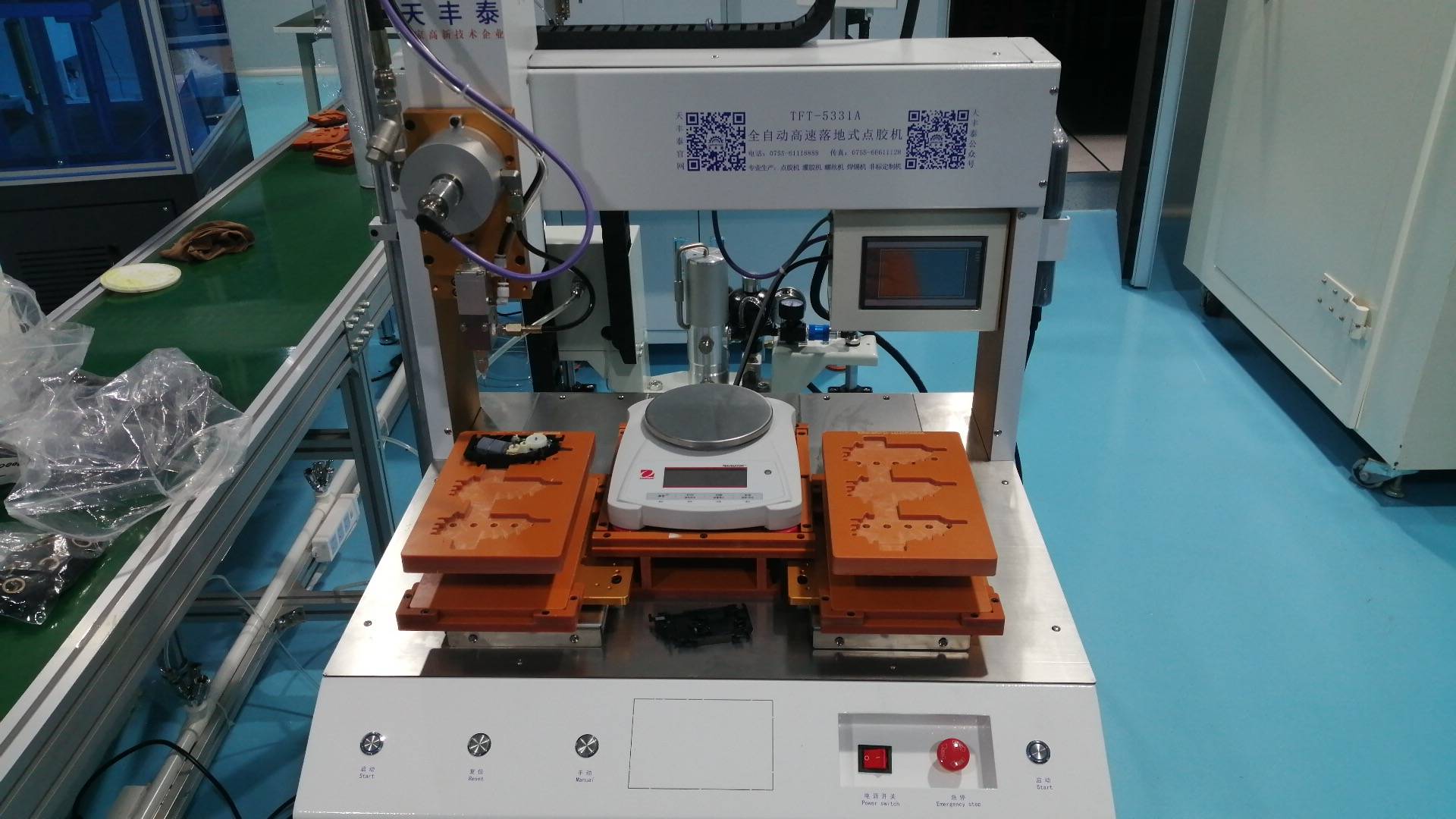
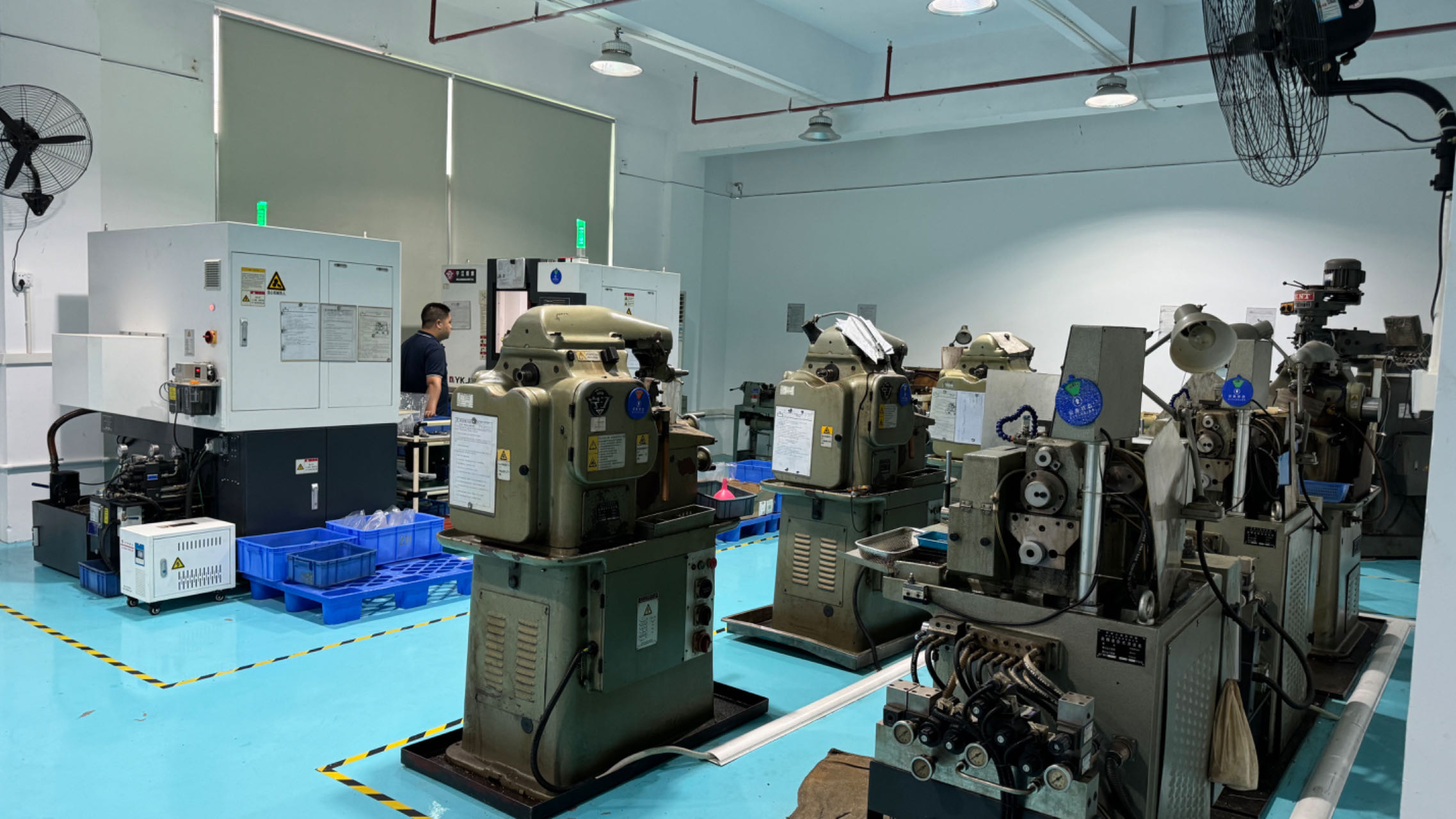
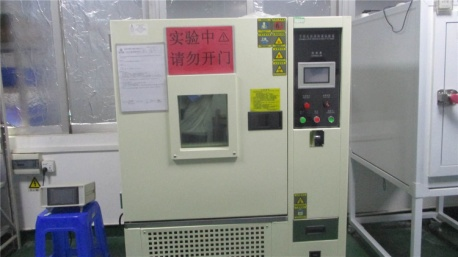
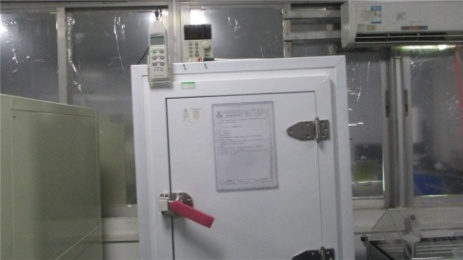
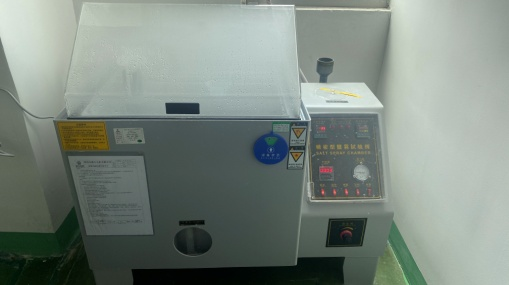
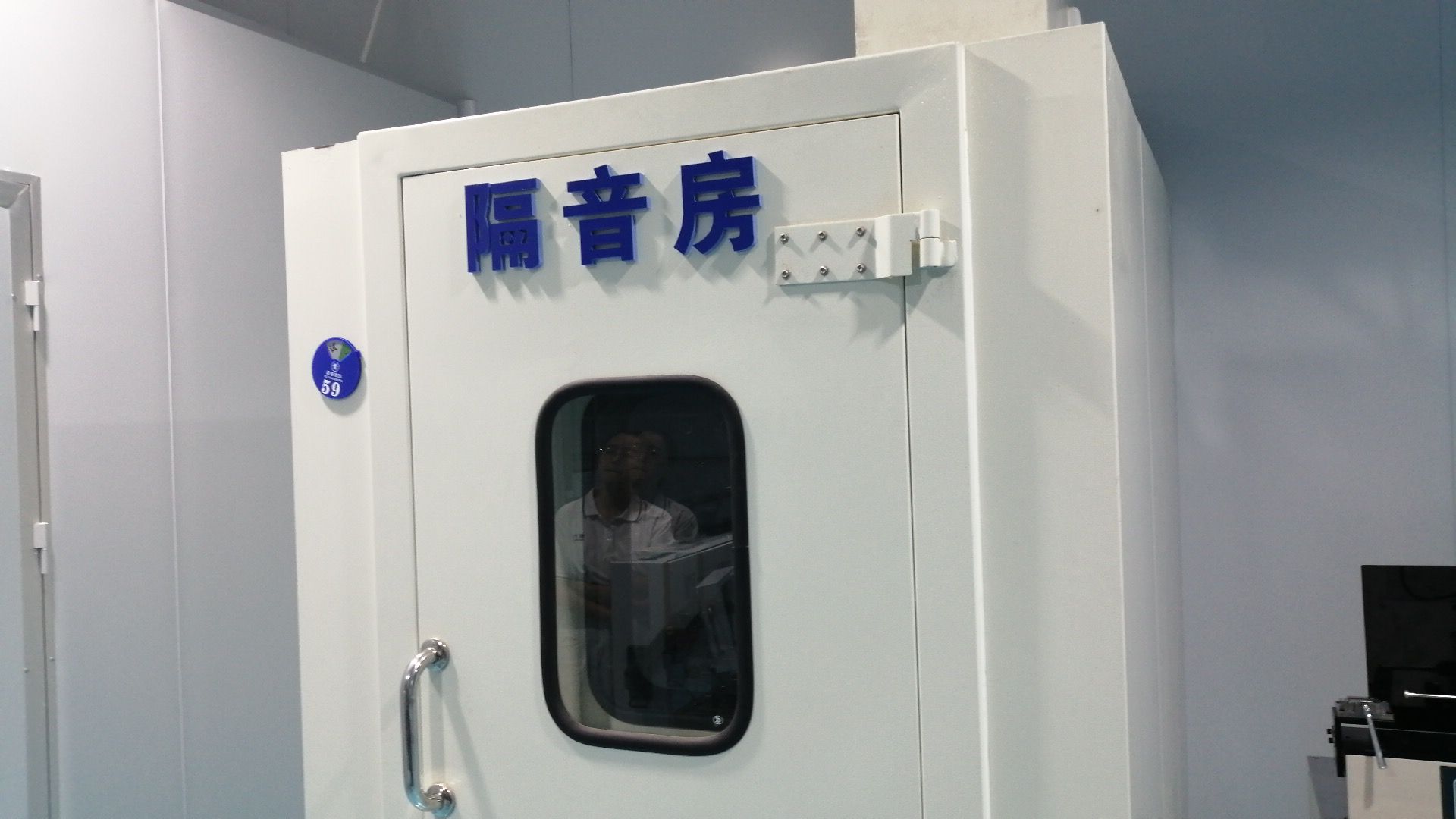
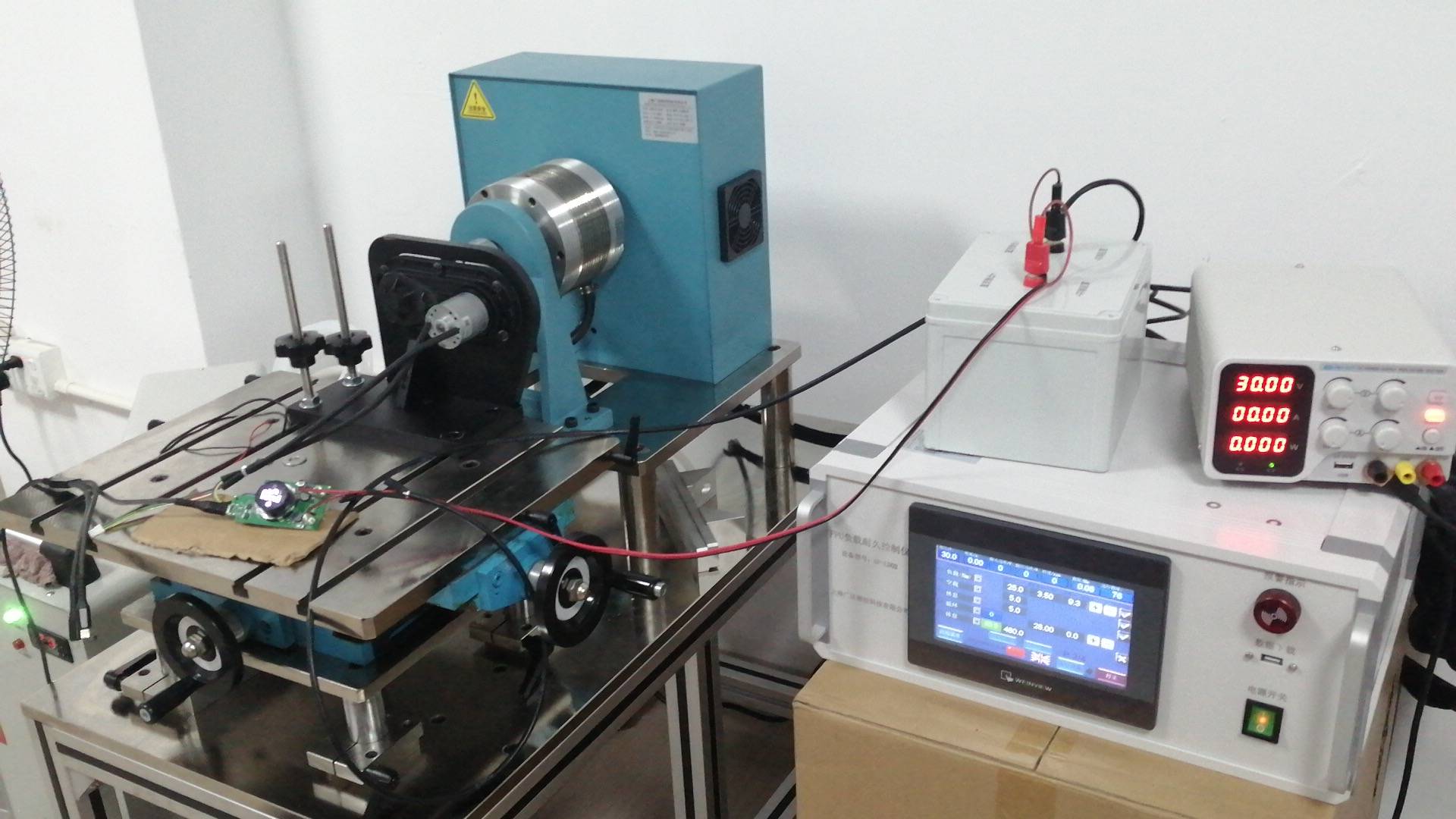
How our laboratory environment ensures dynamic compliance and long-term durability metrics for exported systems.
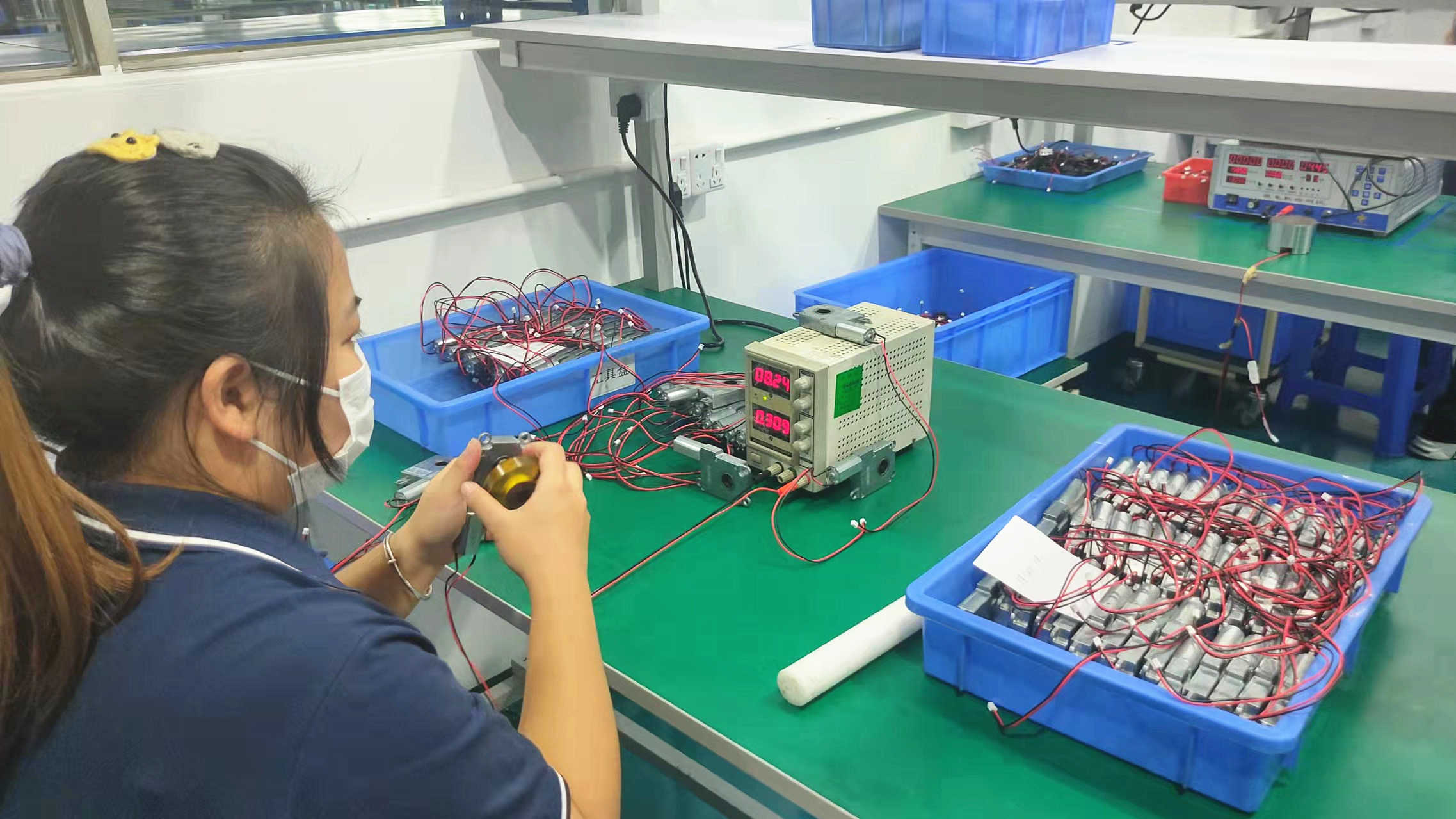
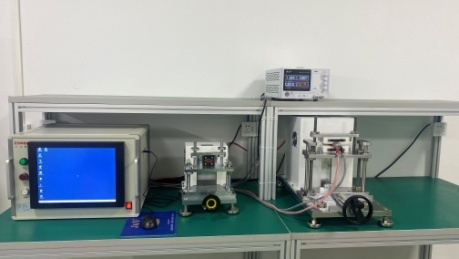
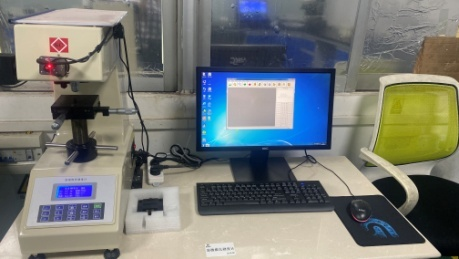
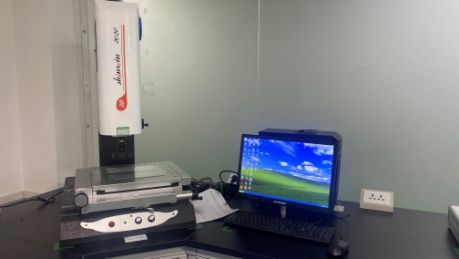
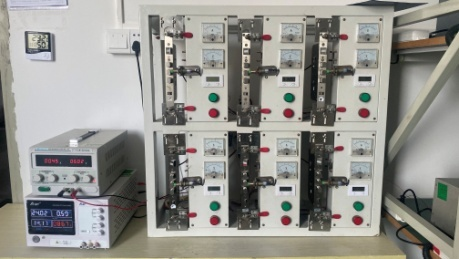
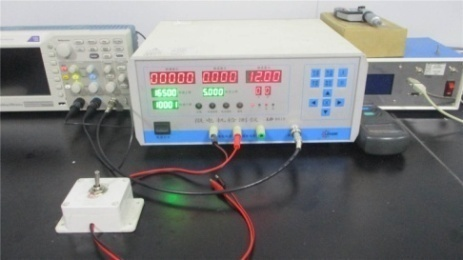
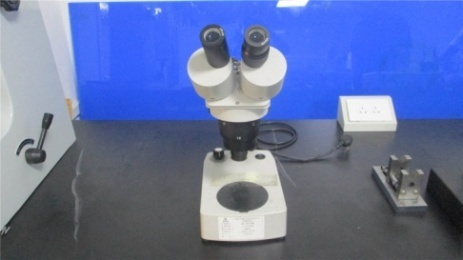
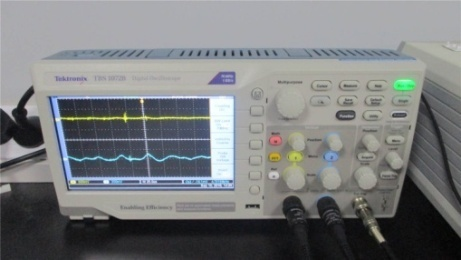
Analyzing trends in gear reduction optimization, brushless transitions, and dynamic magnetic winding structures.
Traditional brushed motors are reliable for low-cycle, cost-sensitive systems (such as vending machines and simple locks). However, high-cycle applications like medical infusion pumps and robotic joints are moving toward brushless (BLDC) technology. Removing brush friction extends operating life up to 10 times, minimizes electromagnetic interference, and allows for precise closed-loop speed control.
Increasing torque within miniature footprints requires gear designs that can handle load peaks without failing. High-precision gear systems use custom tooth shapes (hobbed on specialized Swiss/Japanese machinery) to maximize contact area. This reduces transmission error, minimizes backlash to fractions of a degree, and keeps operation exceptionally quiet.
The integration of smart microchips within low-voltage motors allows for real-time sensing of rotor position and thermal conditions. Field-Oriented Control (FOC) algorithms enable smooth speed changes, prevent sudden motor stalls, and optimize battery usage in portable smart devices. This is crucial for next-generation automated medical delivery systems.
Tailored mechanical designs targeting high-reliability applications in healthcare, smart infrastructure, and consumer tech.
Medical pumping and diagnostic devices demand precise control of fluid flow. Our specialized micro-motors combine high-density stator windings with precision planetary gearboxes to eliminate vibration. This ensures consistent, steady fluid delivery down to microliter increments, preventing pulsation in critical diagnostics.
Automated sliding gates, barrier controls, and smart locks face demanding environments with wide temperature swings, high cycles, and dust exposure. Our low-voltage brushed and brushless planetary gear assemblies deliver high starting torque to overcome static friction, and feature robust, weather-sealed housings.
Crucial industrial answers for design engineers, purchasing managers, and distributors evaluating low-voltage motor exporters.
Look for exporters with in-house gear hobbing and automated coil winding capabilities. Maintaining tight mechanical tolerances helps limit backlash and noise. Verification testing is also key—reputable suppliers should provide dynamic test data, sound chamber profiles, and environmental aging records for their products.
We use automated hobbing machines (like our Ningjiang tools) to achieve precise gear geometry. We balance the rotors dynamically and test every assembly in soundproof chambers to ensure noise levels remain below 35dB, which is critical for medical and consumer devices.
Yes. We can customize motor designs with specialized output shafts, specific gear ratios, custom winding configurations, and environmental sealing (up to IP67). These adjustments help the motors withstand moisture, dust, and temperature extremes.
Lifespan depends heavily on load conditions and motor type. Standard brushed micro-motors typically offer 1,000 to 3,000 hours of run time, while brushless options using high-quality bearings can exceed 20,000 hours in continuous use, provided they operate within recommended thermal and mechanical limits.
For international markets, motors should comply with CE and RoHS directives. Applications in the medical or automotive industries may also require ISO 13485 or IATF 16949 certification to verify quality control standards.
We use custom antistatic trays, thick cardboard outers, and protective moisture barriers. This shielding protects shaft alignments, gear assemblies, and electronic components from damage, moisture, and corrosion during long ocean transits.
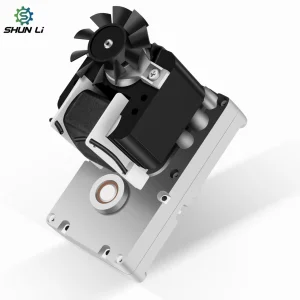
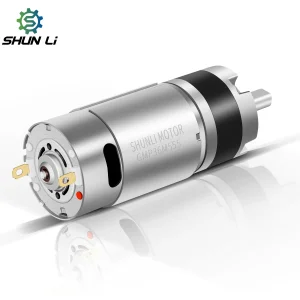
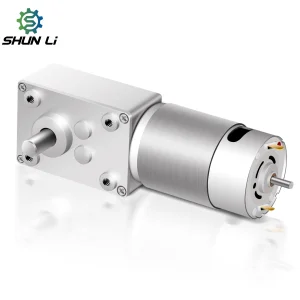
High-torque planetary and shaded-pole motors built for heavy-duty industrial environments and home appliances.
 DyneticPro Motor