High-torque configurations, custom gearboxes, and micro-electromechanical driving solutions optimized for demanding commercial applications.
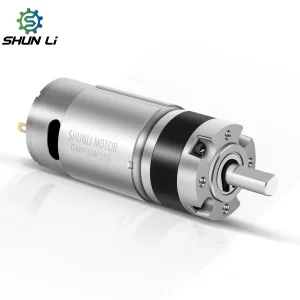
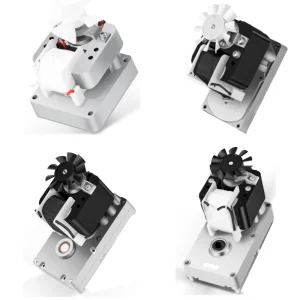
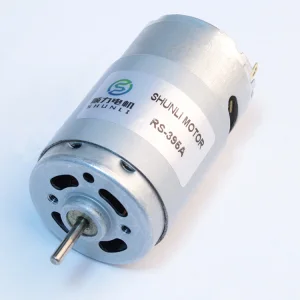
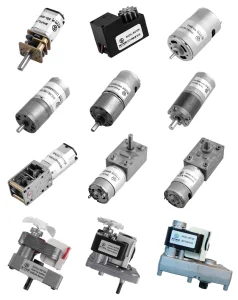
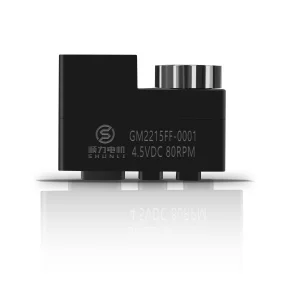
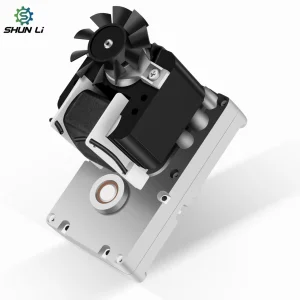
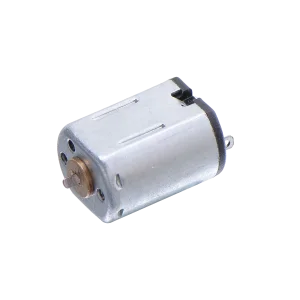
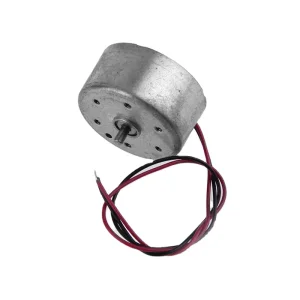
In modern motion control engineering, radial motor topologies represent the backbone of rotary drive applications. By utilizing radial magnetic flux paths crossing the air gap perpendicularly to the axis of rotation, radial flux motors optimize torque density and thermal stability. In micro-electromechanical systems (MEMS) and heavy-duty industrial actuator configurations, the choice of stator design, rotor geometry, and coil winding orientation directly governs the mechanical output profile.
Unlike axial flux configurations which favor compact axial spacing at the expense of diameter, radial designs maximize structural support along the shaft length, allowing high gear-reduction assemblies (like planetary or worm gearboxes) to sit inline with the magnetic center. This topology is critical for achieving high volumetric torque densities, making radial motors the optimal choice for applications where the lateral cross-section is constrained but reliable output is non-negotiable.

Inside a premium robotic joint, an automated medical pump, or a high-end smart lock, space is the ultimate luxury. At DyneticPro, we measure our success in micrometers and decibels. Our mission is to take advanced, heavy-duty rotational power and compress it into the most compact, energy-efficient footprints imaginable. By combining advanced automated Swiss-style hobbing with Japanese dynamic balancing, we ensure our micro drives deliver fluid, whisper-quiet power.
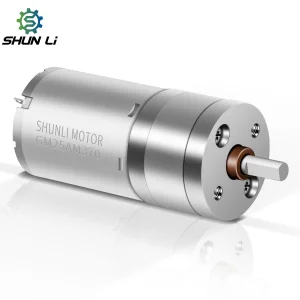
DyneticPro's expertise lies in the micro-details of motion. From precision-wound copper rotors and high-purity commutators to zero-backlash planetary gear trains, every single internal component of a DyneticPro motor is optimized to eliminate friction and maximize heat dissipation. When your next high-tech innovation relies on repeated mechanical perfection, precision-engineered radial motors provide the baseline reliability necessary to scale production.
Achieving reliable micro-motor performance requires strict process control. A single microscopic deviation in stator alignment or winding tension can result in unbalanced magnetic pull, excessive cogging torque, and premature bearing failure. Below is the end-to-end manufacturing flow deployed by top-tier radial motor manufacturers to guarantee mechanical and electrical consistency.

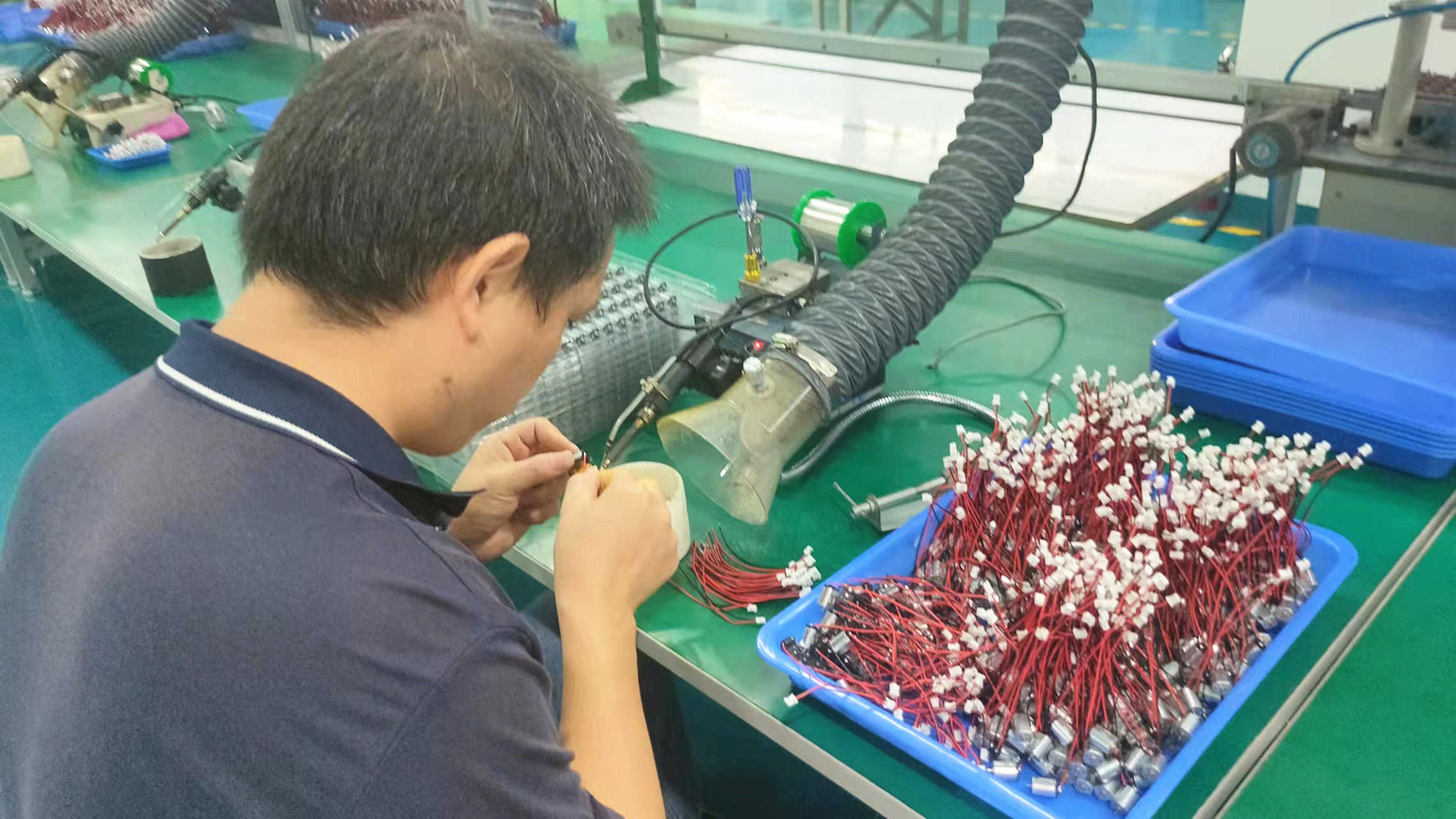
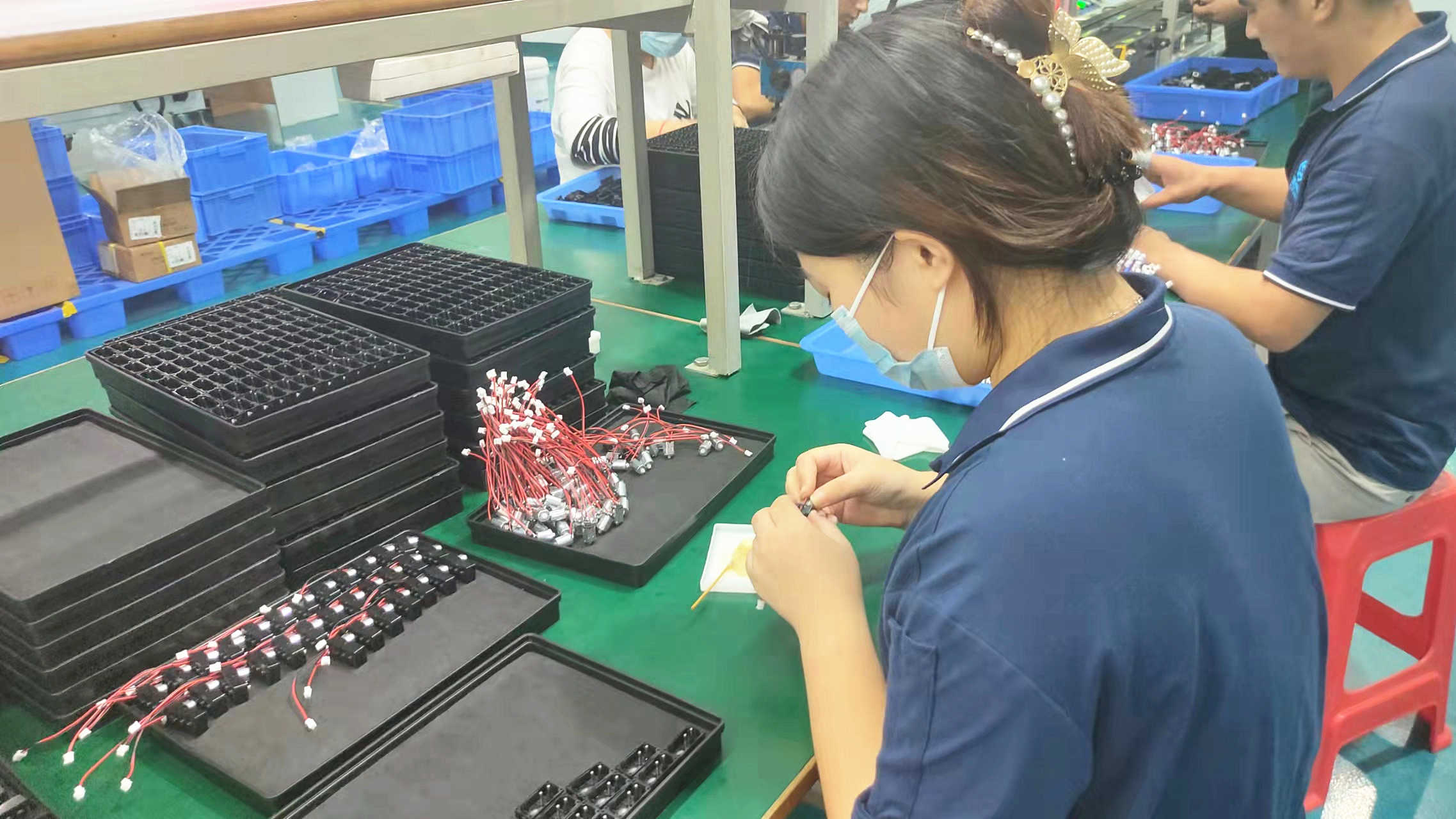
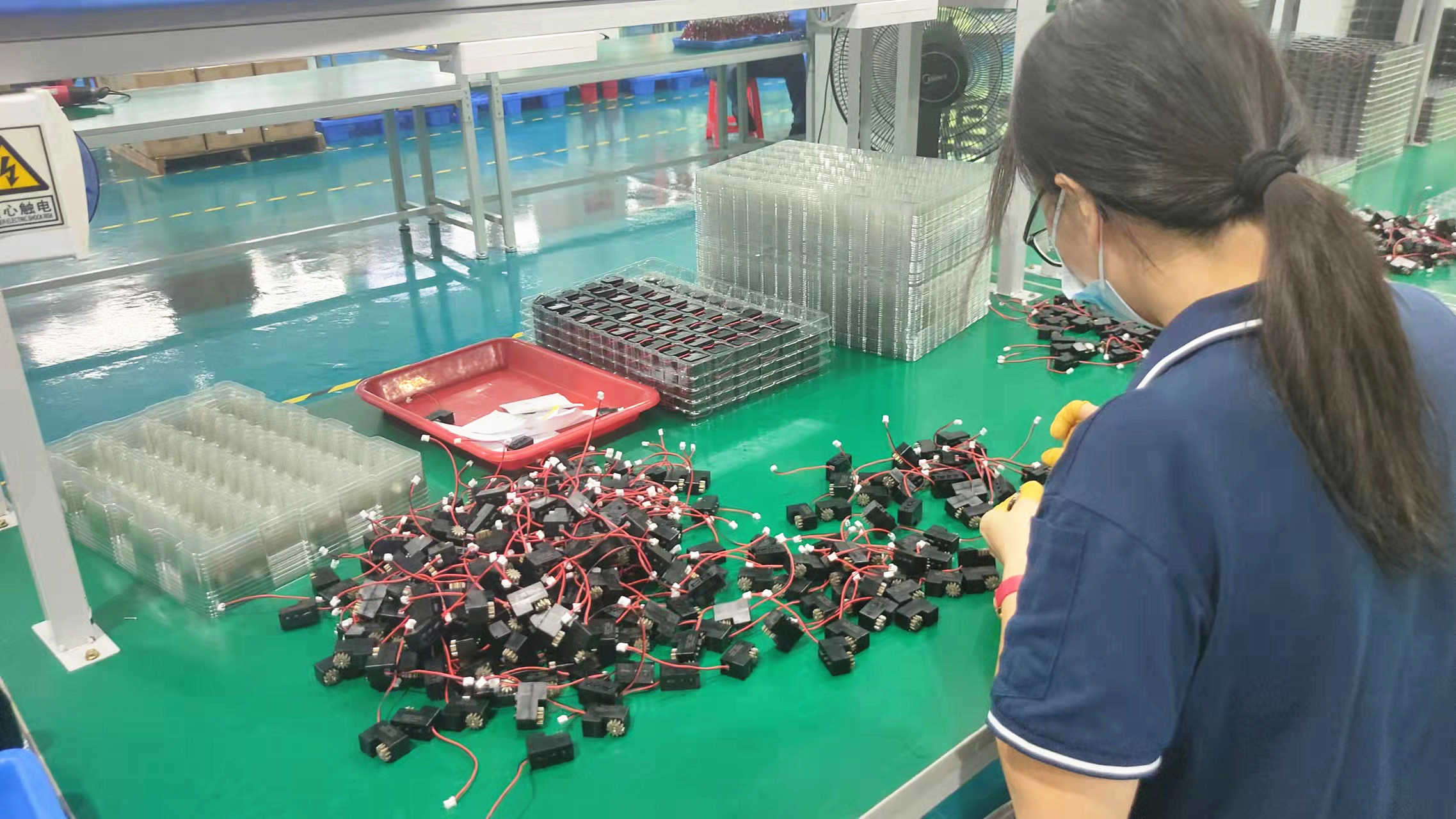
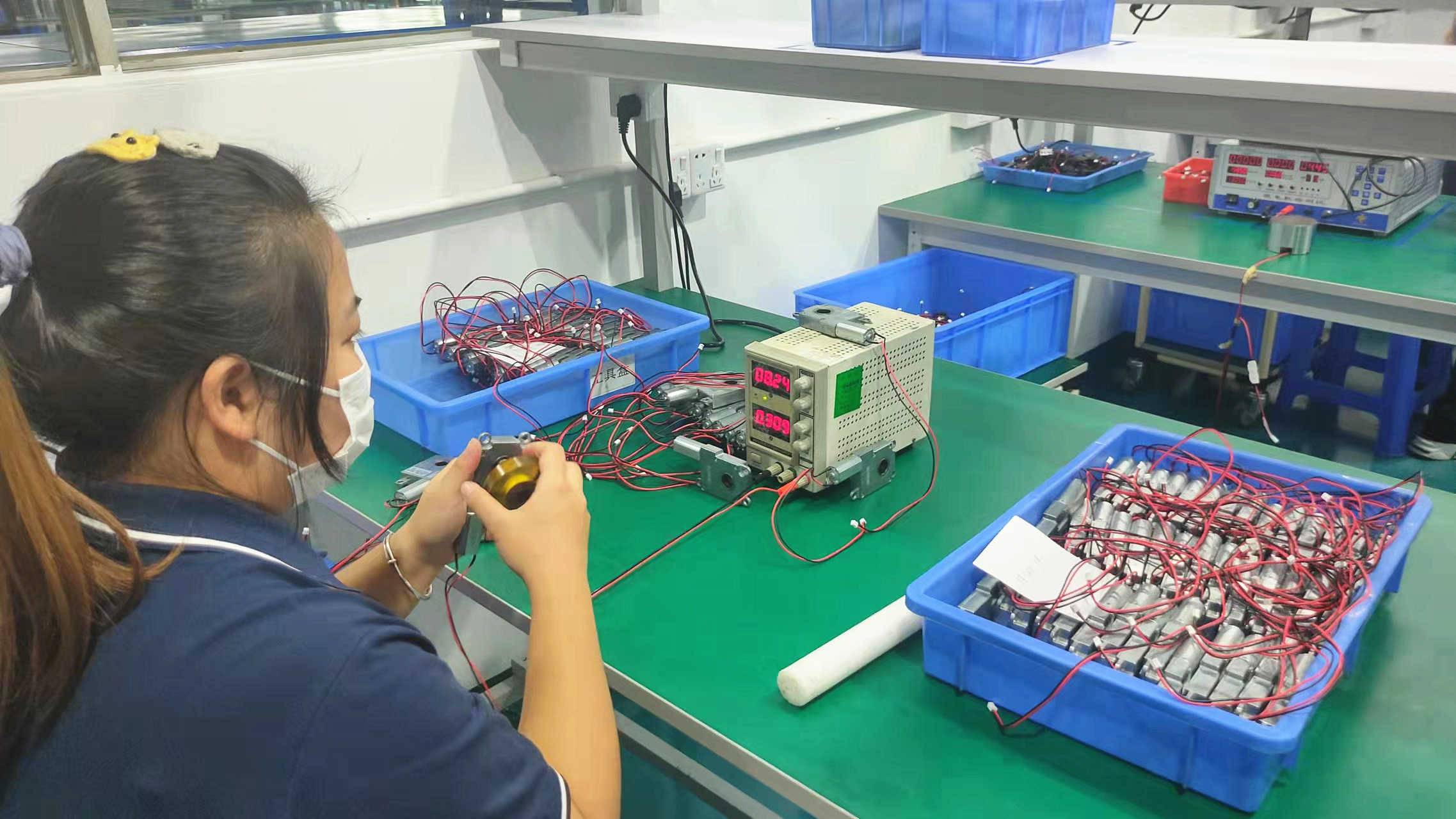
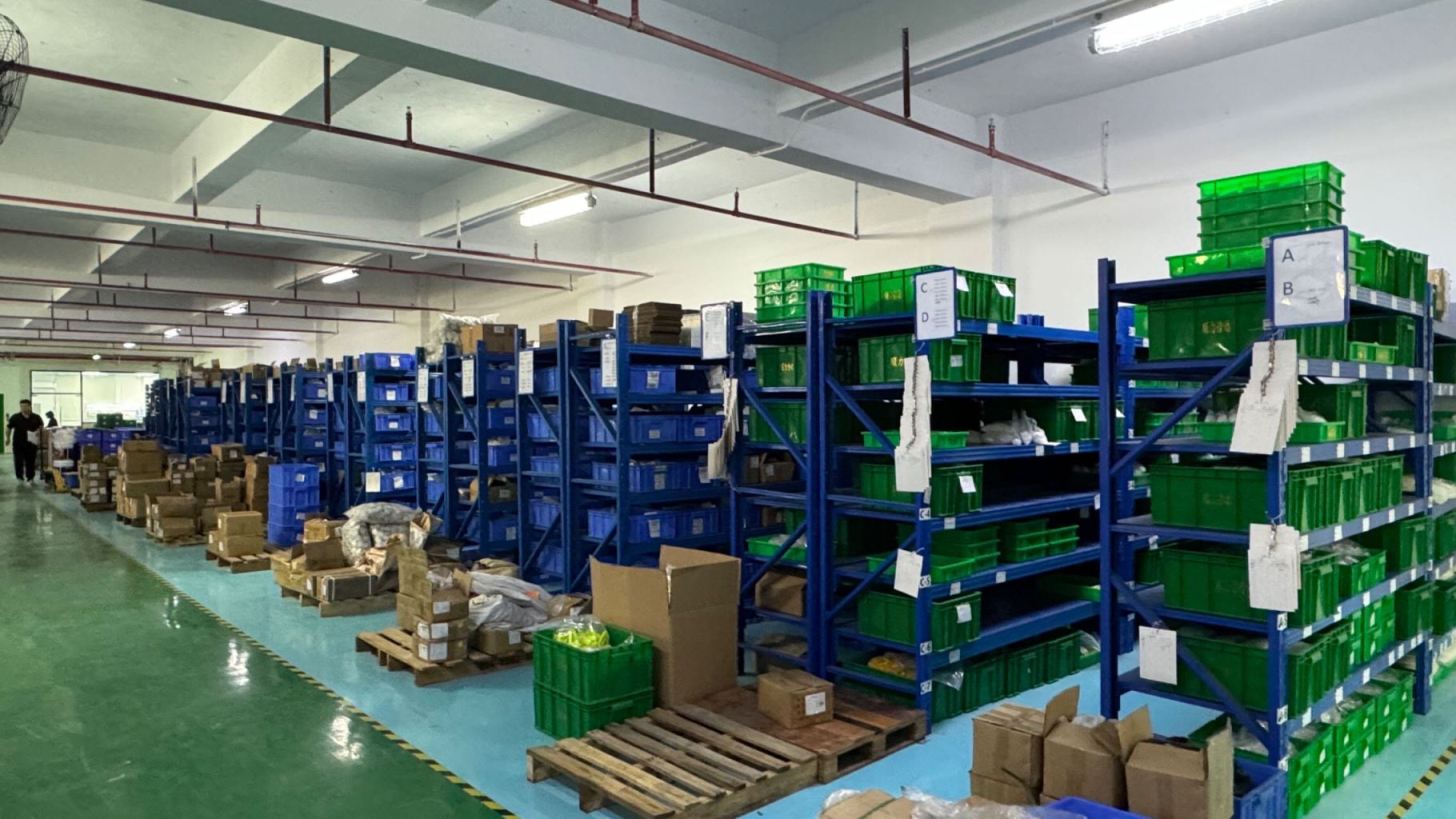
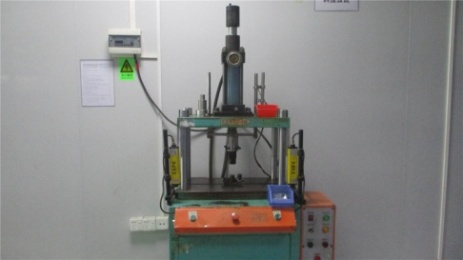
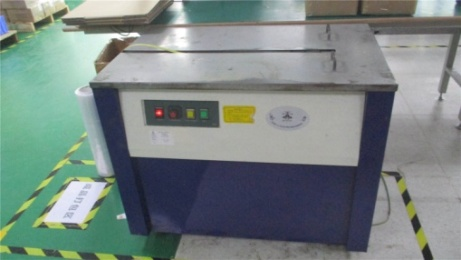
The sequence begins with high-grade silicon steel laminations and ultra-pure enameled copper wire. Automated winding machines wrap the coils under precise tension limits. Following winding, the rotor commutators are soldered under temperature-controlled conditions to prevent cold joints or flux contamination. Assembly occurs inside semi-clean environments where high-precision presses press-fit bearings and gearboxes onto the central shaft. Automated diagnostic testing evaluates dielectric strength, winding resistance, and no-load current before units are packed and stored.
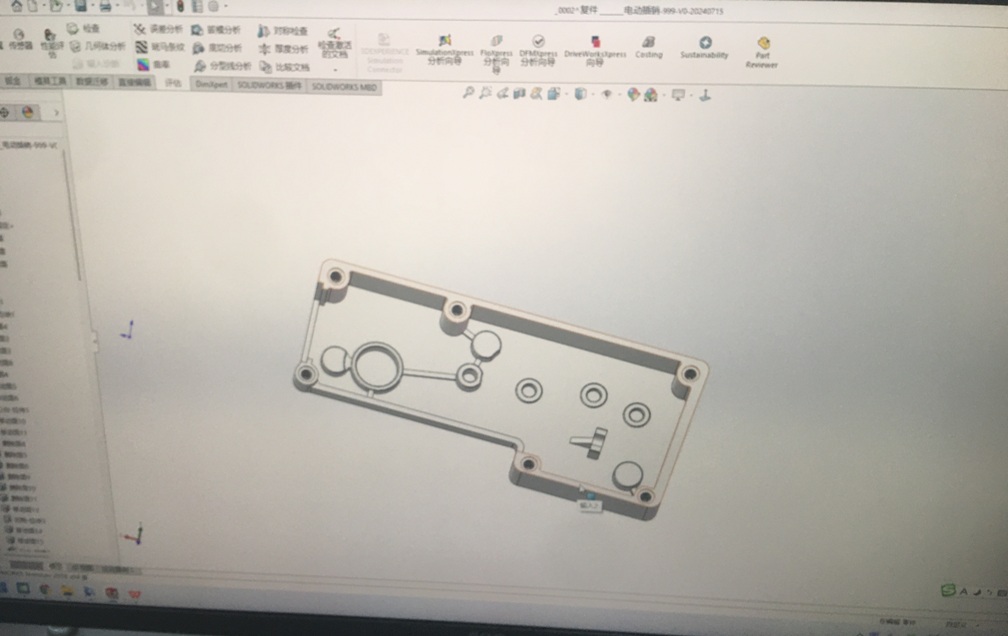
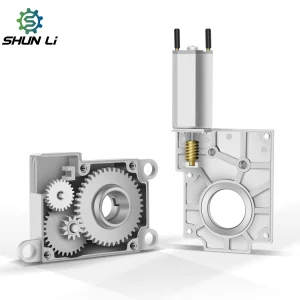
Micro gearboxes rely on high-precision machining. Standard milling is insufficient when working with modules as small as 0.15 M. High-precision gear hobbing and electrical discharge machining (EDM) are critical to ensure tooth profiles mesh correctly, reducing backlash and optimizing torque transmission.
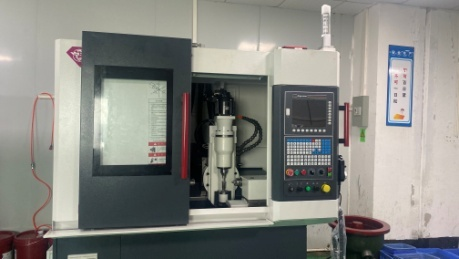
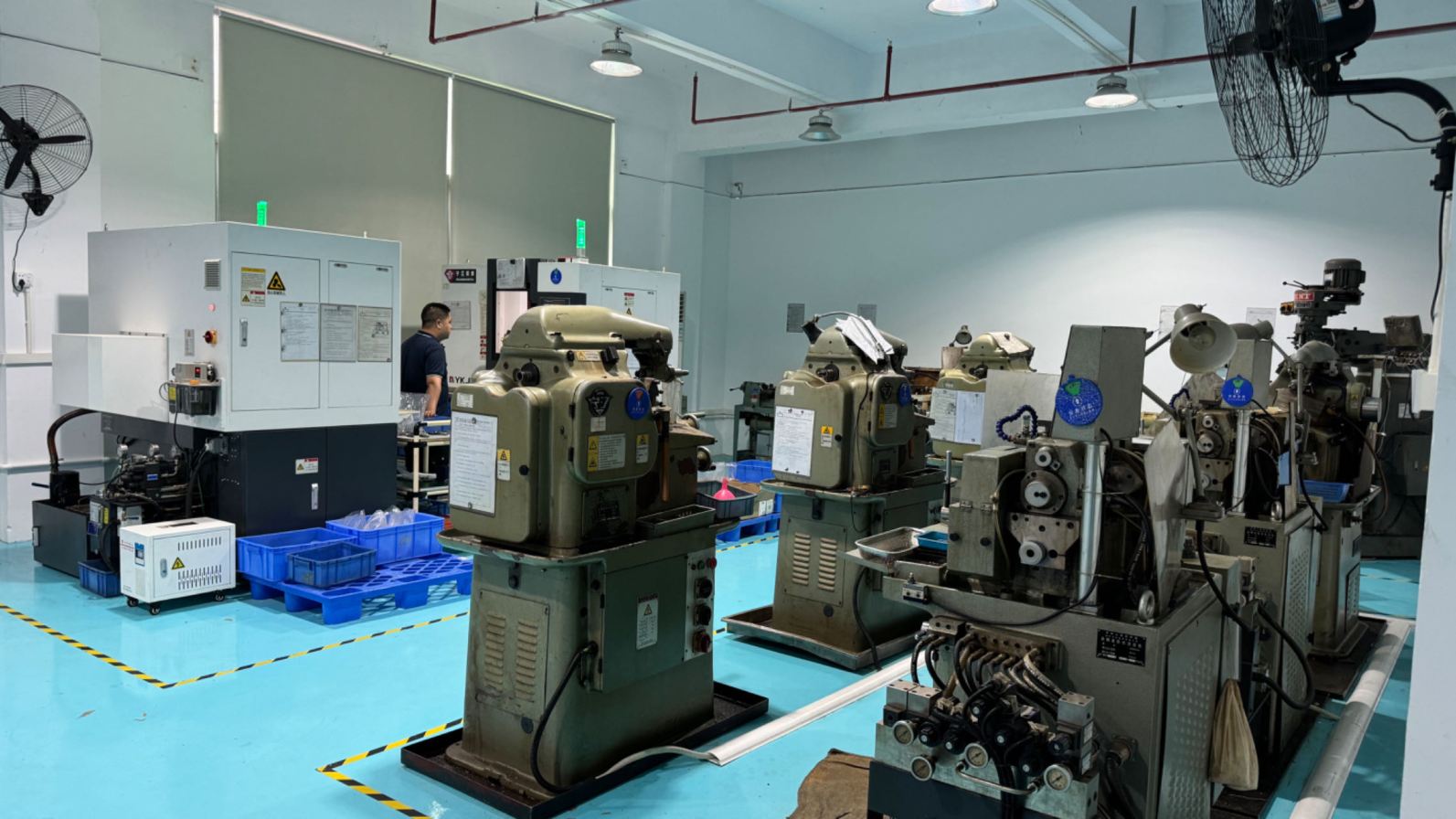
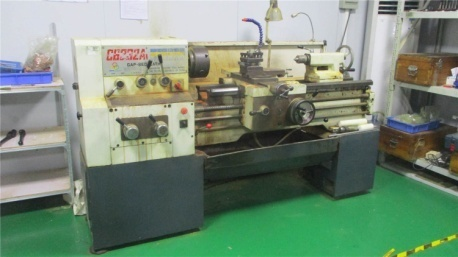
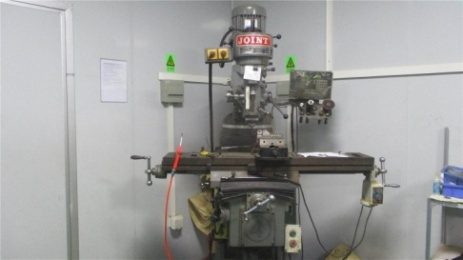
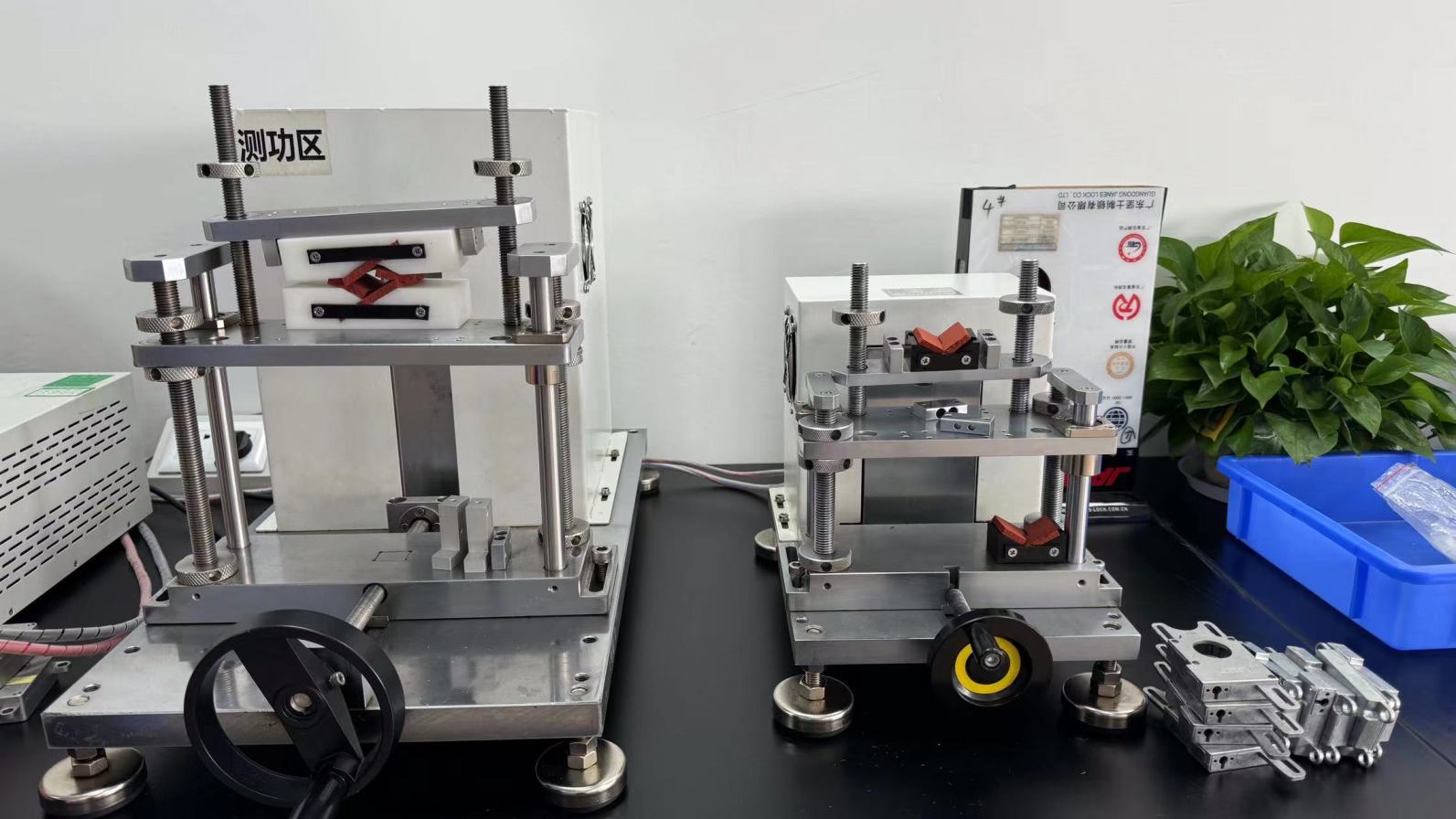
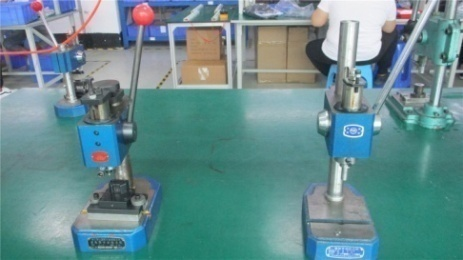
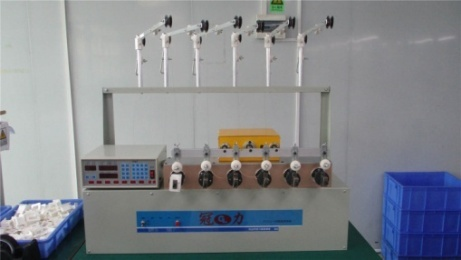
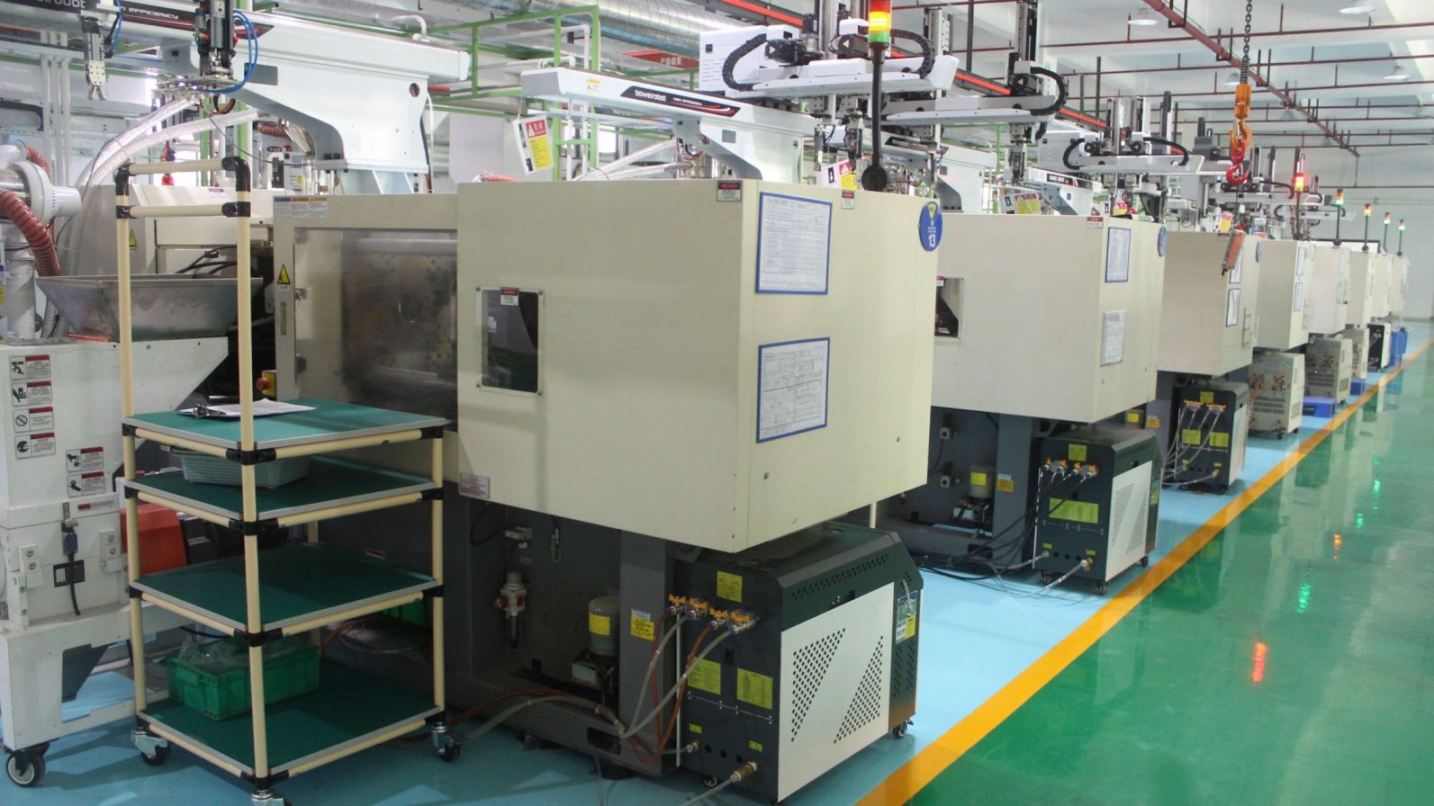
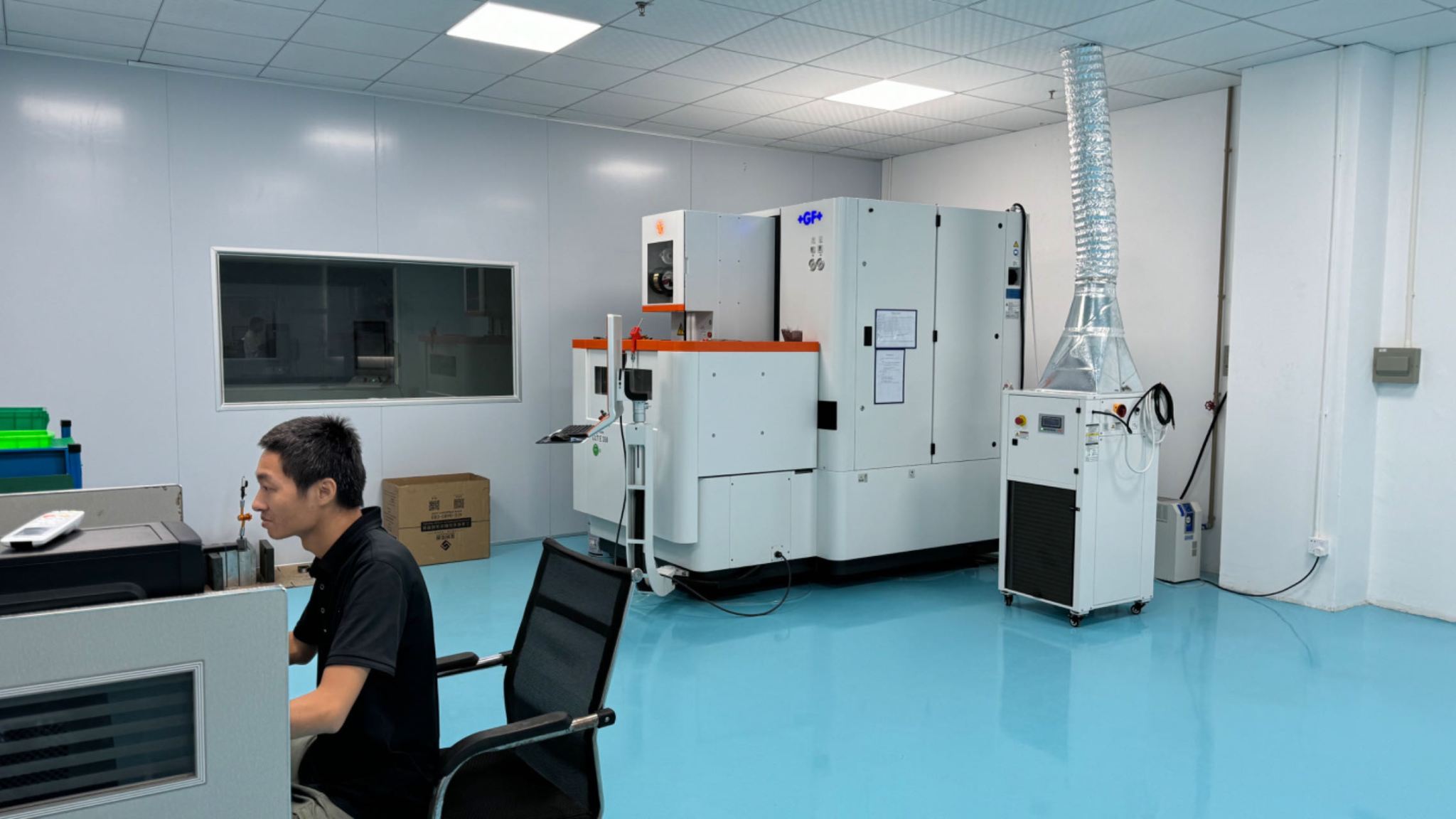
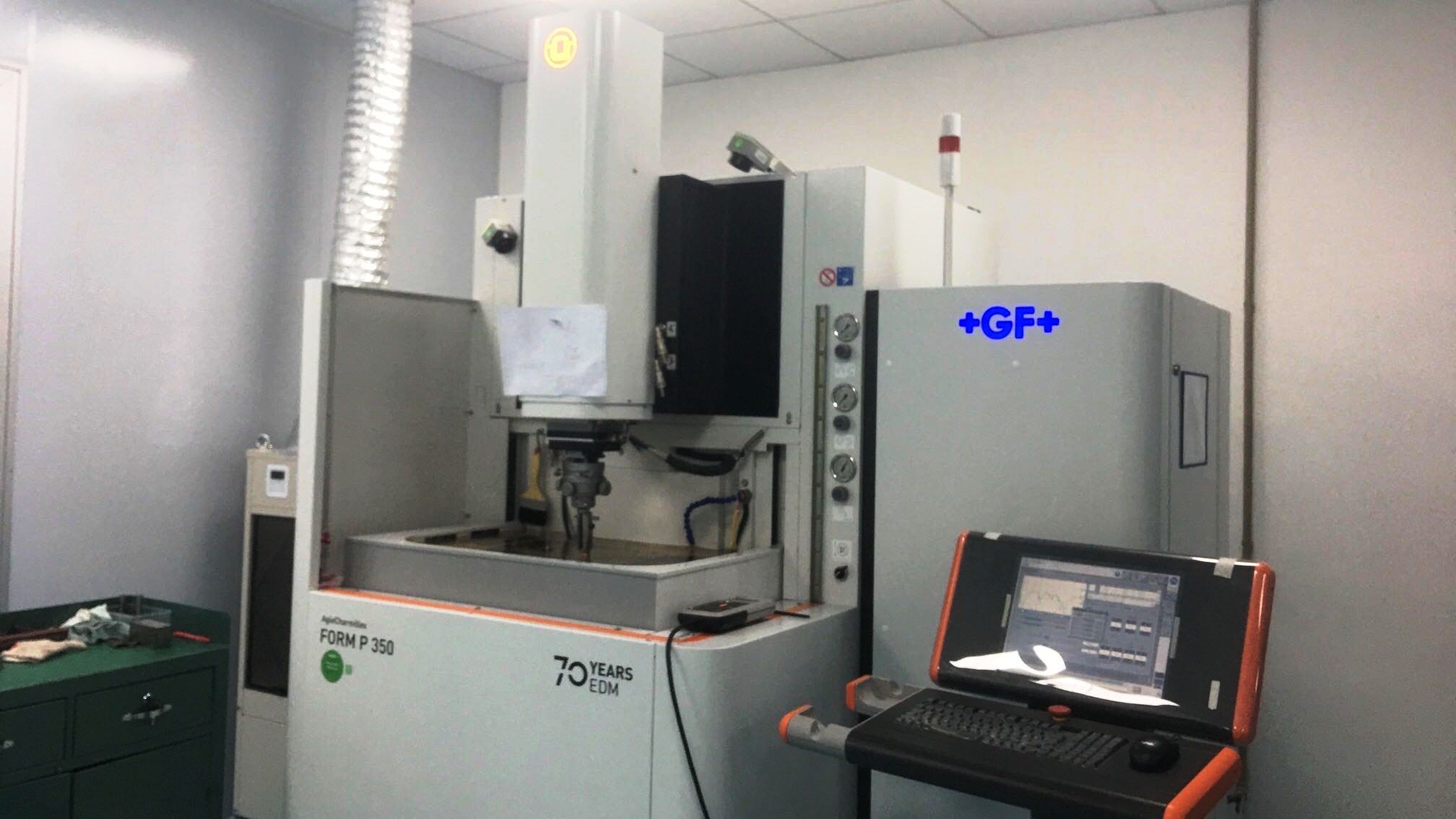
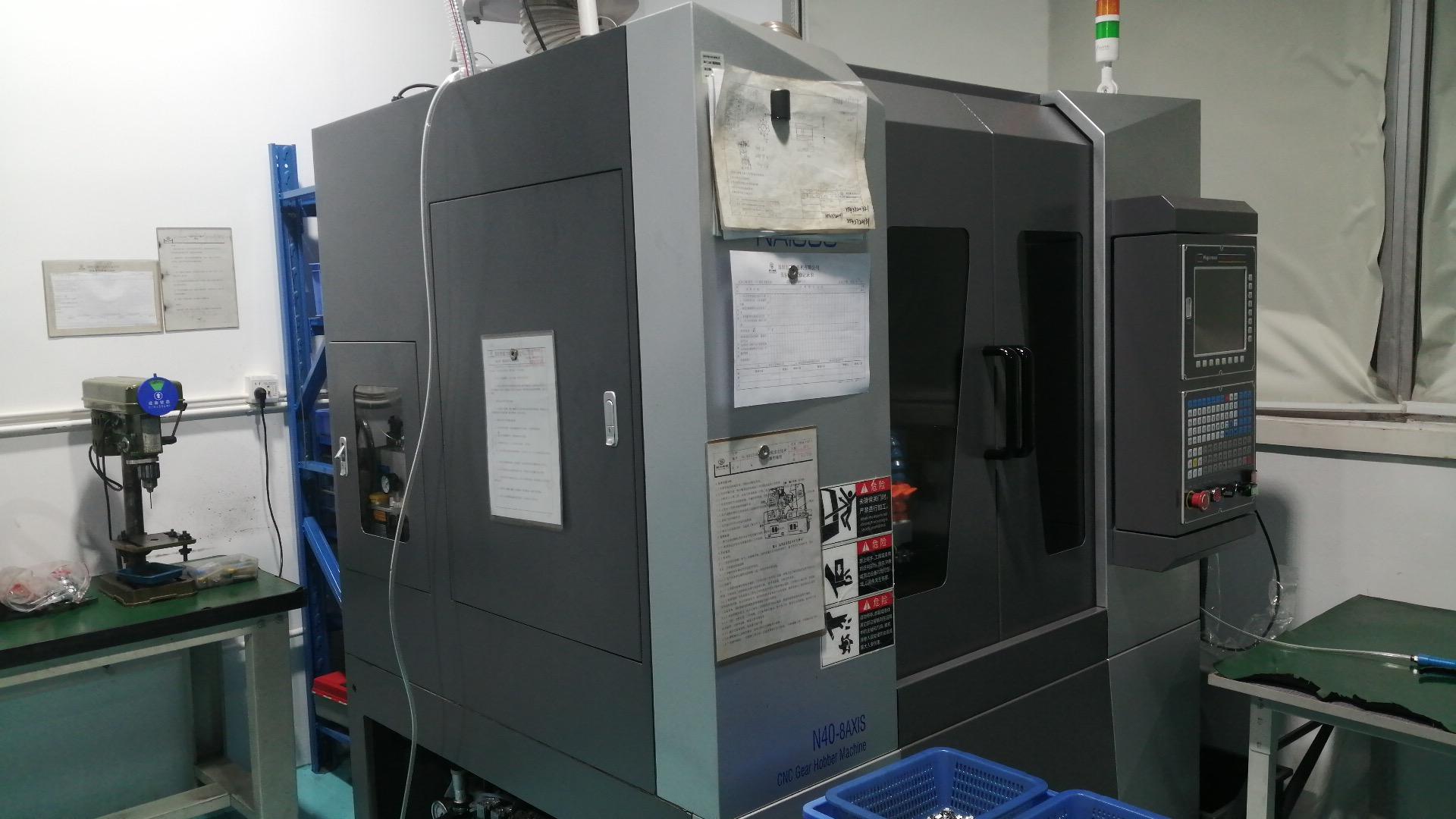
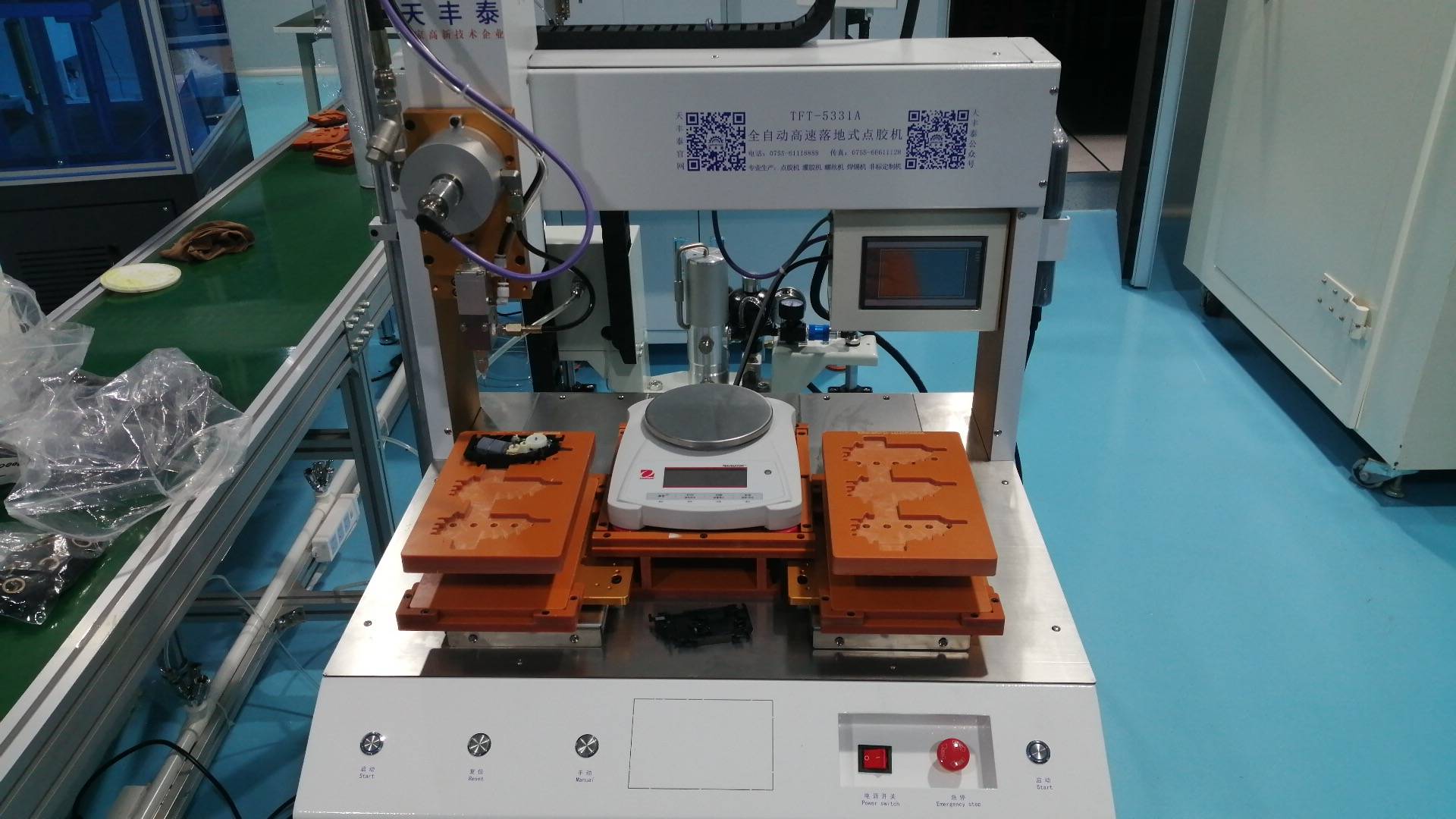
By utilizing specialized machines, such as the Ningjiang Gear Hobber and slow-feeding NC wire-cut machines, manufacturers can produce gearboxes with tolerances within ±3μm. This structural precision directly reduces transmission noise, limits energy loss from friction, and extends the operating life of micro gear motors to meet demanding application requirements.
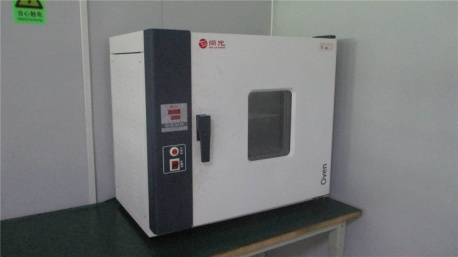
Delivering high-quality products requires robust testing infrastructure. The performance of radial gear motors in extreme environments depends on design validation, material testing, and final quality control checks. Dedicated testing chambers and metrology labs evaluate every production run to ensure design specifications are met.
Each batch is subjected to cyclic salt-spray tests to evaluate corrosion resistance in marine and outdoor environments. In addition, constant temperature and humidity chambers simulate storage and operating conditions from -40°C to +85°C to verify lubrication stability and material expansion profiles.
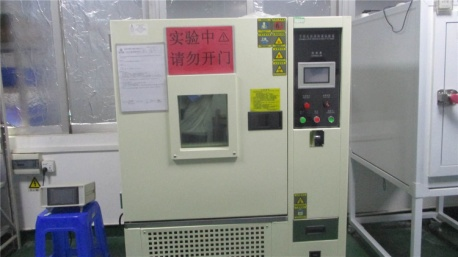
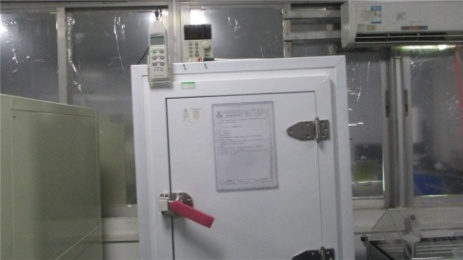
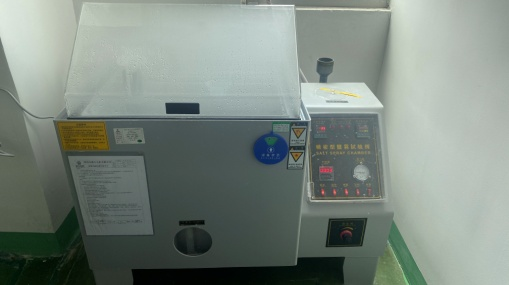
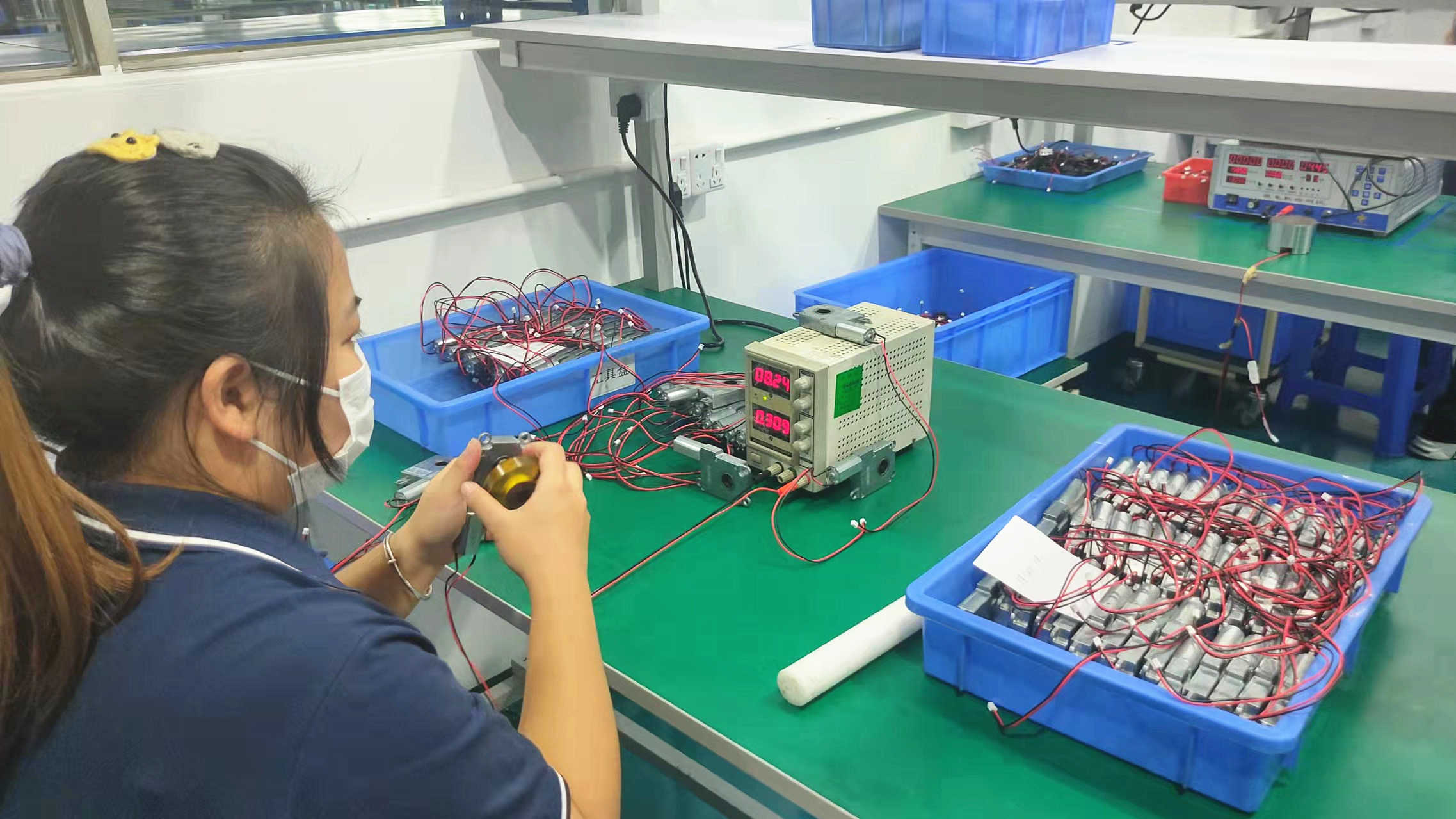
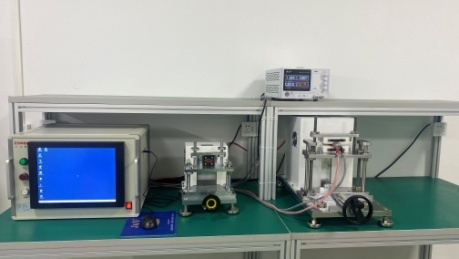
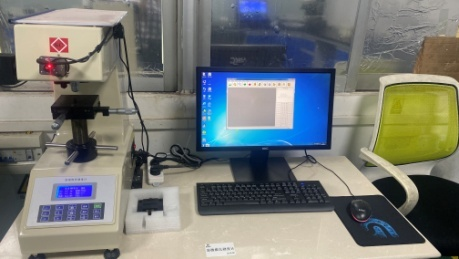
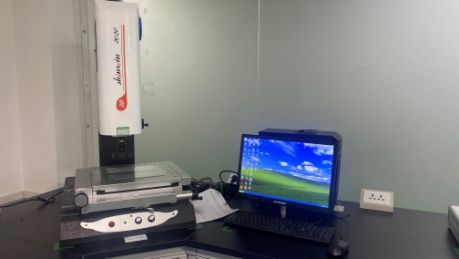
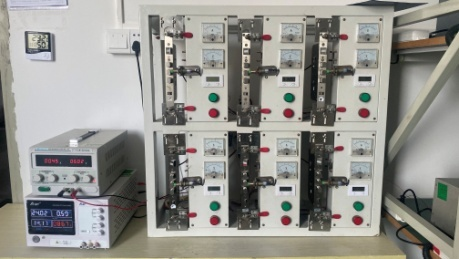
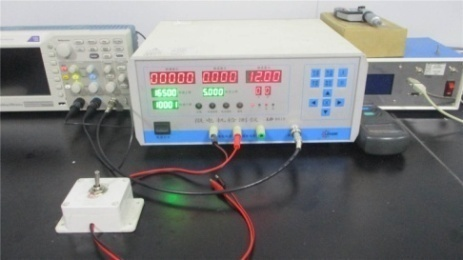
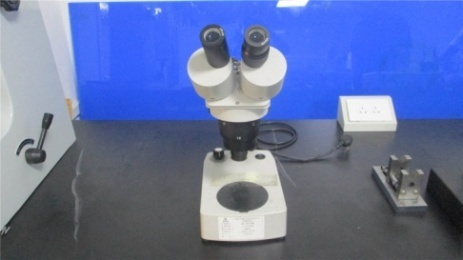
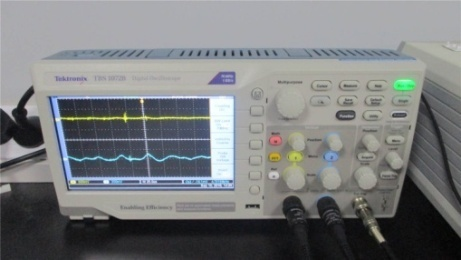
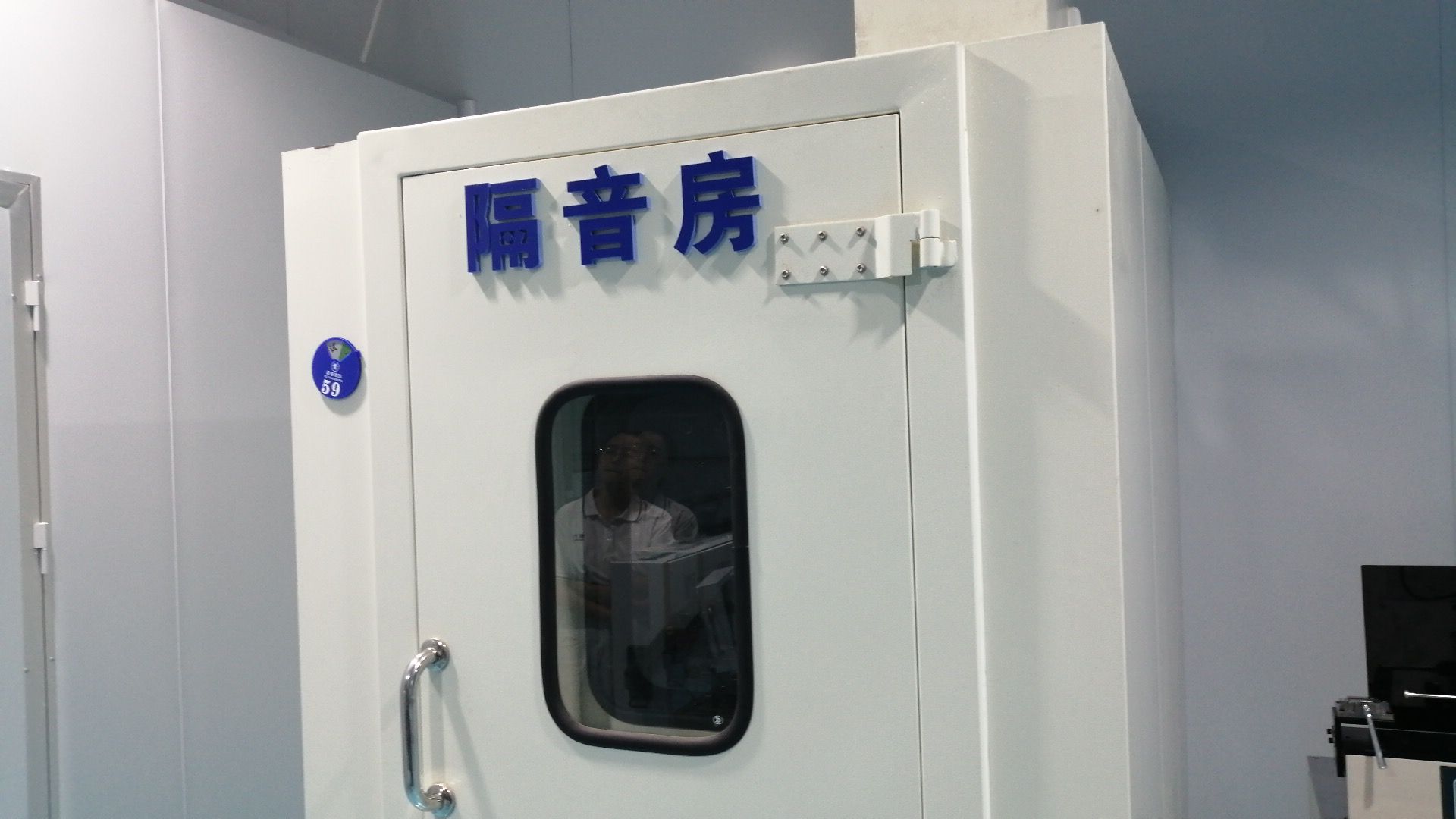
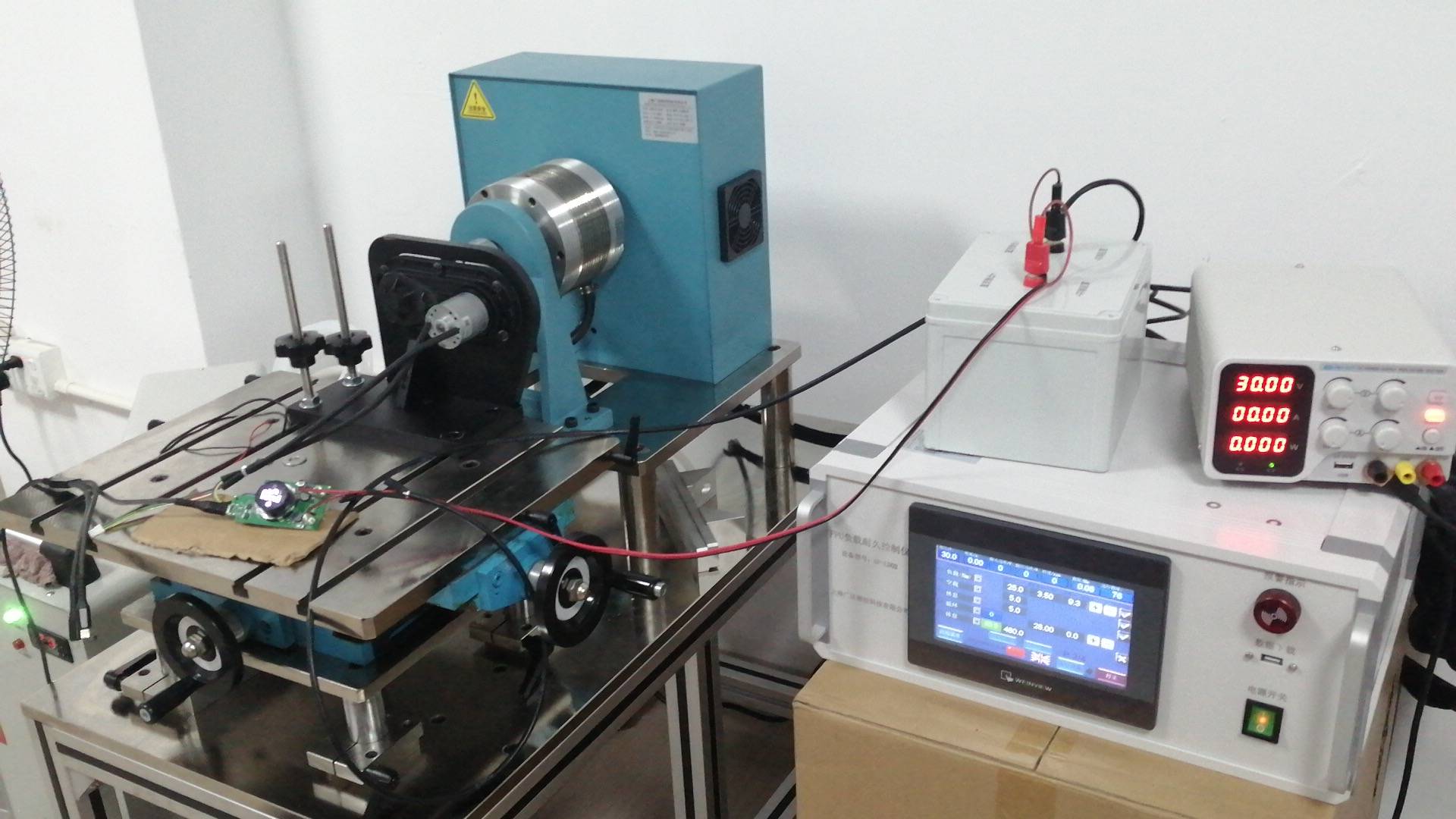
These testing systems monitor electrical characteristics, mechanical load responses, and sound profiles. Dynamometer testing captures torque-speed curves to ensure proper matching under load. Soundproof chambers measure running noise, while magnetic particle testing checks internal components for structural flaws.
To help procurement officers, design engineers, and systems integrators identify reliable suppliers, we have analyzed the top 10 radial and micro gear motor manufacturers. This assessment evaluates their technology platforms, custom engineering capabilities, and market focus.
| Manufacturer Name | Primary Technology Focus | Custom Design Capability | Target Industries Served |
|---|---|---|---|
| DyneticPro / Shunli Motor | Micro DC gear motors, planetary, worm, and shaded-pole motors. | High (Tailored gear ratios, shafts, and custom packaging). | Medical systems, smart locks, aerospace, and robotics. |
| Maxon Motor AG | High-end coreless DC motors and planetary gearheads. | High (Modular configure-to-order catalog). | Medical robotics, aerospace, and high-end automation. |
| Faulhaber Group | Miniature ironless core motors and flat brushless radial motors. | High (Optimized for micro-assembly systems). | Medical instruments, optics, and laboratory systems. |
| Portescap | Slotless brushless and brush DC motors. | Medium to High (High density, sterilizable options). | Surgical tools, aerospace actuators, and dynamic pumps. |
| Nidec Corporation | Large-scale brushless motors, axial, and radial fans. | Medium (Geared for mass-production runs). | Automotive, IT infrastructure, and home appliances. |
| Allied Motion Technologies | Custom brush and brushless motors with integrated drives. | High (System-level integration). | Defense, industrial machinery, and surgical pumps. |
| MinebeaMitsumi Inc. | Stepper motors, brush DC, and radial ball bearings. | Medium (Automated volume production). | Office automation, consumer electronics, and automotive. |
| Johnson Electric | Motion sub-systems, solenoids, and standard micro motors. | Medium (Optimized for consumer platforms). | Automotive fuel pumps, building automation, and appliances. |
| Moog Inc. | Servo actuators and aerospace-grade brushless motors. | High (Designed for harsh environments). | Defense, aerospace, oil & gas exploration. |
| Buehler Motor | Gear motors, drive solutions, and DC actuator units. | Medium to High (Custom gearboxes). | Automotive seating, HVAC controls, and aviation systems. |
High-performance radial motors are key components in modern automation. Their high torque density and reliability make them suitable for medical, industrial, and consumer applications.
In smart access systems, compact radial gear motors provide the starting torque required to actuate latch systems within tight spaces. For medical applications, such as infusion pumps, peristaltic drives, and surgical tools, these motors offer predictable speed control under varying loads.
In industrial automation, radial motors drive conveyor lines, packaging machinery, and AGV (Automated Guided Vehicle) wheels. Their low maintenance requirements and thermal stability help reduce operational downtime in manufacturing facilities.
Shipping precision components across international borders requires compliance with multiple safety and environmental standards. Leading exporters design their products to meet RoHS and REACH directives, ensuring all components are free from restricted hazardous materials.
Electromagnetic compatibility (EMC) certifications (including CE, FCC, and UKCA) are necessary to verify that motor emissions do not interfere with nearby electronics, which is particularly important in medical and aerospace environments. Production processes certified under ISO 9001 and ISO 14001 help ensure manufacturing consistency and compliance with environmental standards.
The radial motor industry is shifting toward smart, integrated motion control systems. Design advances focus on increasing power density and improving efficiency.
Key industry trends include:
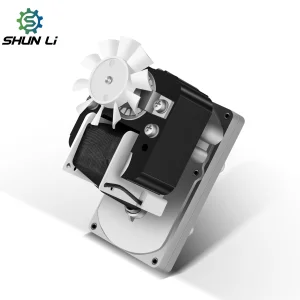
Heavy-duty AC shaded-pole drives, integrated miniature encoders, and customized low-rpm screw motor configurations.
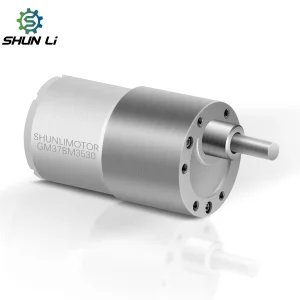
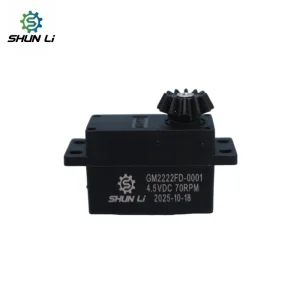
 DyneticPro Motor