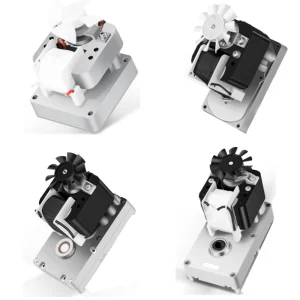
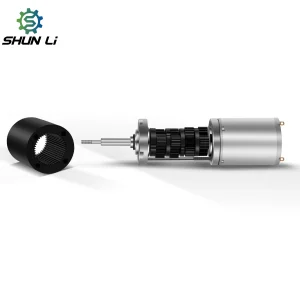
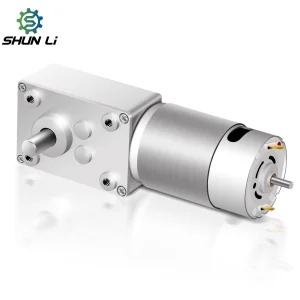
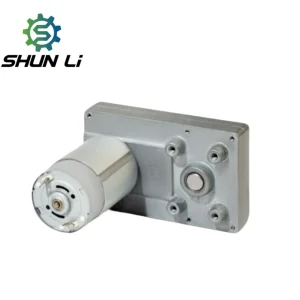
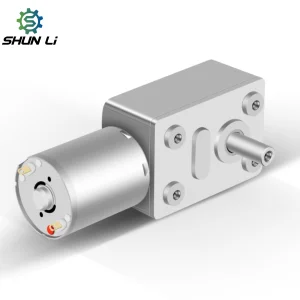
Explore our foundational lineup of precision-engineered micro motors, planetary gearsets, and high-performance AC/DC fractional drives.
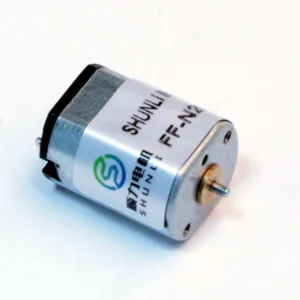
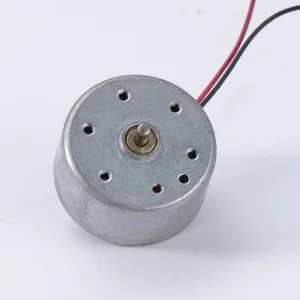
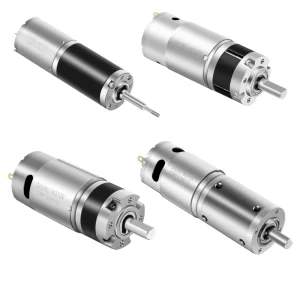
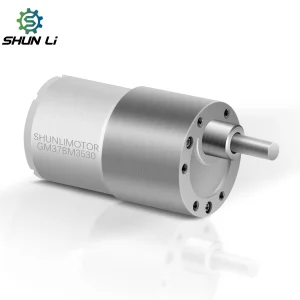
Three-phase induction motors represent the bedrock of the global manufacturing and infrastructure landscape, accounting for approximately 80% of all electric energy consumed by the industrial sector. In a macroeconomic paradigm increasingly defined by carbon neutrality (Net-Zero goals), stringent efficiency regulations (specifically European Ecodesign standards and NEMA Premium thresholds), and the integration of the Industrial Internet of Things (IIoT), select global manufacturers have transcended basic commoditized component assembly to become strategic technology partners.
This report systematically evaluates the leading three-phase motor factories, exporters, and design pioneers. We examine how key manufacturers are addressing the critical trade-offs between performance, thermal capacity, weight minimization, and cost. For engineering professionals and procurement departments, selecting the correct exporter requires examining technical competence metrics, including stator slot fill factors, automated winding precision, advanced magnetic material sourcing, and localized regulatory compliance.
SEO Value Insights: Global search intent trends for "Three Phase Motor Factories" have shifted significantly from simple price-comparison requests to search strings detailing mechanical reliability, CE/UL certification alignment, IE4/IE5 synchronous reluctance (SynRM) transition capability, and supply-chain supply guarantees.
When selecting a strategic supplier for low, medium, or high voltage three-phase electric motors, procurement directors evaluate five critical pillars of operational excellence:
Premium manufacturers use advanced automated needle-winding machinery to maximize copper slot-fill rates, keeping resistance losses to a minimum. Incorporating high-grade Class H insulation ensures operation at high temperature levels without thermal breakdown.
Utilizing premium cold-rolled non-oriented electrical steel (CRNGO) minimizes hysteresis and eddy-current losses. Dynamic balancing processes down to G1.0 quality standard limit structural vibration profiles and wear on bearings.
Top-tier factories partner with tier-one suppliers (SKF, NSK, or FAG) and utilize insulated bearings or grounding rings to eliminate electrical pitting caused by high VFD carrier switching frequencies.
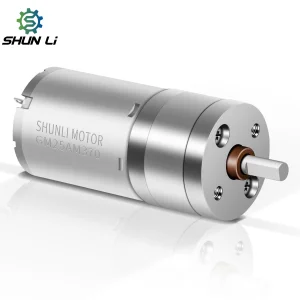
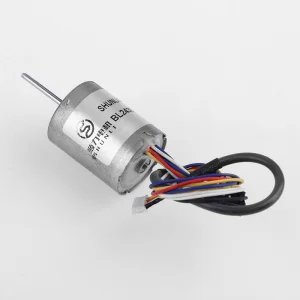
Inside a premium robotic joint, an automated medical pump, or a high-end smart lock, space is the ultimate luxury. At DyneticPro, we measure our success in micrometers and decibels. Our mission is to take advanced, heavy-duty rotational power and compress it into the most compact, energy-efficient footprints imaginable.
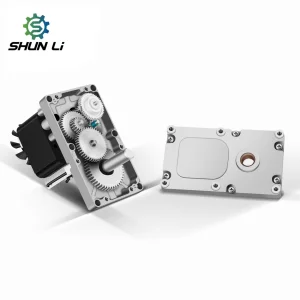
Our expertise lies in the micro-details of motion. From precision-wound copper rotors and high-purity commutators to zero-backlash planetary gear trains, every single internal component of a DyneticPro motor is optimized to eliminate friction and maximize heat dissipation. By combining advanced automated Swiss-style hobbing with Japanese dynamic balancing, we ensure our micro drives deliver the fluid, whispering-quiet power your brand promises. When your next high-tech innovation relies on repeated mechanical perfection, let DyneticPro be the core that spins it forward.

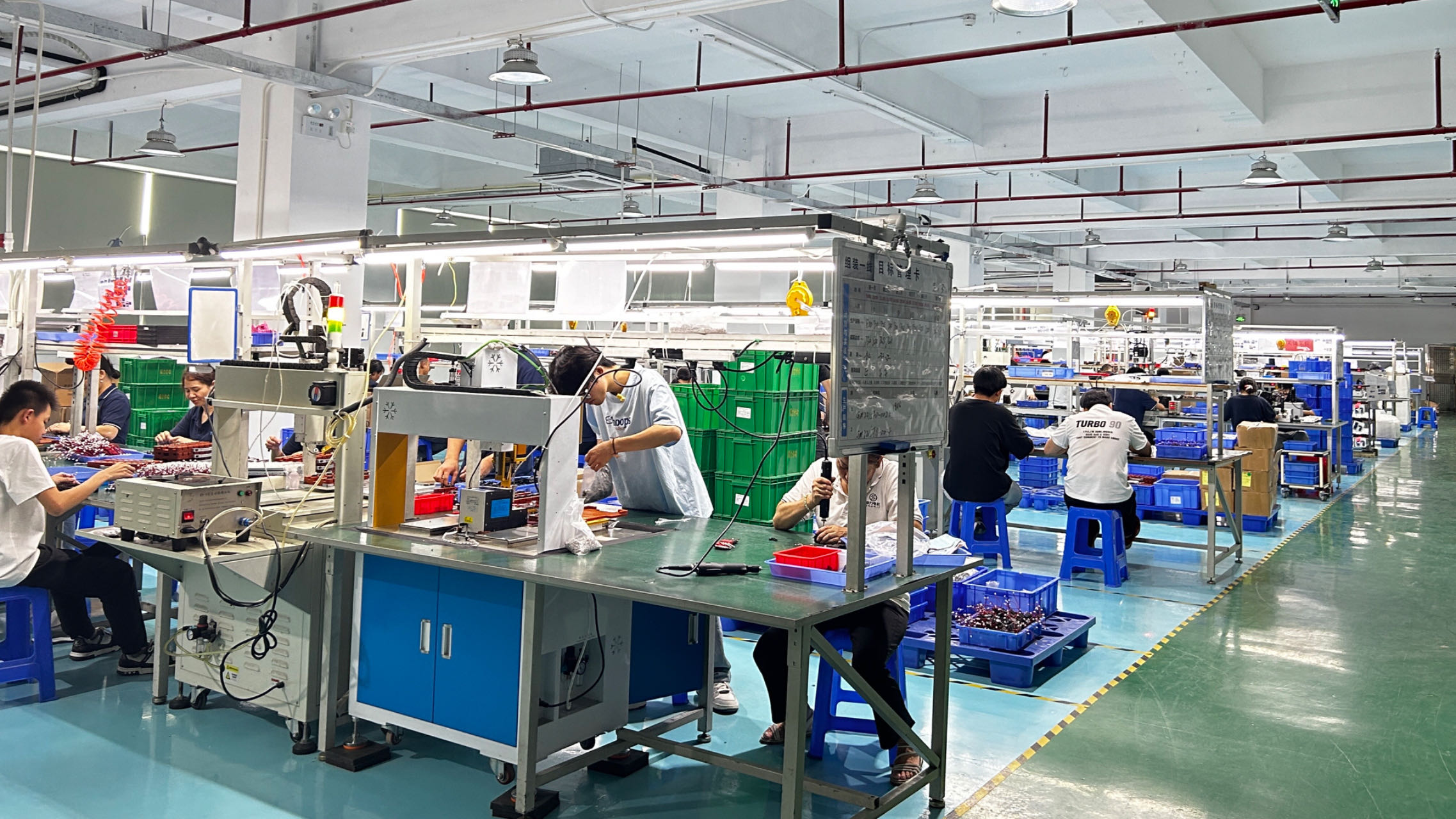
 Raw Material
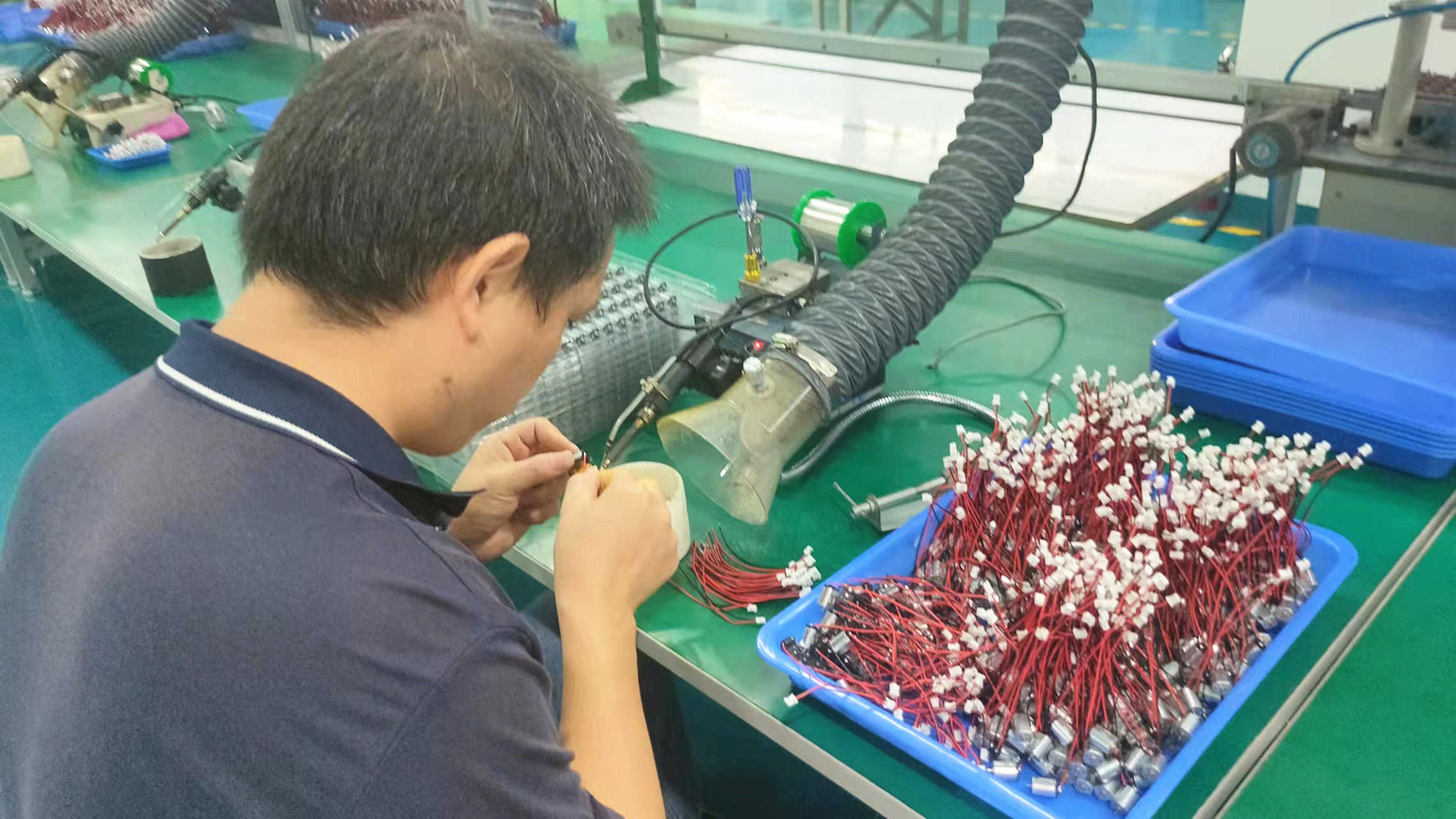 Soldering
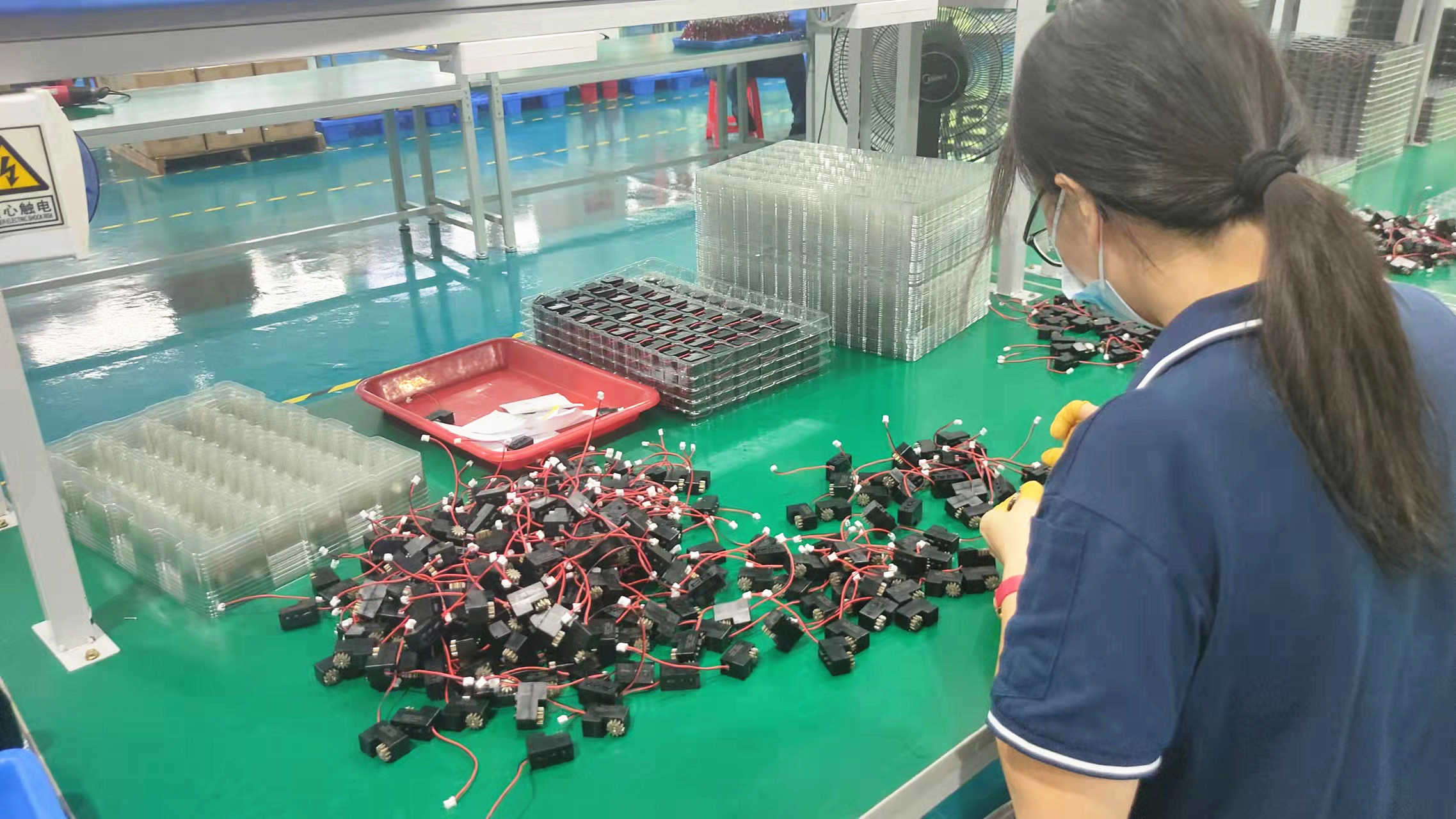
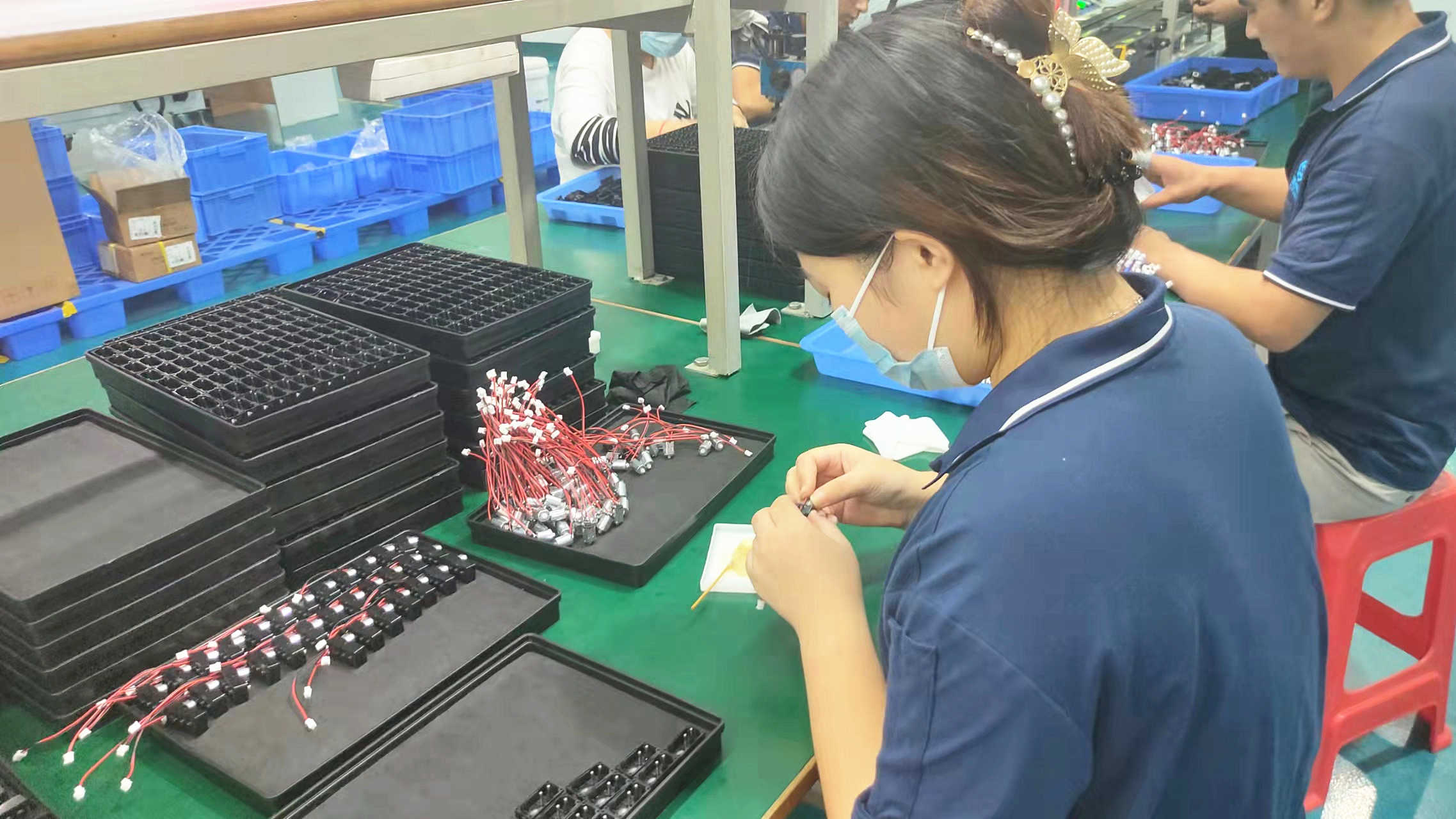 Assembling
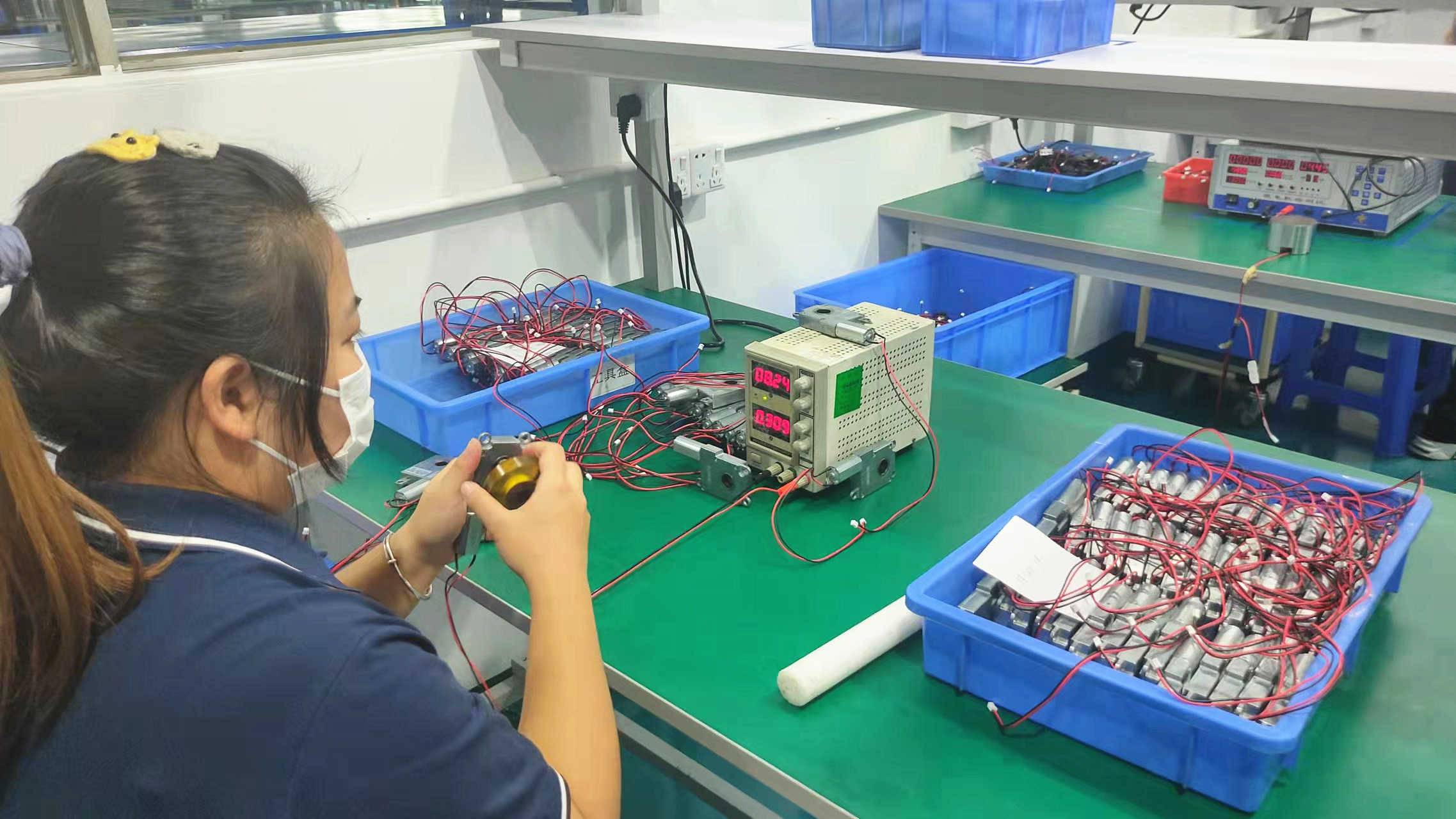
 Testing
 Packing
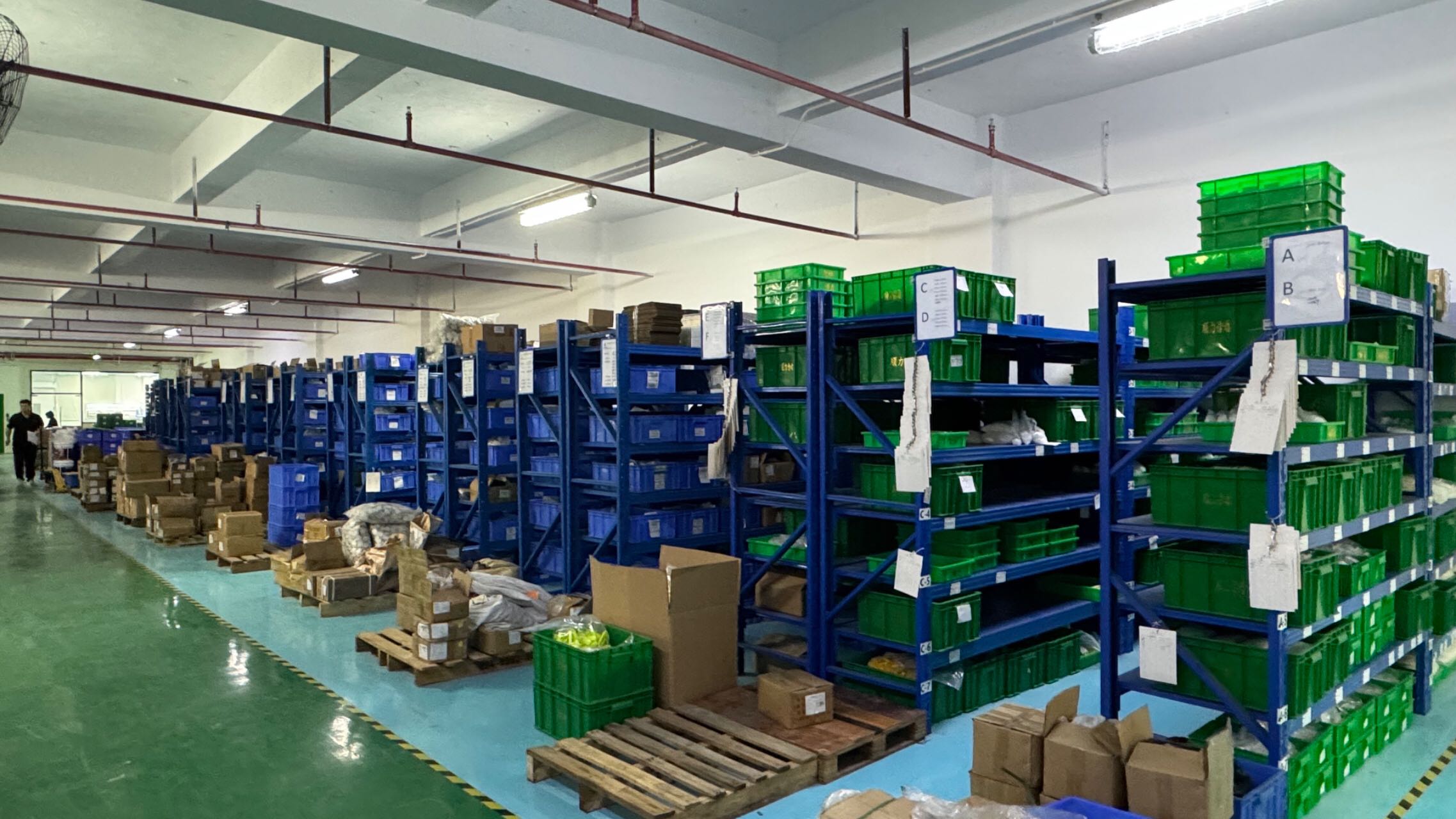
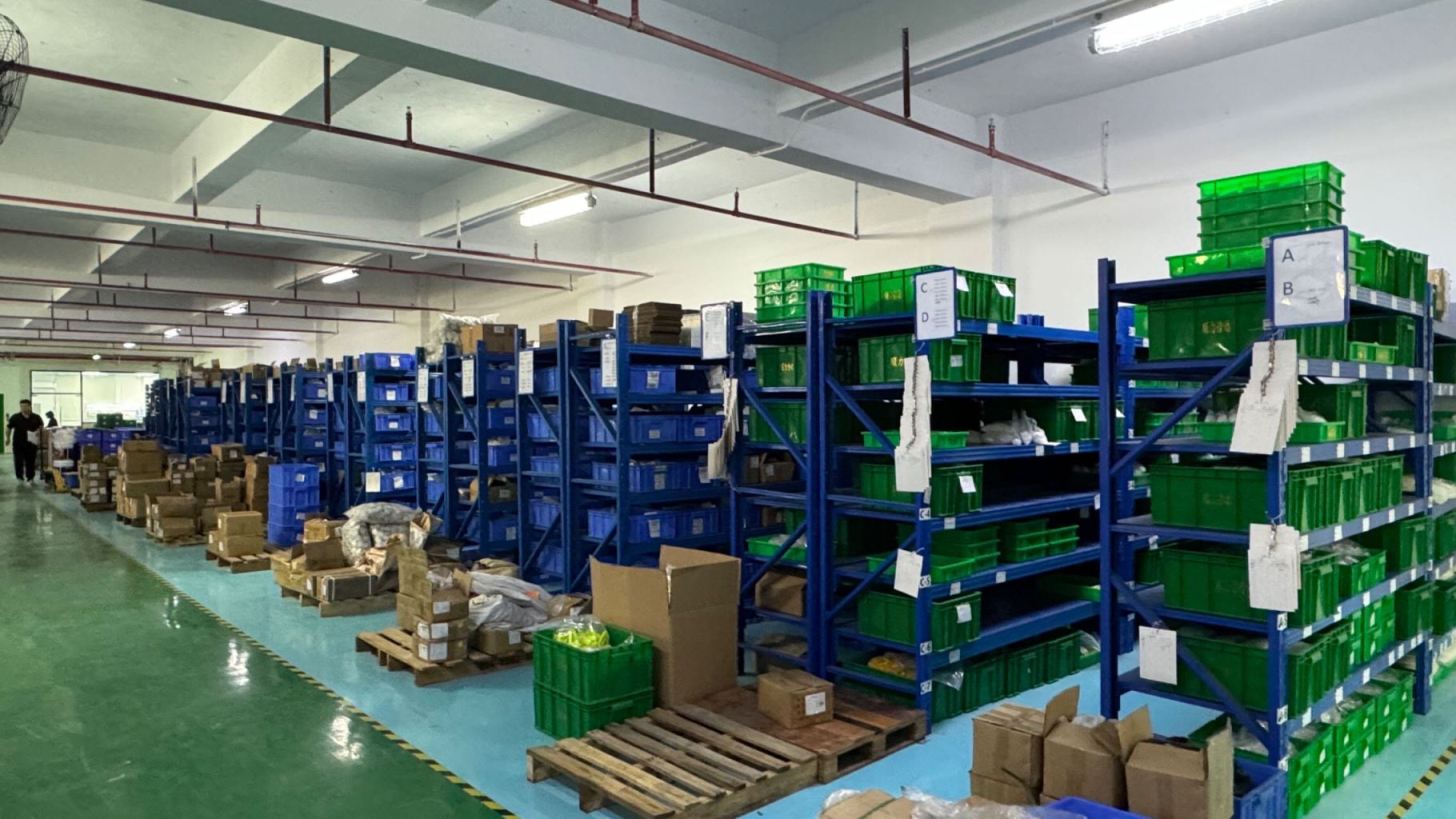 Storage
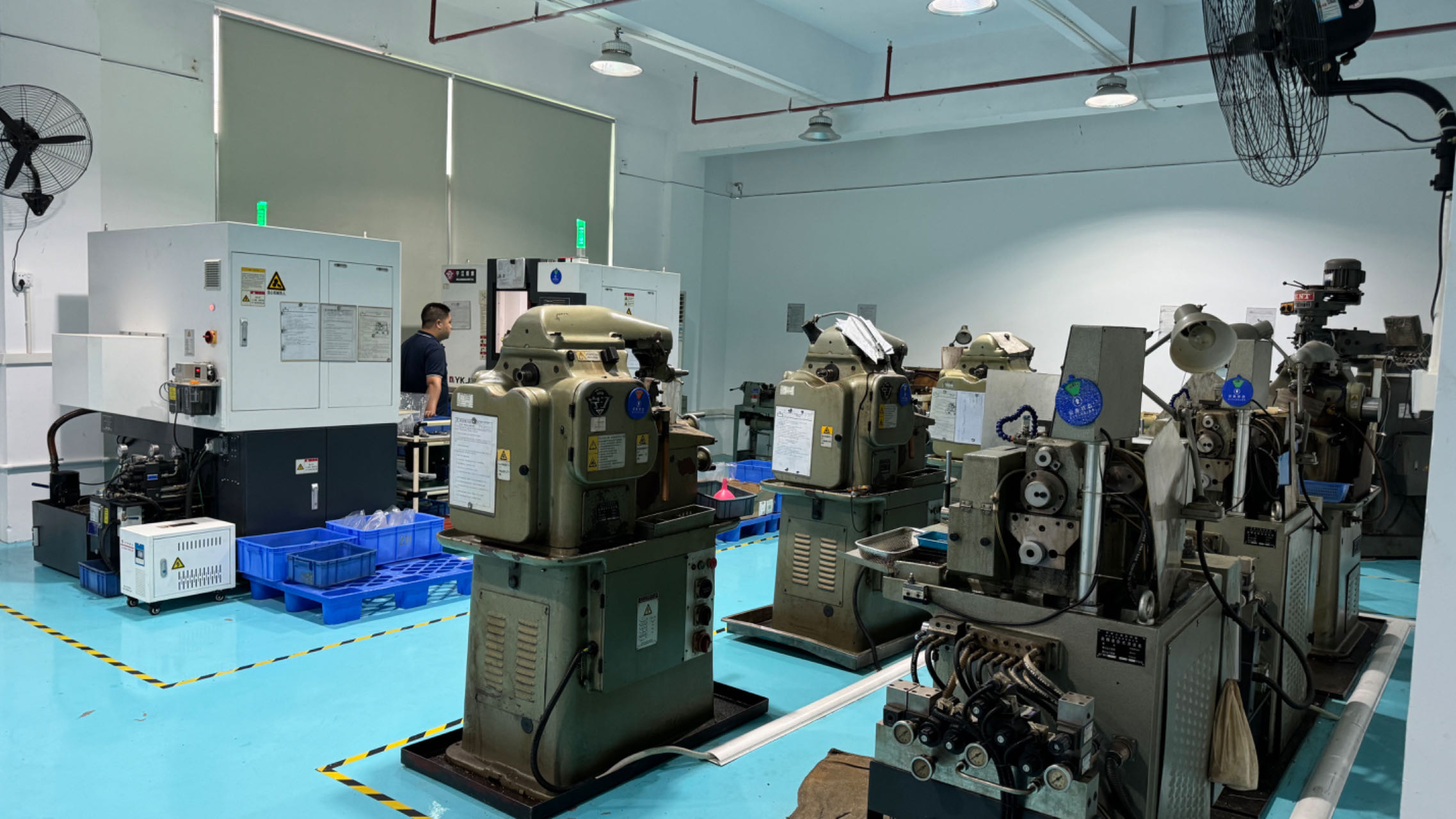
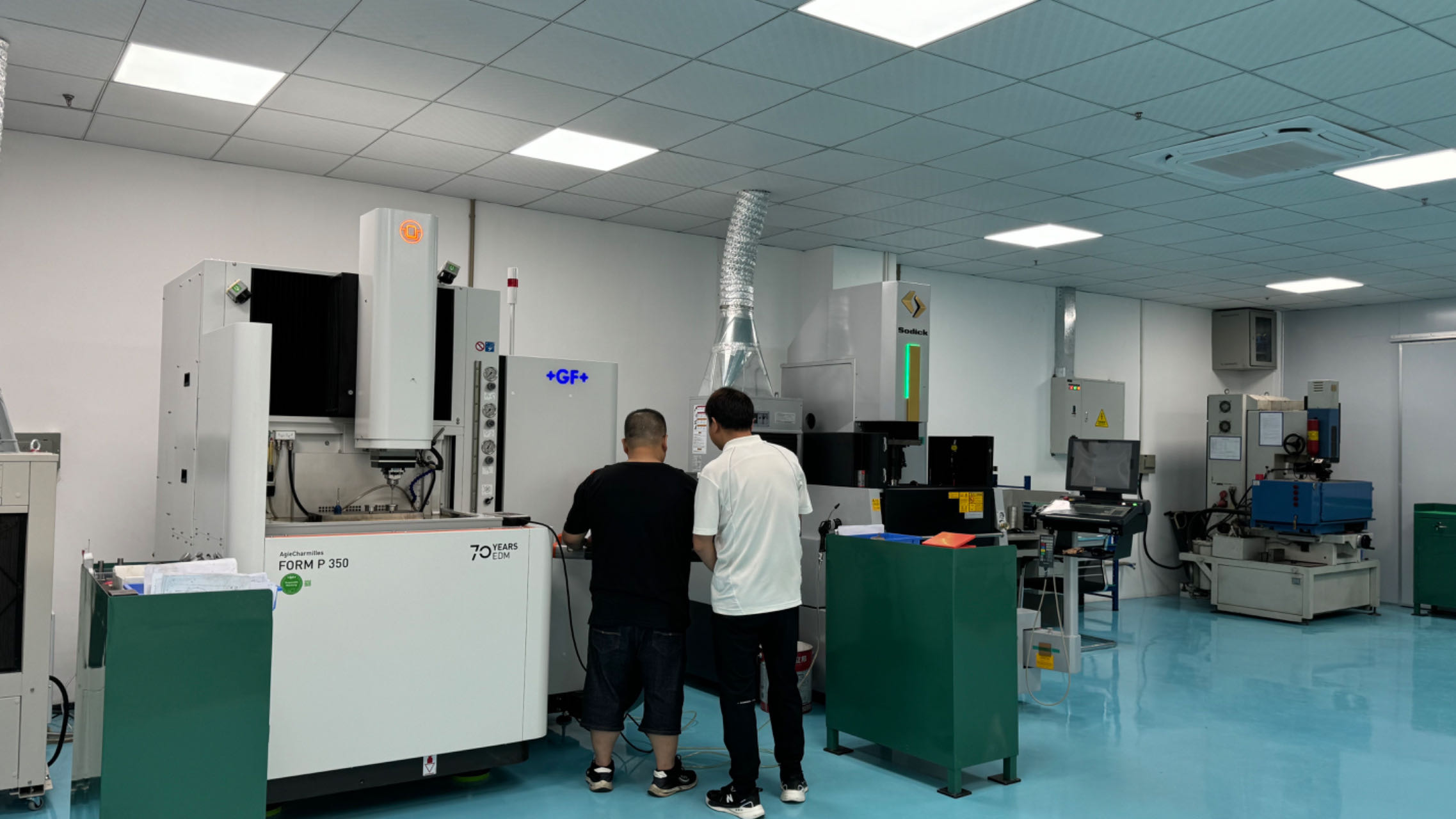
Our manufacturing complex uses ultra-precise machining units to guarantee dimensional tolerances within micron scales, directly mitigating mechanical friction and vibration.
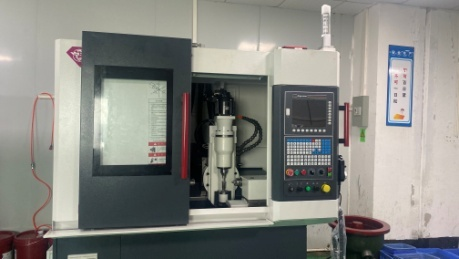 NINGJIANG MACHINE TOOL
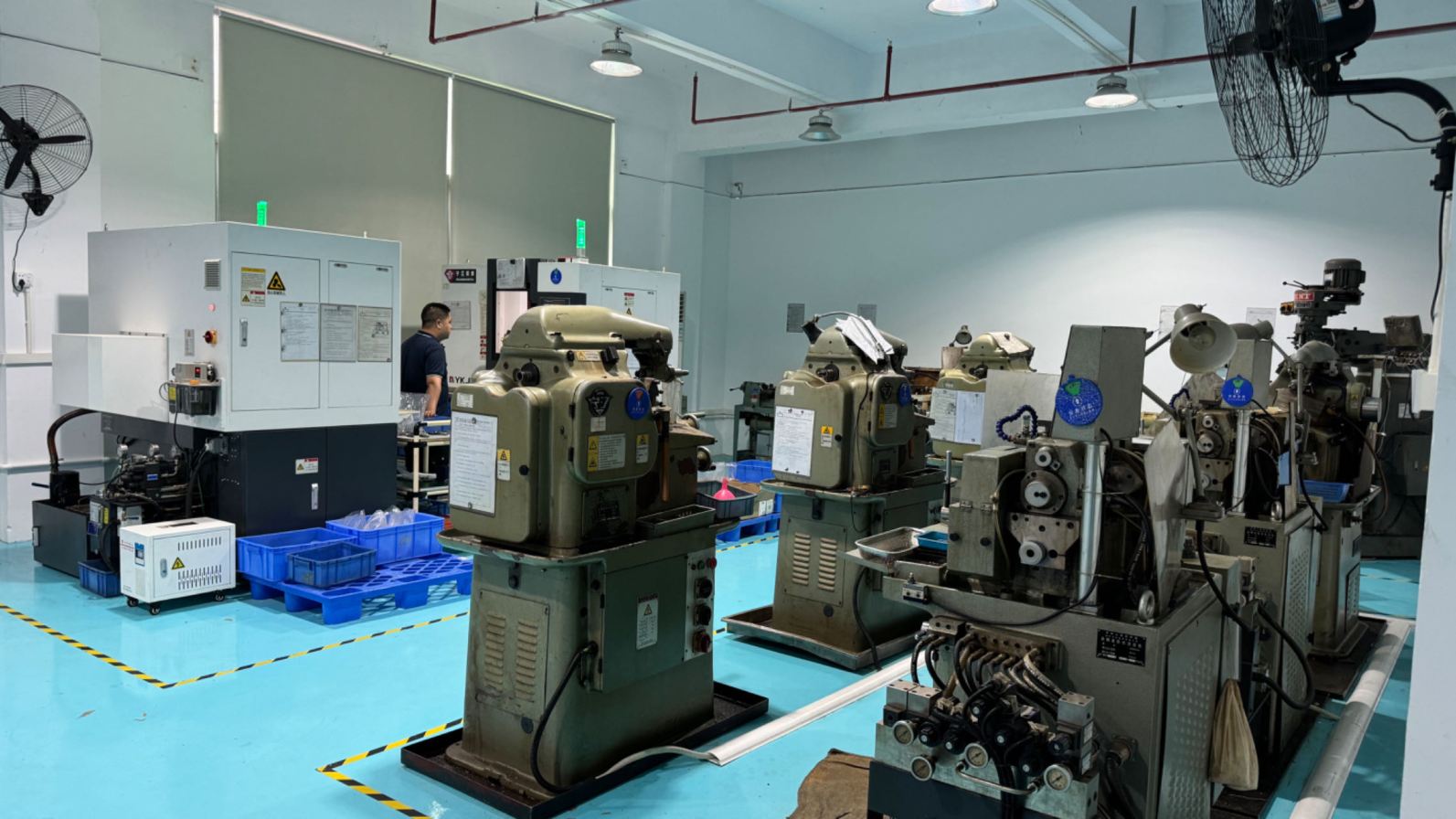 High Precision Horizontal Gear Hobbing Machine
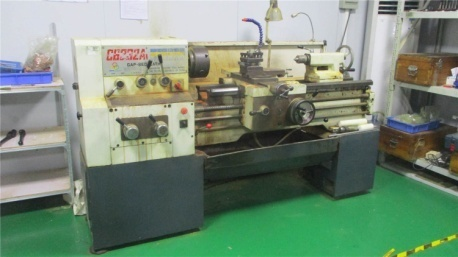 Lathing Machine
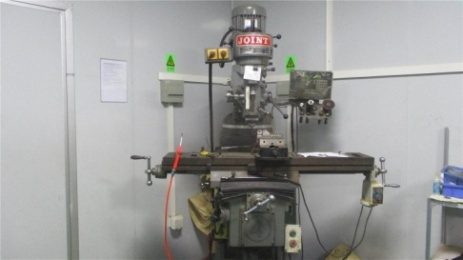 Milling Machine
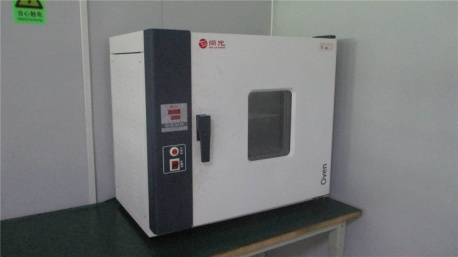 Drying Oven
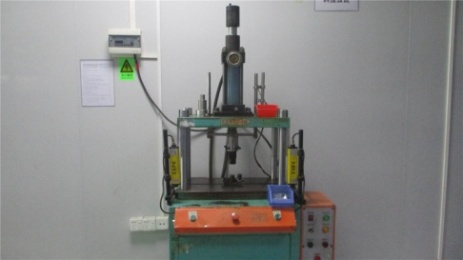 Automatic Gear Riveting Machine
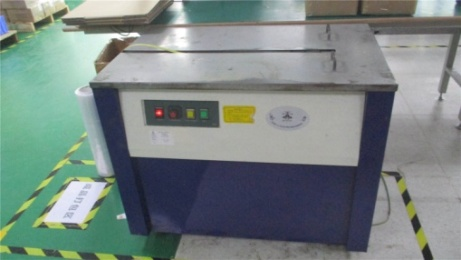 Packing Machine
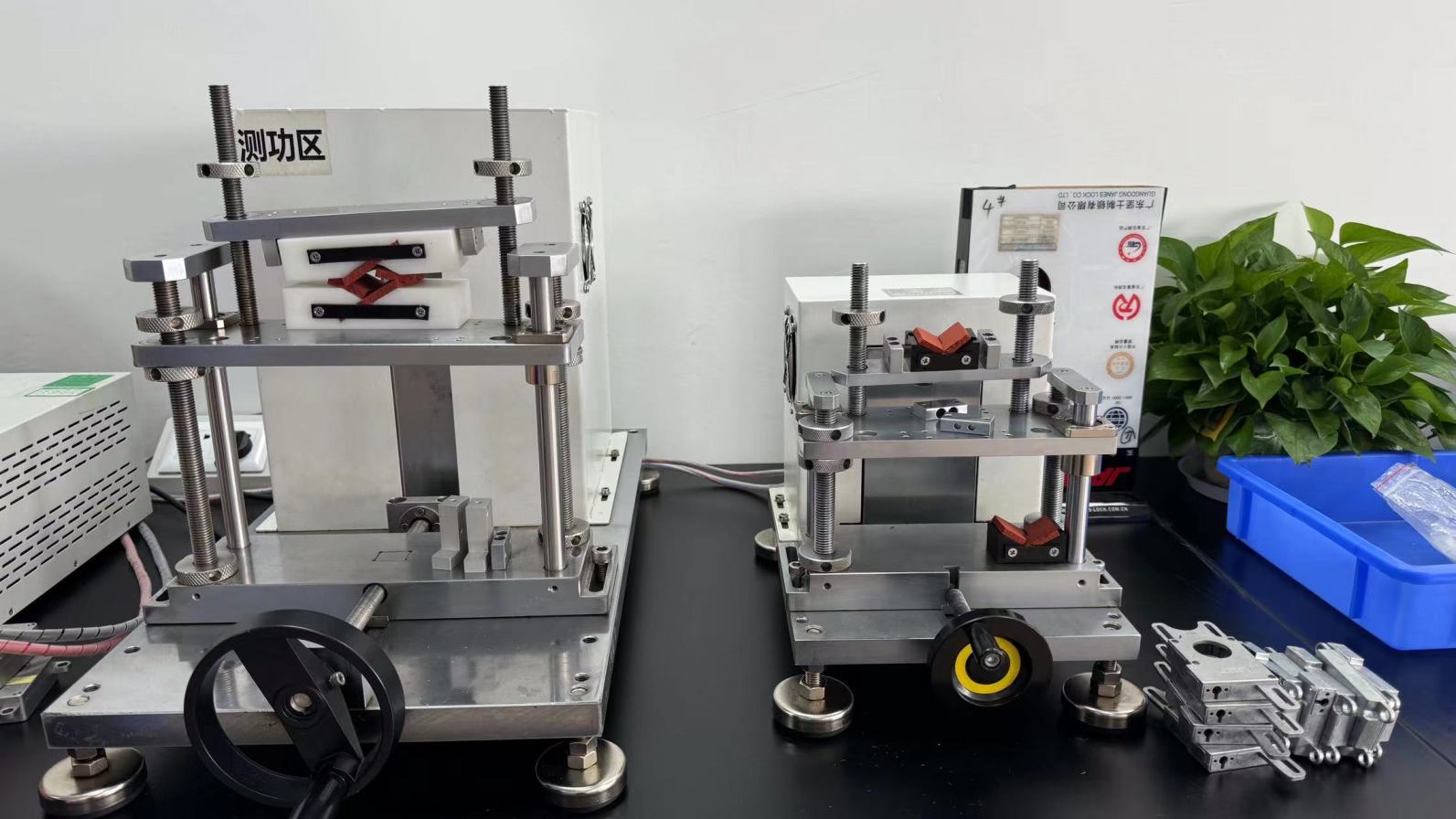 Pneumatic Pressing Machine
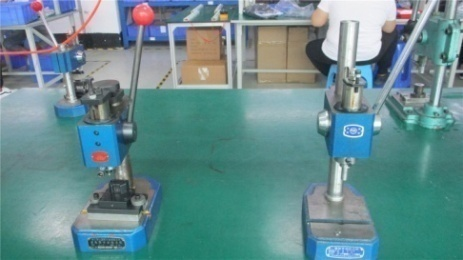 Manual Pressing Machine
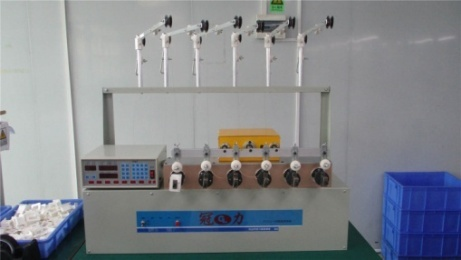 Computer Wire Winding Machine
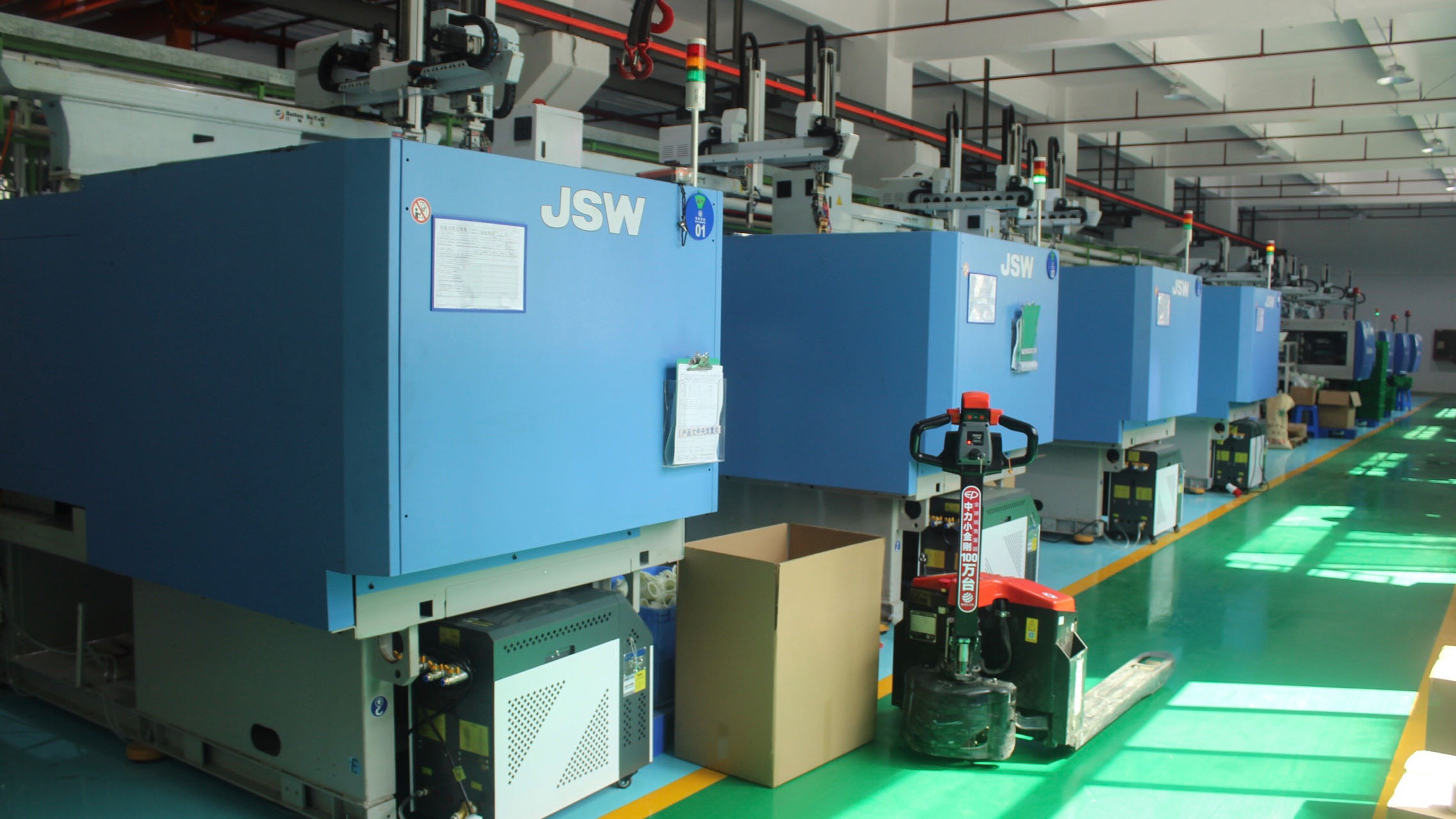
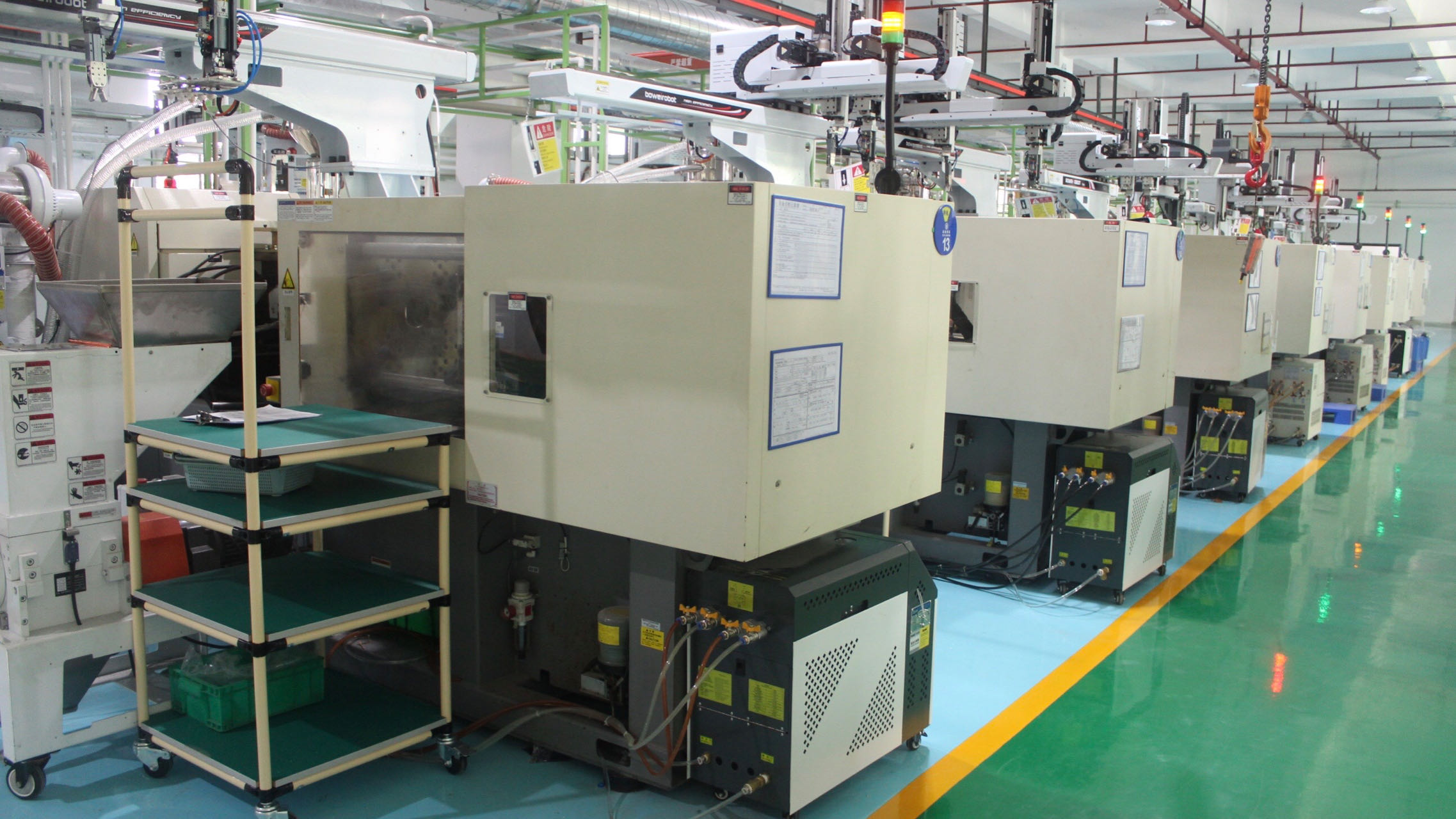
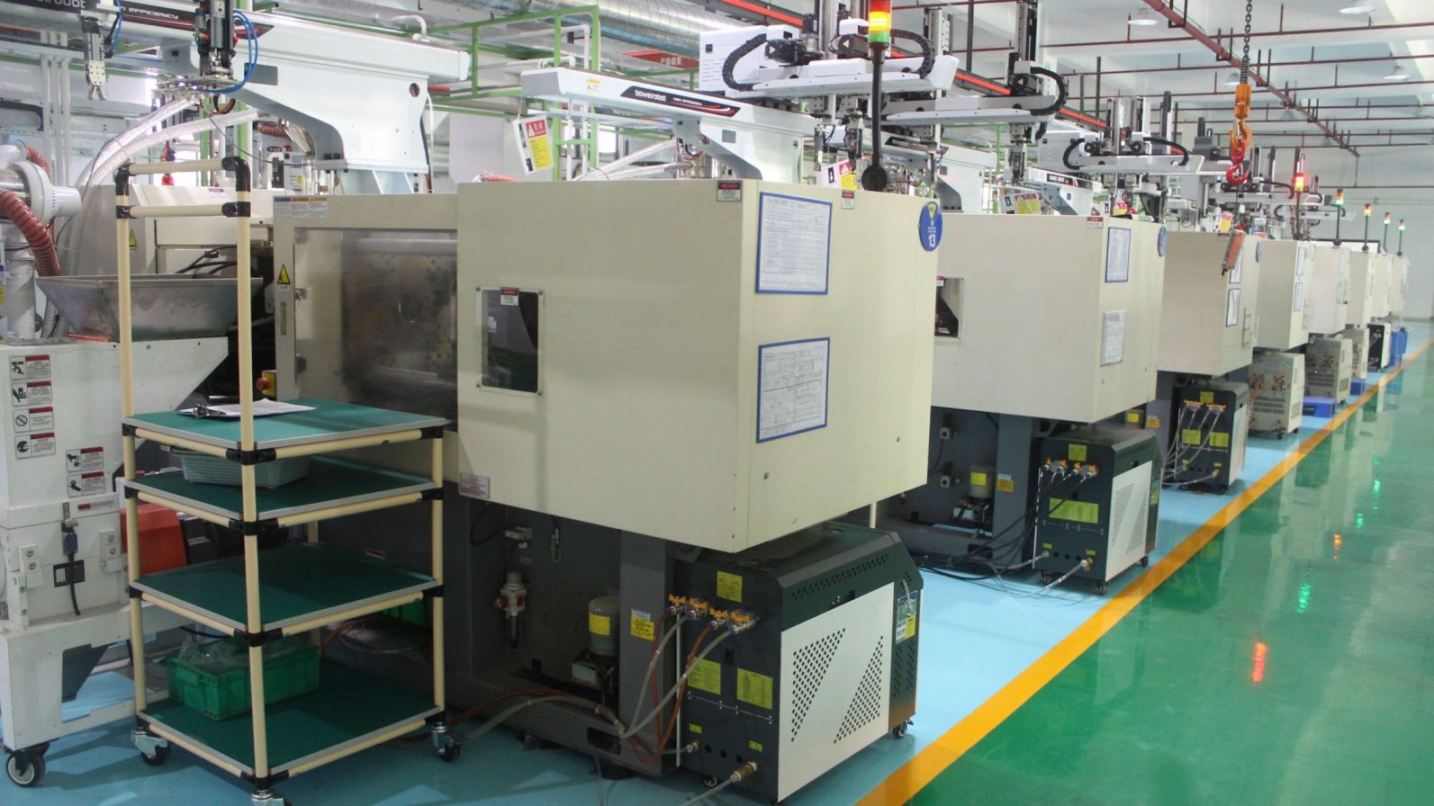 Injection Machine
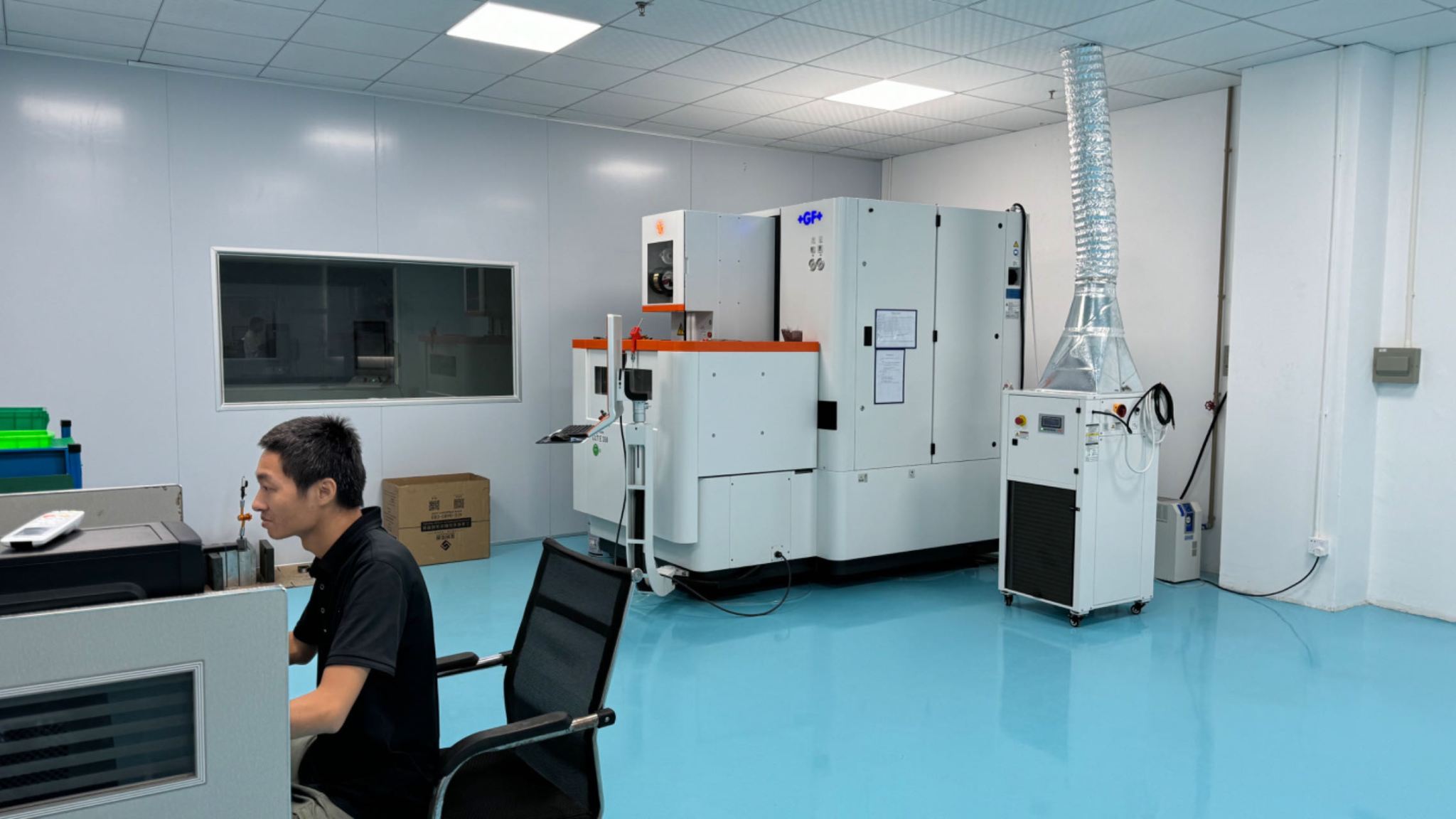 Slow-feeding NC Wire-cut Machine
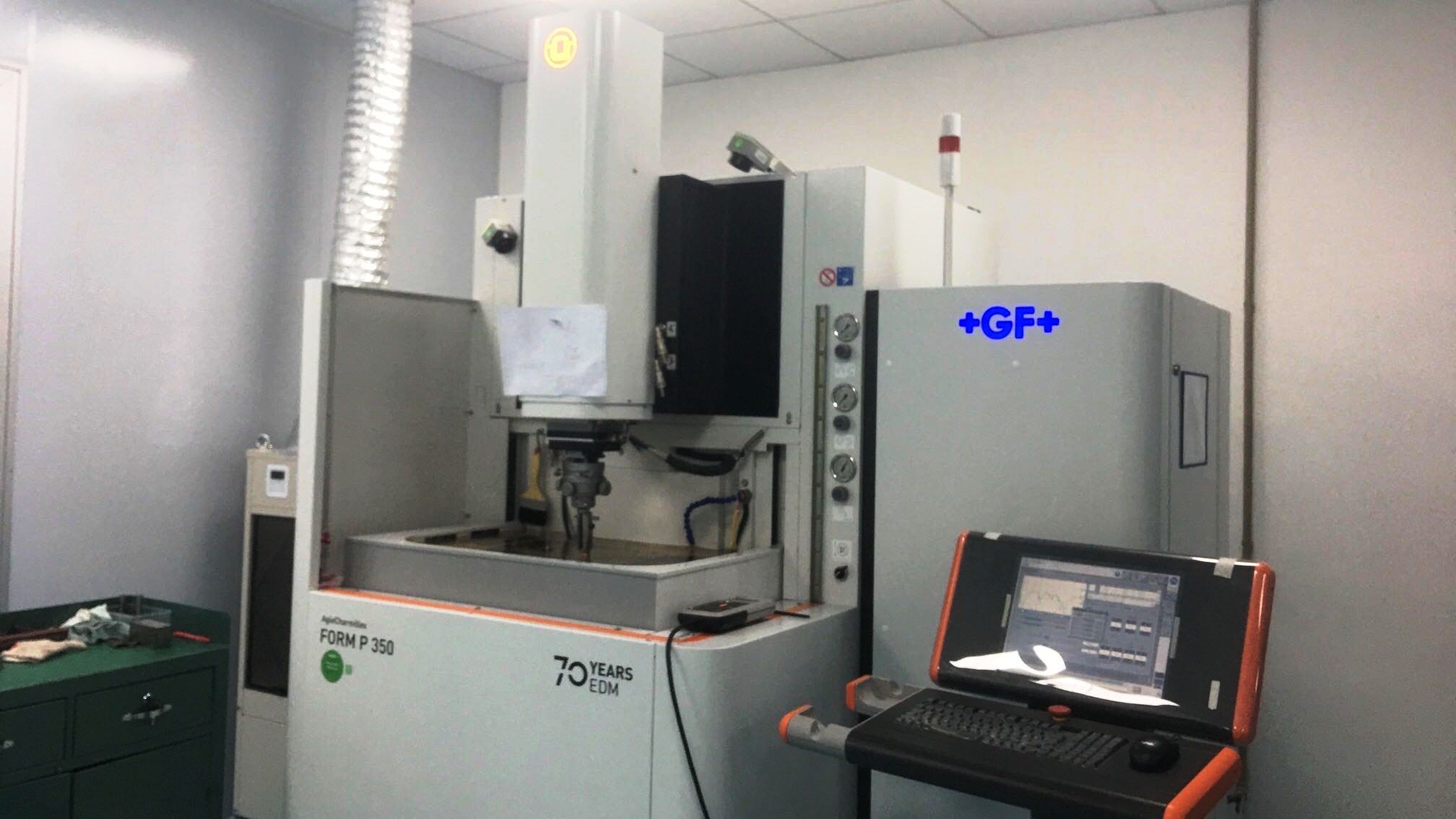 EDM
EDM
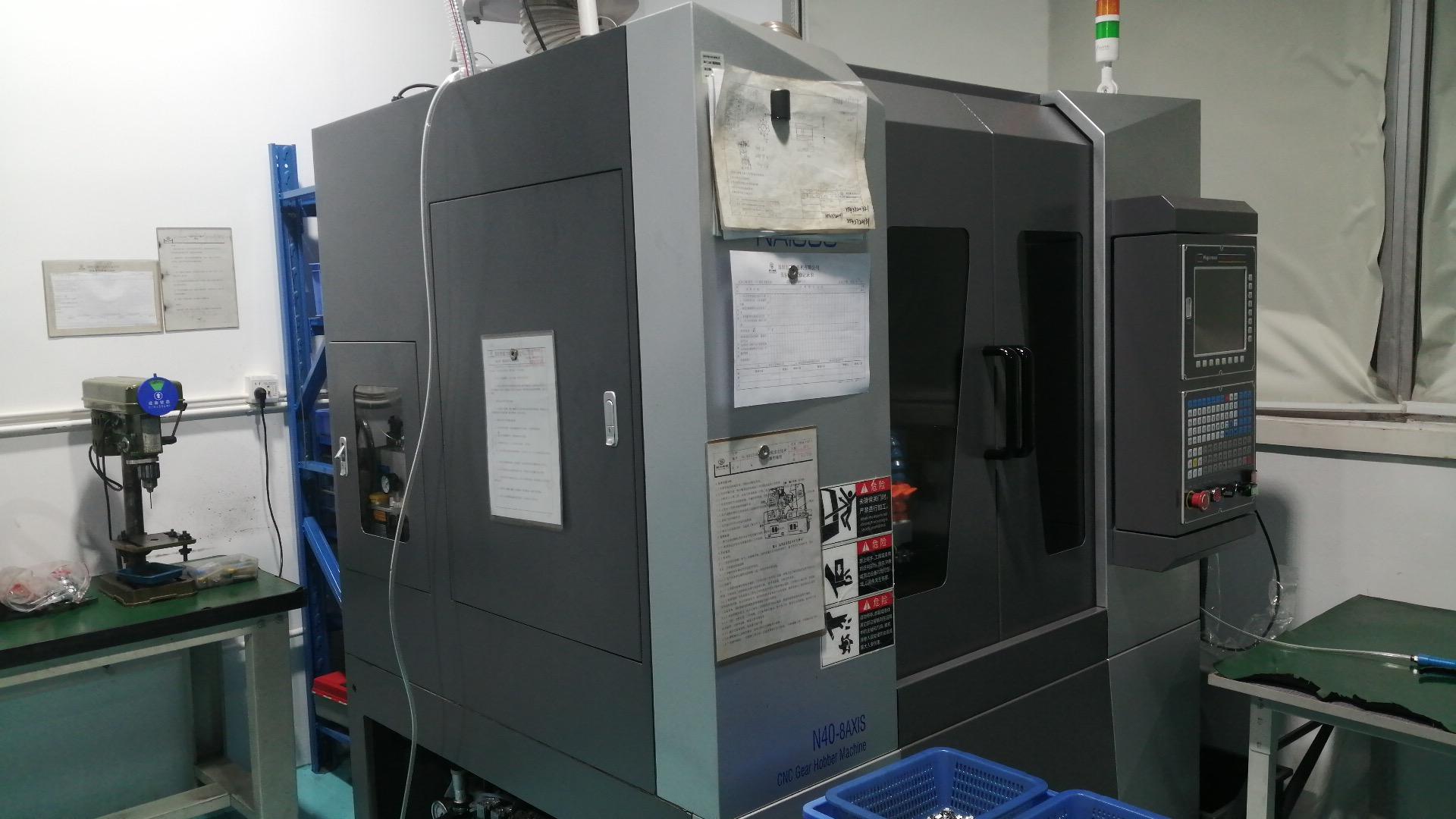 Hobbing Machine
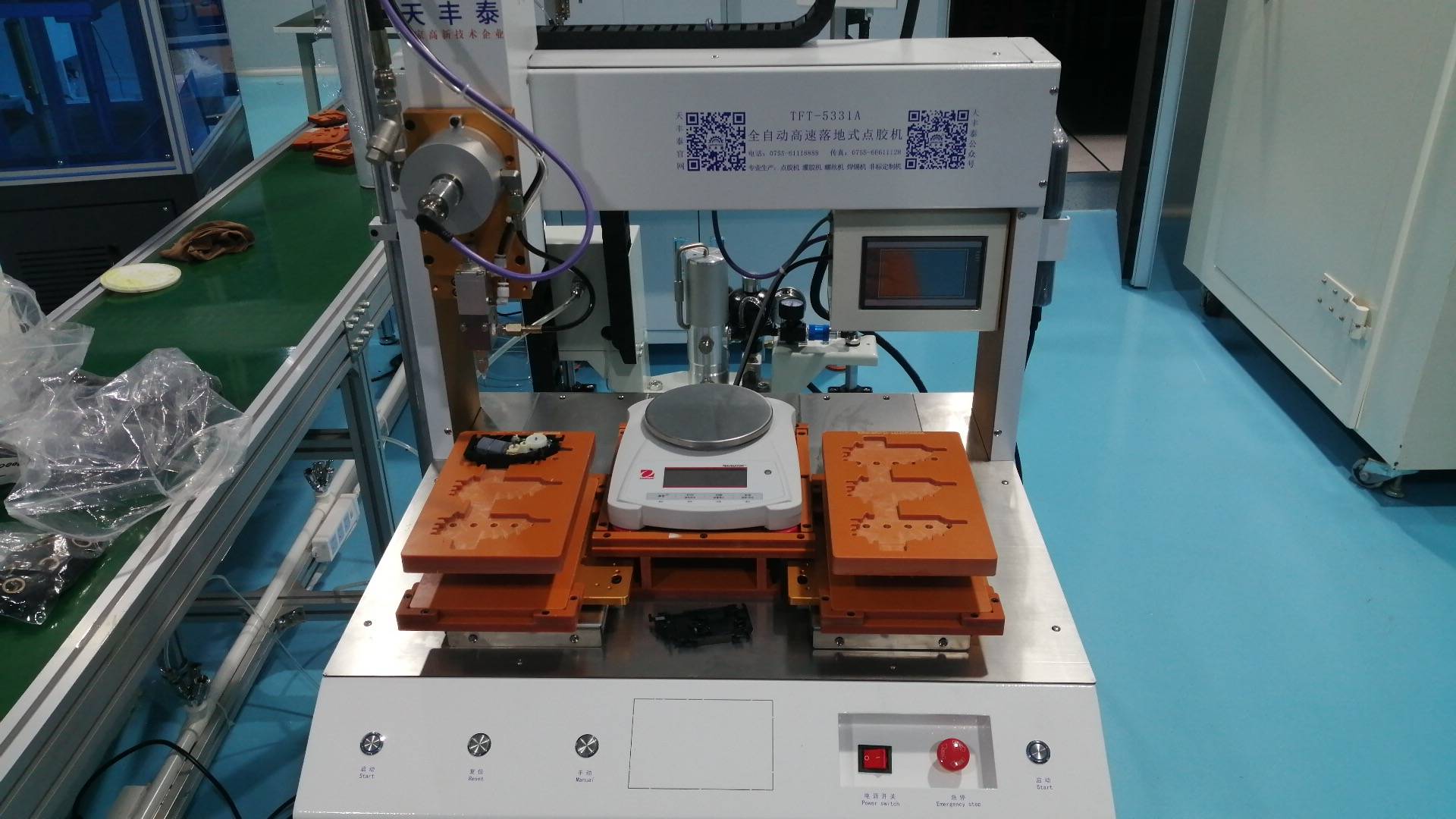 Automated Industrial Glue Dispenser System
High reliability in safety-critical industrial applications requires deep validation processes. Below is our dynamic in-house QC laboratory configuration:
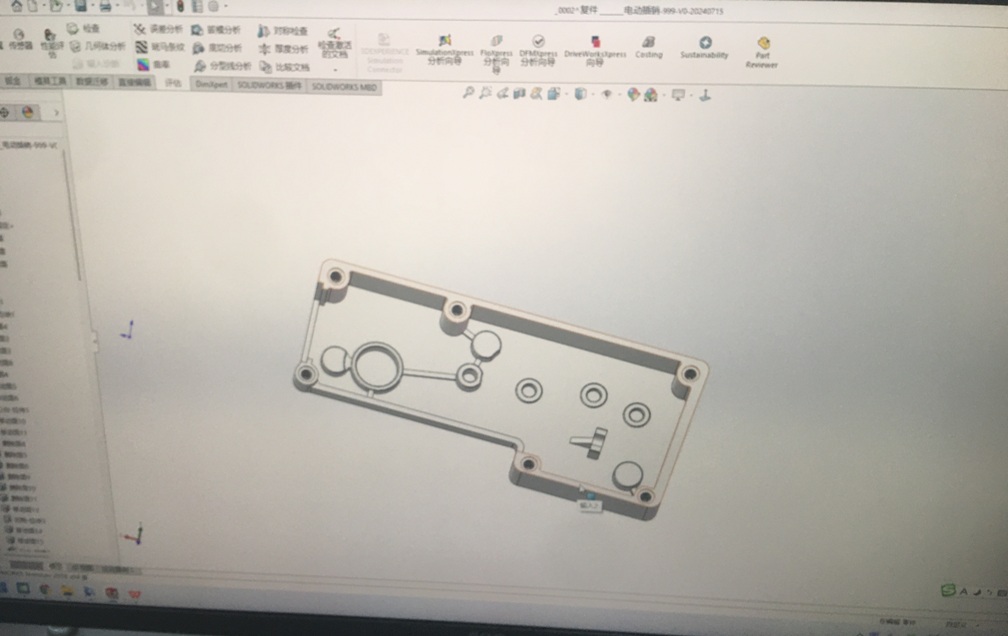 R&D CAD Design Center
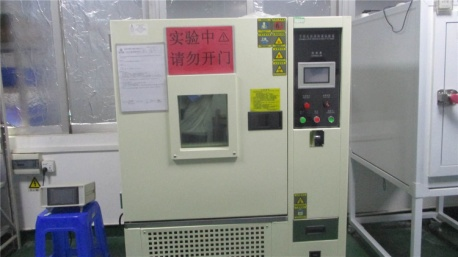 Programmable Constant Temp Chamber
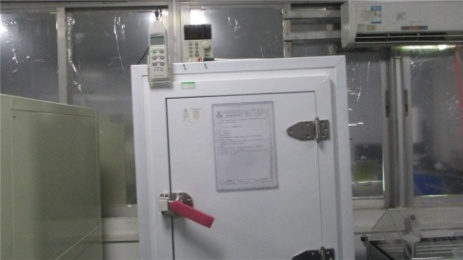 Anechoic Noise Testing Chamber
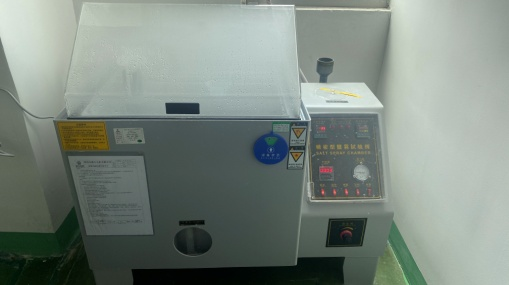 Salt Spray Testing Machine
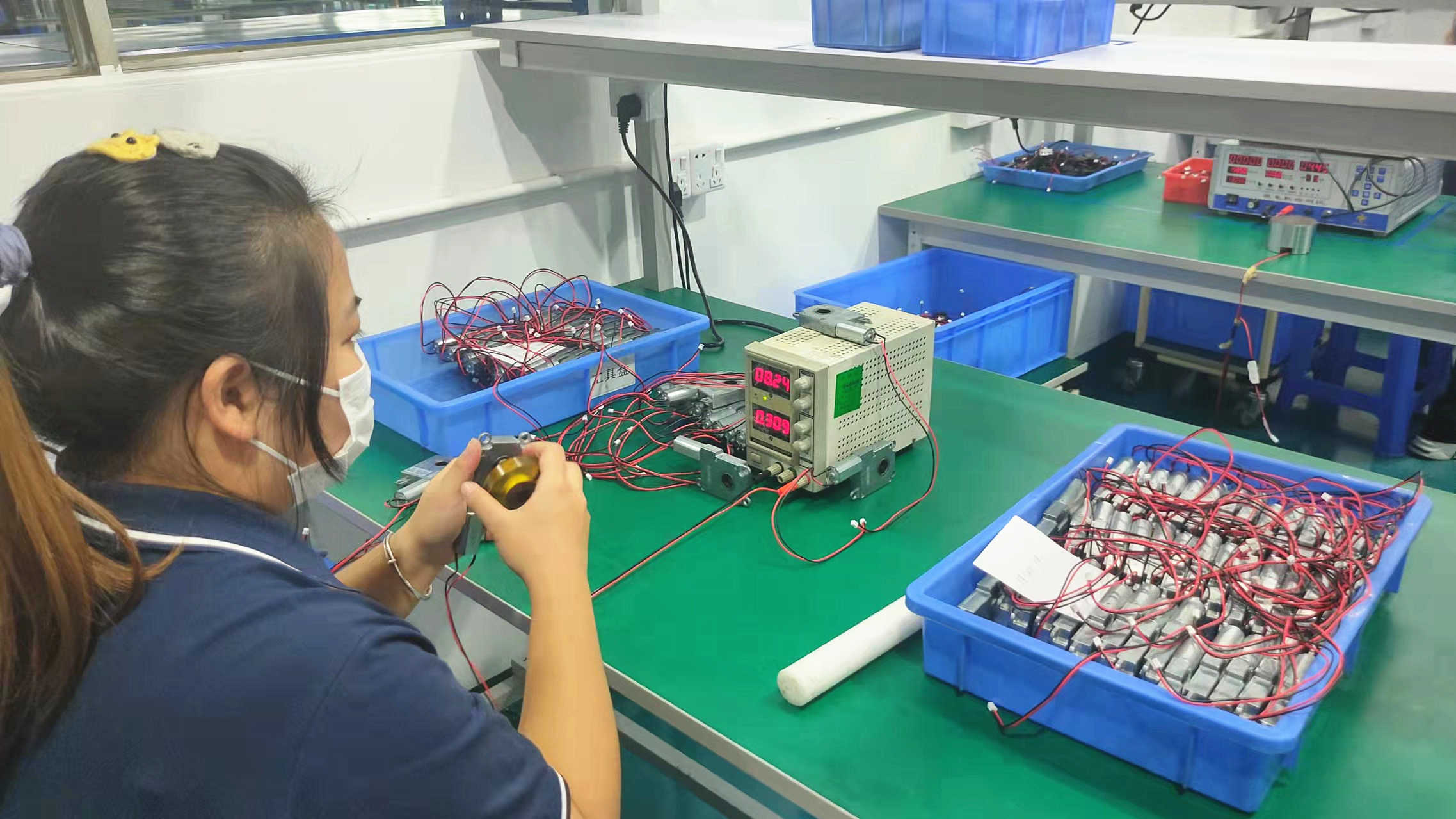 QC Inspection Desk
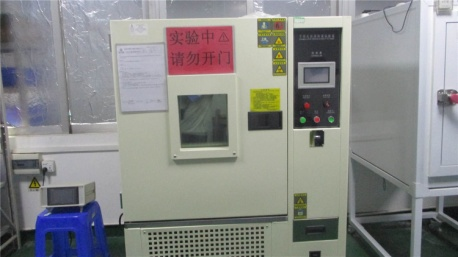 Environmental Chamber (QC Phase)
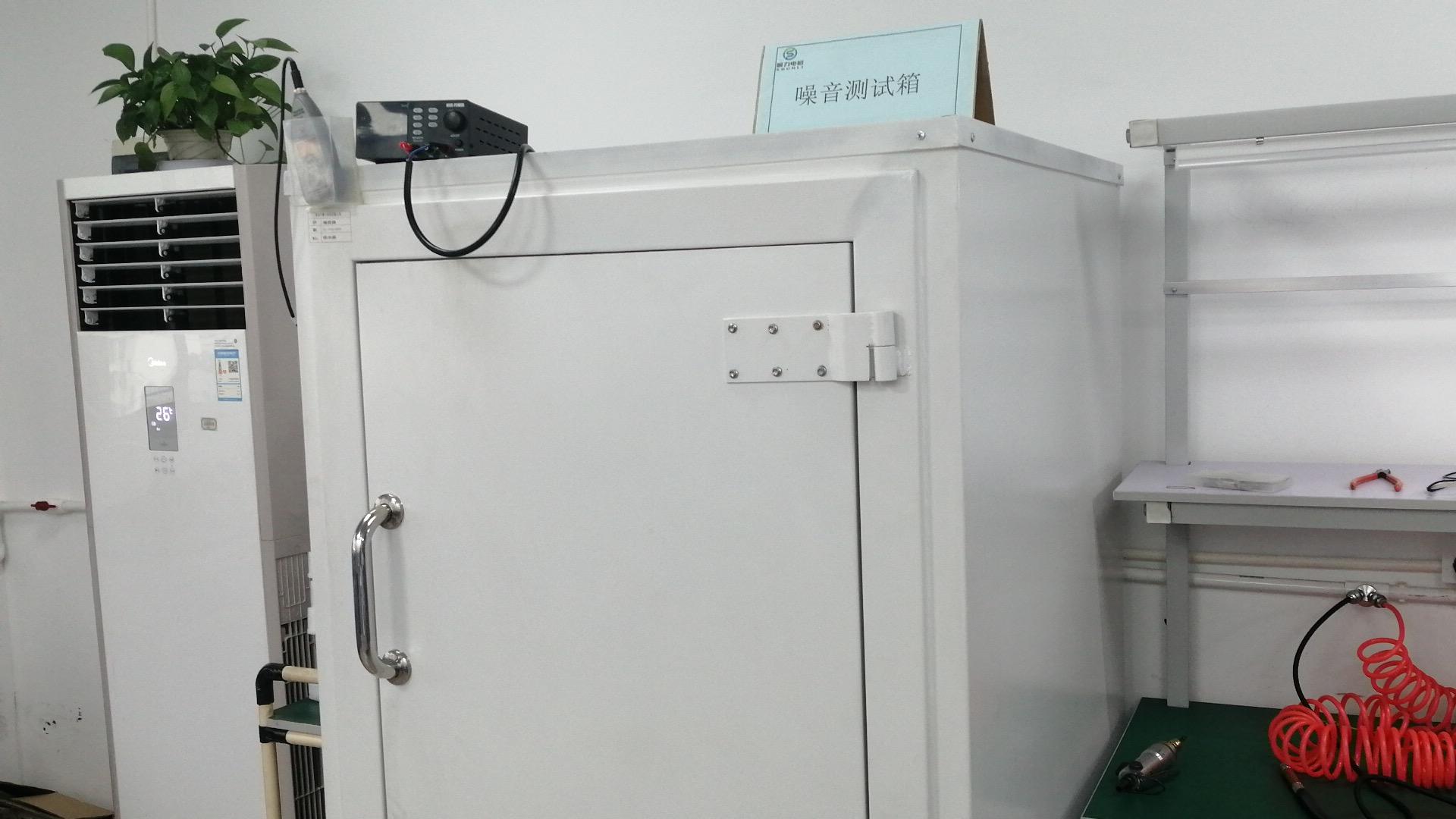 Dedicated Decibel Isolation Suite
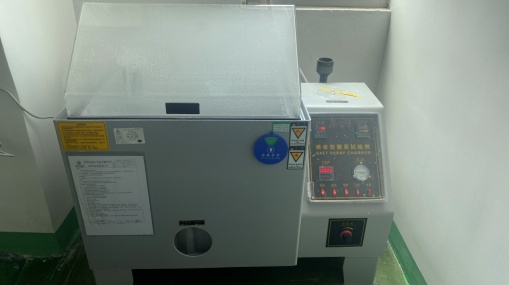 Corrosion Testing Station
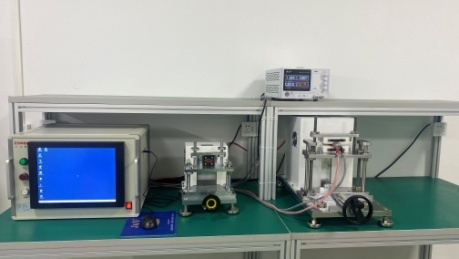 Dynamometer Torque/Speed System
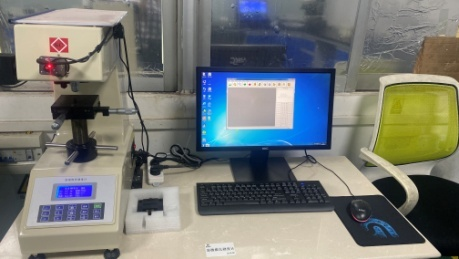 Hardness Testing System
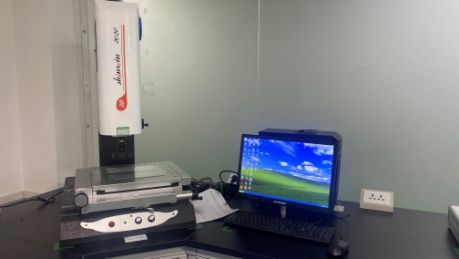 Video Measuring Instrument
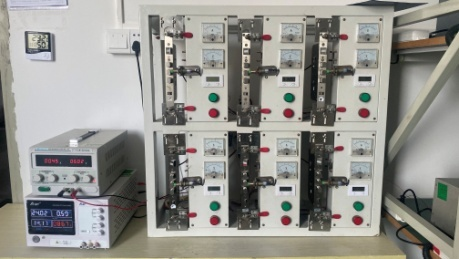 Thermal Load Aging Rack
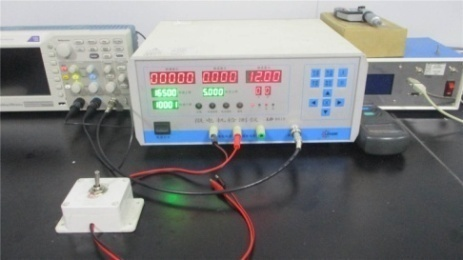 Comprehensive Motor Tester
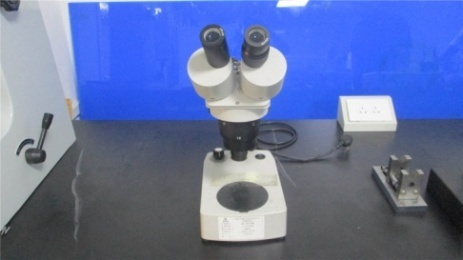 Digital Microscopic Analyzer
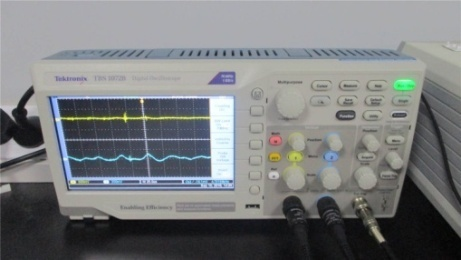 Digital Oscilloscope Waveform Analyzer
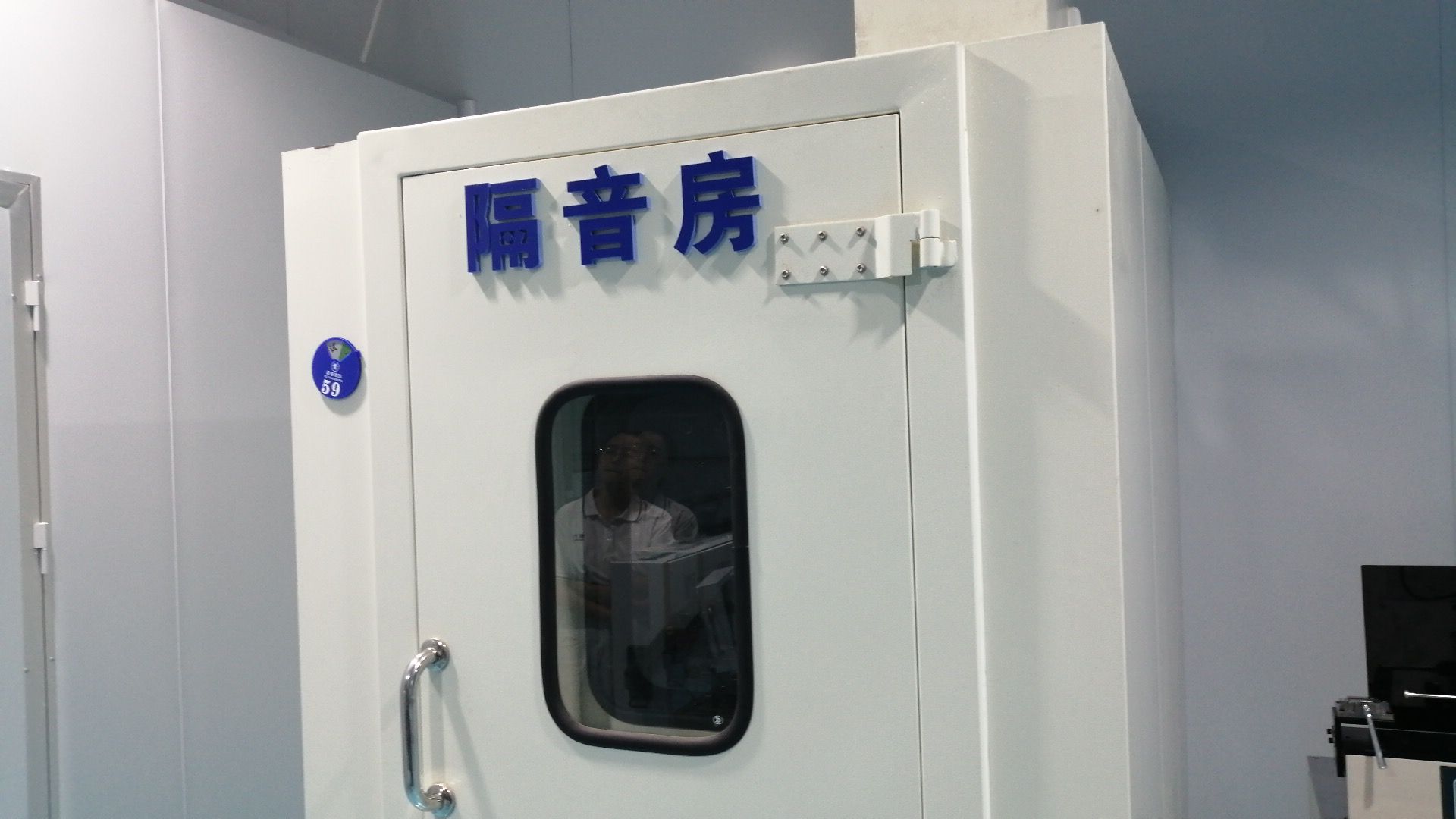 Acoustic Isolation Facility
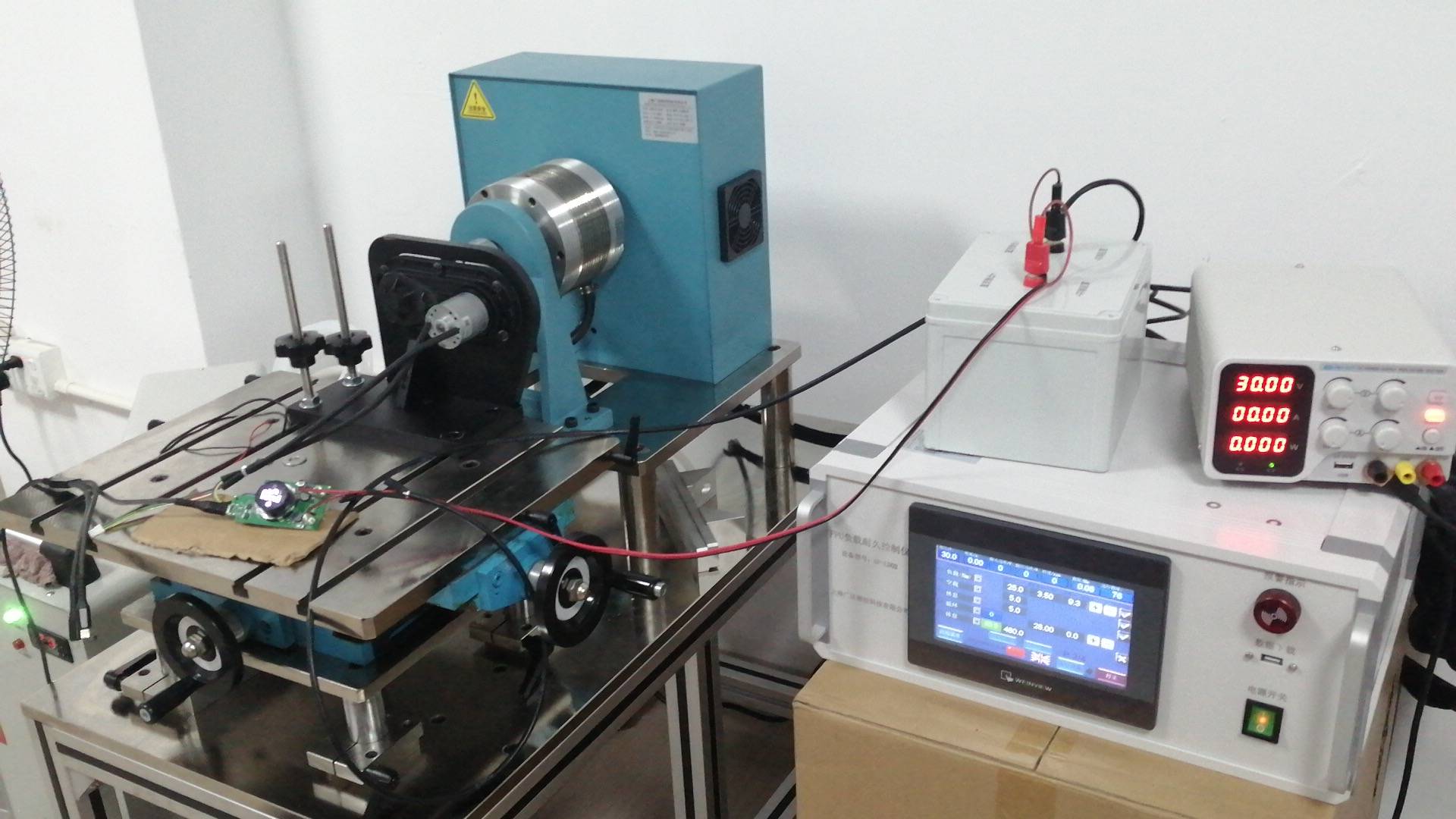 Non-destructive Electromagnetic Crack Testing
How top-tier three-phase electrical motor factories solve demanding process challenges across sectors.
| Sector / Vertical | Critical Drive Requirements | Technical Solution Approach | Target Efficiency Class |
|---|---|---|---|
| Pulp & Paper / Chemical Processing | Extreme chemical corrosion resistance, IP66 washdown, variable load profile. | Cast iron housing, double-lip fluororubber shaft seals, epoxy encapsulation of winding end-turns. | IE4 / NEMA Premium Super-E |
| HVAC & Commercial Fan Networks | Quiet decibel range, integration with Modbus/BACnet VFDs, continuous S1 duty cycle. | Ultra-smooth bearing housing tolerances, integrated smart-motor sensor nodes, hybrid ceramic bearings. | IE5 Ultra-Premium (SynRM) |
| Heavy Lifting & Crane Hoists | High starting breakaway torque, mechanical braking integrations, heavy shock resistance. | Electromechanical spring brakes, wound-rotor induction setup, high slip characteristic optimization. | IE3 Premium Efficiency |
| Pneumatic Air Compressors | High continuous RPM operation, compact framing, severe thermo-cycling. | Direct coupling designs, custom shaft geometries, IP55 enclosure with Class H thermal reserve. | IE4 / Permanent Magnet AC |
A primary difference between baseline component vendors and certified global exporters lies in regulatory compliance and localized field engineering support. Exporters targeting global markets must adapt product lines to two primary dimensional and rating systems: IEC (International Electrotechnical Commission) standards (commonly used across Europe, Asia, and South America) and NEMA (National Electrical Manufacturers Association) standards (dominant in North America).
Additionally, specialized operating zones (such as offshore drilling rigs, dust-heavy grain silos, and chemical processing facilities) require explosion-proof compliance certifications, including ATEX and IECEx directives for hazardous operating areas. When evaluating a potential manufacturing partner's credentials, verify they maintain recognized safety and compliance certifications, including Underwriters Laboratories (UL) listings, CSA clearance, and the CE mark for the European Single Market.
Compliance Checklist for Sourcing Managers: Verify that motor winding insulation systems are evaluated according to UL 1446 standards, and insulation varnish matches class F or H specifications, preventing field failures during momentary thermal overloads.
The electric motor landscape is experiencing significant technological evolution. Standard three-phase squirrel-cage induction designs are encountering material efficiency limits at the IE4 tier. To cross into the IE5 (Ultra-Premium Efficiency) category, leading manufacturers are transitioning to advanced motor topologies:
Detailed engineering answers regarding three-phase industrial motors, efficiency thresholds, and variable-frequency operation.
Explore our selection of heavy-duty worm drives, permanent magnet brushed dc options, and high-frequency utility components.
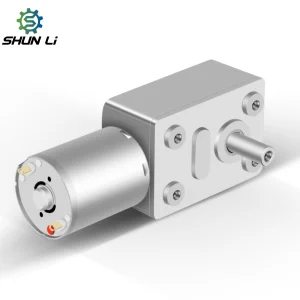
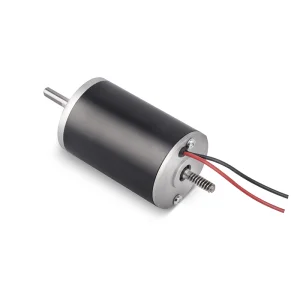
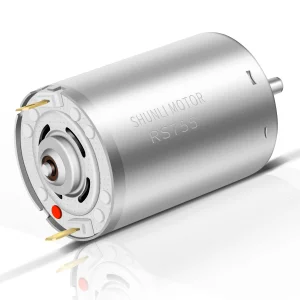
 DyneticPro Motor