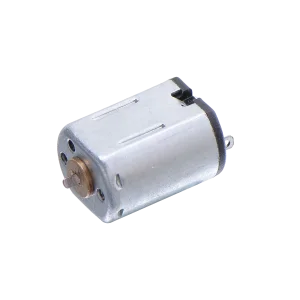
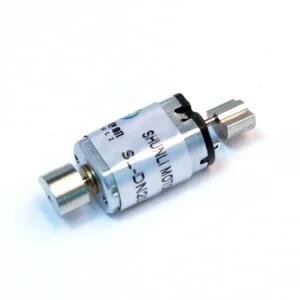
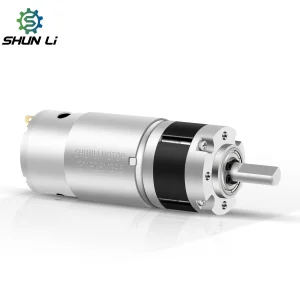
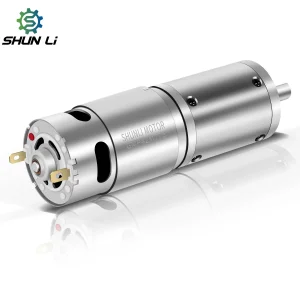
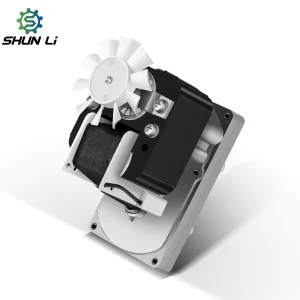
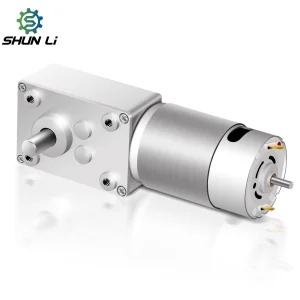
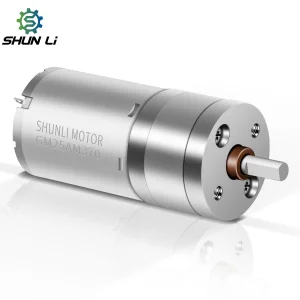
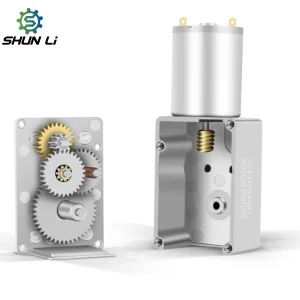
Explore our top-tier precision-engineered micro motors and customized driver-ready components optimized for demanding industrial automation.
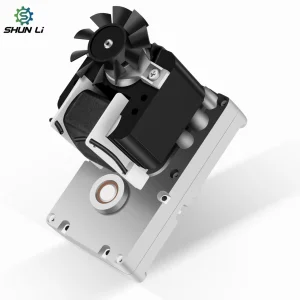
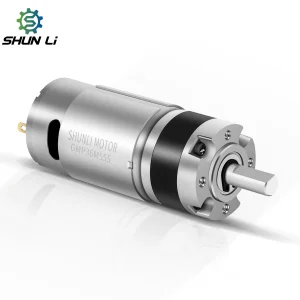
Stepper motor drivers are the vital link translating digital control signals into precise mechanical rotation. Over the last decade, the technology has transitioned from simple open-loop indexers to highly advanced Field-Oriented Control (FOC) stepper drivers. Traditionally, open-loop systems suffered from step loss when subjected to sudden torque changes. Today, modern industrial application requires closed-loop integration. By combining encoders with real-time feedback loop processing, contemporary drivers act more like high-pole servo systems.
China's manufacturing landscape for stepper motor controllers has evolved rapidly. Driven by domestic demand in semiconductor assembly, automotive lines, and robotics, manufacturers have developed integrated solutions that match European and American standards for heat dissipation, noise suppression (using stealthChop-style technologies), and microstepping resolution (up to 256 microsteps per full step). This evolution ensures ultra-smooth motion profiles, preventing system resonance and drastically increasing the lifetime of the connected micro motors.
DyneticPro Motor: Packing Massive Torque Into Miniature Spaces
Inside a premium robotic joint, an automated medical pump, or a high-end smart lock, space is the ultimate luxury. At DyneticPro, we measure our success in micrometers and decibels. Our mission is to take advanced, heavy-duty rotational power and compress it into the most compact, energy-efficient footprints imaginable.
Our expertise lies in the micro-details of motion. From precision-wound copper rotors and high-purity commutators to zero-backlash planetary gear trains, every single internal component of a DyneticPro motor is optimized to eliminate friction and maximize heat dissipation. By combining advanced automated Swiss-style hobbing with Japanese dynamic balancing, we ensure our micro drives deliver the fluid, whispering-quiet power your brand promises. When your next high-tech innovation relies on repeated mechanical perfection, let DyneticPro be the core that spins it forward.
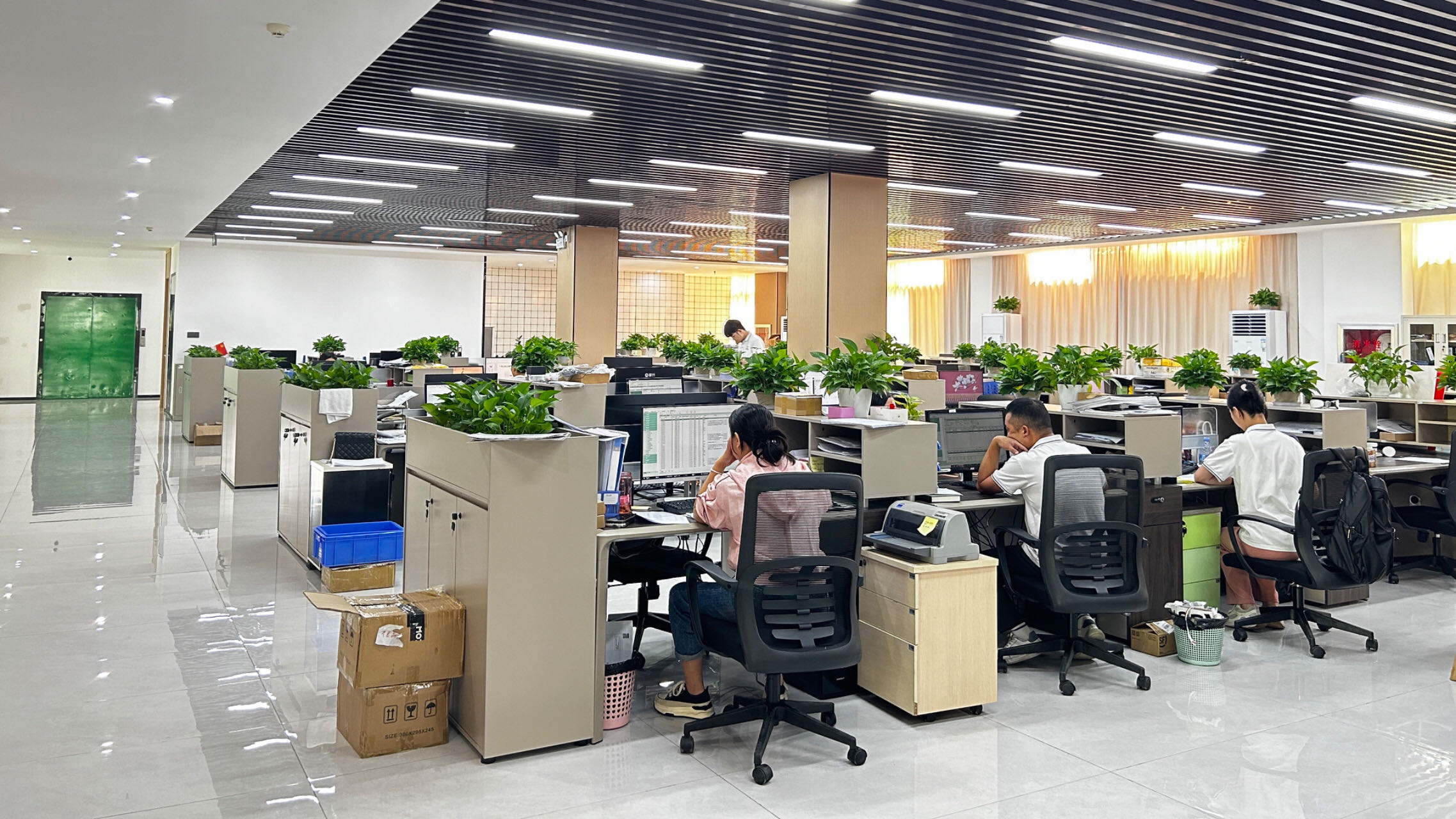
Global procurement directors and motion control engineers look beyond mere unit pricing when sourcing from Chinese manufacturers. The evaluation criteria have shifted towards long-term reliability and deep technical support. Key requirements include:
Compliance with CE (EN 55011 / EN 61000) and FCC Part 15B standards is mandatory to avoid interfering with neighboring sensors and circuitry.
The driver must support dynamic current control to match the impedance of customized planetary gear motors, preventing overheating during standby cycles.
Industrial systems require drivers fitted with robust heat sinks or metal housings that can sustain continuous duty without cooling fans.
Furthermore, integration capability plays a critical role. System designers want stepper drivers that accept industry-standard communication protocols like Modbus, CANopen, or EtherCAT. This ensures the hardware can be easily integrated into central PLC architectures without requiring proprietary communication bridges.
Different industries present unique engineering demands. The driver cannot be chosen in isolation; it must be matched to the motor and the final mechanical payload.
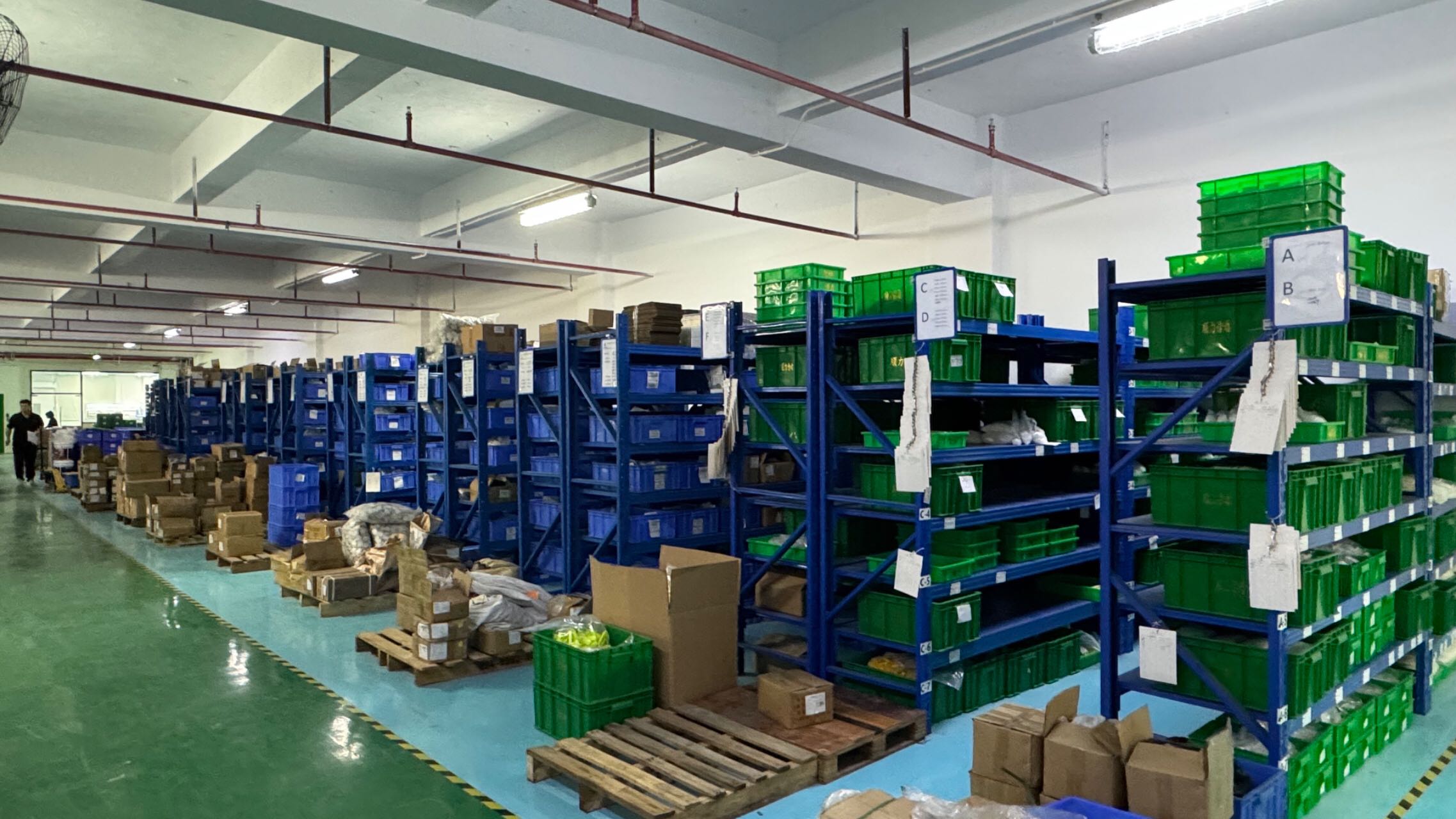
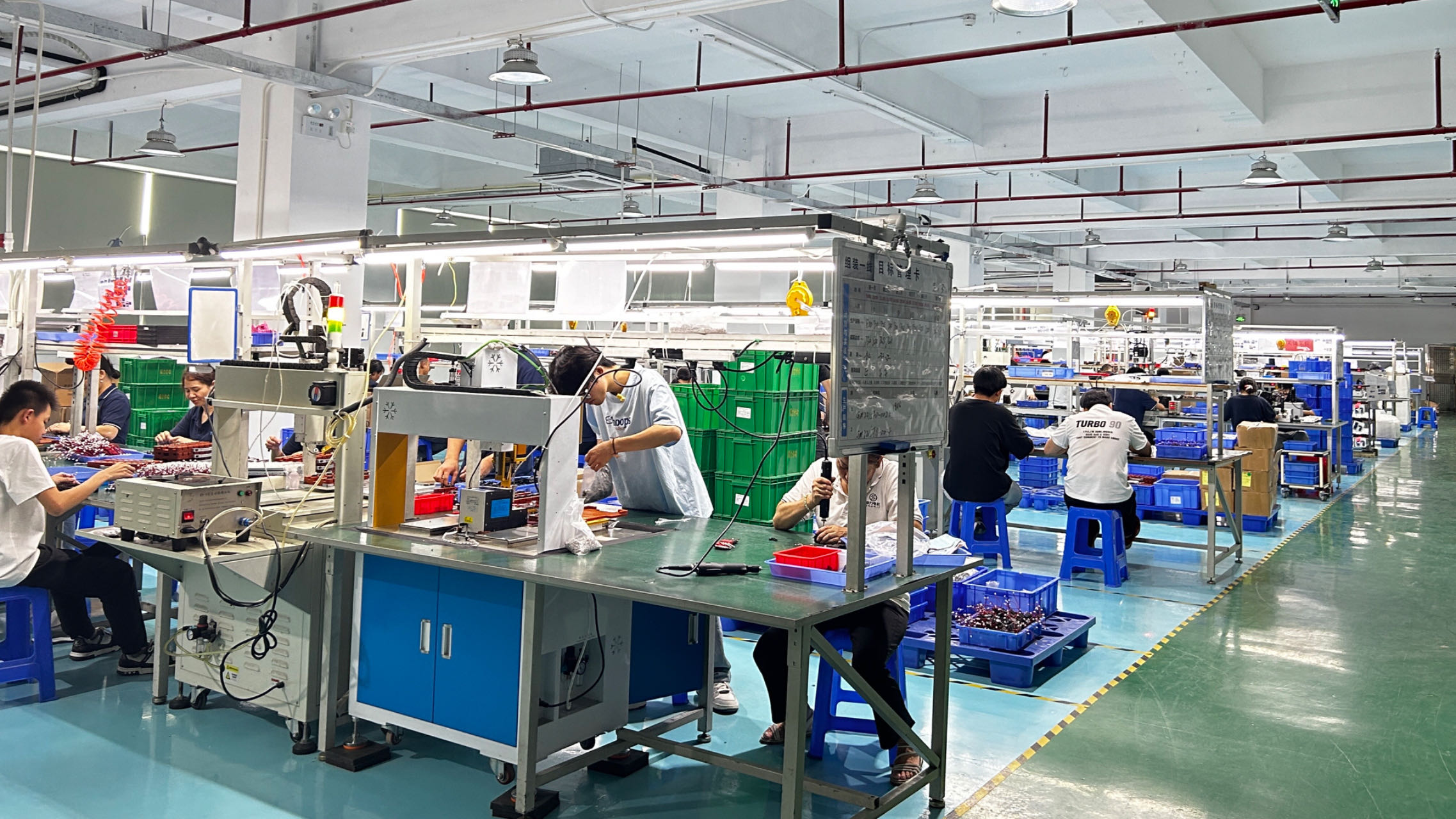
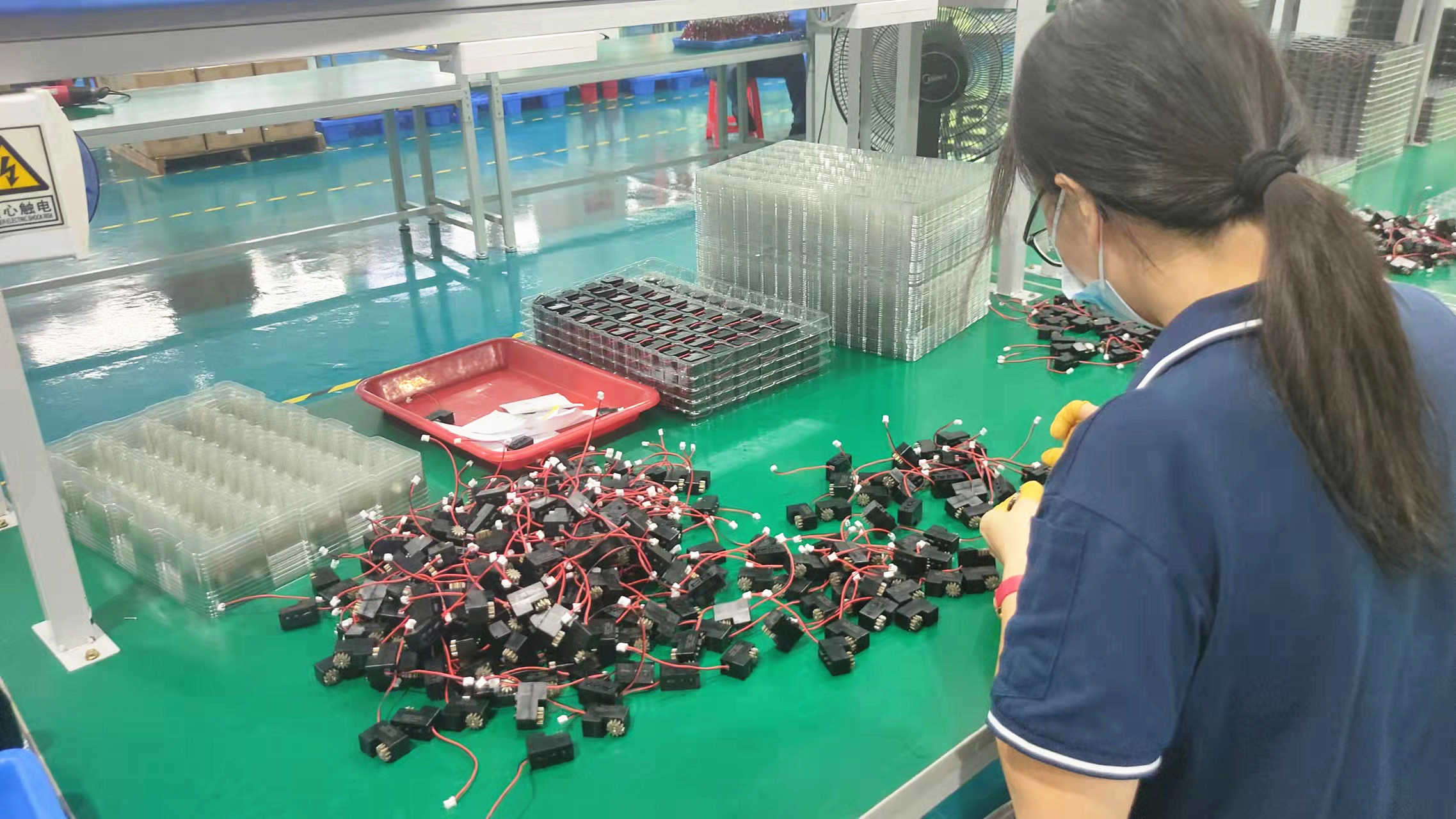
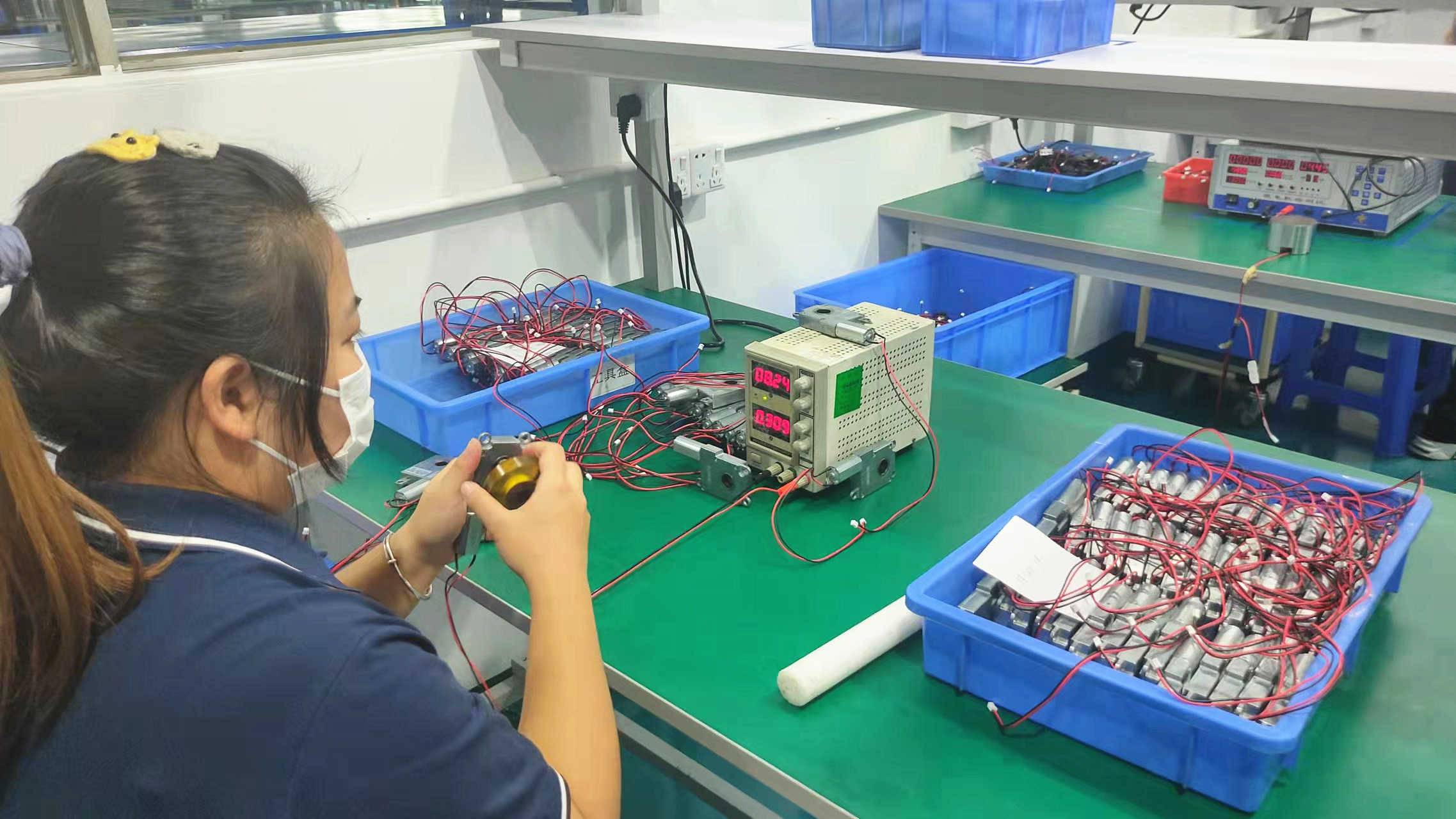
Reliability starts with a highly structured and monitored assembly line. Below is our comprehensive workflow, from inspecting incoming raw materials to packing and storing the finished products.
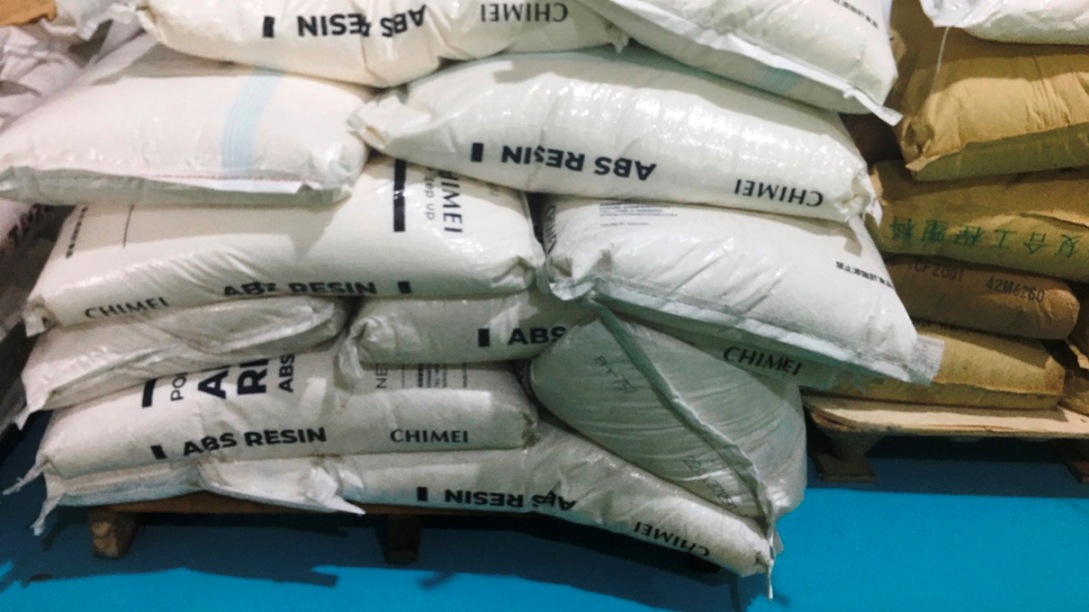
Raw Material Inspection
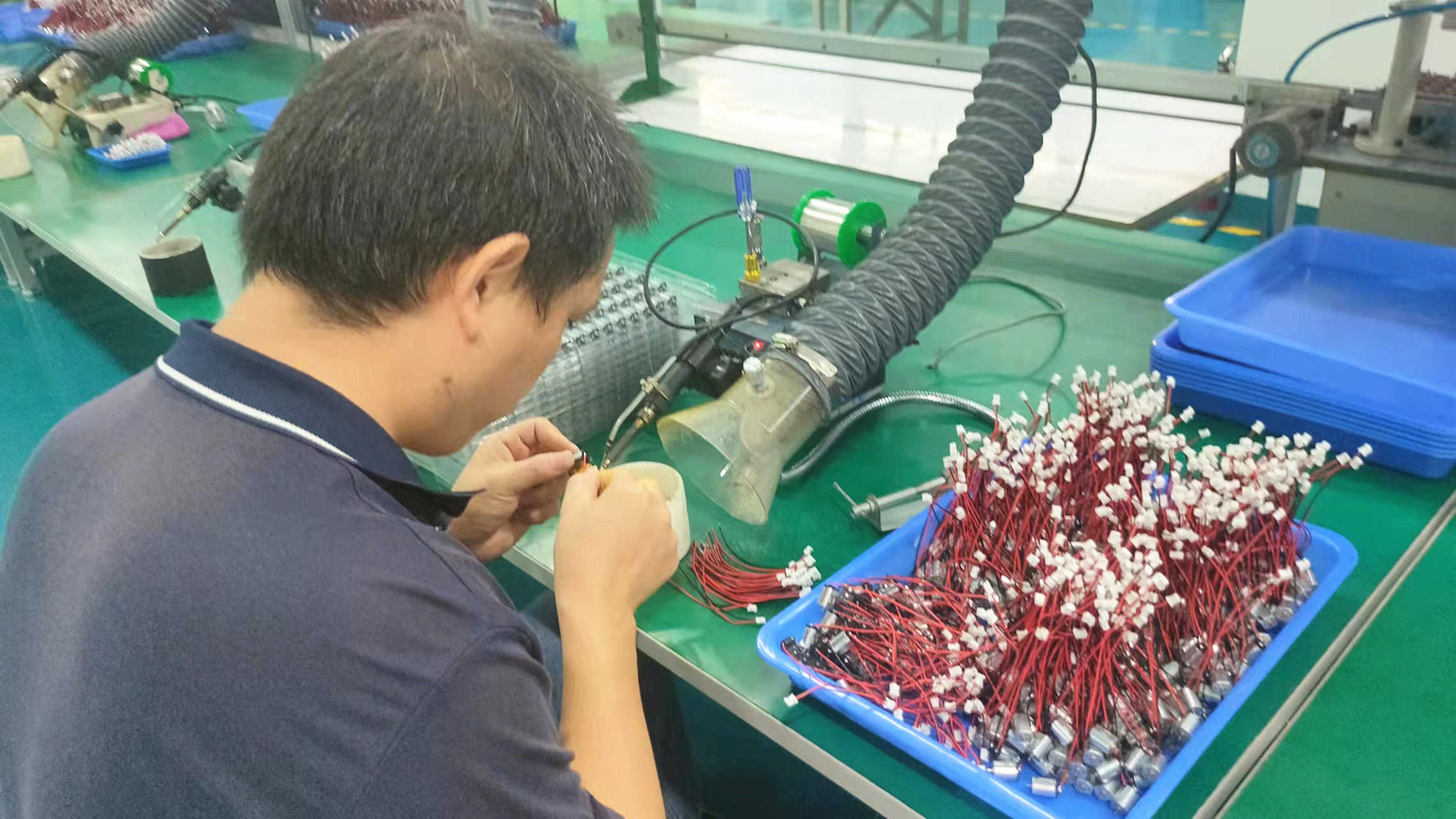
Precision Soldering
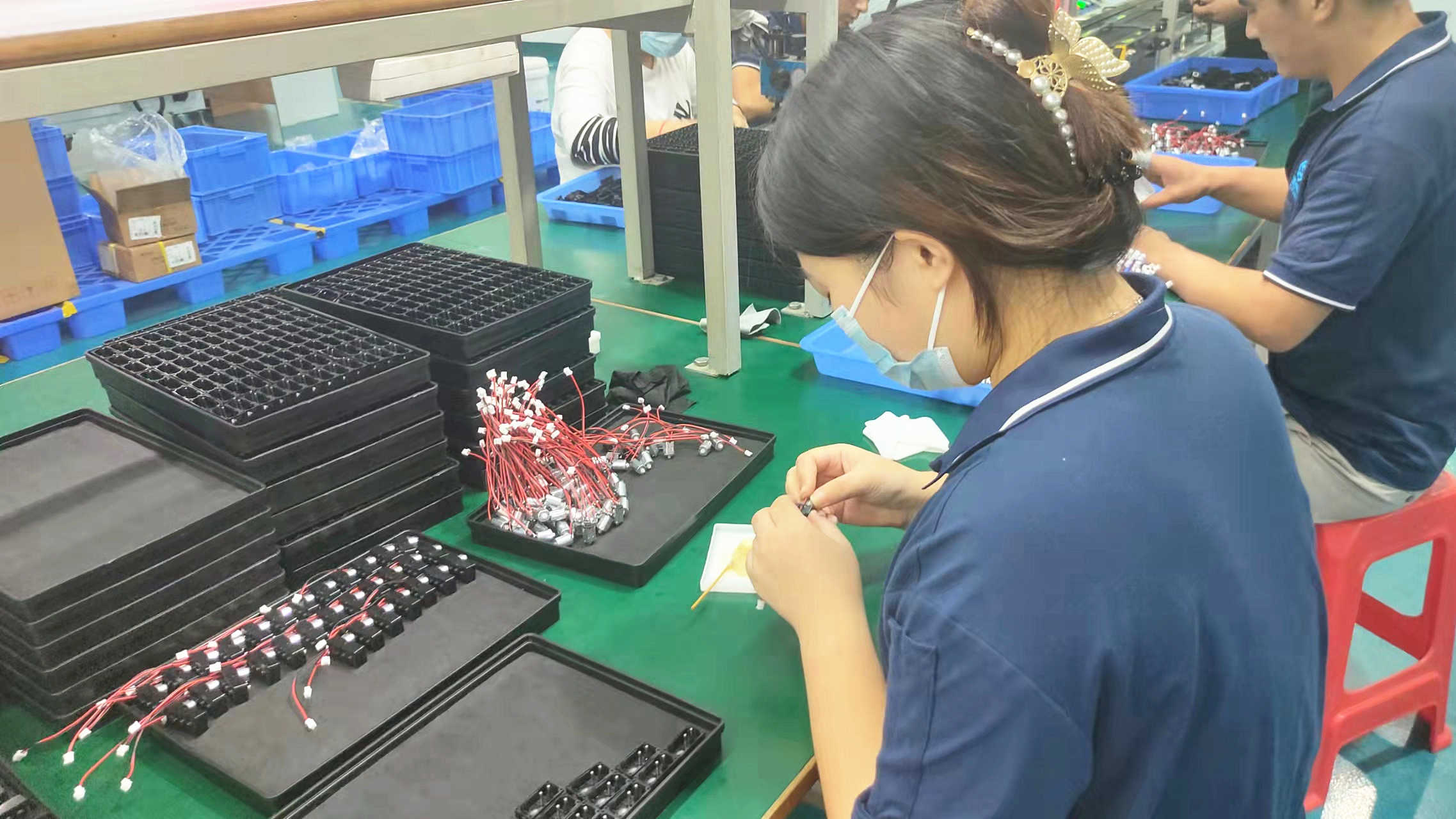
Assembly Line
Functional Electrical Testing
Secure Packing
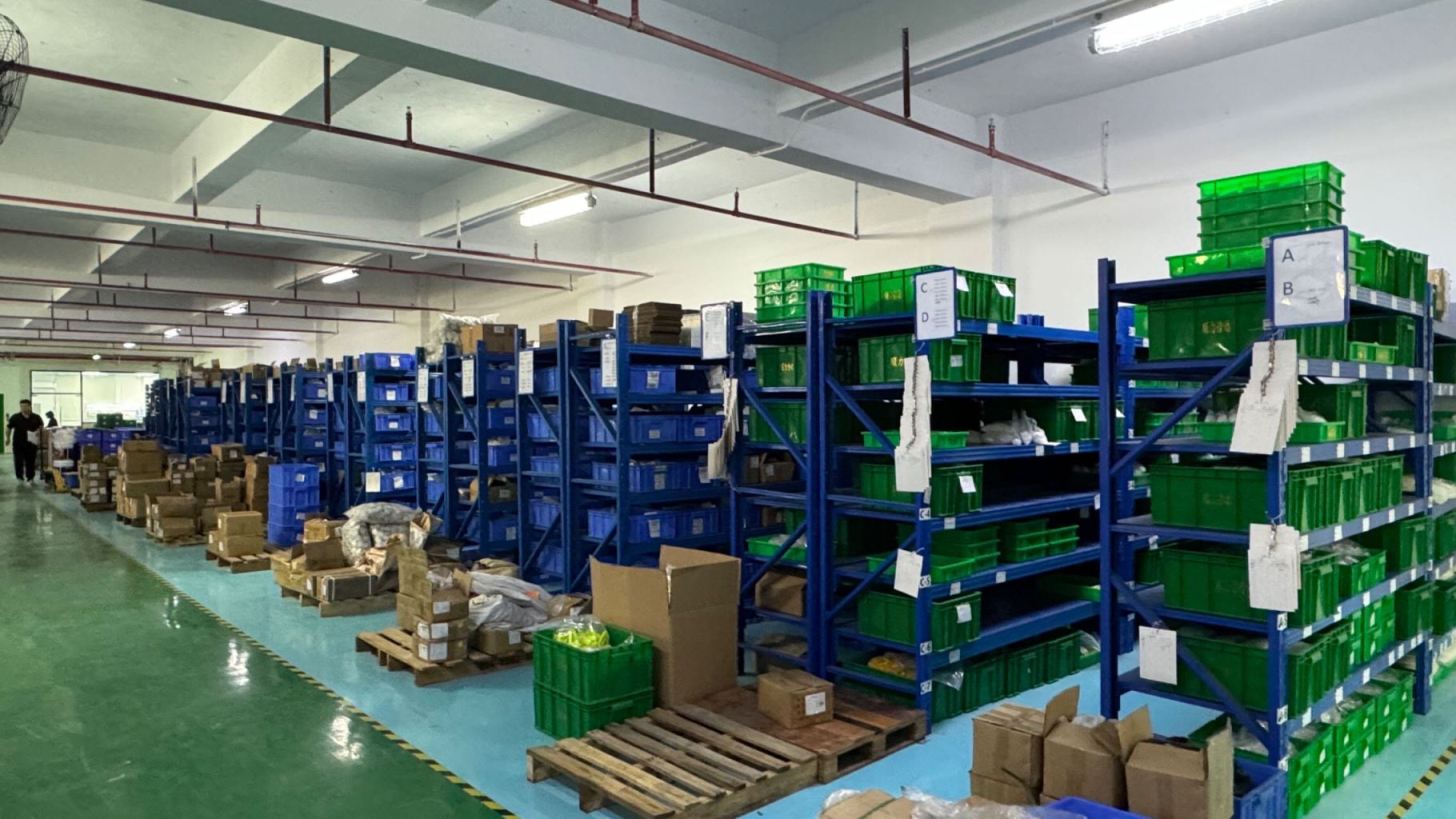
Warehouse Storage & Logisitics
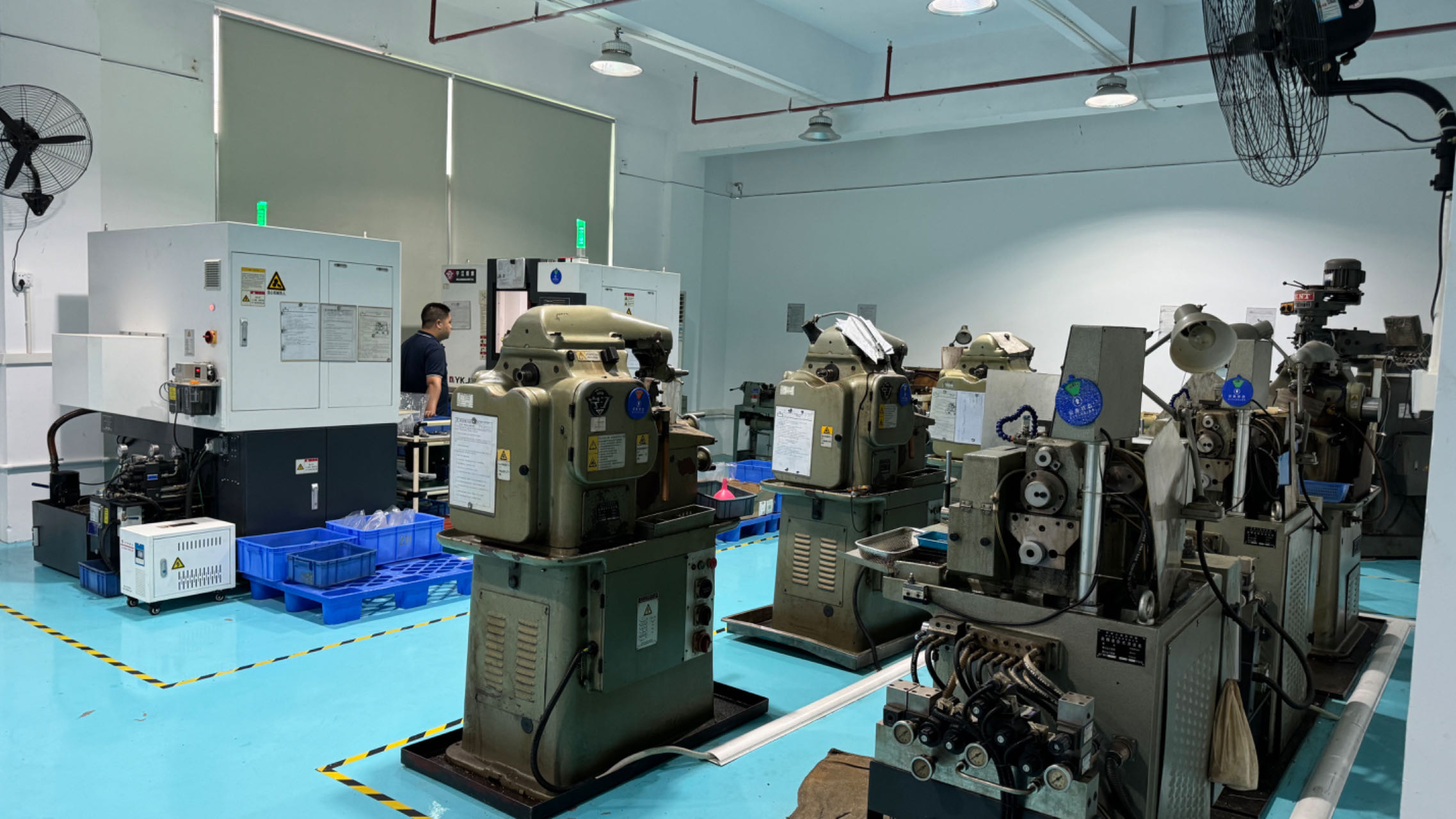
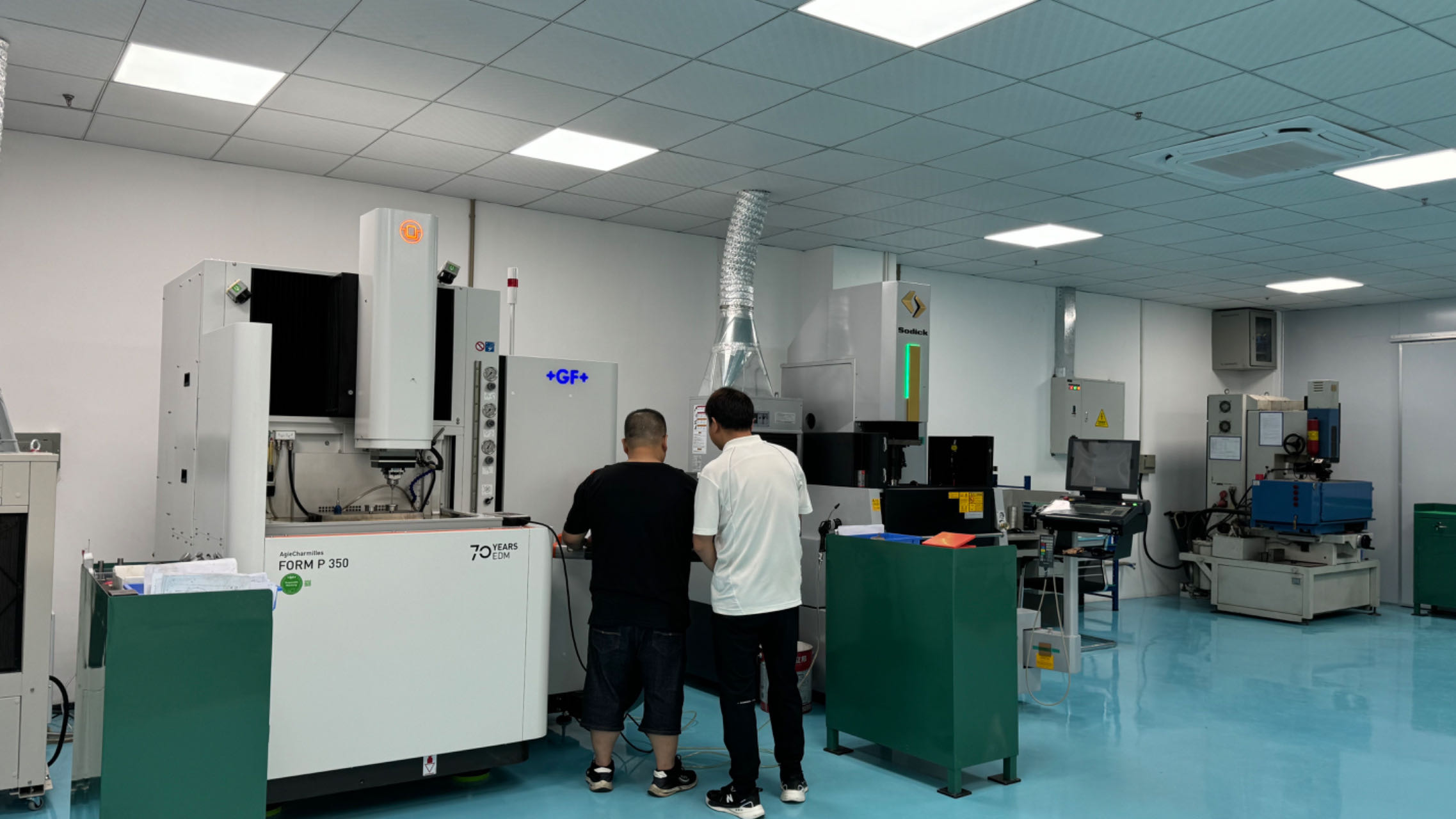
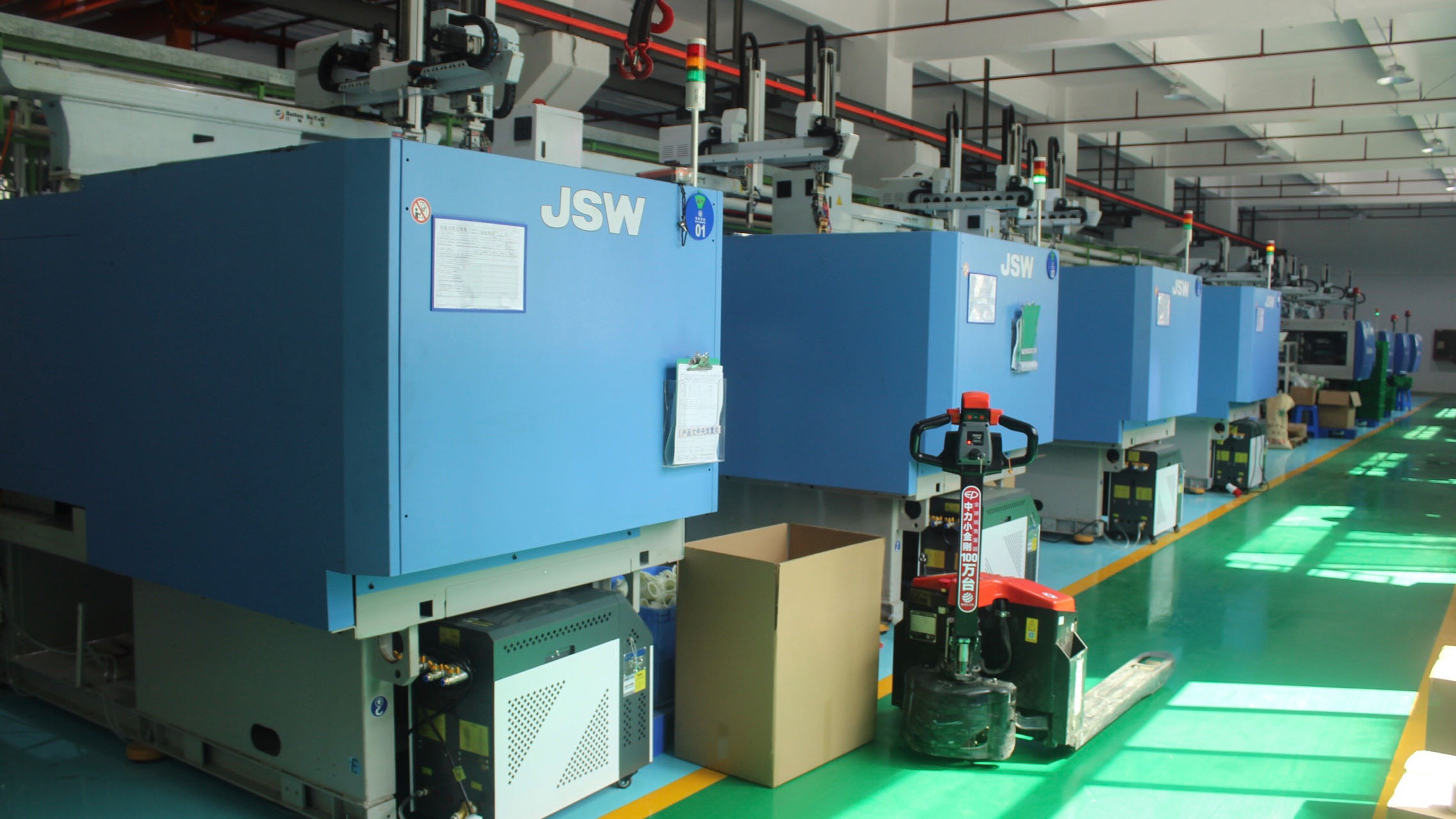
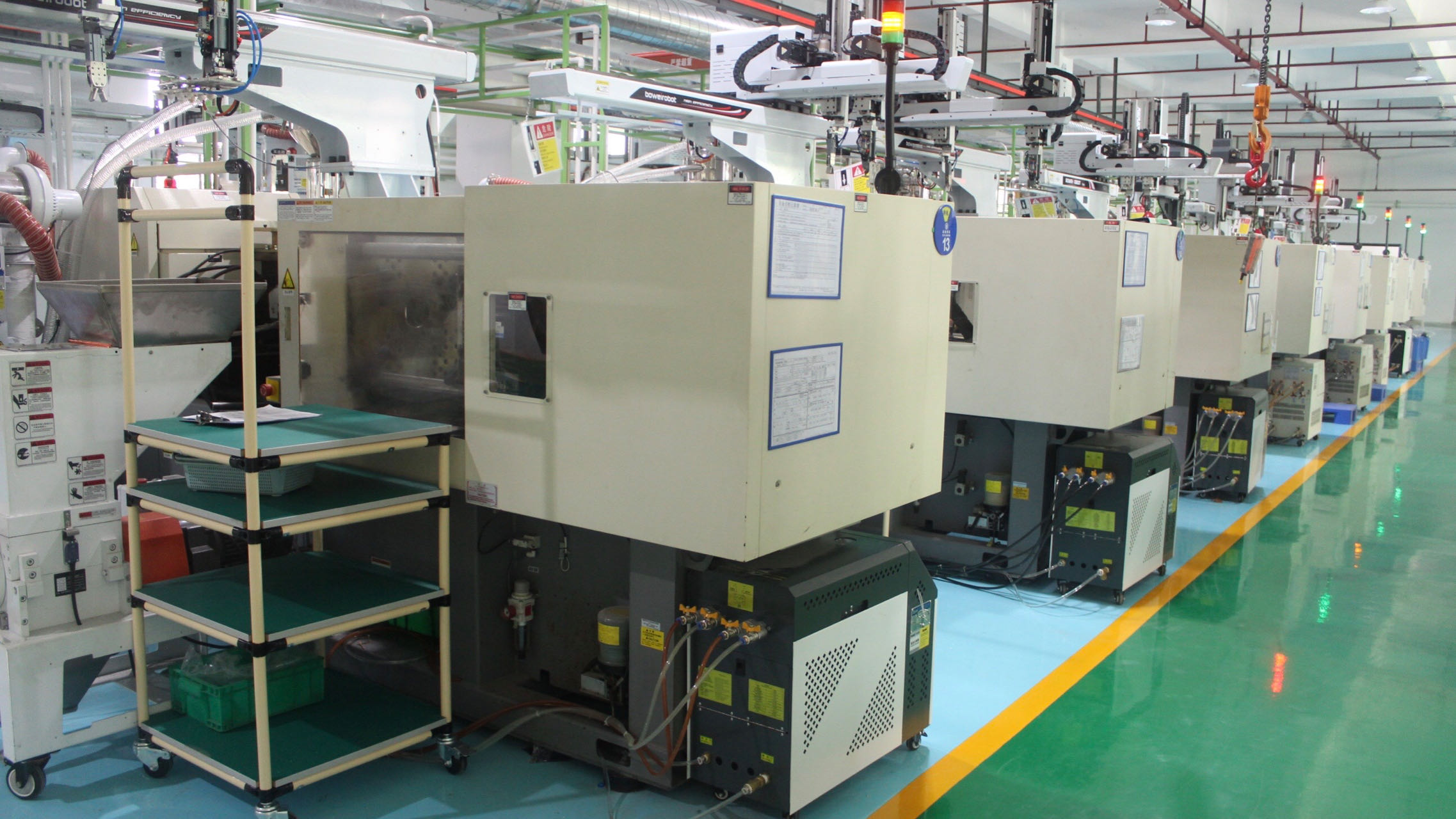
Delivering high-precision parts requires a major investment in tooling machinery. Below is the advanced machinery used to cut, shape, and assemble the micro components of our stepper drivers and matching planetary gearboxes.
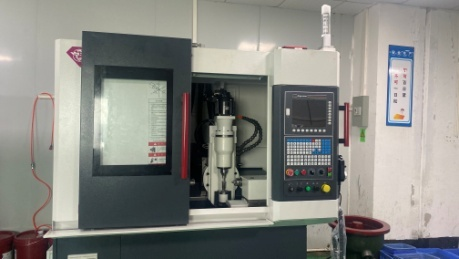
NINGJIANG MACHINE TOOL
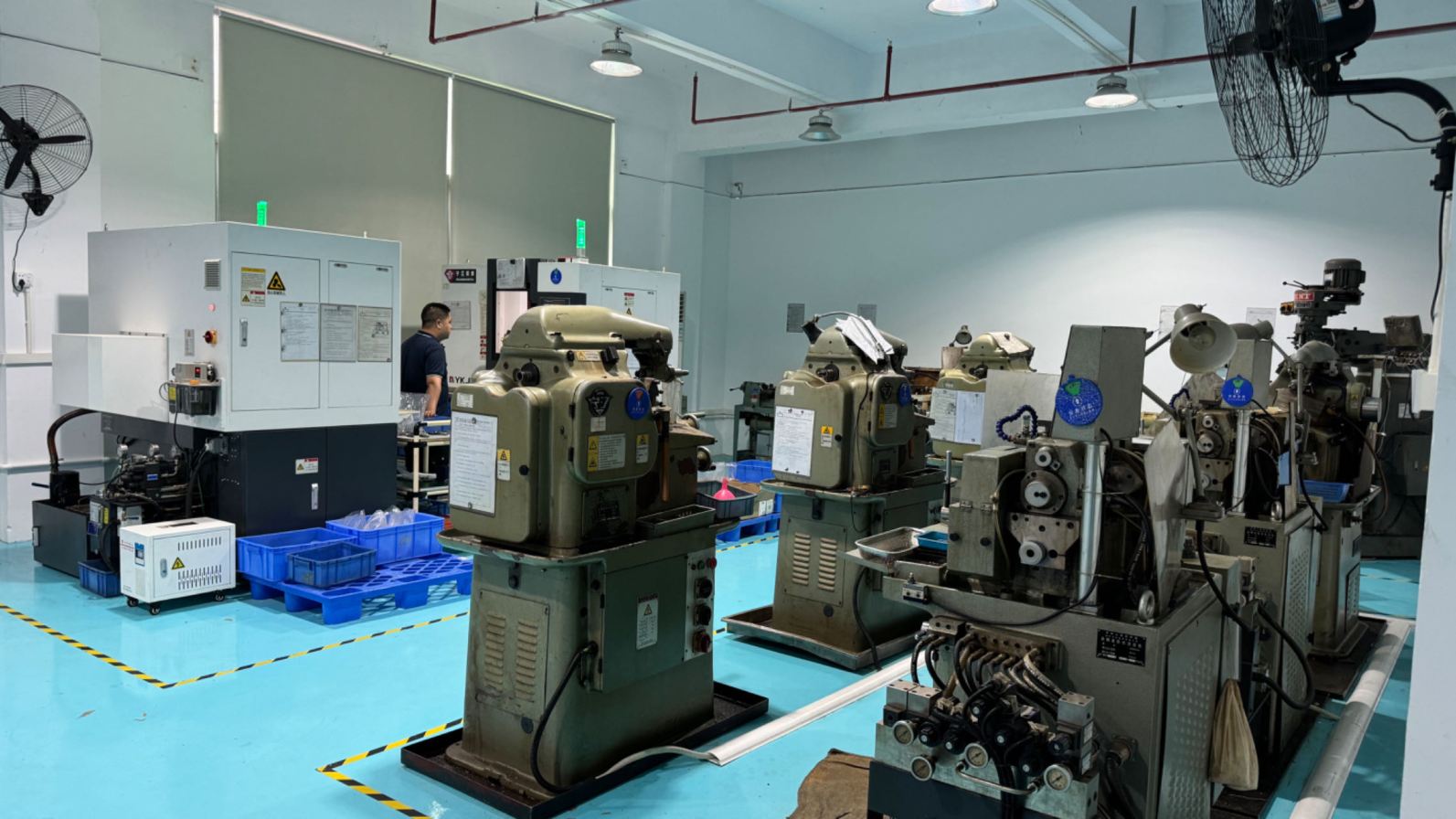
Horizontal Gear Hobbing Machine
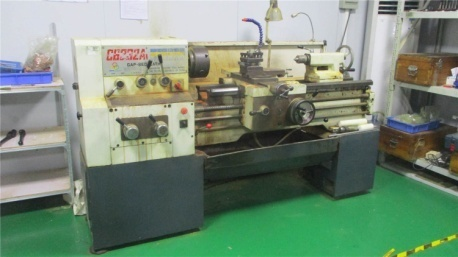
High Speed Lathing Machine
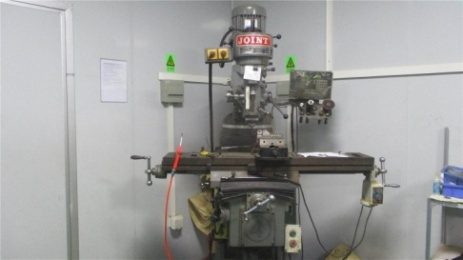
CNC Milling Machine
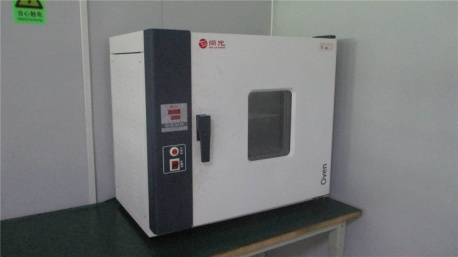
Stator Drying Oven
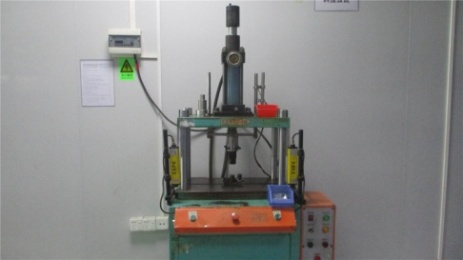
Automatic Gear Riveting Machine
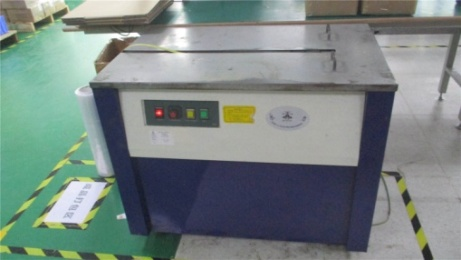
Automated Packing Machine
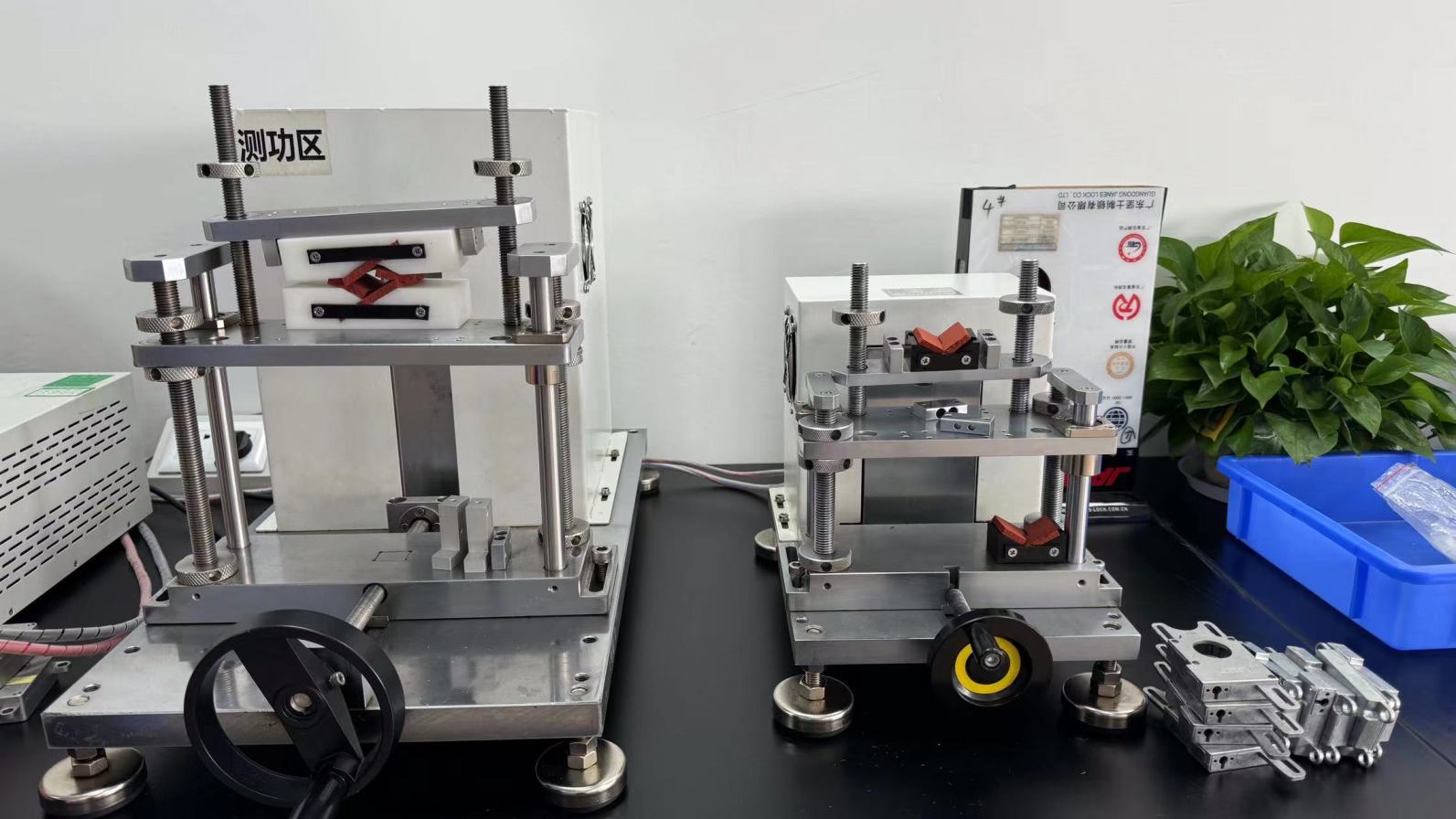
Pneumatic Pressing Machine
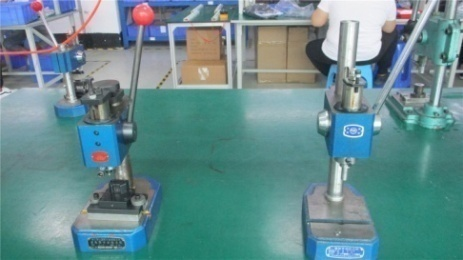
Manual Precision Press
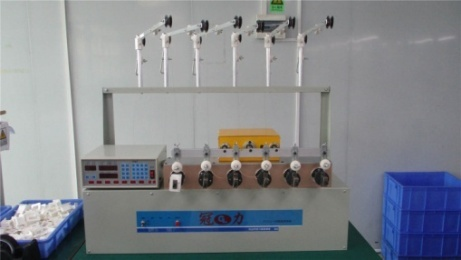
Computer Wire Winding Machine
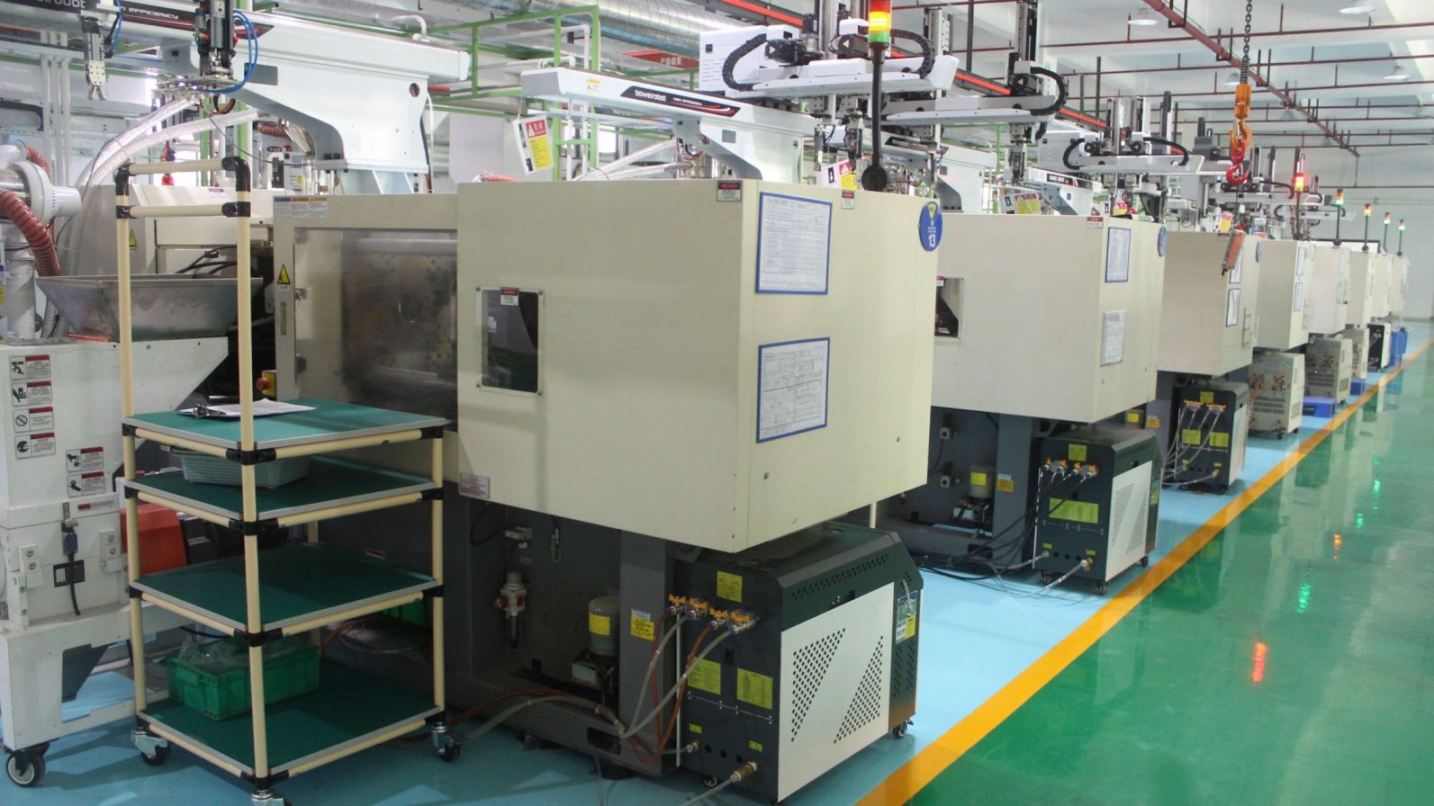
Injection Molding Machine
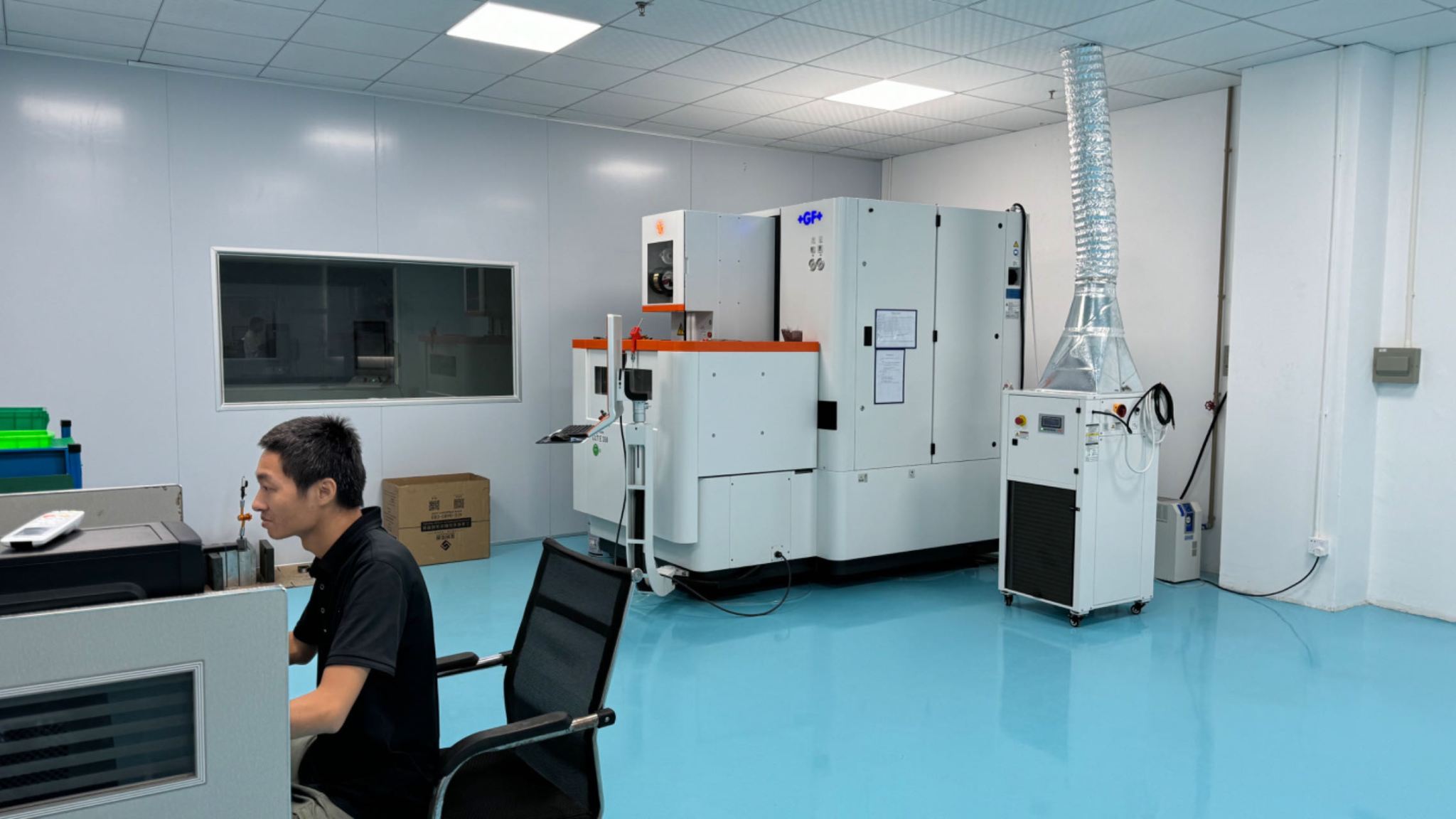
Slow-Feeding NC Wire-Cut Machine
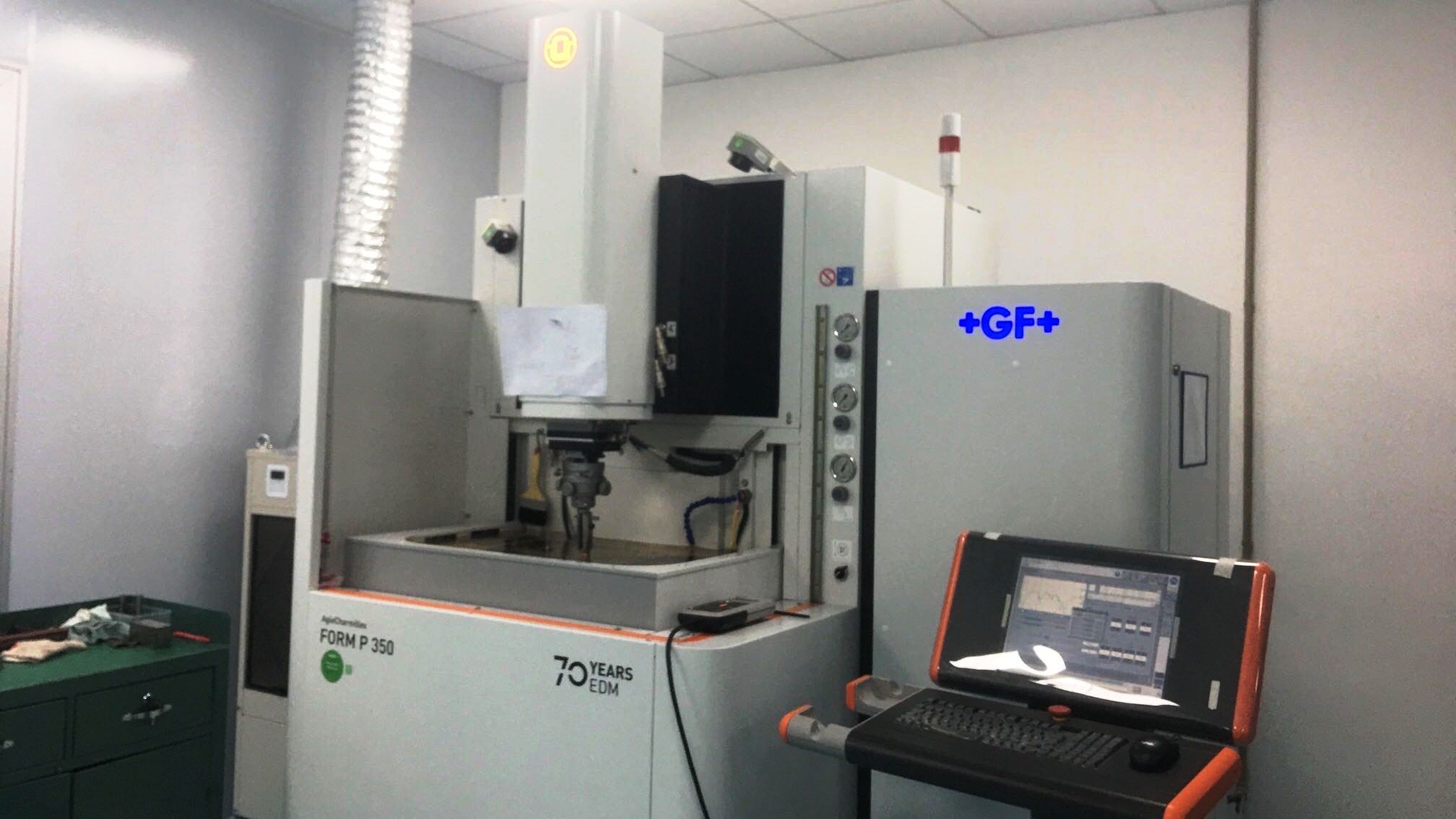
Electrical Discharge Machine (EDM)
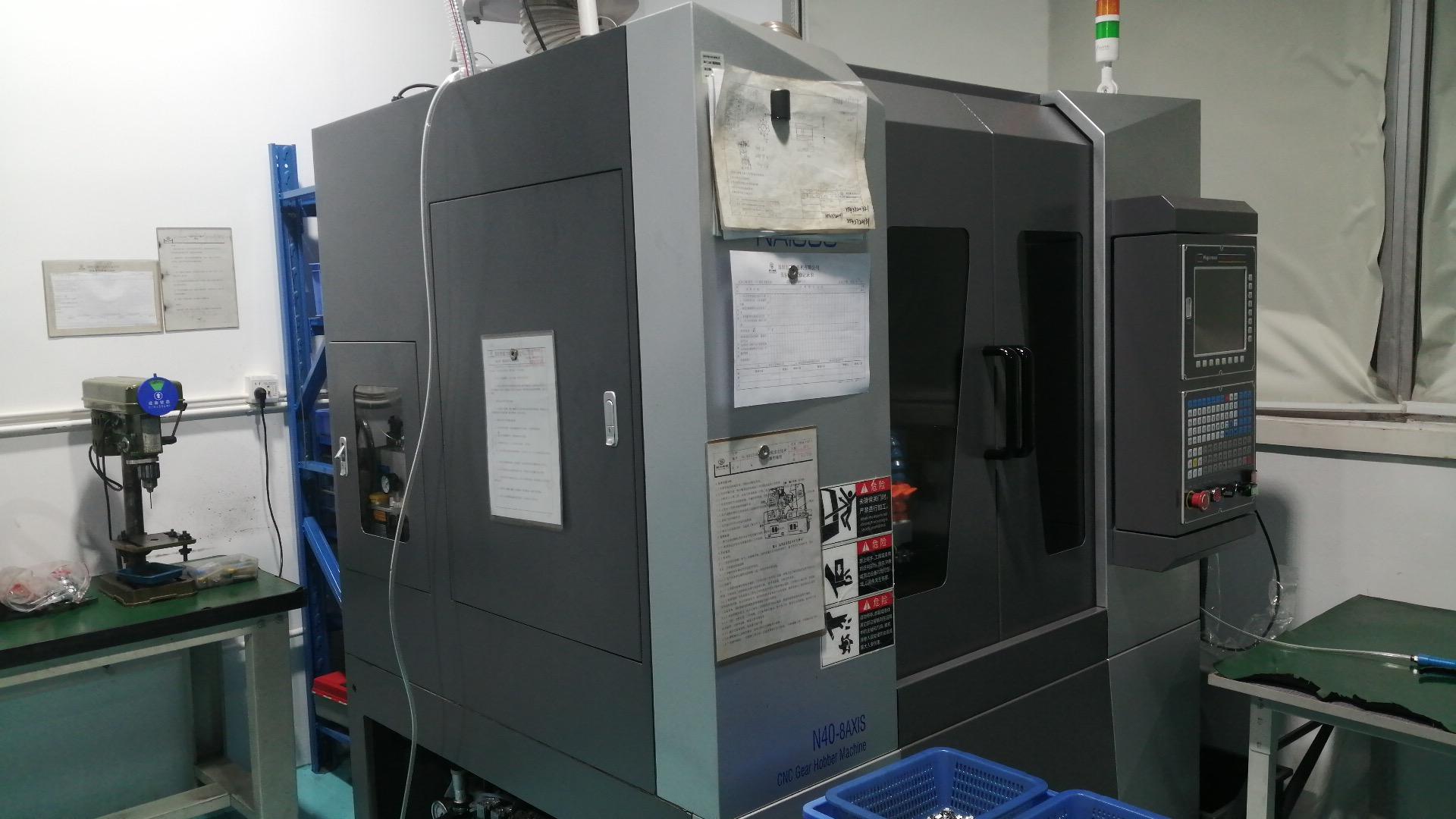
Heavy Duty Gear Hobbing Machine
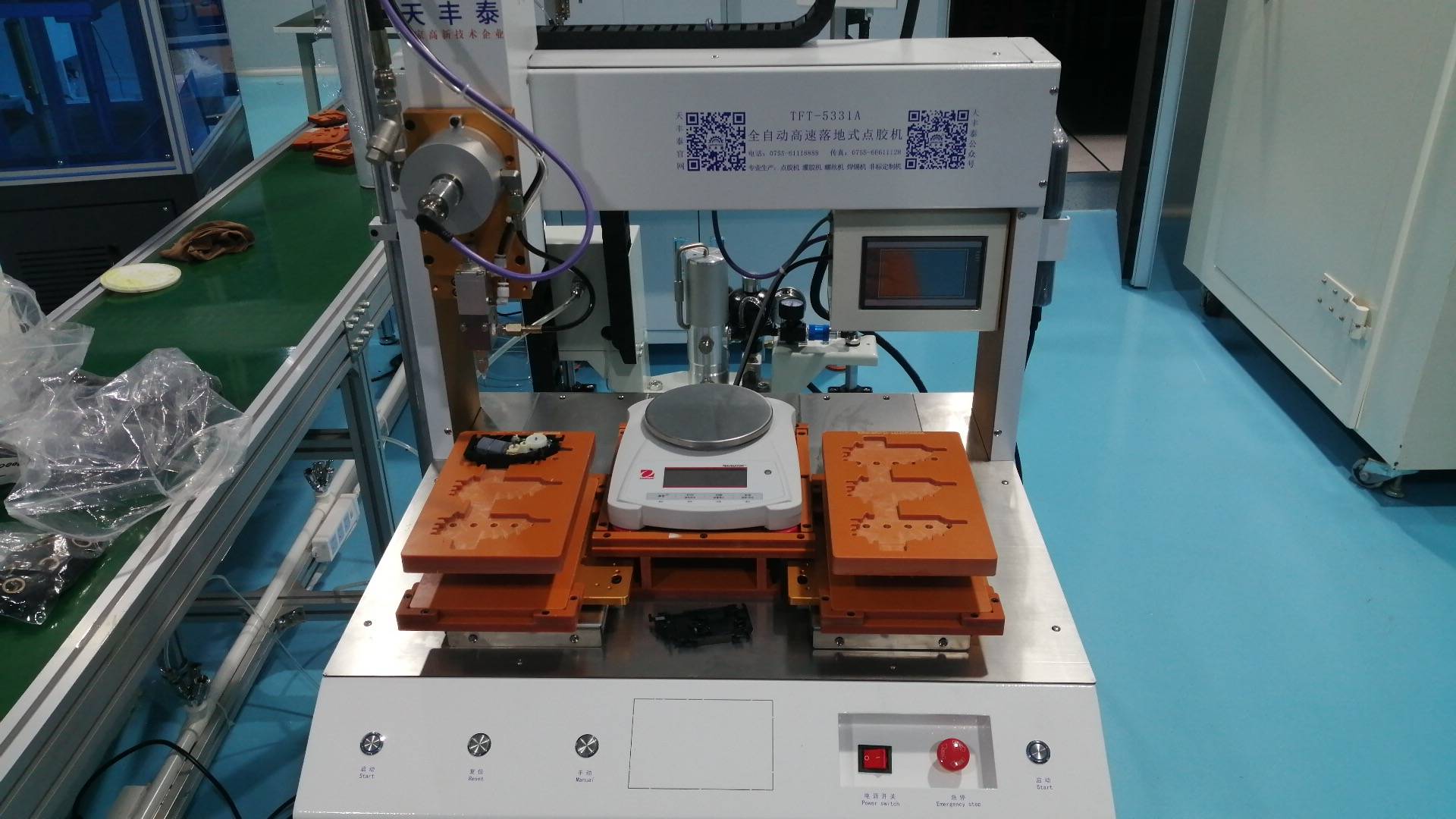
Automatic Glue Dispenser
To maintain reliable performance, every driver and motor batch undergoes strict testing in our specialized metrology and testing chambers. We inspect and verify each unit under simulated harsh environmental conditions.
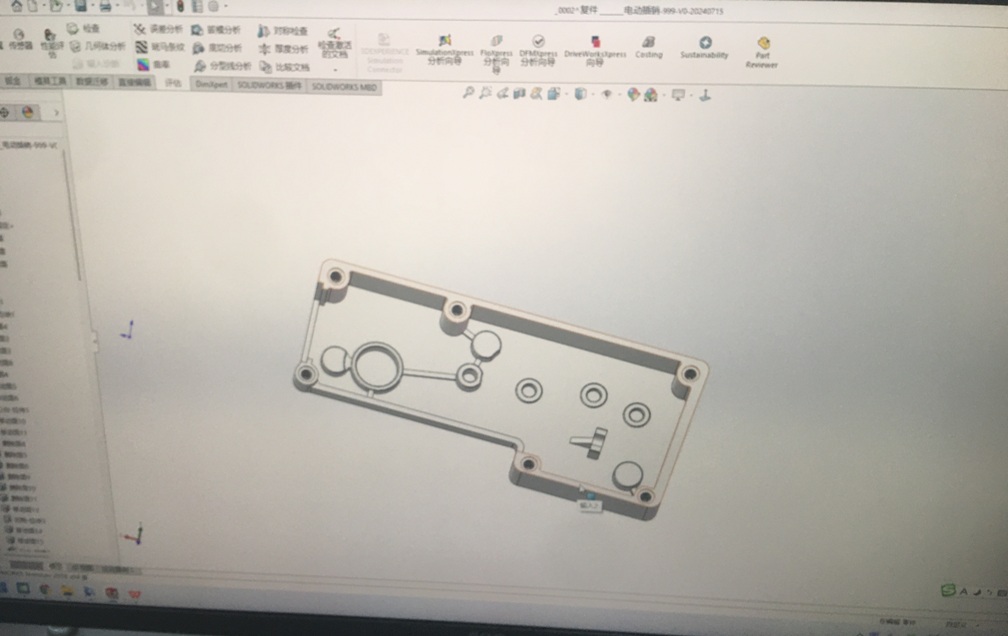
R&D CAD Design & Simulation
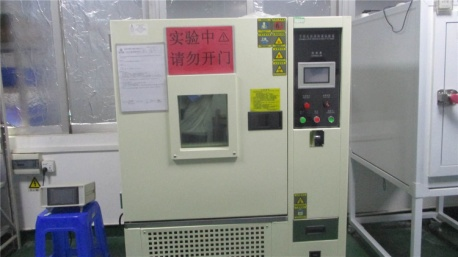
Temp & Humidity Chamber
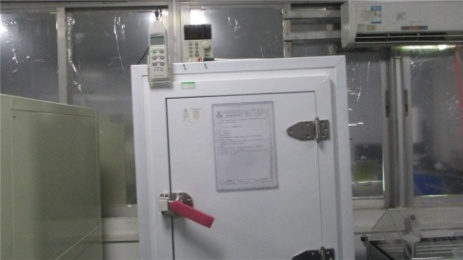
Noise Testing Chamber
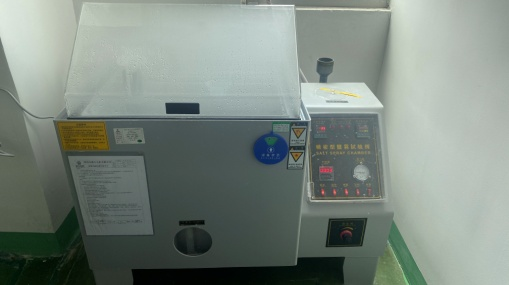
Corrosion Salt Spray Tester
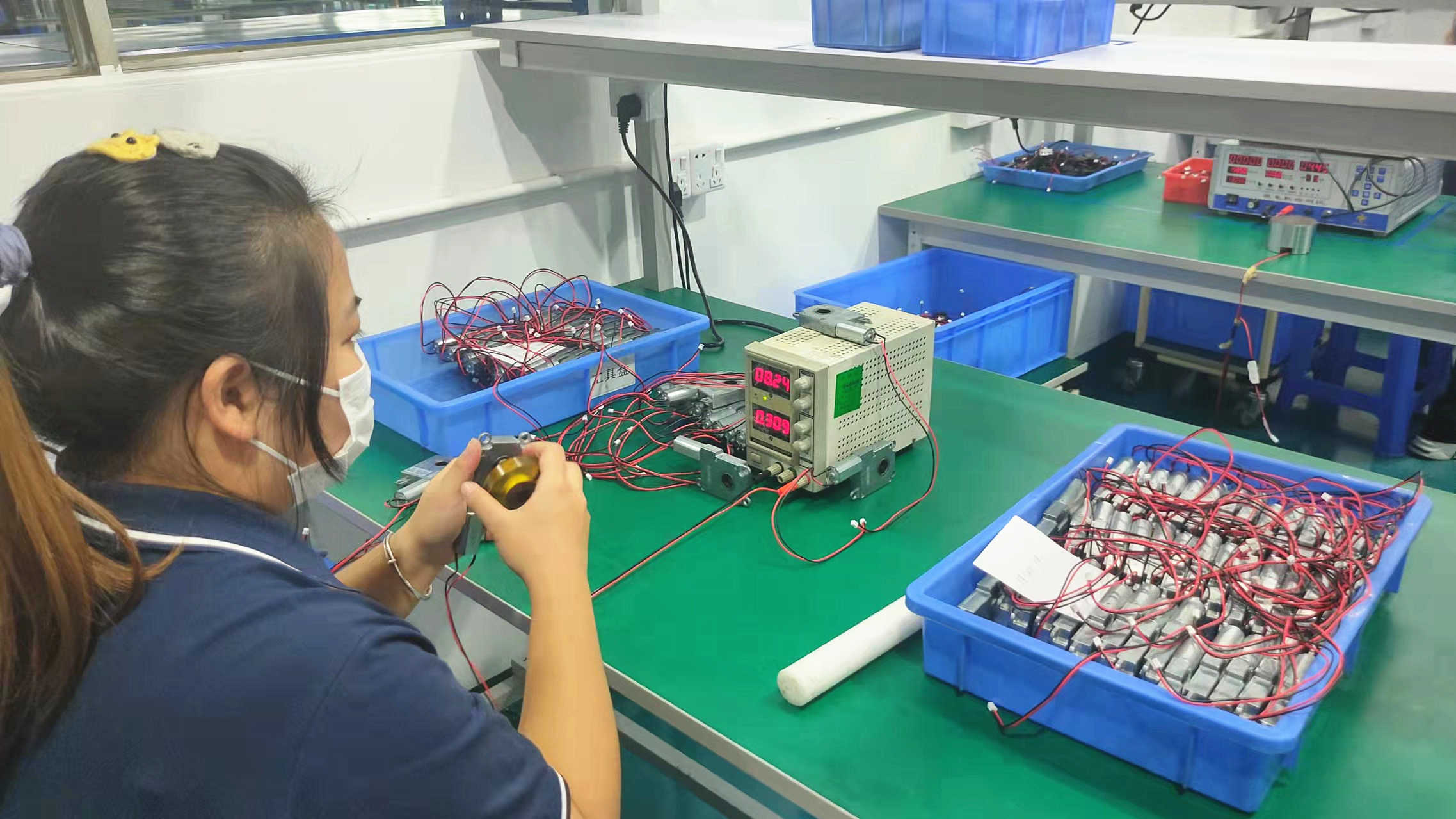
Visual QC Check
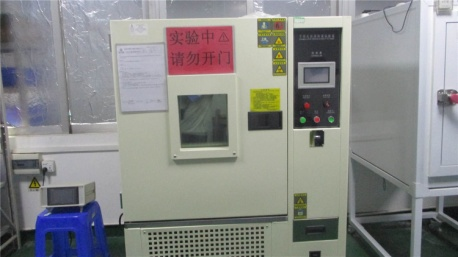
Calibration Chamber
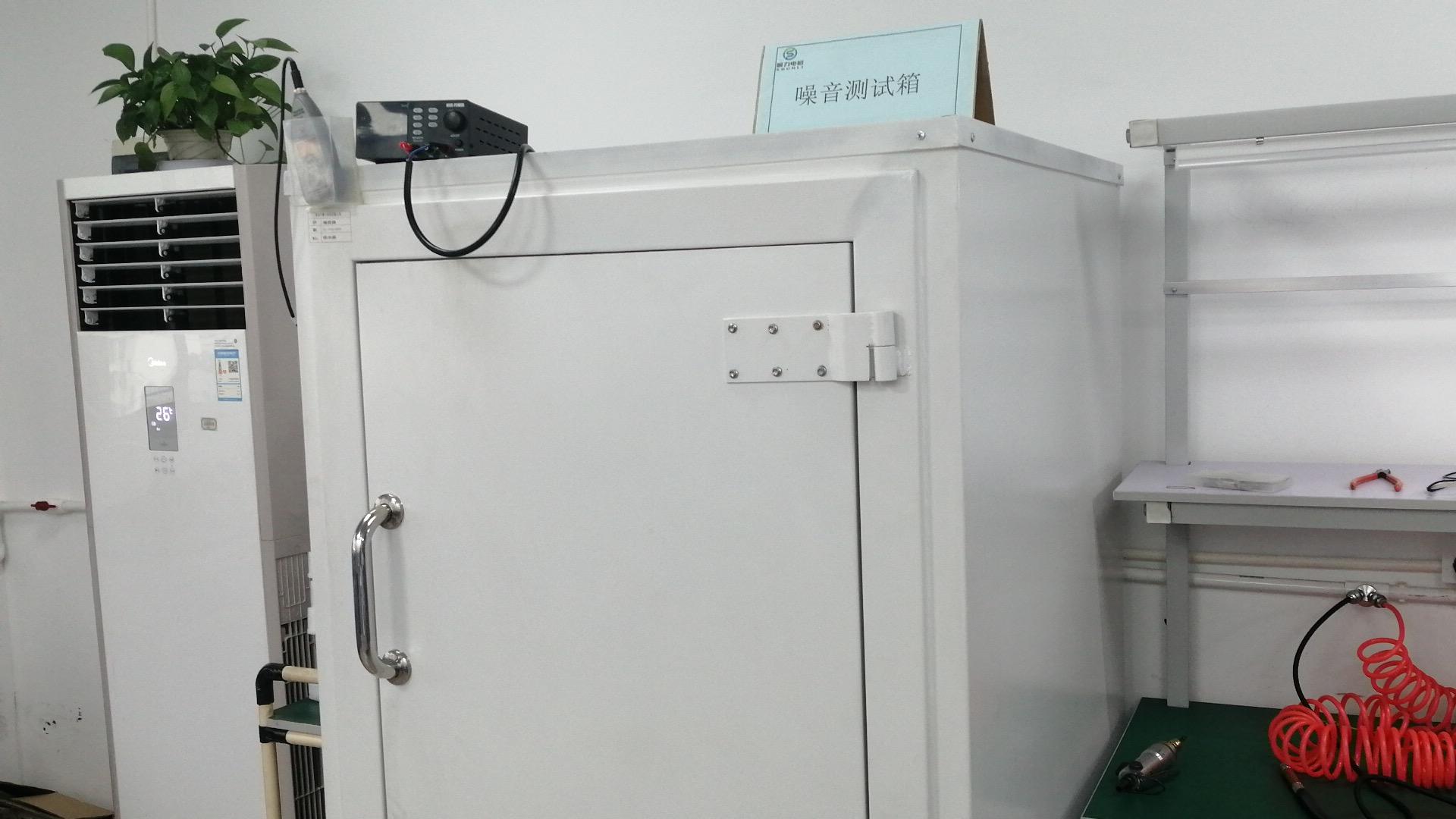
Acoustic Testing
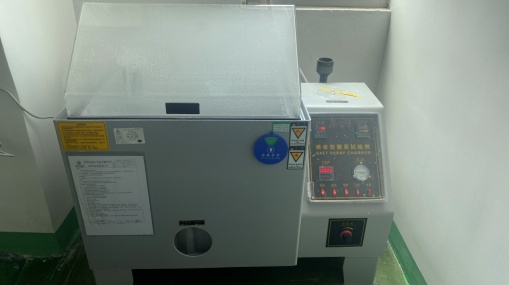
Corrosion Inspection Lab
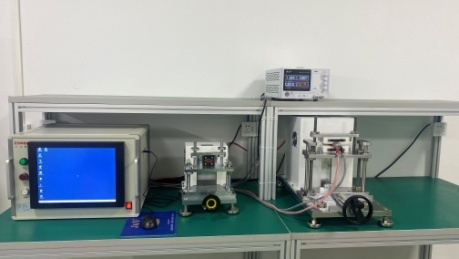
Dynamometer Machine (Torque Curves)
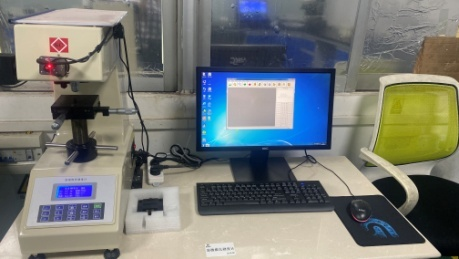
Gear Hardness Tester
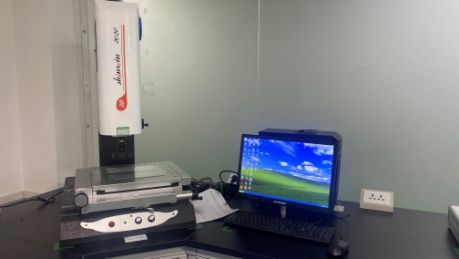
Video Measuring Instrument
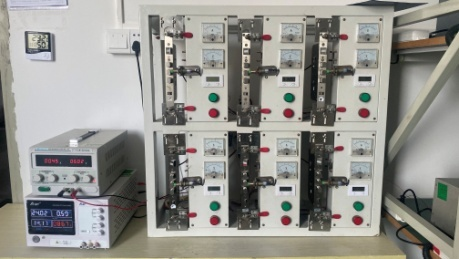
Continuous Operation Aging Shelf
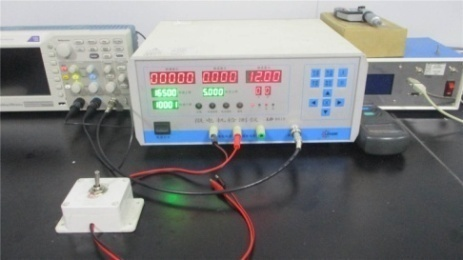
Automatic Motor Analyzer
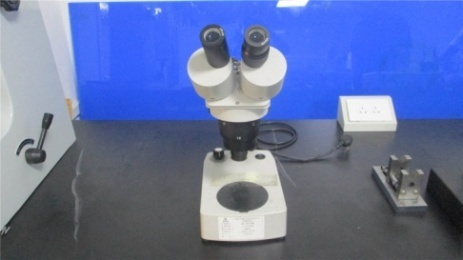
Industrial Measuring Microscope
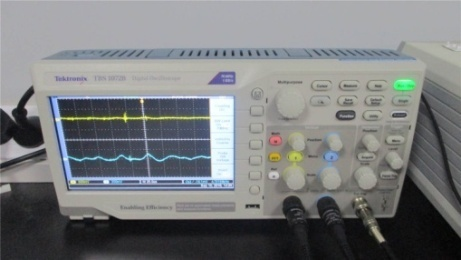
Rigorous Digital Oscilloscope Unit
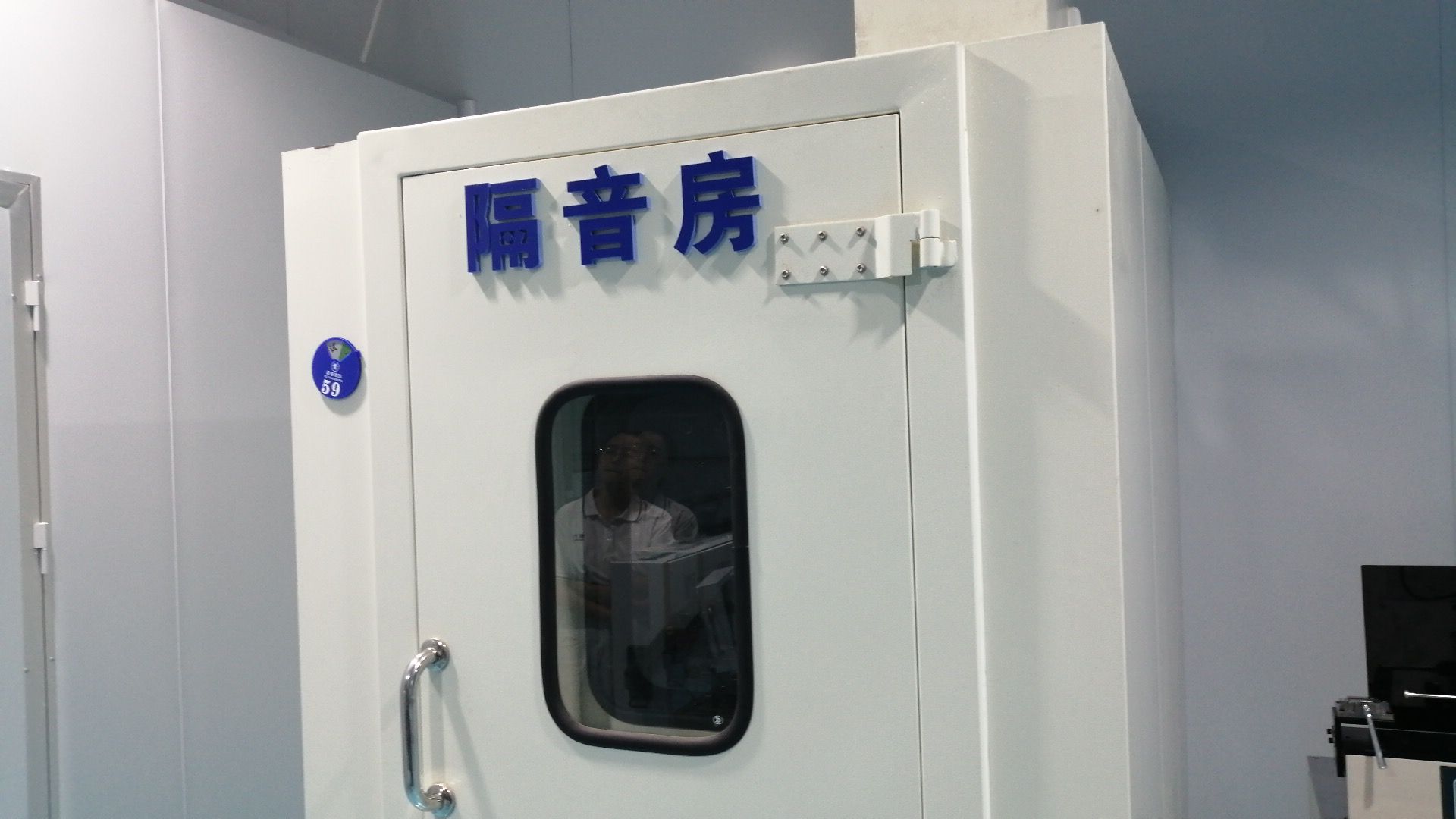
Fully Soundproof Testing Room
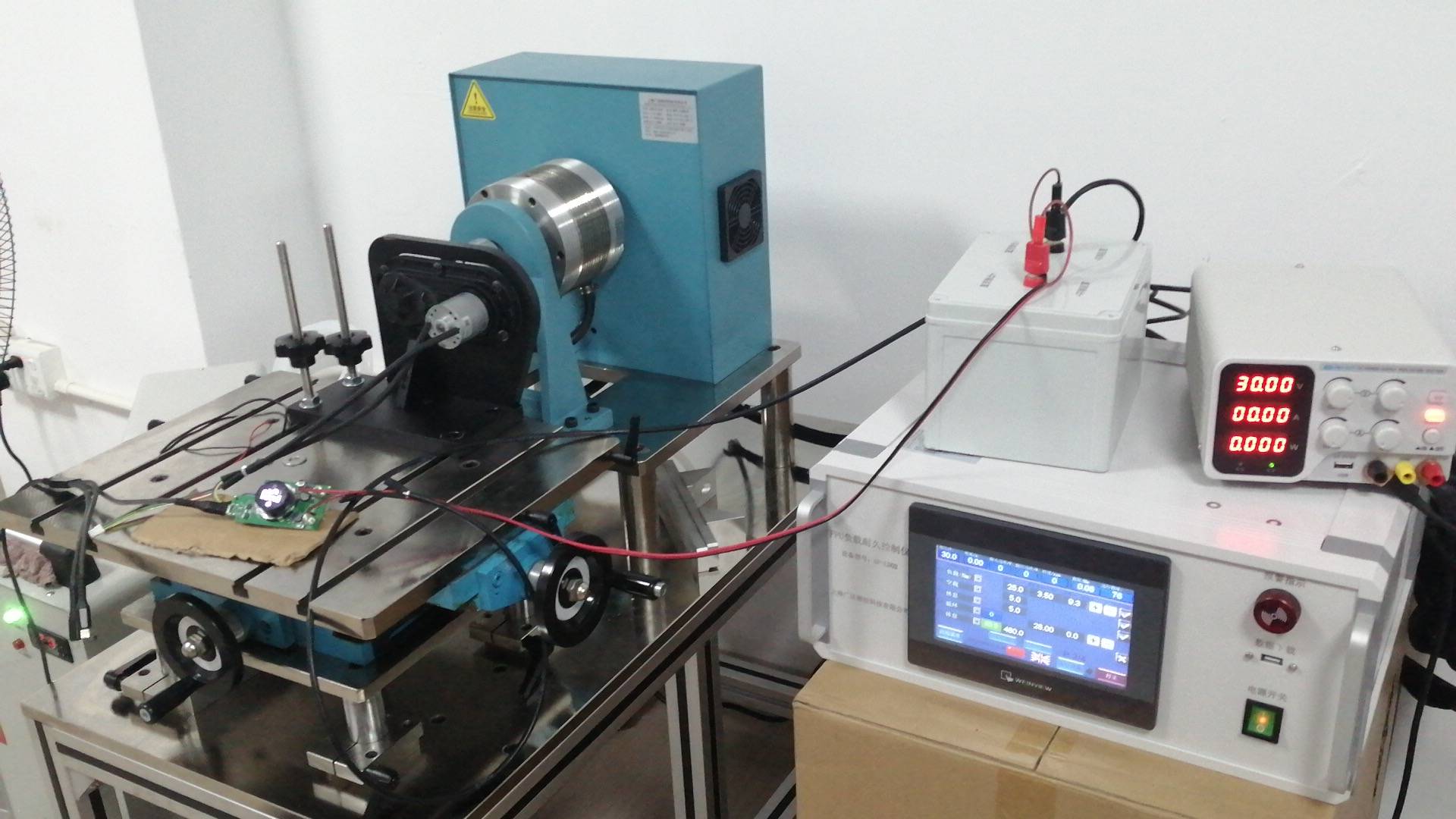
Magnetic Powder Defect Tester
The next generation of stepper motor drivers focuses on advanced integration and edge diagnostics. Key elements of our technical development roadmap include:
Sensorless Stall Detection: By analyzing the back electromotive force (Back-EMF), the driver can detect motor stall conditions without needing external encoders. This design reduces both hardware costs and failure points.
Integrated Smart Stepper Actuators: To save space, we are moving the control electronics directly onto the rear face of the motor. This integrated layout eliminates long, noise-prone cabling, making installation simpler and reducing electromagnetic interference.
Open-loop drivers send step signals without verifying position, which can lead to lost steps under sudden load changes. Closed-loop drivers use encoder feedback to monitor the shaft position in real time. This allows the driver to correct steps, control current dynamically based on the load, and prevent stalling.
We manage heat through two key methods: mechanical design and control algorithms. Mechanically, we use custom-milled aluminum housings to dissipate heat. Electronically, we implement dynamic current reduction, which lowers the current when the motor is decelerating or holding a position.
Our controller cards support standard communication options, including pulse/direction lines, RS-485 Modbus, CANopen, and EtherCAT. This allows seamless integration with master PLCs and motion controllers.
Higher microstepping resolutions (such as 128 or 256 steps per step) divide standard steps into smaller increments. This creates smoother rotor motion, which reduces torque ripple and mechanical resonance, extending the operational life of the gearboxes and bearings.
Complete your motion control configuration with our rugged, high-torque micro DC and brushless actuators.
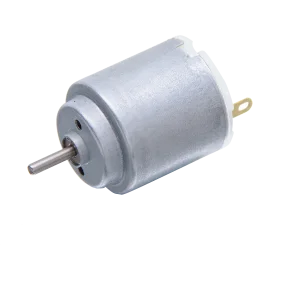
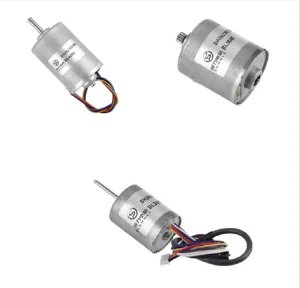
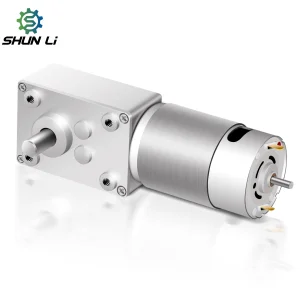
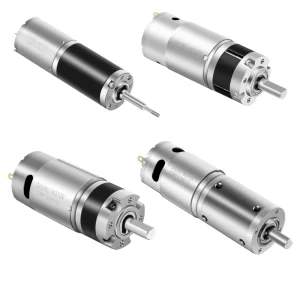
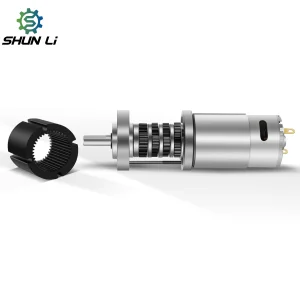
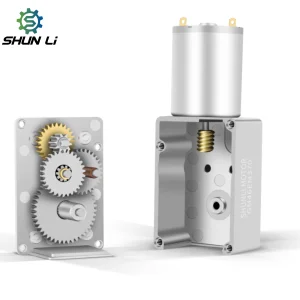
 DyneticPro Motor