Explore our high-performance industrial smart motors, tailored for high-torque retention, low-noise footprints, and dynamic micro-positioning controls.
How interconnected electromechanical units are replacing legacy drivetrains to power smart automation worldwide.
In modern industrial design, the transition from centralized control cabinets to localized, intelligent actuator units (commonly referred to as "smart motors") represents the front line of electromechanical innovation. A smart motor integrates the core rotor-stator assembly with embedded logic processing, real-time diagnostic sensors (such as high-resolution optical or magnetic encoders), and adaptive feedback protocols. By consolidating these functions, global engineering firms reduce fieldbus wiring complexities, mitigate electromagnetic interference (EMI), and achieve precise torque-on-demand profiles.
Whether controlling the articulation of an industrial pick-and-place robotic arm, regulating biomass feed rates in customizable AC-gear pellet stoves, or driving high-security smart locks in residential smart homes, mechanical integrity is paramount. Designers no longer seek mere raw velocity; they require highly linear speed-torque curves, minimal thermal footprint characteristics under stall conditions, and deep structural compactness.
DyneticPro Motor: Packing Massive Torque Into Miniature Spaces. Inside a premium robotic joint, an automated medical pump, or a high-end smart lock, space is the ultimate luxury. At DyneticPro, we measure our success in micrometers and decibels. Our mission is to take advanced, heavy-duty rotational power and compress it into the most compact, energy-efficient footprints imaginable.
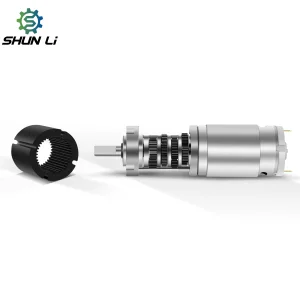
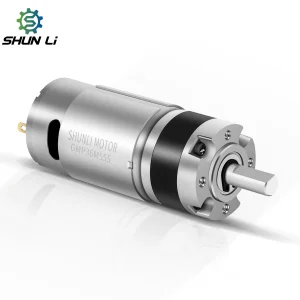
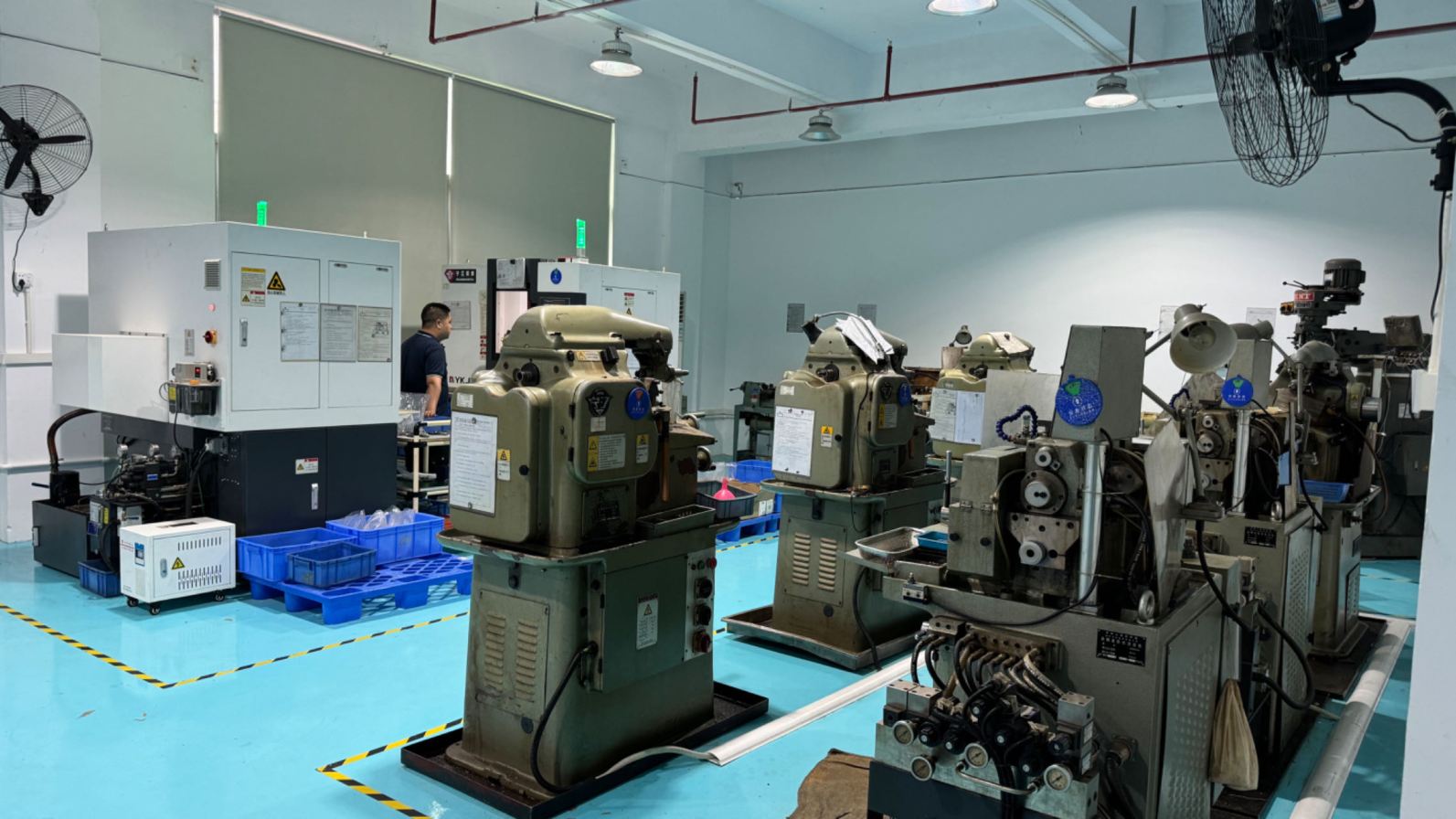
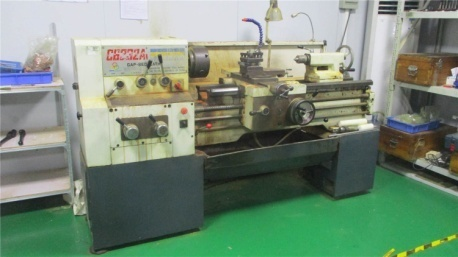
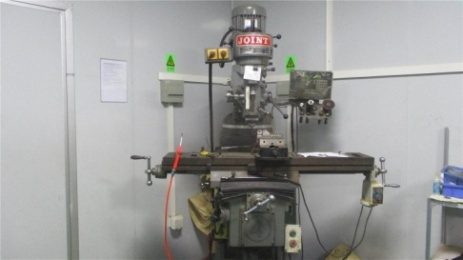
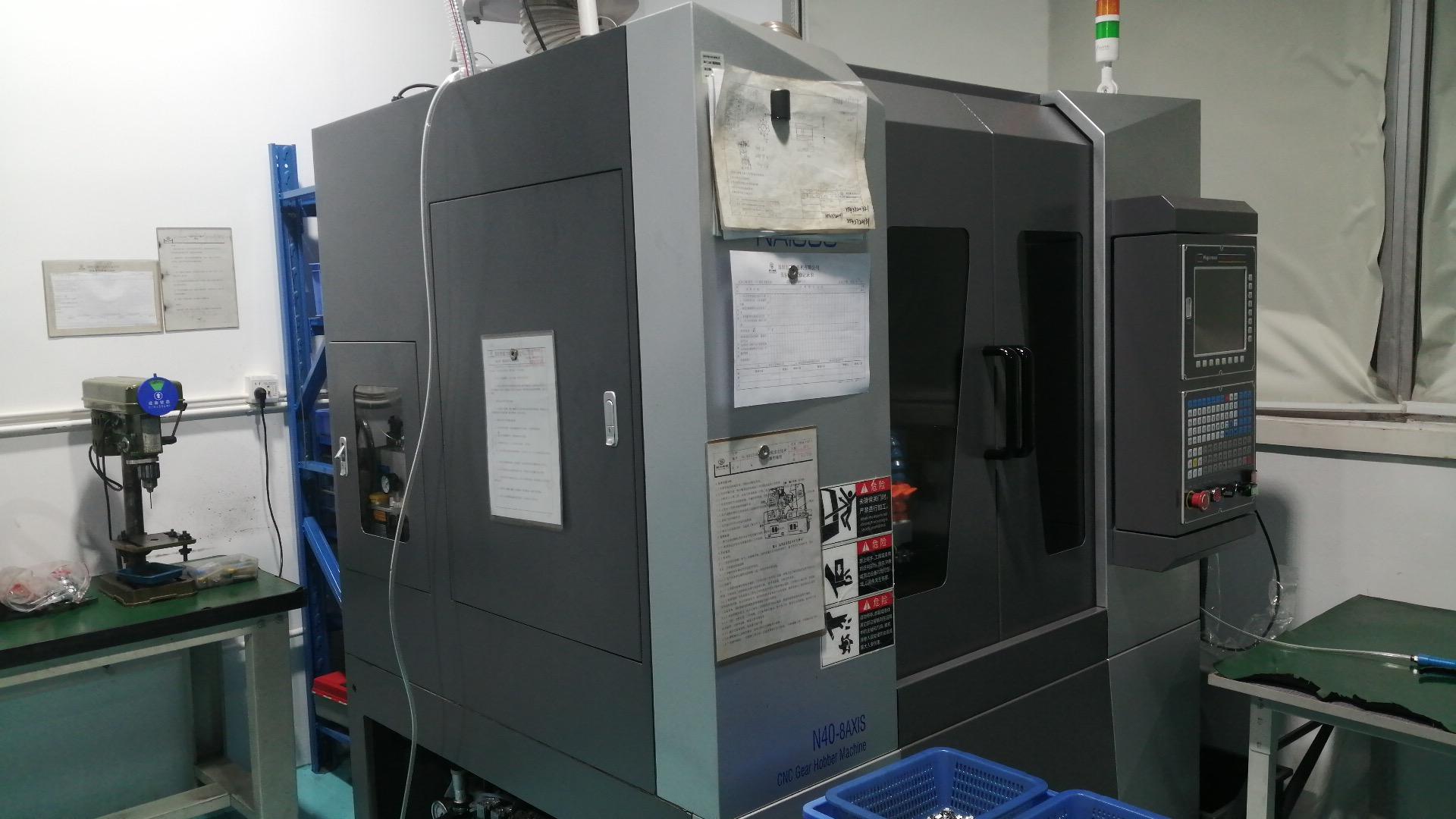
Our expertise lies in the micro-details of motion. From precision-wound copper rotors and high-purity commutators to zero-backlash planetary gear trains, every single internal component of a DyneticPro motor is optimized to eliminate friction and maximize heat dissipation. By combining advanced automated Swiss-style hobbing with Japanese dynamic balancing, we ensure our micro drives deliver the fluid, whispering-quiet power your brand promises. When your next high-tech innovation relies on repeated mechanical perfection, let DyneticPro be the core that spins it forward.

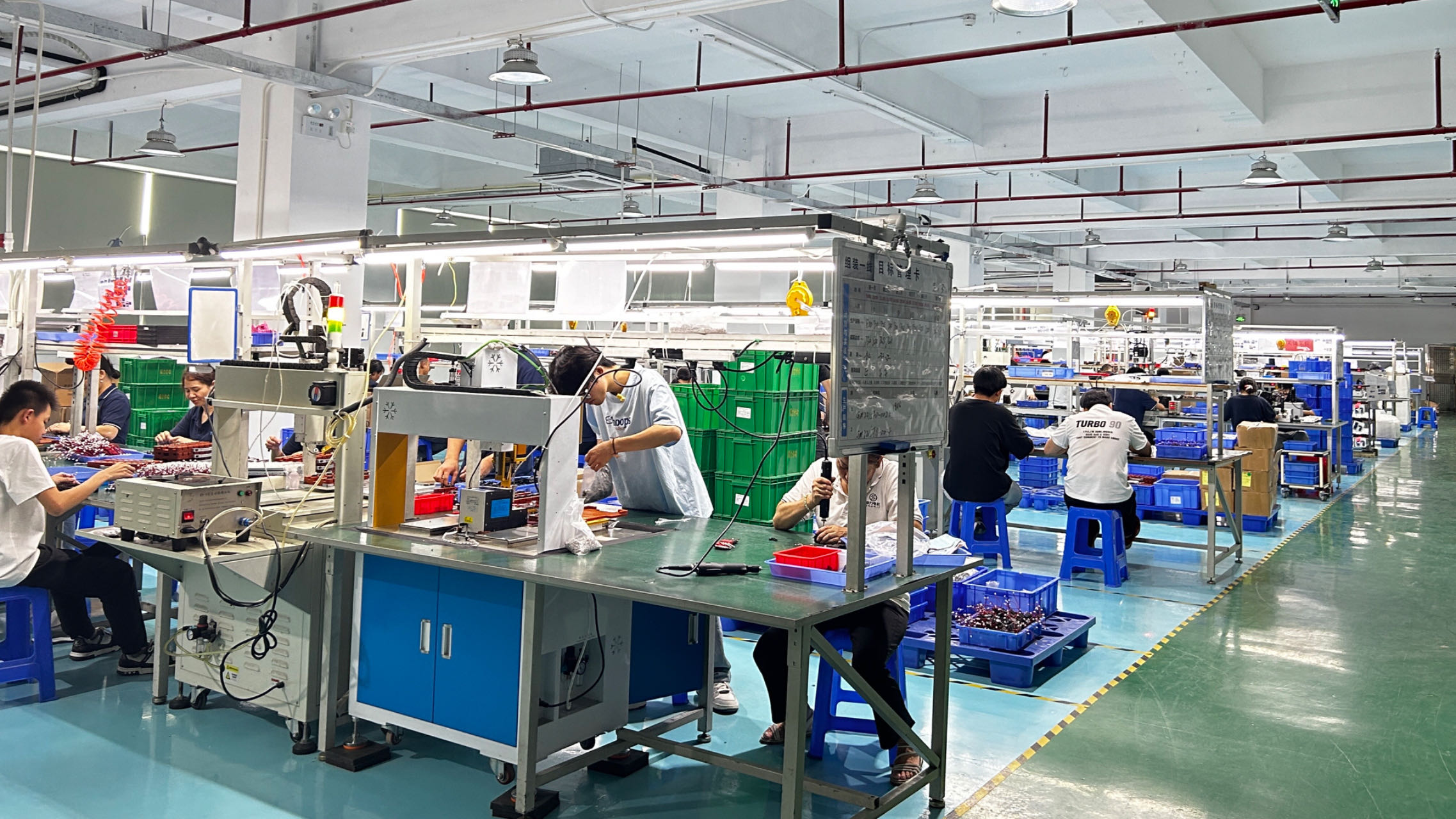
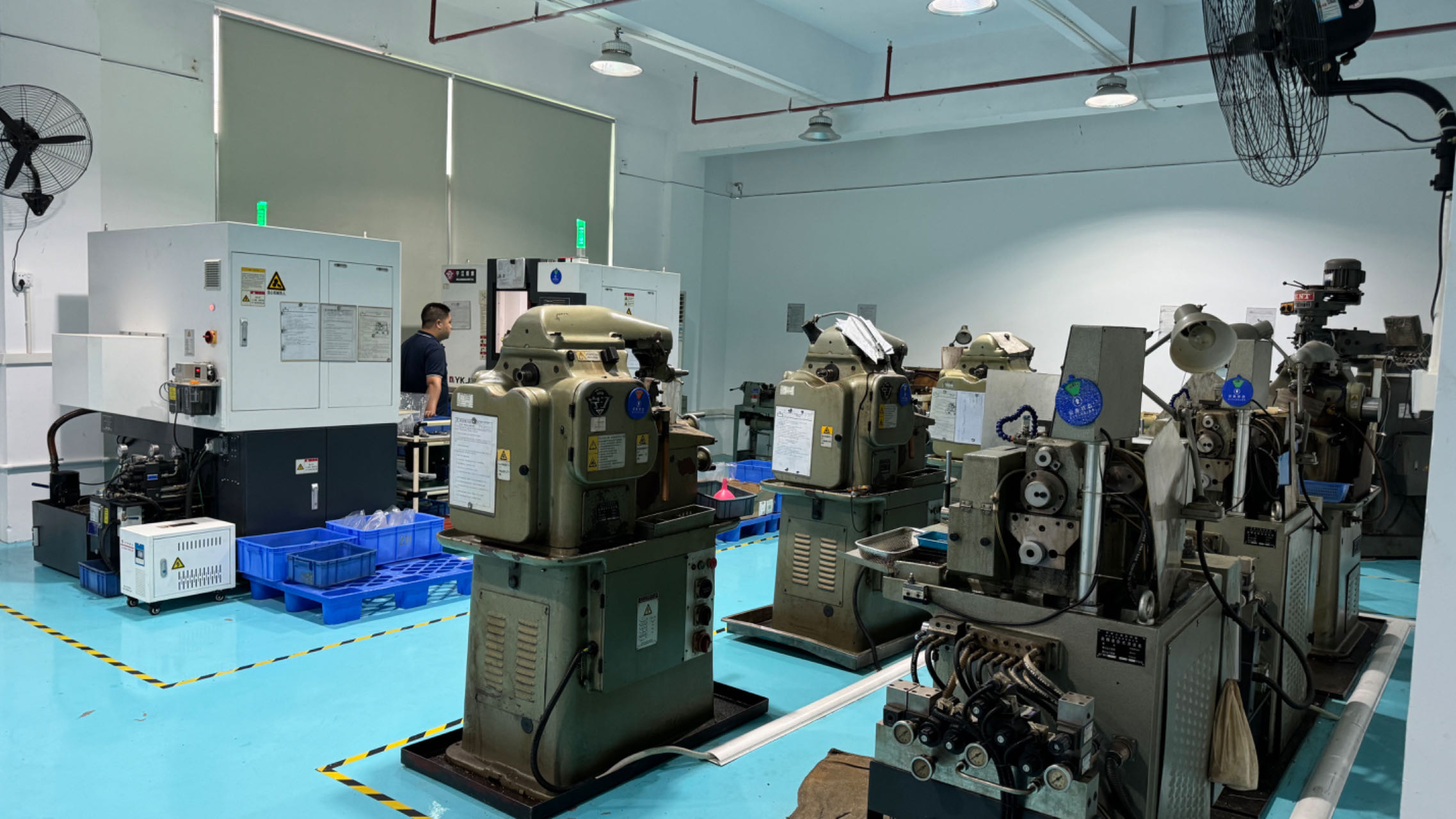
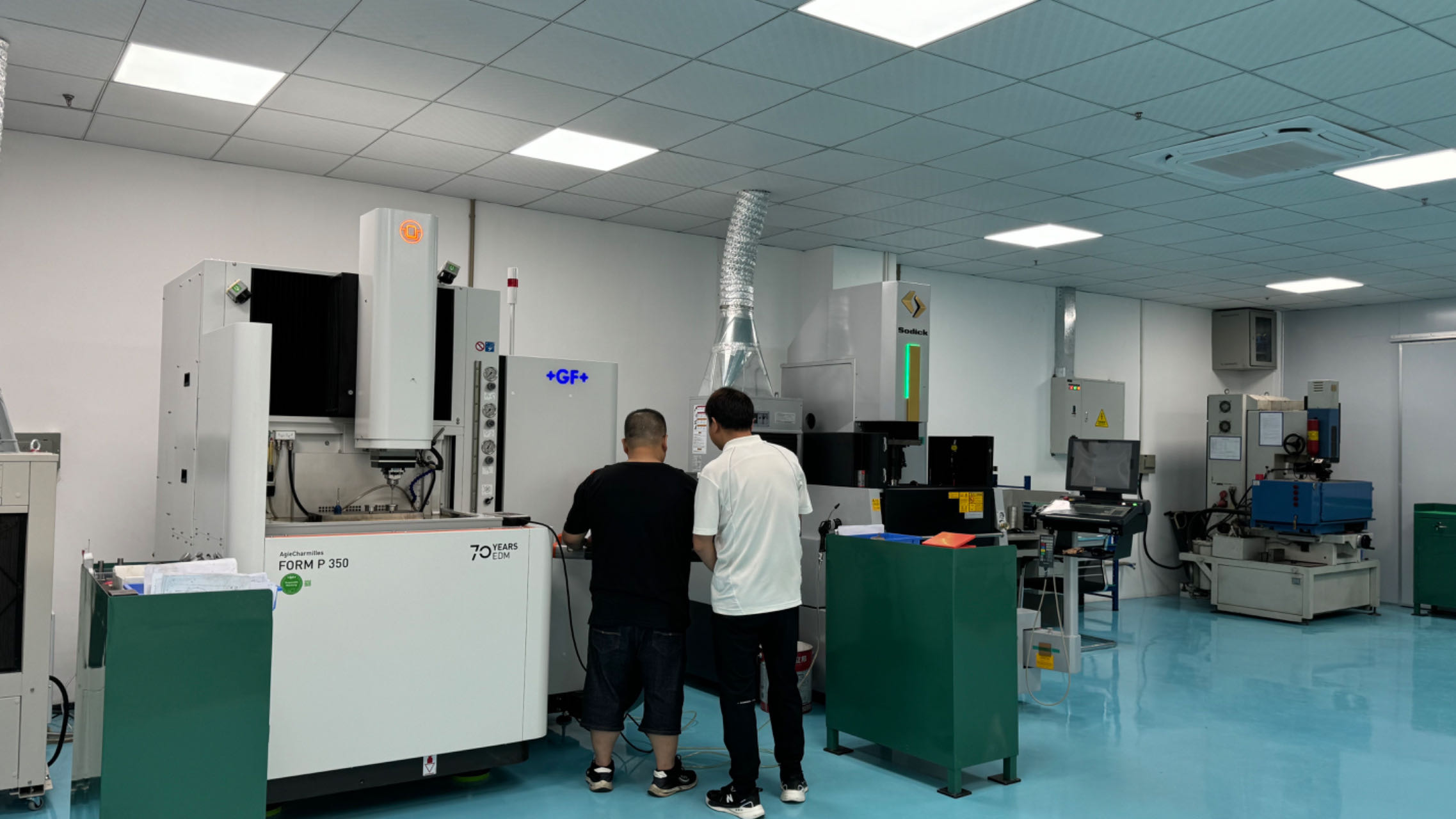
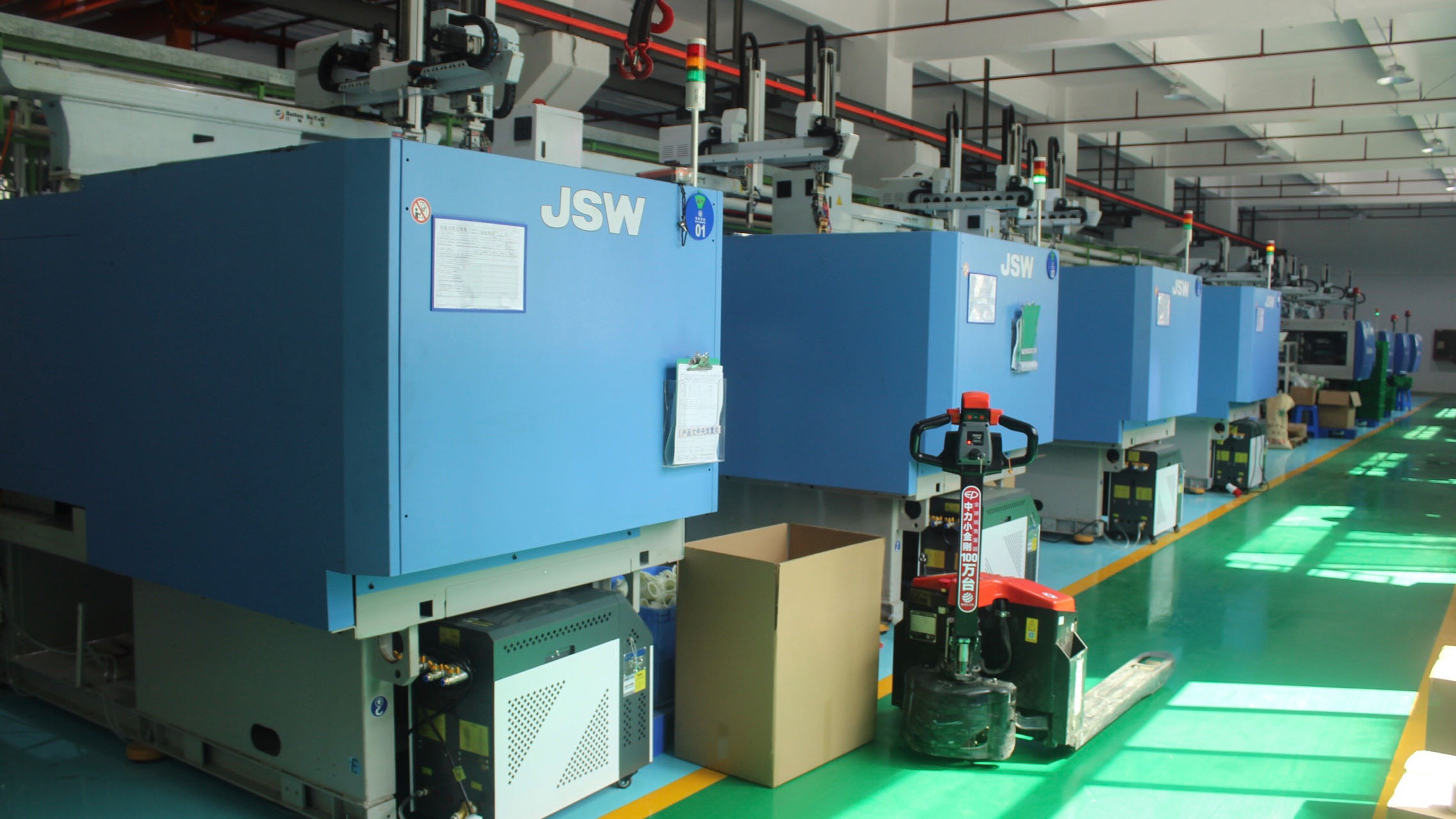
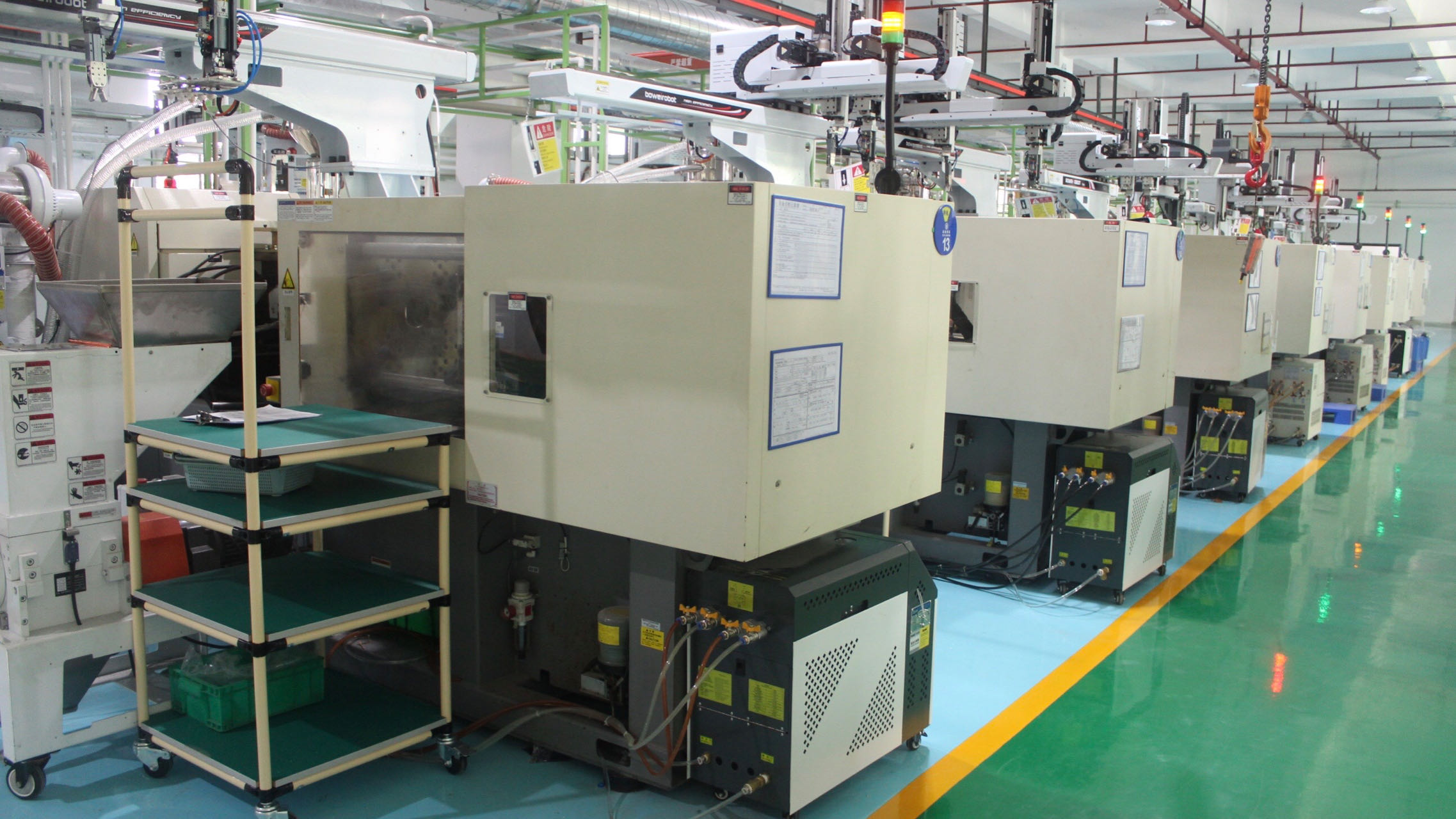
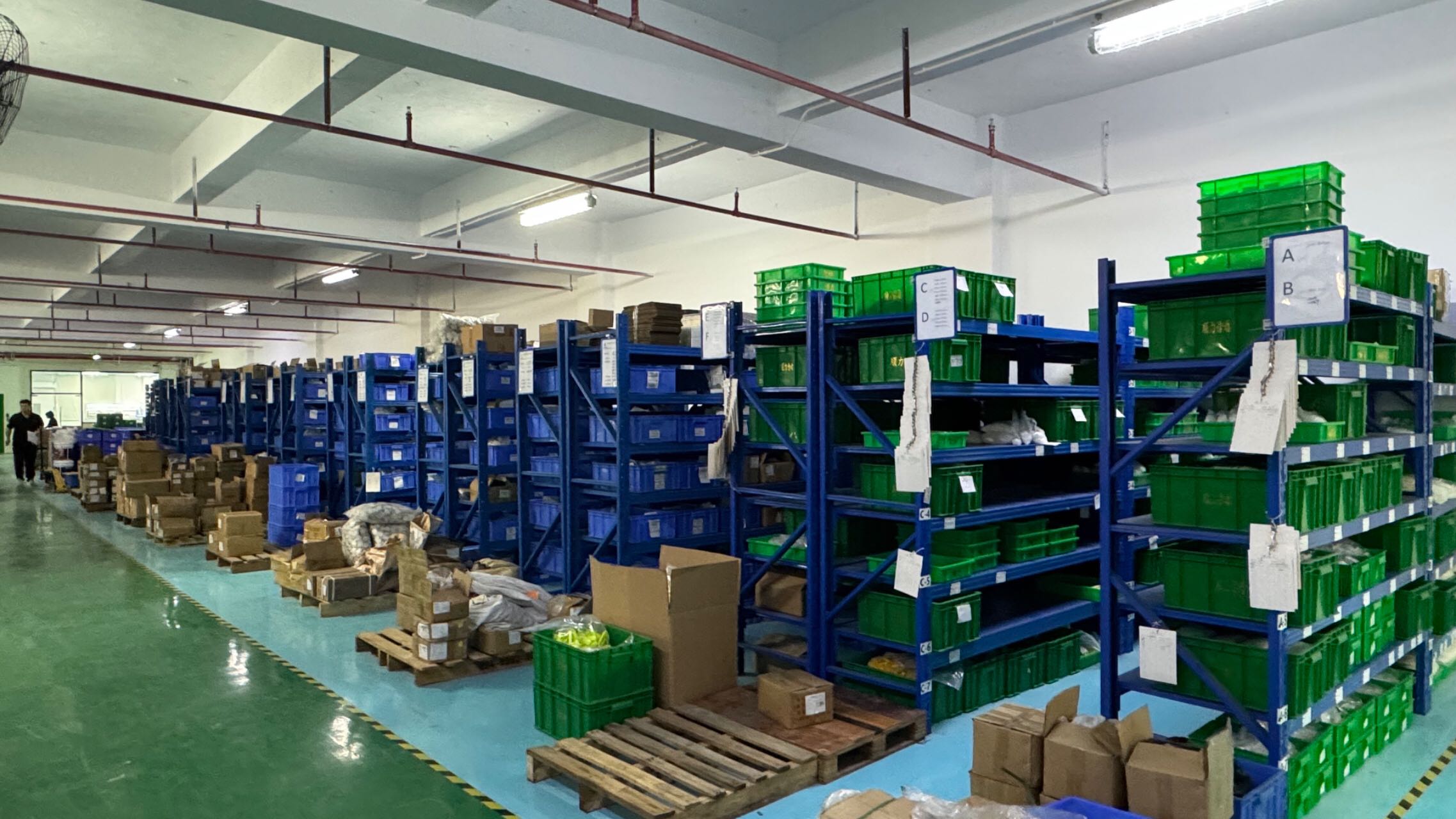
Combining vertically integrated raw material reserves, ultra-dense manufacturing hubs, and precision toolsets.
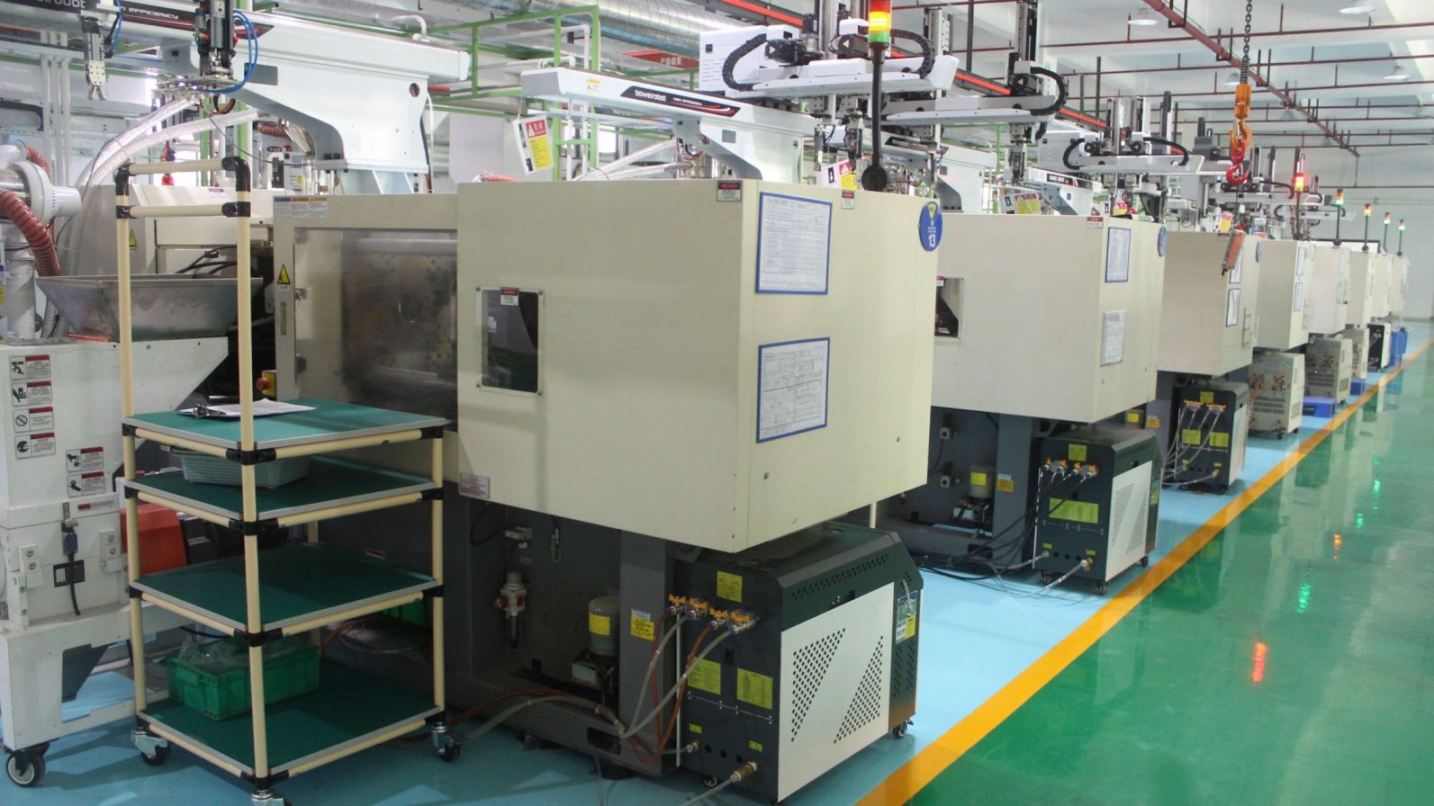
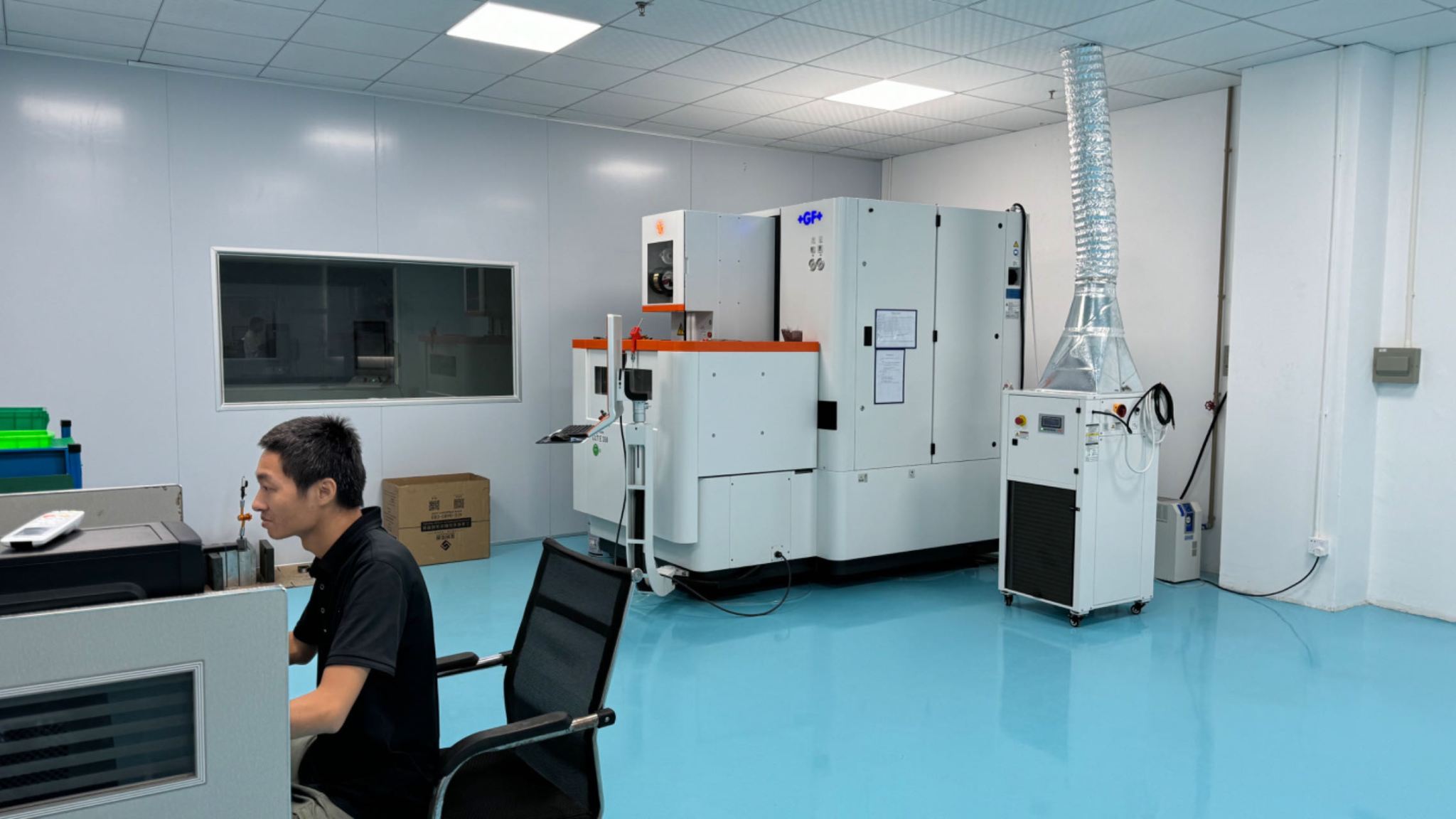
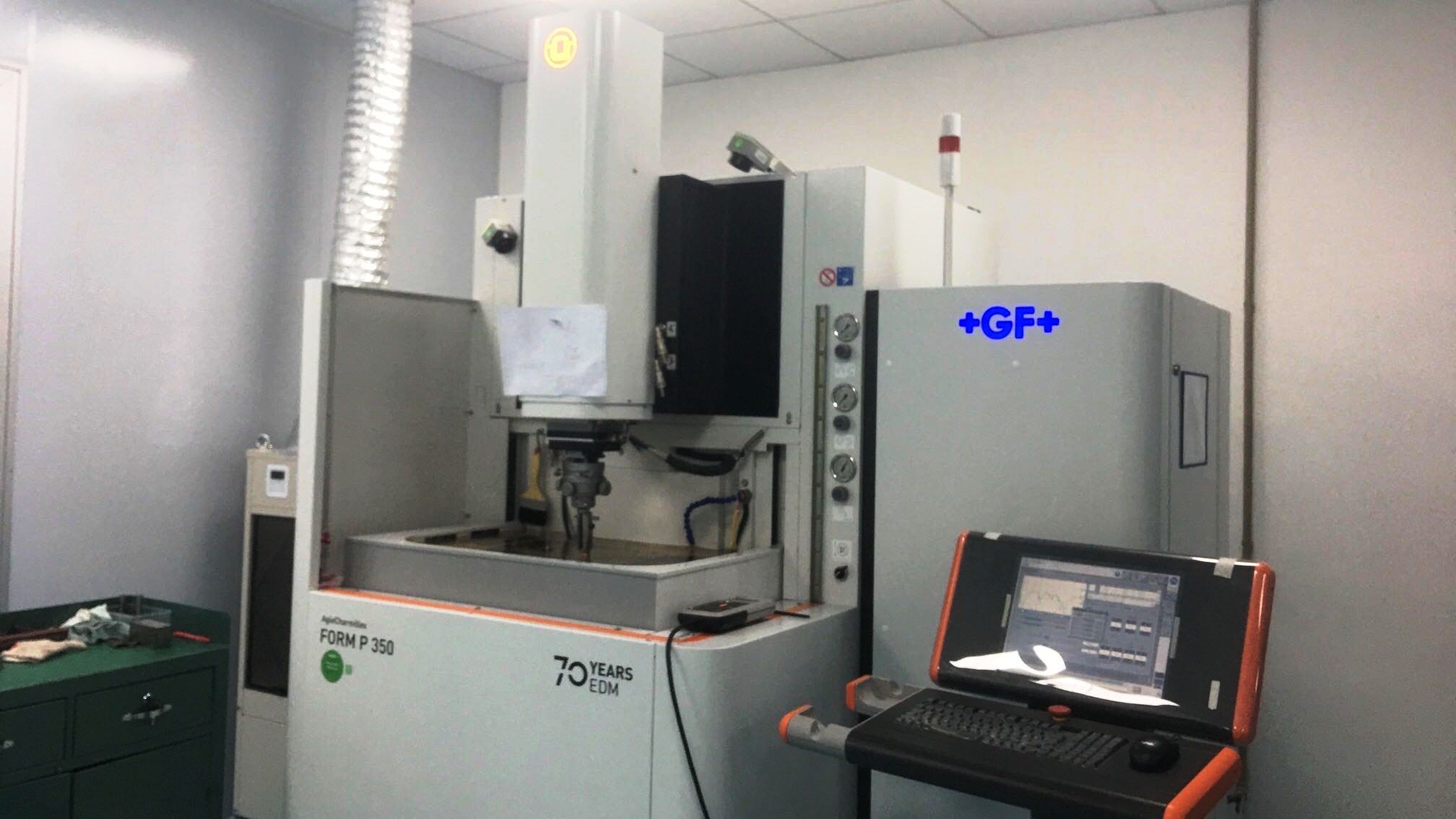
The global dominance of China smart motor manufacturers is rooted in the unparalleled consolidation of the raw material supply chain and micro-machining ecosystems. While Western production sites face extended lead times sourcing rare-earth elements like Neodymium Iron Boron (NdFeB) magnets, localized factories in China operate within direct proximity to processing clusters. This spatial consolidation delivers distinct structural advantages:
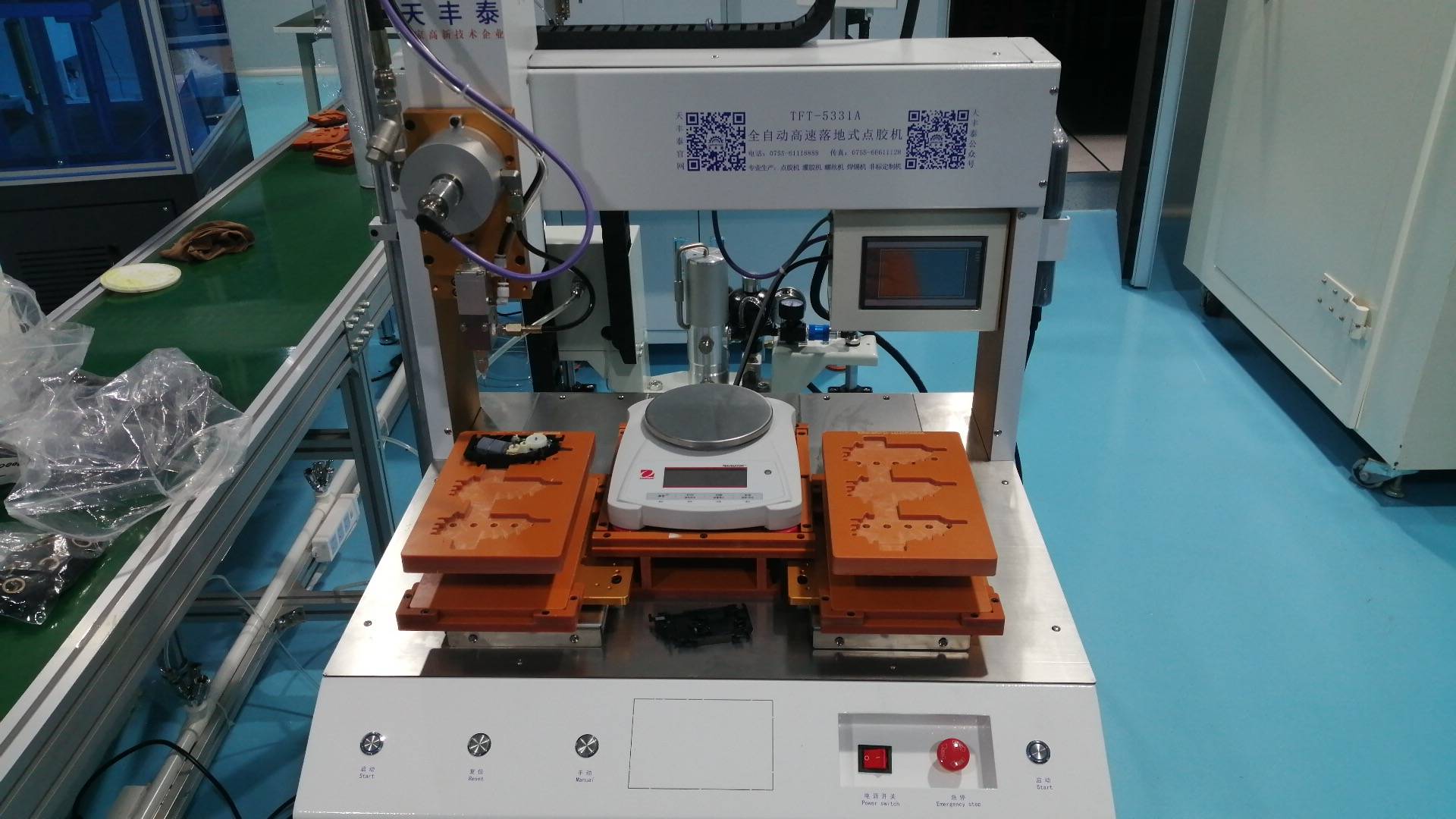
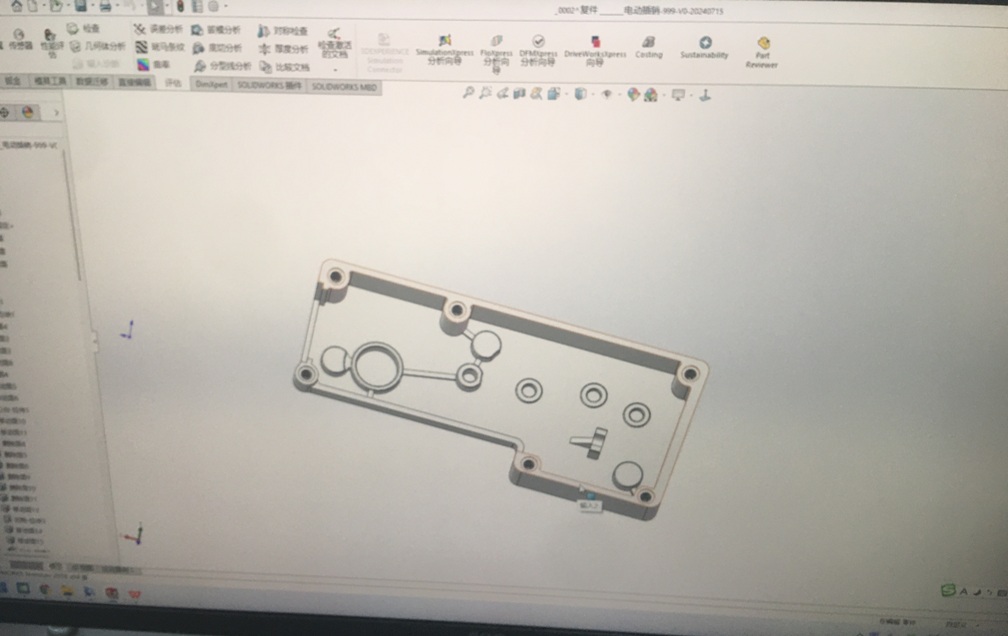
From primary coil selection to finished product testing - transparency in advanced engineering.

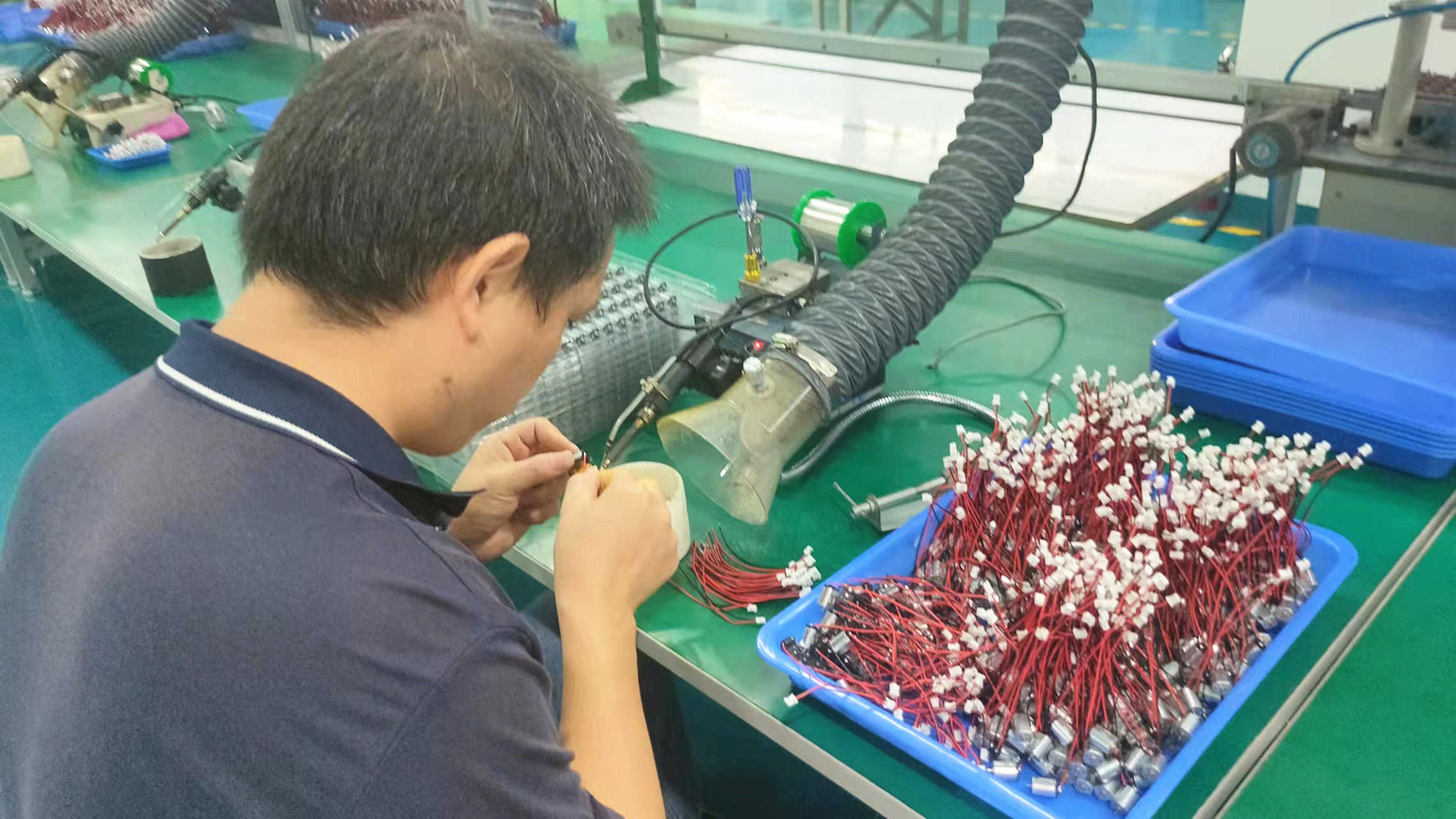
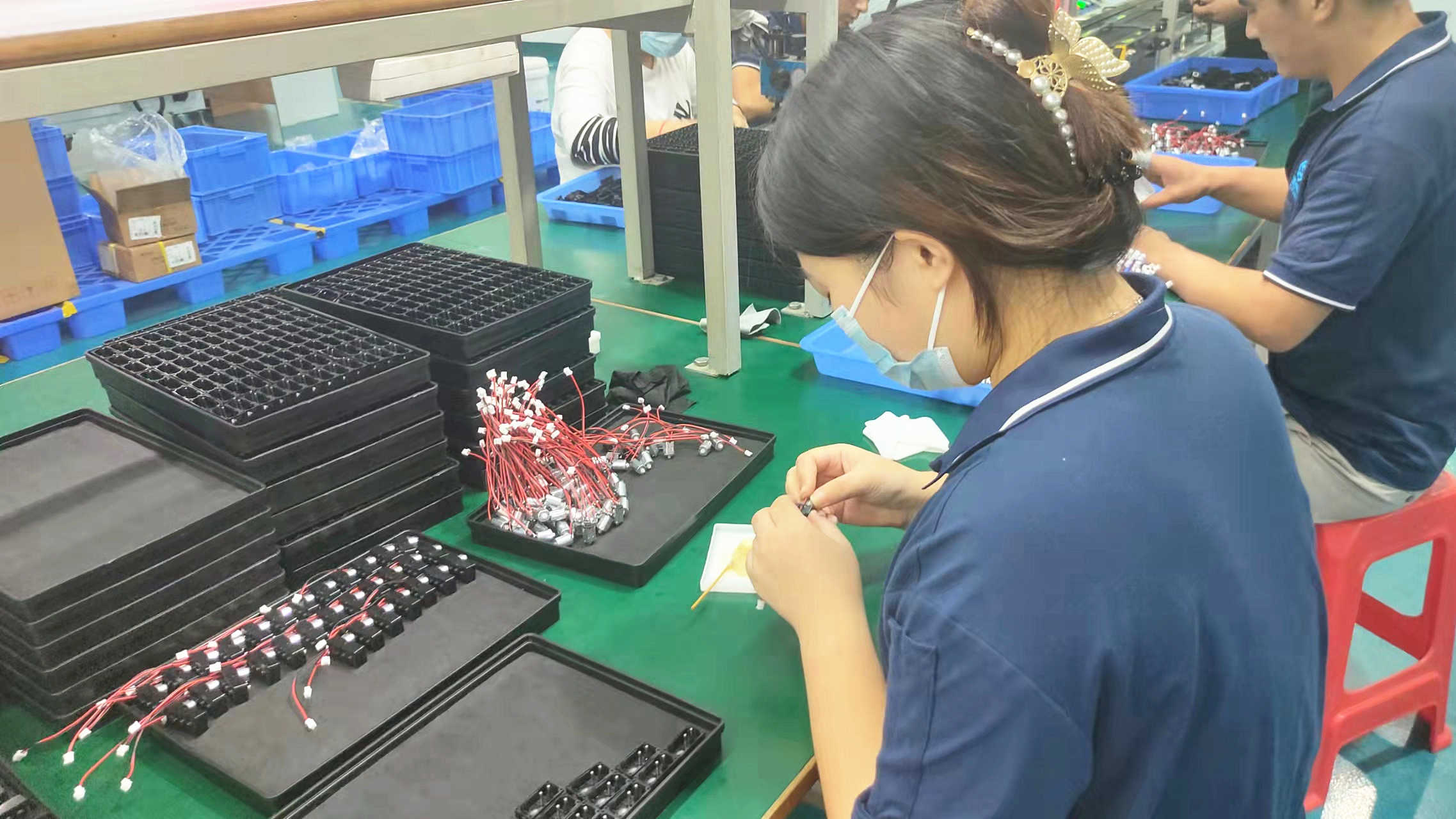
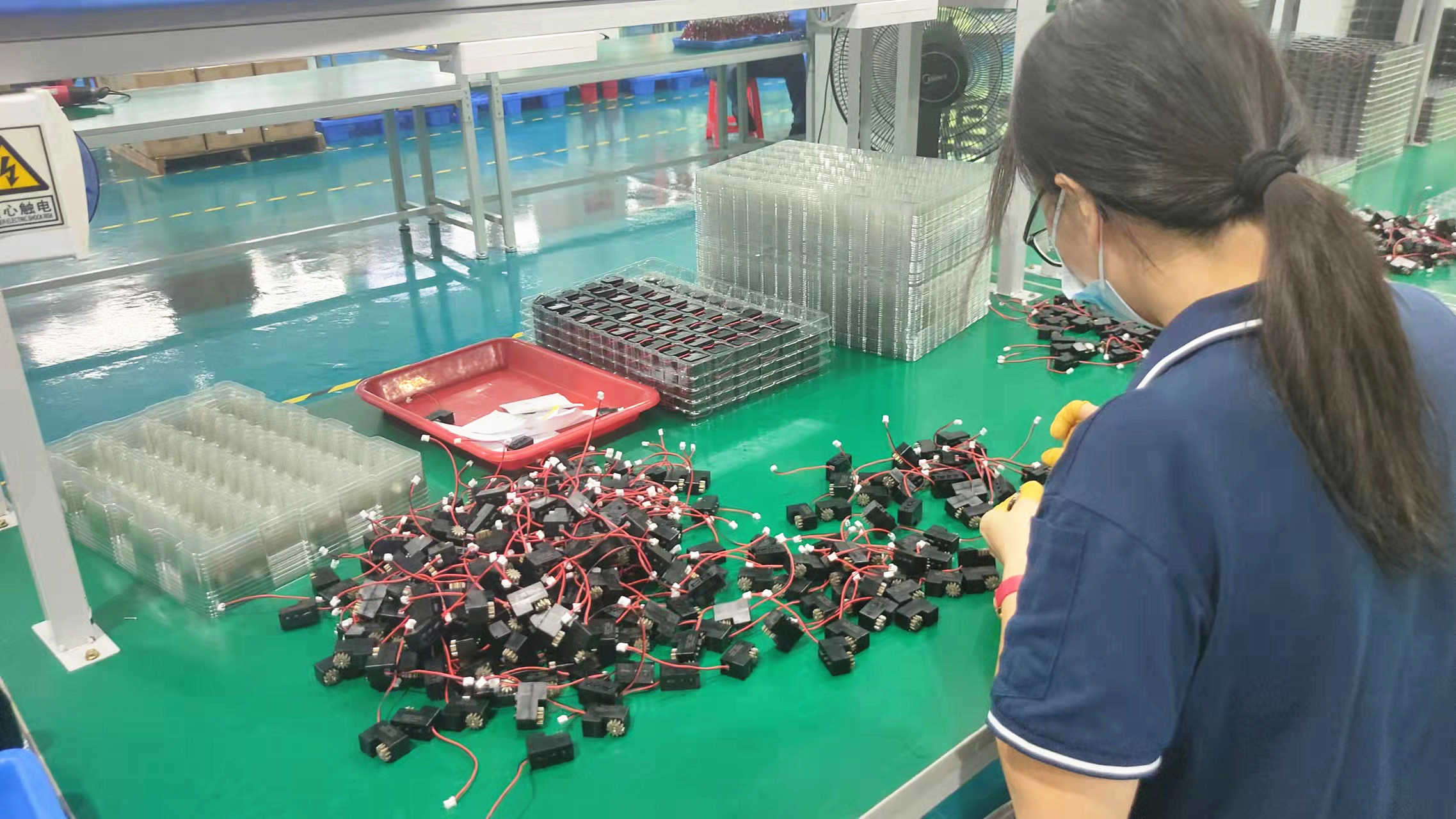
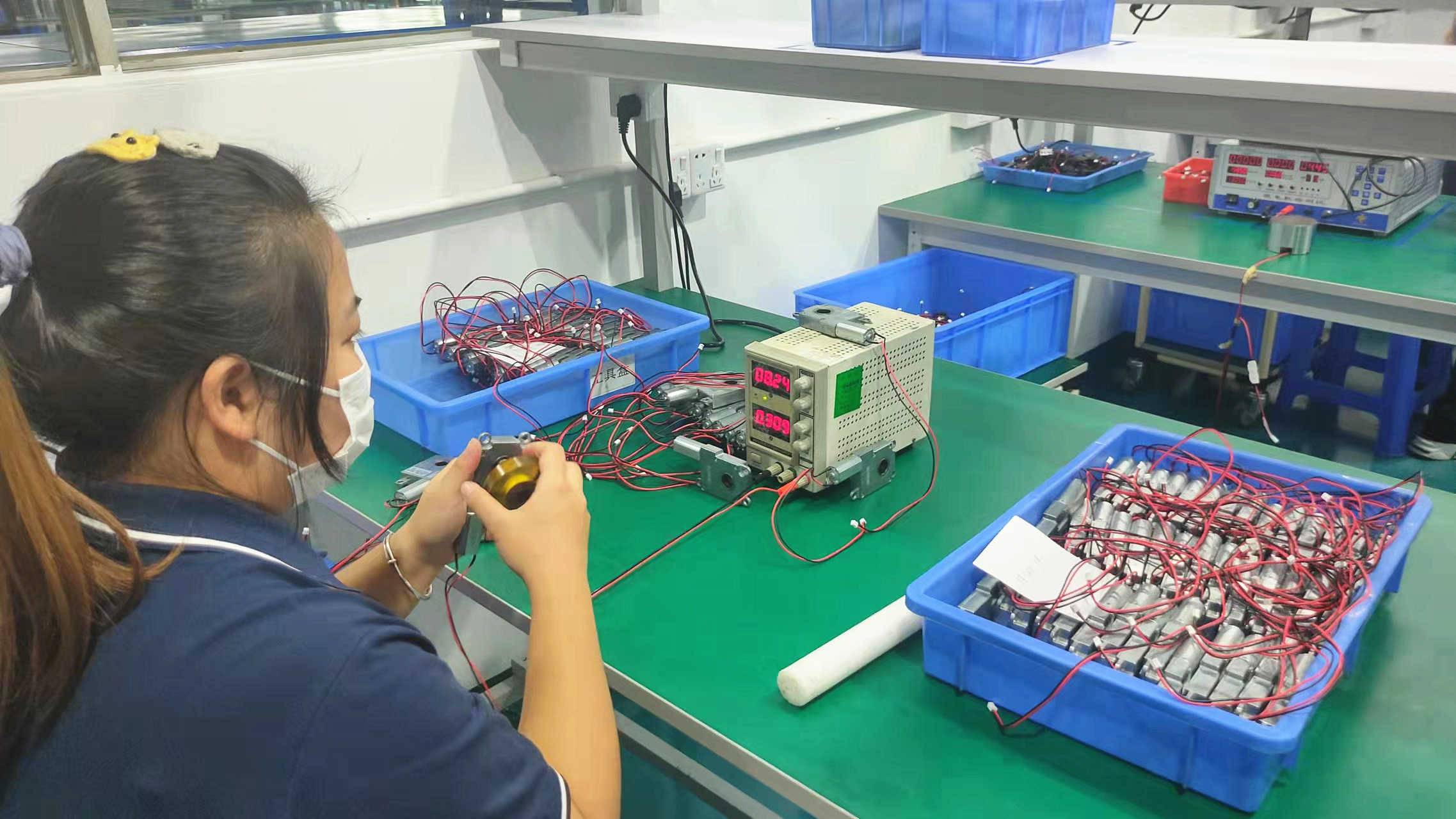
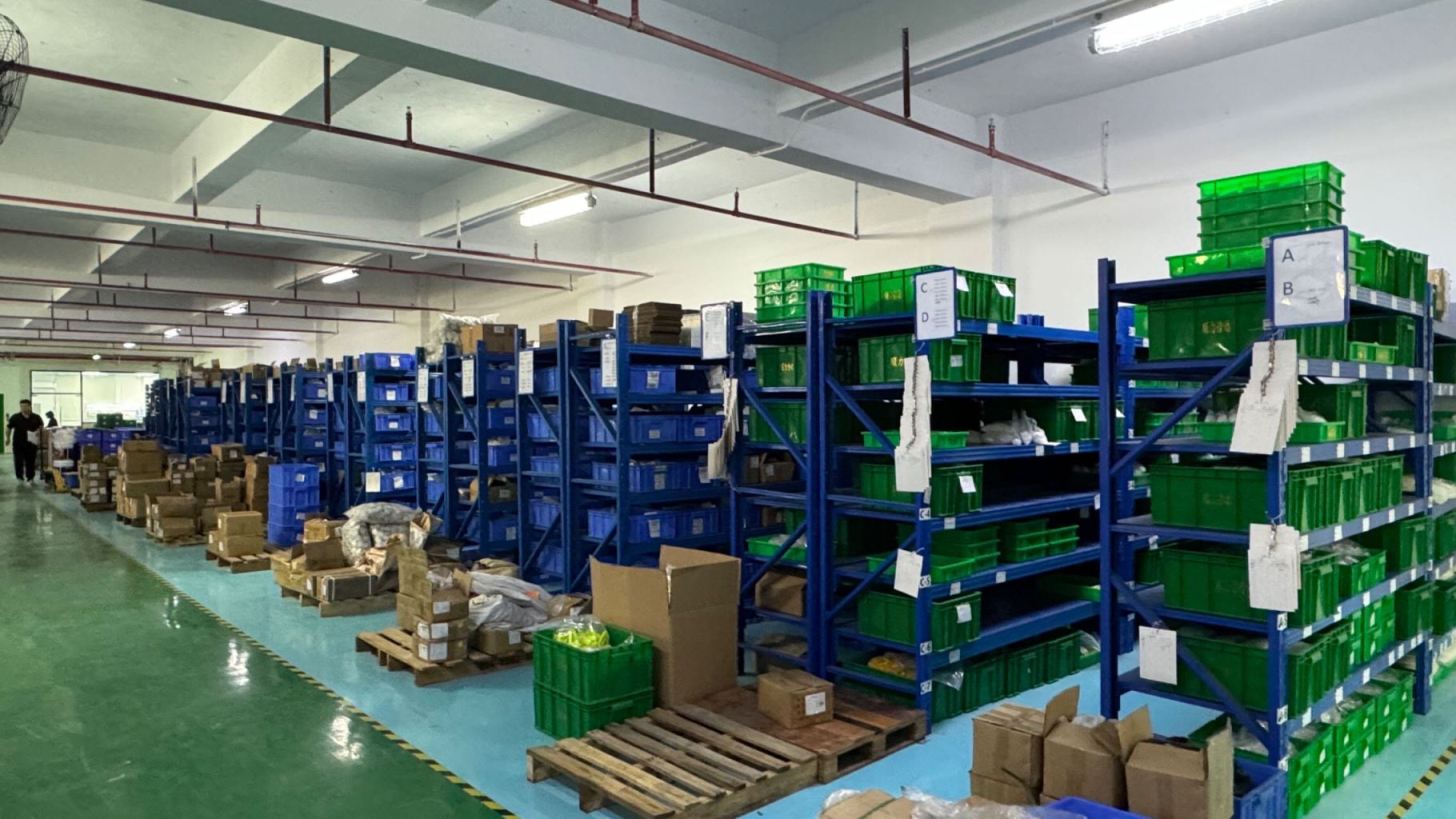
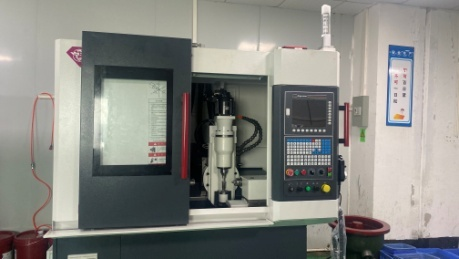
Analyzing actual field integrations and torque mitigation strategies across diverse application environments.
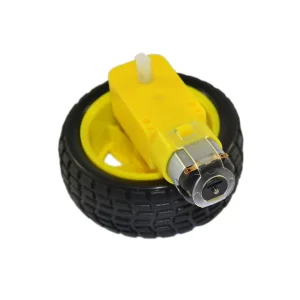
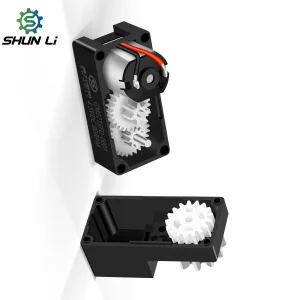
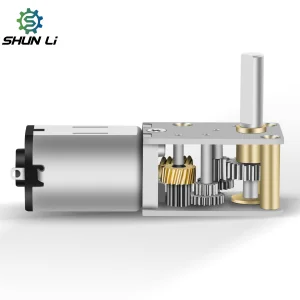
In compact, battery-powered locks, micro-gear motor designs like the N20 micro-brush system must deliver high static starting torque (up to 2 kg.cm) within a tight 12mm footprint. These units utilize precise reduction ratios (e.g., 1:150 to 1:298) to ensure smooth mechanism engagement without draining the system's power reserve. The integration of specialized encoders allows the lock controller to track the precise angular displacement of the deadbolt, preventing mid-stroke jams.
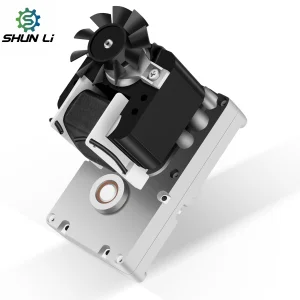
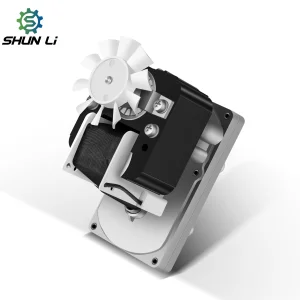
For operations involving high thermal stress, such as pellet stoves and boiler injection systems, single-phase AC shaded-pole gear motors are standard. These systems feature heavy-duty steel gear housings and continuous-duty laminations to handle thermal cycling without winding degradation. Their quiet operation ensures compliance with strict residential indoor acoustic standards.
In medical dosing systems, fluid delivery accuracy is critical. By pairing 24mm or 36mm planetary gearboxes with low-cogging DC brushless motors, developers ensure consistent dosing rates, minimal pressure ripple, and operational lifespans exceeding 10,000 hours.
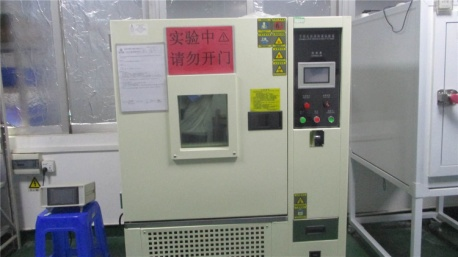
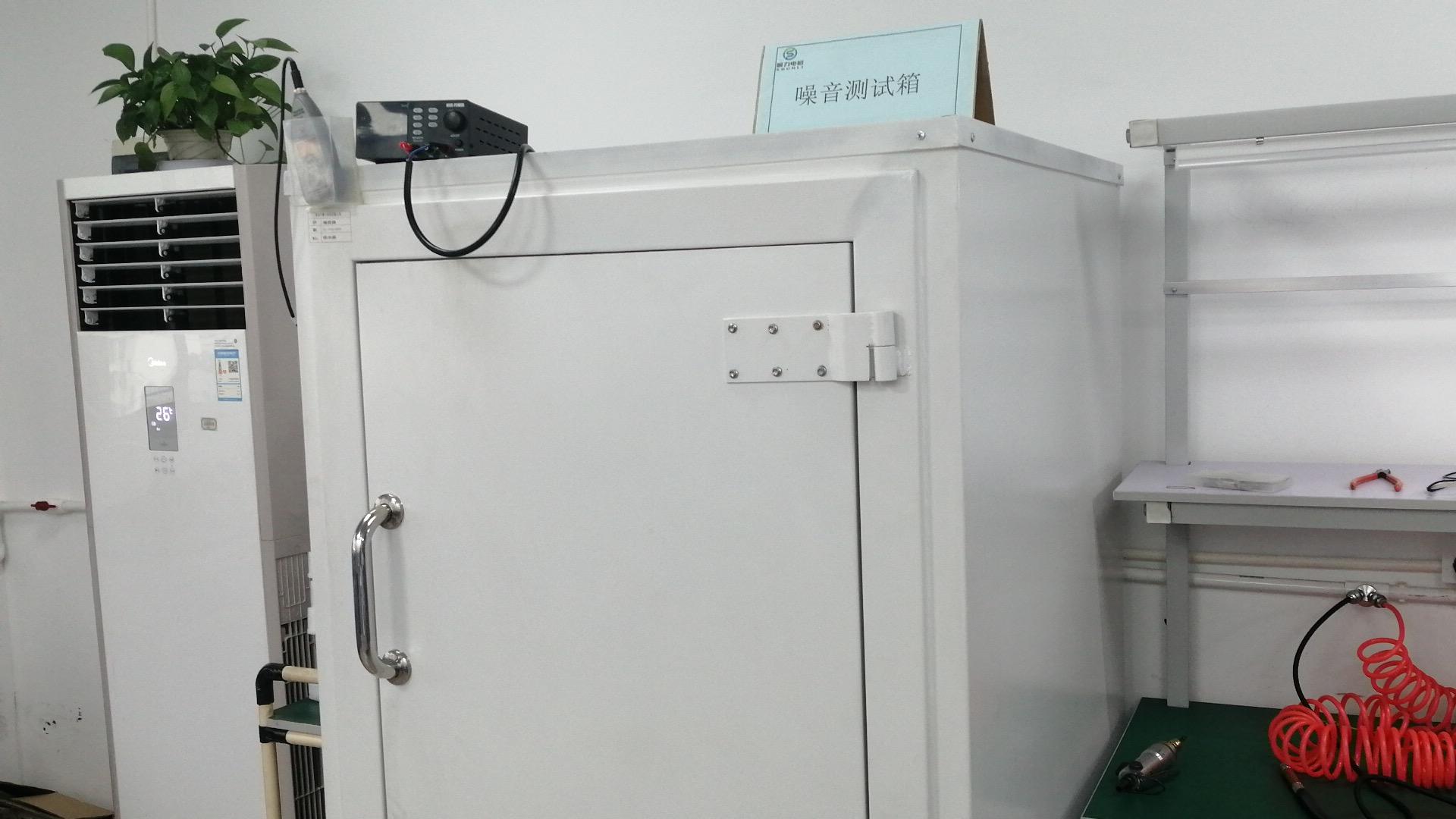
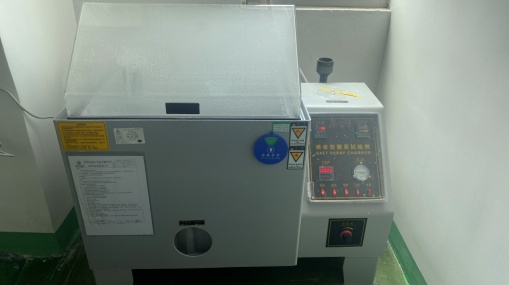
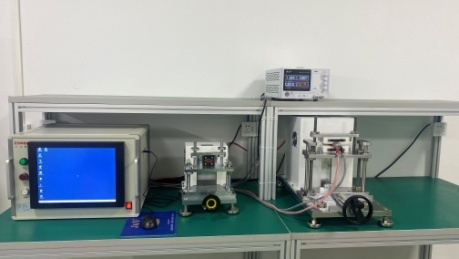
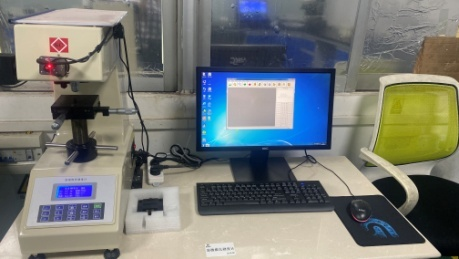
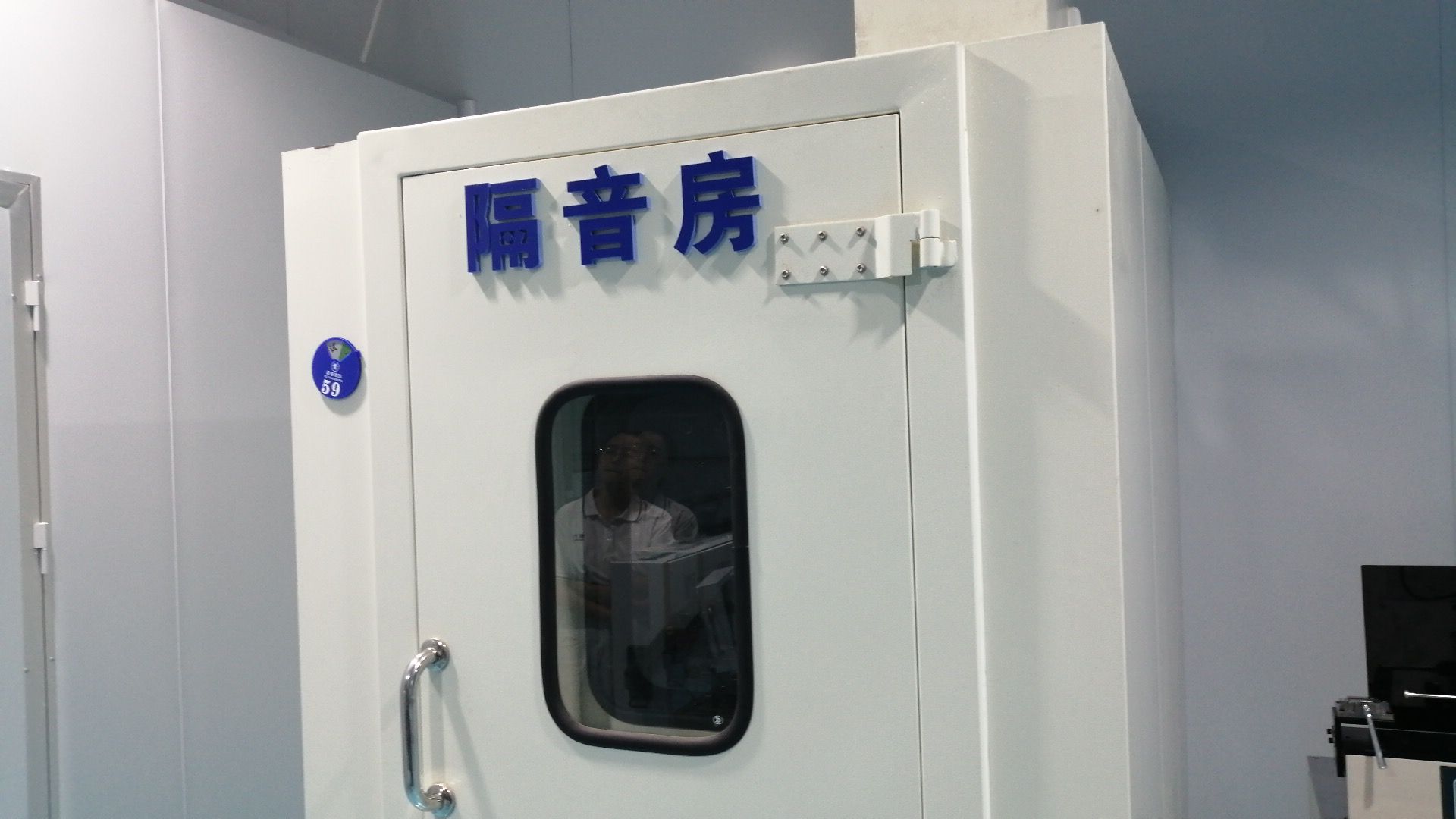
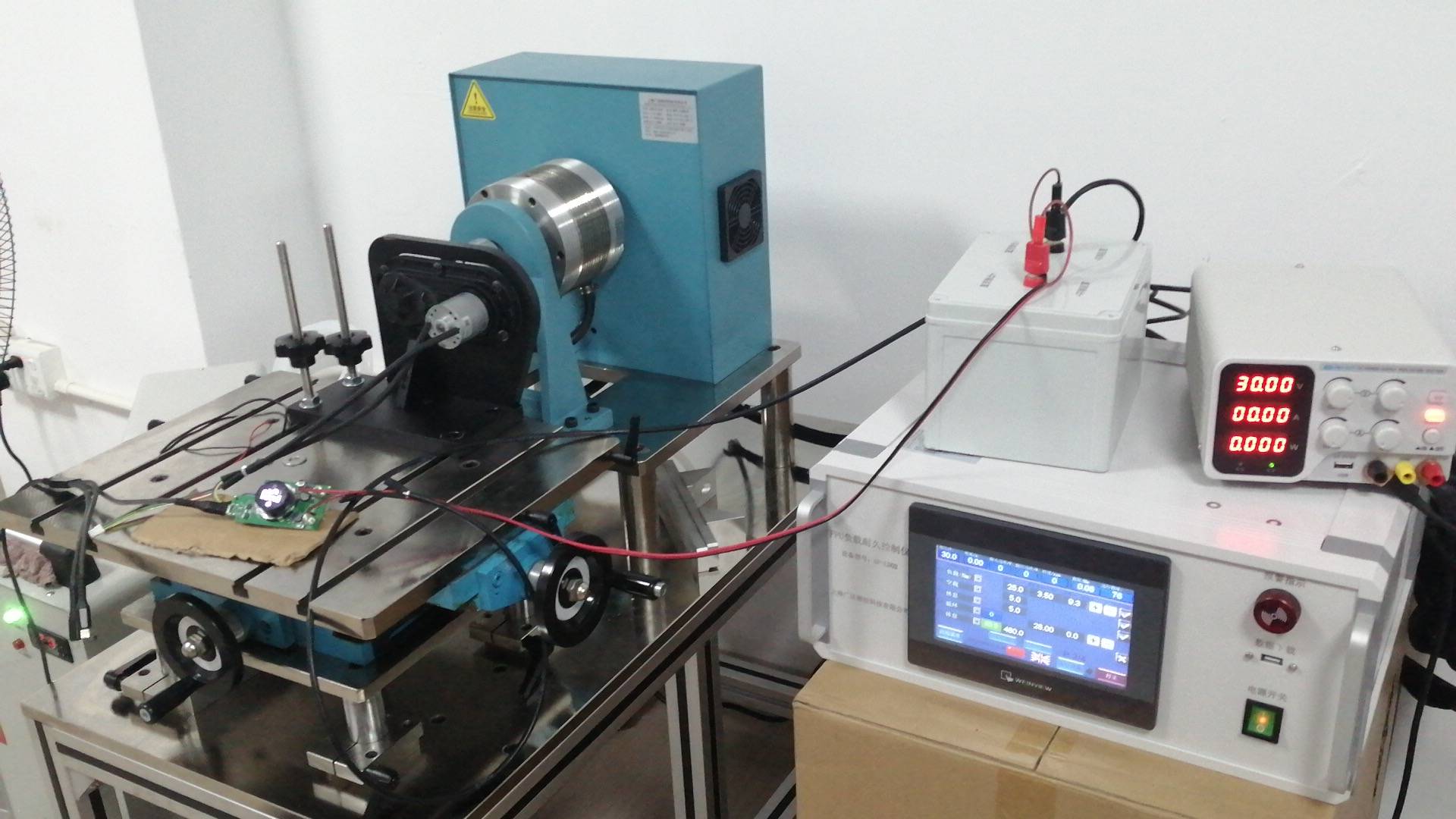
How we utilize advanced testing chambers to meet stringent international standards for commercial and industrial markets.
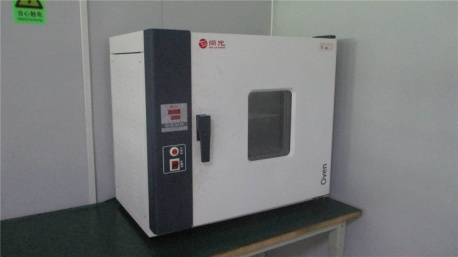
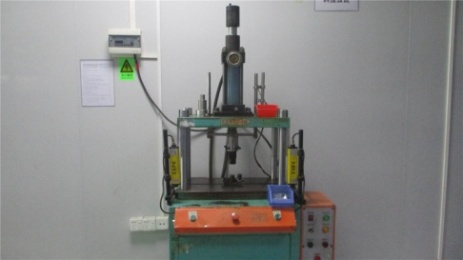
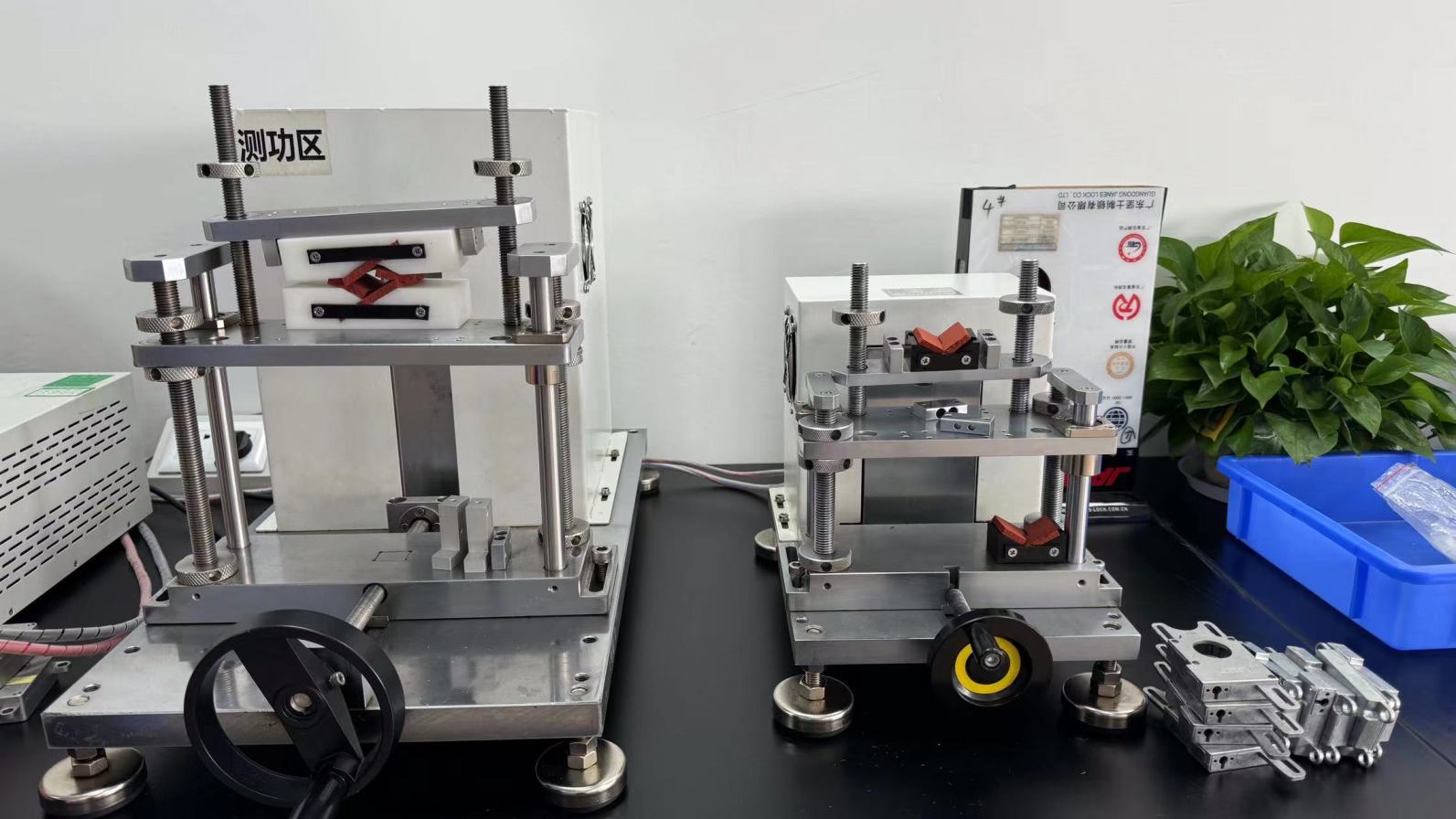
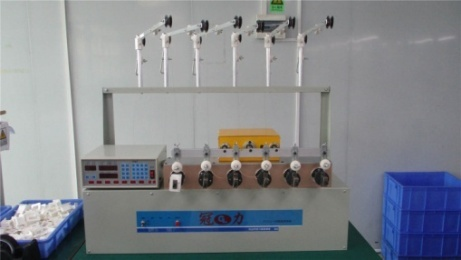
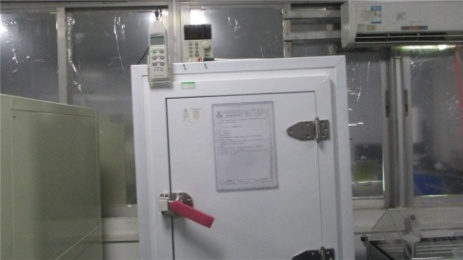
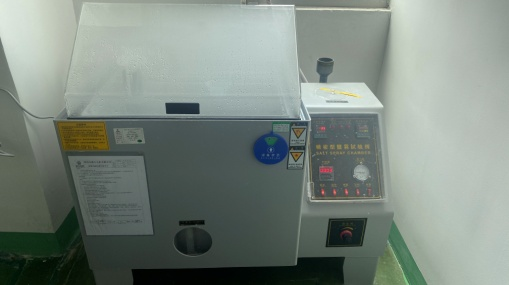
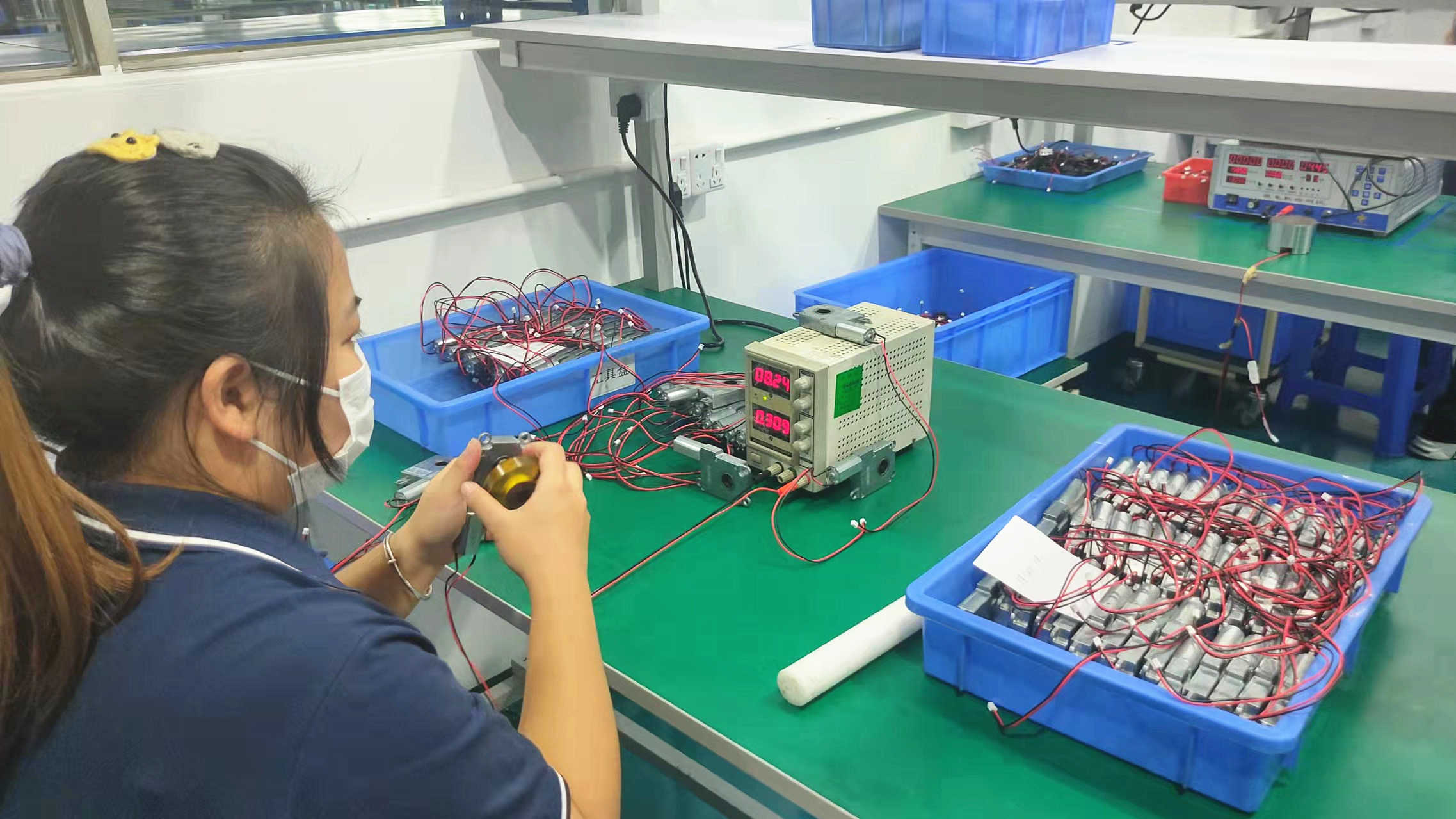
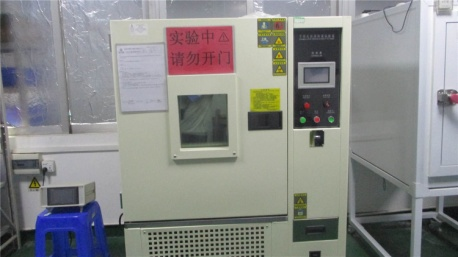
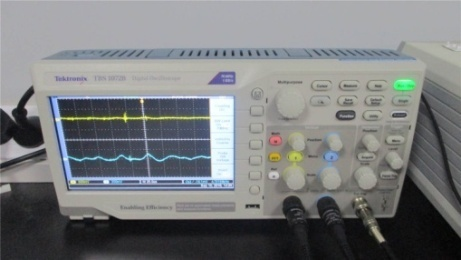
True quality is verified through structural testing. Every production batch undergoes comprehensive validation protocols within our specialized QC laboratories. This testing is designed to confirm that each custom motor assembly meets the precise performance profiles required for long-term reliability in demanding applications.
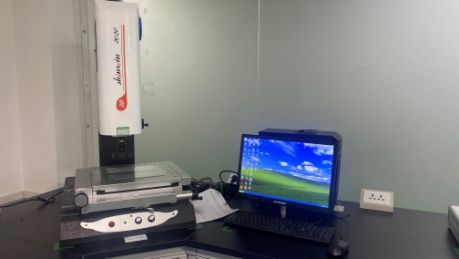
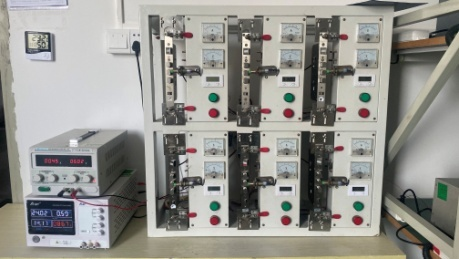
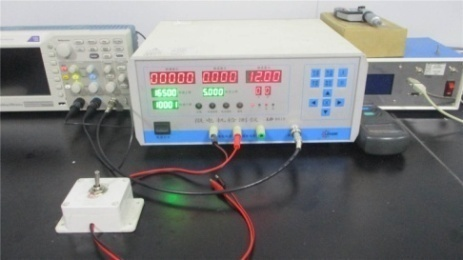
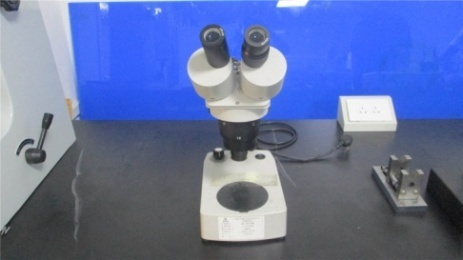
The roadmap toward digital integration, predictive maintenance, and higher system efficiency.
Modern applications are shifting toward edge-level networking protocols. Standard analog controls (such as 0-10V input signals) are being replaced by direct digital fieldbuses like CANopen, Modbus TCP, and EtherCAT. This allows motors to communicate directly with higher-level PLCs or cloud systems. Real-time diagnostic data—including internal temperatures, stator current consumption, and phase balance—can be read directly from the motor controller, enabling proactive maintenance strategies.
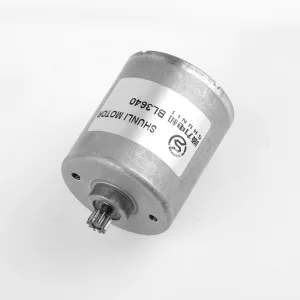
In high-precision applications like surgical robotics and aerospace micro-gimbals, coreless BLDC motors are becoming the preferred solution. By replacing standard silicon-steel stators with self-supporting copper windings, these motors eliminate cogging torque. This provides smooth rotation, low inertia, and high acceleration, even at speeds exceeding 15,000 RPM.
Answering key design, integration, and procurement questions for engineering teams and buyers.
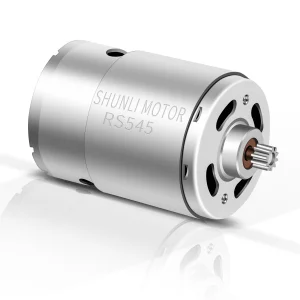
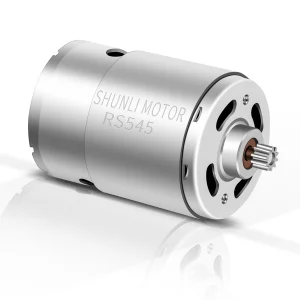
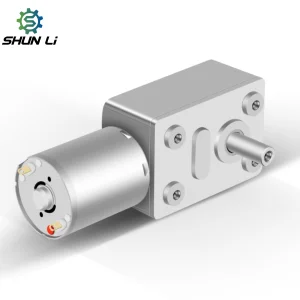
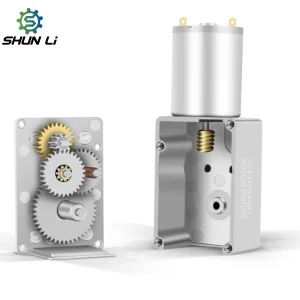
Browse additional custom configurations, including worm-gear reductions, high-RPM brush assemblies, and planetary systems.
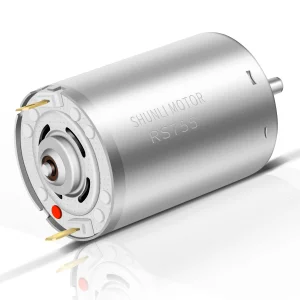
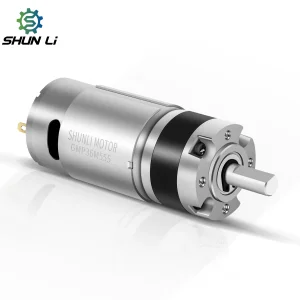
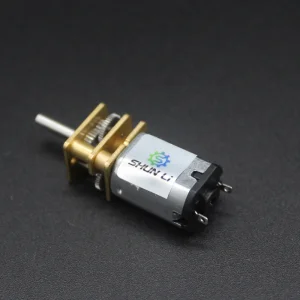
 DyneticPro Motor