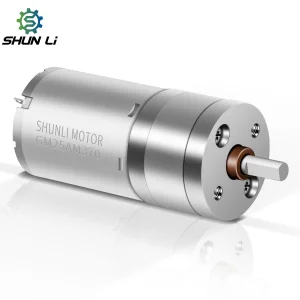
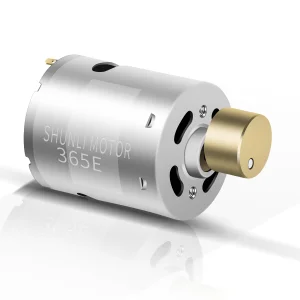
Engineered for exceptional torque density, minimal backlash, and long operating lifetimes across biomedical, robotics, and industrial sectors.
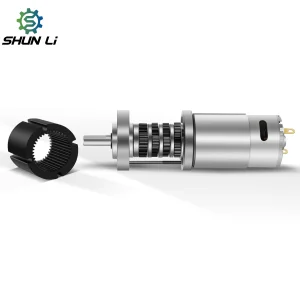
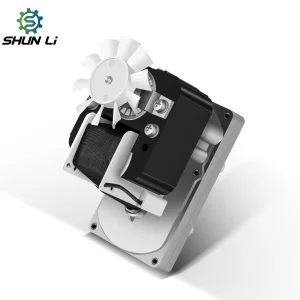
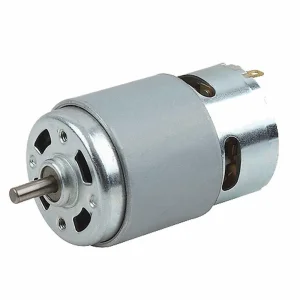
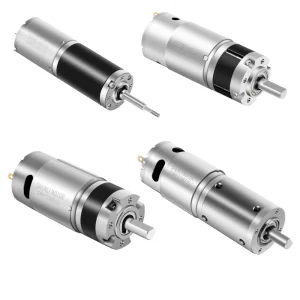
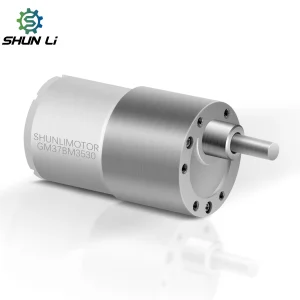
Synchronous gear motors (Sync Gear Motors) represent the backbone of deterministic speed control in automated systems. In contrast to standard asynchronous induction machines, synchronous systems lock their rotational frequency directly to the supply line or driver pulse frequency. In 2025, the global demand is transitioning rapidly towards brushless integration, micro-miniaturization, and ultra-high torque density.
Industries such as medical automation (e.g., volumetric infusion pumps), precision HVAC dampers, automated solar-tracking setups, and autonomous service robots require motors that deliver consistent rotational speed regardless of the load profile. These motors utilize integrated reduction gearheads—ranging from cost-efficient shaded-pole configurations to high-end multi-stage planetary assemblies—to transition high-speed magnetic excitation into high-torque physical output.
Historically, high-precision motion components were sourced exclusively from Western European or Japanese manufacturers. However, massive capital investments in automated tooling, precision metrology, and materials science have positioned Chinese manufacturers as leading suppliers. Today, China acts as the epicenter of premium, cost-controlled micro-drive systems, striking a balance between advanced engineering and high production capacity.
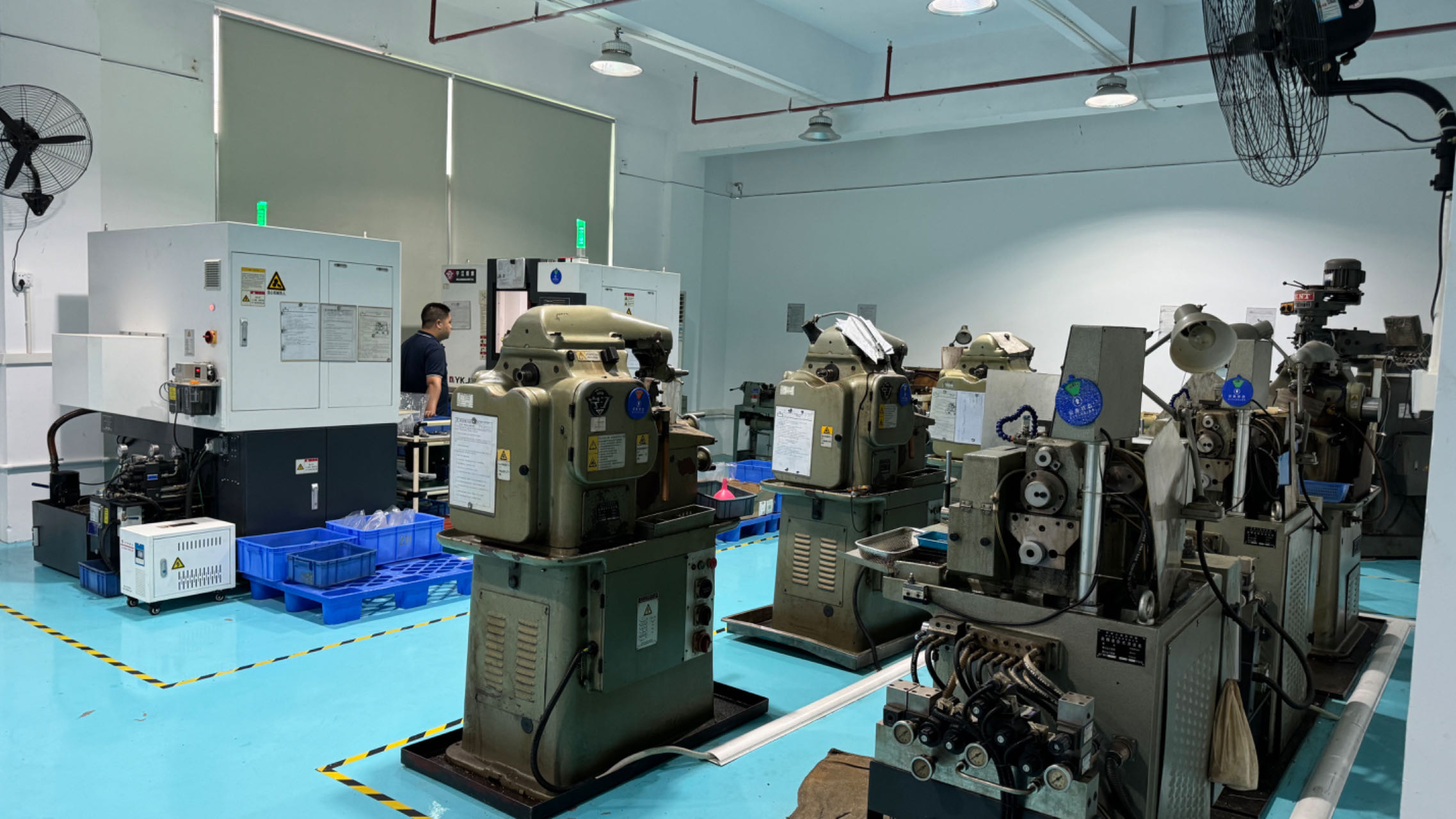
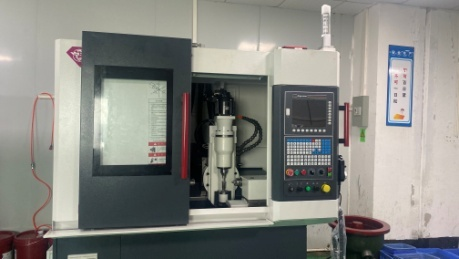
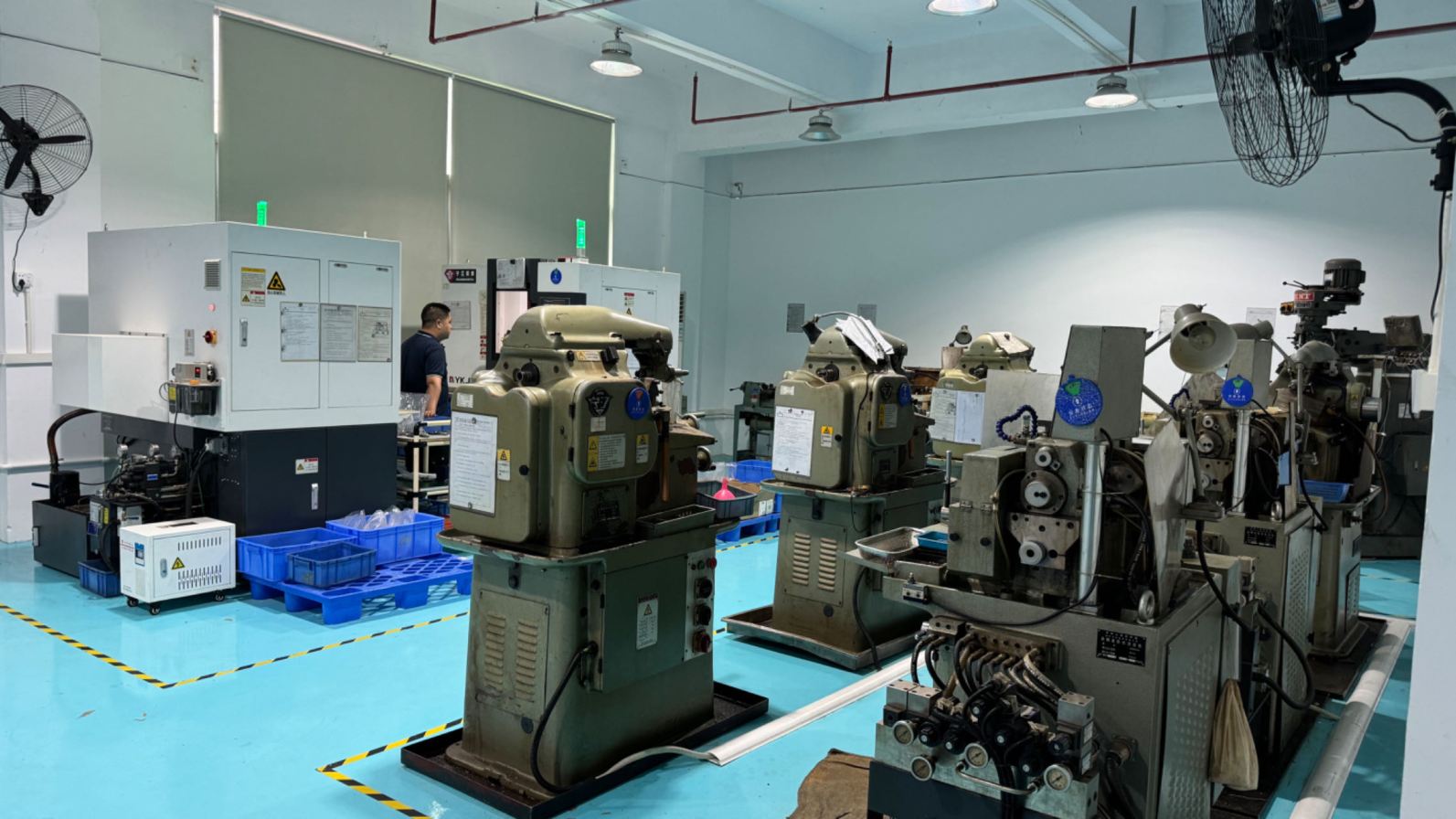
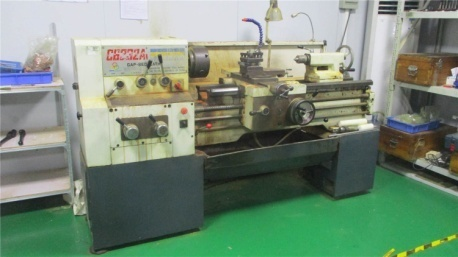
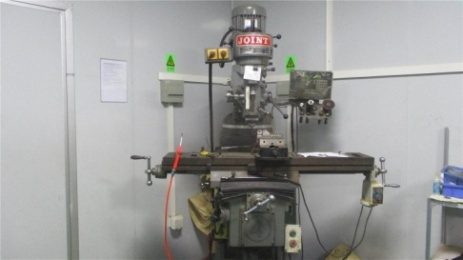
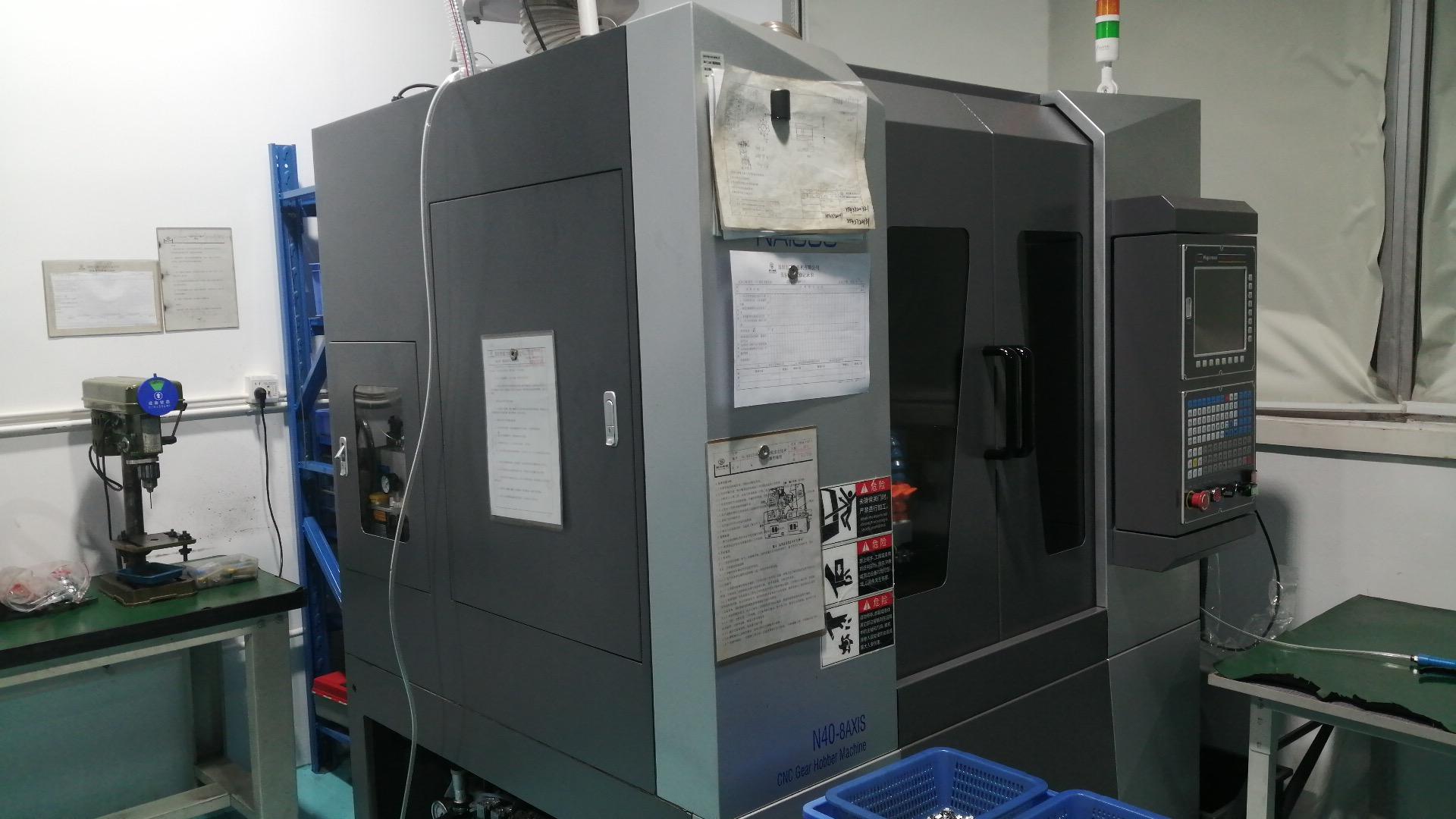
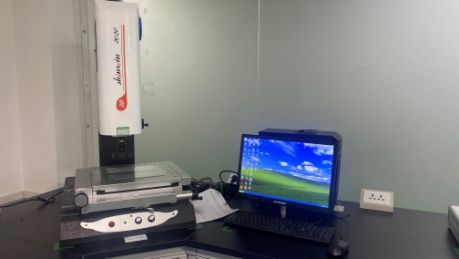
By deploying high-precision horizontal gear hobbing setups and Swiss-style automated lathes, Chinese manufacturing facilities can maintain dimensional gear tolerances down to the micrometric scale (AGMA Class 10+).
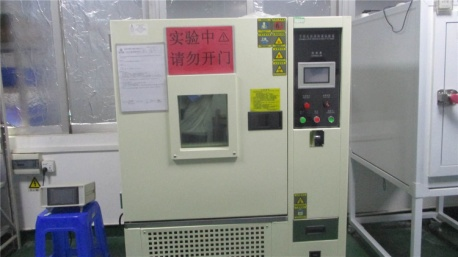
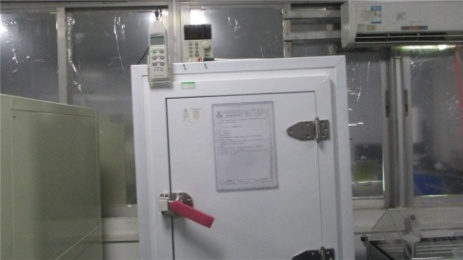
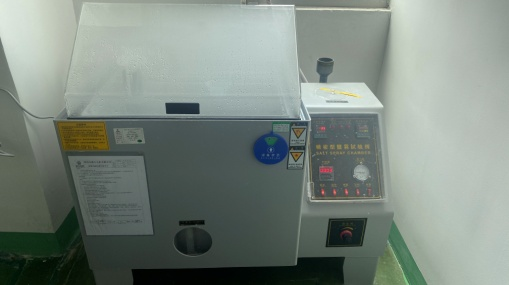
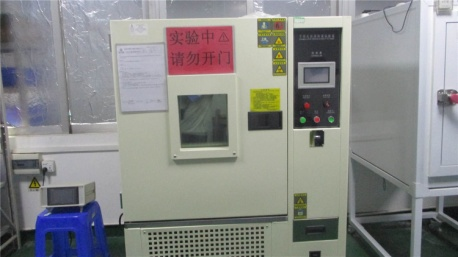
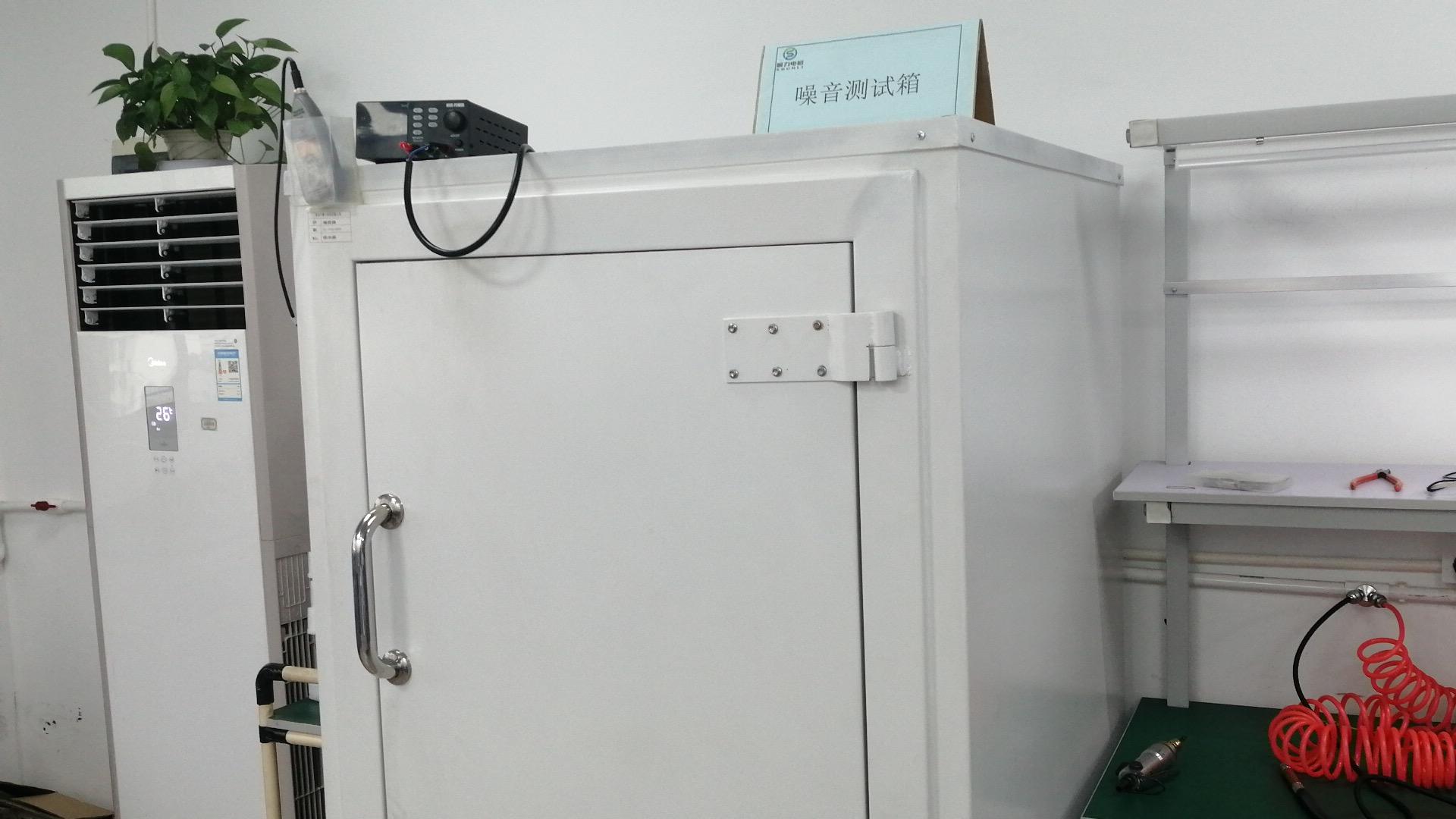
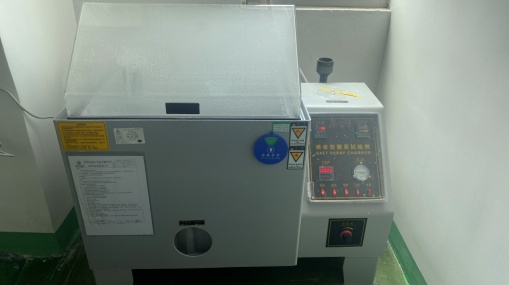
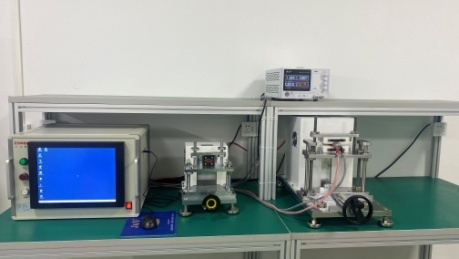
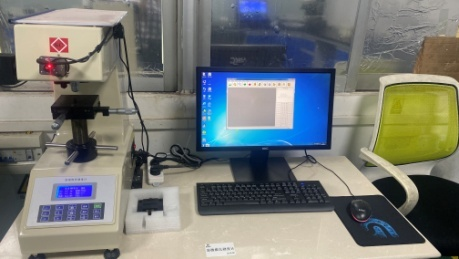
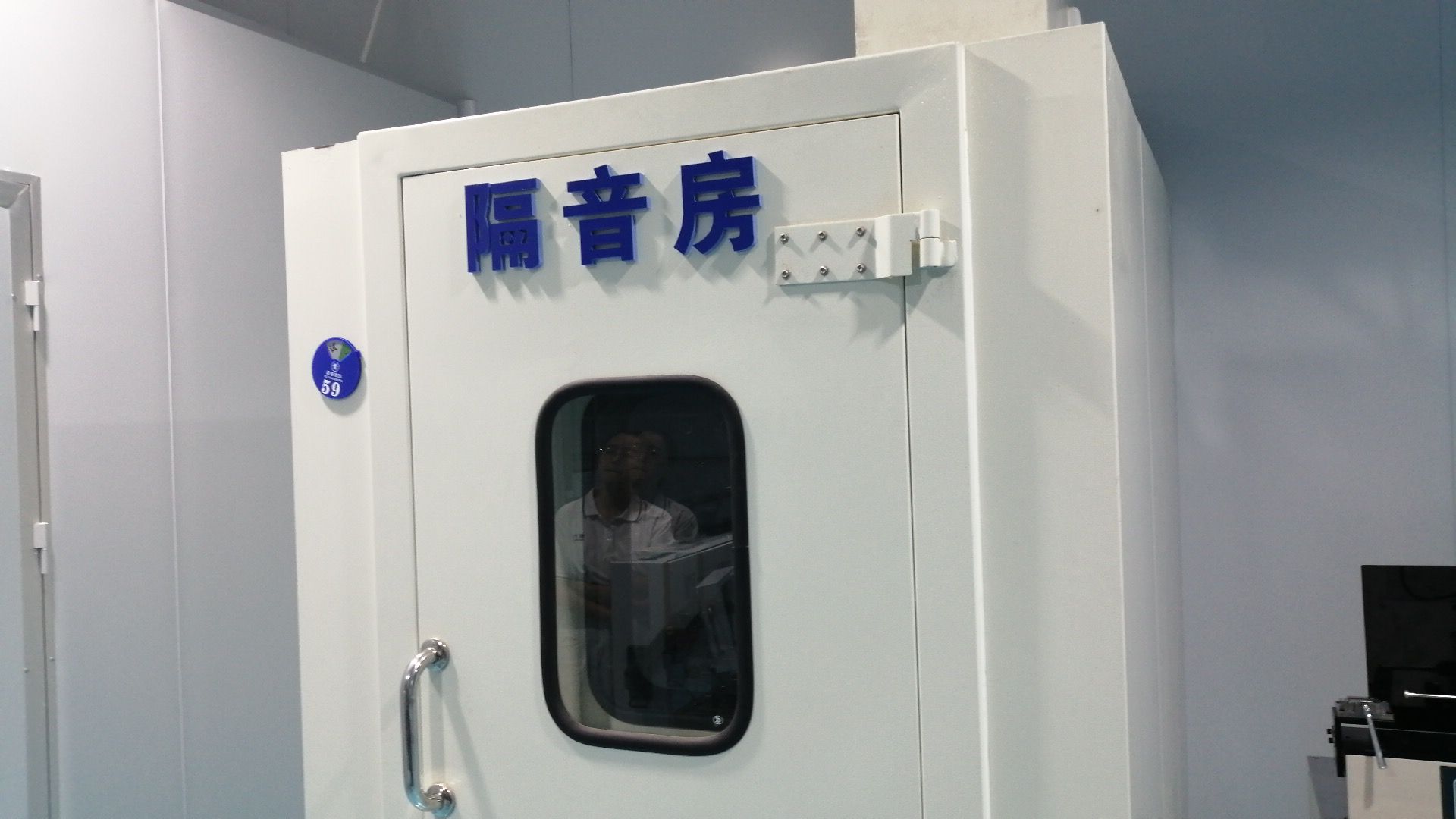
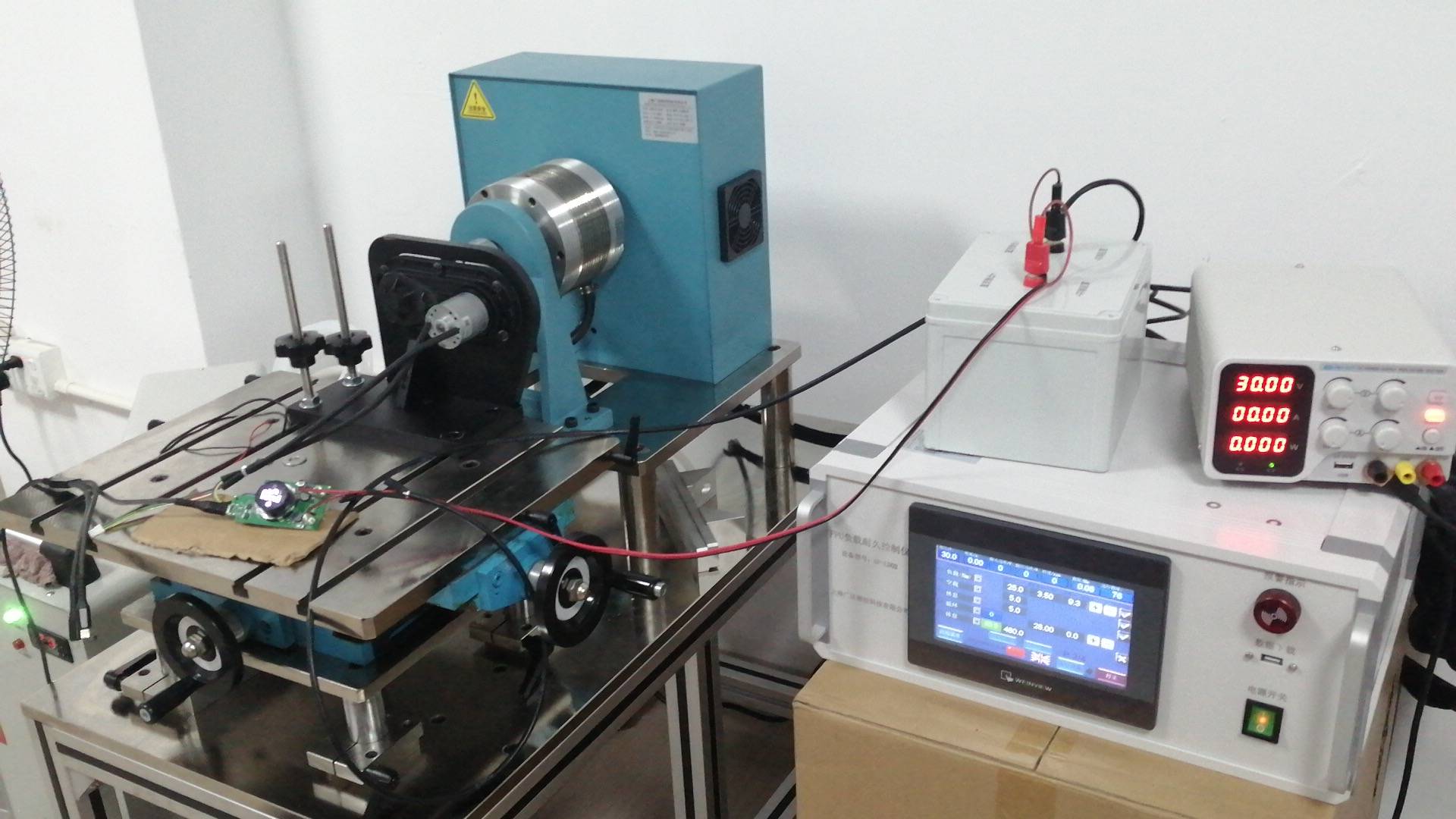
Leading export-oriented plants implement ISO-compliant protocols, utilising soundproof testing rooms, dynamometers, hardness testers, and programmable temperature chambers to verify motor characteristics before dispatch.
From custom output shaft profiles (D-shape, splined, or threaded) to application-specific gear ratios (up to 1:640), engineering teams in Chinese industrial clusters offer unmatched prototyping speeds.
Inside a premium robotic joint, an automated medical pump, or a high-end smart lock, space is the ultimate luxury. At DyneticPro, we measure our success in micrometers and decibels. Our mission is to take advanced, heavy-duty rotational power and compress it into the most compact, energy-efficient footprints imaginable.
Our expertise lies in the micro-details of motion. From precision-wound copper rotors and high-purity commutators to zero-backlash planetary gear trains, every single internal component of a DyneticPro motor is optimized to eliminate friction and maximize heat dissipation. By combining advanced automated Swiss-style hobbing with Japanese dynamic balancing, we ensure our micro drives deliver the fluid, whispering-quiet power your brand promises. When your next high-tech innovation relies on repeated mechanical perfection, let DyneticPro be the core that spins it forward.

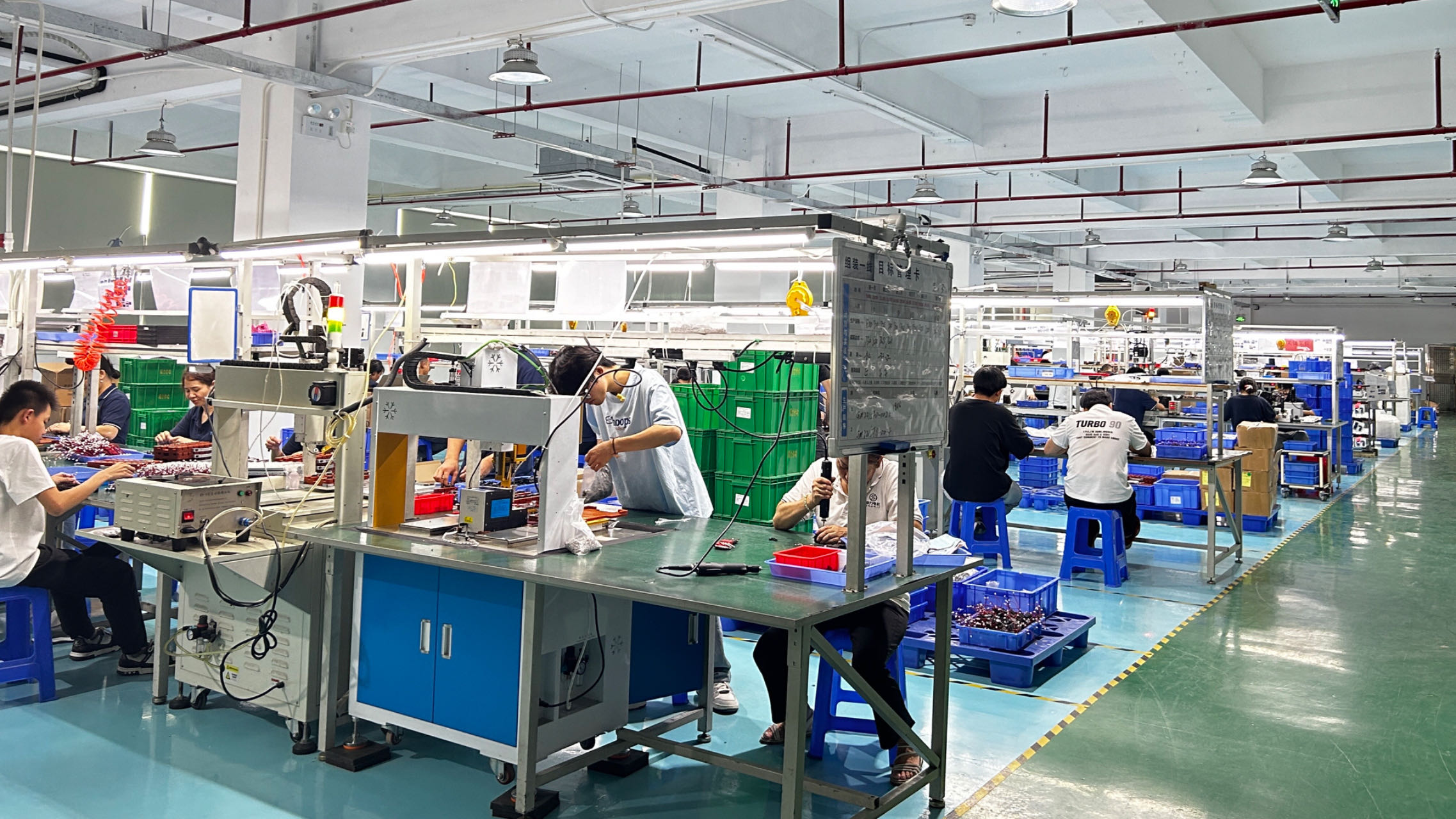
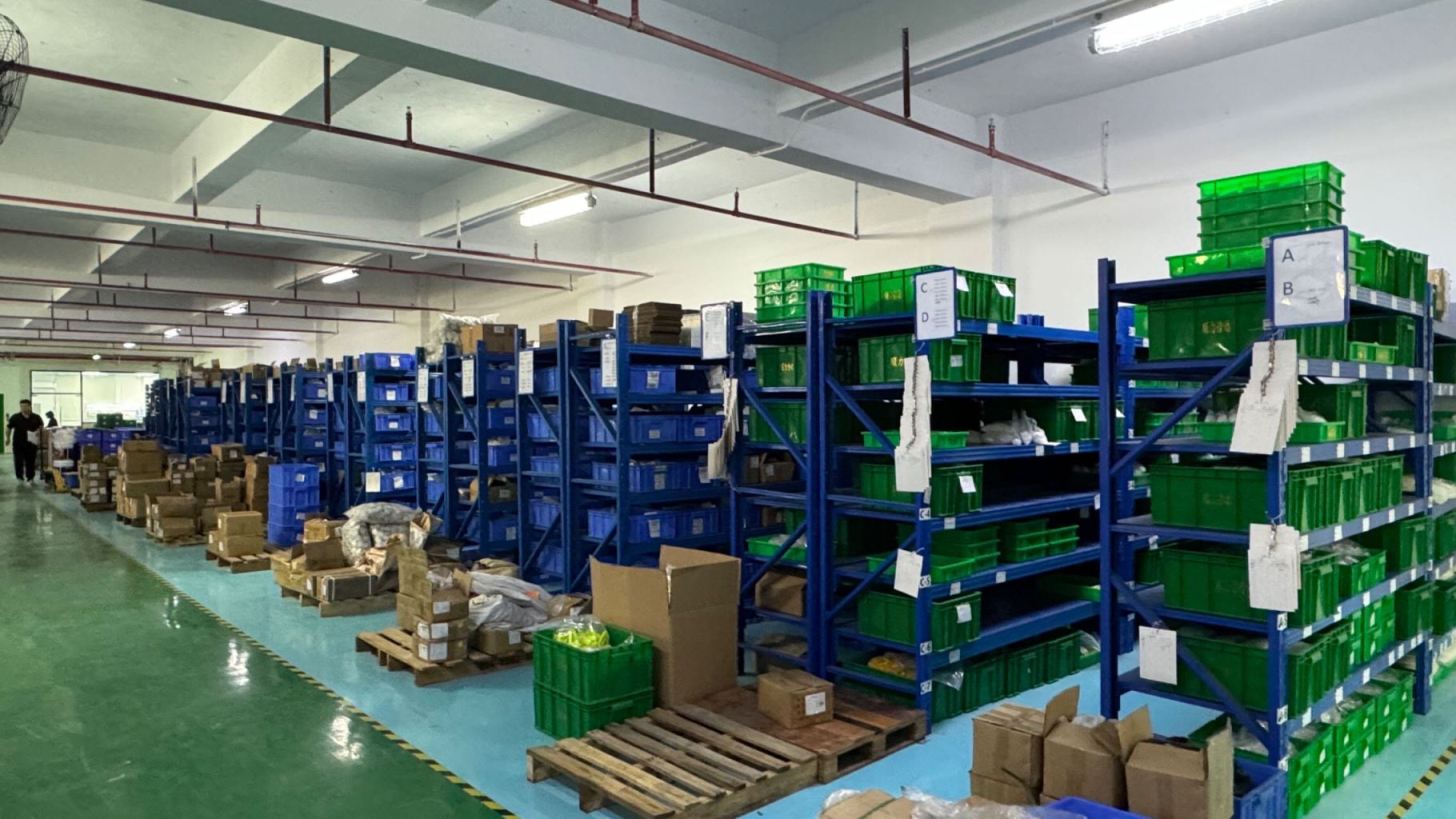
Consistency is maintained through structured processes from material selection to final delivery. Our production workflow includes:
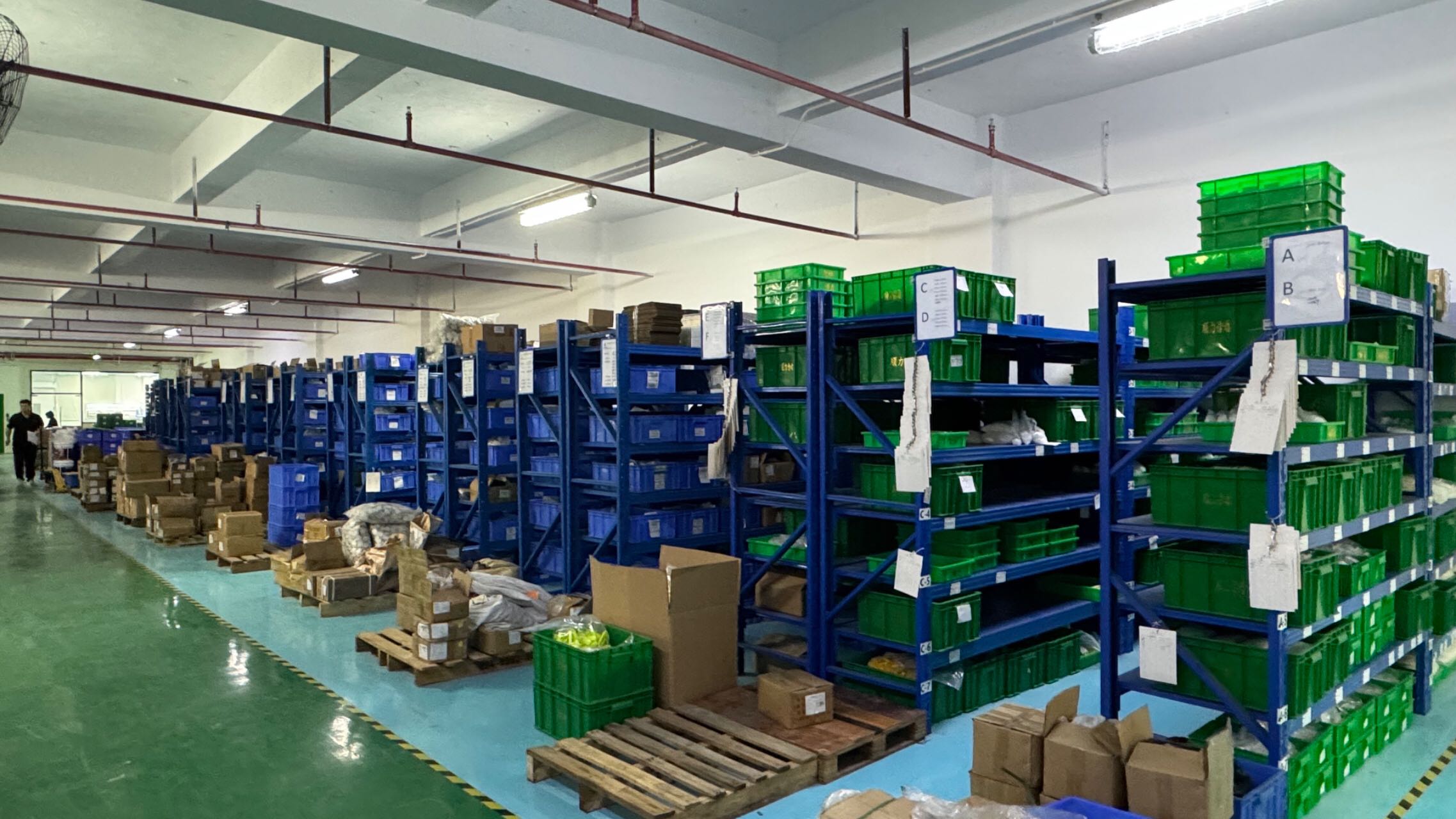

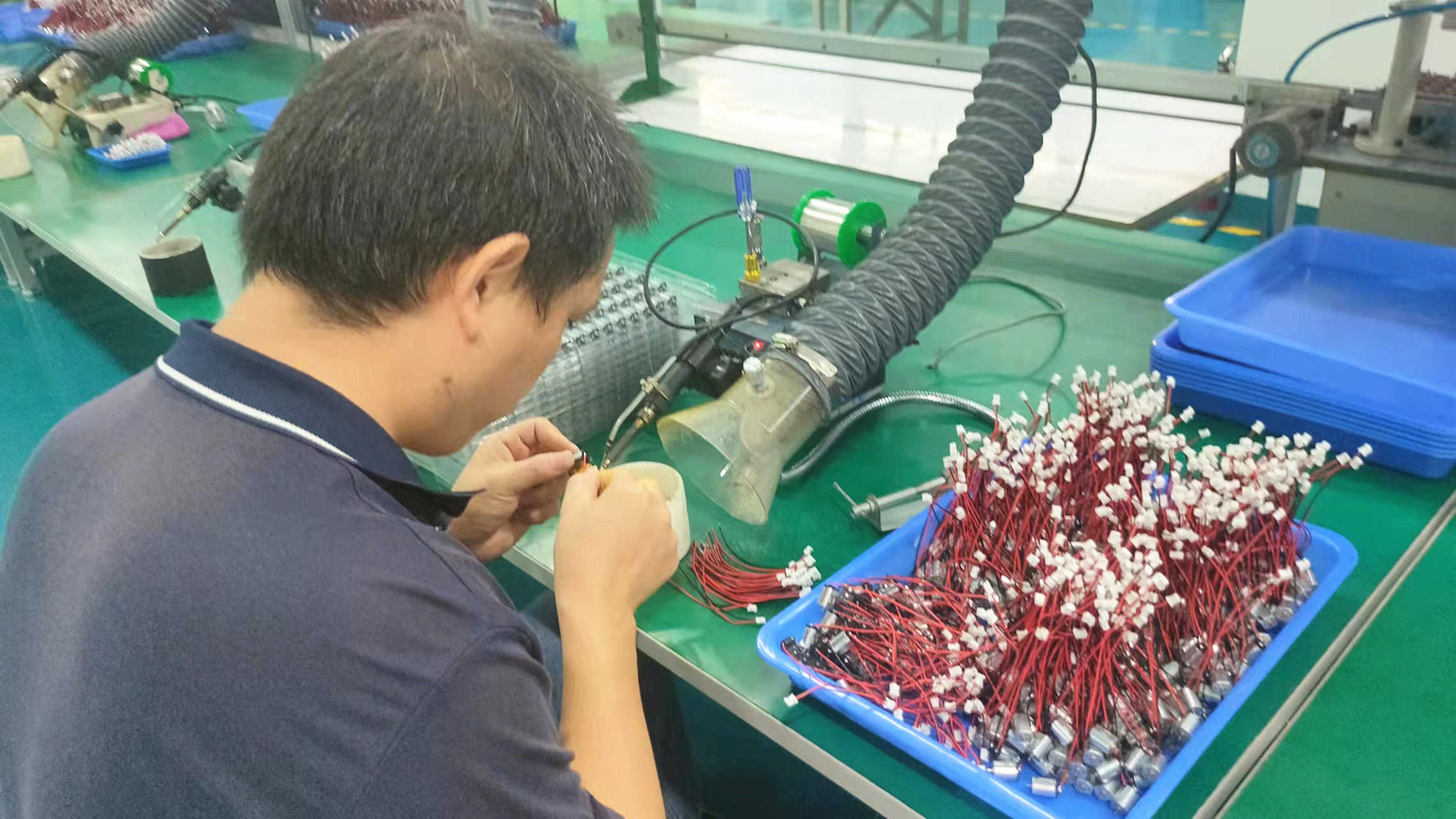
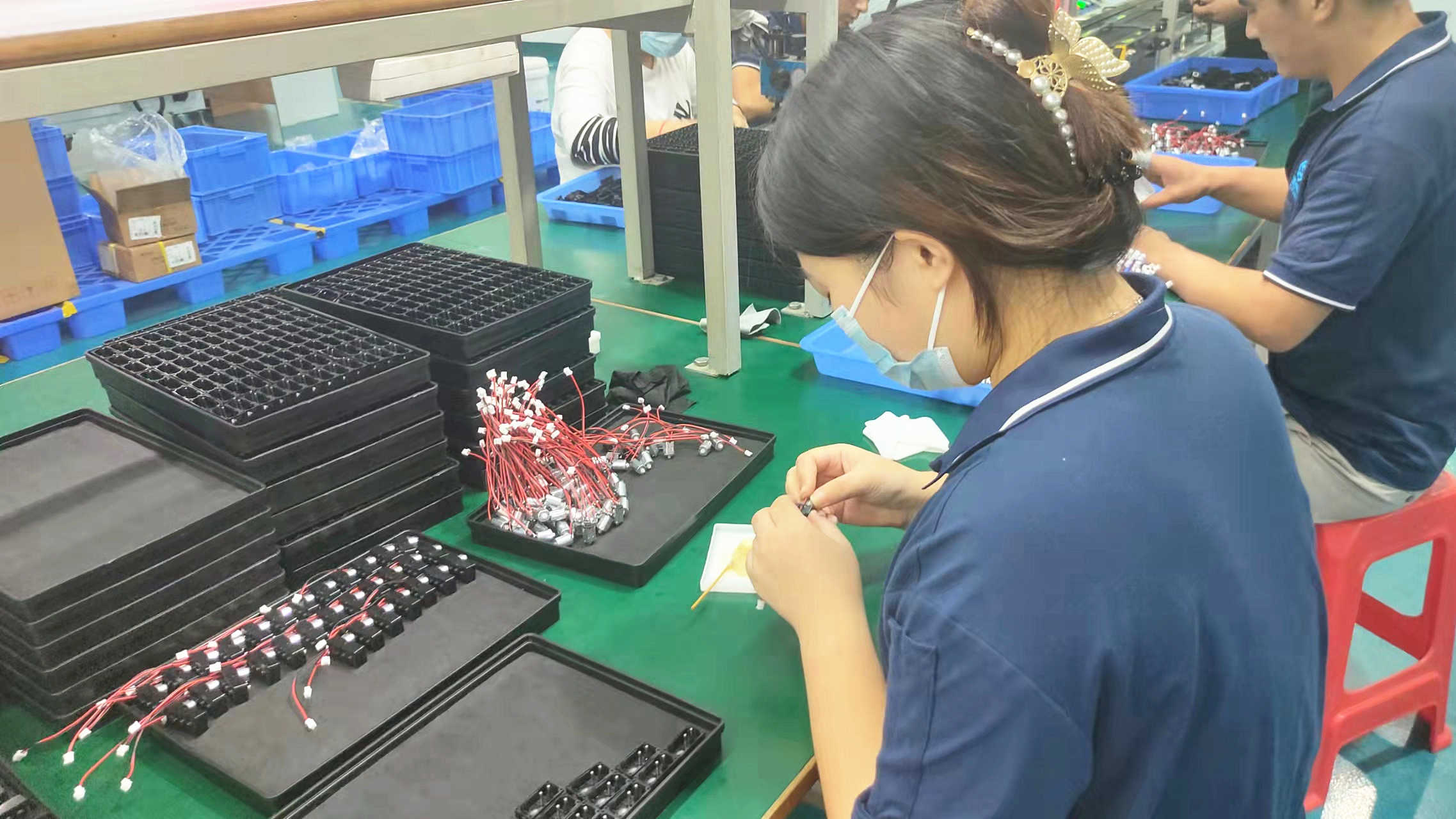
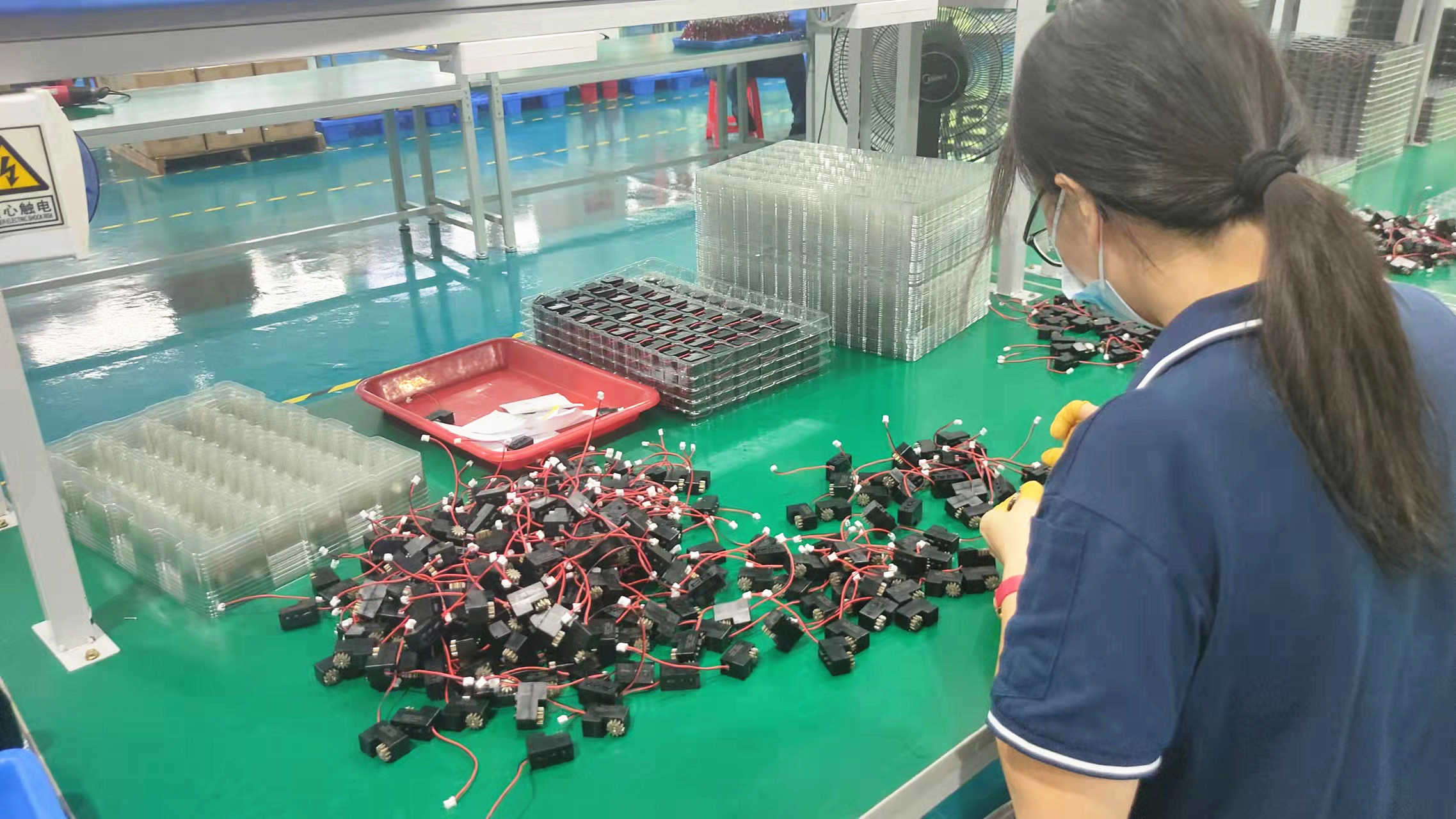
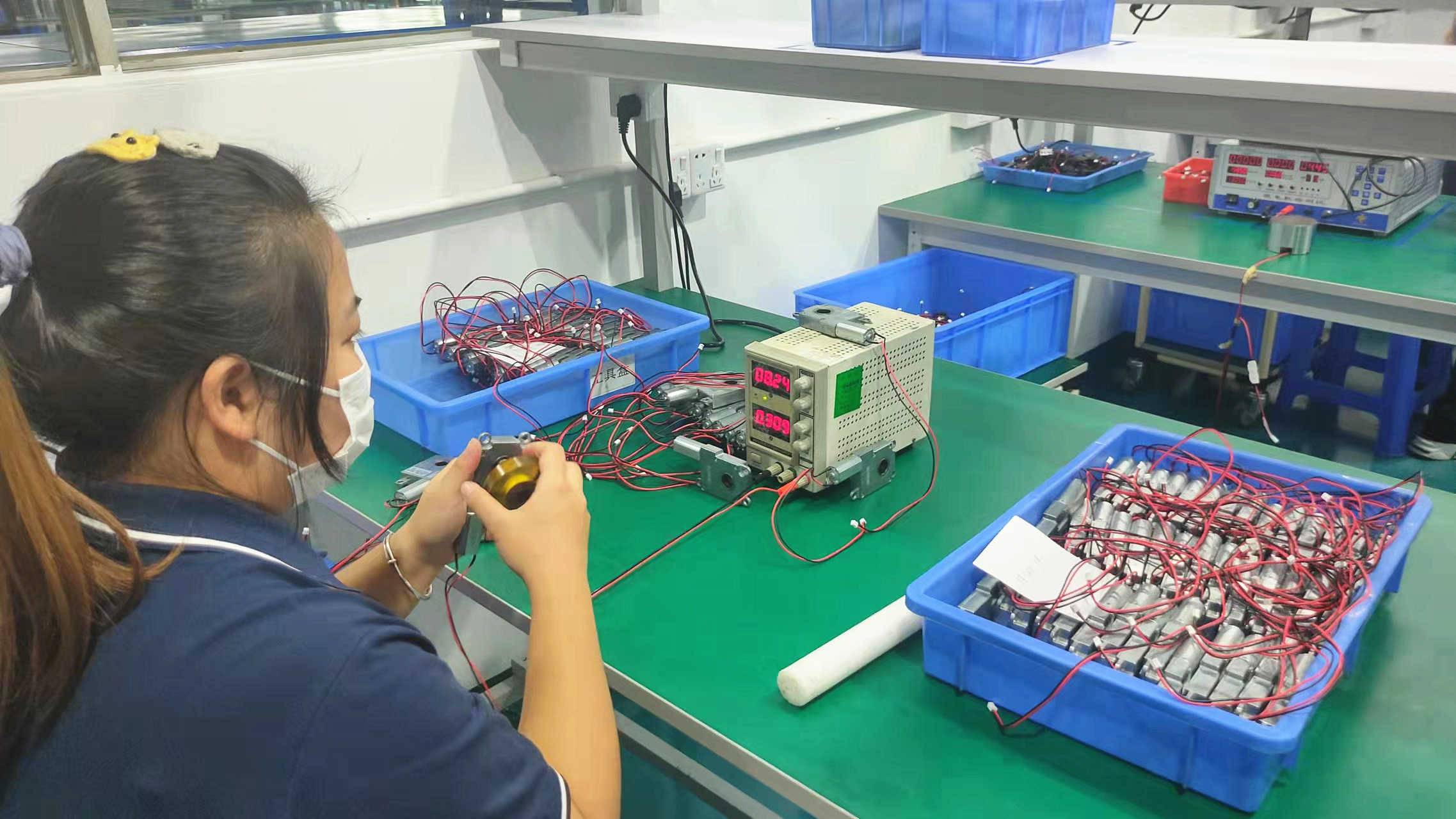
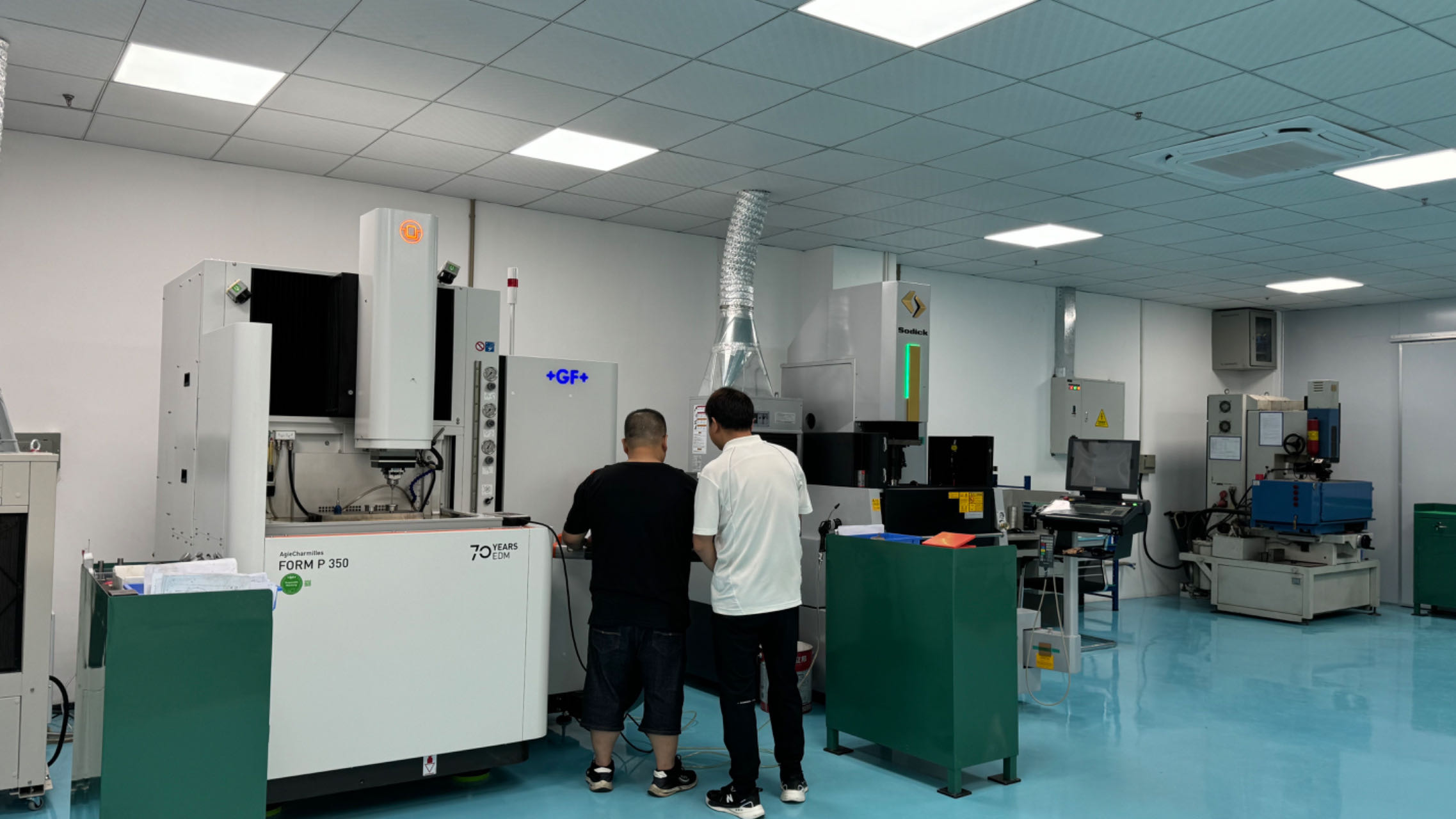
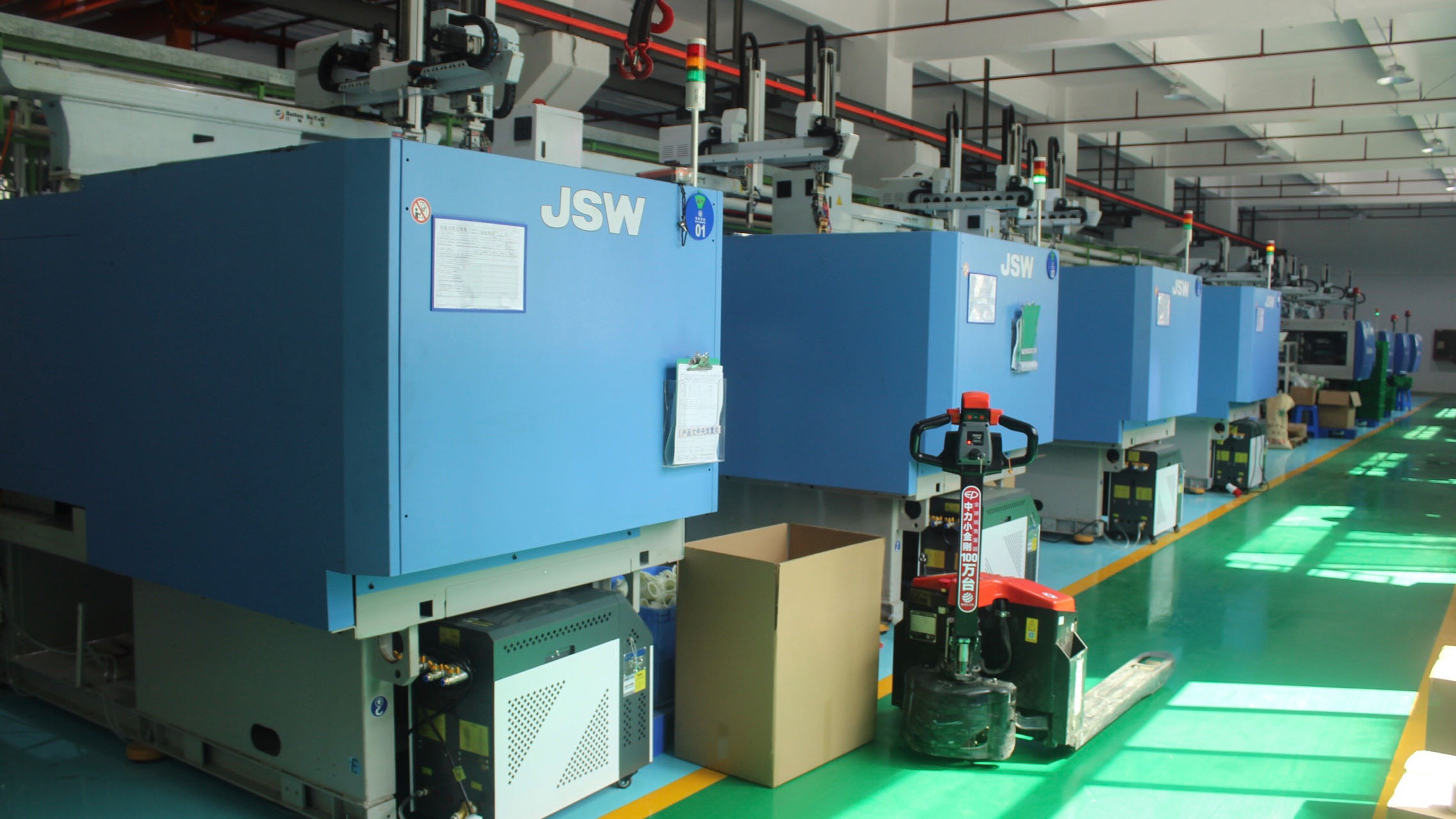
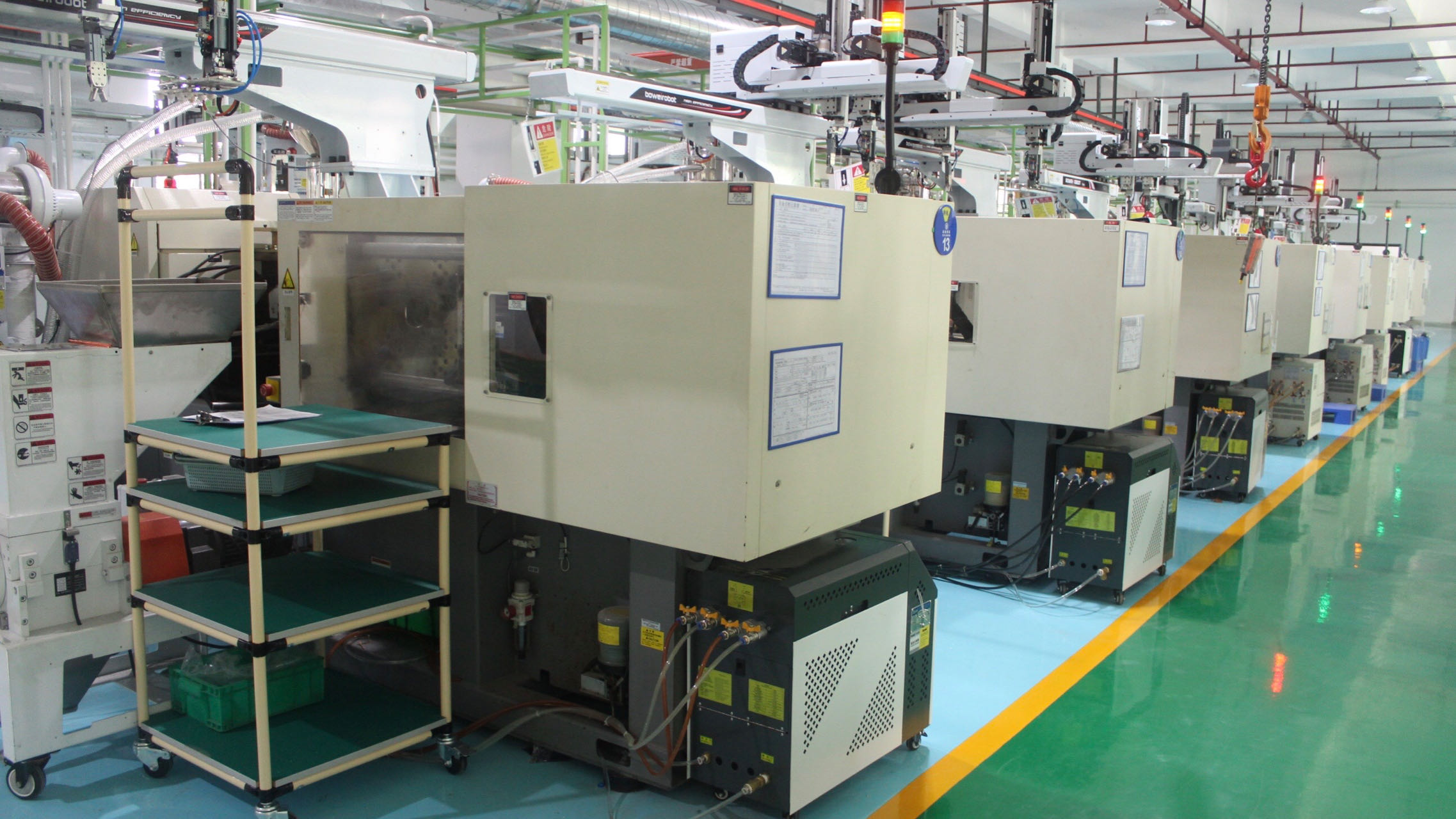
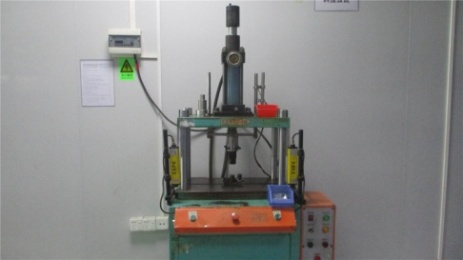
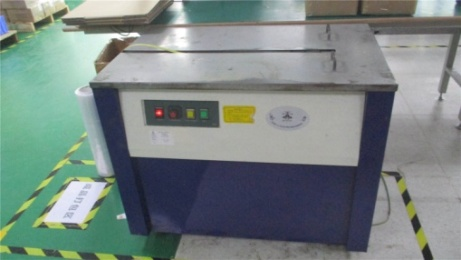
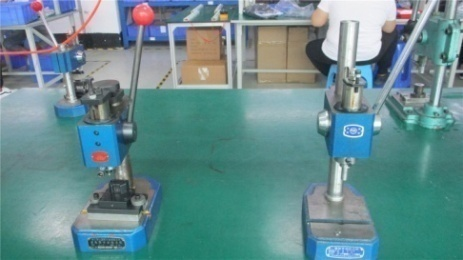
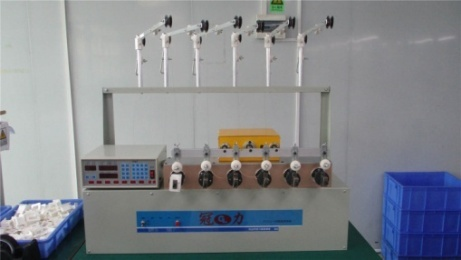
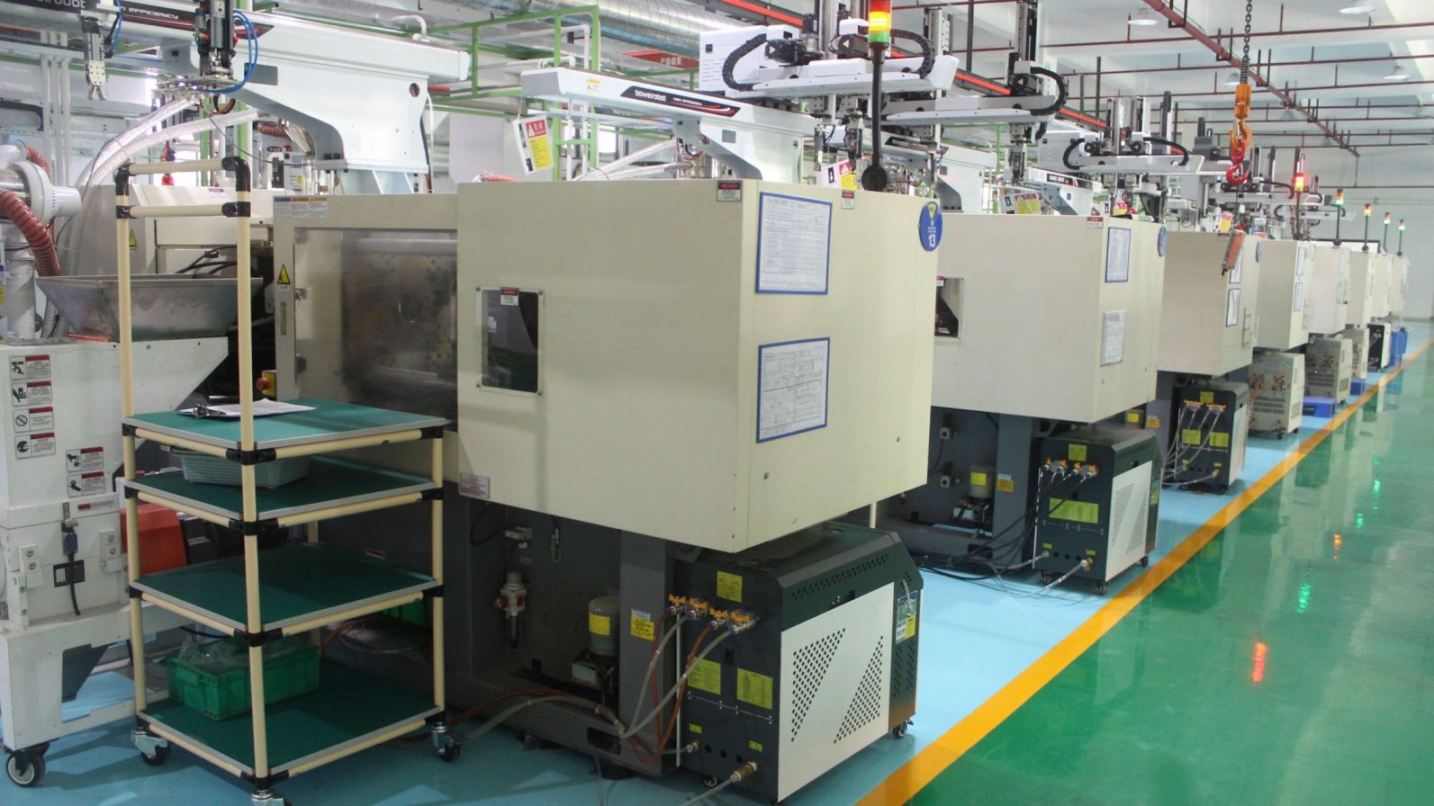
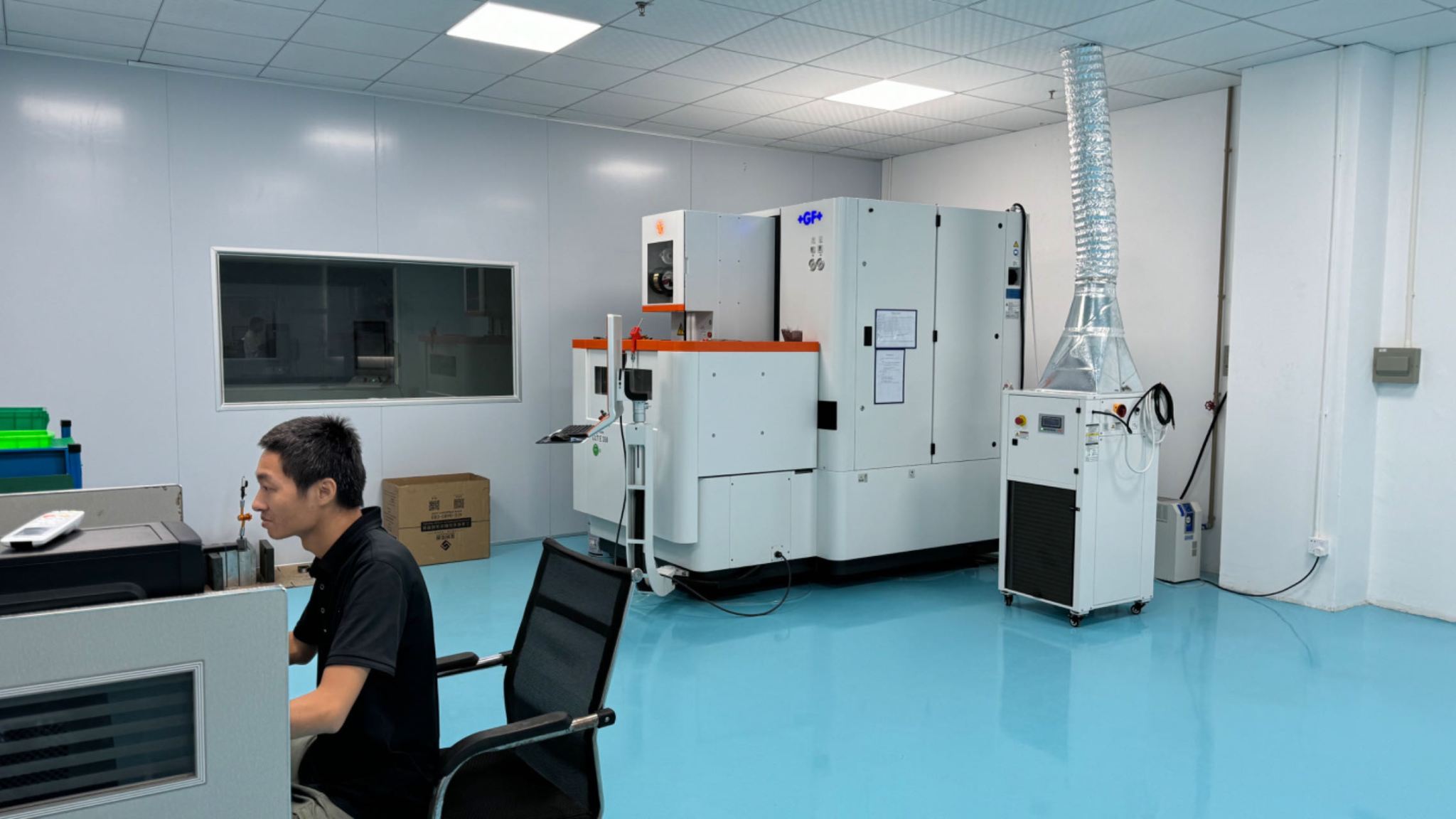
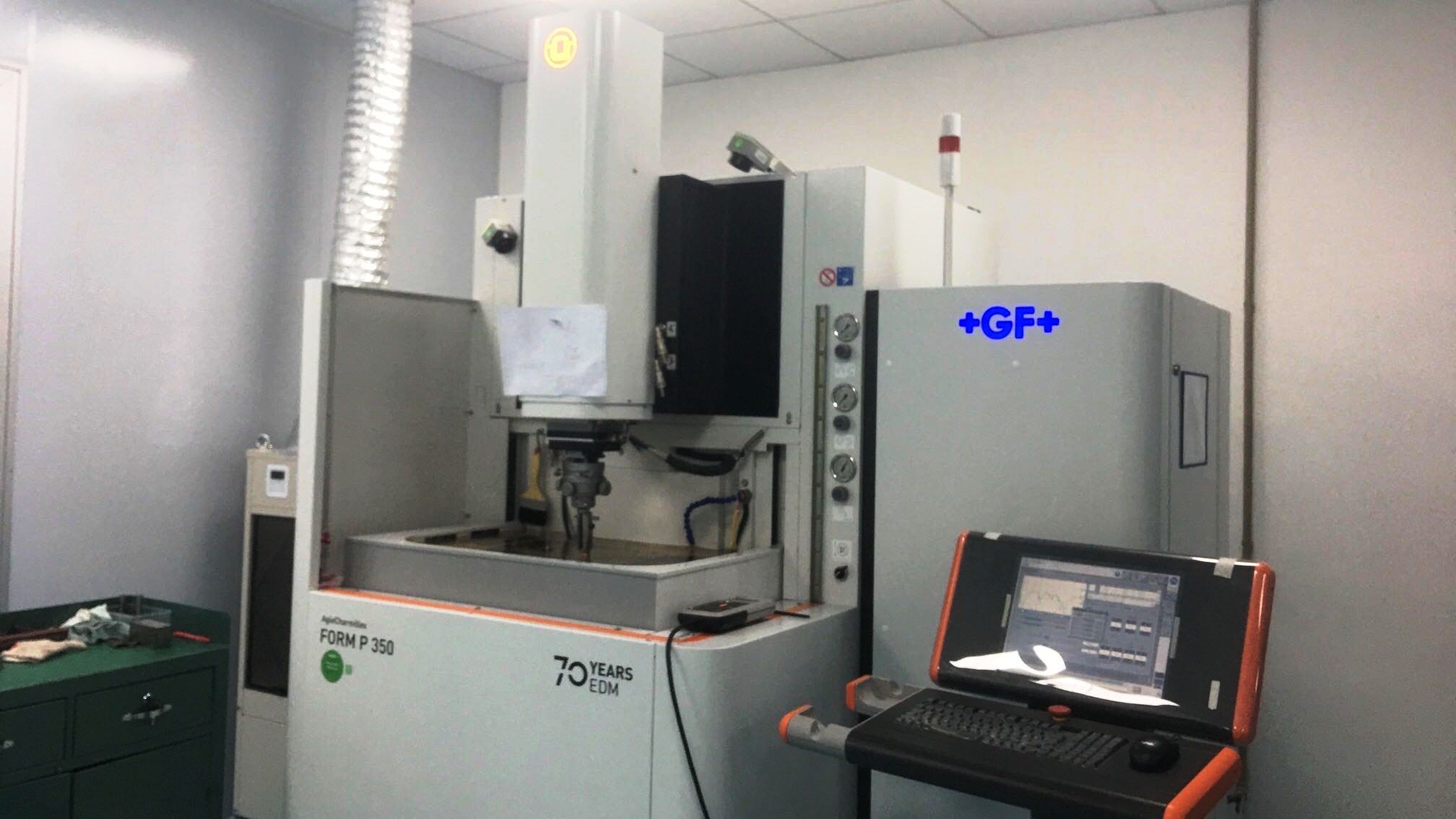
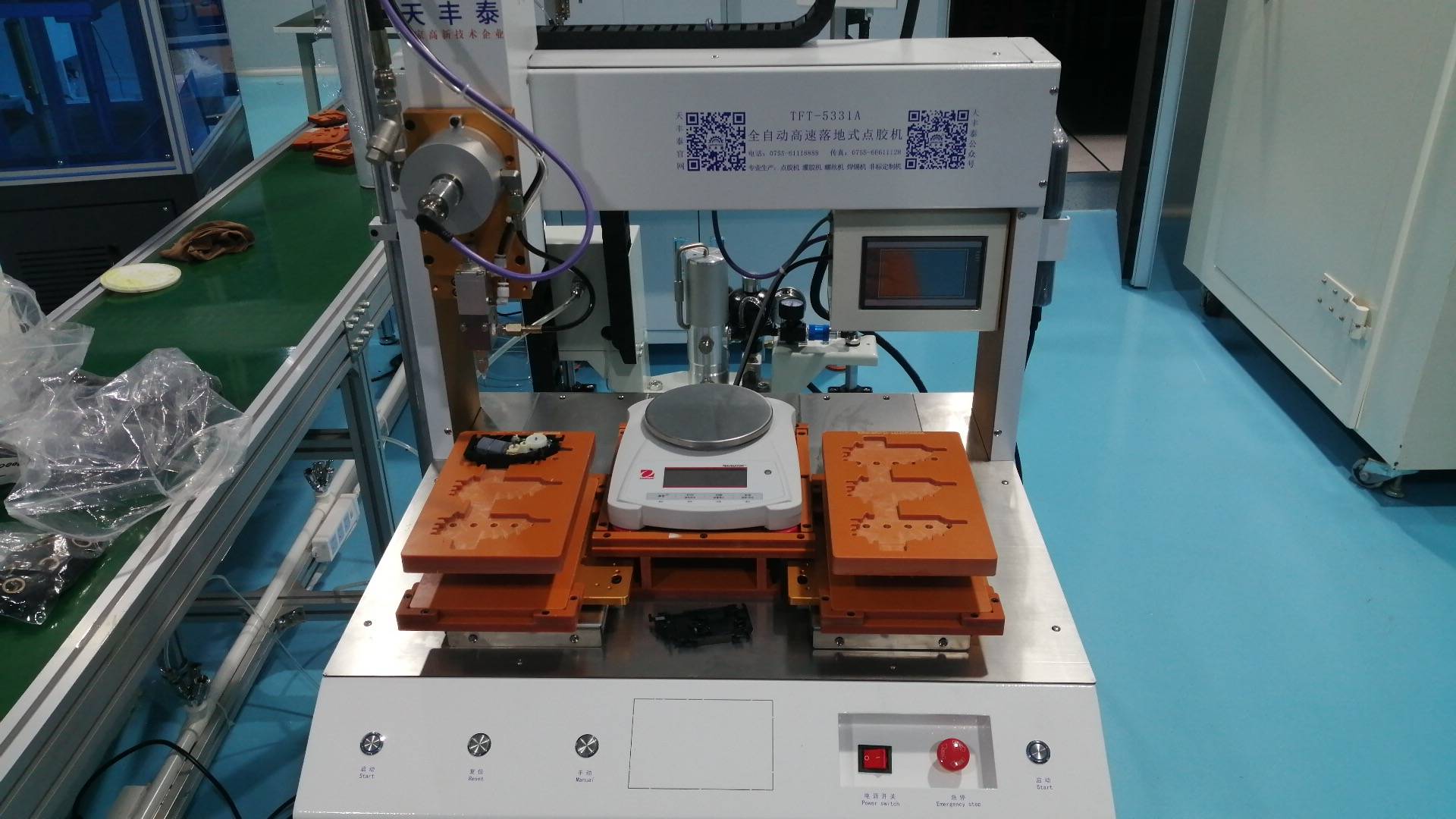
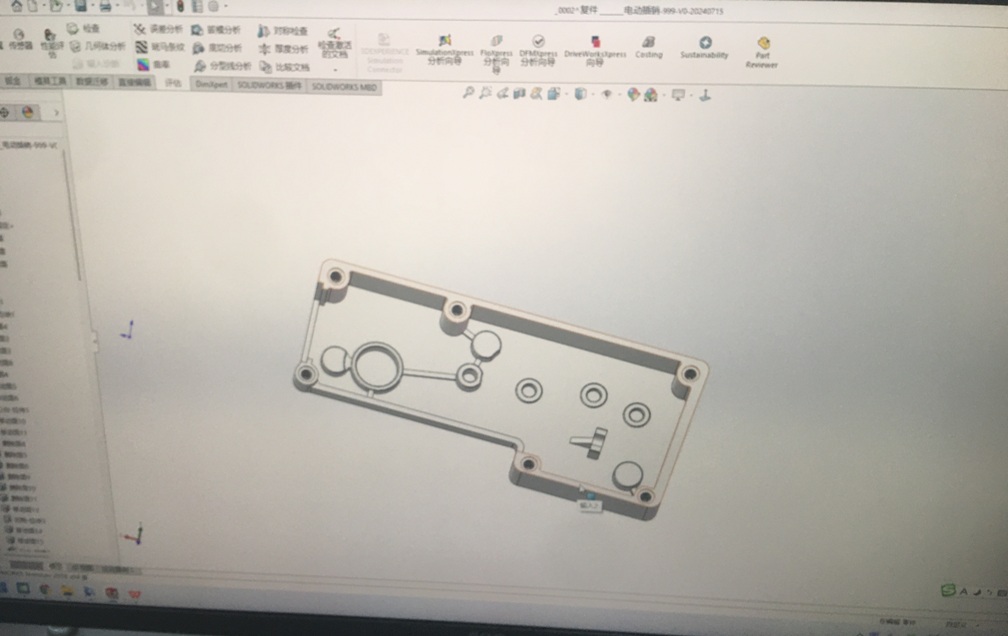
High-precision motion components require specialized machinery. Below is an overview of the tooling, CNC, and assembly equipment utilized on the factory floor:
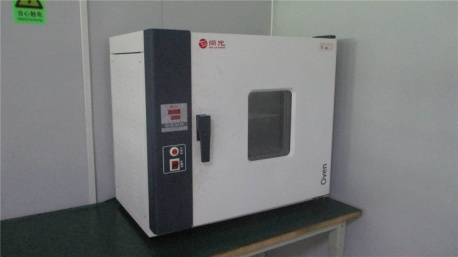
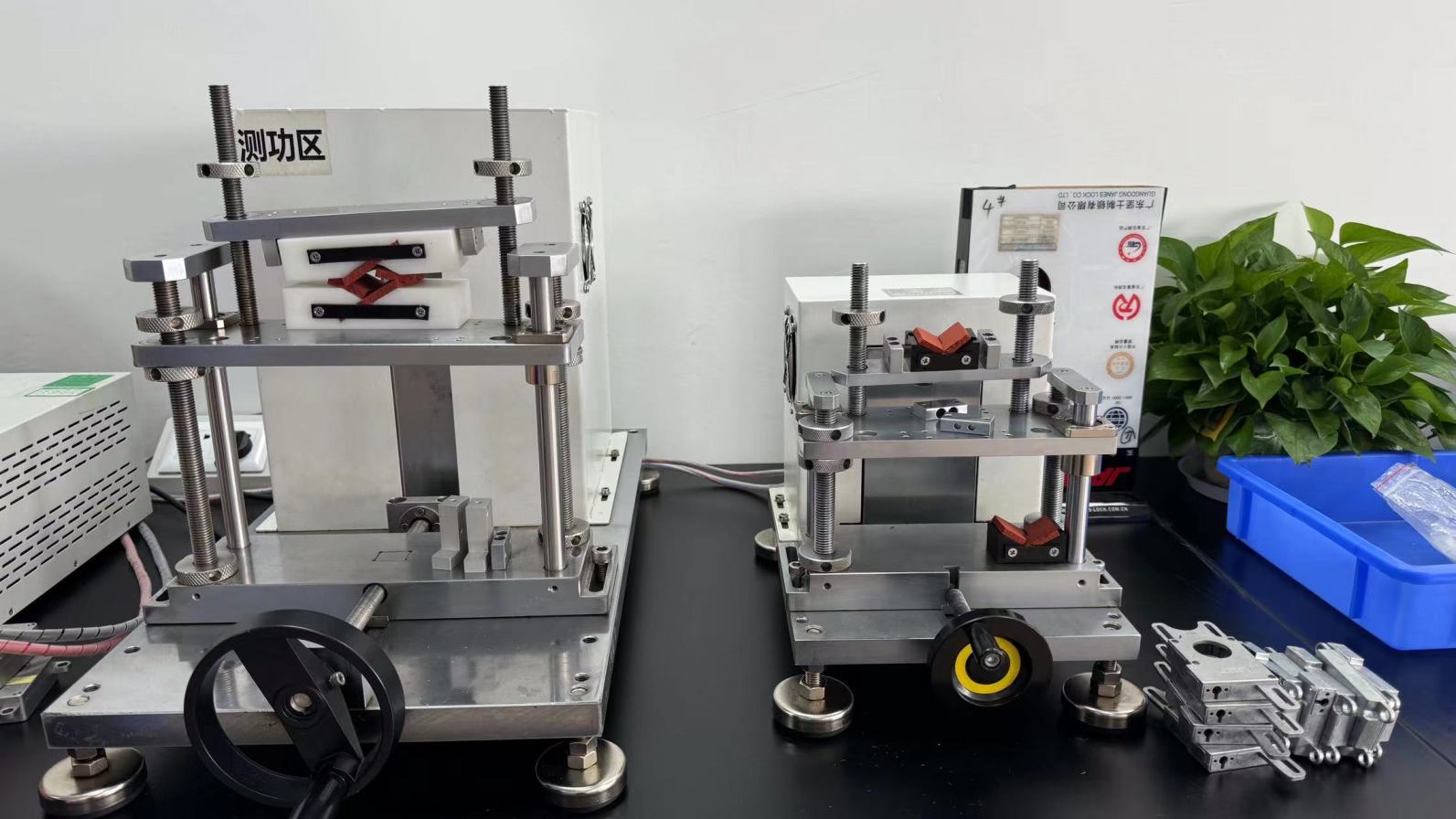
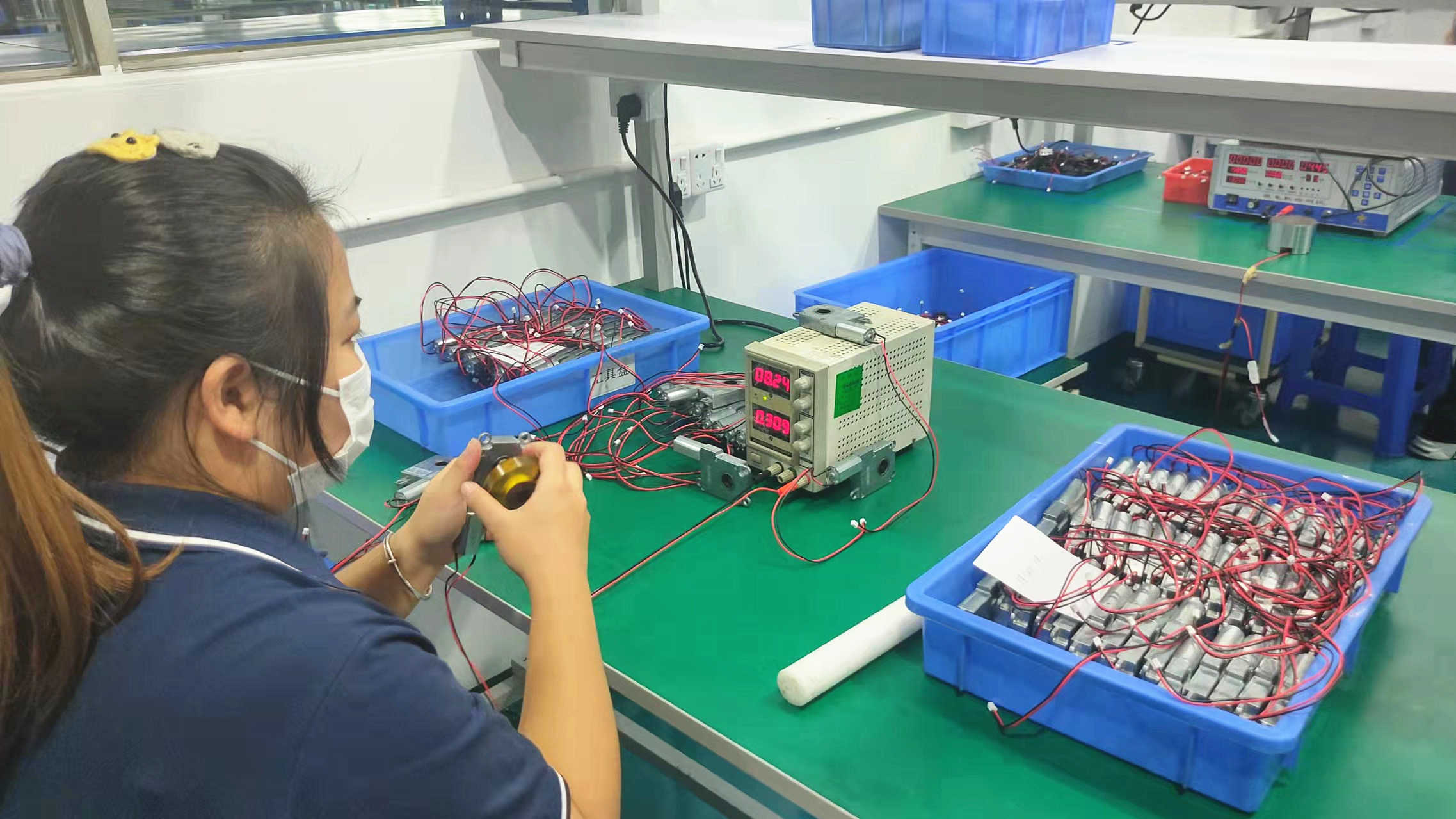
A gear motor is only as reliable as its quality verification framework. Our QA labs utilize specialized testing equipment to monitor accuracy, noise, and environmental performance:
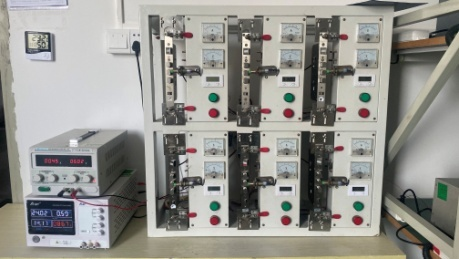
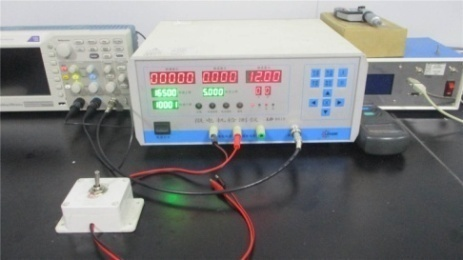
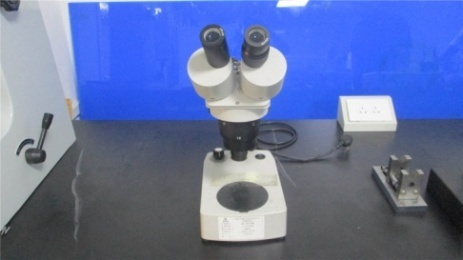
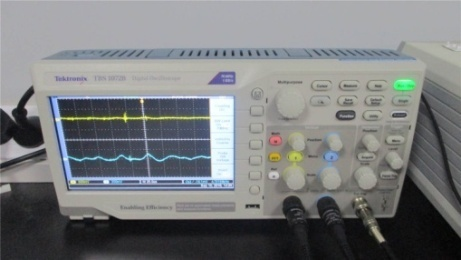
Synchronous and high-torque DC geared motors operate across diverse application profiles, each with specific requirements:
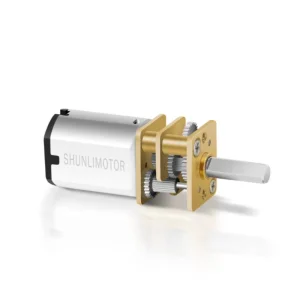
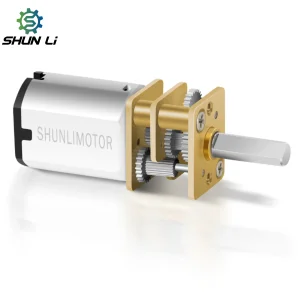
Devices like smart blinds, electronic locks, and motorized valves require quiet, compact motors (such as the 12mm N20 gearbox Series) that fit into narrow spaces while providing reliable holding torque.
Automated syringe drivers, peristaltic dosing pumps, and lab diagnostic devices use high-ratio planetary gear motors. Consistent speed stability helps ensure accurate flow rates under varying pressure levels.
Heavy-duty domestic products, such as electric lawn mowers and outdoor rotisseries, use high-reduction gearmotors (e.g., ratios up to 1:640) designed to handle dust, moisture, and high starting loads.
For procurement officers and design engineers evaluating suppliers, matching target specifications is critical. The checklist below highlights key performance parameters for typical DC and AC synchronous geared motors:
| Motor Type | Voltage Ranges | Nominal Torque Range | Gear Train Material | Key Industrial Applications |
|---|---|---|---|---|
| Planetary Geared PMDC | 6V, 12V, 24V DC | 0.5 Nm – 15 Nm | Powder Metallurgy / Steel | Infusion Pumps, Robotics, Automated Blinds |
| AC Shaded Pole | 100V – 240V AC | 1.0 Nm – 5.0 Nm | Sintered Bronze / Steel | Kitchen Appliances, Fan Drives, Dampers |
| Flat Spur Reduction | 12V, 24V DC | 0.3 Nm – 5.0 Nm | Carbon Steel / Plastic | Vending Machines, Automated Gates, Valves |
| N20 Miniature Geared | 3.0V – 12V DC | 0.1 Nm – 2.0 Nm | Full Metal Cut Spur | Locks, Hair Dryers, Electronic Toys |
Understanding future design requirements is essential for long-term product planning. Key developments in synchronous gear motor technology include:
Modern designs increasingly feature magnetic or optical encoders. This addition converts simple geared motors into responsive servo systems, providing closed-loop control.
While brushed systems remain common for budget-conscious projects, brushless options offer longer service lives and reduced electromagnetic interference (EMI).
Updated environmental regulations require higher operational efficiency. Advanced steel alloys and improved tooth profiles help minimize frictional losses within gearboxes.
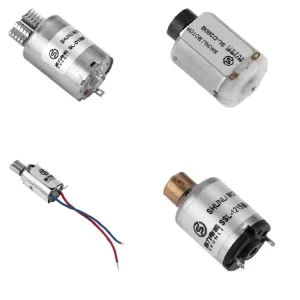
Explore our micro-geared systems, vibration motors, and encoder assemblies designed for automated applications.
 DyneticPro Motor